Attractions and Places To See around Fougères-Vitré - Top 20
Attractions and places to see around Fougères-Vitré showcase a rich tapestry of historical landmarks, natural features, and cultural sites in Brittany, France. The region is characterized by ancient fortresses and medieval towns, complemented by serene gardens and extensive forests. Visitors can explore significant architectural heritage and diverse natural environments. This area provides opportunities to experience both built history and outdoor spaces.
Best attractions and places to see around Fougères-Vitré
- The most popular attractions is Fougères Castle, a castle that…
Last updated: May 9, 2026
Fougères Castle
Highlight • Castle
Translated by Google •
Tip by

Place du Marchix – Half-timbered houses
Highlight • Historical Site
Translated by Google •
Tip by

Sign up now to discover places like this
Get recommendations on the best single tracks, peaks, & plenty of other exciting outdoor places.
Sign up for free
Vitré Castle
Highlight • Castle
Information at:
ferienhaus-bretagne.com/bretagne-tipps/bretagne-sehenswuerdigkeiten/schloss-vitre.html
Translated by Google •
Tip by

Saint Léonard Church
Highlight • Other
Translated by Google •
Tip by

Public Garden
Highlight • Rest Area
Translated by Google •
Tip by
Saint-Sulpice Church, Fougères
Highlight • Religious Site
Translated by Google •
Tip by

La Roche-aux-Fées Dolmen
Highlight • Monument
Translated by Google •
Tip by

Cordon des druides
Highlight • Forest
Translated by Google •
Tip by
Notre-Dame Church
Highlight • Religious Site
Translated by Google •
Tip by

Nançon Garden
Highlight • Natural
Translated by Google •
Tip by
Sign up for free to discover even more attractions around Fougères-Vitré.
Sign up for free
Already have an account?
Start today with a free account
Your next adventure awaits.
Login or Signup
Popular around Fougères-Vitré


Tips from the Community

With nearly 20 meters long, 6 meters wide, and 4 meters high, the Roche-aux-Fées remains the largest dolmen in France and one of the best-preserved in Europe. It is composed of a schist-covered passage formed by four chambers whose meaning has not yet been revealed. Although the construction of this monument dates back to the Neolithic period, around 2000 BC, specialists remain perplexed about its construction method. The site is impressive. And when you know that some stones weighing over 40 tons come from several kilometers around, you wonder how the inhabitants of the time managed to move them there. Such a site could only inspire stories, legends, and beliefs. One of them tells that the fairy Viviane, aided by fellow fairies, would have built this imposing monument... in one night. Another concerns lovers: to know if their union will last, couples must walk around the Roche-aux-fées, each in a different direction, and count the stones. If they find the same number of stones, their future will be bright! Through a mysterious alignment during the winter solstice on December 21st or 22nd, the sun rises facing the entrance of the dolmen. At that moment, the light rays magically illuminate the stone located at the back of the covered passage. Access is free and open. The small surrounding roads are charming and quiet.
0
0

Short video of the site: https://www.youtube.com/watch?v=bqEBsKL7P7s
0
0
The famous rock alignment known as the Druids' Line is as intriguing as it is fascinating. What are eighty quartz blocks doing, stretching over three hundred meters, in an area where this type of stone doesn't exist? Was it a religious or pagan practice? To date, no researcher has found the answer. The Druids' Line follows a general north-northeast orientation, despite numerous meanders. This type of alignment, in a single line, is quite rare in Brittany. It is mistakenly called the Druids' Line, as it is not a Celtic installation, dating back to the Neolithic period. (Source: https://www.destination-fougeres.bzh)
0
0

The Jardin du Val Nançon stretches picturesquely along the Nançon River, framing the northern city walls of Fougères with lush greenery. Covering approximately two hectares, various themed areas invite exploration. This includes a botanical garden, the "Priest's Garden," a reference to the remains of an ancient abbey, a so-called "plant cage," and a colorfully landscaped slope. Of particular note is the contemporary glass art sculpture "L'œuvre à la vie" by Louis-Marie Catta from 2000, which represents peace and dialogue between cultures.
1
0
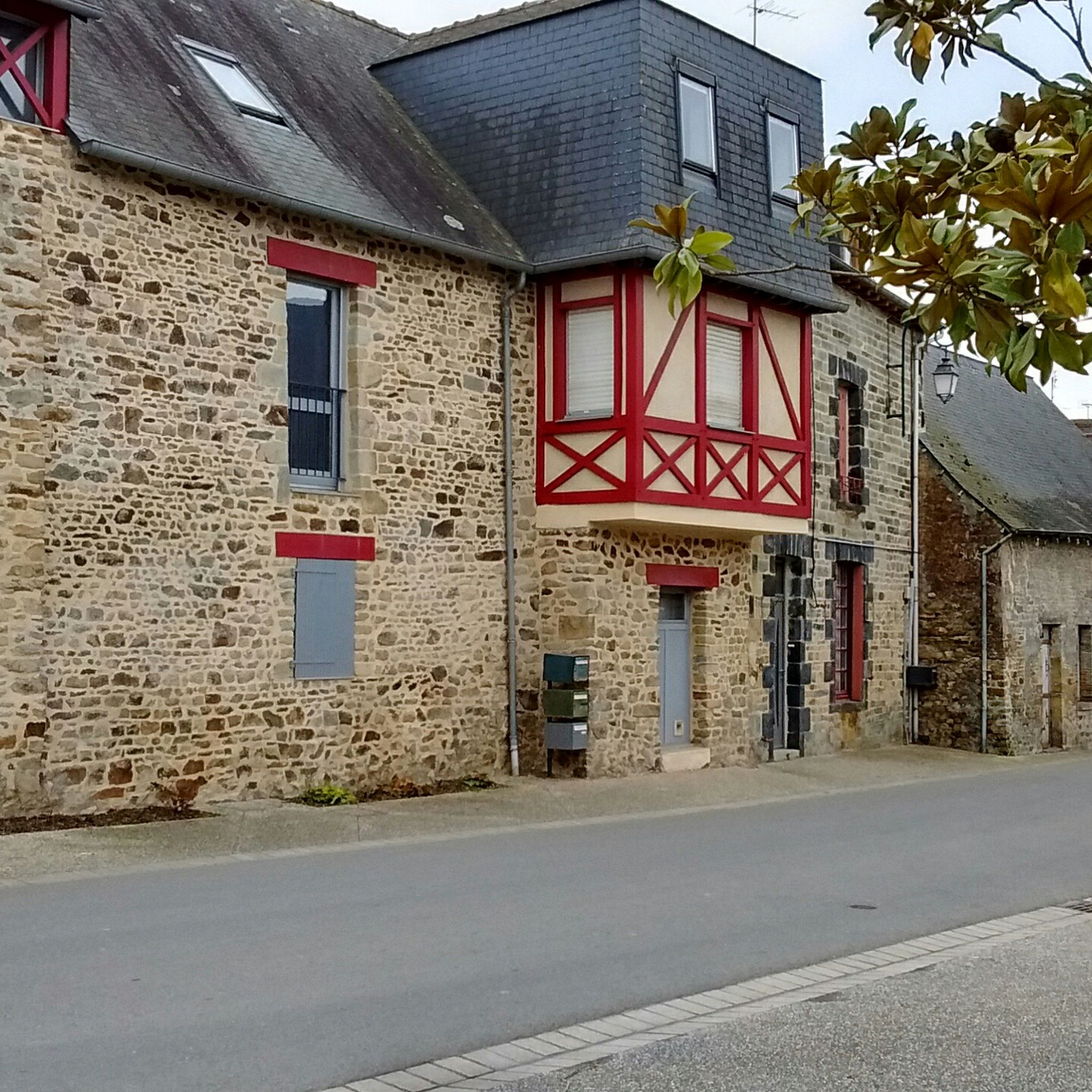
The Place du Marchix is located in the city's oldest district. The square takes its name from the Old French word "marchié," as Fougères's first market once took place here. The district is characterized by well-preserved half-timbered houses dating back to the 16th century, many of which are listed as historical monuments. The square was once a center for artisanal businesses such as tanneries and cloth manufacturers, which used the nearby river to process leather and fabrics.
1
0
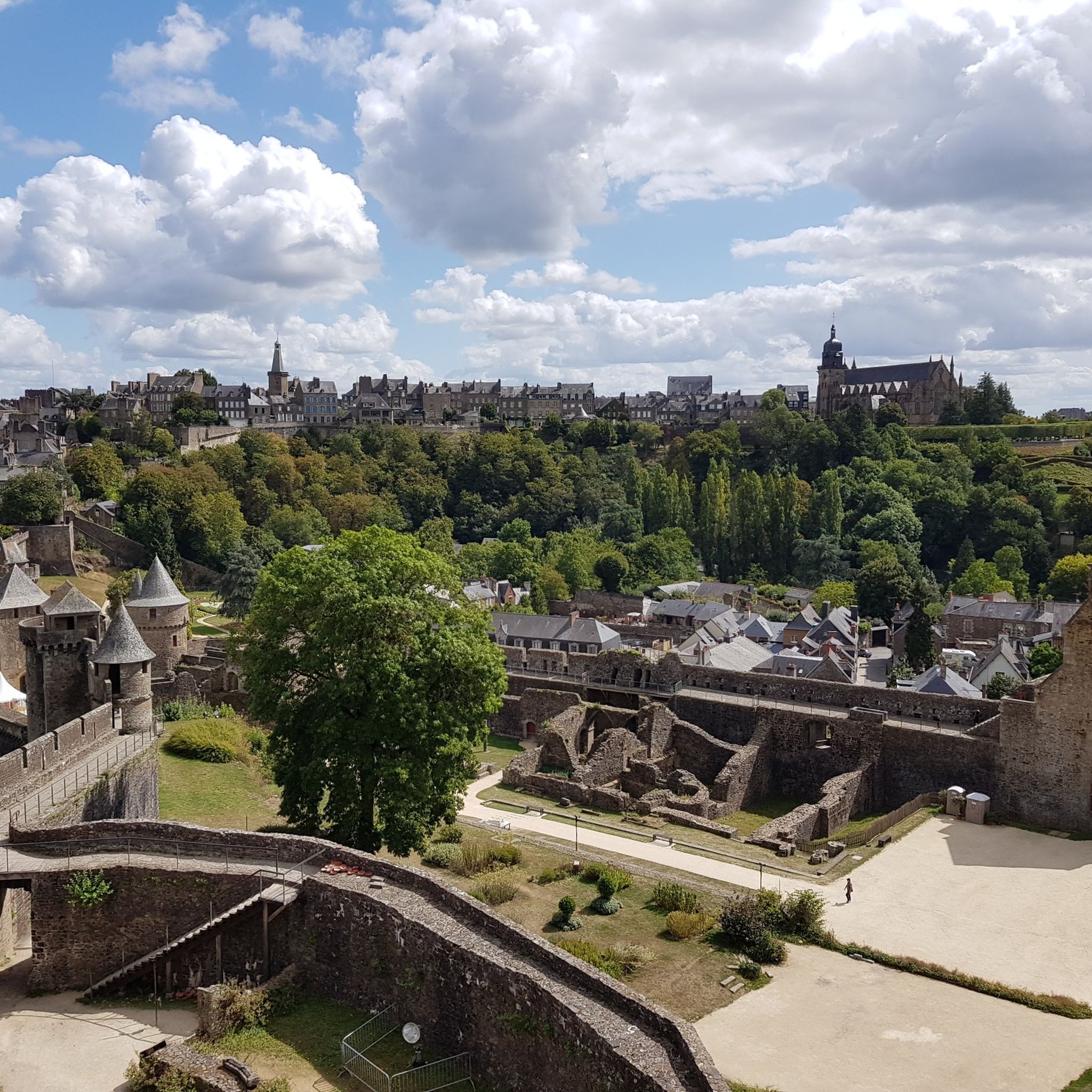
The Jardin Public is centrally located in the city and extends over several terraces offering sweeping views of the old town and the Château de Fougères. Created in 1865, the park combines features of an English landscape garden, French garden architecture, and botanical design.
1
0
The Église Saint-Léonard was built in the 12th century and acquired its present form in the flamboyant Gothic style in the 15th and 16th centuries. During the French Revolution, the church was deprived of its sacred function, but in the 19th century, under architects such as Aristide Tourneux, it underwent extensive renovations, including a new main façade with a large rose window. Inside, 19th-century stained-glass windows depicting episodes from the life of Saint Léonard can be seen.
1
0
The church was originally founded in the 11th century, while the current structure was built in several stages between 1380 and 1760. Particularly noteworthy are the wooden-vaulted nave, the 16th-century granite carvings, and the stained-glass windows from 1885 to 1926. The church also houses the venerated statue of Notre-Dame-des-Marais.
1
0
Frequently Asked Questions
What historical sites can I explore in Fougères-Vitré?
The region is rich in history. You can visit the impressive Fougères Castle, one of Europe's largest medieval fortresses, or the equally stunning Vitré Castle, described by Victor Hugo as one of France's most beautiful citadels. Don't miss the medieval charm of Place du Marchix – Half-timbered houses in Fougères and the historic Old Town of Vitré with its cobbled streets.
Are there any notable churches or religious buildings to visit?
Yes, the area features several significant churches. In Fougères, explore Saint Léonard Church, dating from the 12th to 17th centuries, and the Flamboyant Gothic Saint-Sulpice Church with its remarkable medieval granite altarpieces. In Vitré, the 15th-century Notre-Dame Church is an architectural gem blending Gothic and Renaissance styles.
What natural attractions are there for outdoor enthusiasts?
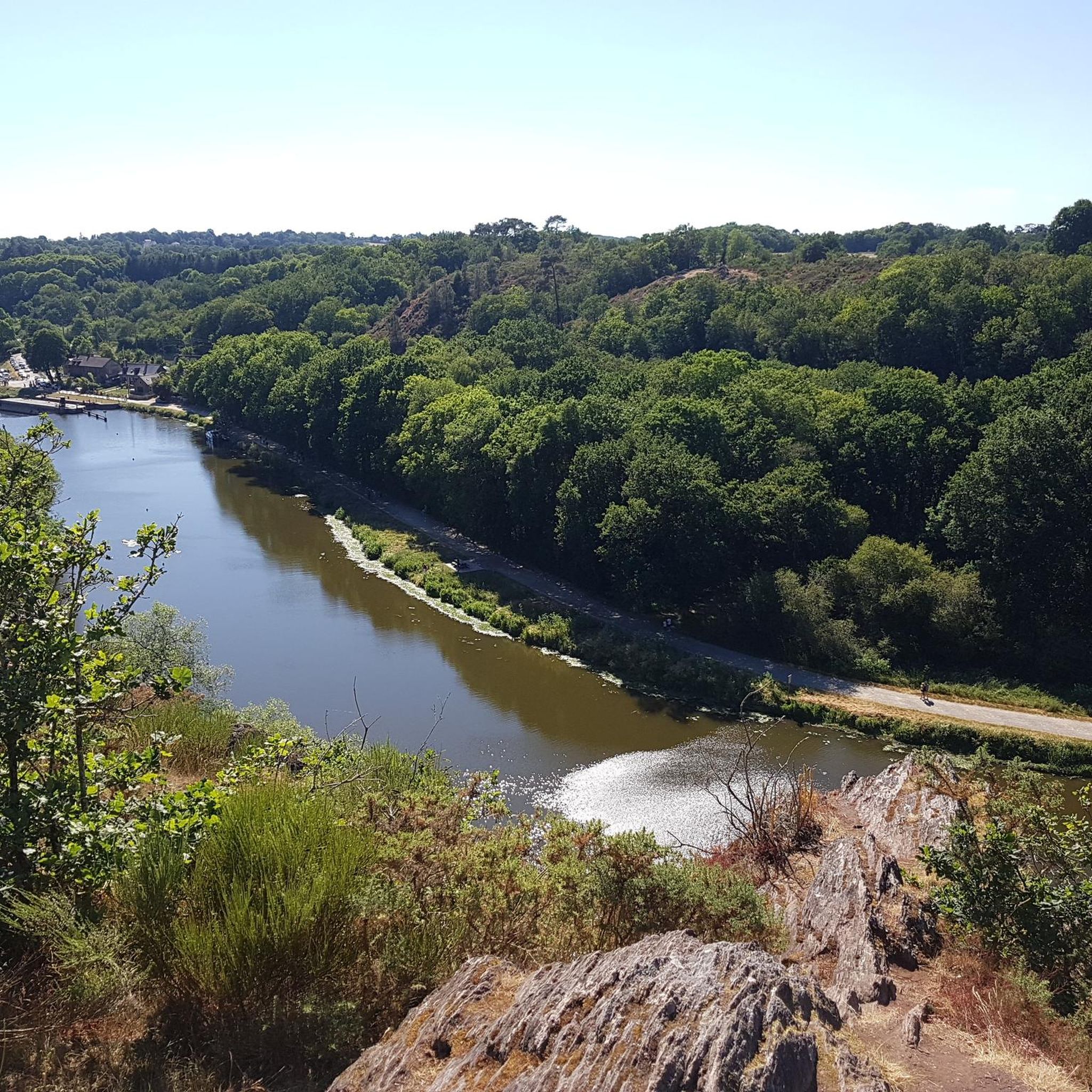
Nature lovers can enjoy the Public Garden in Fougères, offering panoramic views of the castle and medieval quarter. The Forest of Fougères and Forêt de Vitré are ideal for hiking and mountain biking. You can also visit the Quarry of Le Rocher Coupé / Carrière de Californie for walks around a lake, or the tranquil Etang de la Corbière with its century-old trees.
Are there good places for walking or hiking in the Fougères-Vitré area?
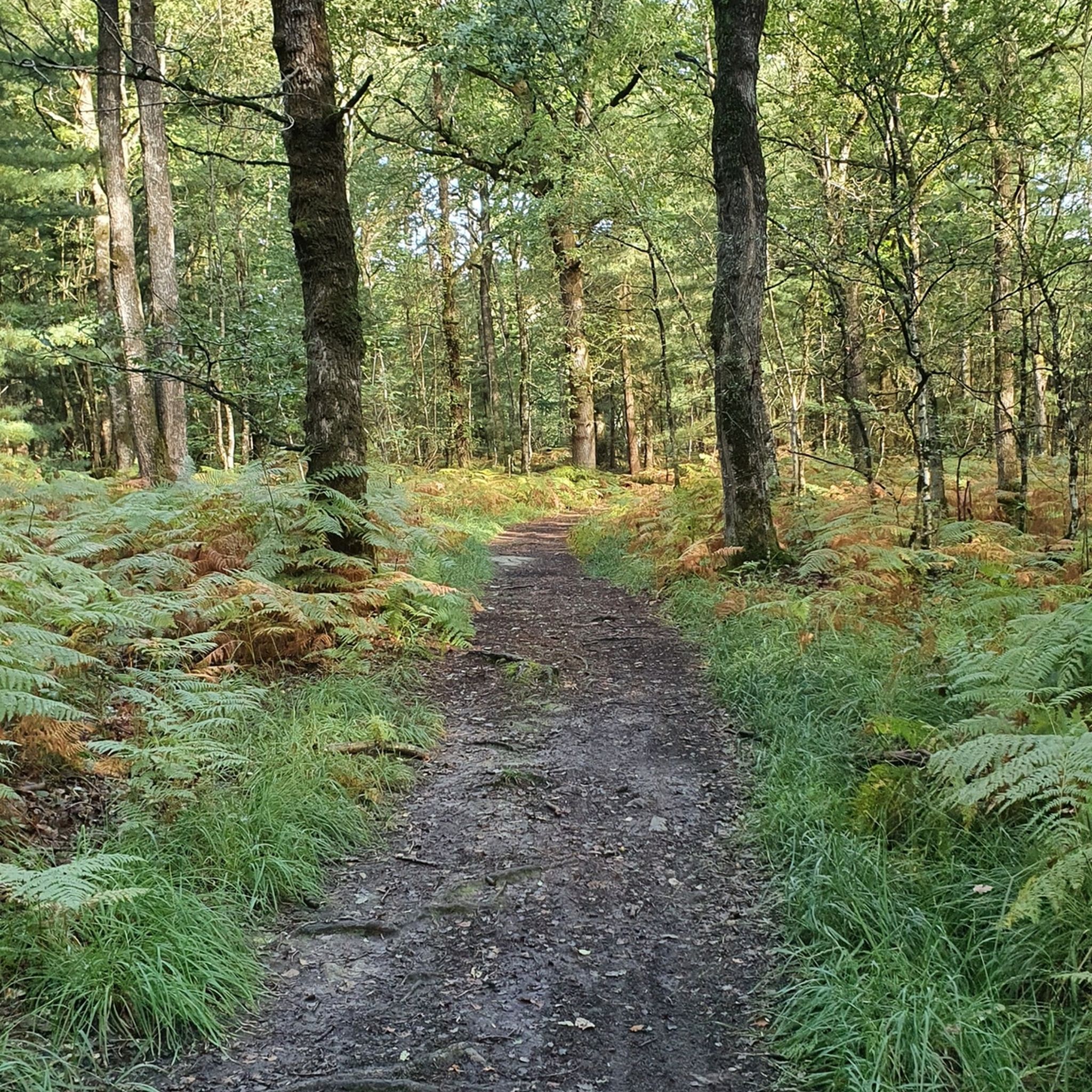
Absolutely. The Forest of Fougères and Forêt de Vitré offer numerous trails. For specific routes, consider the 'Balconies of Fougères Circuit' or the 'Circuit of the Cordon des Druides'. You can find more hiking options and detailed routes in the Hiking around Fougères-Vitré guide.
Can I go cycling in the Fougères-Vitré area?
Yes, the region is great for cycling. There are options for both road cycling and gravel biking. Popular routes include the 'Fougères–Vitré Greenway' for gravel biking, and various loops like the 'Vitré Countryside and Cantache Loop' for road cycling. Explore more routes in the Gravel biking around Fougères-Vitré and Road Cycling Routes around Fougères-Vitré guides.
What are some family-friendly activities in Fougères-Vitré?
Families can enjoy exploring the castles, such as Fougères Castle and Vitré Castle, which often have engaging exhibits. The Public Garden in Fougères is a lovely spot for a stroll, and the Parc Floral du Châtellier offers themed gardens. The Petit Train Touristique in Fougères provides a fun city tour with commentary, suitable for all ages.
Are there any ancient or megalithic sites to visit?
Yes, the region holds ancient secrets. In the Forest of Fougères, you can discover the 'Cordon of the Druids,' a row of 50 quartz menhirs, and other dolmens. Another significant megalithic site is the La Roche-aux-Fées Dolmen.
Where can I find unique viewpoints in the area?
For stunning views, climb the tower of Saint Léonard Church in Fougères during high season for a 360° panorama of the city and castle. The Public Garden also offers remarkable vistas. In Vitré, strolling along the old city ramparts provides unique perspectives of the town, especially when illuminated at night.
What do visitors particularly enjoy about the Fougères-Vitré area?
Visitors frequently praise the well-preserved medieval architecture, especially the castles and half-timbered houses, which transport them back in time. The blend of historical exploration with beautiful natural settings like gardens and forests is also highly appreciated. Many enjoy the peaceful atmosphere and the opportunity to discover hidden gems while exploring the towns and surrounding countryside.
Are there any museums dedicated to local history or art?
Yes, you can delve into local culture at the Musée Emmanuel de la Villéon in Fougères, dedicated to the Impressionist painter native to the town. The Atelier-Musée de l'Horlogerie showcases the evolution of time measurement. In Vitré, the Musée Saint-Nicolas is dedicated to sacred art, and the Château des Rochers-Sévigné, Madame de Sévigné's former residence, is now a museum preserving her life and work.
What is the oldest belfry in Brittany?
The Belfry of Fougères, dating back to 1397, holds the distinction of being the oldest belfry in Brittany. It served as a historic watchtower and offers panoramic views of the medieval town.
Most popular routes around Fougères-Vitré

Get inspired with the komoot mobile app


Didn’t find what you were looking for?
Are you keen on exploring more awesome places nearby? Browse our guides:
Explore more
Still not found the Highlight you’re looking for? See guides of the top attractions in other regions:
