Top 7 Castles around Fougères-Vitré
Best castles around Fougères-Vitré are found in a region of Brittany, France, known for its rich historical tapestry. This area features impressive medieval architecture, often strategically located on rocky outcrops or near rivers, serving as crucial defensive strongholds. Visitors can explore a range of fortresses, keeps, and manor houses that offer insights into centuries of history. The region provides a comprehensive medieval experience with its well-preserved sites.
Best castles around Fougères-Vitré
- The most popular castles is Fougères Castle, a…
Last updated: May 17, 2026
Fougères Castle
Highlight • Castle
Translated by Google •
Tip by

Vitré Castle
Highlight • Castle
Information at:
ferienhaus-bretagne.com/bretagne-tipps/bretagne-sehenswuerdigkeiten/schloss-vitre.html
Translated by Google •
Tip by

Sign up now to discover places like this
Get recommendations on the best single tracks, peaks, & plenty of other exciting outdoor places.
Sign up for free
Surienne Tower
Highlight • Castle
Translated by Google •
Tip by

Belair Castle
Highlight • Castle
Translated by Google •
Tip by

The keep of Saint-Aubin-du-Cormier
Highlight • Castle
Translated by Google •
Tip by

Panoramic view from the public garden
Highlight • Viewpoint
Refreshment bar in the park that opens at the end of the day.
Public toilets present in the park.
Translated by Google •
Tip by

Tour Desnos
Highlight • Castle
Translated by Google •
Tip by

Start today with a free account
Your next adventure awaits.
Login or Signup
Popular around Fougères-Vitré


Tips from the Community

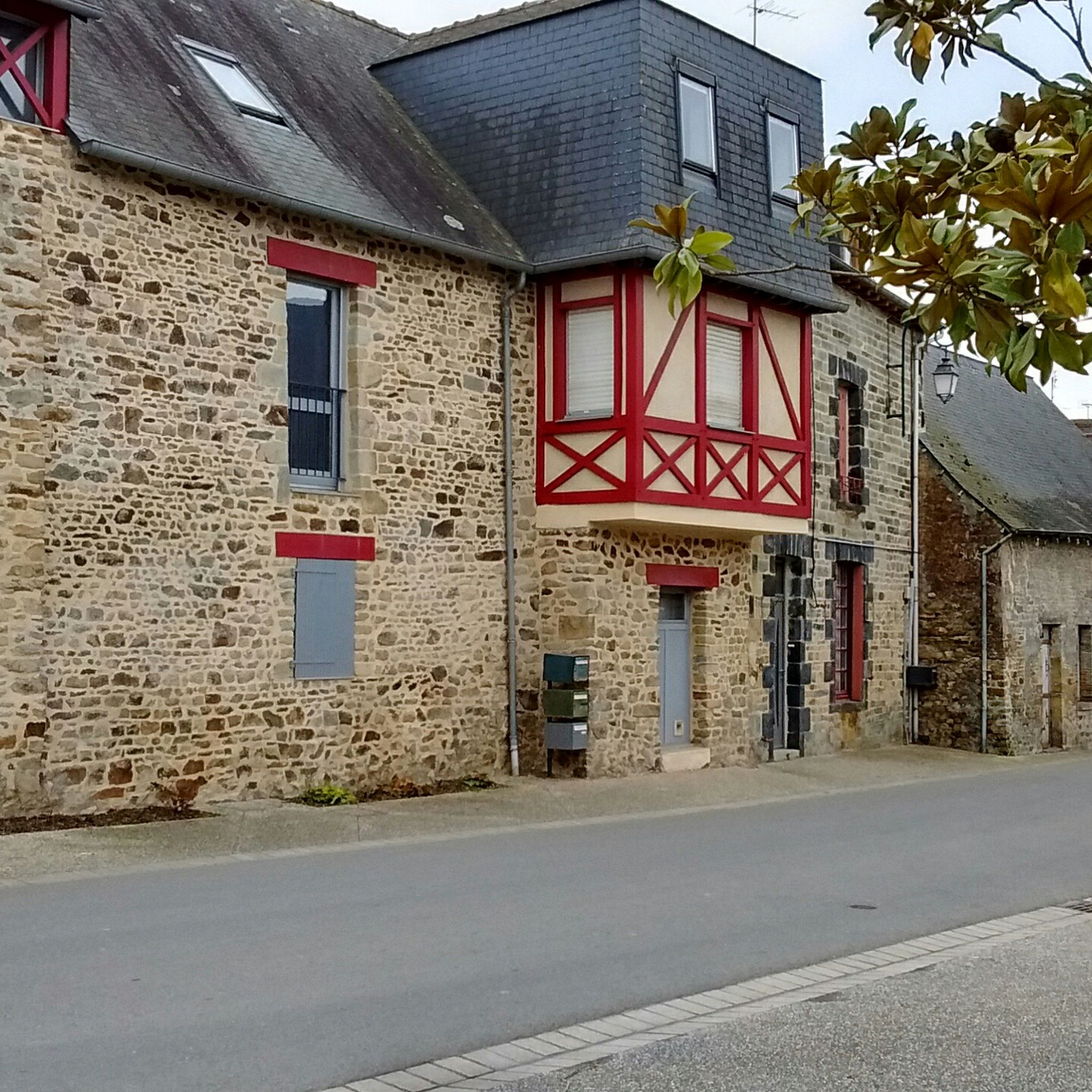
The Desnos Tower is a medieval defensive tower dating back to the early 15th century. It is one of the few remaining towers of the northern city wall and was originally part of the fortifications of the "Bourg-Neuf," the newer district above the castle. It probably owes its name to Colin Desnos, a citizen of the city on whose land the tower was built. Over the centuries, the Desnos Tower served various purposes: initially for defense, later as a prison, and in the 19th century as part of a shoe factory.
1
0
The cadastral records of the Château Fort de Fougères mention two towers—the Tour Raoul and the Tour Surienne (also called "tour de Surienne")—dated between 1480 and 1485. The tower was part of the fortifications that were reinforced or rebuilt in the 15th century.
1
0

Château de Vitré is a castle worth seeing in this small, beautiful town.
0
0

The Tour Surienne was named after Françoise de Surienne. In March 1449, in the midst of a truce between France and England, François de Surienne, a Spanish mercenary in the pay of the English, attacked in the dead of night with his 600 men. The inhabitants were slaughtered and the city plundered. In 1450, Surienne settled there and entrenched himself. Only after a two-month siege by Francis I, Duke of Brittany, who was aided by a plague epidemic, did Surienne surrender.
0
0
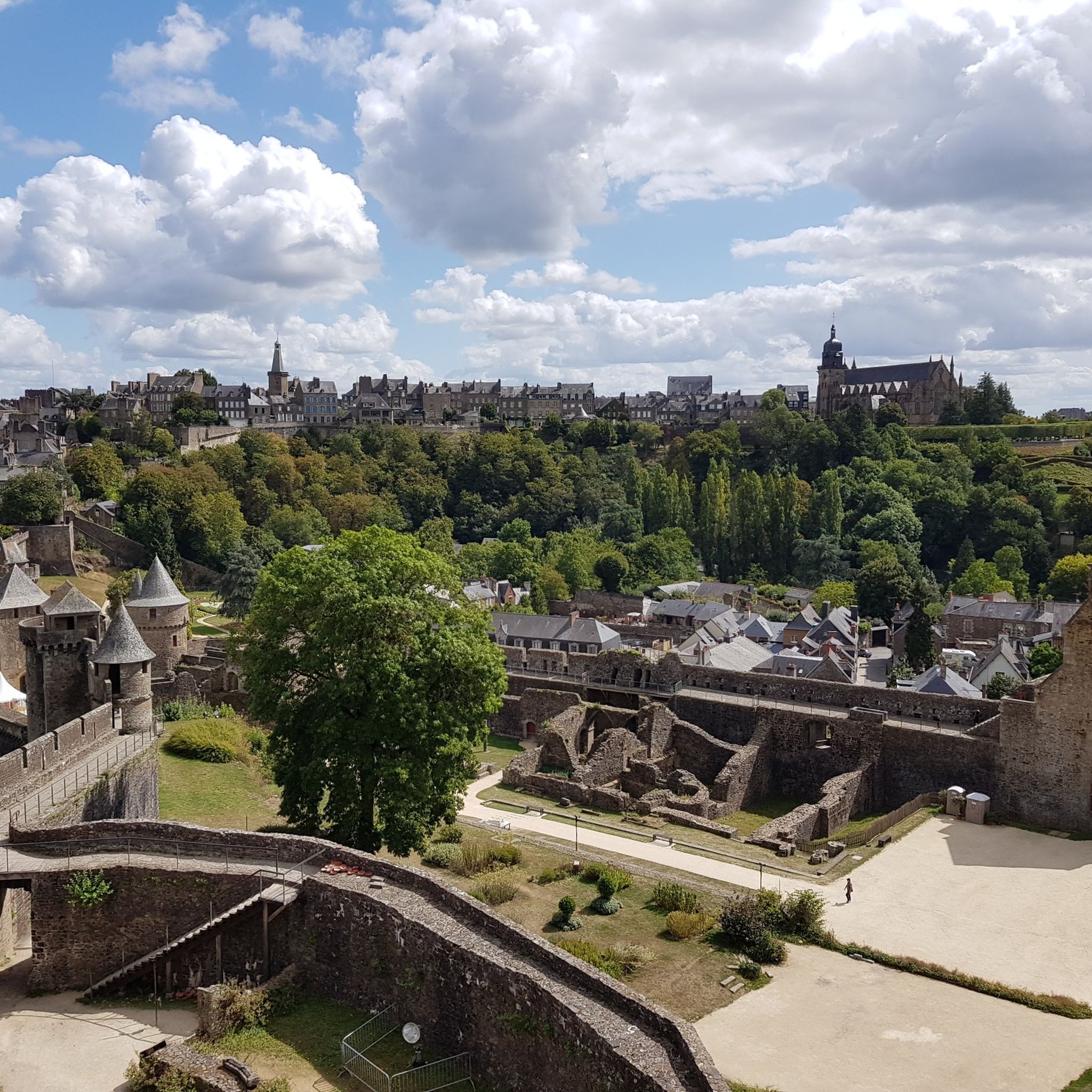
The largest fortress in Europe, the castle of Fougères stands on a rocky outcrop surrounded by marshland. The first castle of Fougères was built around the turn of the millennium to defend the north-eastern part of the border area of the Duchy of Brittany. Built at the crossroads of important trade routes, this primitive fortress had the main objective of monitoring the powerful neighbors and preventing their raids on Breton lands. To the north, Normandy belonged to the kings of England at the time.
4
1
An absolute highlight.😃 If you are in the area, you shouldn't miss this pretty town and the castle complex!
0
0

superb castle to see.
0
0

Park closed to bicycles, but there is a rack just in front of the entrance. Refreshment bar in the park that opens at the end of the day. Public toilets present in the park.
0
0
Frequently Asked Questions
What are some unique historical features of the castles in Fougères-Vitré?
The castles in the Fougères-Vitré region showcase centuries of architectural evolution. For instance, Fougères Castle features Romanesque to Gothic styles, with defensive innovations like spiral staircases designed to disadvantage right-handed attackers. Vitré Castle, originally built around 1000 AD, blends various epochs, and the Surienne Tower is an example of 15th-century fortifications.
How long should I plan for a visit to Château de Fougères?
A visit to Château de Fougères typically takes a few hours to fully explore its 13 towers, ramparts, and restored rooms. There's also a 15-minute introductory film and opportunities for guided tours, so planning for at least 2-3 hours is recommended to appreciate its scale and history.
Are there family-friendly castles in the Fougères-Vitré area?
Yes, several castles in the region are suitable for families. Vitré Castle is listed as family-friendly and offers a museum inside. Belair Castle also welcomes families, with its park open for free tours during specific months. The sheer scale of Fougères Castle and its interactive elements can also be engaging for children.
What is the best time of year to visit the castles in Fougères-Vitré?
The Fougères-Vitré region is pleasant to visit during spring, summer, and early autumn. These seasons offer mild weather, making it ideal for exploring the outdoor areas of the castles and their surrounding towns. Many castles, like the Château des Rochers-Sévigné, have beautiful gardens that are best enjoyed when in bloom or with autumn foliage.
What outdoor activities can I do near the castles in Fougères-Vitré?
The region offers various outdoor activities. You can find numerous cycling routes, such as the 'Fougères to Louvigné-du-Désert Loop' or the 'Fougères–Vitré Greenway'. For hikers, there are trails like the 'Couesnon Valley Loop' and the 'Balconies of Fougères Circuit'. Running enthusiasts can explore routes like 'The château and the pond-of Saint-Aubin-du-Cormier – loop'. You can find more details on these activities in the cycling, hiking, and running guides for Fougères-Vitré.
Are there good viewpoints for photography near Vitré Castle?
Yes, Vitré Castle itself offers ramparts that provide unique perspectives of the town. Additionally, the castle's dramatic silhouette, rising majestically on a rocky outcrop overlooking the River Vilaine, makes for excellent photographic opportunities from various points in the town and surrounding areas.
Where can I find food and drink near Château de Fougères?
The town of Fougères, where Château de Fougères is located, has a variety of cafes and restaurants. You'll find options within walking distance of the castle, particularly in the medieval town center, offering local Breton cuisine and refreshments.
Are there any lesser-known or 'hidden gem' castles worth exploring?
While Fougères Castle and Vitré Castle are prominent, the keep of Saint-Aubin-du-Cormier offers a glimpse into a more ruined, yet historically significant, site. The Château des Rochers-Sévigné, though privately owned, provides a unique literary and garden experience near Vitré, distinct from the larger fortresses.
What makes the Château des Rochers-Sévigné unique?
The Château des Rochers-Sévigné, a 15th-century Gothic manor near Vitré, is unique for its strong connection to Madame de Sévigné, a renowned 17th-century letter writer. It features a museum with her personal objects, an octagonal chapel she built, and French gardens designed by Le Nôtre. A notable feature is a curved wall in the garden that creates an echo, which Madame de Sévigné reportedly used to read to her daughter.
Are there public transport options to reach the castles around Fougères and Vitré?
Both Fougères and Vitré are accessible by public transport. Vitré has a train station with connections, including from Rennes. Fougères is typically reached by bus from larger cities like Rennes. Once in the towns, the castles are often centrally located and within walking distance or a short local bus ride.
Is the Château de Fougères accessible for visitors with limited mobility?
While the medieval nature of Château de Fougères presents some challenges due to its multiple levels, stairs, and uneven surfaces, efforts are often made to provide some accessibility. It's advisable to check their official website or contact the castle directly for the most up-to-date information on specific accessibility features and routes for visitors with limited mobility.
Can I bring my dog to the castles in Fougères-Vitré?
Dog policies vary by castle. Generally, dogs are not permitted inside the historical buildings themselves, but some castle grounds or parks may allow leashed dogs. For example, the park at Belair Castle is open to visitors. It's always best to check the specific castle's visitor information or contact them directly before your visit.
Most popular routes around Fougères-Vitré
Most popular attractions around Fougères-Vitré

Get inspired with the komoot mobile app


Didn’t find what you were looking for?
Explore Fougères-Vitré’s best castles region by region:
Explore more
Looking for the best castles somewhere else? Discover other guides around Fougères-Vitré:
