The best road cycling routes around Cognac
4.6
(128)
4,358
riders
987
rides
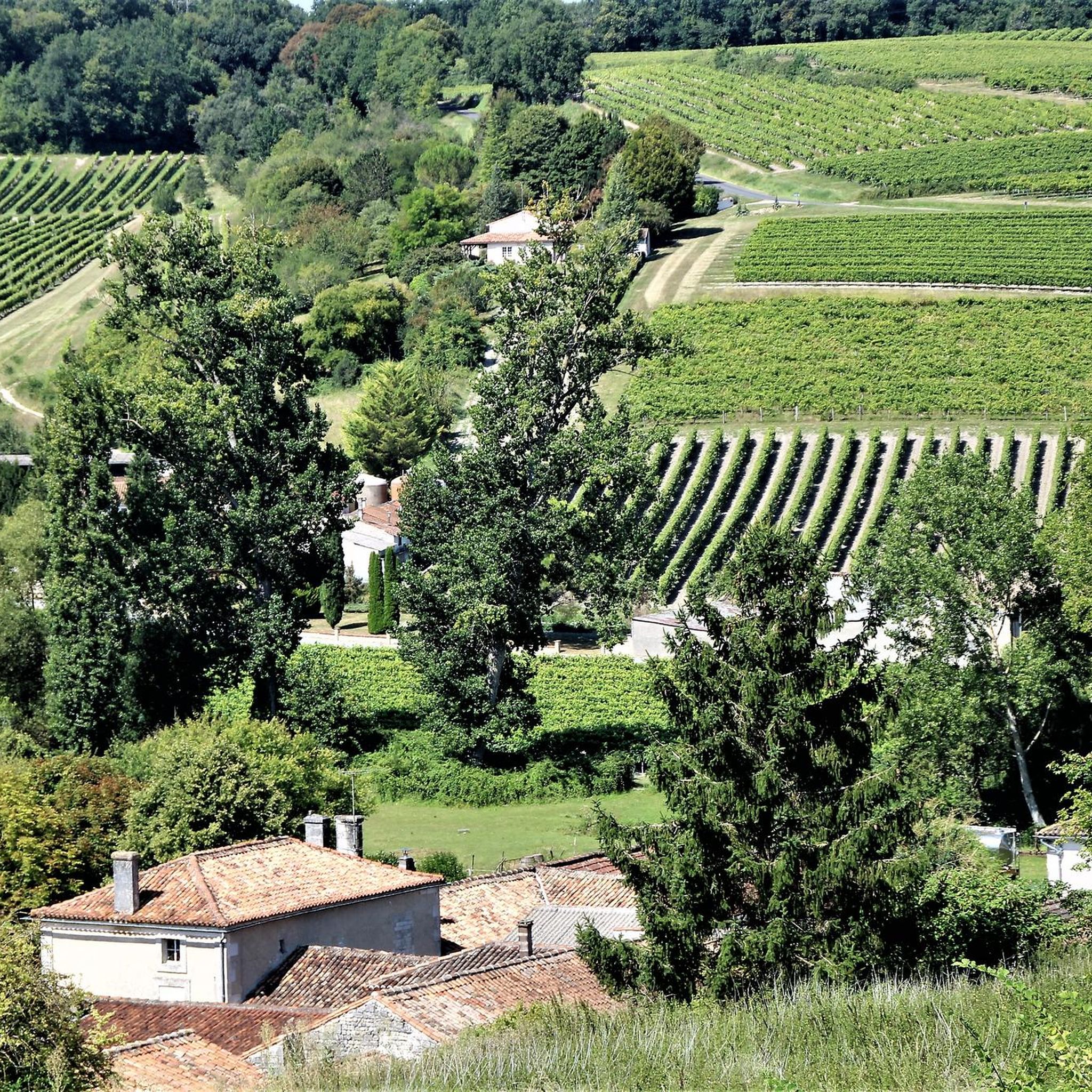
Road cycling routes around Cognac traverse a landscape characterized by extensive vineyards, gentle hills, and the tranquil Charente River. The region offers a mix of flat riverside paths and rolling terrain, providing diverse cycling experiences. Shared roads with light traffic and signposted green paths are common, connecting charming Charente villages and historic sites. This varied topography makes Cognac suitable for road cyclists of all levels.
Best road cycling routes around Cognac
- The most popular road cycling route is La Flow Vélo: Bouteville and Cognac Vineyards Loop, a 26.0 miles (41.8 km) trail that takes 1 hour 51 minutes to complete. This easy route guides cyclists through the renowned Cognac vineyards and past historic châteaux.
- Another top favourite among local road cyclists is Châteauneuf-sur-Charente, a moderate 28.6 miles (46.1 km) path. This route follows the Charente River, offering views of the waterway and passing through local villages.
- Local road cyclists also love the Chillac - Bonneuil - Courgeac loop, a 65.7 miles (105.7 km) trail leading through varied rural landscapes, often completed in about 5 hours 4 minutes.
- Road cycling around Cognac is defined by sprawling vineyards, the Charente River, and gently rolling hills. The network offers options for easy family rides as well as more challenging long-distance routes.
- The routes in Cognac are highly rated by the komoot community with an average score of 4.6 stars from over 100 reviews. More than 4000 road cyclists have used komoot to explore Cognac's varied terrain.
Last updated: July 21, 2026
5.0
(1)
12
riders
41.8km
01:52
300m
300m
Easy road ride. Great for any fitness level. Mostly well-paved surfaces and easy to ride.
7
riders
106km
05:04
880m
880m
Hard road ride. Very good fitness required. Mostly well-paved surfaces and easy to ride.

Sign up for free
3
riders
46.1km
02:12
360m
360m
Moderate road ride. Good fitness required. Mostly well-paved surfaces and easy to ride.
4.2
(5)
131
riders
Moderate road ride. Good fitness required. Mostly well-paved surfaces and easy to ride.
3.8
(5)
46
riders
50.4km
02:06
280m
270m
Moderate road ride. Good fitness required. Mostly well-paved surfaces and easy to ride.
5.0
(4)
57
riders
69.2km
02:45
260m
260m
Moderate road ride. Good fitness required. Mostly well-paved surfaces and easy to ride.
4.0
(3)
35
riders
48.9km
02:00
210m
210m
Easy road ride. Great for any fitness level. Mostly well-paved surfaces and easy to ride.
4.5
(4)
36
riders
41.5km
01:39
100m
100m
Easy road ride. Great for any fitness level. Mostly well-paved surfaces and easy to ride.
32
riders
43.6km
01:49
190m
190m
Moderate road ride. Great for any fitness level. Some segments of this route may be unpaved and difficult to ride.
36
riders
11.5km
00:34
120m
120m
Easy road ride. Great for any fitness level. Mostly well-paved surfaces and easy to ride.
Get access to more routes and recommendations from other explorers.
Sign up for free
Already have an account?
Our route recommendations are based on thousands of hikes, rides, and runs completed by other people on komoot.
Start today with a free account
Your next adventure awaits.
Login or Signup
Popular around Cognac

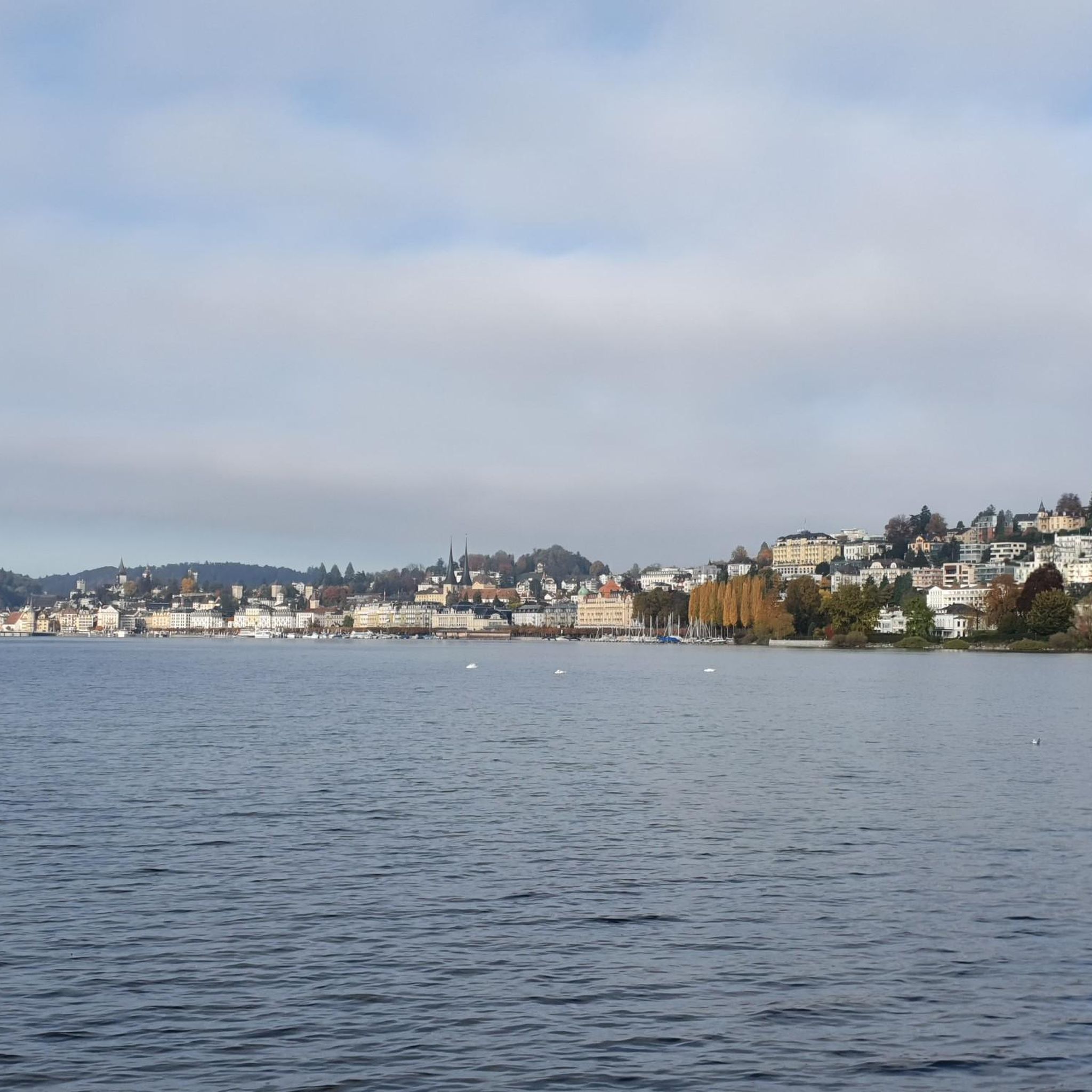
Road Cycling Routes around Javrezac
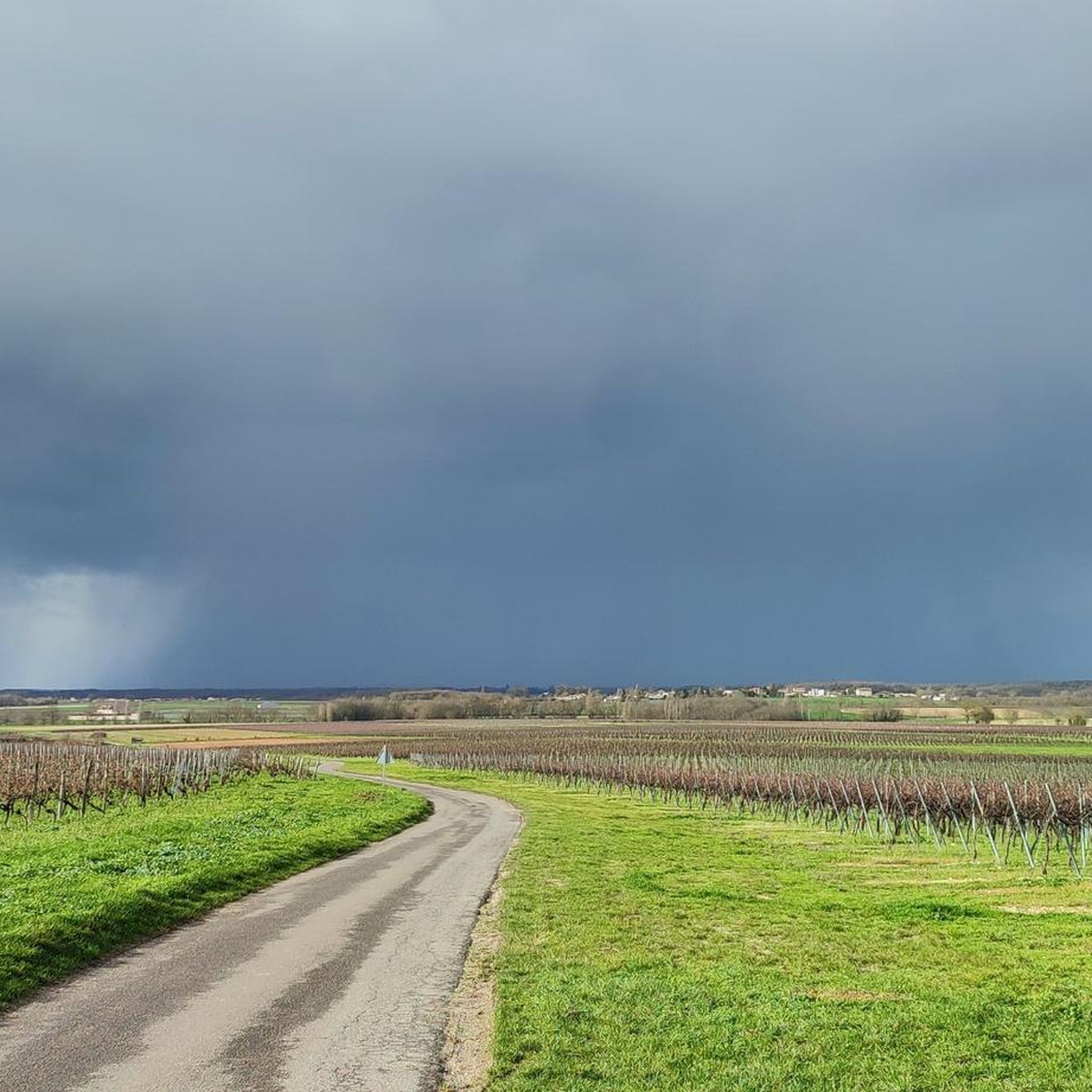
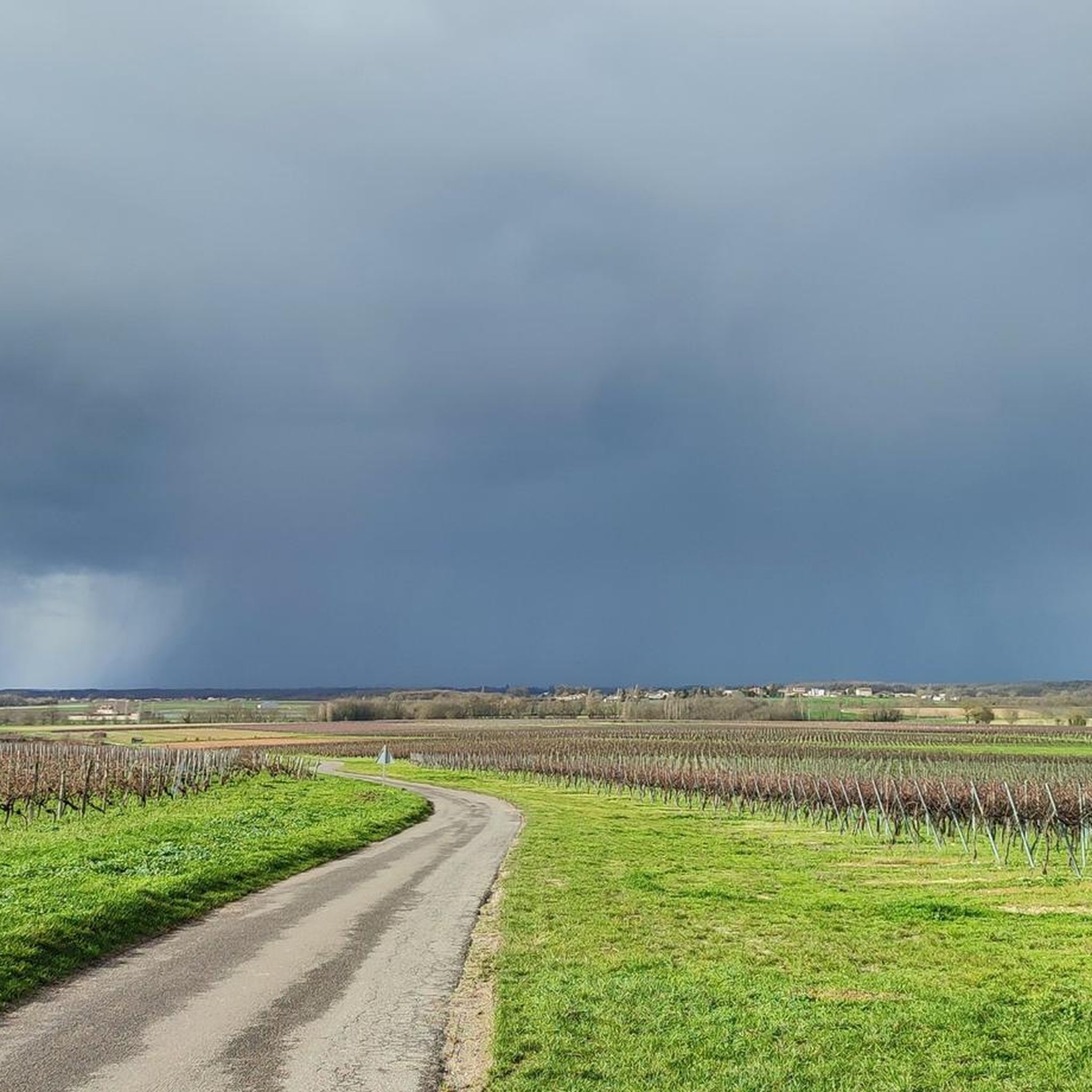
Road Cycling Routes around Châteaubernard
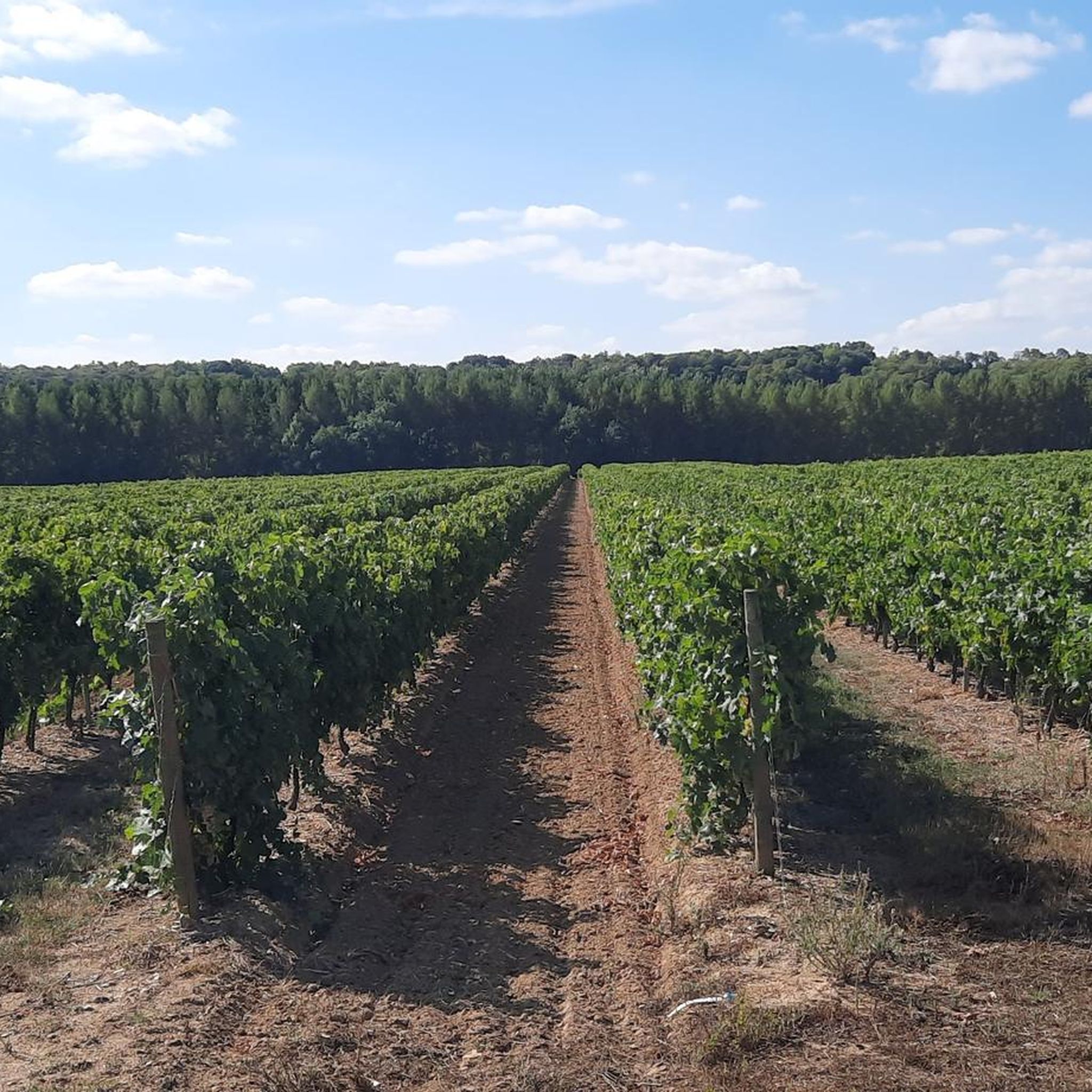
Road Cycling Routes around Jarnac
Road Cycling Routes around Julienne
Road Cycling Routes around Mainxe
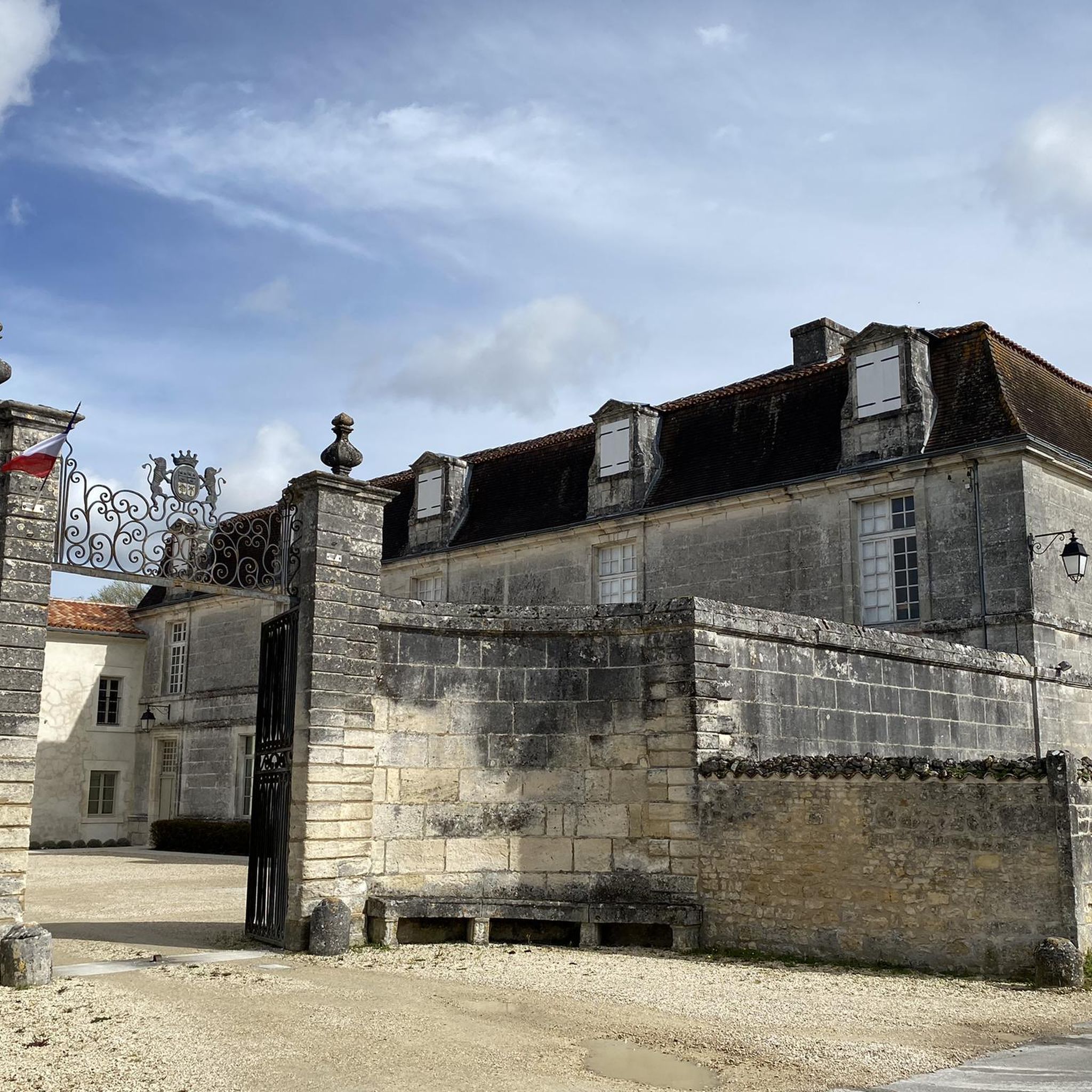
Road Cycling Routes around Gondeville
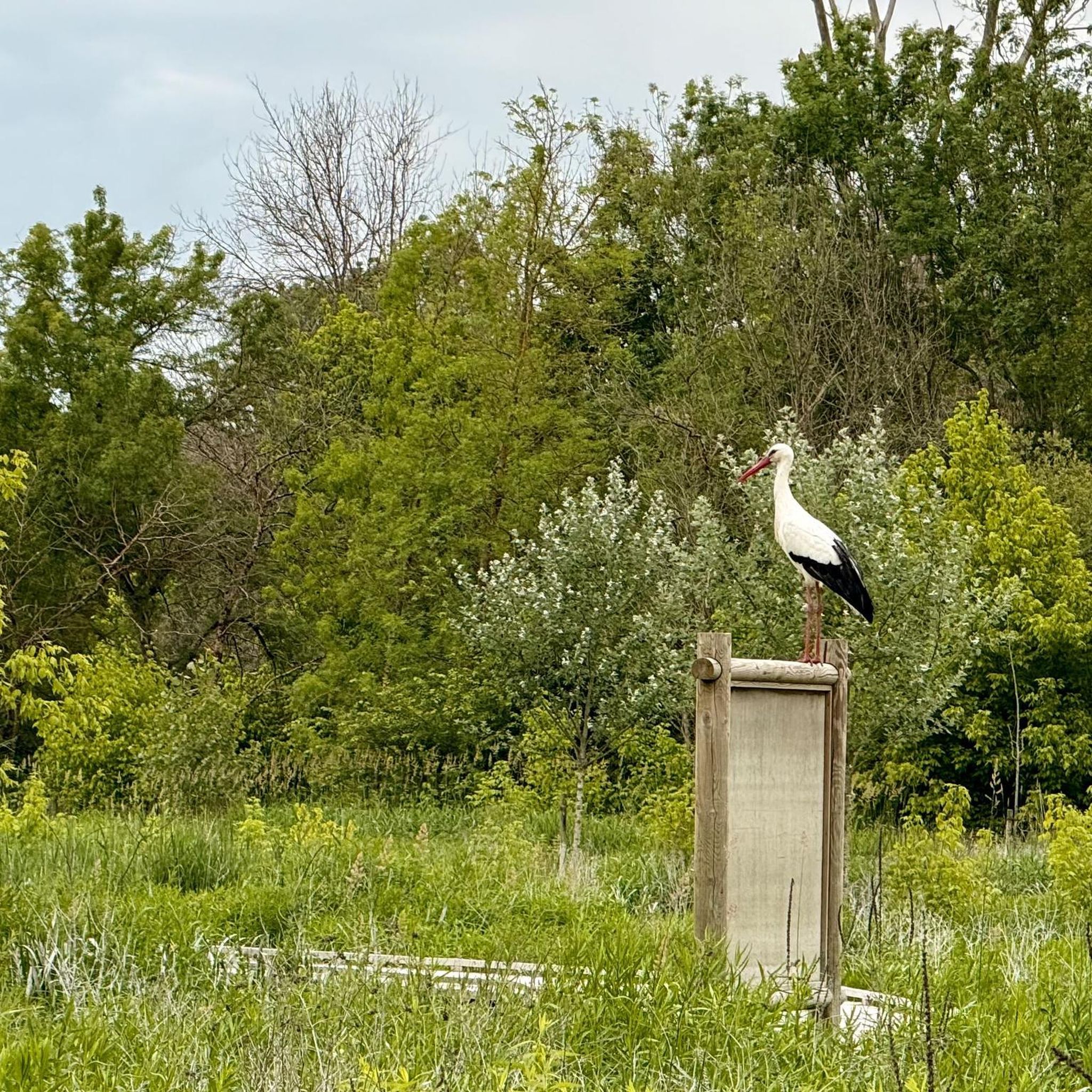
Road Cycling Routes around Merpins
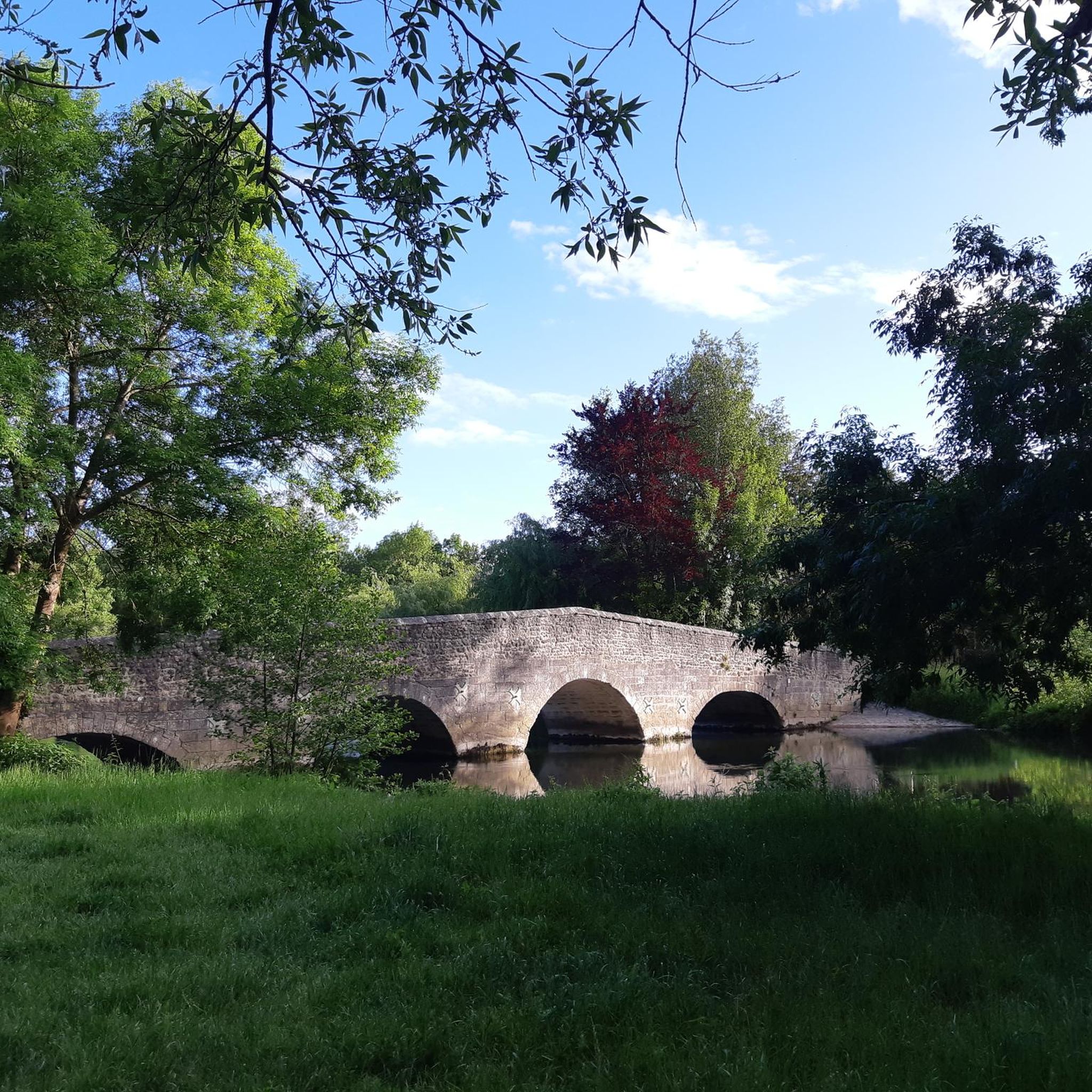
Road Cycling Routes around Vibrac
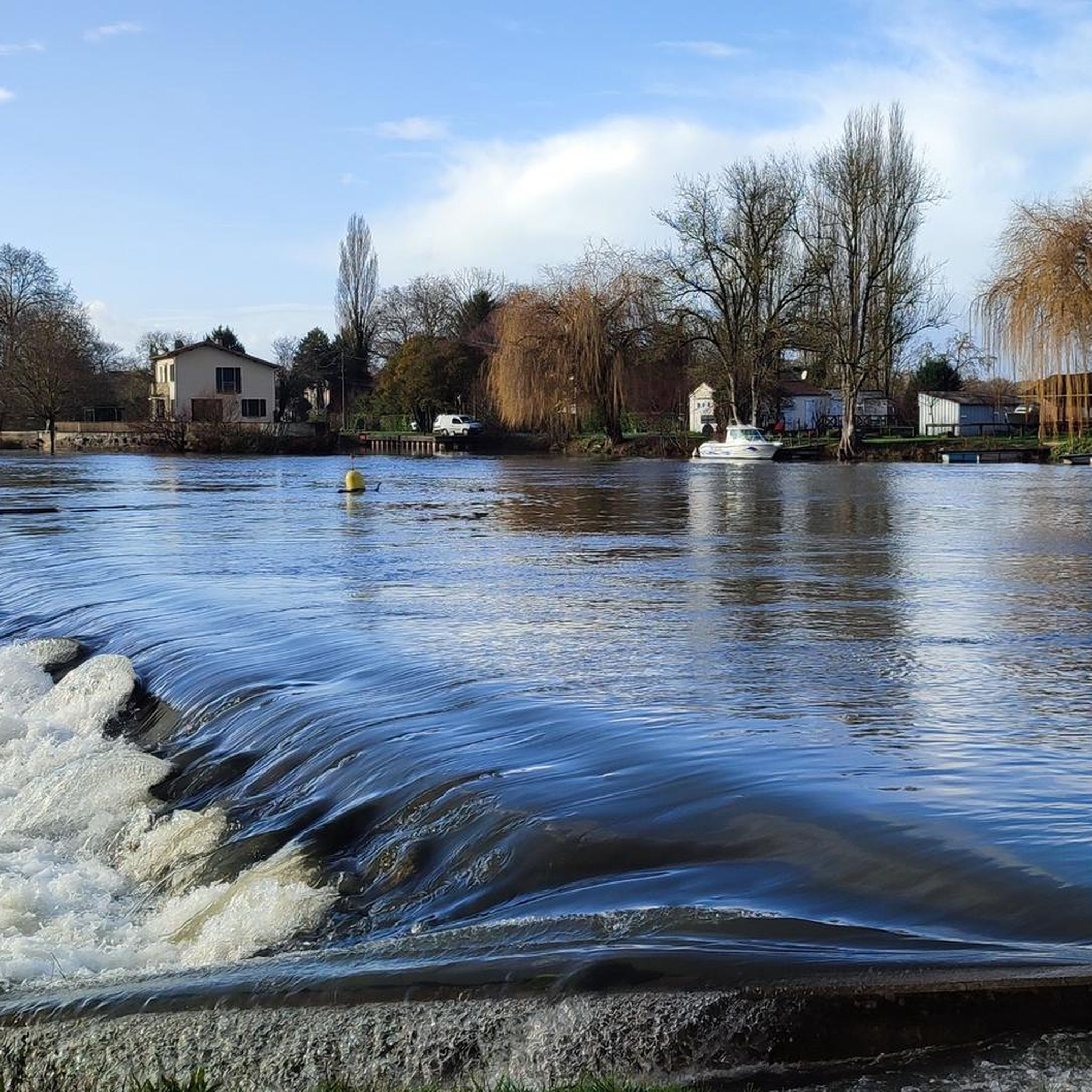
Road Cycling Routes around Angeac-Charente
Road Cycling Routes around Bouteville
Other adventures around Cognac


Tips from the Community


Courcoury is a natural island surrounded by the Charente and Seugne rivers, giving it a unique landscape setting between marshes and waterways, conducive to biodiversity and outdoor activities. It is also the only village in Charente-Maritime to have been awarded 4 stars by the "Villes et villages étoilés" label, recognizing its efforts to reduce light pollution through intelligent and environmentally friendly public lighting.
1
0

A beautiful church with beautiful houses hidden in an ancient but romantic village, it's worth a stop. The Saint-Étienne church in Brives-sur-Charente is recent. It was consecrated in 1868 and reflects the 14th-century Gothic style. It replaced an older church, of which only a baptismal font, listed as a historic object in 1922, and a capital remain. This font, square and made of a single block of siliceous limestone, is a rare specimen of 12th-century sculpture and symbolism. Certain characteristic features, such as the draperies, allow it to be dated to the 1150s. On three sides, we discover the Annunciation made to Mary, then on the main face of the font, Christ officiating in heaven, and finally Christ descending into hell, savior of souls.
0
0

I really enjoyed this ride. I’m 46, I did it on a 40 year old road bike, it’s more suited to a cyclocross bike!
0
0

Beautiful view from the bridge over the Charente, the quays and the pier.
0
0

HISTORY BOURG GRAVES SAINT AMANT Like its neighbor Angeac, the parish of Saint-Amant-de-Graves was a dependency of the seigneury of Vibrac. During the Revolution, the commune of Saint-Amant-de-Graves was provisionally called Amant-Charente. On January 1, 1997, the commune of Graves merged with that of Saint-Amant-de-Graves which then took the name of Graves-Saint-Amant. HISTORY CHURCH GRAVES SAINT AMANT The village of Graves is home to a parish church, the Saint-Martin church built in the 12th and 15th centuries. The latter contains in particular a mural painting (main shades red and yellow) dating approximately from the 15th century apparently representing a biblical scene (restored in 1977), which is classified as a historical monument as an object. The church has been listed as a historical monument since 1986. The church of Saint-Amant was given in 1124 by the Bishop of Angoulême, Girard II, to the Abbey of Savigny, who gave it to the priory of Bouteville. The latter kept the parish until the end of the 15th century. In 1460, Saint-Amant was the seat of a priory of its own. Unfortunately, the Wars of Religion were detrimental to it, and it was suppressed in 1580. The church of Graves, which formerly depended on the archdeaconry of Saintes, occupies a picturesque site on the left bank of the Charente. It forms a long rectangle in plan. The nave is composed of a long single bay under a barrel vault, originally Romanesque, but rebuilt at a later date. A square bay under a bell tower follows it. It is vaulted with ribbed liernes. A similar bay, whose vault bears a large, crude shield as a keystone, forms a choir with a flat chevet. Its axial bay is slightly offset to the north. The façade, high under an obtuse triangular gable, bears a cornice with modillions decorated with animals and human masks. The portal has two bare semicircular arches, separated by a chamfered joint cover with large sculpted flowers. The capitals of the side columns have been redone. Between the top of the portal and the level of the pediment, four large stone corbels once supported a canopy. Below, an enigmatic relief, probably late, shows a bearded face between the sun and the moon. The side walls have flat buttresses ending in glacis. They show that the nave, before its renovation, had two short bays. The bell tower is a beautiful piece of architecture. It has a bare base and an openwork floor with two semi-circular bays on each side. A spiral serves it in the southwest corner. Its bays were once separated in two by a small column that supported a small monolithic bare tympanum notched with two arches, and surmounted by a circular opening. This arrangement has been partially preserved. The exterior of the choir has bays from the end of the 12th century, and others probably after the Wars of Religion. Furniture: in the north wall of the bay under the bell tower, a painting shows a kneeling donor on the left, three figures against a background of yellow and red flowers, and, on the right, a priest saying mass near a kneeling altar boy. Despite the state of wear, which has made the inscriptions accompanying the scene illegible in particular, one can see the "Mass of Saint Martin", patron saint of the church. On the north wall of the choir there is another painting showing several scenes from the Passion: Jesus in the Garden of Olives, the arrest of Christ, Christ before Pilate, and the flagellation. These paintings are late, popular in style and somewhat naive.
0
0
Frequently Asked Questions
What kind of terrain can I expect on road cycling routes around Cognac?
Road cycling routes around Cognac feature a diverse landscape. You'll find flat riverside paths along the Charente River, gently rolling hills through extensive vineyards, and shared roads with light traffic connecting charming villages. This mix provides varied experiences suitable for different cycling preferences.
Are there many easy road cycling routes in the Cognac region?
Yes, the Cognac region offers a good selection of easy road cycling routes. Out of nearly 1000 routes, over 200 are classified as easy. An excellent example is La Flow Vélo: Bouteville and Cognac Vineyards Loop, which guides you through renowned vineyards and past historic châteaux.
Can I find challenging road cycling routes around Cognac?
While many routes are gentle, there are options for more challenging rides. For instance, the Chillac - Bonneuil - Courgeac loop is a longer, more demanding trail covering over 100 km through varied rural landscapes, often taking around 5 hours to complete.
What are the best times of year for road cycling in Cognac?
The Cognac region is pleasant for road cycling for much of the year. Spring and autumn offer particularly beautiful scenery with comfortable temperatures, as the vineyards change from lush green to vibrant reds and browns. Summers are also popular, though it can be warmer, especially in July and August.
Are there any long-distance cycling routes that pass through Cognac?
Yes, the famous Flow Vélo, a 290 km path, follows the Charente River and passes directly through Cognac. This route offers a mix of small roads and towpaths, providing a scenic long-distance option for exploring the region.
What kind of landmarks or attractions can I see along the road cycling routes?
Road cycling routes in Cognac often lead through charming Charente villages and past historic sites. You can discover attractions such as the Bourg-Charente Castle, the Chateau des Chabannes, or the historic Abbaye de Bassac. Many routes also offer views of the tranquil Charente River and expansive vineyards.
Are there road cycling routes that offer vineyard views?
Absolutely. The Cognac region is renowned for its vast vineyards, and many road cycling routes are specifically designed to traverse these scenic landscapes. Routes like La Flow Vélo: Bouteville and Cognac Vineyards Loop offer immersive experiences through the heart of the Cognac production area.
Can I find circular road cycling routes around Cognac?
Yes, many road cycling routes in the Cognac area are circular, allowing you to start and end at the same point. Examples include the Abbaye aux Dames de Saintes – Le Moulin de la Baine loop from Cognac or the Saint-Brice Castle loop from Cognac, providing convenient options for exploration.
What do other road cyclists enjoy most about cycling in Cognac?
The road cycling routes in Cognac are highly rated by the komoot community, with an average score of 4.6 stars. Cyclists often praise the region's beautiful vineyard scenery, the tranquil paths along the Charente River, and the charming villages encountered along the way. The varied terrain also caters to different skill levels.
Are there any natural features to look out for on the routes?
Beyond the vineyards and the Charente River, you might encounter other natural highlights. The region features places like the Blue Lake of Touvérac or the ancient Chêne de François 1er. Many routes offer scenic viewpoints, such as the View of Saint-Simeux, providing picturesque stops.
Are there family-friendly road cycling routes in Cognac?
Yes, Cognac offers several family-friendly road cycling options, particularly on flatter sections and dedicated green paths. Routes like the View of the Charente River – Le Moulin de la Baine loop from Cognac are generally easy and suitable for families looking for a relaxed ride.
Where can I find parking for road cycling routes in Cognac?
Many routes start from or pass through towns and villages where public parking is available. For routes originating directly in Cognac, you can often find parking near the city center or at designated starting points for cycle paths. Specific parking details may vary by route, so checking the individual route description on komoot is recommended.
Are there routes that pass by historic abbeys or castles?
Yes, the region is rich in history. You can cycle past sites such as the Abbaye de Bassac or the Bourg-Charente Castle. The Abbey of Saint-Bris-des-Bois – Tour de Saint-Sauvant loop from Cognac is another route that includes historical points of interest.
Most popular routes around Cognac
Most popular attractions around Cognac

Get inspired with the komoot mobile app


Didn’t find what you were looking for?
Check out more Road cycling routes throughout Cognac below and find the perfect route in your destination.
Explore more
Browse the best Road cycling routes in other regions.
