Attractions and Places To See around Évry - Top 20
Best attractions and places to see around Évry, a modern city in the Île-de-France region, offers a blend of contemporary architecture, green spaces, and cultural sites. As a "new town" developed since 1965, it showcases unique urban planning and a focus on integrating nature within its fabric. The area features numerous parks, historical elements, and cultural points of interest.
Best attractions and places to see around Évry
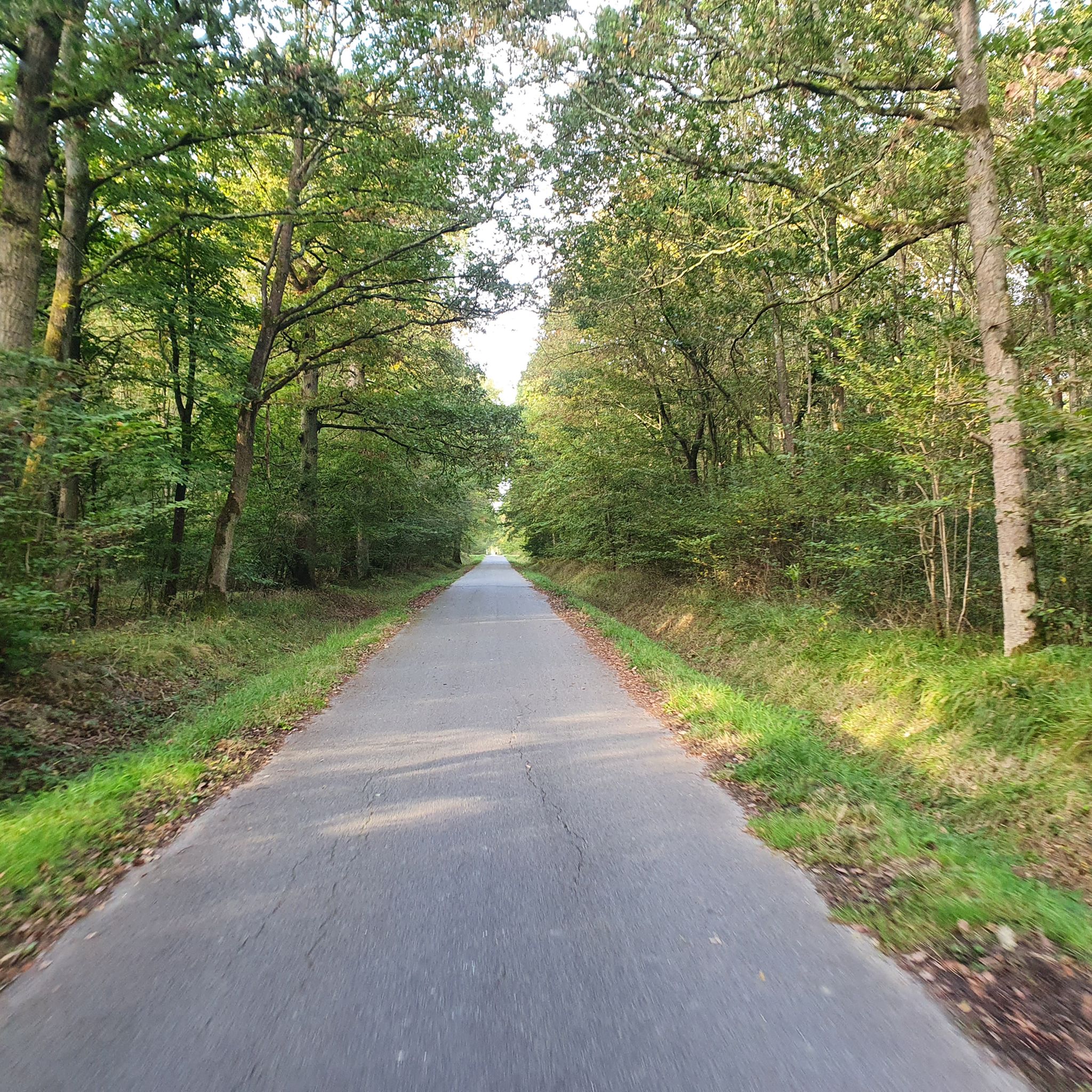
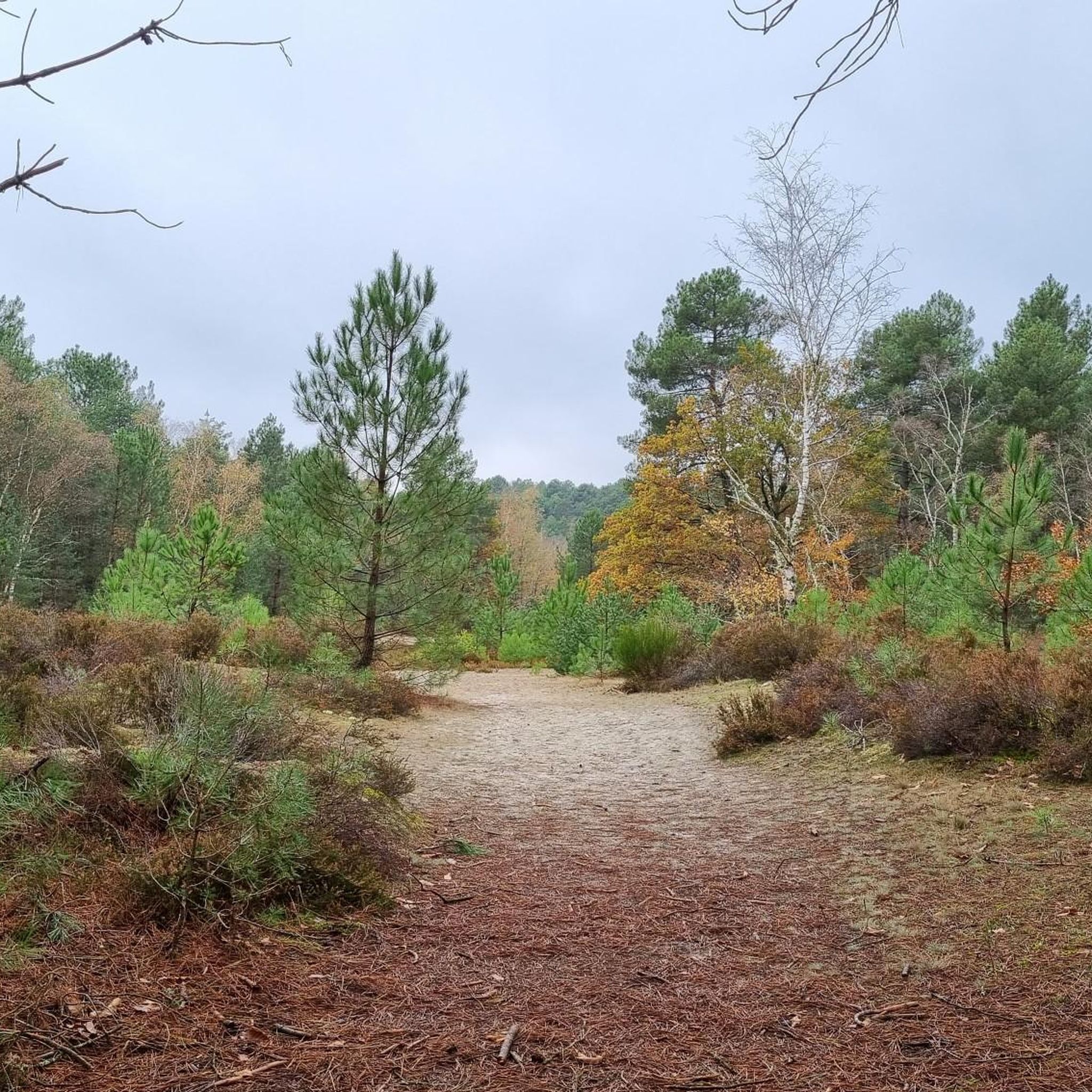
- The most popular attractions is Old Sénart Forest Path, a trail that follows an old forest cycle path. Mainly frequented by cyclists, it offers a pleasant course among the trees, passing between ponds and ditches.
- Another must-see spot is Allée Royale, a trail described as a strada Biancha within reach of Paris. It features a good coating and is suitable for road bikes, with few road crossings.
- Visitors also love Domaine de Courances, a castle with a magnificent 17th-century castle, park, and vegetable garden. This estate covers 75 hectares and includes refreshing pools and streams.
- Évry is known for its green spaces, historical sites, and cultural landmarks. The city offers a blend of contemporary architecture and natural features, including numerous parks and the Seine River.
- The attractions around Évry are appreciated by the komoot community, with over 290 upvotes and 30 photos shared by users.
Last updated: August 29, 2026
Allée Royale
Highlight (Segment) • Trail
Translated by Google •
Tip by

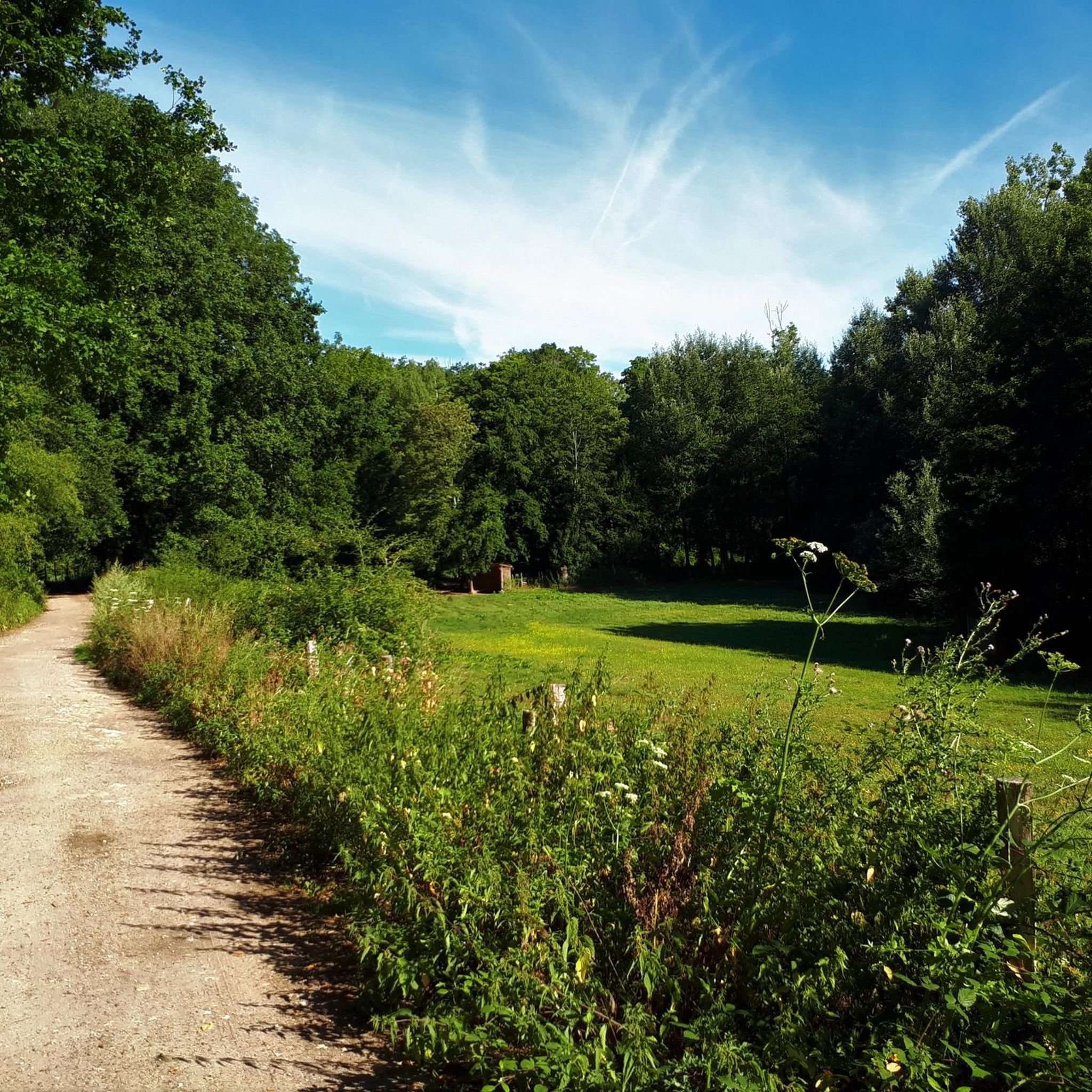
Bike park with many singles
Highlight • Other
Translated by Google •
Tip by

Sign up now to discover places like this
Get recommendations on the best single tracks, peaks, & plenty of other exciting outdoor places.
Sign up for free
Old Sénart Forest Path
Highlight (Segment) • Trail
Translated by Google •
Tip by
The Cyclop
Highlight • Monument
Translated by Google •
Tip by

Milly-la-Forêt
Highlight • Other
The hall
In 1479, by a special grace from Louis
The North-South facing Hall, 46 m long, 16 m wide and 13 m high, covers a total surface area of 730 m2.
48 oak pillars, resting on “dice”-cut stone bases, support a chestnut frame typical of Ile-de-France at that time; this frame presents to the north (on the rue Langlois side) a “pavilion” farm.
Today, La Halle is still the site of a market on Thursday afternoons. The square, the houses gathered all around, bear witness to the great commercial activity which already reigned in the region 500 years ago.
La Halle has been classified as a Historic Monument since 1923.
Bonde Castle
is located near the town center of Milly-la-Forêt, Built near an artificial island in the l'École river to the west of the Notre-Dame collegiate church, its park is bordered to the west by the course of the river which forms a moat to the north protecting the châtelet.
History
Built in the 12th century by the lords of Milly, the castle was ruined during the English siege in 1432.
At the end of the 15th century around 1475, owned by Admiral Louis Malet de Graville, it was rebuilt and enlarged. What was then the keep became the entrance gatehouse, the drawbridge was replaced by a permanent stone bridge and a gate closed access between the northern defense tower and the governor's house. A square courtyard was surrounded by a wall and had in the center a chapel dedicated to Saint Valentine.
The castle was successively the property of Hugues III de Bouville, Olivier V de Clisson, Jean II de Montmorency, Jean-François de Faudoas d'Averton, Marc-Antoine Front de Beaupoil de Saint-Aulaire and Pierre Marie of Lau d’Allemans.
In the 19th century, the towers of the chatelet were enhanced with brick battlements and a slender roof. In 1859 the Corne bridge was rebuilt near the castle washhouse which served as a watering trough for the animals. At the end of the 20th century the mills along the river were demolished.
In 1964, the Bonde washhouse downstream of the river which was part of the estate was rehabilitated. On December 20, 1972, the castle was partly listed as a historic monument.
The park was listed in 1991 for its fences, canals and paths.
the house of Jean Cocteau.
Entrance to the J. Cocteau house
[This 17th century residence, flanked by turrets, was formerly called the Governor's House. It corresponds to an old outbuilding of the castle in front of which the vassals came to pay homage and faith to their lord.
Jean Cocteau bought this house with Jean Marais in 1947 and lived there until his death.
Notre-Dame de l’Assomption Church
Founded in the 11th century, the former chapel of the castle, it was rebuilt around 1485 on the orders of Admiral de Graville in the Gothic style of the 13th and 14th centuries.
The bell tower, 57 meters high, dates from the 11th century in its lower part and from the 12th and 13th centuries in its upper part. The arch of the main portal in the primitive Romanesque style comes from an old church in Milly (Saint-Pierre or Saint-Jacques). On the east side of the bell tower - Place Grammont side - the arms of Admiral de Graville are still visible.
Many works of sacred art are found inside the church. The church was listed as a Historic Monument in 1926.
The dovecote; Located on the old triangular square of the dovecote cul de sac, this old building was part of the Domaine du Moustier, property of Fulbert I, lord of Milly and officer at the court of Dagobert I in the 7th century. Destroyed in 1432 or 1433, the complex included a vast farm. According to a count in 1792 it had around 1200 niches. Only the lords held the right to build these premises designed for breeding.
The Moustier de Péronne gate is one of the oldest vestiges of Milly and dates from the 7th century. It provided access to the moustier (monastery in old French) owned by Fulbert I, who obtained the land of Milly from Dagobert I. His son Wulfran was born there around the year 635. Entering religion, he became the apostle of the frieze (Netherlands), then bishop of Sens before retiring to Saint Wandrille where he died in 720.
Translated by Google •
Tip by

Sequoia Avenue at Villeroy Park
Highlight (Segment) • Natural Monument
A little history: the Mennecy sequoia avenue was planted in Villeroy park in 1887 at the request of the Darblay family, owner of the place. It is the second longest avenue in Europe: it is 800 meters long and has 134 trees aged around 140 years and reaching over 30 meters in height, with an average circumference of around 4 meters.
Translated by Google •
Tip by

Domaine de Courances
Highlight • Castle
domainedecourances.com
Translated by Google •
Tip by

Saint-Blaise-des-Simples Chapel
Highlight • Other
At the dawn of the 18th century, the uninhabited and ruined buildings were demolished. Only the chapel remained, which was sold during the Revolution, and remained empty and forgotten.
At the end of the 1950s, some personalities of the city had the idea of rehabilitating the chapel and entrusting the artistic restoration of the walls to Jean Cocteau. The poet chooses the Simples as a decorative theme.
It is in this Chapel that Jean Cocteau rests for eternity with these words signed on the large slab of his tomb: "I remain with you".
It can be visited from March 1 to October 30 for an entrance fee of €3.
Translated by Google •
Tip by

Memorial for the 1945 American Bomber Crash in the Forest of Sénart
Highlight • Monument
This Thursday, a Douglas Boston returned from a raid on the German-Dutch border. While its mission accomplished, the medium fighter bomber was heading towards the Melun-Villaroche base, the flight turned into a tragedy. Above the Sénart forest, not a drop of kerosene was feeding the engine. Was it a fuel failure or a mechanical problem? When the Douglas Boston hit French soil, this detail was of little importance to the pilot: "First Lieutenant" George Hubert Steed Jr. died instantly.
Contrary to what had long been said or thought, his gunner, Sergeant Karl Tranchina, survived. In a turret, the non-commissioned officer was in charge of defending the aircraft.
Very quickly, American soldiers invaded the site, recovered the mobile machine gun, the ammunition and their brothers in arms. When the French gendarmes arrived on site, they found only a plane wreck and no explanation.
Translated by Google •
Tip by

Market Hall of Milly-la-Forêt
Highlight • Monument
Translated by Google •
Tip by

Sign up for free to discover even more attractions around Évry.
Sign up for free
Already have an account?
Start today with a free account
Your next adventure awaits.
Login or Signup
Popular around Évry
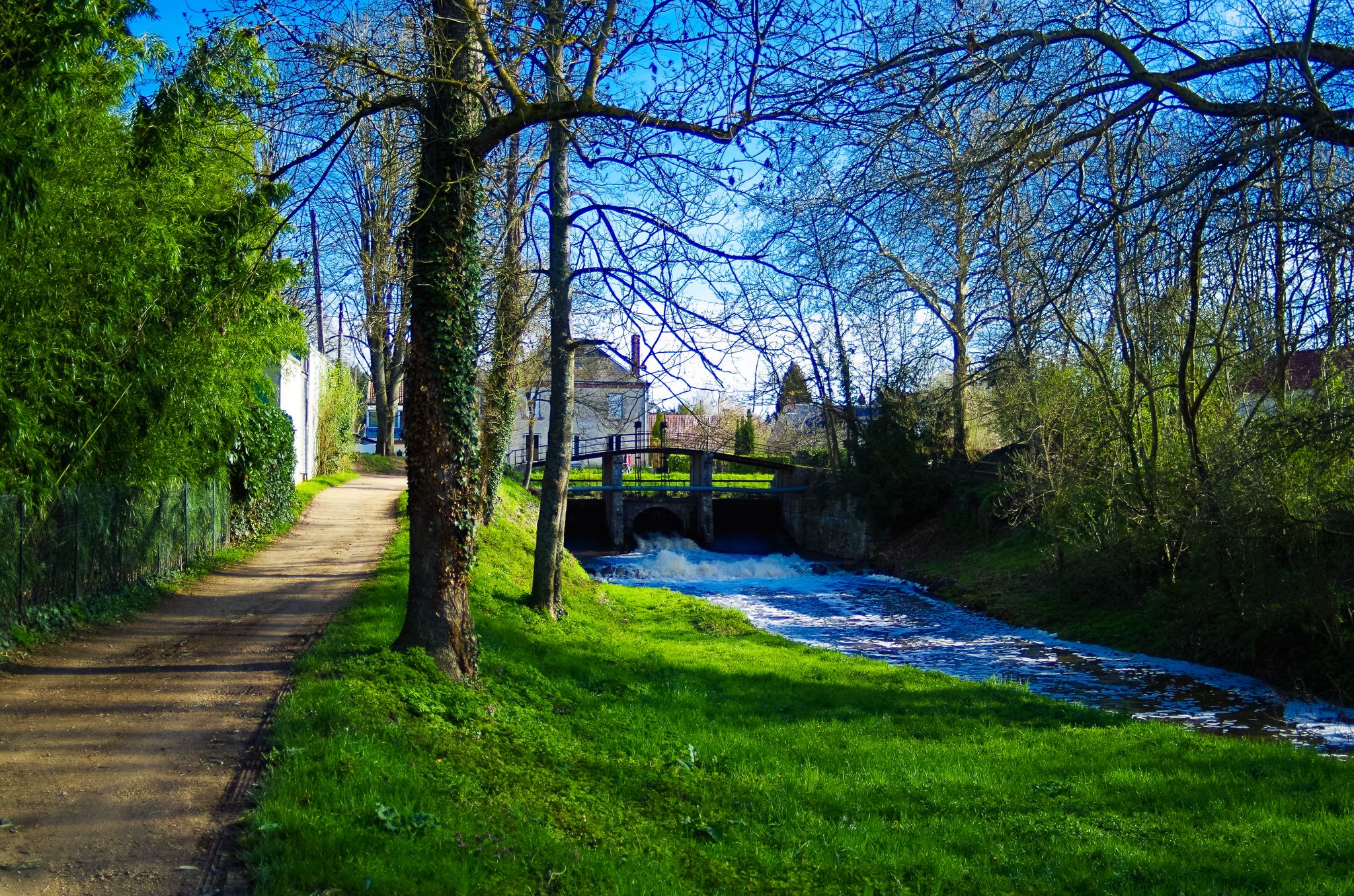
Seine to the Loire (GR 32) – Between Gâtinais and Beauce
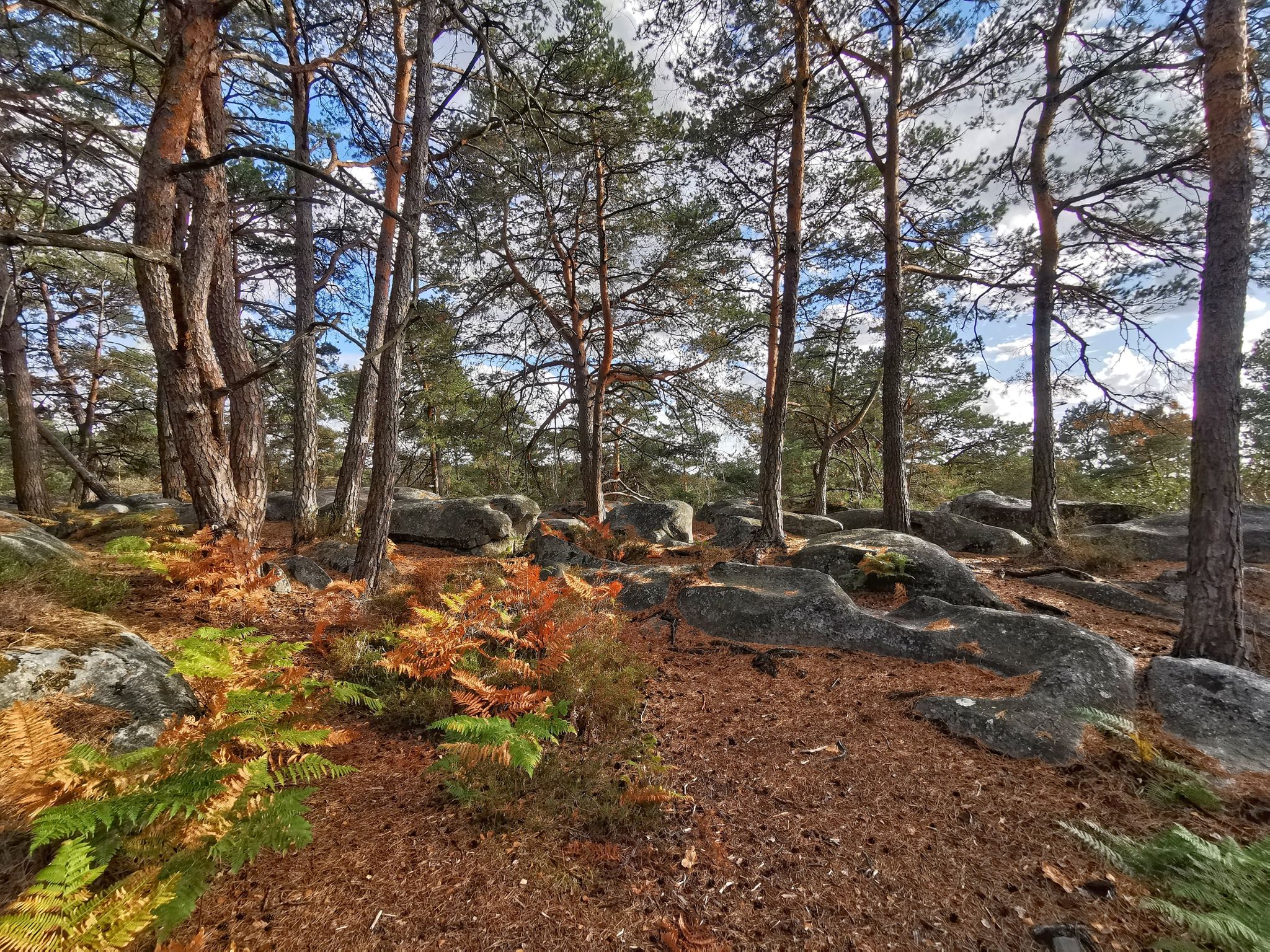
Natural beauty on Île-de-France – mountain biking around Paris
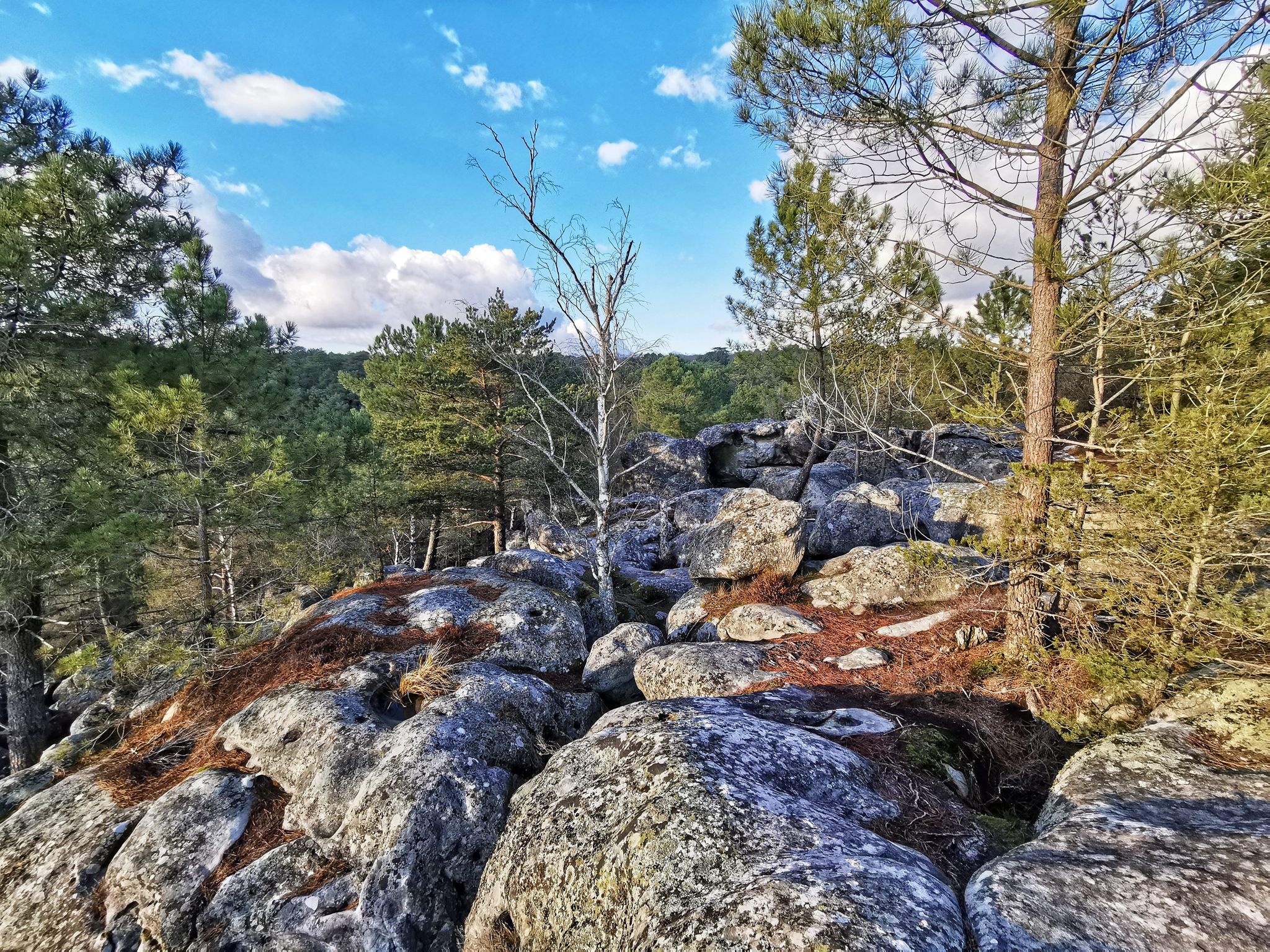
In the heart of the Île-de-France countryside — 7 trails south of Paris
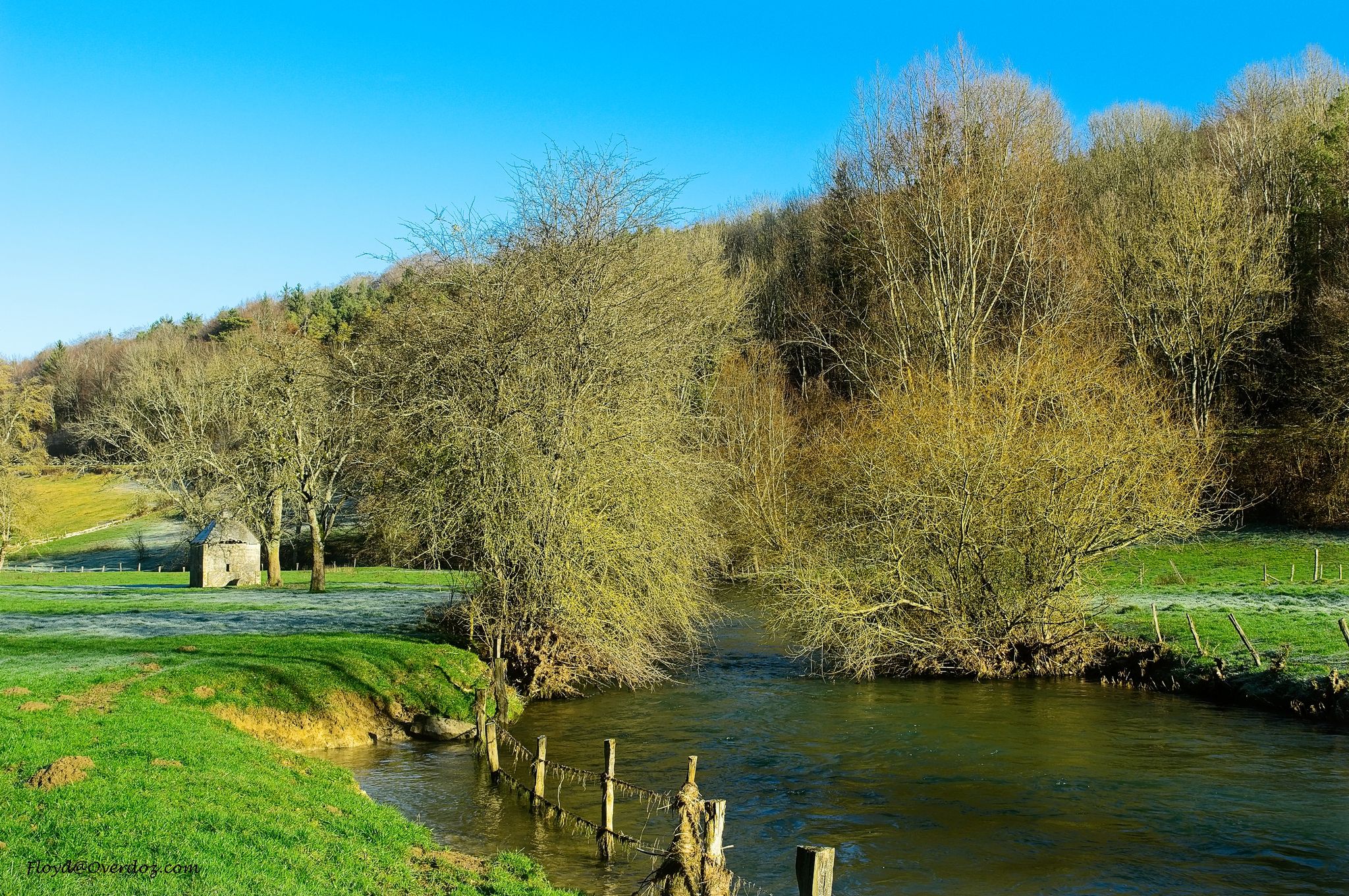
Exploring the Seine on the Île-de-France – hike the GR 2
Road Cycling Routes around Évry
Running Trails around Évry
Hiking around Évry
MTB Trails around Évry
Cycling around Évry

Gravel biking around Évry
Other adventures around Évry


Tips from the Community


On February 8, 1945, the Allied offensive in Germany was being prepared. Stationed in the liberated territories, bombers were conducting operations in the east. This Thursday, a Douglas Boston returned from a raid on the German-Dutch border. While its mission accomplished, the medium fighter bomber was heading towards the Melun-Villaroche base, the flight turned into a tragedy. Above the Sénart forest, not a drop of kerosene was feeding the engine. Was it a fuel failure or a mechanical problem? When the Douglas Boston hit French soil, this detail was of little importance to the pilot: "First Lieutenant" George Hubert Steed Jr. died instantly. Contrary to what had long been said or thought, his gunner, Sergeant Karl Tranchina, survived. In a turret, the non-commissioned officer was in charge of defending the aircraft. Very quickly, American soldiers invaded the site, recovered the mobile machine gun, the ammunition and their brothers in arms. When the French gendarmes arrived on site, they found only a plane wreck and no explanation.
1
1

Former market square in the heart of Milly-la-Forêt.
1
0


superb little chapel decorated by Jean Cocteau where he rests. a commentary said by Jean Marais accompanied the visit. a so-called simple garden adjoins the chapel. there are many medicinal plants found there. entrance price 3 euros
0
0
The cyclops visit is not free, 12 euros entry but it lasts 45 minutes and is very interesting. Limit of 25 people at a time. Please note that photos inside are prohibited. I recommend the first visit at 10:30 a.m. (less crowded)
2
0

The trail moves on to the main essentials The hall In 1479, by a special grace from Louis The North-South facing Hall, 46 m long, 16 m wide and 13 m high, covers a total surface area of 730 m2. 48 oak pillars, resting on “dice”-cut stone bases, support a chestnut frame typical of Ile-de-France at that time; this frame presents to the north (on the rue Langlois side) a “pavilion” farm. Today, La Halle is still the site of a market on Thursday afternoons. The square, the houses gathered all around, bear witness to the great commercial activity which already reigned in the region 500 years ago. La Halle has been classified as a Historic Monument since 1923. Bonde Castle is located near the town center of Milly-la-Forêt, Built near an artificial island in the l'École river to the west of the Notre-Dame collegiate church, its park is bordered to the west by the course of the river which forms a moat to the north protecting the châtelet. History Built in the 12th century by the lords of Milly, the castle was ruined during the English siege in 1432. At the end of the 15th century around 1475, owned by Admiral Louis Malet de Graville, it was rebuilt and enlarged. What was then the keep became the entrance gatehouse, the drawbridge was replaced by a permanent stone bridge and a gate closed access between the northern defense tower and the governor's house. A square courtyard was surrounded by a wall and had in the center a chapel dedicated to Saint Valentine. The castle was successively the property of Hugues III de Bouville, Olivier V de Clisson, Jean II de Montmorency, Jean-François de Faudoas d'Averton, Marc-Antoine Front de Beaupoil de Saint-Aulaire and Pierre Marie of Lau d’Allemans. In the 19th century, the towers of the chatelet were enhanced with brick battlements and a slender roof. In 1859 the Corne bridge was rebuilt near the castle washhouse which served as a watering trough for the animals. At the end of the 20th century the mills along the river were demolished. In 1964, the Bonde washhouse downstream of the river which was part of the estate was rehabilitated. On December 20, 1972, the castle was partly listed as a historic monument. The park was listed in 1991 for its fences, canals and paths. the house of Jean Cocteau. Entrance to the J. Cocteau house [This 17th century residence, flanked by turrets, was formerly called the Governor's House. It corresponds to an old outbuilding of the castle in front of which the vassals came to pay homage and faith to their lord. Jean Cocteau bought this house with Jean Marais in 1947 and lived there until his death. Notre-Dame de l’Assomption Church Founded in the 11th century, the former chapel of the castle, it was rebuilt around 1485 on the orders of Admiral de Graville in the Gothic style of the 13th and 14th centuries. The bell tower, 57 meters high, dates from the 11th century in its lower part and from the 12th and 13th centuries in its upper part. The arch of the main portal in the primitive Romanesque style comes from an old church in Milly (Saint-Pierre or Saint-Jacques). On the east side of the bell tower - Place Grammont side - the arms of Admiral de Graville are still visible. Many works of sacred art are found inside the church. The church was listed as a Historic Monument in 1926. The dovecote; Located on the old triangular square of the dovecote cul de sac, this old building was part of the Domaine du Moustier, property of Fulbert I, lord of Milly and officer at the court of Dagobert I in the 7th century. Destroyed in 1432 or 1433, the complex included a vast farm. According to a count in 1792 it had around 1200 niches. Only the lords held the right to build these premises designed for breeding. The Moustier de Péronne gate is one of the oldest vestiges of Milly and dates from the 7th century. It provided access to the moustier (monastery in old French) owned by Fulbert I, who obtained the land of Milly from Dagobert I. His son Wulfran was born there around the year 635. Entering religion, he became the apostle of the frieze (Netherlands), then bishop of Sens before retiring to Saint Wandrille where he died in 720.
1
0
Frequently Asked Questions
What kind of natural attractions and green spaces can I explore in Évry?
Évry is rich in green spaces, boasting about one hundred hectares of parks. You can visit Sequoia Avenue at Villeroy Park, explore the vast Rut Pond, or relax in Coquibus Park. The city also integrates the banks of the Seine River into its urban planning, offering picturesque views, such as the Panoramic view of the Seine.
Are there historical sites or unique architectural landmarks to see in Évry?
Yes, Évry offers a blend of historical elements and contemporary architecture. A prominent landmark is the Évry Cathedral, the only cathedral in France built in the 20th century, known for its distinctive cylindrical, brick-clad form. You can also find the remains of the Château de Petit-Bourg and the 18th-century Saint-Pierre-et-Saint-Paul Church. For a grand historical estate, consider visiting Domaine de Courances, featuring a magnificent 17th-century castle and extensive gardens.
What outdoor activities, like hiking or cycling, are available near Évry?
Évry and its surroundings offer various outdoor activities. For cycling, you can enjoy the Allée Royale, described as a 'strada Biancha' suitable for road bikes, or the Old Sénart Forest Path, popular with cyclists. For more structured routes, explore the Road Cycling Routes around Évry or discover Running Trails around Évry. The GR2 Hiking Trail also crosses Évry along the Seine River.
Are there family-friendly attractions or activities for kids in the Évry area?
Many attractions around Évry are suitable for families. The Old Sénart Forest Path and Allée Royale are both marked as family-friendly trails. Green spaces like Coquibus Park and the numerous other parks provide ample room for outdoor play. The Domaine de Courances, with its castle and expansive grounds, is also a family-friendly historical site.
What cultural points of interest can I visit in Évry?
Évry is a city with diverse cultural sites. Beyond the contemporary Évry Cathedral, you can visit the Pagoda of the Khmer Cultural Association, known for its ornate design and peaceful gardens. The Great Mosque of Évry-Courcouronnes is another significant religious site, symbolizing the city's multicultural fabric. For art enthusiasts, the Musee de l'Orangerie hosts various artworks and events.
Where can I find trails for mountain biking or more technical cycling near Évry?
For mountain biking enthusiasts, there's a dedicated Bike park with many singles. This park offers a series of technical single trails ideal for mountain biking, though some sections may require good technique. It's designed for fun and can be adapted for different skill levels.
What is the best time of year to visit Évry for outdoor activities?
While Évry's parks and green spaces can be enjoyed year-round, the spring and summer months (April to September) generally offer the most pleasant weather for outdoor activities like hiking, cycling, and exploring the natural attractions. During these seasons, the parks are in full bloom, and the weather is ideal for spending time along the Seine River or in the forests.
Are there any historical monuments related to significant events in the region?
Yes, you can find the Memorial for the 1945 American Bomber Crash in the Forest of Sénart. This site serves as a poignant reminder of a historical event from World War II, offering a moment for reflection within the natural setting of the forest.
What are some easy hiking options around Évry?
For easier walks, consider exploring the various parks within Évry. Additionally, komoot offers a selection of Easy hikes around Évry, which include loops around ponds like Laveyssière Pond and Justice Pond, providing accessible routes for a relaxed outdoor experience.
Can I find any unique natural monuments or specific tree species in the area?
Yes, Évry is home to the Sequoia Avenue at Villeroy Park. This natural monument features impressive sequoia trees, offering a unique and serene walking experience amidst these majestic giants.
Is there a local market or a place to experience local charm near Évry?
A short distance from Évry, you can visit Milly-la-Forêt, a charming town. It features the Market Hall of Milly-la-Forêt, a historical site that provides a glimpse into local life and offers a chance to experience the regional atmosphere.
What kind of views can I expect from viewpoints around Évry?
Évry offers scenic viewpoints, particularly along the Seine River. You can find a Panoramic view of the Seine, providing expansive vistas of the river and its surroundings. The region's integration of nature within its urban fabric means many parks also offer pleasant views.
Most popular routes around Évry
Most popular attractions around Évry

Get inspired with the komoot mobile app


Didn’t find what you were looking for?
Are you keen on exploring more awesome places nearby? Browse our guides:
Explore more
Still not found the Highlight you’re looking for? See guides of the top attractions in other regions:
