Attractions and Places To See around Fontenay-Le-Comte - Top 20
Best attractions and places to see around Fontenay-Le-Comte include historical sites and natural landscapes. This "City of Art and History" is known for its Renaissance architecture and proximity to the Vendée River. Visitors can explore notable landmarks, cultural sites, and green spaces, with the town serving as a base for exploring the Marais Poitevin and the Mervent-Vouvant Forest.
Best attractions and places to see around Fontenay-Le-Comte
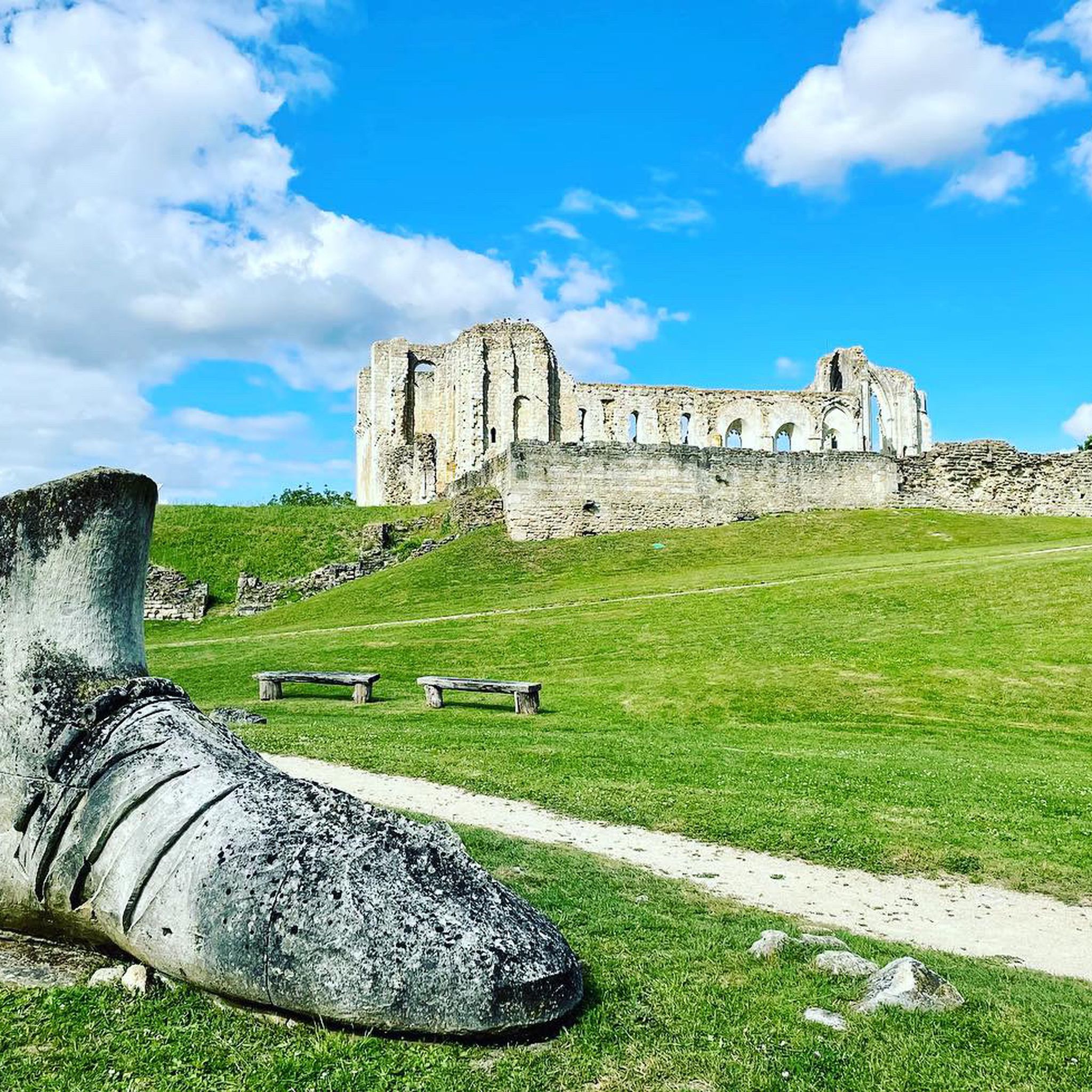
- The most popular attractions is Maillezais Abbey, a historical site that was an abbey church converted into a cathedral and episcopal seat. Founded in 976, its remains are among the most remarkable in the Vendée department.
- Another must-see spot is Mervent-Vouvant State Forest, a large forest offering various outdoor activities. This extensive natural area provides diverse terrain for exploration.
- Visitors also love Bridge at the foot of Porte La Poterne, a bridge offering views of the well-preserved fortifications of Vouvant. It crosses the stream of the Mother, providing a perspective on the medieval town's ramparts.
- Fontenay-Le-Comte is known for its historical sites, architectural treasures, and natural features. The area offers a variety of attractions to see and explore, from ancient abbeys to expansive forests.
- The attractions around Fontenay-Le-Comte are appreciated by the komoot community, with more than 120 upvotes and 19 photos shared by visitors.
Last updated: August 30, 2026
Jean Guilloux
Highlight • Other
Translated by Google •
Tip by

Maillezais Abbey
Highlight • Historical Site
At its peak, the abbey shined throughout Poitou. Rabelais lived there like this for several years.
The building suffered numerous destructions during wars and conflicts, it was even used as a quarry for building material after the Revolution. The remains which were able to be saved remain among the most remarkable in the Vendée department.
It was estimated that the cathedral could be 105 meters long, 33 meters wide and stood at 60 meters high. Currently the ruins are only 25 meters high.
Translated by Google •
Tip by

Sign up now to discover places like this
Get recommendations on the best single tracks, peaks, & plenty of other exciting outdoor places.
Sign up for free
Porte des Portes
Highlight • Monument
Translated by Google •
Tip by

Pointe de l'Aiguillon
Highlight • Viewpoint
Translated by Google •
Tip by
Terrier Marteau Twin Mills
Highlight • Other
Translated by Google •
Tip by

Pichonnière Mill
Highlight • Other
Translated by Google •
Tip by

Saint-Michel-Mont-Mercure bell tower
Highlight • Religious Site
Translated by Google •
Tip by

Damvix Village and Riverside
Highlight • Settlement
Translated by Google •
Tip by
La Dive
Highlight • Settlement
Translated by Google •
Tip by

Mervent-Vouvant State Forest
Highlight • Forest
Translated by Google •
Tip by

Sign up for free to discover even more attractions around Fontenay-Le-Comte.
Sign up for free
Already have an account?
Start today with a free account
Your next adventure awaits.
Login or Signup
Popular around Fontenay-Le-Comte
La Vélodyssée — From north to south via the ocean
Coast, marshes and hedges — Vendée Vélo Tour
Our first family bike adventure in Western France
Between Fontenay-le-Comte, Parthenay and Niort – Poitou on the water
From Ouistreham to La Rochelle — riding the Vélo Francette
Cycling around Fontenay-Le-Comte
Hiking around Fontenay-Le-Comte
Running Trails around Fontenay-Le-Comte
MTB Trails around Fontenay-Le-Comte
Road Cycling Routes around Fontenay-Le-Comte
Other adventures around Fontenay-Le-Comte


Tips from the Community

Beautiful gravel hike all around
2
0

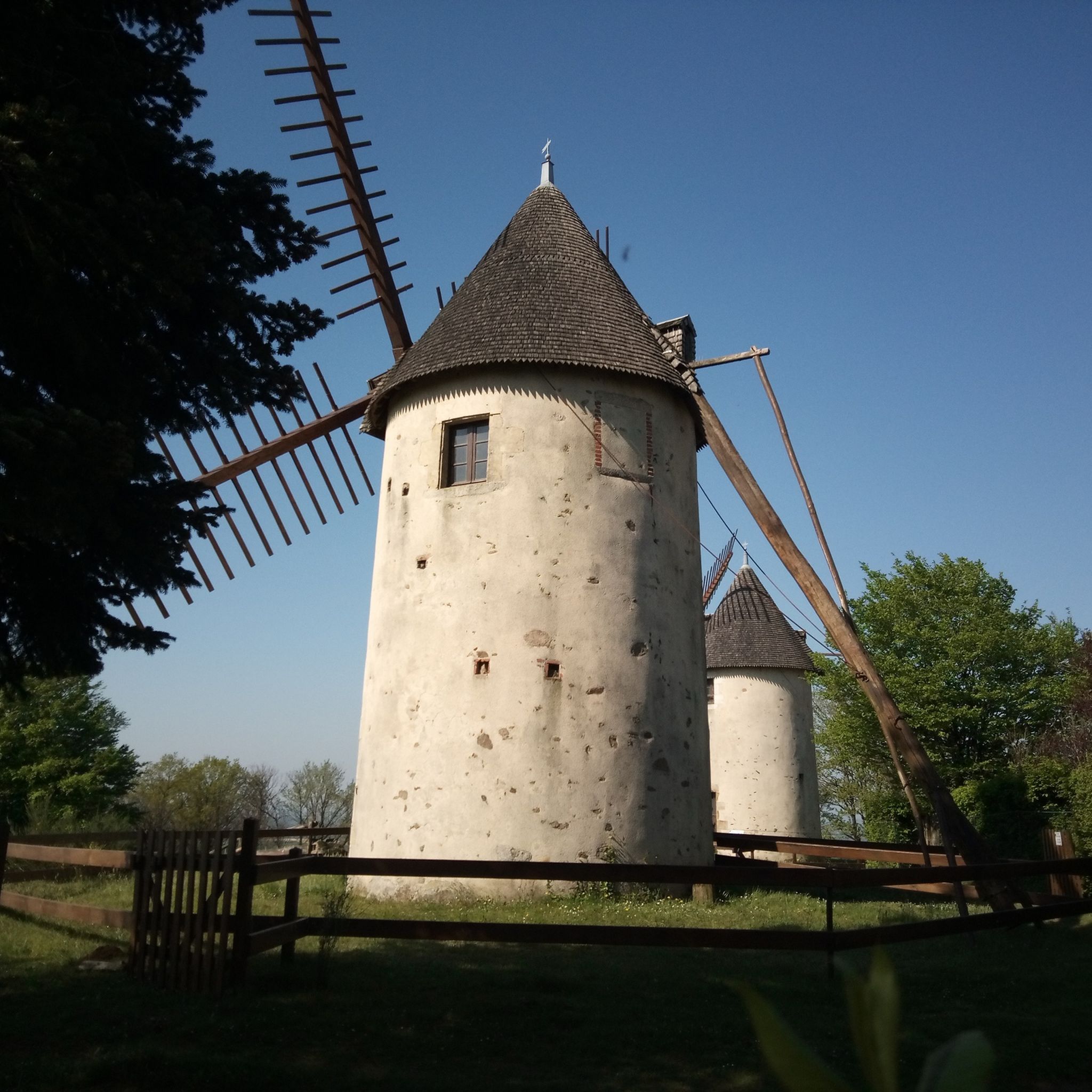
Long before the discovery of electricity and the associated inventions, our ancestors discovered the possibility of harnessing the power of the elements—which, while useful on the one hand, could also be a threat as a force of nature—for various purposes. A fitting example of the human inventiveness of earlier generations is such a mill: The heavy millstones used to grind grain or press oil, for example, could be powered by water or—as in this case—the wind. Hardly any of them still fulfill their original functions today, but fortunately, some have at least survived as testimonies to ancient times.
0
0

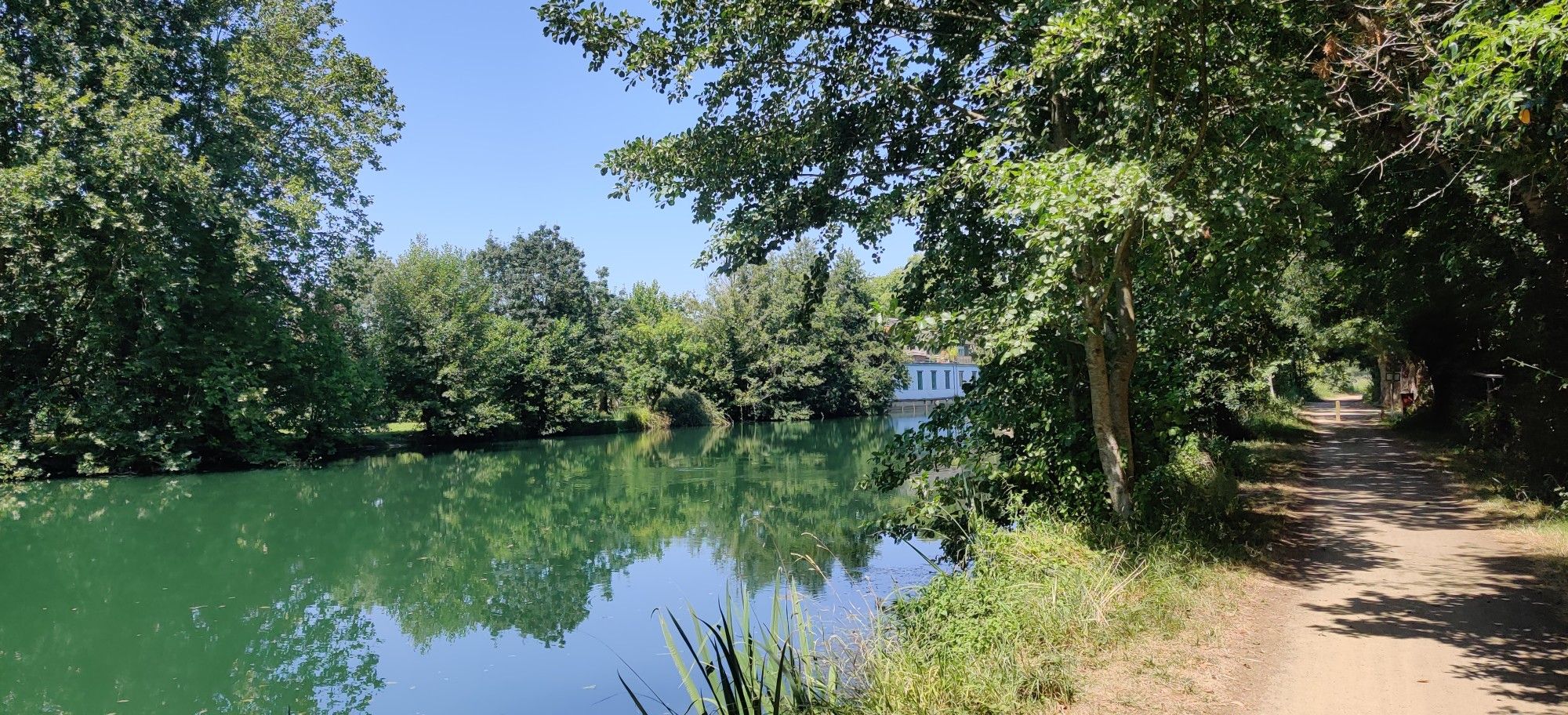
The Jean Guilloux chain ferry allows you to cross the Sèvre Niortaise River from Saint Jean de Liversay (Charente-Maritime) to Vix (Vendée). It is free to access and is operated manually. The chain ferry can be used independently by pedestrians and cycle tourists, with a maximum of 6 people per crossing. Cyclists' bicycles may be taken on board the ferry. Operating and safety regulations are posted on each bank. This type of boat was once a common means of crossing canals and channels in the Marais Poitevin. Free access is limited to 6 people or a maximum weight of 450 kg. Pets are allowed. Accessibility dates are from April 5 to October 31, from 9 a.m. to 9 p.m. The acquisition of the "Jean Guilloux" chain ferry was made possible thanks in part to the support of the European Union.
0
0

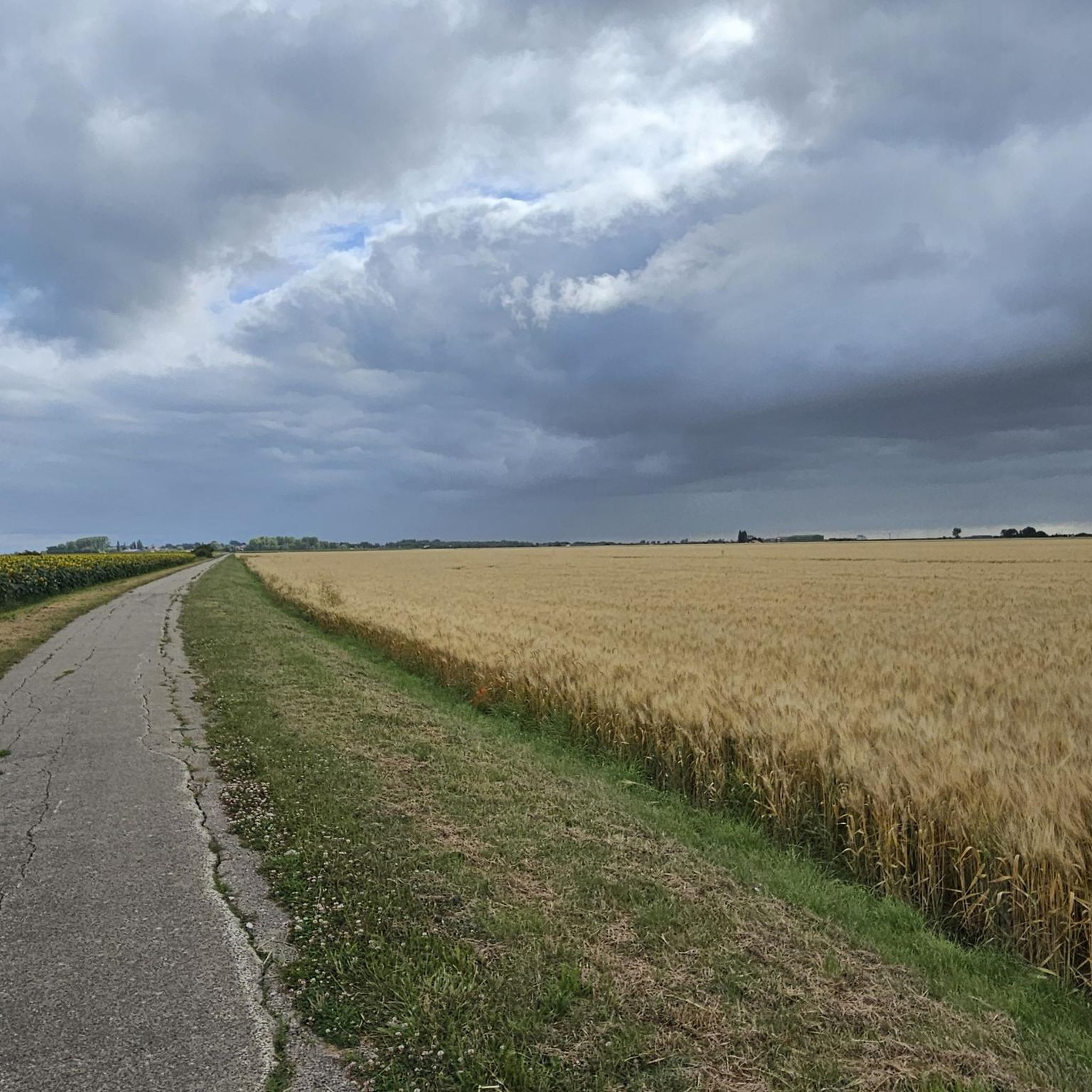
We pass under the Dive, an island perched above a sea of cereals... https://www.vendeedusud.com/visites/lile-de-la-dive/
0
0
Long before the discovery of electricity and the inventions associated with it, our ancestors discovered the possibility of harnessing the power of the elements for various purposes - which were useful on the one hand, but could also be a threat as a force of nature on the other. A good example of the human inventiveness of earlier generations is such a mill: the heavy millstones used to grind grain or press oil, for example, could be powered by water or - as here - the wind. Hardly any of them still fulfil their original functions today, but fortunately some have at least survived as evidence of the old days.
3
0

This ancient island in the Gulf of Pictons now overlooks the cereal fields from around fifteen meters. It offers a lovely view of Aiguillon Bay, La Rochelle and the Île de Ré bridge.
1
0

To cross here, take a bike ride or walk. Grab the chain and pull, this way you will be on the opposite bank.
1
0

Frequently Asked Questions
What historical landmarks can I explore in Fontenay-Le-Comte?
Fontenay-Le-Comte is rich in history. You can visit the impressive 16th-century Château de Terre-Neuve, a prime example of French Renaissance architecture. The iconic Fontaine des Quatre Tias, built in 1542, is considered the city's symbol. Don't miss the 15th-century Church of Notre-Dame with its flamboyant gothic style and an 11th-century Roman crypt. Further afield, explore the significant ruins of Maillezais Abbey, a historical site that was an abbey church converted into a cathedral.
Are there any notable examples of Renaissance architecture in the area?
Yes, Fontenay-Le-Comte is renowned for its Renaissance architecture. The most prominent example is the Château de Terre-Neuve, a magnificent 16th-century chateau known for its furnished interiors and historical significance. The Fontaine des Quatre Tias, dating back to 1542, also showcases classic Renaissance design with its pediment, columns, and intricate carvings.
What natural attractions are there to visit around Fontenay-Le-Comte?
The region offers several natural attractions. The vast Mervent-Vouvant State Forest provides diverse terrain for outdoor activities. The town itself is situated on the banks of the Vendée River, perfect for scenic walks. For coastal views, consider visiting Pointe de l'Aiguillon, which offers beautiful natural scenery and a beach.
Where can I find green spaces or parks within Fontenay-Le-Comte?
Within the town, Parc Baron is a beautiful 7.5-acre park offering panoramic views and the remains of the old fortified castle. It also features a 'Parcabout' acrobatic circuit for exploring treetops. Jacobin Park is another green space mentioned as a point of interest, providing a tranquil spot for relaxation.
Are there family-friendly activities available in Fontenay-Le-Comte?
Absolutely! Parc Baron offers a unique 'Parcabout' acrobatic circuit that allows families to explore the treetops safely. The historical Maillezais Abbey is also a fascinating site for all ages to learn about history. Additionally, the Pointe de l'Aiguillon provides a natural setting with a beach, suitable for family outings.
What cultural sites are worth visiting in Fontenay-Le-Comte?
The Fontenay Museum, located in the former presbytery of Notre-Dame church, houses a rich collection of Gallo-Roman artifacts, ethnological exhibits, and a fine arts gallery featuring 19th and 20th-century Vendée artists. It also includes an area dedicated to the town's history, with a model of Fontenay-le-Comte from 1720.
Can I find opportunities for outdoor sports like hiking or cycling near these attractions?
Yes, the area around Fontenay-Le-Comte is excellent for outdoor activities. You can find numerous routes for various sports. For hiking, explore options like the Les Nattes Trail or the Pouzauges Castle and Lake of Hope Loop, detailed in the Easy hikes around Fontenay-Le-Comte guide. Mountain biking enthusiasts can check out routes in the MTB Trails around Fontenay-Le-Comte guide, while road cyclists can find tours like the Déluge Bridge – Mervent Dam loop in the Road Cycling Routes around Fontenay-Le-Comte guide.
What are some unique or less-known attractions to discover?
For a unique experience, try being your own ferryman at Jean Guilloux, where you can cross the Sèvre Niortaise using a chain boat. You might also enjoy discovering the Terrier Marteau Twin Mills or the Pichonnière Mill, offering glimpses into the region's industrial heritage.
Where can I get panoramic views of the area?
Several spots offer great views. The Rivalland Tower, near the Château de Terre-Neuve, provides panoramic vistas of Fontenay-le-Comte. For a breathtaking 360° view, climb to the top of the Saint-Michel-Mont-Mercure bell tower, the highest point in Vendée. Parc Baron also offers beautiful panoramic views over the town.
What is the best time of year to visit Fontenay-Le-Comte attractions?
The period from May to September is generally ideal. Many attractions, like the Château de Terre-Neuve, are typically open during these months. The town also arranges 'Summer Rives' along the Vendée River from July to September, providing relaxing spaces. Autumn is particularly beautiful in Parc Baron due to its lush vegetation.
Are there any markets or local experiences to enjoy?
Yes, Fontenay-Le-Comte hosts a vibrant weekly market twice a week, on Wednesday and Saturday mornings. This is an excellent opportunity to discover local products, experience the local gastronomy, and soak in the friendly atmosphere.
What is the significance of the Vendée River to the town?
The town of Fontenay-Le-Comte is situated on the banks of the gently flowing Vendée River. The river is integral to the town's charm, offering opportunities for pleasant walks along its banks and enjoying the natural scenery. During the summer, 'Summer Rives' installations provide spaces for relaxation by the river.
Are there any religious buildings with historical importance?
Beyond the prominent Church of Notre-Dame with its 15th-century flamboyant gothic style and 11th-century crypt, you can also visit the Church of Saint-Jean, also dating from the 15th century. The ruins of Maillezais Abbey, originally founded in 976, represent a significant historical religious site in the region.
What kind of natural landscapes are nearby for day trips?
Fontenay-Le-Comte serves as an excellent base for exploring significant natural attractions. You can easily take day trips to the Marais Poitevin, a grand site of France known for its canals and unique ecosystem, or the expansive Mervent-Vouvant State Forest, offering diverse natural beauty and outdoor activities.
Most popular routes around Fontenay-Le-Comte
Most popular attractions around Fontenay-Le-Comte

Get inspired with the komoot mobile app


Didn’t find what you were looking for?
Are you keen on exploring more awesome places nearby? Browse our guides:
Explore more
Still not found the Highlight you’re looking for? See guides of the top attractions in other regions:
