Attractions and Places To See around Nogent-Le-Rotrou - Top 20
Best attractions and places to see around Nogent-Le-Rotrou include historical landmarks, cultural sites, and natural areas within the Perche region. The town is situated in the Eure-et-Loir department, offering a blend of heritage and natural beauty. The Huisne River winds through the landscape, and the area is part of the Perche Regional Natural Park, characterized by green hills and forests. Visitors can explore a variety of historical buildings and outdoor spaces.
Best attractions and places to see around Nogent-Le-Rotrou
- The…
Last updated: August 26, 2026
Château de Frazé
Highlight • Castle
Translated by Google •
Tip by

Nogent-le-Rotrou Castle
Highlight • Castle
Translated by Google •
Tip by

Sign up now to discover places like this
Get recommendations on the best single tracks, peaks, & plenty of other exciting outdoor places.
Sign up for free
Thiron-Gardais Abbey Gardens
Highlight • Historical Site
Translated by Google •
Tip by

Notre-Dame Church, Nogent-le-Rotrou
Highlight • Religious Site
Originally the chapel of the Hôtel-Dieu, built in 1182, it was then placed under the name of Saint-Jacques …
Translated by Google •
Tip by

Church of Manou
Highlight • Religious Site
Translated by Google •
Tip by

Lovely stretch through the fields
Highlight • Viewpoint
Translated by Google •
Tip by
Saint Martin Church
Highlight • Other
Translated by Google •
Tip by
Shaded section in the forest
Highlight (Segment) • Forest
Translated by Google •
Tip by
Notre-Dame Church of Chapelle-Guillaume
Highlight • Religious Site
Translated by Google •
Tip by
Manou Castle
Highlight • Other
It is now a private venue that can be rented by the day for events.
Translated by Google •
Tip by

Sign up for free to discover even more attractions around Nogent-Le-Rotrou.
Sign up for free
Already have an account?
Start today with a free account
Your next adventure awaits.
Login or Signup
Popular around Nogent-Le-Rotrou
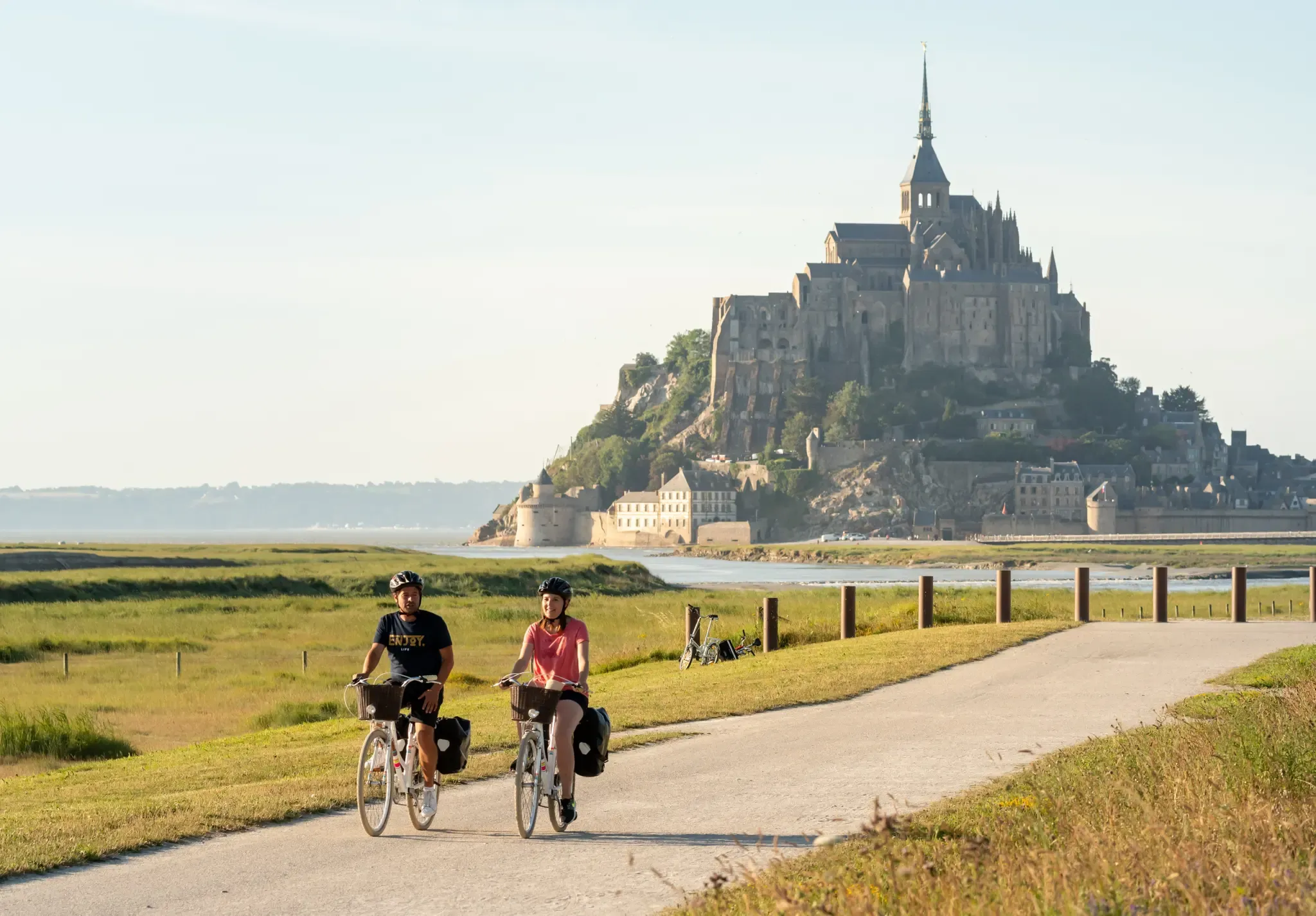
Cycling in Normandy – 7 station to station routes
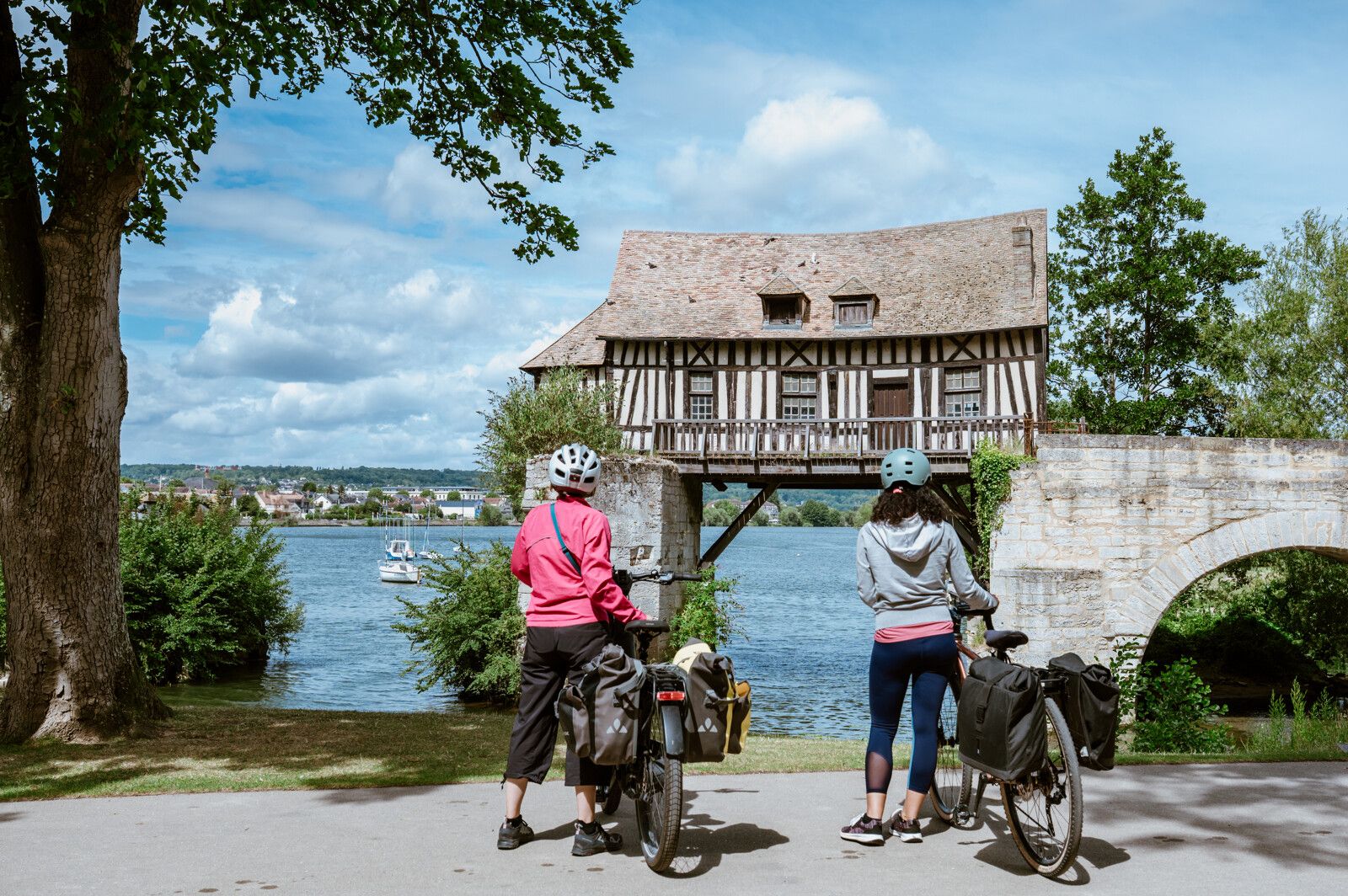
Cycling in Normandy – The most beautiful station to station routes
Hilly bike rides – the quiet roads of Perche in France
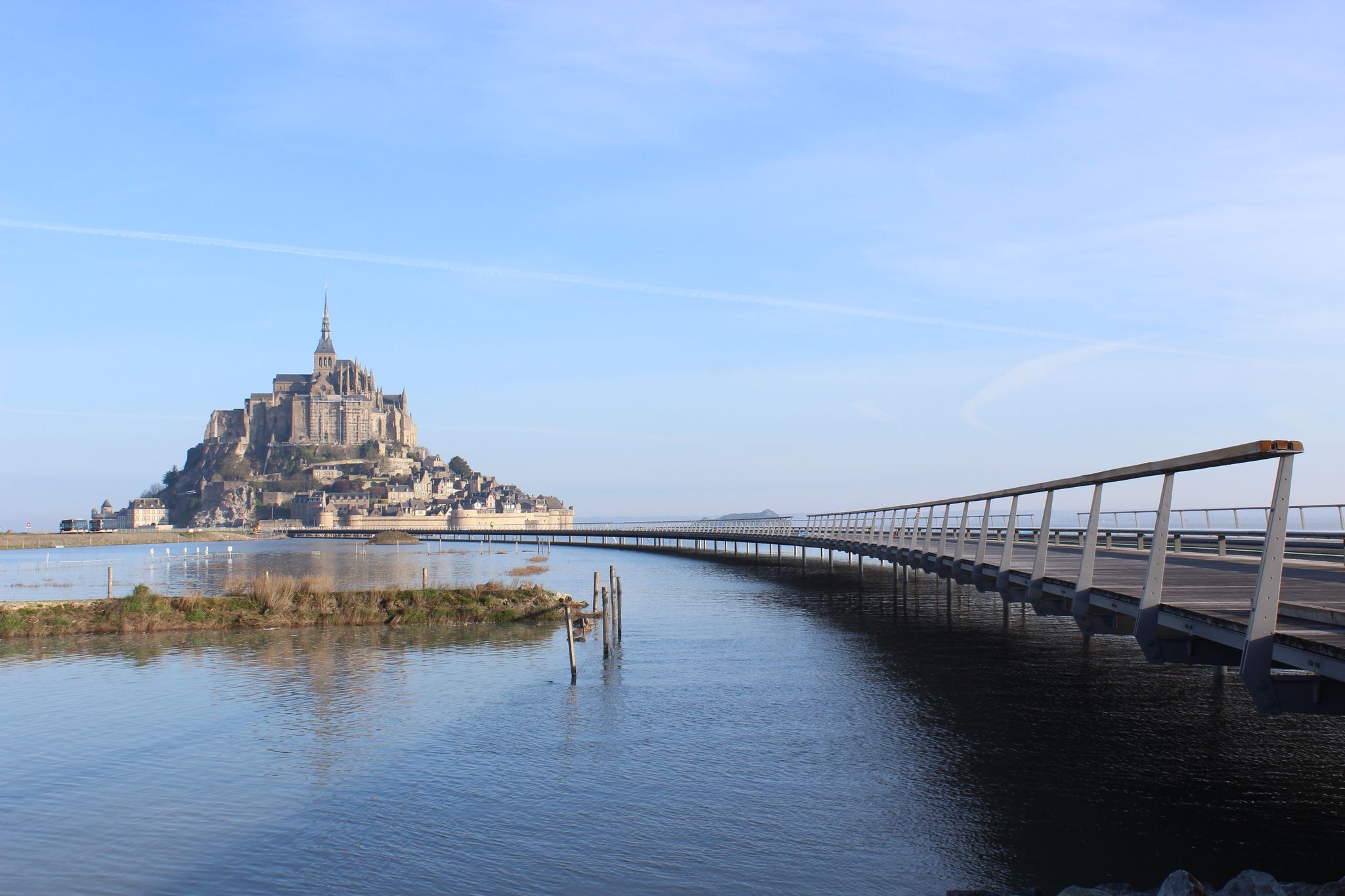
From Paris to Mont-Saint-Michel — La Véloscénie
Nature and Culture — discover the Loire and its castles by bike
Cycling around Nogent-Le-Rotrou
Hiking around Nogent-Le-Rotrou
Road Cycling Routes around Nogent-Le-Rotrou
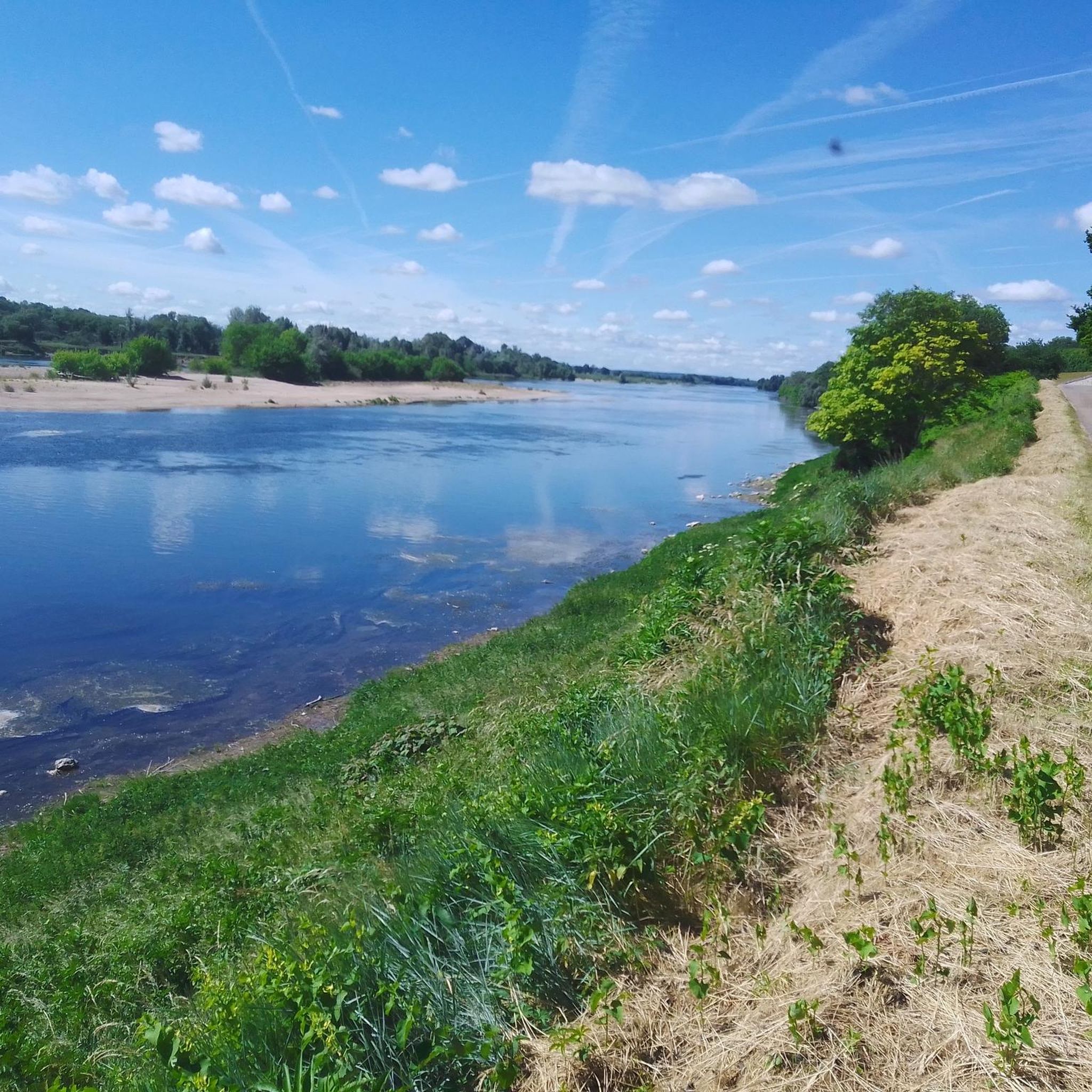
Running Trails around Nogent-Le-Rotrou
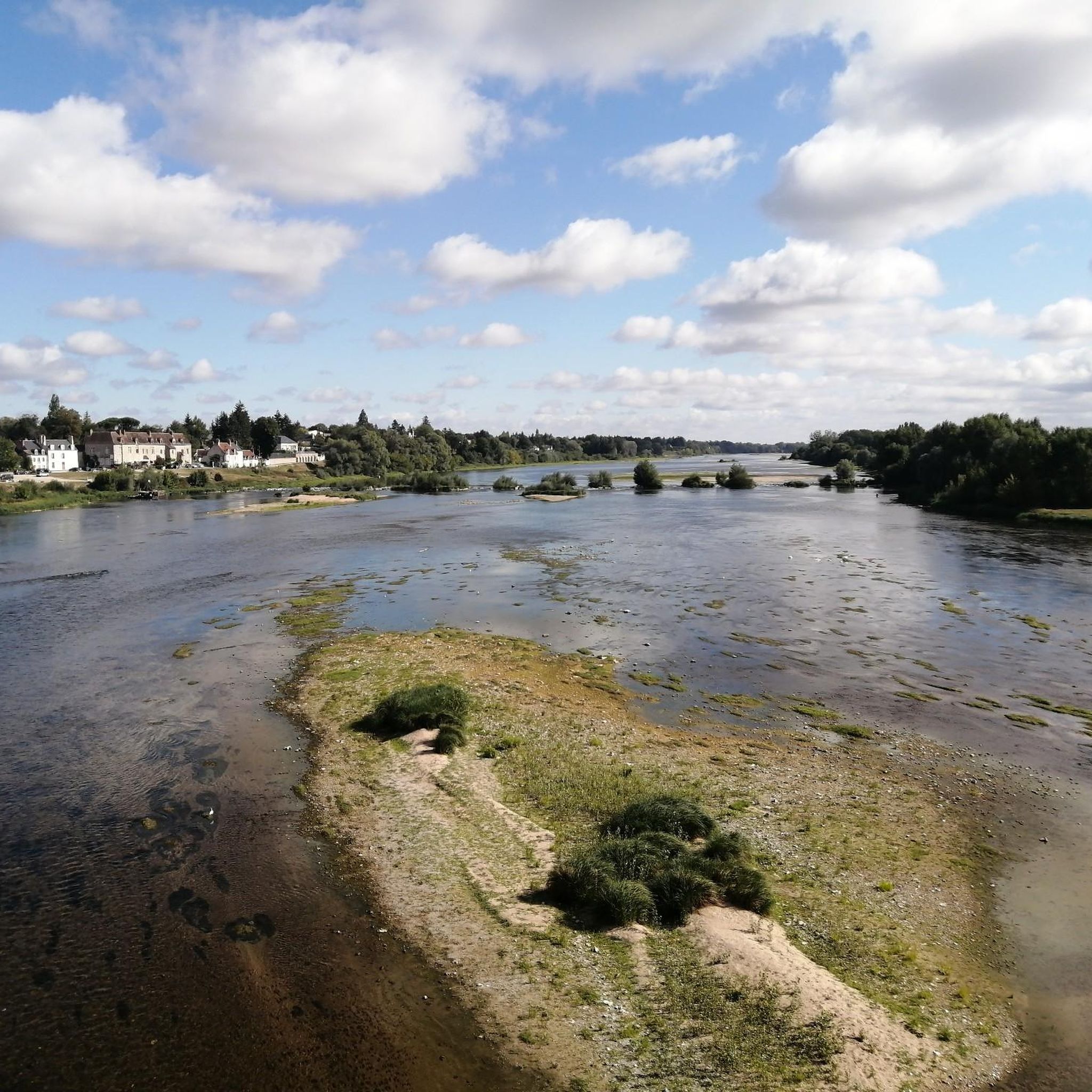
MTB Trails around Nogent-Le-Rotrou
Other adventures around Nogent-Le-Rotrou


Tips from the Community

Magnificent ceiling with the possibility of lighting it up
0
0

A lovely castle when leaving the Senonches forest in a very cute village.
0
0

This ancient fortified castle dominates the Huisne Valley at 360° with its imposing keep. The building, with its troubled history, has undergone numerous modifications in its architecture and functions. A visit is essential to understand the complexity of its history and to observe the architectural evolutions.
0
0

A must-see that overlooks the valley.
0
0

Built on an old feudal motte, which is still visible and was completely destroyed during the Hundred Years' War, it was replaced in the second half of the 15th century by the castle, the remains of which can still be seen today. The Saint-François Tower remains as it was, with its Grisons base and rows of white stone. Halfway up the circle is the Cord of Saint Francis of Assisi, with its coils and knots. A Renaissance building was added in the 16th century, and new buildings were constructed in the 17th and 18th centuries.
0
0

It is a magnificent castle... Calm!
0
0

The Saint-Martin church of La Croix-du-Perche, composed of a single nave without aisles, dates from the 12th century. At this date, the church is the chapel of a priory founded around 1250 by the Abbey of the Holy Trinity of Tiron. The church only became a parish when the monks left, towards the end of the 16th century. The monument is remarkable for its 16th century framework, entirely decorated with paintings dated 1537. The building was classified as a historic monument in 1934.
1
0

Frazé Castle is distinguished above all by its French-style exteriors. Unfortunately, their tour is only open to groups by reservation.
1
0
Frequently Asked Questions
What historical landmarks can I explore in Nogent-le-Rotrou?
Nogent-le-Rotrou is rich in history. You can visit the impressive Nogent-le-Rotrou Castle, an ancient fortified castle dominating the Huisne Valley, which also houses the Museum of the History of Perche. Other notable historical sites include the ancient Paty Quarter with its Renaissance-style houses, and several churches such as Notre-Dame Church and the Church of Saint-Hilaire. The Château de Frazé, a 15th-century castle with French-style exteriors, is also nearby.
Are there natural attractions or parks to visit around Nogent-le-Rotrou?
Yes, Nogent-le-Rotrou is nestled within the beautiful Perche Regional Natural Park, offering green hills, forests, and meadows. You can enjoy pleasant walks at Parc Daupeley and along the Promenade Camille-Silvy, which stretches along the Huisne River. The Base de loisirs de la Borde is a 15-hectare park with activities like walking, cycling, fishing, and a natural labyrinth for children. The Huisne River itself provides picturesque scenery and spots for picnics.
Where can I find scenic viewpoints around Nogent-le-Rotrou?
For picturesque landscapes, consider visiting Lovely stretch through the fields, which offers wonderful views over wide fields and rolling hills with varied crops. The region's hilly terrain within the Perche Natural Park provides many opportunities for scenic vistas, especially along quiet country roads.
What outdoor activities can I do near these attractions?
The area around Nogent-le-Rotrou is ideal for outdoor activities, especially cycling, hiking, and running. You can explore various routes that take you through the Perche Regional Natural Park, past historical sites, and through scenic landscapes. For cycling, consider routes like 'Sites and abbeys' or 'Valleys and fortified farms'. Running enthusiasts can find trails such as the 'Château de Frazé and Montigny-le-Chartif Loop' or routes around the Nogent-le-Rotrou Castle. You can find more details on routes in the cycling guide, road cycling guide, and running trails guide.
Are there family-friendly activities or attractions?
Yes, several attractions cater to families. The Base de loisirs de la Borde offers a natural labyrinth for children, along with pedal boats and stand-up paddles during summer. Many of the natural areas, like Parc Daupeley and the Promenade Camille-Silvy, are suitable for family walks. The Château de Frazé and Nogent-le-Rotrou Castle, with their historical significance, can also be engaging for older children.
What is the best time of year to visit Nogent-le-Rotrou?
The best time to visit Nogent-le-Rotrou largely depends on your interests. Spring and summer (May to September) are ideal for outdoor activities like hiking and cycling, with pleasant weather for exploring the Perche Regional Natural Park and enjoying the Base de loisirs de la Borde. The town also hosts cultural events, such as the annual medieval festival, Percheval, around Ascension weekend, which is a highlight in late spring. Autumn offers beautiful foliage, while winter can be quieter but still allows for exploring historical sites.
Are there any cultural events or markets in Nogent-le-Rotrou?
Nogent-le-Rotrou has a vibrant cultural scene. The town hosts various cultural activities throughout the year, including the annual medieval festival, Percheval, typically held around Ascension weekend. You can also find local produce and crafts at the weekly market held in the town center on Saturdays at Place Saint-Pol and Place du 11 Août 1944. L'Arsenal and Cinéma Le Rex contribute to the town's cultural life with a season of events and cinematic experiences.
Can I find places for a quiet walk or a picnic?
Absolutely. The Perche Regional Natural Park provides countless opportunities for quiet walks through forests and meadows. Parc Daupeley and the Promenade Camille-Silvy offer pleasant, accessible paths. The banks of the Huisne River are also noted as ideal spots for bivouacking and picnics, offering a peaceful natural setting.
What are some lesser-known historical sites worth visiting?
Beyond the main castle, explore the Maison du Bailli, a 16th-century building on Rue Saint-Laurent considered one of Nogent's most impressive medieval structures. The Hôtel de la Papotière, dating from the late 15th or early 16th century, is another architectural gem. The Church of Saint-Laurent, with its 16th-century 'mise au tombeau' statue, and the Chapel of Saint-Jacques, with its Roman-style entrance, also offer unique historical insights.
What do visitors enjoy most about Nogent-le-Rotrou?
Visitors particularly appreciate the blend of rich history and natural beauty. The imposing Nogent-le-Rotrou Castle and its museum are highly valued for their historical depth. The scenic, hilly landscapes with varied crops, such as those seen from Lovely stretch through the fields, are also a favorite for their picturesque views and tranquil atmosphere, especially for cyclists and walkers.
Are there any religious buildings of historical significance?
Yes, Nogent-le-Rotrou and its surroundings feature several historically significant religious buildings. The Notre-Dame Church, with its nave dating back to the 12th and 13th centuries, is a prominent example. The Church of Saint-Hilaire, from the 11th century and renovated in the Renaissance, is the largest parish church in town. Nearby, the Saint Martin Church of La Croix-du-Perche, dating from the 12th century, is remarkable for its 16th-century framework entirely decorated with paintings.
How can I experience the local architecture and street art?
To experience the local architecture, simply take a stroll along Rue du Paty and Rue Saint-Laurent. These streets are lined with numerous impressive Renaissance-style buildings from the 16th and 17th centuries, many featuring half-timbered or stone facades. While specific street art installations are not highlighted, the historical architecture itself provides a rich visual experience.
Most popular routes around Nogent-Le-Rotrou
Most popular attractions around Nogent-Le-Rotrou

Get inspired with the komoot mobile app


Didn’t find what you were looking for?
Are you keen on exploring more awesome places nearby? Browse our guides:
Explore more
Still not found the Highlight you’re looking for? See guides of the top attractions in other regions:
