The best road cycling routes around Épernay
4.4
(194)
6,963
riders
486
rides
Road cycling routes around Épernay traverse a landscape defined by vineyard-covered hillsides, the Marne River valley, and sections of the Montagne de Reims Regional Natural Park. The terrain offers a mix of elevations, from mostly flat paths along the river and canal to more challenging ascents through the Champagne vineyards. Cyclists can explore routes winding between rivers and hillsides, passing through forests and typical Champagne villages.
Best road cycling routes around Épernay
- The most popular road cycling route is Small road along the Marne – View of Hautvillers loop from Épernay, a 35.1 miles (56.5 km) trail that takes 2 hours 42 minutes to complete, offering views of the Marne river and Hautvillers.
- Another top favourite among local road cyclists is Champagne Tourist Route – Verzenay Windmill loop from Épernay, a moderate 32.6 miles (52.4 km) path. This route follows the Champagne Tourist Route through vineyard scenery.
- Local road cyclists also love the Church of Notre-Dame Epernay – Reims Opera loop from Épernay, a 44.9 miles (72.3 km) trail leading through cultural landmarks, often completed in about 3 hours 24 minutes.
- Road cycling around Épernay is defined by vineyard-covered hillsides, the Marne River, and the Montagne de Reims Regional Natural Park. The network offers options for various ability levels, from easy river paths to more challenging vineyard climbs.
- The routes in Épernay are highly rated by the komoot community with an average score of 4.4 stars from more than 170 reviews. More than 6000 road cyclists have used komoot to explore Épernay's varied terrain.
Last updated: July 9, 2026
4.5
(6)
386
riders
46.5km
02:08
430m
430m
Moderate road ride. Good fitness required. Mostly well-paved surfaces and easy to ride.
4.8
(6)
155
riders
51.4km
02:31
630m
630m
Moderate road ride. Good fitness required. Mostly well-paved surfaces and easy to ride.

Sign up for free
4.7
(14)
130
riders
56.1km
02:36
650m
650m
Moderate road ride. Good fitness required. Mostly well-paved surfaces and easy to ride.
4.3
(3)
120
riders
72.1km
03:24
850m
850m
Moderate road ride. Good fitness required. Mostly well-paved surfaces and easy to ride.
4.8
(4)
168
riders
54.9km
02:06
60m
60m
Moderate road ride. Good fitness required. Mostly well-paved surfaces and easy to ride.
4.0
(2)
130
riders
45.0km
02:04
530m
530m
Moderate road ride. Good fitness required. Mostly well-paved surfaces and easy to ride.
5.0
(1)
125
riders
147km
07:03
1,960m
1,960m
Hard road ride. Very good fitness required. Mostly well-paved surfaces and easy to ride.
4.5
(4)
97
riders
48.8km
02:10
270m
270m
Moderate road ride. Good fitness required. Mostly well-paved surfaces and easy to ride.
4.0
(1)
86
riders
60.4km
03:04
890m
890m
Moderate road ride. Good fitness required. Mostly well-paved surfaces and easy to ride.
4.3
(13)
191
riders
56.6km
02:13
100m
100m
Moderate road ride. Good fitness required. Some segments of this route may be unpaved and difficult to ride.
Get access to more routes and recommendations from other explorers.
Sign up for free
Already have an account?
Our route recommendations are based on thousands of hikes, rides, and runs completed by other people on komoot.
Start today with a free account
Your next adventure awaits.
Login or Signup
Popular around Épernay
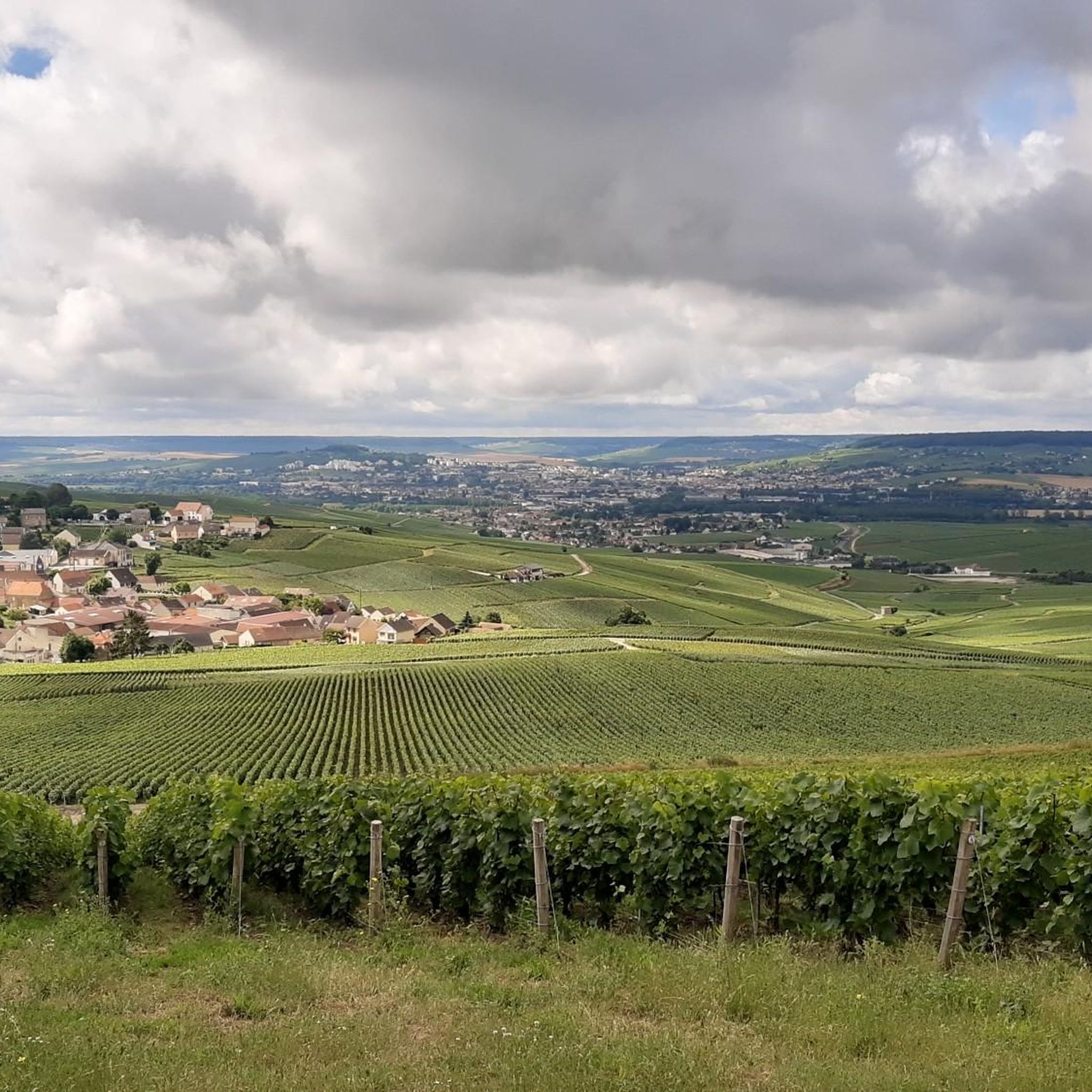
Road Cycling Routes around Champillon
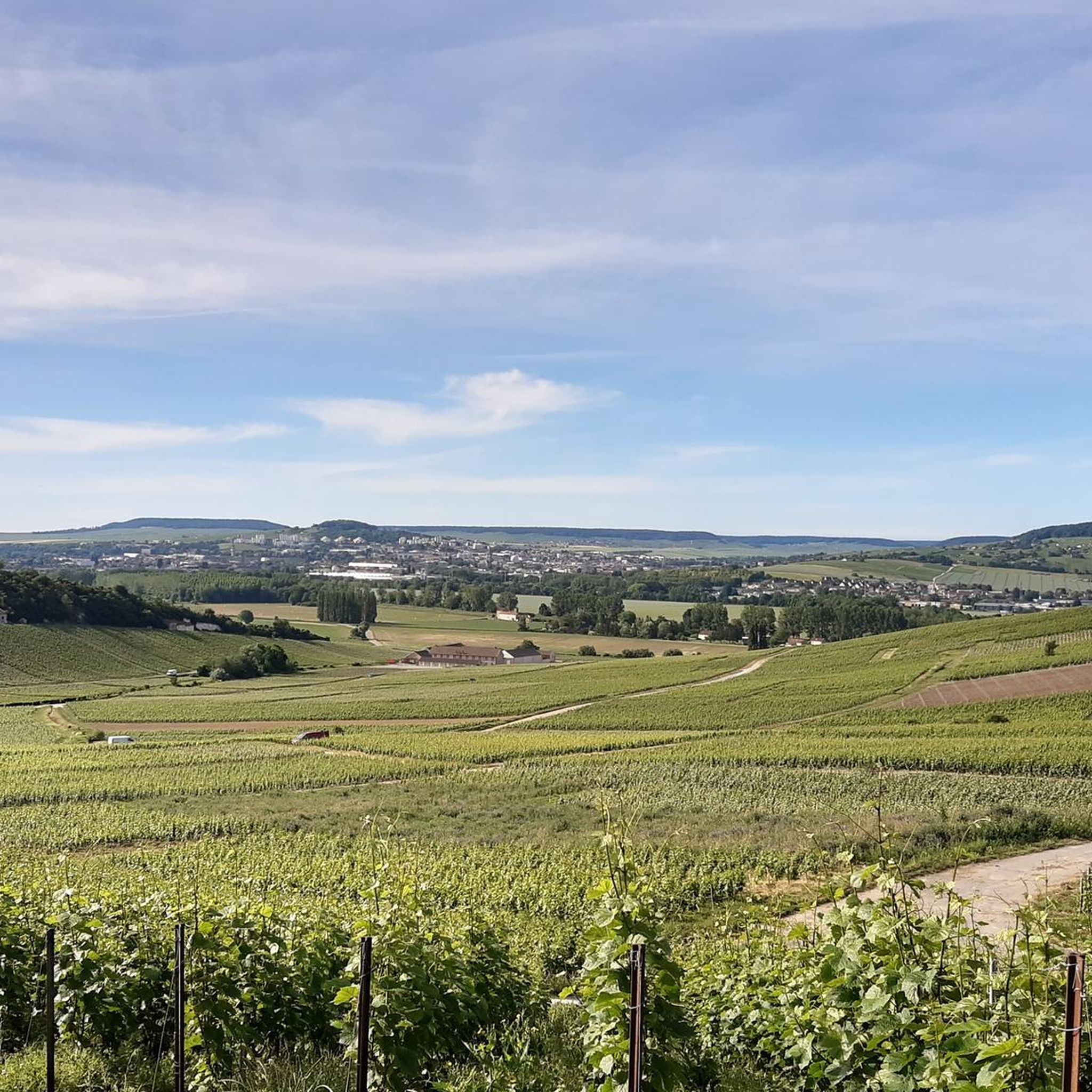
Road Cycling Routes around Hautvillers
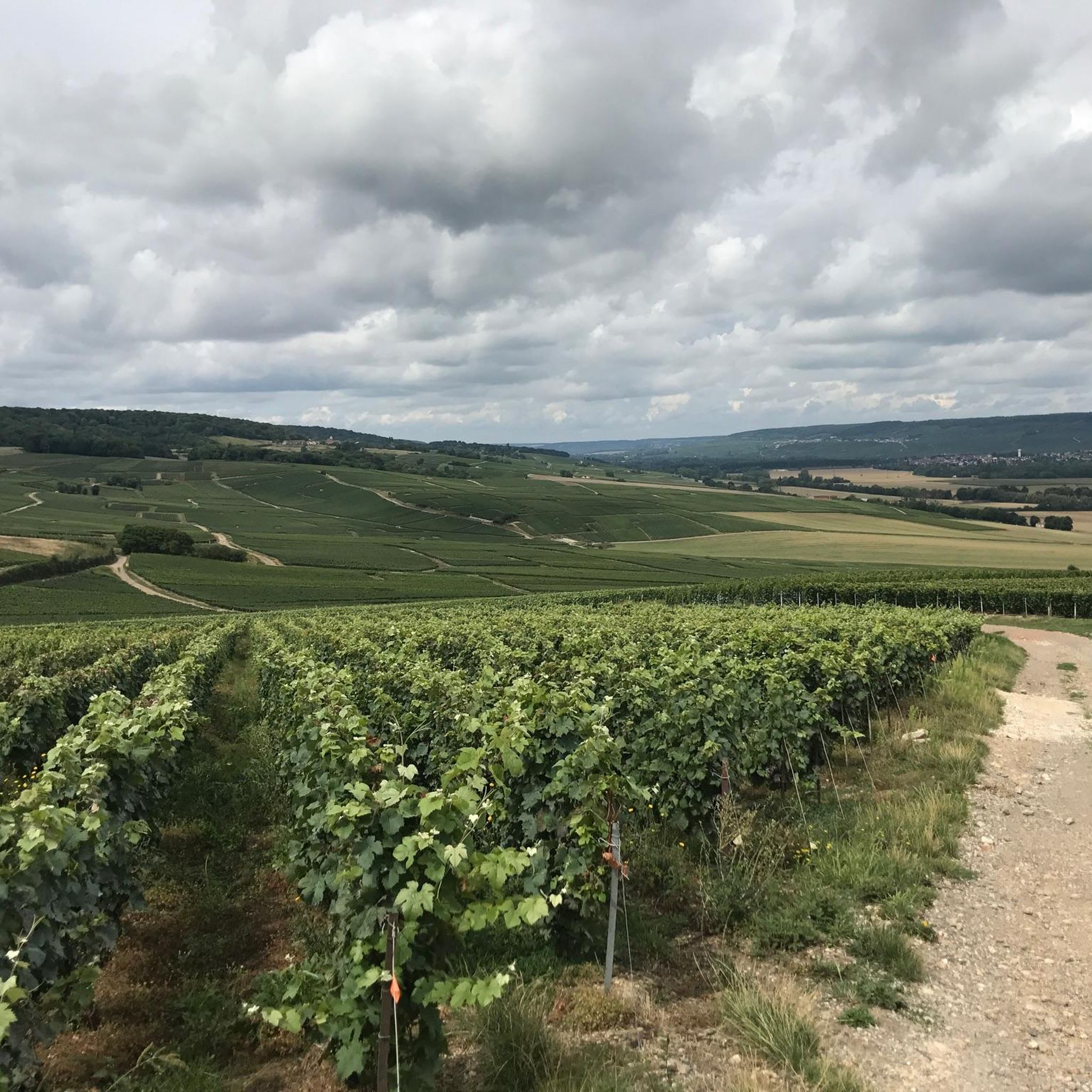
Road Cycling Routes around Mardeuil
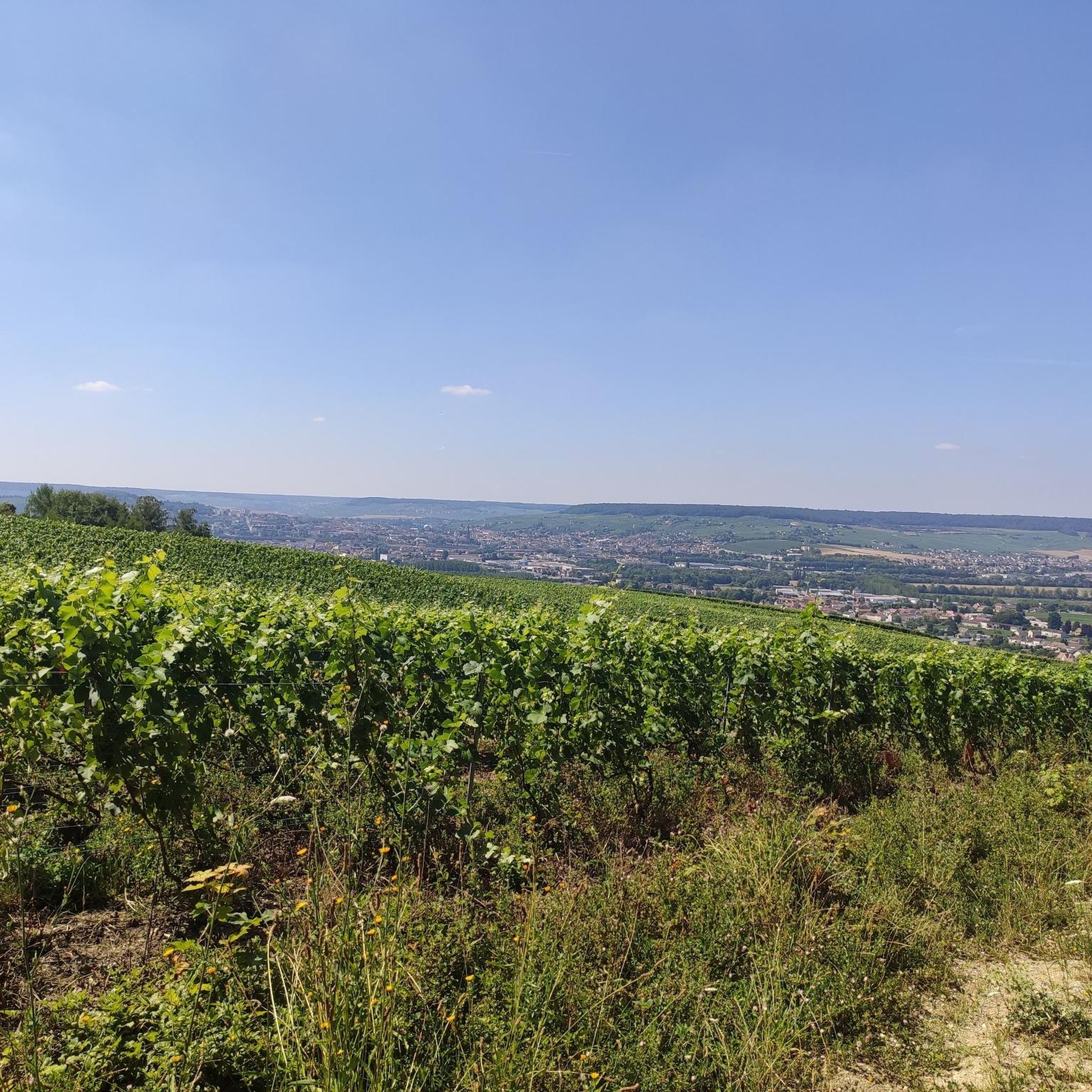
Road Cycling Routes around Dizy
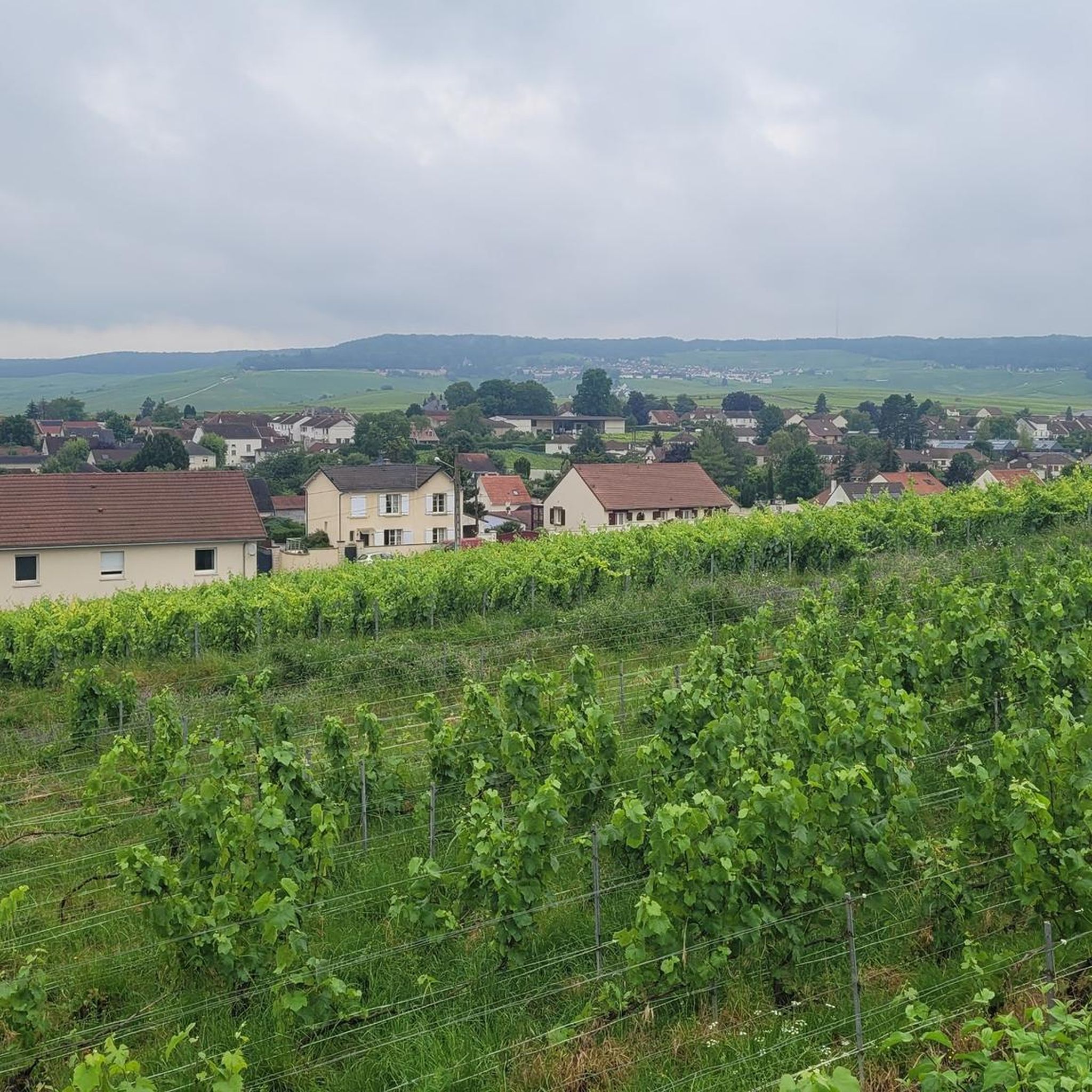
Road Cycling Routes around Magenta
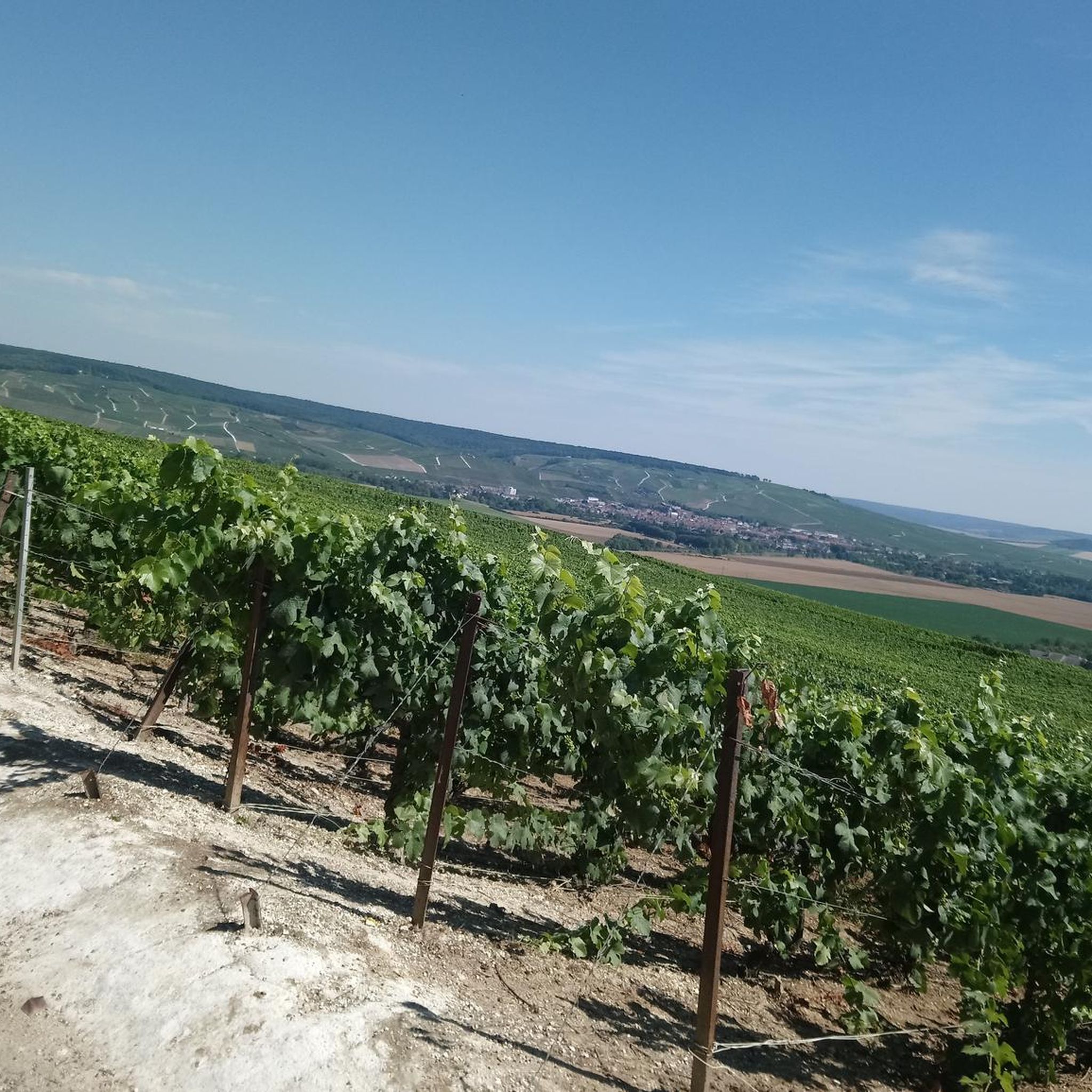
Road Cycling Routes around Chouilly
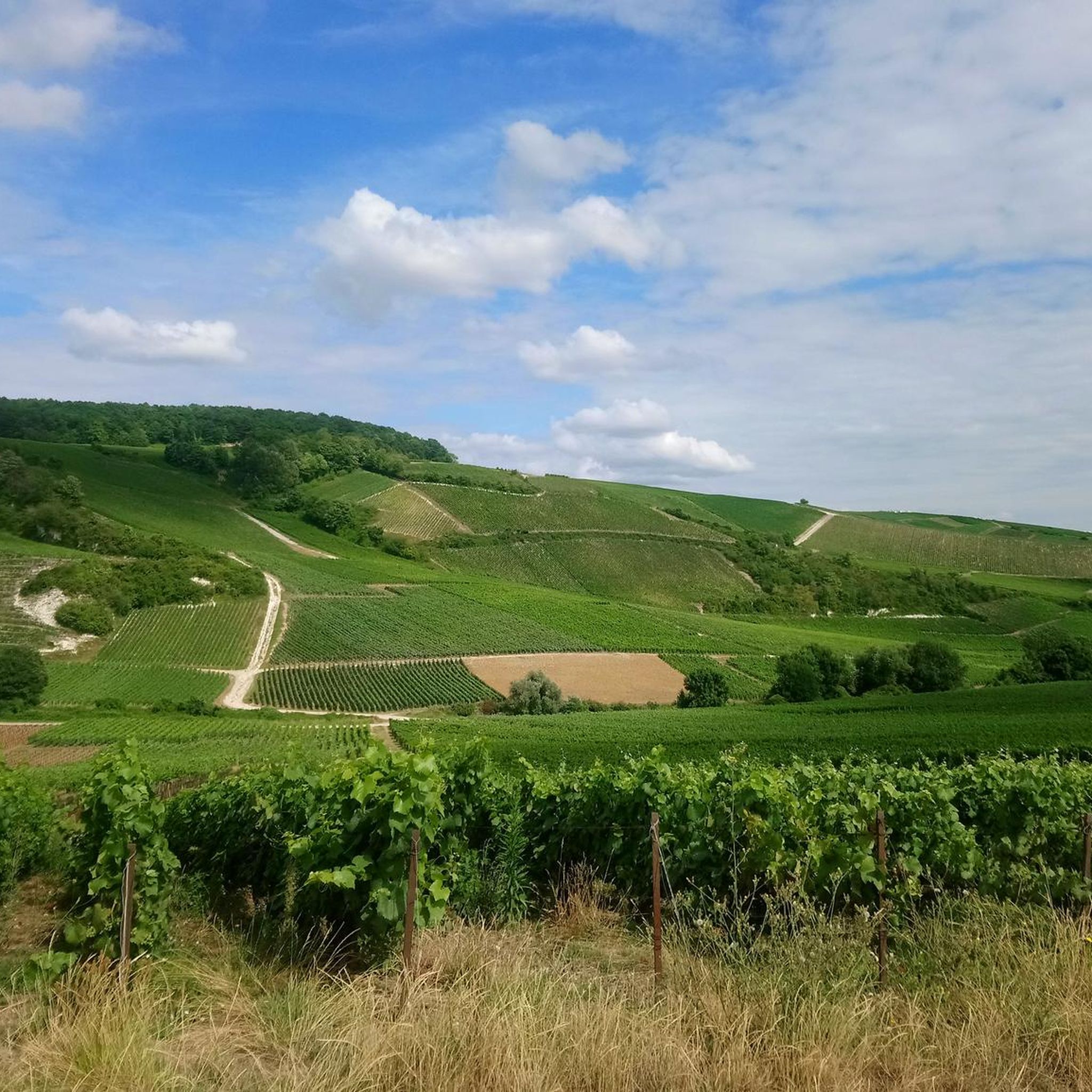
Road Cycling Routes around Aÿ-Champagne
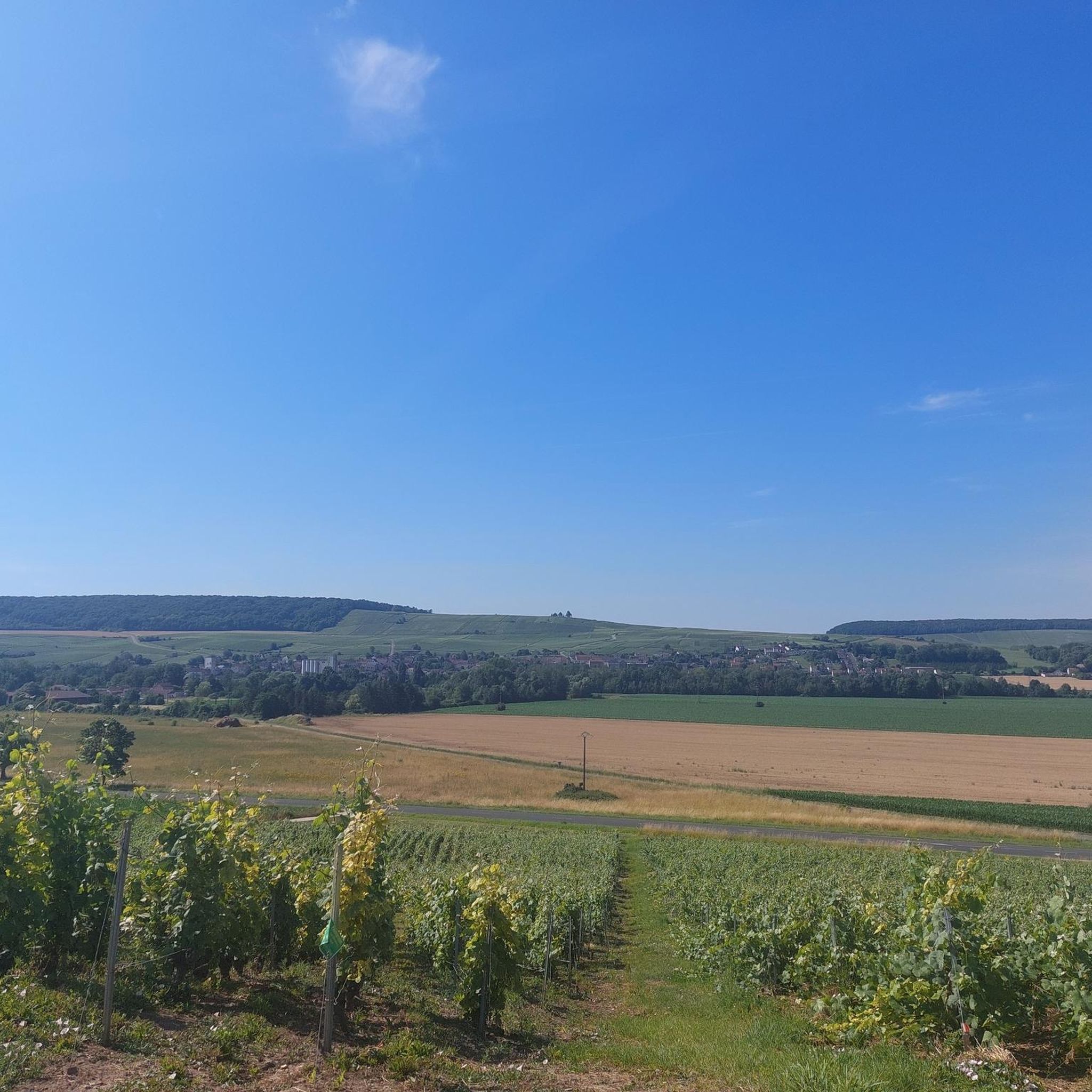
Road Cycling Routes around Troissy
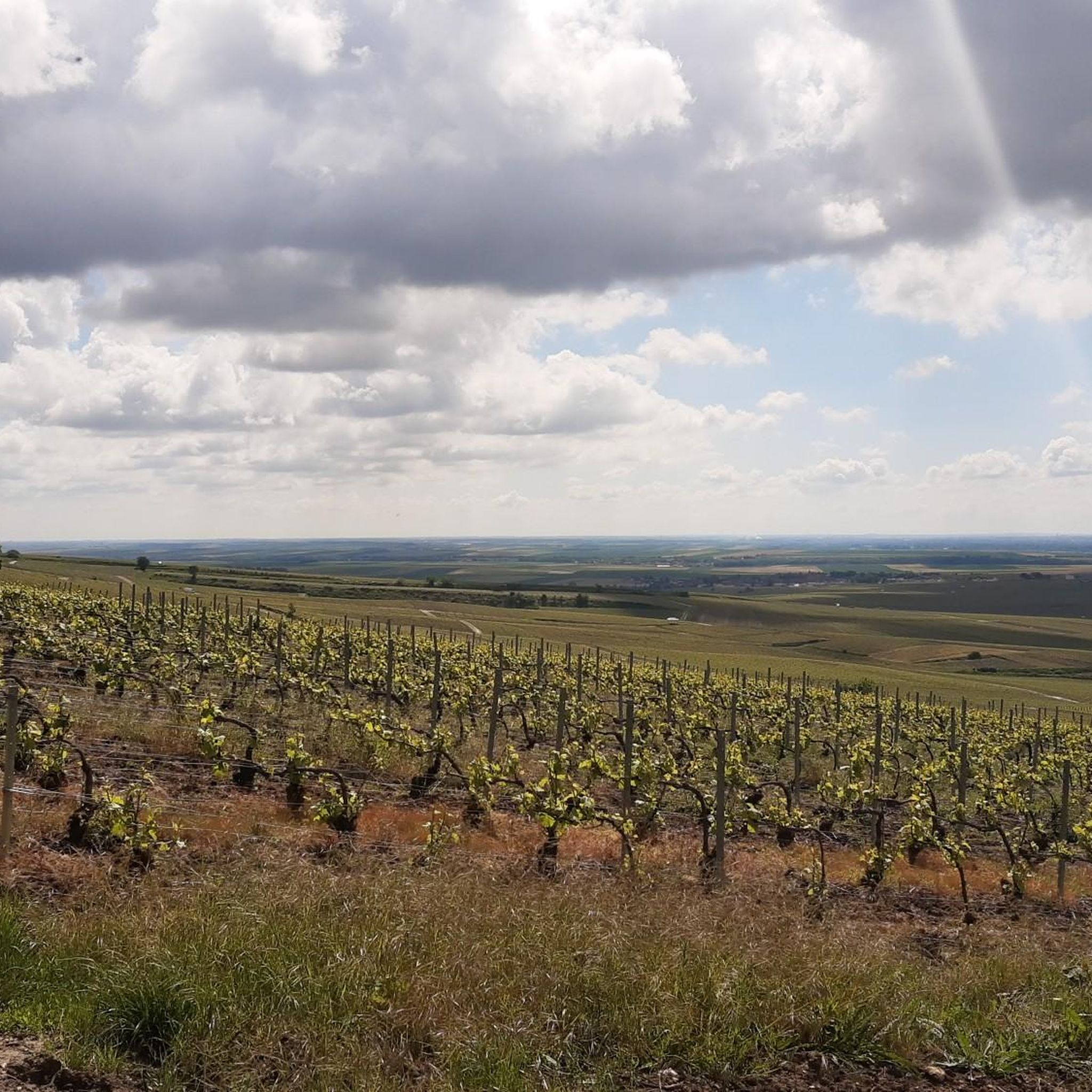
Road Cycling Routes around Val-De-Livre
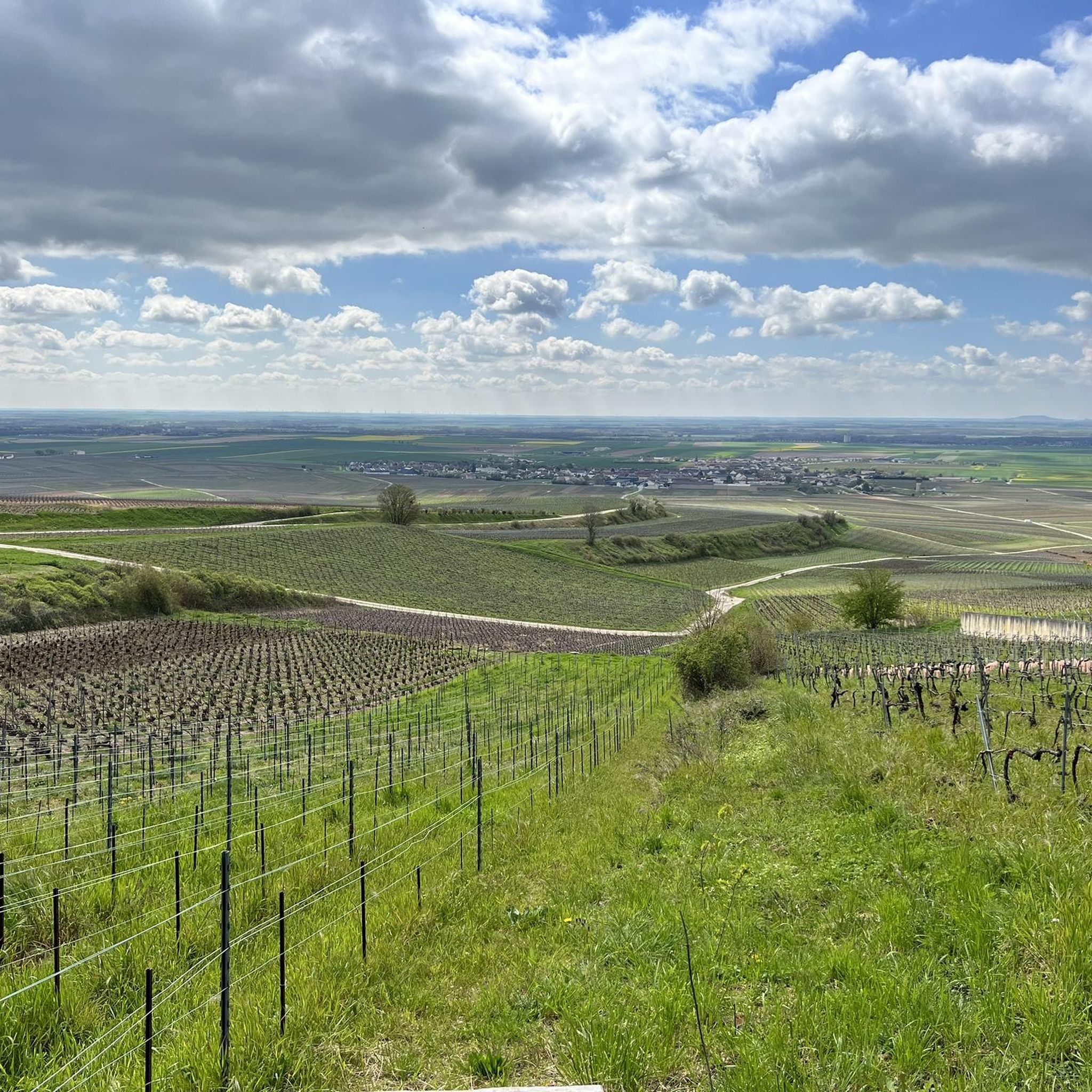
Road Cycling Routes around Ambonnay
Other adventures around Épernay


Tips from the Community

Besides the vineyards, the view extends to Reims, where the cathedral towers are clearly visible.
0
0

In Sillery, our partner municipality, our cycling group was received with the depicted bicycle - a beautiful sign of solidarity towards us guests from Germany.
0
0

In a brochure entitled "A Call for Peace, Because Peace Is Possible," Father Klaus Schäfer of the Pallottine Order (Societas Apostolatus Catholici), founded in the mid-19th century by Saint Vincent Pallotti, writes: "The large military cemeteries of the two World Wars, not only those located in France, clearly demonstrate that former enemies can become friends. After the two bloodbaths of these nations, there were no recriminations about who shot first, who was more guilty, who was more cruel... instead, there was a clean break and a genuine new beginning. For this reason, the large military cemeteries of the two World Wars are worthy of being declared World Heritage Sites. This is not to elevate war to the status of culture, but to show the world that even after such a bloody past, peace is possible. Europe has shown us: PEACE IS POSSIBLE. Former enemies can become friends, true friends." (Fr. Klaus Schäfer SAC)
0
0

A magnificent architectural jewel nestled in the heart of this historic French city. This elegant opera house, with its rich history and vibrant programming, plays a vital role in the cultural life of Reims, captivating audiences with its splendid performances and significantly contributing to the city's artistic identity. The origins of the Opéra de Reims date back to the 19th century. Built in 1873, the original structure, designed in the neoclassical style, was a testament to the city's ambition and its thriving cultural scene. However, the devastation of the First World War severely damaged the building, leaving it in ruins. This setback, however, did not deter the city's commitment to the arts. The opera house was meticulously rebuilt in the 1930s, embracing the then-popular Art Deco style. Architects François Maille and Louis Sollier skillfully blended historical elements with the sleek lines and geometric shapes characteristic of the Art Deco movement, creating a unique and captivating architectural statement. The result is a building that seamlessly blends historical grandeur with modern aesthetics, a testament to the city's resilience and commitment to the arts. https://operadereims.com/
1
0

Unfortunately, performances are only irregular, so check the program in good time.
0
0

The opera, with its 750-seat Italian Hall, is a must-see on any tour of Reims' Art Deco heritage. Behind the preserved 19th-century facade, the architects completely restructured the interior in the spirit of the Théâtre des Champs-Élysées in Paris after the First World War: bas-reliefs, ironwork, chandeliers, paintings...
2
0

The theater's opening night on March 3, 1873, featured prestigious performers from the Comédie-Française and Paris Opera, and the venue was one of the first in the region to replace gas lighting with electricity in 1888 for enhanced fire safety.
2
2
The Reims Opera House was designed by local architect Alphonse Gosset and inaugurated in 1873, featuring neoclassical exterior architecture combined with distinctive Art Deco interior decoration added during its 1931 reconstruction. The original theater was destroyed during World War I when German bombardment caused the dome and grand chandelier to collapse, making it the last public building to be reconstructed in Reims after the war. The current venue seats 790 people and boasts impressive technical facilities with three levels below the stage for machinery and four levels behind for dressing rooms.
4
1
Frequently Asked Questions
How many road cycling routes are available around Épernay?
There are over 480 road cycling routes around Épernay, offering a wide variety of options for different skill levels and preferences. You'll find routes ranging from easy to difficult, with the majority being moderate.
What kind of terrain can I expect on road cycling routes in Épernay?
Épernay's road cycling routes feature diverse terrain. You can expect to cycle through UNESCO World Heritage-listed vineyard-covered hillsides, offering both gentle slopes and more demanding ascents. Many routes also follow the mostly flat paths along the Marne River and Canal, and some venture into the forests and rolling landscapes of the Montagne de Reims Regional Natural Park.
Are there family-friendly road cycling routes in Épernay?
Yes, for families or those seeking a more relaxed ride, the region offers options like the Marne Véloroute. This route runs alongside the Marne River and its canal, providing a mostly flat and picturesque experience. While specific 'family-friendly' routes aren't explicitly detailed in the data, the presence of easy routes suggests suitable options.
What notable landmarks or attractions can I see along Épernay's road cycling routes?
Many routes pass through charming Champagne villages and offer glimpses of historical sites. You can cycle along the famous Avenue de Champagne in Épernay, lined with grand Champagne houses. Other attractions include the Abbaye de Hautvillers, the Blue Bridge and Saint-Hilaire Church in Mareuil-sur-Ay, and the Champagne Wine and Regional Archaeology Museum.
Can I visit wineries or vineyards during my road cycling trip in Épernay?
Absolutely. Épernay is the 'Capital of Champagne,' and cycling is an immersive way to engage with wine tourism. Many routes wind directly through the vineyards, and some vineyards are bike-friendly, allowing for stops, tours, and tastings. The Champagne Tourist Route – Verzenay Windmill loop from Épernay is a great example of a route that takes you through vineyard scenery.
What are the difficulty levels of road cycling routes in Épernay?
The routes around Épernay cater to various abilities. There are approximately 90 easy routes, 320 moderate routes, and 70 difficult routes. This means you can find everything from gentle rides along the river to challenging climbs through the vineyard hills.
Are there scenic viewpoints on the road cycling routes in Épernay?
Yes, several routes lead to elevated points that offer breathtaking panoramic views. You can enjoy stunning vistas of the city, the Marne Valley, and the historic slopes and vineyards. For example, routes passing through the Hautvillers area often provide excellent views, such as the Small road along the Marne – View of Hautvillers loop from Épernay.
What do other road cyclists enjoy most about road cycling in Épernay?
The komoot community highly rates road cycling in Épernay, with an average score of 4.4 stars from over 170 reviews. Cyclists frequently praise the region's varied terrain, the stunning vineyard landscapes, and the well-signposted routes that make exploration easy and enjoyable.
Are there any circular road cycling routes around Épernay?
Yes, many of the road cycling routes around Épernay are designed as loops, allowing you to start and end in the same location. Examples include the Small road along the Marne – View of Hautvillers loop from Épernay and the Church of Notre-Dame Epernay – Reims Opera loop from Épernay.
What is the best time of year for road cycling in Épernay?
The Champagne region offers pleasant cycling conditions through much of the year. Spring and autumn generally provide comfortable temperatures and beautiful scenery with blooming vineyards or vibrant fall colors. Summer can be warm but is also popular. Always check the local weather forecast before you head out.
Are there well-signposted cycling routes in the Épernay area?
Yes, Épernay Agglo Champagne has established several well-signposted cycling tours. These routes are designed for roads with light traffic, making it easier and safer for cyclists to explore the area's attractions and natural beauty.
Can I find challenging climbs for road cycling in Épernay?
For experienced riders seeking a challenge, the vineyard-covered hillsides of Épernay offer demanding ascents. Routes that venture into the Montagne de Reims Regional Natural Park or cover longer distances with significant elevation gain, such as the Hautvillers height – Verzenay Windmill loop from Dormans, provide ample opportunity for a strenuous workout.
Most popular routes around Épernay
Most popular attractions around Épernay

Get inspired with the komoot mobile app


Didn’t find what you were looking for?
Check out more Road cycling routes throughout Épernay below and find the perfect route in your destination.
Explore more
Browse the best Road cycling routes in other regions.
