Attractions and Places To See around Morata De Tajuña - Top 20
Best attractions and places to see around Morata De Tajuña include a mix of historical landmarks, cultural sites, and natural features within the Comarca de Las Vegas in the Community of Madrid. The town is situated in the fertile valley of the Tajuña River, offering a diverse landscape. It holds historical significance, particularly from the Spanish Civil War, and is recognized for its local gastronomy. The region provides opportunities to explore both man-made structures and natural environments.
Best attractions and…
Last updated: August 30, 2026
Campillo Lagoon
Highlight • Lake
Translated by Google •
Tip by

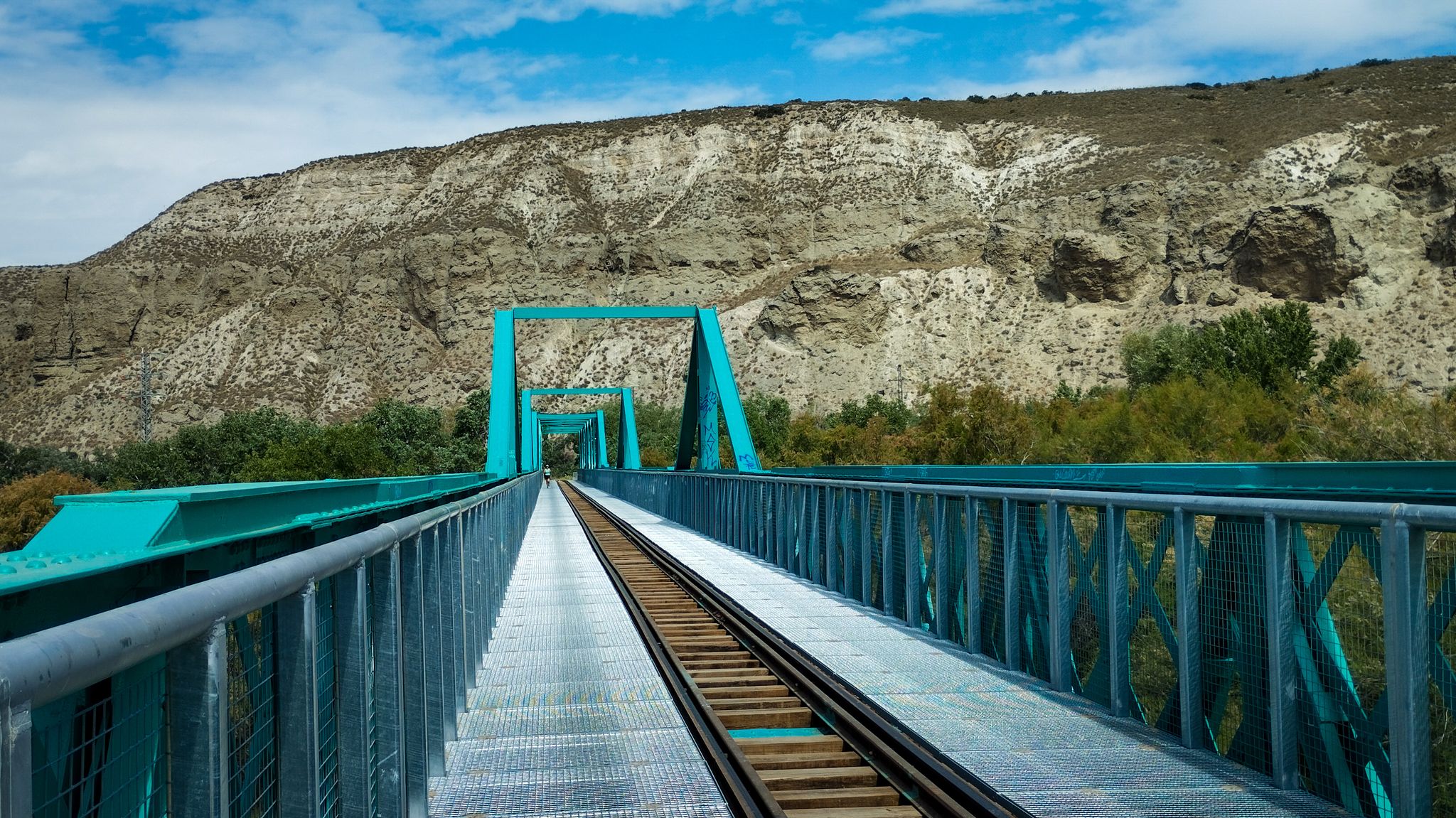
La Poveda Railway Bridge
Highlight • Bridge
Translated by Google •
Tip by

Sign up now to discover places like this
Get recommendations on the best single tracks, peaks, & plenty of other exciting outdoor places.
Sign up for free
Cornicabra Station and Quarries
Highlight • Historical Site
Translated by Google •
Tip by

Tajuña Greenway Section
Highlight (Segment) • Cycleway
Translated by Google •
Tip by

Presa del Rey
Highlight • Monument
Translated by Google •
Tip by

Sign up for free to discover even more attractions around Morata De Tajuña.
Sign up for free
Already have an account?
Start today with a free account
Your next adventure awaits.
Login or Signup
Popular around Morata De Tajuña
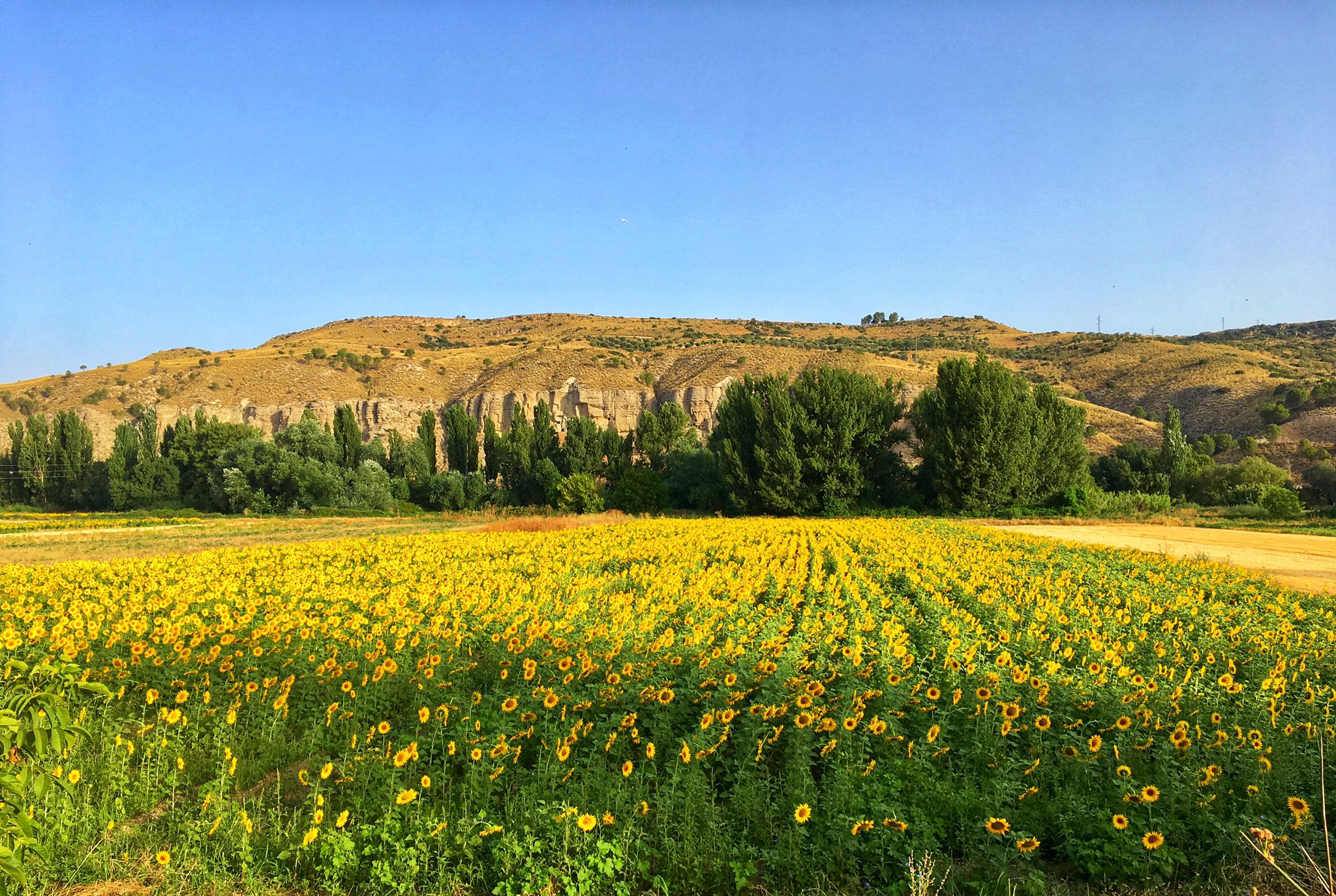
A family ride through Las Vegas de Madrid in Spain – Tajuña Greenway
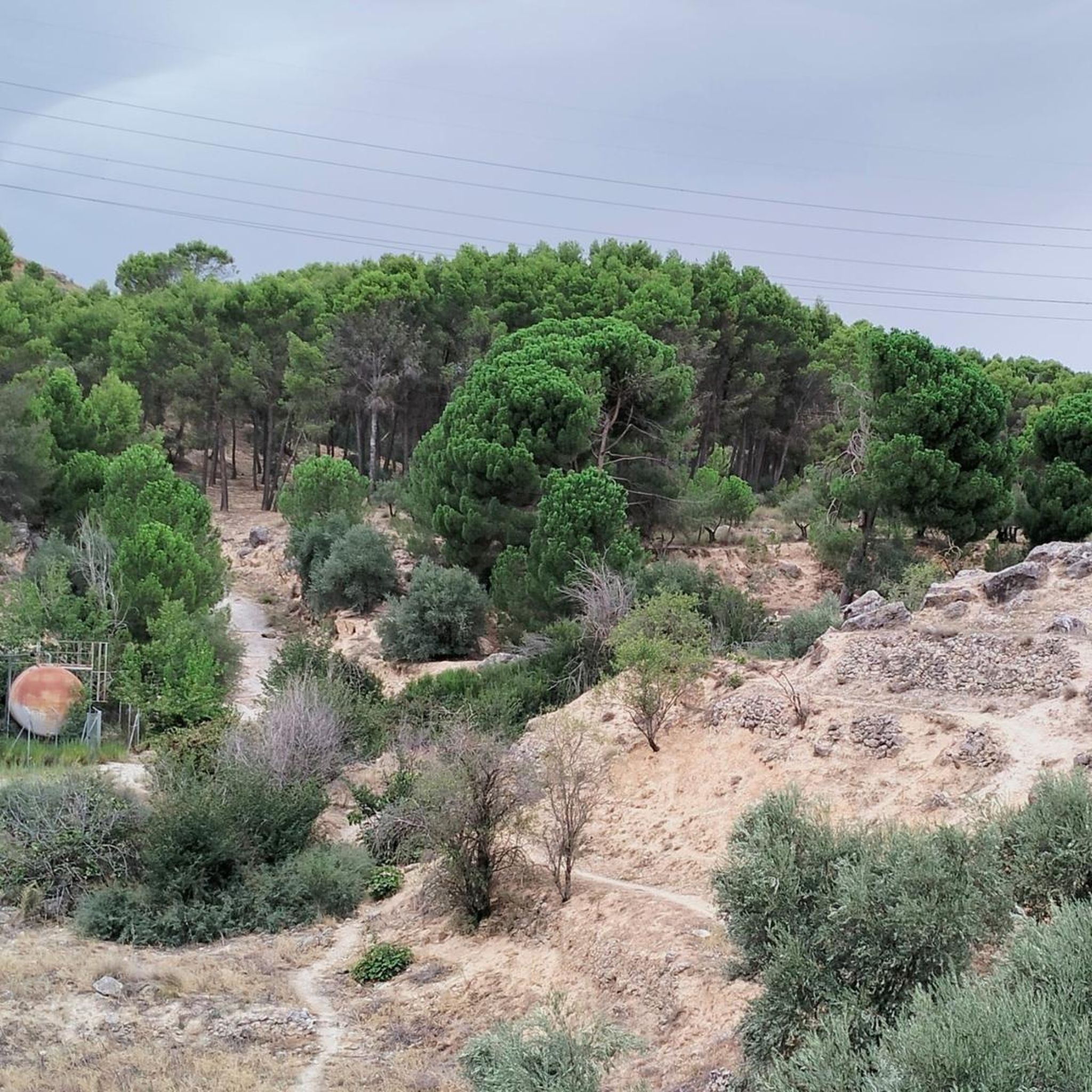
Palaces, rivers and fields — Las Vegas de Madrid gravel tour
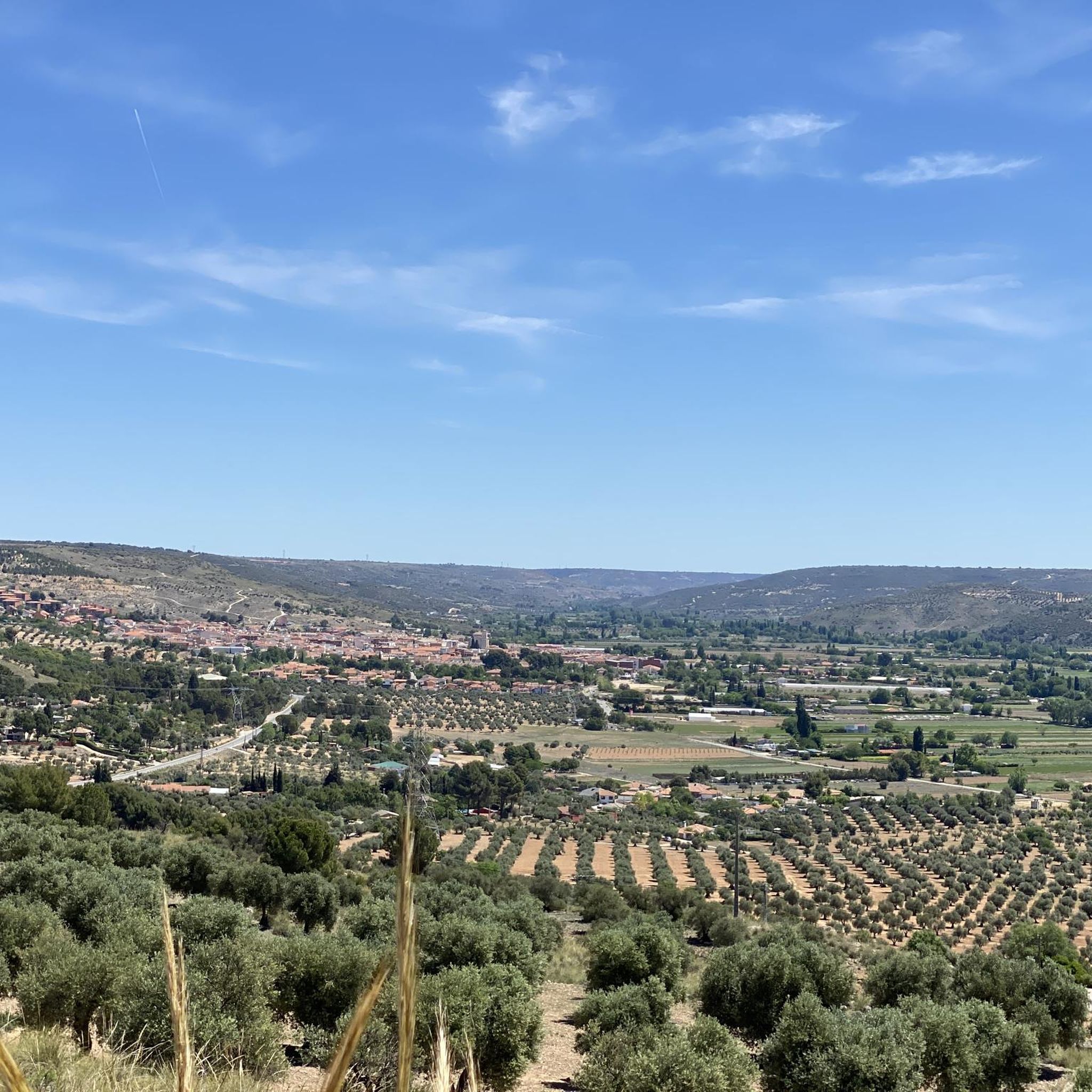
Road Cycling Routes around Morata De Tajuña
Cycling around Morata De Tajuña
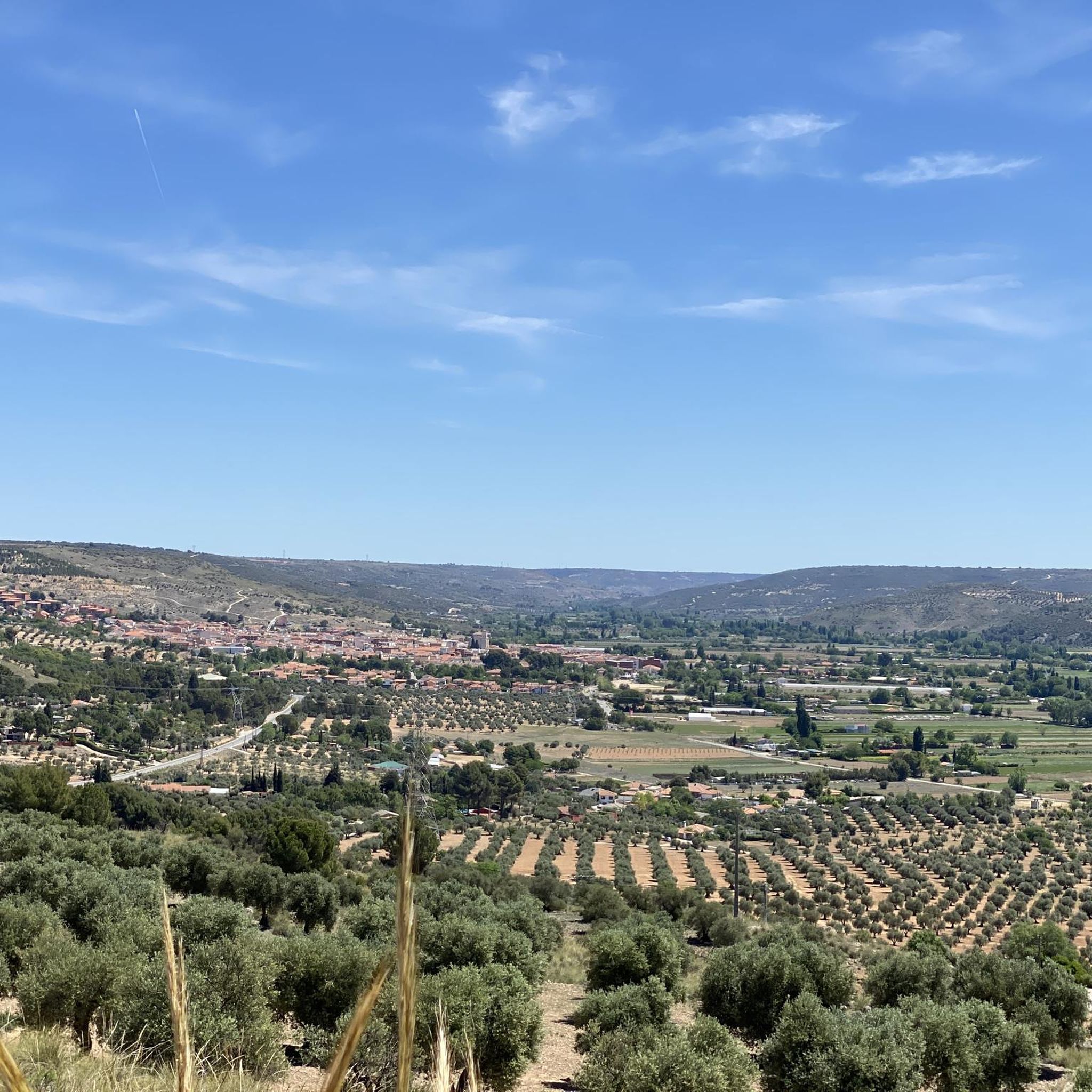
MTB Trails around Morata De Tajuña
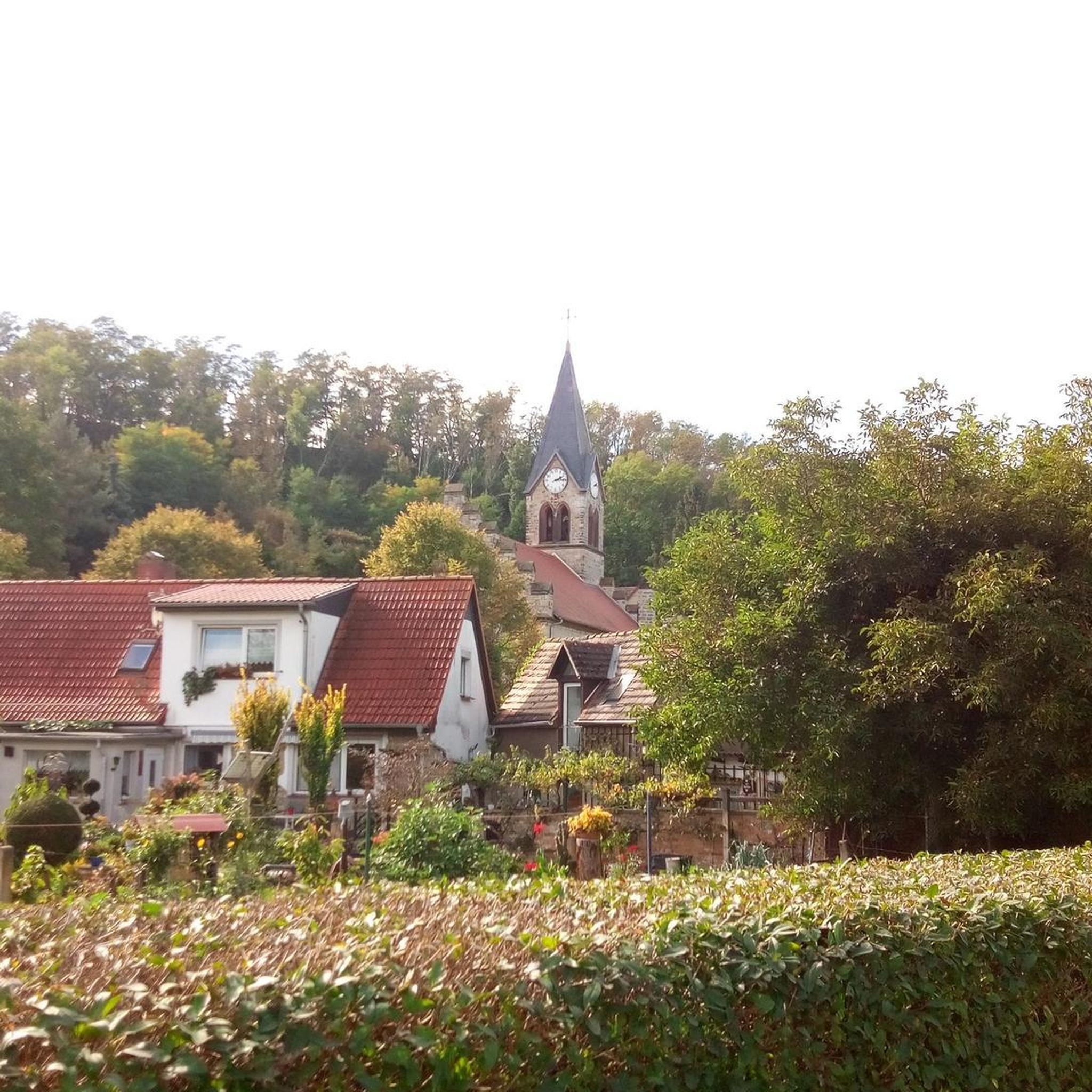
Gravel biking around Morata De Tajuña
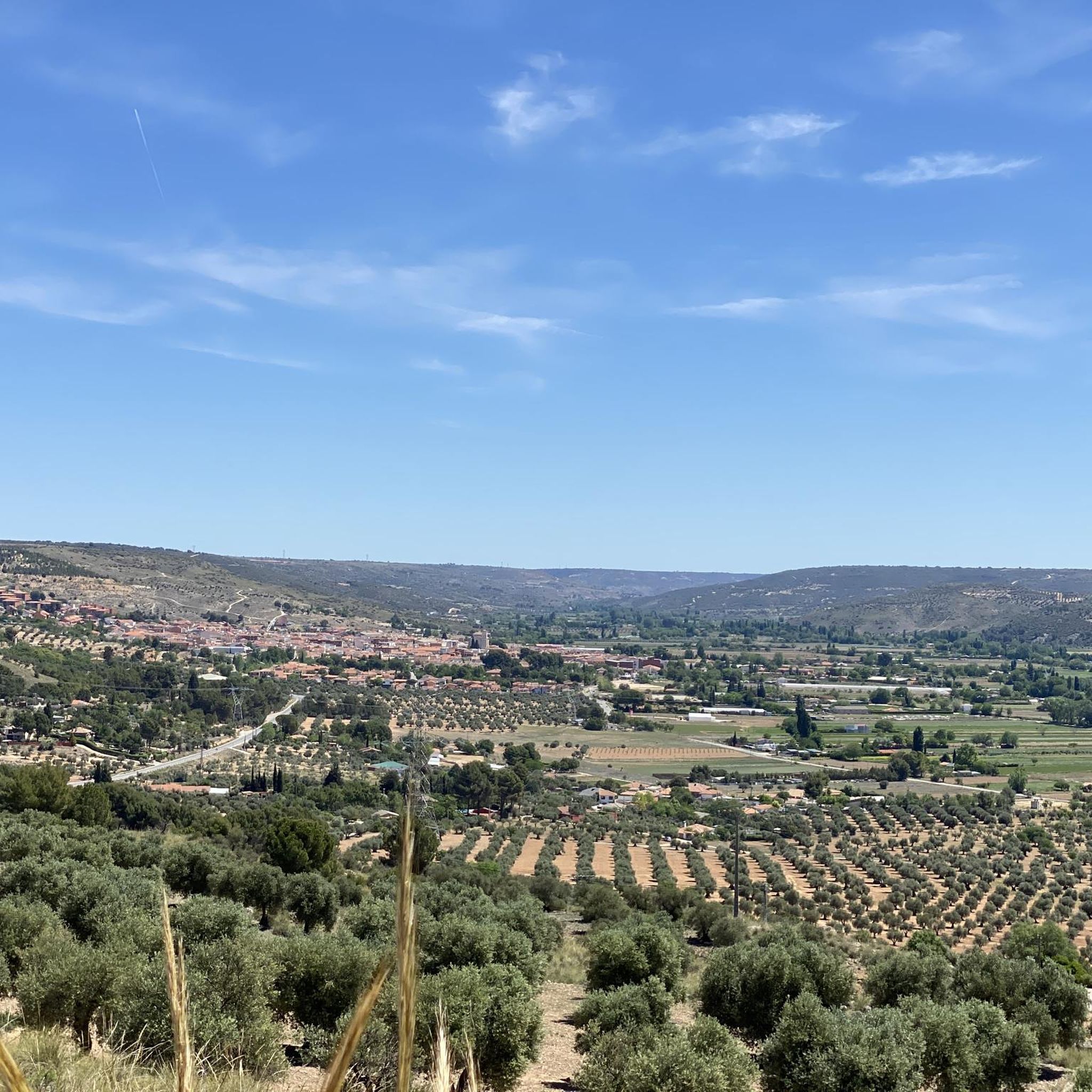
Hiking around Morata De Tajuña
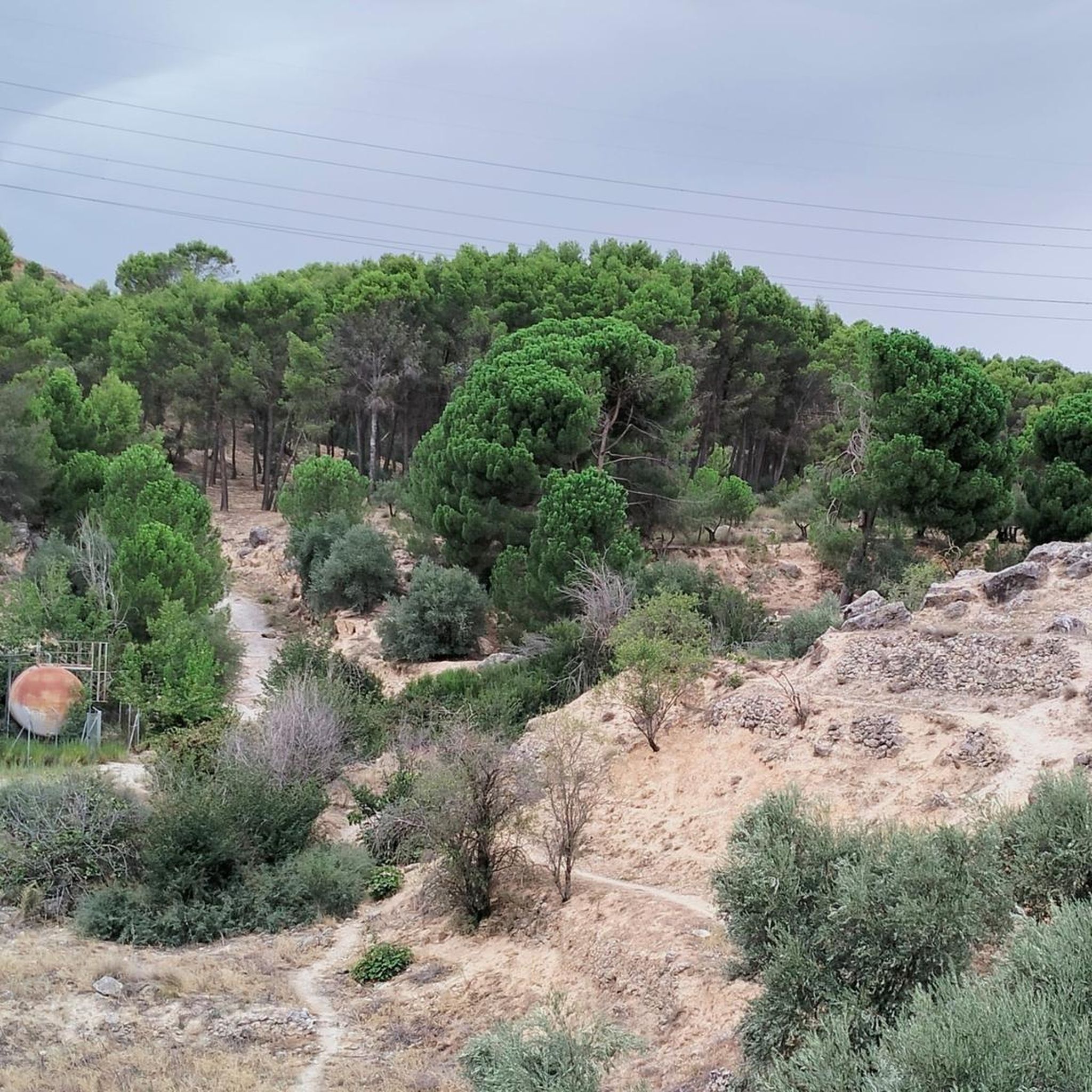
Running Trails around Morata De Tajuña

Tips from the Community

Very nice tour, I liked it, although there was a bit of a bad smell from the company before crossing the bridge. Also, I found areas of the path damaged and/or blocked by logs and pebbles. It was hard for me to finish the return route. But overall, I was satisfied with the route.
0
0
Hello, do you know how to get back to Madrid by train on this route if we start from Arganda del Rey and want to follow the greenway to the East without doing a loop? thank you
0
0

This lagoon is artificial, created from the extraction of aggregates in the Jarama River basin during the 1960s and 1970s. It is an ideal place to enjoy nature, hike, or cycle. The lagoon's perimeter measures approximately 5.5 km, and its average depth is 6 meters, although in some areas it can reach 20 meters. It also has a natural resources interpretation center that organizes workshops and educational activities.
2
0
The Campillo Lagoon is located in Rivas Vaciamadrid, within the Southeast Regional Park, about 20 km from Madrid. It is a protected natural area, ideal for peaceful walks and outdoor activities. Origin: Artificial, formed in the 1960s and 70s after the extraction of aggregates in the Jarama River basin. Water from the aquifer filled the excavations and over time became a wetland with great biodiversity.
3
0
The Old Cornicabra Station is a site steeped in railway history located in Morata de Tajuña, in the Community of Madrid. Cornicabra Station was a railway siding that formed part of the Tajuña Railway, a narrow-gauge line connecting Madrid with the Tajuña Valley and the Alcarria region. This railway was crucial for the transport of goods and people in the area during the 20th century. Today, the station is disused, but it is located next to the Tajuña River Greenway, a natural and tourist route that utilizes the old railway line. It is an interesting place for: Walking or cycling Photographing industrial heritage Connecting with nature and local history
1
0
The Old Cornicabra Station is a site steeped in railway history located in Morata de Tajuña, in the Community of Madrid. Cornicabra Station was a railway siding that formed part of the Tajuña Railway, a narrow-gauge line connecting Madrid with the Tajuña Valley and the Alcarria region. This railway was crucial for the transport of goods and people in the area during the 20th century. Today, the station is disused, but it is located next to the Tajuña River Greenway, a natural and tourist route that utilizes the old railway line. It is an interesting place for: Walking or cycling Photography of industrial heritage Connecting with nature and local history
1
0

Beautiful views to stop for a while and enjoy the peace of the moment, accompanied by the extensive views that can be seen from this place.
0
0

Short but tough ramp to climb to this viewpoint
1
0
Frequently Asked Questions
What natural features can I explore around Morata de Tajuña?
Morata de Tajuña is rich in natural beauty. You can explore the fertile valley of the Tajuña River, which gives the town its name. The Campillo Lagoon, though artificial in origin, has become a significant natural habitat for birds. The Jarama Cliffs offer unique botanical adaptations to their gypsum-rich terrain. The town is also situated within the Parque Regional del Sureste, a protected natural area, and features the Bosque de Morata, a forest primarily composed of Aleppo pines.
Are there opportunities for bird watching near Morata de Tajuña?
Yes, the Campillo Lagoon is an excellent spot for bird watching. It's a valuable natural reserve within the Southeast Regional Park and serves as a habitat for numerous waterfowl. There are dedicated viewpoints around the lagoon for observing migratory and resident birds.
What historical sites can I visit in Morata de Tajuña?
Morata de Tajuña offers several historical sites. You can visit the 16th-century Iglesia de la Concepción, various historic hermitages like the Ermita de la Virgen Antigua, and the 19th-century Ayuntamiento building. The Palacio de la familia Mac-Crohon, an imposing house-palace, now serves as the town's Cultural House. Don't miss the ancient Cornicabra Station and Quarries, an old train stop with a curious history, and the Risco de las Cuevas, ancient cave dwellings carved into rock.
Are there any museums in the area?
Yes, Morata de Tajuña has several museums. The Museo de la Molinería de Tajuña, housed in a restored flour mill, showcases traditional milling techniques. The Museo de la Batalla del Jarama provides a detailed look into one of the Spanish Civil War's most significant battles. Additionally, the Museo Etnológico de Morata de Tajuña, located within Mesón 'El Cid', displays historical artifacts from the 18th to 20th centuries.
Where can I learn about the region's history, particularly the Spanish Civil War?
To learn about the region's history, especially its role in the Spanish Civil War, visit the Museo de la Batalla del Jarama. This museum offers a comprehensive collection of objects and exhibitions detailing this crucial period. You can also see the restored La Poveda Railway Bridge, which was destroyed and rebuilt during the war.
What outdoor activities are popular around Morata de Tajuña?
The Vía Verde del Tajuña, built on an old railway line, is a very popular route for cycling, walking, and hiking, offering scenic views. The area also provides opportunities for mountain biking and gravel biking. You can find various routes for these activities, such as those listed in the Cycling around Morata De Tajuña guide or the MTB Trails around Morata De Tajuña guide.
Are there cycling routes suitable for different skill levels?
Yes, the area around Morata de Tajuña offers cycling routes for various skill levels. For an easy ride, consider the 'Morata de Tajuña Town Square – Tajuña Greenway loop'. Moderate options include the 'Morata de Tajuña Town Square – Tajuña Greenway Section loop'. More challenging routes like the 'Tajuña Greenway – Chapel of the Holy Children loop' are also available. You can find more details in the Cycling around Morata De Tajuña guide.
What are some family-friendly attractions or activities?
For families, the Campillo Lagoon is ideal, with a track around its perimeter, viewpoints, and benches, perfect for walks with children. The La Poveda Railway Bridge, restored for pedestrian and cyclist access, is also family-friendly. The Vía Verde del Tajuña is generally suitable for family outings, offering a safe and scenic path for walking or cycling.
What local delicacies should I try in Morata de Tajuña?
Morata de Tajuña is famous for its delicious local pastry, the Palmeritas de Morata. These sweet treats have become a symbol of the town's gastronomy and are a must-try for any visitor.
Can I find places to eat and drink in Morata de Tajuña?
Yes, the central Plaza Mayor of Morata de Tajuña is a lively spot surrounded by bars and restaurants, offering a pleasant atmosphere to enjoy local cuisine and refreshments.
Are there any unique viewpoints in the region?
The Presa del Rey offers picturesque views over the Jarama River and the dam, with nearby ruins of a watchtower providing an interesting backdrop. The Jarama Cliffs also provide unique vistas of the valley's distinctive landscape.
What do visitors enjoy most about Morata de Tajuña?
Visitors particularly enjoy the blend of historical landmarks, cultural sites, and natural beauty. The peaceful escape offered by the Vía Verde del Tajuña, the birdwatching opportunities at Campillo Lagoon, and the historical significance of sites like the La Poveda Railway Bridge are frequently highlighted. The local gastronomy, especially the Palmeritas, also receives high praise.
Most popular routes around Morata De Tajuña
Most popular attractions around Morata De Tajuña

Get inspired with the komoot mobile app


Explore more
Still not found the Highlight you’re looking for? See guides of the top attractions in other regions:
