Attractions and Places To See around Xàtiva - Top 20
Attractions and places to see around Xàtiva include a range of historical landmarks, cultural sites, and natural features. This historic city in the province of Valencia is known for its impressive hilltop castle and its connection to the Borgia family. The region offers a diverse landscape with significant natural points of interest, including river valleys and historic water systems.
Best attractions and places to see around Xàtiva
- The most popular attractions is Castell de Xàtiva, a castle located on the old Via Augusta. This double fortress is situated in the Sierra del Castell, offering panoramic views and holding strategic importance throughout history.
- Another must-see spot is Gorgo de la Escalera, a gorge with a natural pool and a 25-meter waterfall. Access to this natural canyon is via 136 steps, making it a notable site for its clear waters.
- Visitors also love Vikings' Waterfall, a vertical waterfall of significant beauty. It is surrounded by vegetation and rocks, forming part of the Anna Waterfalls Route.
- Xàtiva is known for its historic castles, natural waterfalls, and cultural sites. The area provides a variety of attractions to see and explore, from ancient fortresses to scenic natural landscapes.
- The attractions around Xàtiva are appreciated by the komoot community, with 99 upvotes and 105 photos shared by visitors.
Last updated: July 6, 2026
Gaspar Waterfall and Pool
Highlight • Waterfall
It is known for being the first stop on the famous "Three Waterfalls Route" of Anna. It was formerly used to power a textile factory.
Translated by Google •
Tip by

Salto Waterfall
Highlight • Waterfall
Translated by Google •
Tip by
Sign up now to discover places like this
Get recommendations on the best single tracks, peaks, & plenty of other exciting outdoor places.
Sign up for free
Castell de Xàtiva
Highlight • Castle
Translated by Google •
Tip by

Vikings' Waterfall
Highlight • Waterfall
It is a vertical waterfall of great beauty, surrounded by vegetation and rocks, ideal for nature and photography lovers.
Translated by Google •
Tip by

Gorgo de la Escalera
Highlight • Gorge
Translated by Google •
Tip by
Sign up for free to discover even more attractions around Xàtiva.
Sign up for free
Already have an account?
Start today with a free account
Your next adventure awaits.
Login or Signup
Popular around Xàtiva
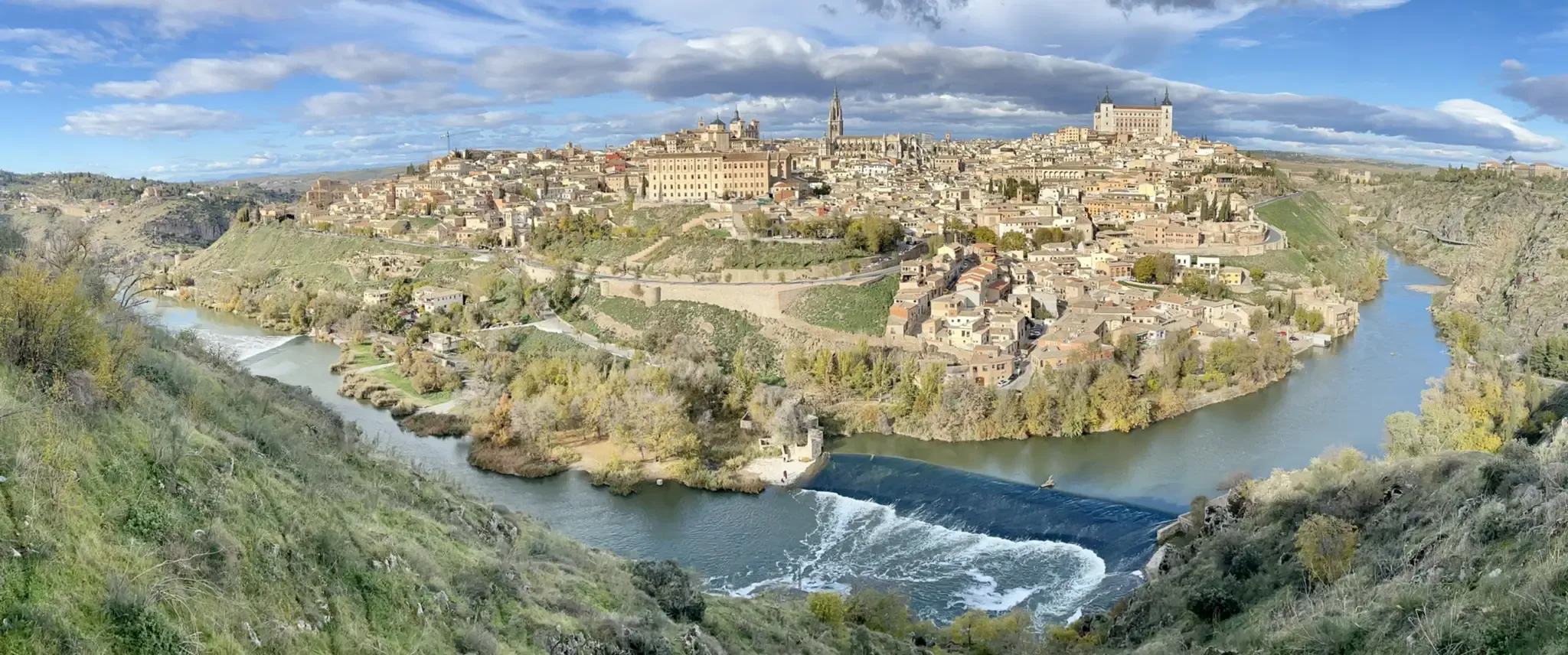
A journey to the interior of the Iberian Peninsula – Levante Way (GR 239)
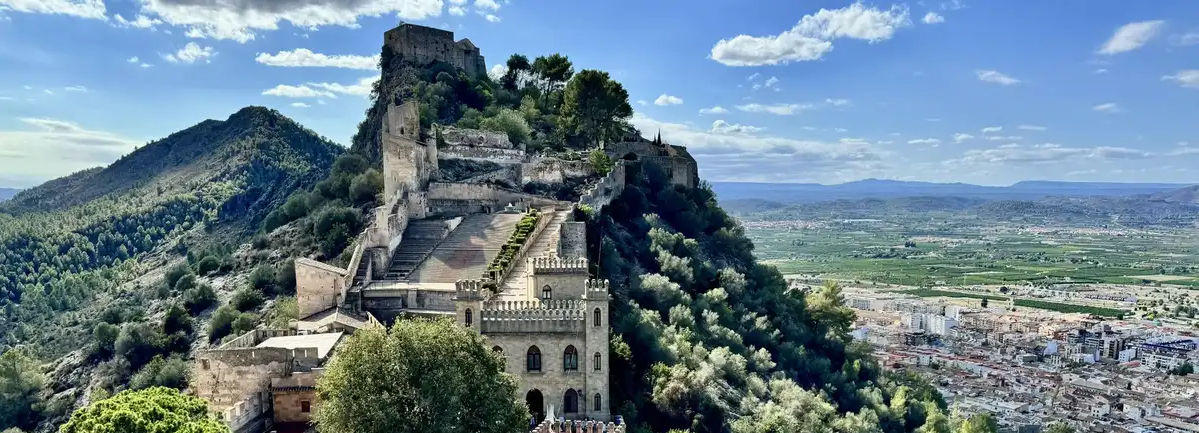
The unknown face of Valencia – Caroig Massif
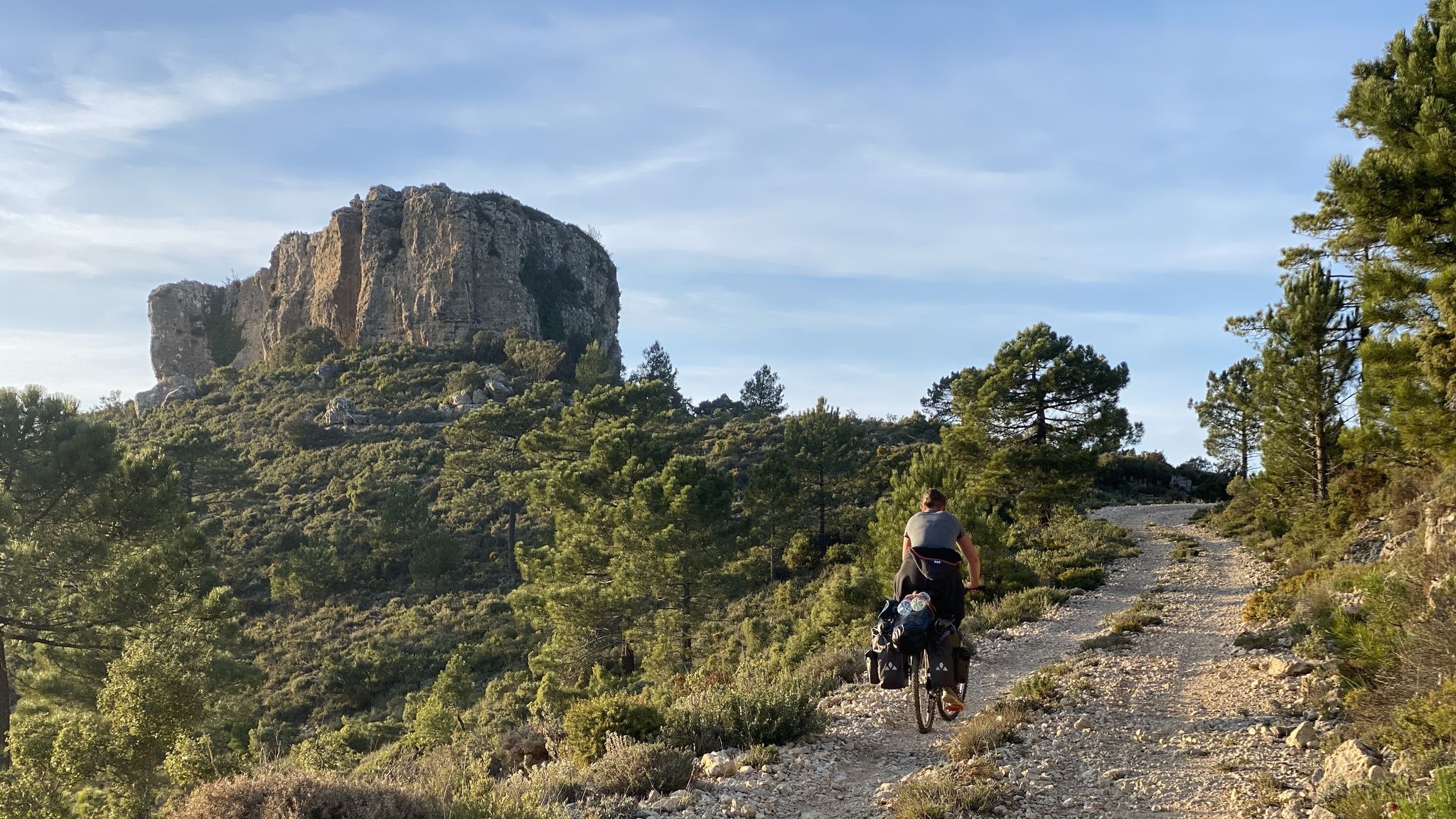
The Way of El Cid by bicycle – La Defensa del Sur (The Defence of the South)
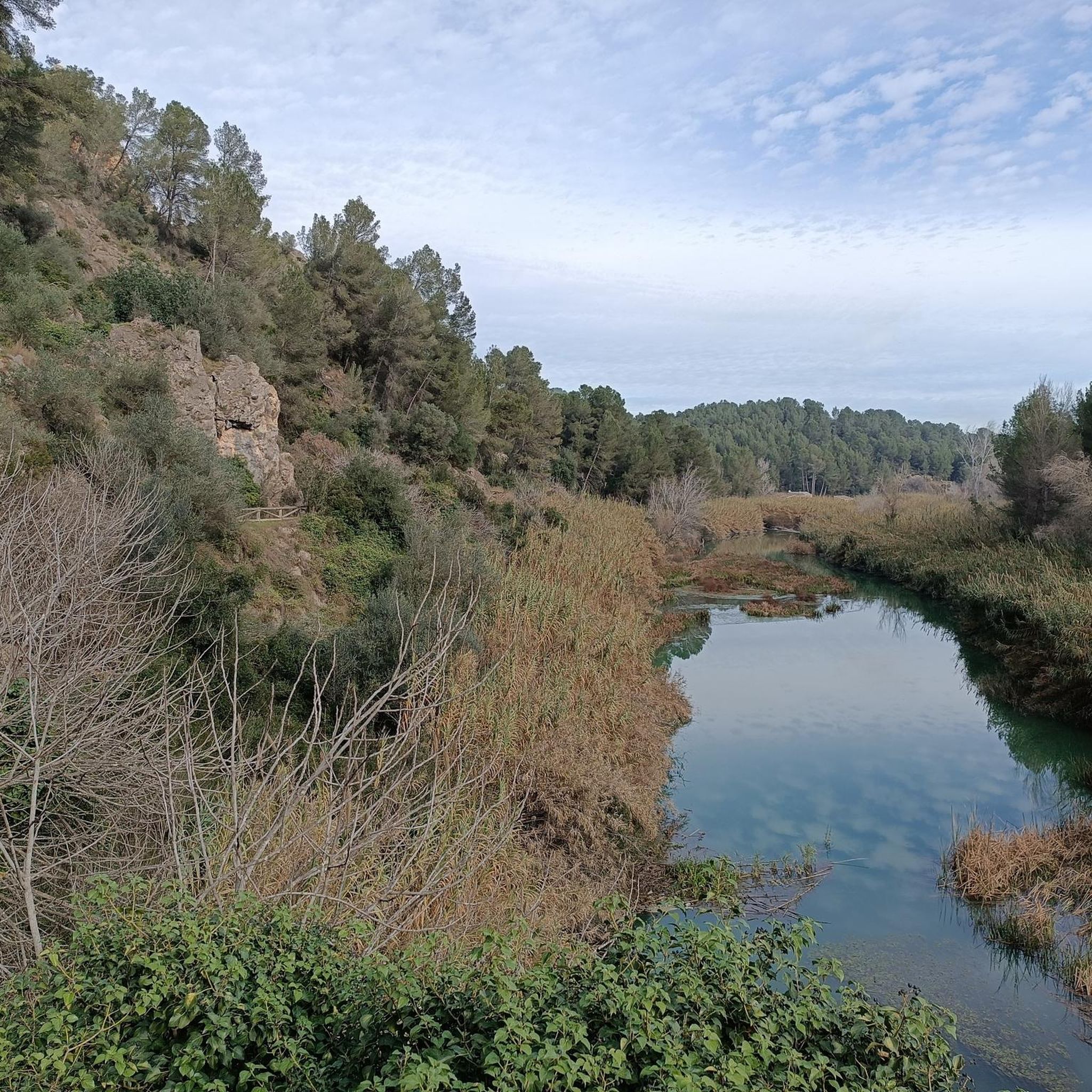
Road Cycling Routes around Xàtiva
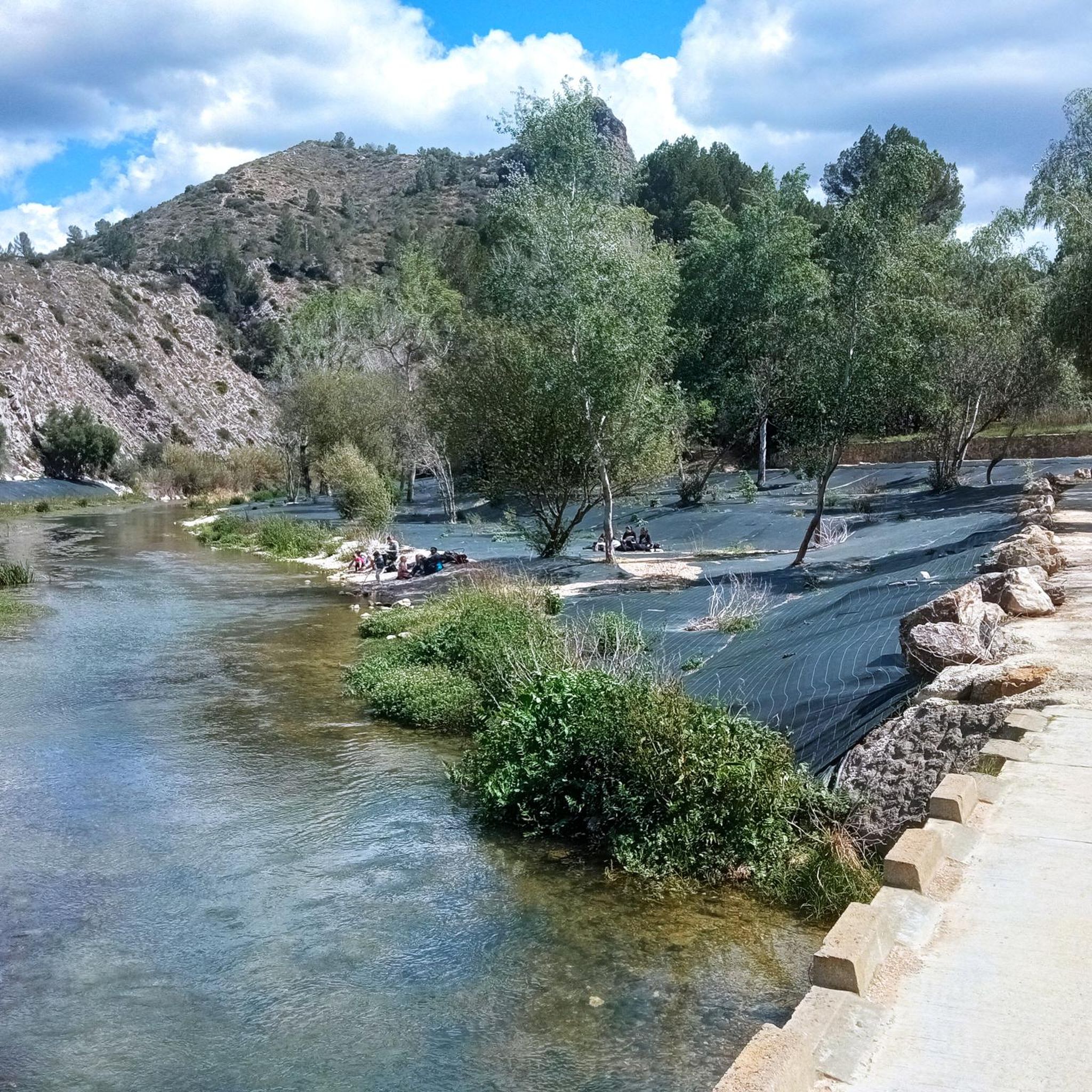
Hiking around Xàtiva
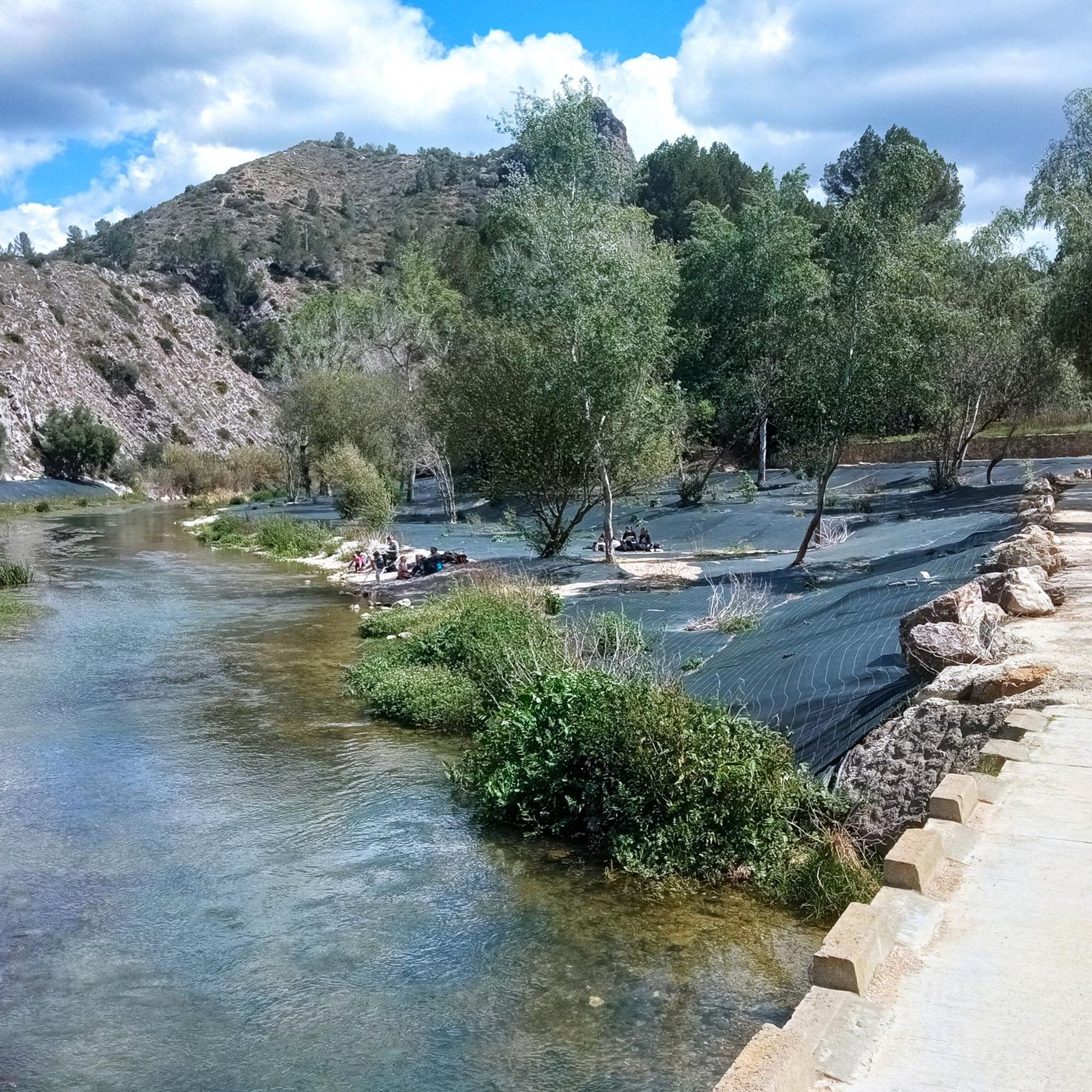
MTB Trails around Xàtiva
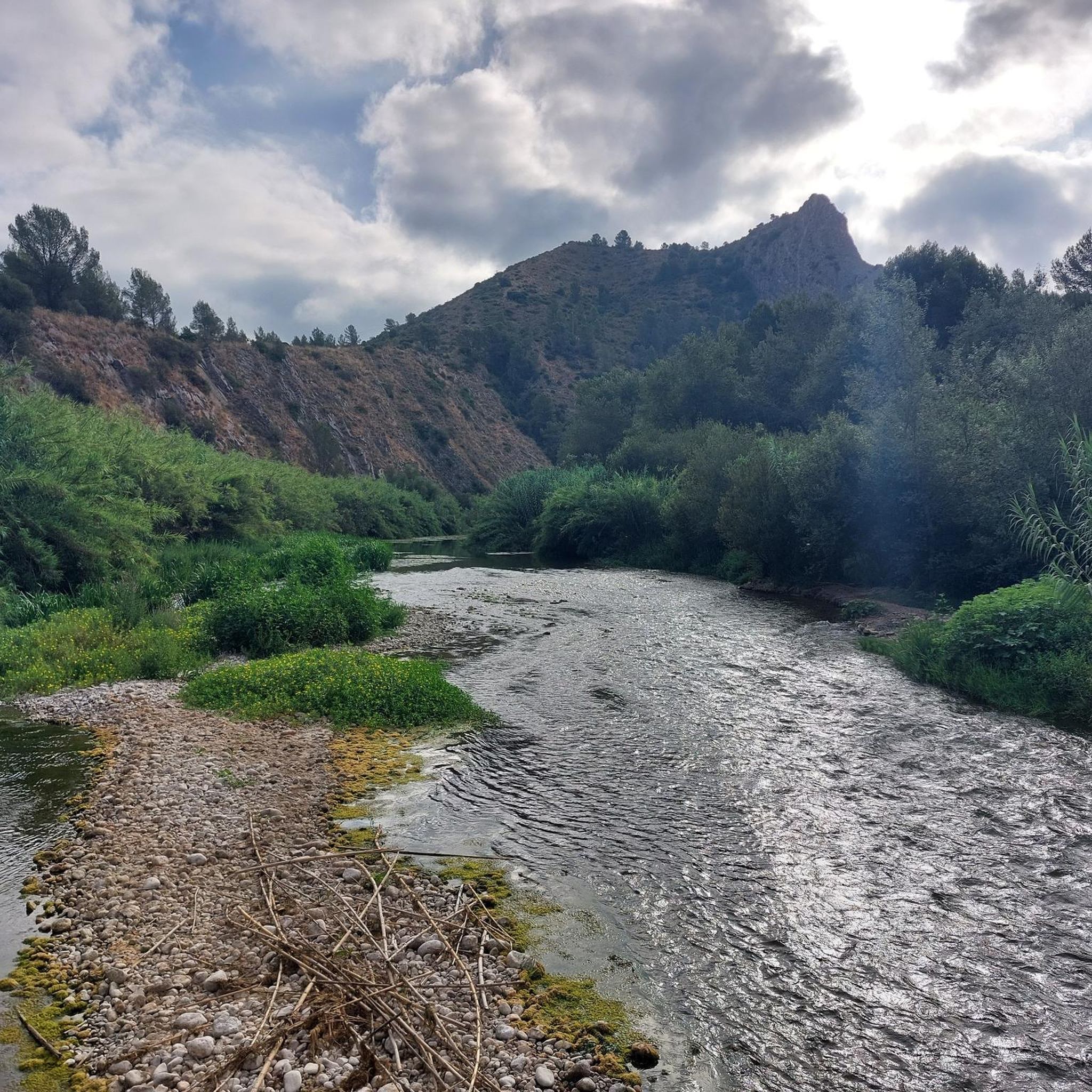
Running Trails around Xàtiva
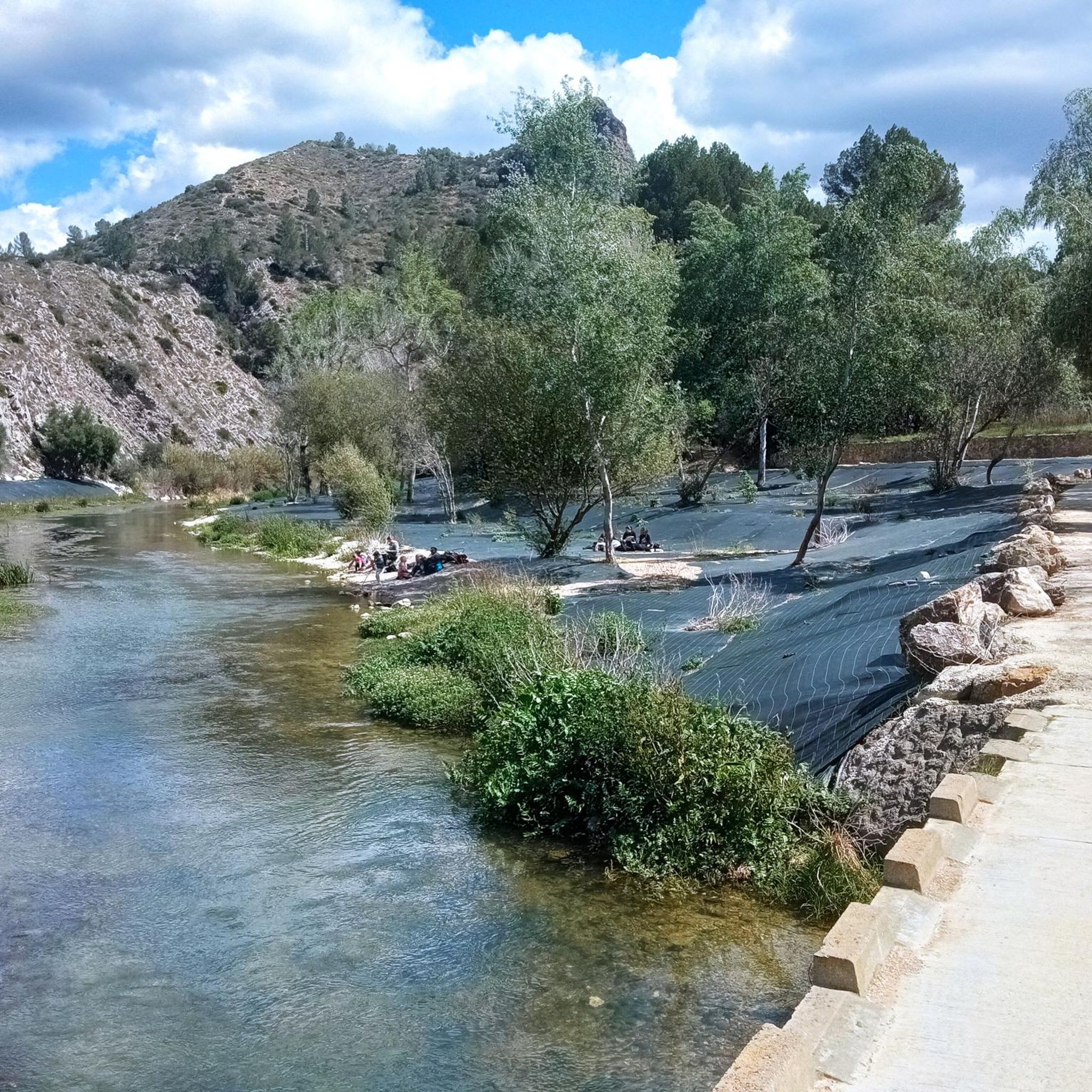
Cycling around Xàtiva

Gravel biking around Xàtiva
Other adventures around Xàtiva


Tips from the Community

El Gorgo Gaspar is the first stop on Anna's 3 Waterfalls Route and one of the easiest to reach from the start of the trail. It is a small but very striking waterfall, with a conditioned environment and perfect for enjoying the sound of the river and the landscape.
1
0
La Cascada del Salto is one of the most spectacular natural places in the Valencian interior. It is part of the well-known Ruta de las 3 Cascadas de Anna, a route that also includes Gorgo Gaspar and Cascada de los Vikingos. It plunges from the Gorgo de la Escalera, creating a waterfall of great beauty. La Cascada del Salto is a waterfall of about 20 meters, with great scenic appeal, although with somewhat complicated access, so it is recommended to proceed with caution.
1
0

Gorgo Gaspar in Anna is a small waterfall and natural area located next to the town. It is known for being the first stop on the famous "Three Waterfalls Route" of Anna. It was formerly used to power a textile factory.
6
0
The Salto de Anna is a spectacular waterfall of about 20 meters in the municipality of Anna (Valencia), where the water cascades down with great force. It forms part of the Three Waterfalls Route and stands out for its natural beauty and lush surroundings.
6
0
The Gorgo de la Escalera is a natural canyon in Anna (Valencia). It is famous for its crystal-clear pools and the 136 steps that must be descended to reach the swimming area. It is a popular spot for canyoning and is part of the Three Waterfalls Route.
5
0
The Viking Waterfall is a beautiful natural waterfall located near the town of Anna, in the province of Valencia, Spain. It is one of the most striking and photogenic spots on the popular Three Waterfalls Route of Anna, and a frequent destination for hikers seeking to enjoy a lush and refreshing river landscape in the La Canal de Navarrés region.
5
0
The Vikings Waterfall, located in Anna (Valencia), is one of the three natural gems that form part of the famous Anna Waterfalls Route, along with the Gorgo Gaspar and the Gorgo de la Escalera. It is a vertical waterfall of great beauty, surrounded by vegetation and rocks, ideal for nature and photography lovers.
7
0
The Gorgo de la Escalera, located in the municipality of Anna (Valencia), is one of the most spectacular natural spots in the interior of the Valencian Community. It is a natural gorge carved by the Sellent River, with a natural pool of crystal-clear waters and a 25-meter waterfall. Access is via a steep staircase of 136 steps, hence its name.
7
0
Frequently Asked Questions
What historical landmarks can I explore in Xàtiva?
Xàtiva is rich in history. The most prominent landmark is the impressive Castell de Xàtiva, a double fortress offering panoramic views. You can also visit the majestic Collegiate Basilica of Santa Maria (La Seu), the Almudín de Xàtiva which houses a museum, and the historic Antic Hospital Reial. The Old Town itself is a declared Historic-Artistic Site, perfect for exploration.
Are there any natural attractions or scenic viewpoints near Xàtiva?
Yes, Xàtiva offers several natural highlights. Don't miss Gorgo de la Escalera, a natural gorge with a crystal-clear pool and a 25-meter waterfall, accessible via 136 steps. Another beautiful spot is Vikings' Waterfall, part of the Anna Waterfalls Route. For panoramic views, the Bellveret Viewpoint (Vistes de Sant Josep) offers stunning vistas of Xàtiva and its surroundings.
What are some family-friendly activities or attractions in Xàtiva?
Families can enjoy exploring the historic Castell de Xàtiva, which is listed as family-friendly. The Monastery of Santa María de la Valldigna also welcomes families. Additionally, the La Murta Botanical Trail provides an engaging walk through nature, suitable for families.
Can I find hiking or walking trails around Xàtiva?
Absolutely. The region around Xàtiva is excellent for walking and hiking. You can explore the La Murta Botanical Trail, which is part of a larger network of routes near Alzira. For more extensive options, consider the trails in the Cova Negra Municipal Natural Park, known for its natural scenery and diverse flora. You can find various running trails around Xàtiva, including routes like 'El Castell de Xativa -- Trail run circular' and 'The Ice House loop', by visiting the Running Trails around Xàtiva guide.
What unique cultural sites are there to visit in Xàtiva?
Beyond the castle, Xàtiva boasts several unique cultural sites. The Collegiate Basilica of Santa Maria (La Seu) is an architectural marvel with a museum of sacred art. The Almudín de Xàtiva is notable for housing an upside-down portrait of King Philip V, symbolizing the city's resistance. You can also visit the historic Convent de Sant Domènec and the Palace of Alarcón. The Church of Sant Feliu is one of the oldest churches in the Kingdom of Valencia, preserving rare Romanesque art.
Where can I experience Xàtiva's famous water systems?
Xàtiva is known as 'the city of a thousand fountains.' You can follow the Fountain Route (La Ruta de las Fuentes) to discover numerous historic and picturesque fountains, such as Fuente del León, Fuente de la Trinidad (one of Spain's oldest Gothic fountains), and the unique Font dels 25 Dolls with its 25 spouts. Additionally, Les Arcadetes, part of a medieval canal system, offers insight into the region's historical water management.
Are there opportunities for cycling or mountain biking near Xàtiva?
Yes, the area around Xàtiva is well-suited for cycling. You can find various gravel biking routes, such as the 'Fuente de Marzo – Plaza de La Seo loop' or the 'La Bastida Refuge – Bellús Reservoir loop'. For mountain biking enthusiasts, there are MTB trails like 'Las trialeras de La Costera' and 'Gaspar Waterfall and Pool – Gorgo de la Escalera loop'. Explore these and more in the Gravel biking around Xàtiva guide and the MTB Trails around Xàtiva guide.
What is the best time of year to visit Xàtiva's attractions?
Xàtiva can be enjoyed year-round, but spring (April-May) and autumn (September-October) generally offer the most pleasant weather for exploring historical sites and natural attractions, with milder temperatures ideal for outdoor activities. Summers can be hot, especially for climbing to the castle, but the natural pools like Gorgo de la Escalera provide a refreshing escape.
What do visitors enjoy most about Xàtiva's attractions?
Visitors frequently praise the breathtaking panoramic views from the Castell de Xàtiva and its historical significance. The natural beauty of spots like Gorgo de la Escalera and Vikings' Waterfall, with their clear waters and lush surroundings, are also highly appreciated for their scenic charm and photographic opportunities. The blend of history and nature makes Xàtiva a diverse destination.
Are there any archaeological sites to visit in the Xàtiva area?
Yes, the Xàtiva region has significant archaeological interest. The Castell de Xàtiva itself sits on Iberian and Roman remains. Further afield, the Cova Negra Municipal Natural Park is an important archaeological site where Neanderthal remains have been discovered, offering a glimpse into prehistoric human presence in the area.
Can I learn about the Borgia family's connection to Xàtiva?
Xàtiva has strong ties to the influential Borgia family, which produced two Popes: Calixtus III and Alexander VI. You can visit the birthplace of Pope Alexander VI, marked by a commemorative plaque, as part of the 'Borgia Trail' that highlights the family's legacy throughout the city. The Collegiate Basilica of Santa Maria also contains sacred art commissioned by Pope Calixtus III.
Are there any hidden gems or less-known spots worth discovering?
For a less-trodden path, explore the Monastery of Santa María de la Valldigna, a wonderful Cistercian-style monastery that has been open to the public since 2022 and is undergoing recovery work. The Fountain Route, with its numerous historic fountains, also offers a unique way to discover the city's charm away from the main tourist hubs. The La Murta Botanical Trail provides a tranquil experience through a beautiful grove.
Most popular attractions around Xàtiva

Get inspired with the komoot mobile app


Explore more
Still not found the Highlight you’re looking for? See guides of the top attractions in other regions:
