Top 10 Caves around Xàtiva
Best caves around Xàtiva are situated in a region known for its historical significance and diverse natural landscapes. The area features a blend of river valleys, mountainous terrain, and rich biodiversity. Xàtiva itself is a historic town in the Valencian Community, offering a backdrop of cultural heritage. The caves here provide insights into prehistoric life and natural geological formations.
Best caves around Xàtiva
- The most popular caves is Cova Negra, a cave and natural monument declared a Municipal Natural…
Last updated: July 8, 2026
Cova Negra
Highlight • Cave
Translated by Google •
Tip by

Cova de la Galera
Highlight • Cave
Translated by Google •
Tip by

Sign up now to discover places like this
Get recommendations on the best single tracks, peaks, & plenty of other exciting outdoor places.
Sign up for free
La Murta Municipal Natural Park
Highlight • Natural Monument
Translated by Google •
Tip by

Cavern of Quatretonda
Highlight • Cave
Translated by Google •
Tip by

Trail from Xàtiva to the Albaida River and the Cova Negra
Highlight • Trail
Translated by Google •
Tip by
Sign up for free to discover even more caves around Xàtiva.
Sign up for free
Already have an account?
Start today with a free account
Your next adventure awaits.
Login or Signup
Popular around Xàtiva
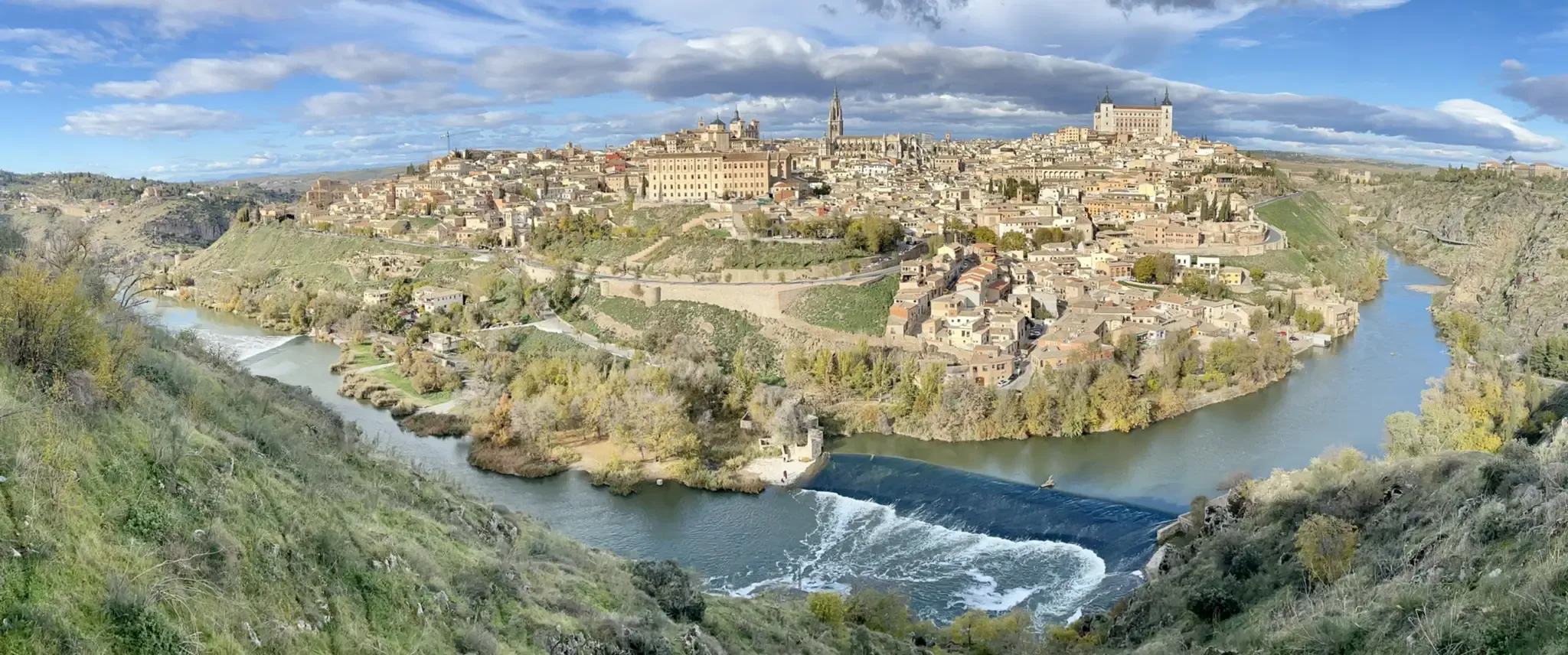
A journey to the interior of the Iberian Peninsula – Levante Way (GR 239)
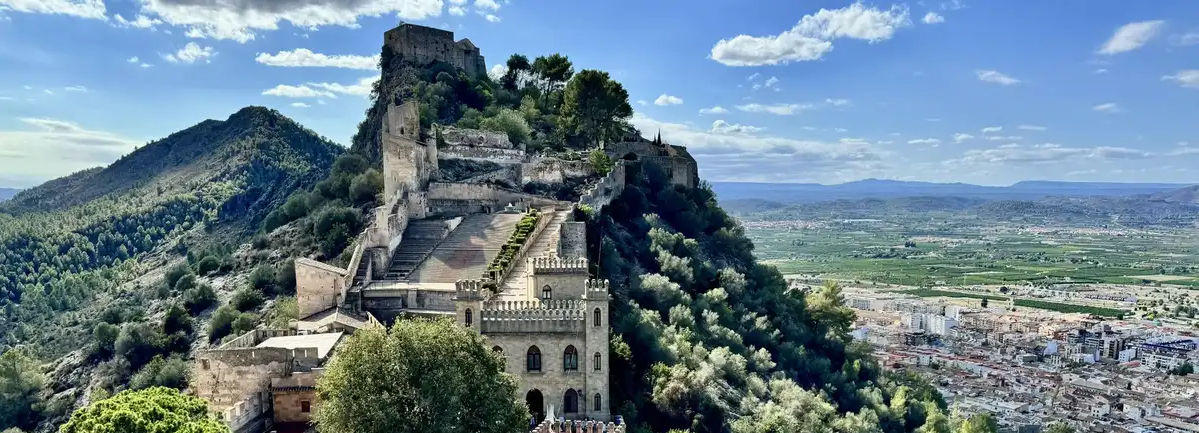
The unknown face of Valencia – Caroig Massif
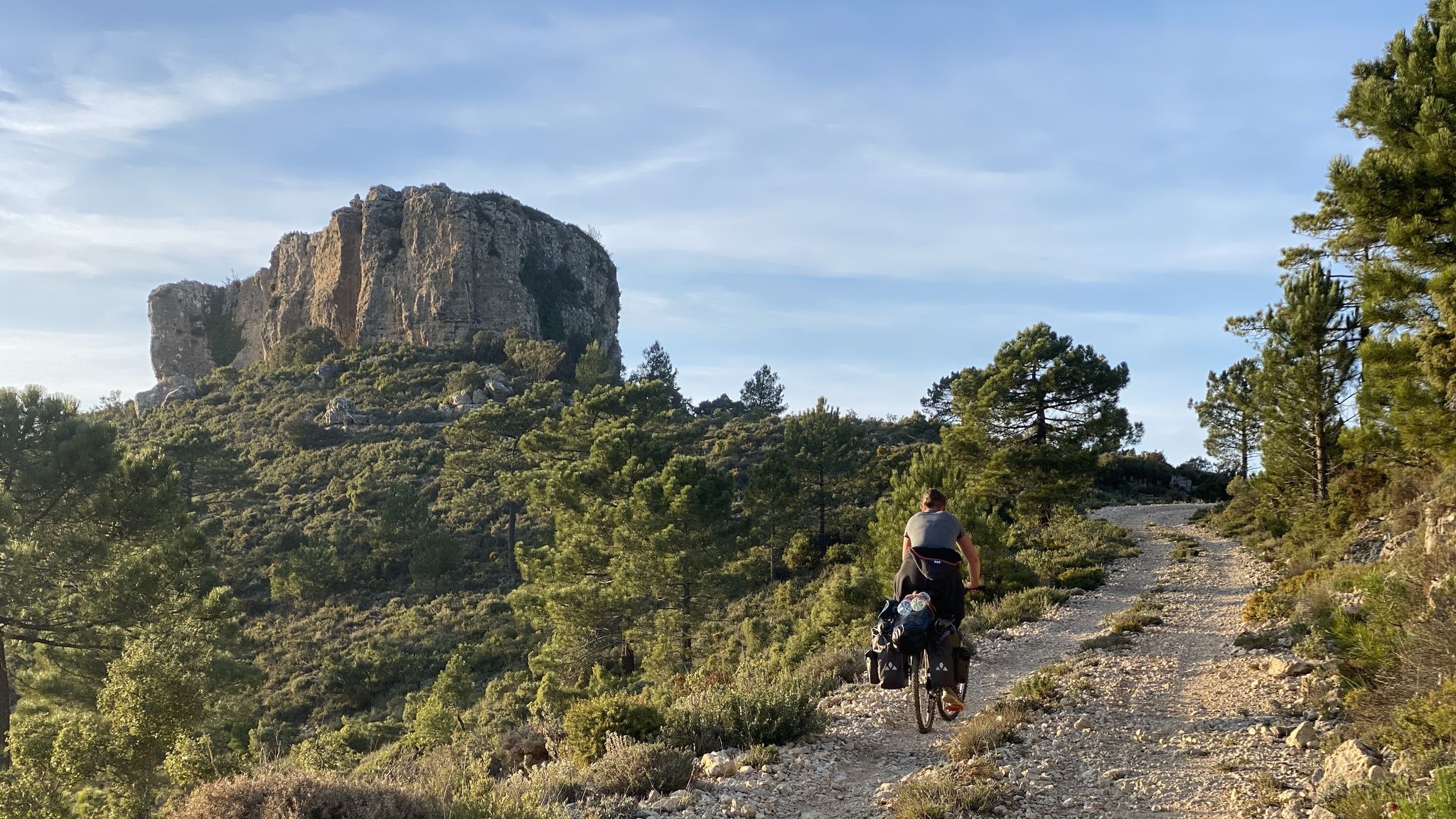
The Way of El Cid by bicycle – La Defensa del Sur (The Defence of the South)
Road Cycling Routes around Xàtiva
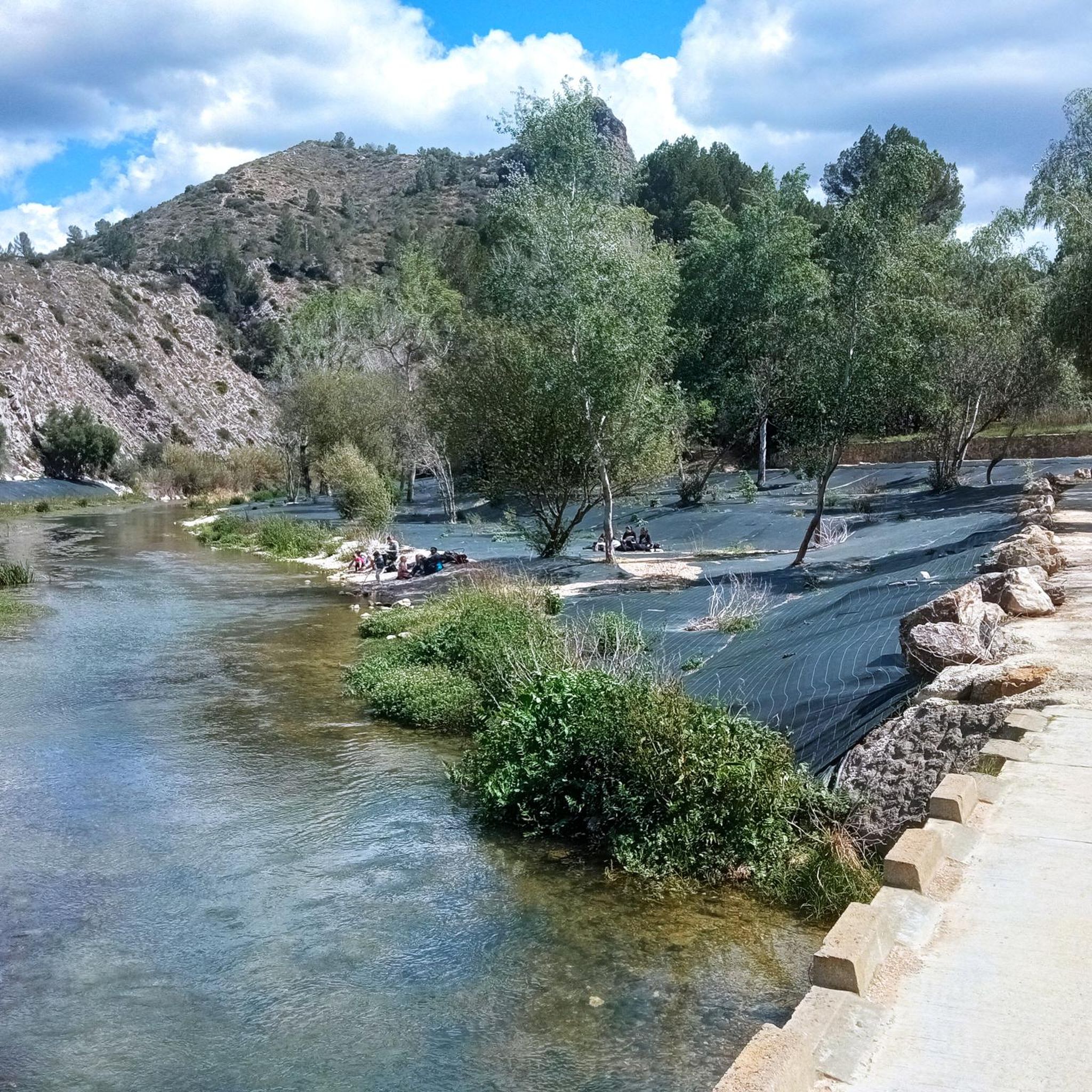
Hiking around Xàtiva
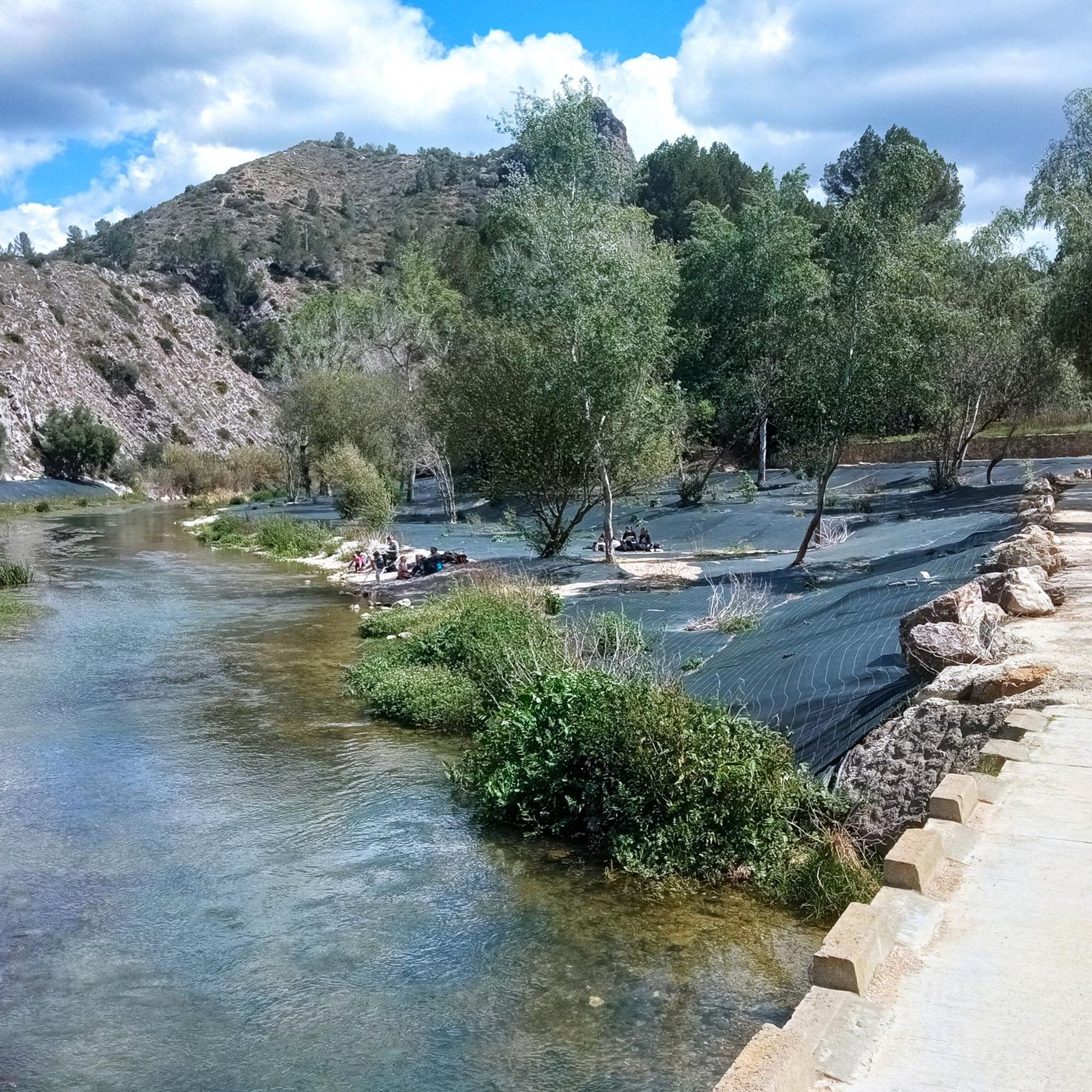
MTB Trails around Xàtiva
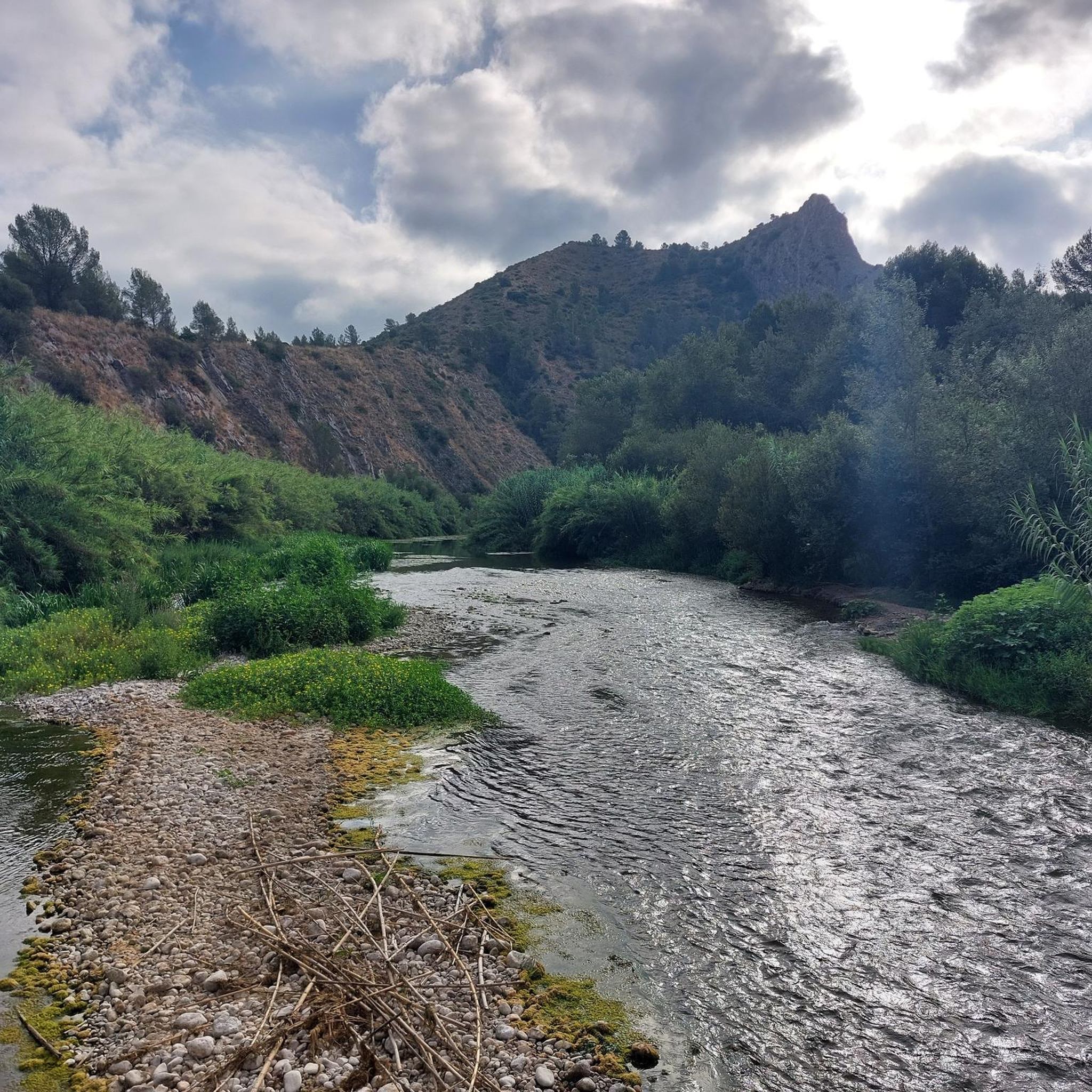
Running Trails around Xàtiva
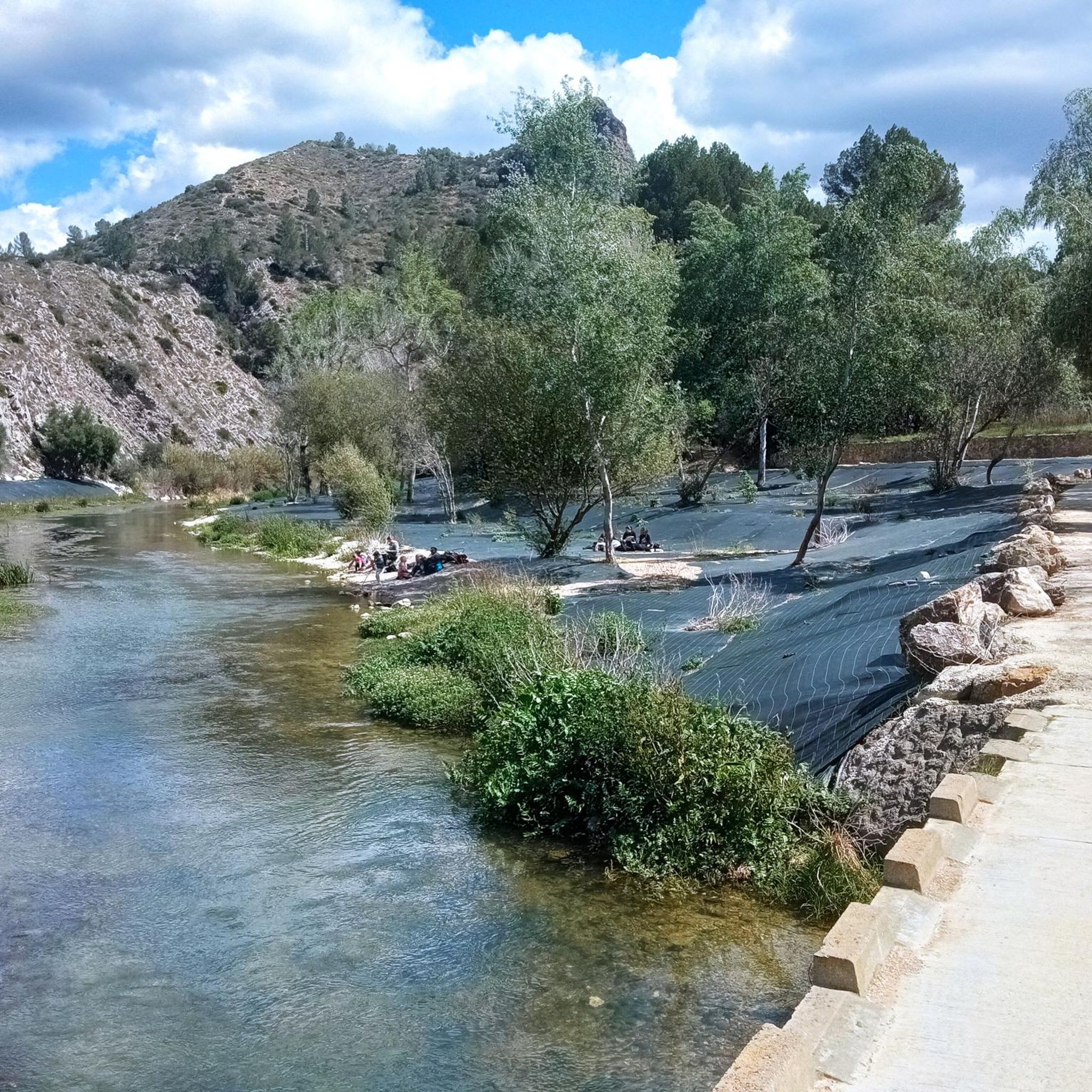
Cycling around Xàtiva

Gravel biking around Xàtiva
Other adventures around Xàtiva


Tips from the Community

The Cova de la Galera is an impressive natural cave located in Favara, in the province of Valencia. This cave is located in the Sierra de Corbera, about 410 meters above sea level. It is known for its spectacular nature and its whimsical shape, with stalactites and stalagmites decorating its interior. The cave has been used throughout history for various purposes, from shelter for livestock to hiding during the Spanish Civil War. In addition, evidence of human use has been found dating back to the Bronze Age.
4
0

The La Cova Negra municipal natural area is located in the municipality of Játiva, province of Valencia. In the Cova Negra is the Middle Paleolithic site in which remains of Homo Neanderthal have appeared. This natural area is located in the narrow valley formed by the Albaida River, as it crosses the reliefs of the Sierra Grossa, at the exit of the so-called Estret de les Aigües. In the widest meander formed by the Albaida River, at the height of Pico del Paller, you can see the Cova Negra, named for the blackish appearance of its walls.
2
1

Great cave. It's worth going down. It's dripping everywhere. Flashlight recommended.
1
0

La Cova Negra is a cavity that is located in a gorge called the Strait of Waters. Its black color is mainly due to the smoke from the bonfires made by its former inhabitants, the Neanderthals who occupied it for a few months of the year. An important amount of flint tools and other archaeological remains have been found here.
3
0

La Cova Negra is an important archaeological site, located in the widest meander of the Albaida river. It was home to Neanderthal man in the Paleolithic. The cave gets its name from the dark color of the walls. Human remains and paintings have been found inside.
2
0
La Cova Negra is an important archaeological site, located in the widest meander of the Albaida river. It was home to Neanderthal man in the Paleolithic. The cave gets its name from the dark color of the walls. Human remains and paintings have been found inside. It is a space of fundamental importance for understanding the culture of the Mosterian and the reality of the Neanderthals. The Almodí Museum exhibits an exact reproduction of a parietal bone from the period, discovered in the cave.
2
0
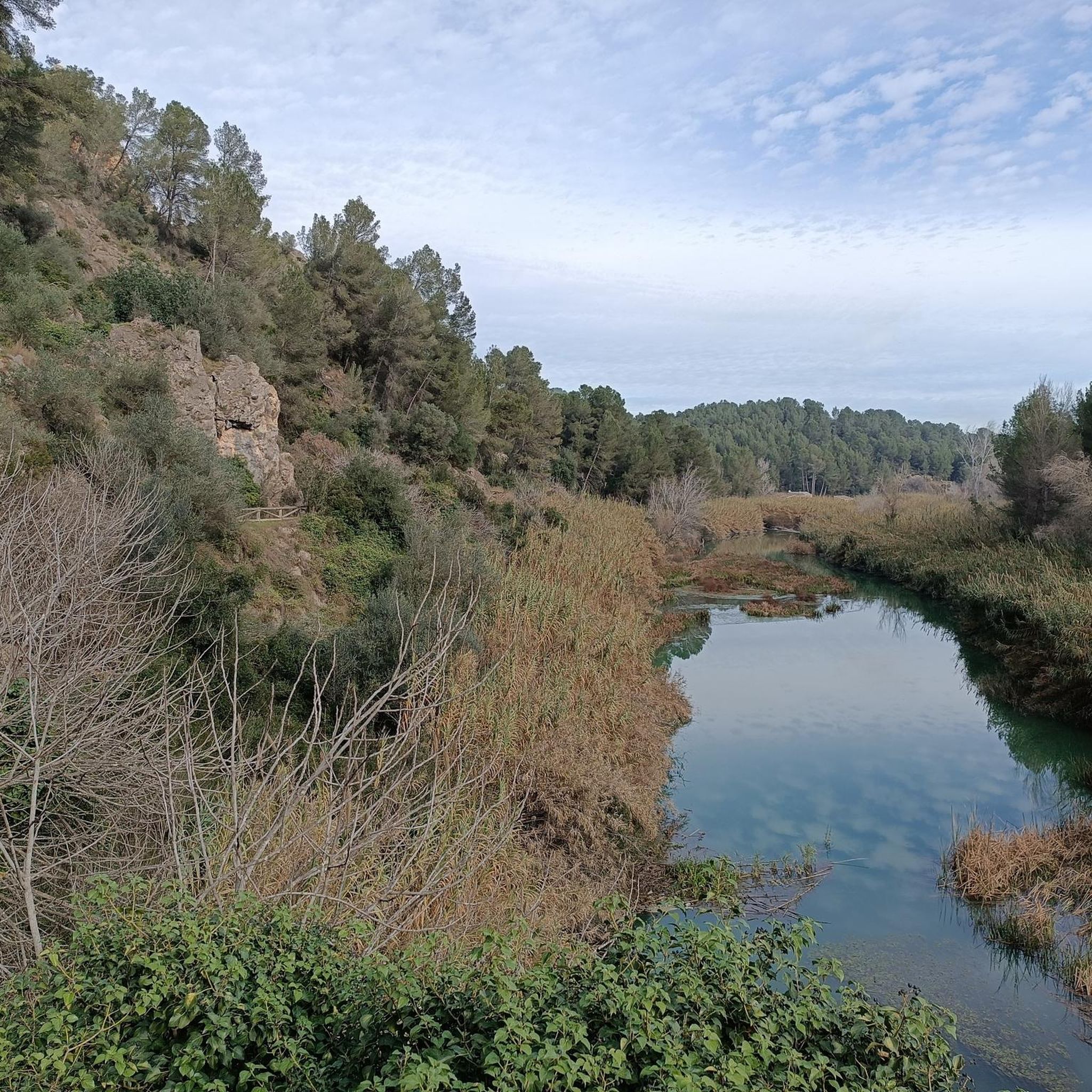
Mountain path that allows you to approach the banks of the Albaida river and also to the Cova Negra by a path. It runs through beautiful pine forests.
1
0
The spectacular natural cave of Ribera Baixa.
7
0
Frequently Asked Questions
What is the historical significance of the caves around Xàtiva?
The caves in the Xàtiva area hold significant historical and archaeological value. Cova Negra is particularly important for understanding European prehistory, with Neanderthal remains and tools discovered there. The cave's dark walls are attributed to smoke from ancient Neanderthal fires. Additionally, Petxina Cave is noted for containing traces of Levantine rock art, offering insights into ancient artistic expressions.
Are there any caves with prehistoric art near Xàtiva?
Yes, Petxina Cave is mentioned in the context of guided tours that explore the historical and natural heritage around Xàtiva, specifically for containing traces of Levantine rock art. This provides a unique opportunity to experience ancient art firsthand.
What natural features can I expect to see in the caves and surrounding areas?
The region offers diverse natural features. Cova Negra is situated within a 57-hectare Municipal Nature Park, featuring spectacular countryside, rich biodiversity, and a contrast between riverside and mountain flora. Cova de la Galera is known for its impressive natural formations, including stalactites and stalagmites. La Murta Municipal Natural Park, which also contains caves, boasts high landscape value with steep mountain ranges and diverse flora.
Are there opportunities for wildlife observation near the caves?
Yes, the area around Cova Negra is rich in biodiversity and offers excellent opportunities for wildlife observation. It's particularly known for its birdlife, where you might spot species such as Bonelli's eagles, grey herons, purple herons, kingfishers, and peregrine falcons.
Which caves are suitable for beginners or those without technical equipment?
Cueva Santa is a popular choice for those looking for a less strenuous caving experience. Its initial section does not require any technical equipment, making it accessible to a wider range of visitors, including beginners.
Are there caves for experienced cavers or speleology enthusiasts?
Yes, the Cavern of Quatretonda is a notable karst formation at least 200 meters deep with several vertical wells. It has been widely studied for its particularity, especially for the practice of speleology, making it suitable for experienced cavers.
What outdoor activities can I do near the caves around Xàtiva?
The region around Xàtiva offers a variety of outdoor activities. You can find numerous routes for running, gravel biking, and road cycling. Many of these routes explore the diverse landscapes, including trails along the Albaida River and through pine forests near the caves.
Are there hiking trails that lead to or near the caves?
Yes, there are several hiking opportunities. A notable trail is the Trail from Xàtiva to the Albaida River and the Cova Negra, which allows you to approach the banks of the Albaida River and the Cova Negra itself through beautiful pine forests. La Murta Municipal Natural Park also features trails within its scenic landscape.
What is the best time of year to visit the caves near Xàtiva?
The Xàtiva region generally enjoys a Mediterranean climate. Spring and autumn typically offer pleasant temperatures for exploring the caves and engaging in outdoor activities. These seasons avoid the peak heat of summer, making for more comfortable visits to both the caves and the surrounding natural parks.
What makes <a href="https://www.komoot.com/highlight/3297906" target="_blank" rel="noopener">Cova de la Galera</a> a unique cave to visit?
Cova de la Galera is an impressive natural cave located in the Sierra de Corbera, known for its spectacular nature and whimsical shape. It features beautiful stalactites and stalagmites decorating its interior. The cave has also been used throughout history for various purposes, from shelter to a hiding place during the Spanish Civil War, with evidence of human use dating back to the Bronze Age.
Can I visit <a href="https://www.komoot.com/highlight/4758759" target="_blank" rel="noopener">La Murta Municipal Natural Park</a> with family?
Yes, La Murta Municipal Natural Park is considered family-friendly. It offers a beautiful natural setting with diverse flora and trails, making it suitable for family outings. However, it can be quite crowded, especially on holidays, so planning your visit accordingly is advisable.
Most popular attractions around Xàtiva

Get inspired with the komoot mobile app


Explore more
Extend your search for the best caves by checking out these guides of the top ones around Xàtiva:
