Attractions and Places To See around Cudillero - Top 20
Best attractions and places to see around Cudillero include a picturesque fishing village on the Asturian coast of northern Spain, characterized by its colorful architecture and amphitheater-like layout. The region offers a blend of natural landscapes, including dramatic cliffs and diverse beaches, alongside a rich maritime culture. Visitors can explore winding streets, historical sites, and numerous viewpoints that offer vistas of the harbor and coastline. The area is part of the Protected Landscape of the Western Coast, featuring high cliffs…
Last updated: August 16, 2026
Castillo de San Martín
Highlight • Castle
Translated by Google •
Tip by

Selgas Palace and the Jesús Nazareno Church‑Pantheon
Highlight • Historical Site
Translated by Google •
Tip by

Sign up now to discover places like this
Get recommendations on the best single tracks, peaks, & plenty of other exciting outdoor places.
Sign up for free
Cudillero
Highlight • Viewpoint
Translated by Google •
Tip by

Collegiate Church of St. Mary Major in Salas
Highlight • Religious Site
Translated by Google •
Tip by
Cudillero Tunnel
Highlight • Structure
Translated by Google •
Tip by
Sign up for free to discover even more attractions around Cudillero.
Sign up for free
Already have an account?
Start today with a free account
Your next adventure awaits.
Login or Signup
Popular around Cudillero
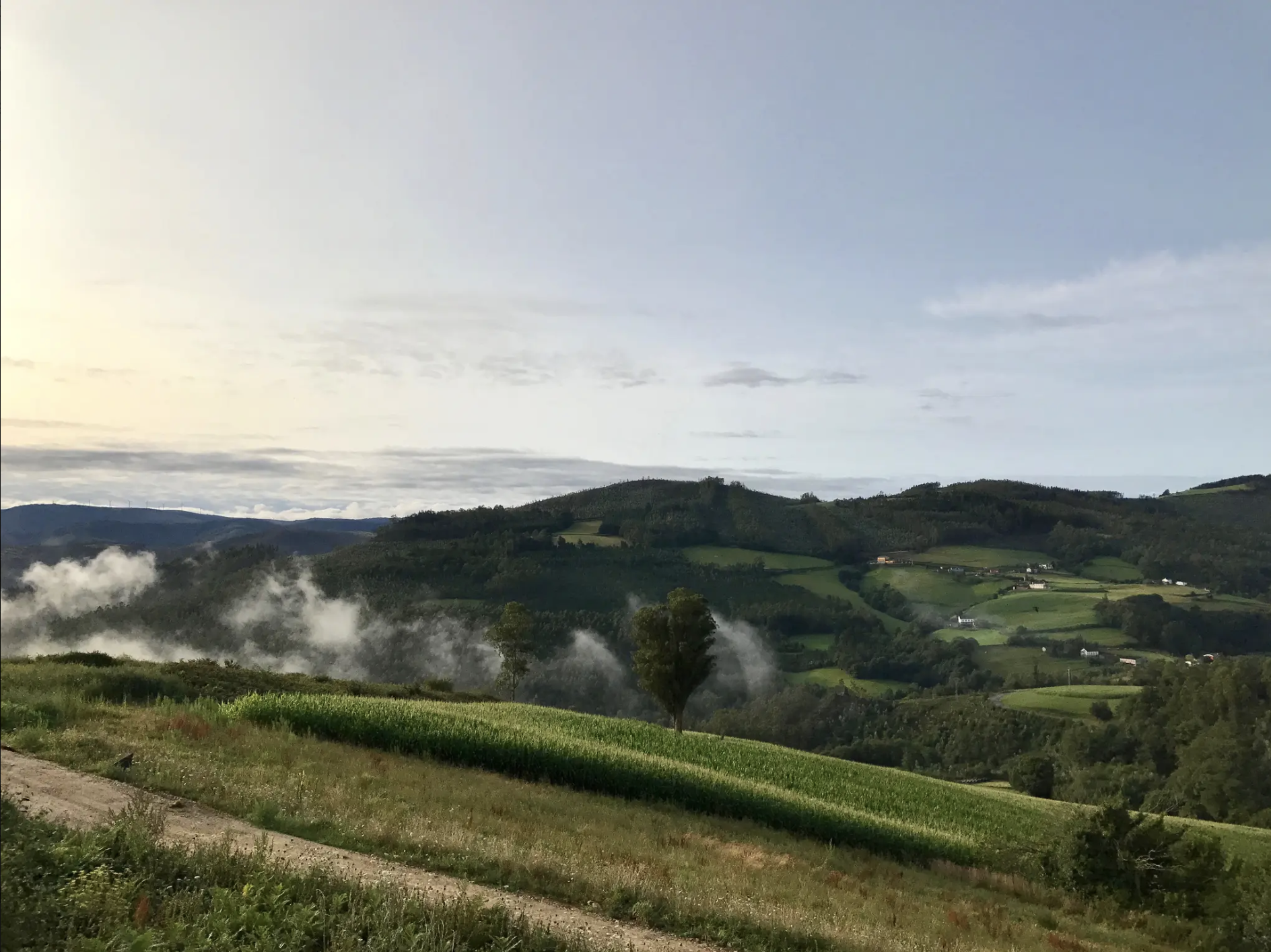
Camino del Norte – 15 stages
Camino del Norte (in reverse) – Discovering northern Spain's stunning coastline
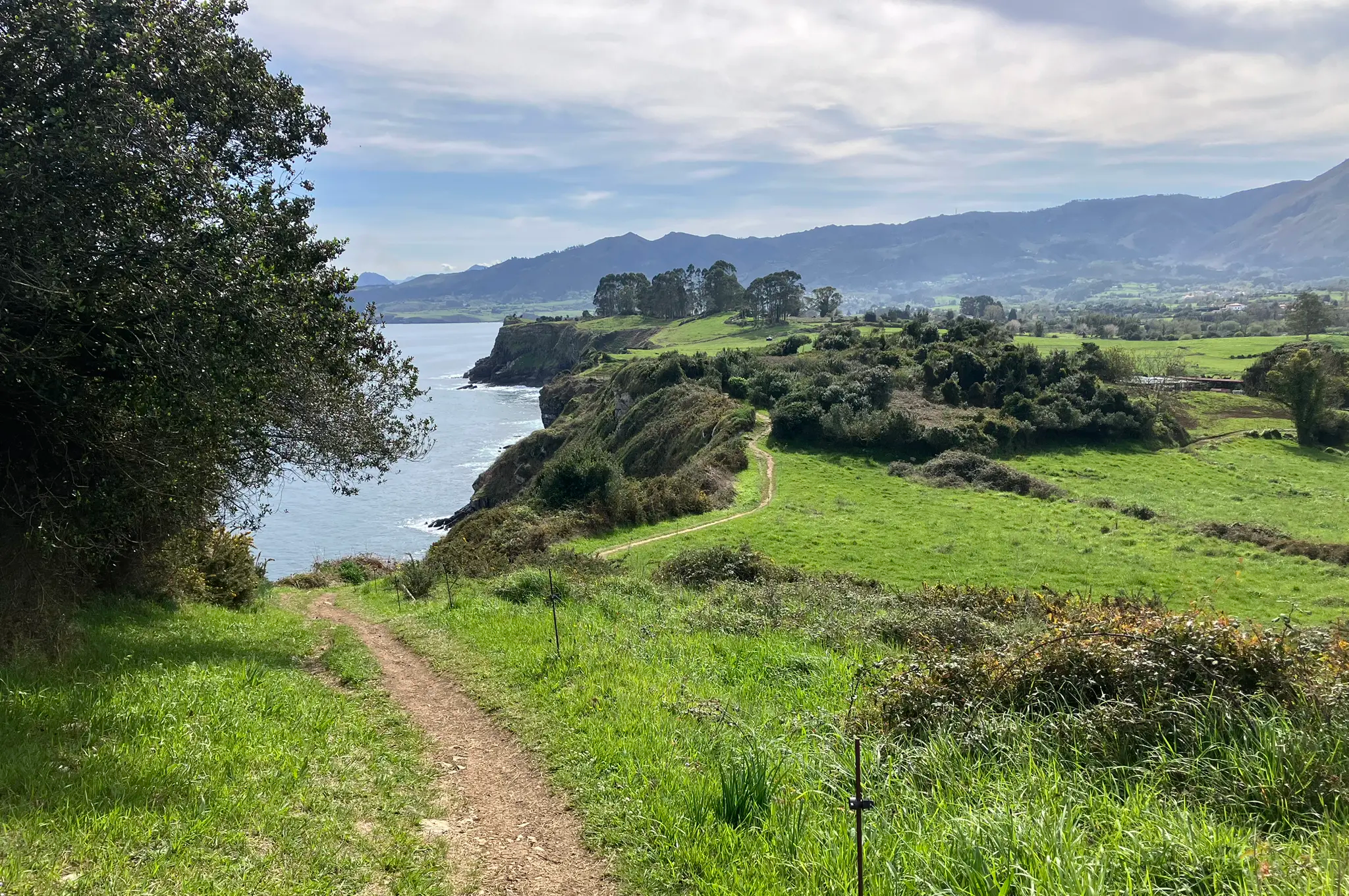
Green, Blue and Gold - Coastal Path through Asturias (GR 204)
Hiking around Cudillero
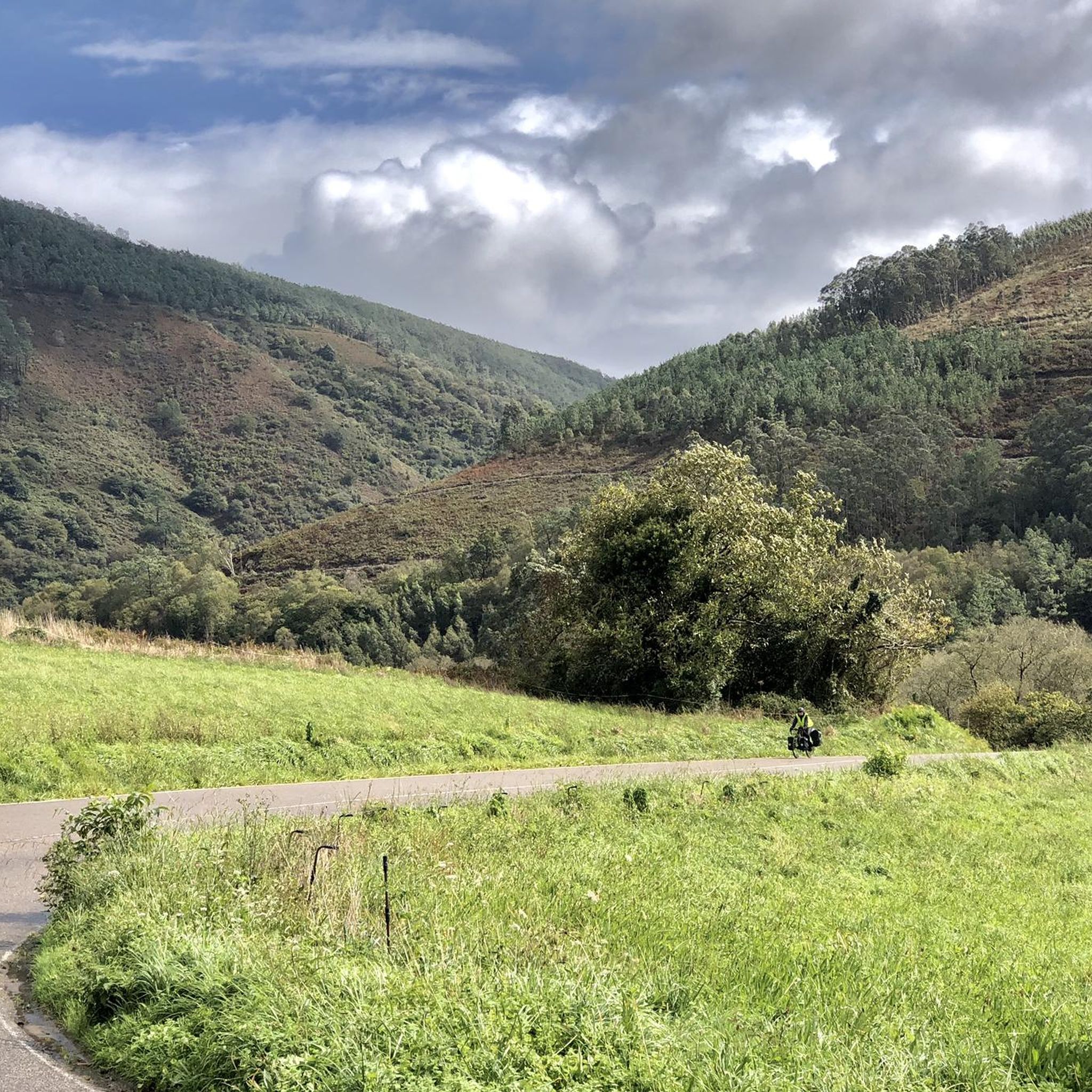
Road Cycling Routes around Cudillero
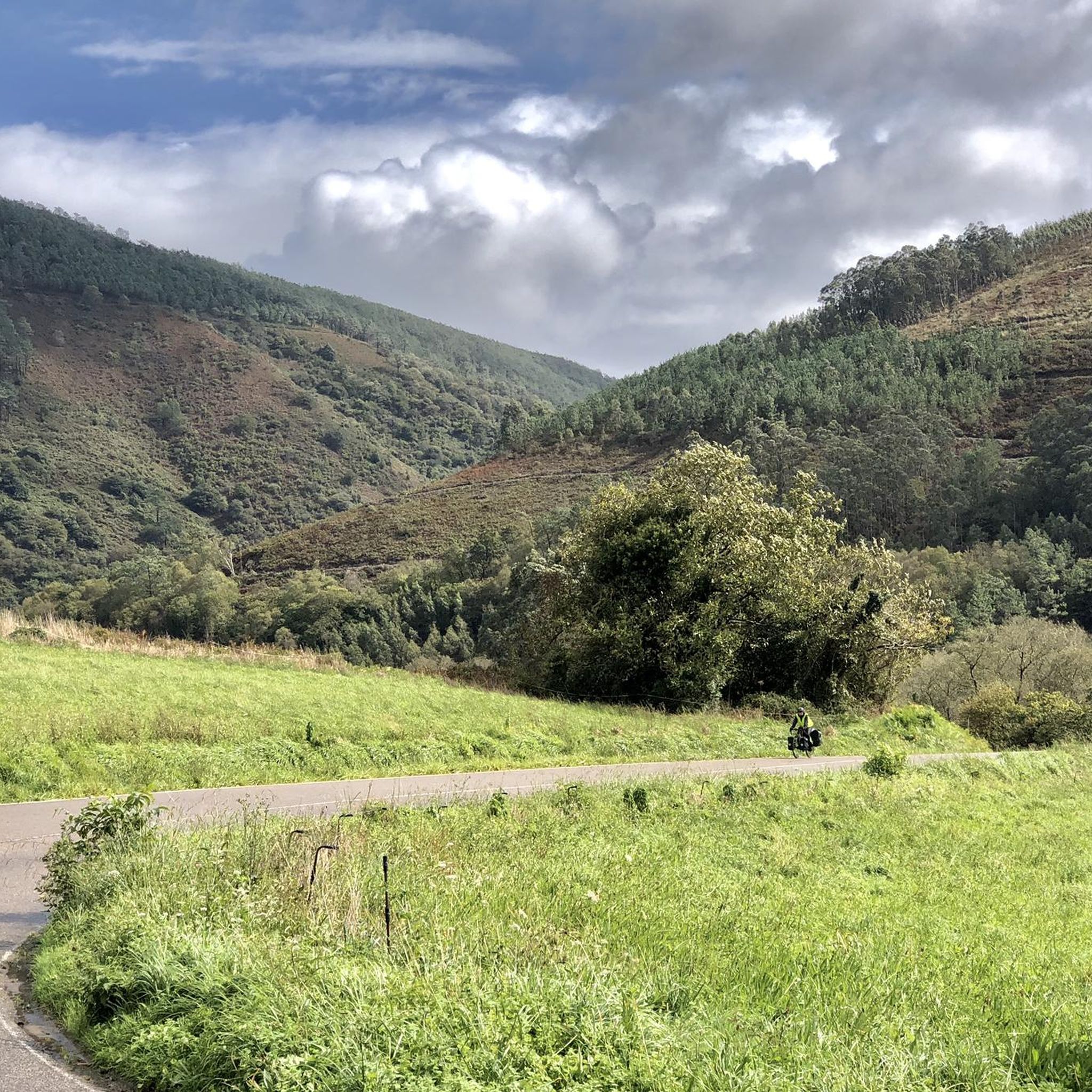
MTB Trails around Cudillero
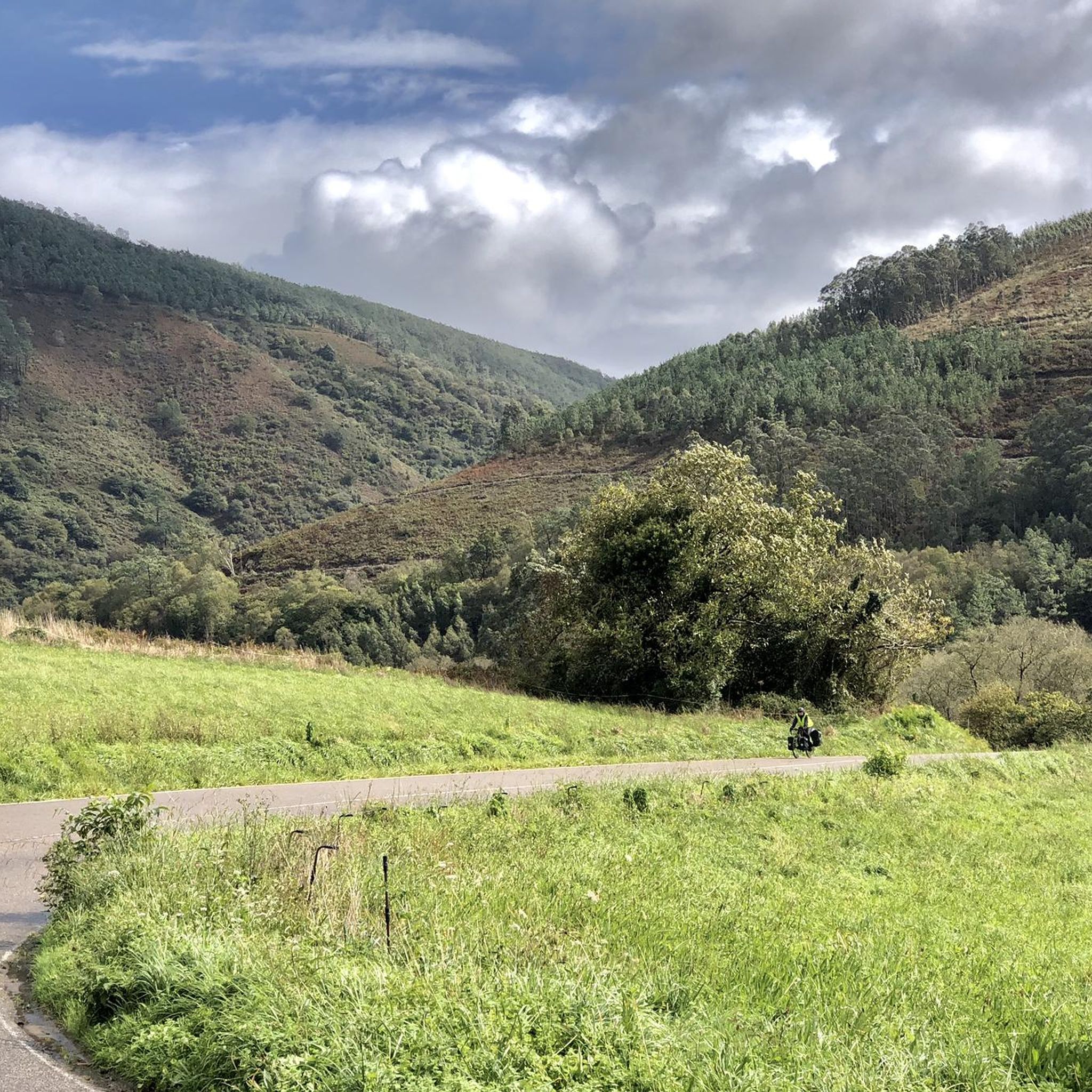
Cycling around Cudillero
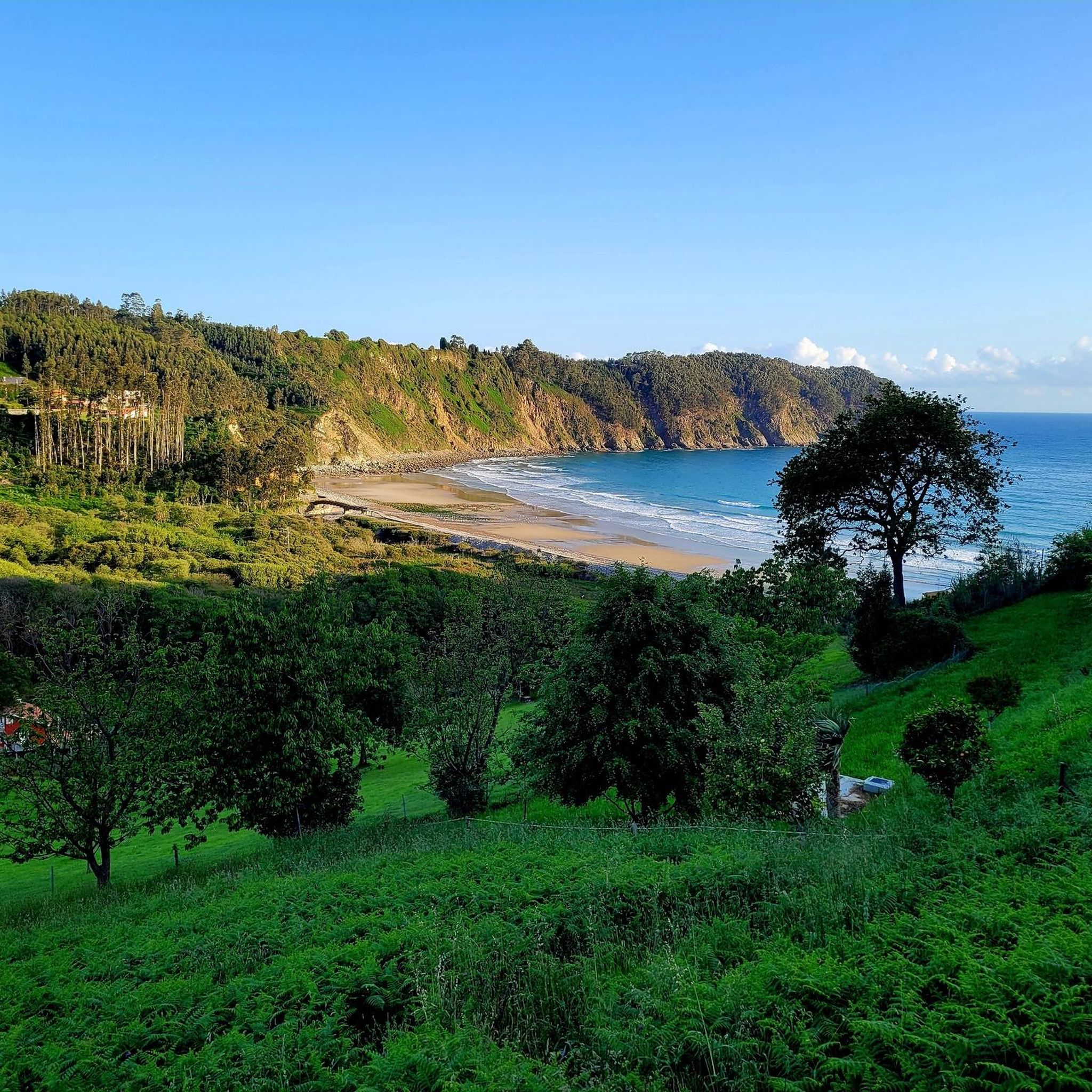
Running Trails around Cudillero


Tips from the Community

The Cudillero Tunnel (Túnel de Cudillero or Río Piñera Tunnel) is a fascinating, historic pedestrian tunnel from the late 19th century. It runs for about 300 meters through the mountain and connects the picturesque fishing harbor directly with the upper part of the village.
0
0
The small fishing village of Cudillero on the coast of Asturias, west of Avilés, is one of the most beautiful coastal towns on the Spanish north coast. Colorful houses climb the green hills, while fishing boats bob in the blue sea below. Sights in Cudillero include the picturesque old town, the harbor district, and the many viewpoints.
0
0


Nicely done, unfortunately it was closed due to heavy rain
2
0

The Iglesia colegiata de Santa María la Mayor is a magnificent collegiate church located in the heart of a historic town. Its grandeur and architectural beauty reflect its significance as a religious and cultural landmark.
3
0

The temple was not born with the mission of being parish, but with the purpose of being a family pantheon. It was in 1894, with the Dukes of Alba being the owners, that the temple was transferred, preserving only the name of Collegiate Church by tradition. It was ordered to be built by the archbishop Don Fernando de Valdés. In the middle of the 16th century the works came to an end, and the two side chapels and the tower were later added. The work carried out at this first moment is Gothic, with Renaissance elements. Among the works of art that the Collegiate Church treasures, the following stand out: the mausoleum of Archbishop Valdés, the main altarpiece and that of the Malleza chapel.
8
0

Problem. You can not visit.
1
0

Rolling along the Nalón River we find beautiful views of the most important river mouth in the region. The castle was built by Alfonso III to have good control of the coast and the estuary.
1
0
Frequently Asked Questions
What historical sites can I explore around Cudillero?
The region boasts several significant historical sites. You can visit the Castillo de San Martín, a fortification built by Alfonso III offering excellent views over the Nalón river's mouth. Another notable site is the Selgas Palace and the Jesús Nazareno Church‑Pantheon, often referred to as the 'Asturian Versailles,' featuring a neoclassical palace, extensive gardens, and an impressive art collection. The Collegiate Church of St. Mary Major in Salas, a 17th-century religious building, is also worth exploring for its altarpiece and the mausoleum of inquisitor Valdés Salas.
Are there any notable viewpoints or scenic spots in the Cudillero area?
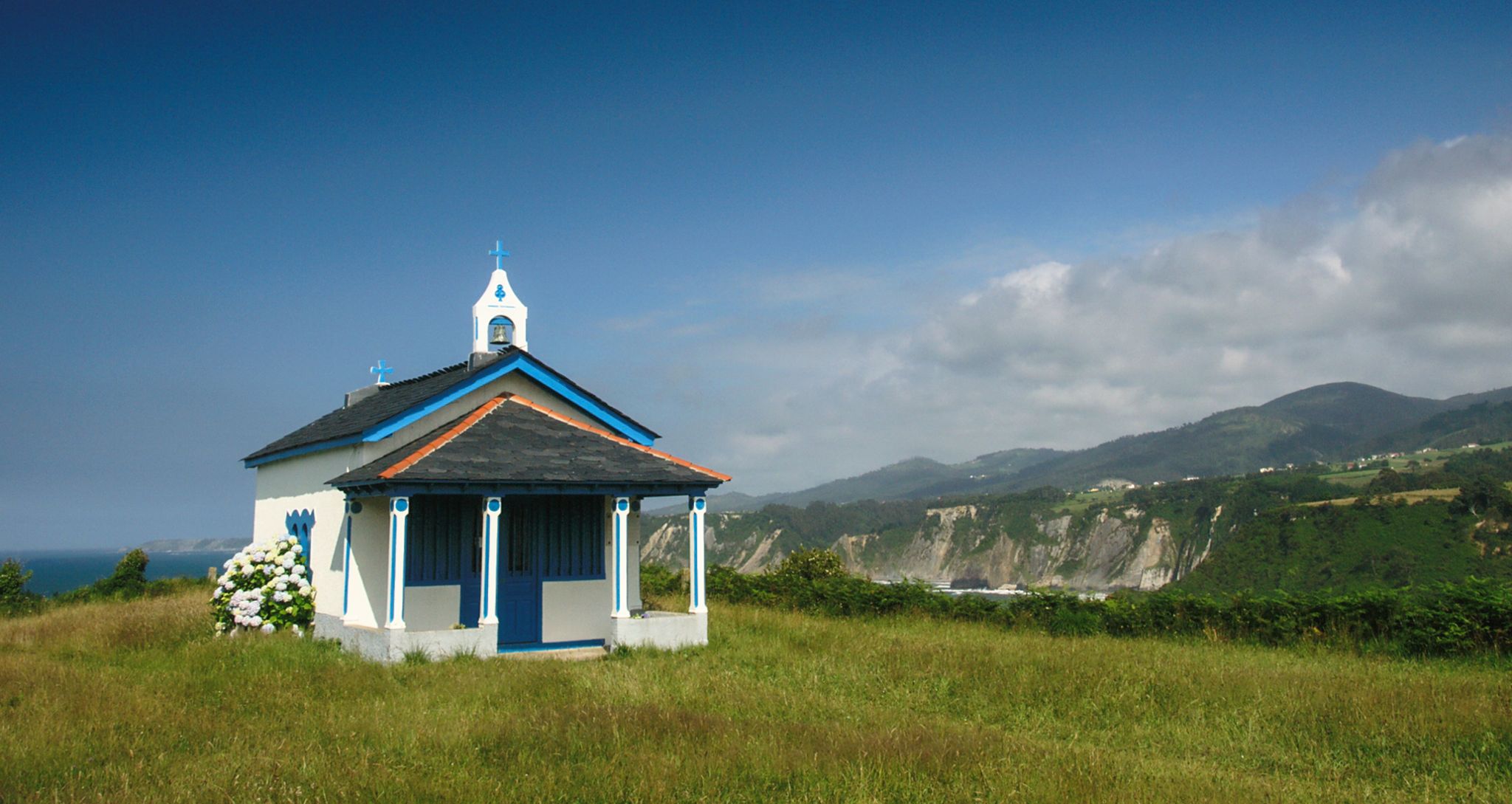
Yes, Cudillero is famous for its stunning viewpoints. The village itself offers numerous miradores like La Garita, El Picu, and Cimadevilla, providing panoramic vistas of the harbor and coastline. The La Regalina Chapel, perched high on a rock directly on the sea, offers spectacular views. Further afield, Cabo Vidio features dramatic cliffs rising 80 meters above the sea and a lighthouse, providing breathtaking ocean views.
What natural attractions are there to see near Cudillero?
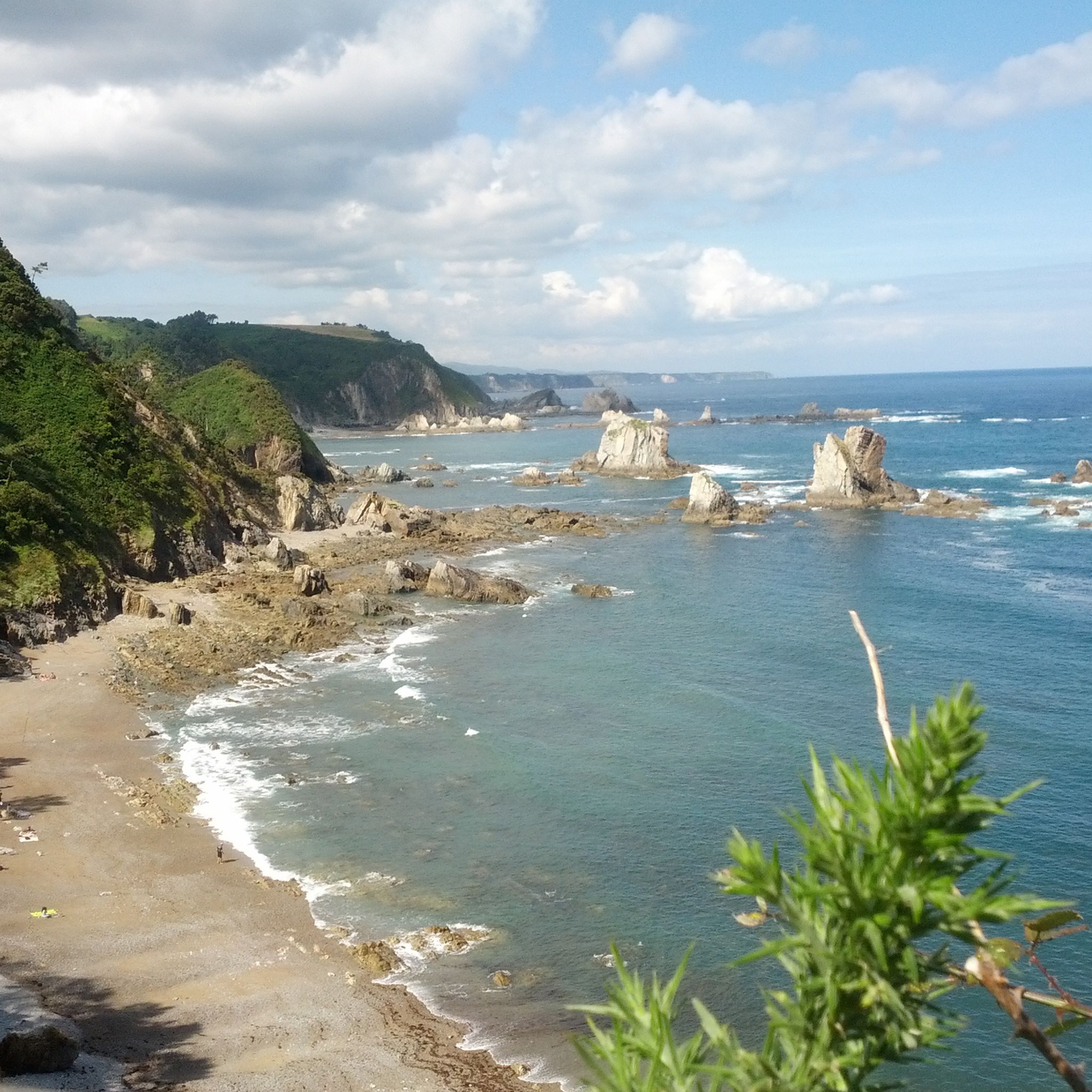
The coastline around Cudillero is part of the Protected Landscape of the Western Coast, characterized by high cliffs, coves, and beautiful beaches. Highlights include Playa del Silencio, known for its pristine beauty and tranquil atmosphere, and Cabo Vidio, with its dramatic cliffs and a sea cave called 'La Iglesia' accessible at low tide. Other notable beaches are Concha de Artedo and Playa de Aguilar.
What kind of outdoor activities can I do around Cudillero?
The region is excellent for outdoor enthusiasts. You can find various MTB trails, including routes like 'Rieguabaxu, Naviana, Faro de Cabo Vidio – ruta por la costa' and 'Cabo Vidio and Northern Route MTB Loop'. For those who prefer running, there are running trails such as 'Playa de Aguilar – Quinta de Selgas loop from Cudillero'. Road cyclists can explore routes like the 'Peñas del Viento Loop' or 'Cudillero – Cabo Vidio loop'.
Are there family-friendly attractions or activities in the area?
Yes, several attractions are suitable for families. The Castillo de San Martín is listed as family-friendly, offering historical exploration. Religious buildings like the Collegiate Church of St. Mary Major in Salas, the Church of Saint James the Apostle, Nuviana, and La Regalina Chapel are also considered family-friendly. Exploring the winding streets of Cudillero village and its various viewpoints is also a delightful activity for all ages.
What is the best time to visit Cudillero for outdoor activities?
The best time to visit Cudillero for outdoor activities is generally during the warmer months, from late spring to early autumn (May to October). This period offers pleasant weather for coastal walks, exploring viewpoints, and enjoying the beaches. The summer months (June-August) are particularly vibrant, though also the busiest.
Can I find hiking trails around Cudillero?
Absolutely. The area offers various hiking routes, including the 'Ruta de los Miradores' which connects several scenic viewpoints within Cudillero. For more extensive hikes, the Cabo Vidio Trail offers adventurous walks along dramatic cliffs. You can find more detailed information and specific routes in the running trails guide, which includes routes suitable for walking.
What is unique about Cudillero's architecture and layout?
Cudillero is renowned for its unique amphitheater-like layout. Brightly colored houses cascade down steep hillsides to the harbor, creating a dramatic and picturesque scene. Wandering through its narrow, winding streets, stairways, and passageways reveals hidden corners, balconies, and vibrant fishermen's homes, making it one of Spain's most beautiful villages.
What kind of local cuisine can I expect in Cudillero?
Cudillero is famous for its seafood, with many local restaurants and cider houses offering fresh catches. Specialties include hake, pixín (monkfish), and curadillo (a dried shark-like fish). Enjoying these dishes with a glass of Asturian cider is a quintessential experience.
Are there any religious buildings of historical significance in the area?
Yes, the region has several historically significant religious buildings. The Collegiate Church of St. Mary Major in Salas, dating from the 17th century, is notable for its altarpiece. The Church of Saint James the Apostle, Nuviana, is located along the Camino de Santiago del Norte. Additionally, the 16th-century Parish Church of San Pedro in Cudillero and the 13th-century Gothic Chapel of El Humilladero are important historical structures.
What do visitors enjoy most about the attractions around Cudillero?
Visitors frequently praise the stunning views, especially from places like La Regalina Chapel and the various miradores. The historical significance of sites like the Castillo de San Martín and the beautiful architecture of the churches are also highly appreciated. The overall charm of the village and its coastal setting consistently receive positive feedback.
Most popular attractions around Cudillero

Get inspired with the komoot mobile app


Explore more
Still not found the Highlight you’re looking for? See guides of the top attractions in other regions:
