Attractions and Places To See around Totalán - Top 20
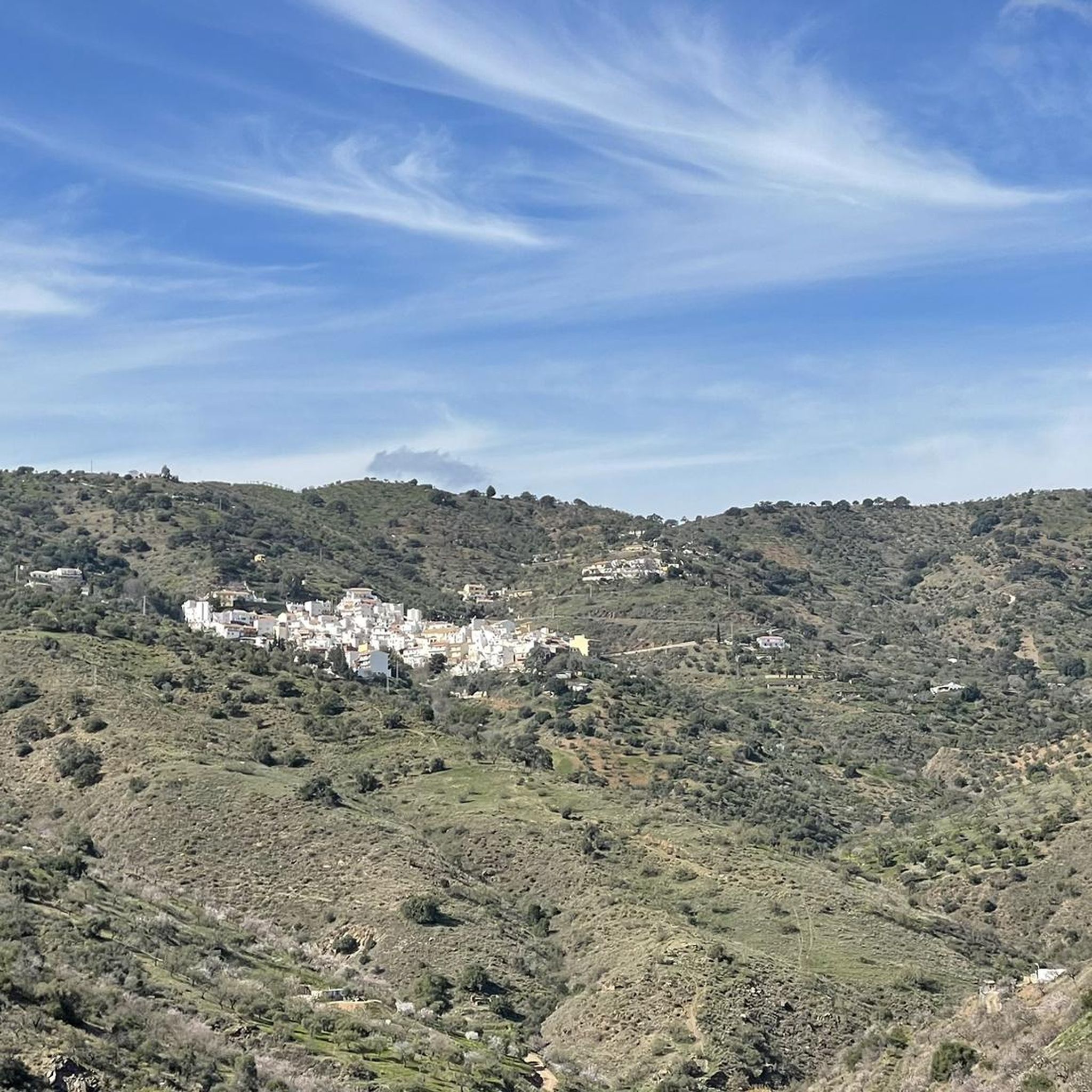
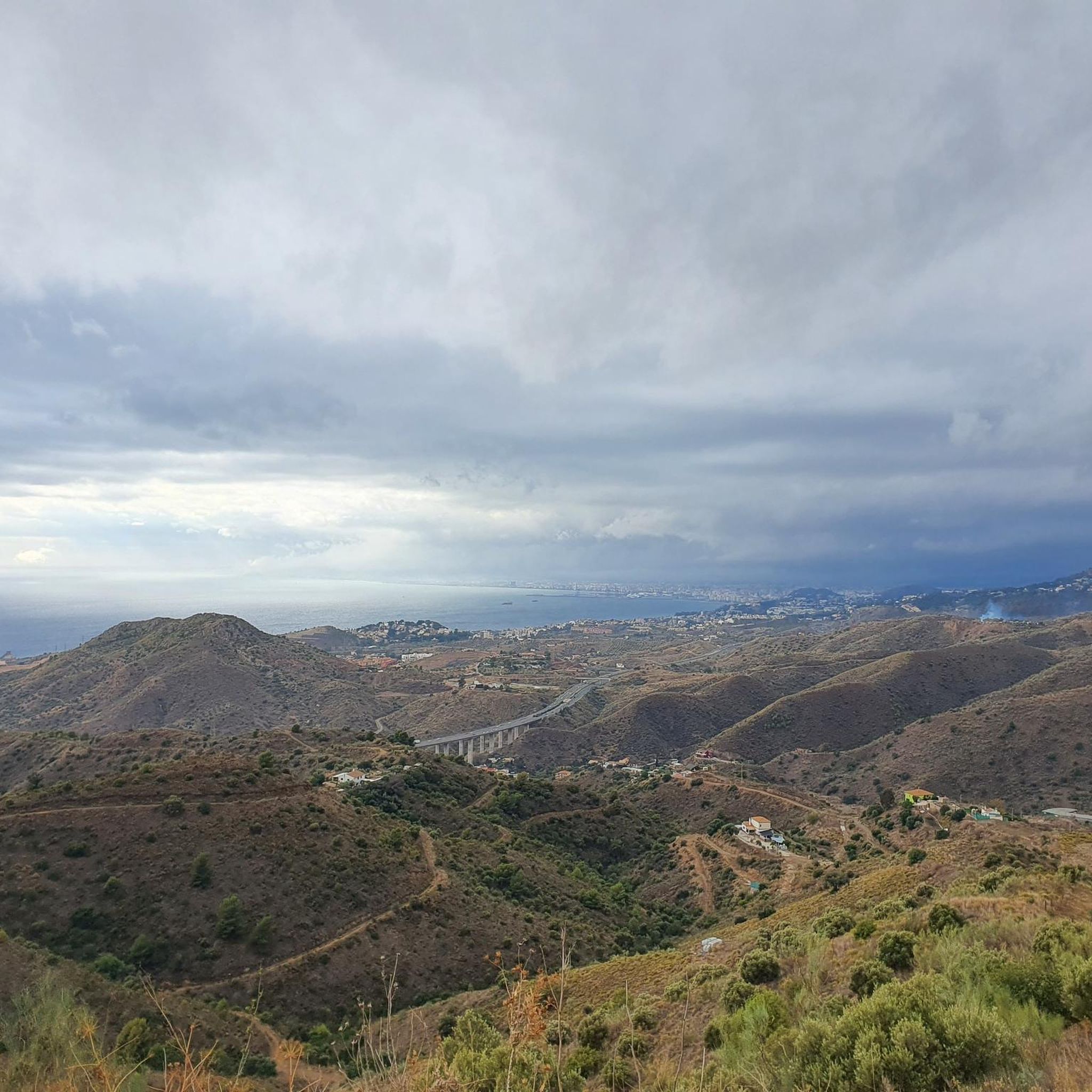
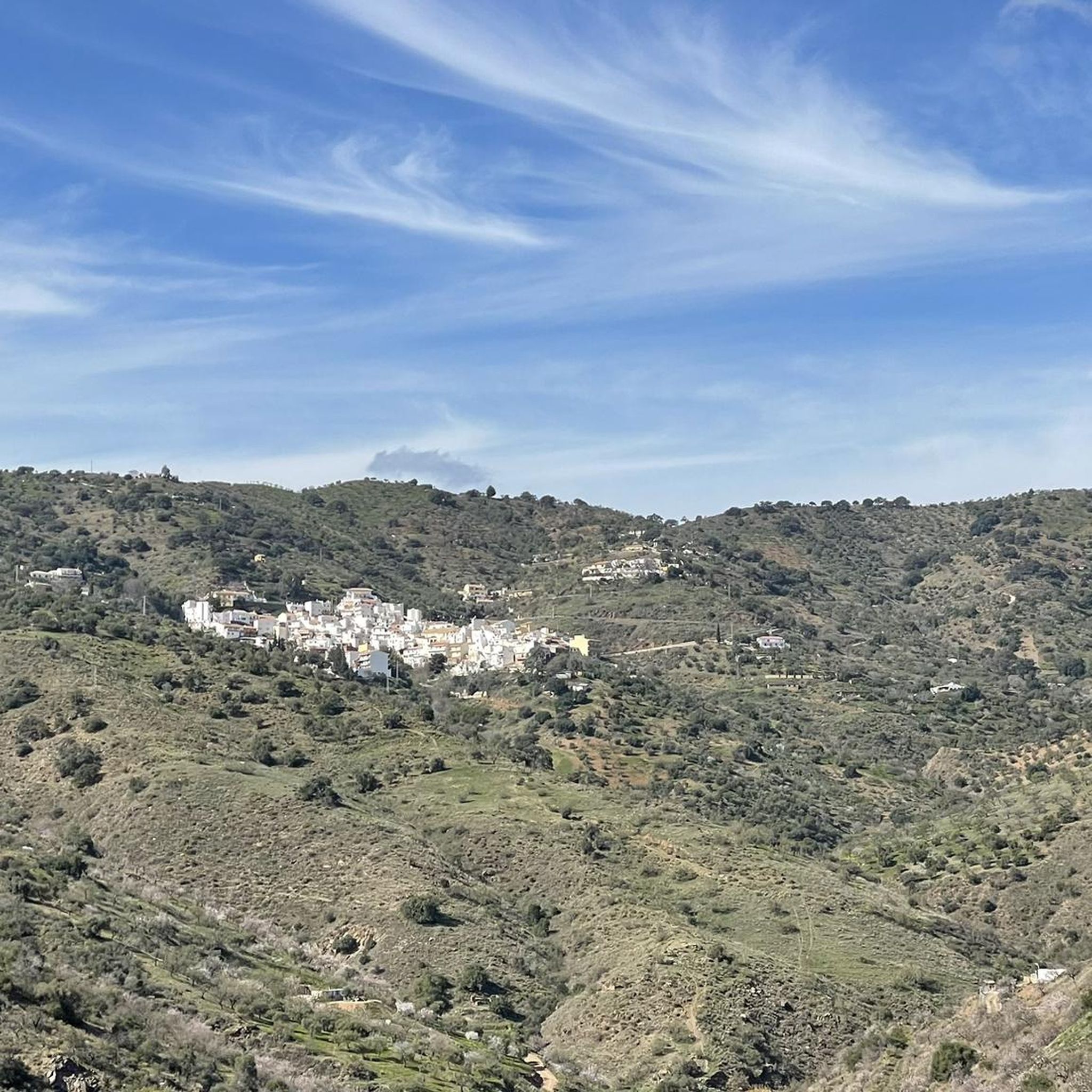
Best attractions and places to see around Totalán include a blend of historical landmarks, natural beauty, and cultural points of interest. This charming village is nestled between the sea and the Montes de Málaga, featuring whitewashed houses and narrow, steep streets that reflect its Moorish heritage. The mountainous surroundings offer deep valleys, steep slopes, and impressive cliffs, providing views of the sea and the Montes de Málaga. Totalán is also known for its numerous walking trails and its role as…
Last updated: August 30, 2026
The Alcazaba of Málaga and the Roman Theatre
Highlight • Historical Site
Translated by Google •
Tip by

Málaga Cathedral (Catedral de la Encarnación)
Highlight • Religious Site
a landmark of the city of Malaga.
The baroque facade dates back to the 16th century.
Translated by Google •
Tip by

Sign up now to discover places like this
Get recommendations on the best single tracks, peaks, & plenty of other exciting outdoor places.
Sign up for free
Palmeral de las Sorpresas, Port of Málaga
Highlight • Structure
The harbor complex is worth a visit.
Translated by Google •
Tip by
Malaga Park
Highlight • Forest
Translated by Google •
Tip by
Constitution Square, Malaga
Highlight • Historical Site
Great streets, beautiful alleys and lovely people.
Translated by Google •
Tip by
Sign up for free to discover even more attractions around Totalán.
Sign up for free
Already have an account?
Start today with a free account
Your next adventure awaits.
Login or Signup
Tips from the Community

The Port of Málaga is an international seaport located in the city of Málaga in southern Spain, on the Costa del Sol coast of the Mediterranean. It is the oldest continuously-operated port in Spain and one of the oldest in the Mediterranean. Principal port activities include cruise shipping and the importation of containerised manufactured products, break bulk and vehicles. A small fishing fleet also operates from the port.
6
0

The Alcazaba of Malaga is an imposing 11th-century Moorish fortress that towers majestically over the city; with its graceful arches, opulent courtyards and winding pathways, it offers an enchanting blend of Islamic architecture and history, while its strategic position on Gibralfaro Hill not only served as a defence but now also offers breathtaking panoramic views over the glittering Mediterranean Sea and the bustling city below, making it an unmissable destination for anyone wanting to experience Malaga's rich cultural heritage.
8
0

The Alcazaba is a palatial fortress built during the Muslim Al-Andalus period. Construction of the current complex began in the 11th century and was altered or rebuilt several times until the 14th century. It is one of the best-preserved alcazabas in Spain. The Alcazaba is also connected to the higher-lying Gibralfaro Castle by a walled corridor, and next to the Alcazaba entrance are the remains of a Roman theater dating back to the 1st century AD. Opening hours: November 1 to March 31: 9:00 a.m. to 6:00 p.m. - last entry at 5:15 p.m. April 1 to October 31: 9:00 a.m. to 8:00 p.m. - last entry at 7:15 p.m. Bicycles must be parked and locked in advance; bicycles cannot be taken inside. Further information at: https://en.wikipedia.org/wiki/Alcazaba_of_Málaga https://alcazabaygibralfaro.malaga.eu/de/visitas/alcazaba/ https://en.wikipedia.org/wiki/Alcazaba_of_Málaga
12
0

The sight of cruise ship giants entering the port is particularly impressive. This sight is sure to motivate one or two of the port guests to set off on a harbor tour or to listen to one of the concerts held there. Since its foundation, the port of Málaga has been of supra-regional importance for the entire Mediterranean region. The area was founded as a trading port by the Phoenicians as early as 1,000 BC.
11
2
The Roman Theatre of Malaga is the most important surviving evidence of the Roman era in Malaga and is located at the foot of the Cerro de la Alcazaba, right in the centre of the city. After being buried under the ground for centuries and covered with buildings, it was rediscovered during construction work in 1951. It was built in the first century AD during the reign of Emperor Augustus. The theatre was used until the third century. The Arabs used parts of the theatre to build their Alcazaba fortress. For example, column shafts and column capitals were used to support the horseshoe arches of the portals. Next to the site there is also an interpretation centre where you can learn about the life and customs of this era using new technologies.
11
0

The harbor and the immediate surroundings are beautifully laid out and offer many opportunities to experience things.
16
1
A very beautiful cathedral built in different periods. The first section was built as a fortress.
16
1

The Plaza de la Constitución has been the heart of the city's historic center since the Reconquista. At that time, the square was still called Plaza de las Cuatro Calles. It also had other names such as Plaza Mayor. In 1812, however, it was renamed Plaza de la Constitución. Source and further information https://visita.malaga.eu/en/what-to-see-and-do/culture/historical-monuments/squares-fountains-and-streets/plaza-de-la-constitucion-p103357
4
1
Frequently Asked Questions
What historical sites can I explore in and around Totalán?
Totalán is rich in history. You can visit the 16th-century Iglesia de Santa Ana, known for its Mudejar-style tower and Roman columns. Don't miss the 11th-century Moorish watchtower, Torre Salazar, which offers stunning coastal views. For ancient history, explore the Cerro de la Corona Dolmen, a Neolithic burial site dating back 5,000 to 6,000 years. Further afield, in Málaga, you can visit The Alcazaba of Málaga and the Roman Theatre, a complex showcasing Roman, Arab, and Renaissance cultures, or the impressive Málaga Cathedral (Catedral de la Encarnación).
Are there any natural attractions or viewpoints near Totalán?
Yes, Totalán is nestled in a mountainous area with deep valleys and impressive cliffs, offering beautiful views of the sea and the Montes de Málaga. The Torre Salazar and Cerro de la Corona Dolmen both provide panoramic vistas. You can also visit the Arroyo Totalán and La Toma area for its natural beauty. In Málaga, Malaga Park is a significant public park with exotic flora, and the Palmeral de las Sorpresas, Port of Málaga offers pleasant waterfront views.
What kind of walking and hiking trails are available around Totalán?
Totalán is renowned for its numerous walking trails, many of which start from the Plaza de la Constitución. These trails offer opportunities to enjoy the stunning scenery of the mountainous surroundings. For more structured routes, you can explore the various options listed in the Hiking around Totalán guide, which includes trails like the 'Torre del Cantal – Cliffside Coastal Walk' and 'Raven Rock – El Dedo Beach loop'.
Are there family-friendly attractions or activities in the area?
Absolutely! Many attractions are suitable for families. In Totalán, the village itself with its charming streets and squares is pleasant to explore. The Monument and Plaza de Antonio Molina offers a cultural tribute. In Málaga, The Alcazaba of Málaga and the Roman Theatre, Málaga Cathedral, and Malaga Park are all marked as family-friendly. The Palmeral de las Sorpresas, Port of Málaga also provides a modern leisure area for all ages.
What cultural points of interest can I find in Totalán?
Totalán has several cultural highlights. The Iglesia de Santa Ana is a significant historical and architectural landmark. The Monument and Plaza de Antonio Molina pays tribute to the famous flamenco singer. Additionally, the Torre del Violín-Mirador del Zagal commemorates a historical battle and features a square with a ceramic mosaic. The village is also a key stop on the Ruta de la Pasa, celebrating the traditional production of raisins.
What is the Ruta de la Pasa and is Totalán part of it?
The Ruta de la Pasa (Raisin Route) is a famous tourist route in the Axarquía region, known for its vineyards, almond groves, and the traditional production of raisins from Moscatel grapes. Totalán is indeed a key stop on this route, offering visitors a glimpse into this unique agricultural heritage.
Can I find places to eat or relax in Totalán?
The Plaza de la Constitución is the central square in Totalán, which sometimes hosts village events and festivities. It's a good place to experience local life. In Málaga, the Constitution Square is a vibrant public space in the heart of the historic center, featuring a number of bars and restaurants where you can relax outdoors.
Are there opportunities for cycling near Totalán?
Yes, the area around Totalán offers various cycling opportunities. You can find several routes for road cycling in the Road Cycling Routes around Totalán guide, including challenging loops like 'Axarquía White Villages Loop'. For off-road adventures, the Gravel biking around Totalán guide provides routes such as 'Montes Road – View of Málaga from El Mirador loop'.
What is the significance of the Chameleon Statue at the entrance to Totalán?
The large Chameleon Statue located at the entrance to Totalán is a unique and charming feature. It was a donation from an American couple who owned a holiday home in the village, adding a distinctive and personal touch to the town's welcome.
What do visitors particularly enjoy about the attractions near Totalán?
Visitors appreciate the blend of history and natural beauty. For instance, the Alcazaba of Málaga is loved for its historical significance and the magnificent views it offers over Málaga and its harbor. The Palmeral de las Sorpresas, Port of Málaga is praised for its beautiful layout and the many opportunities it provides for leisure and experiences.
Is public transport available to reach attractions around Totalán?
While Totalán itself is a small village, many routes for walking and cycling begin directly from the village center, such as the Plaza de la Constitución. For attractions further afield, especially those in Málaga like the Constitution Square or the Alcazaba, Málaga city has a comprehensive public transport network.
Most popular routes around Totalán
Most popular attractions around Totalán

Get inspired with the komoot mobile app


Explore more
Still not found the Highlight you’re looking for? See guides of the top attractions in other regions:
