The best walks and hikes around Sant Llorenç De La Muga
4.6
(207)
722
hikers
19
hikes
Hiking around Sant Llorenç De La Muga offers diverse experiences within a well-preserved natural environment at the foot of the Pyrenees. The region is characterized by the Muga River, known for its clear waters and gorges, and the surrounding Sant Llorenç mountains. These low-altitude mountains feature extensive pine, holm oak, and cork oak forests, providing a network of trails. The village itself is nestled in a meander of the Muga River, offering valley views and access to the Darnius-Boadella Reservoir.
…Last updated: July 7, 2026
4.8
(12)
68
hikers
17.2km
05:31
530m
530m
Hike a difficult 10.7-mile (17.2 km) circular route from Sant Llorenç de la Muga, exploring historic hermitages and scenic valley views.
4.8
(18)
70
hikers
Easy hike. Great for any fitness level. Easily-accessible paths. Suitable for all skill levels.

Sign up for free
4.9
(16)
56
hikers
Easy hike. Great for any fitness level. Easily-accessible paths. Suitable for all skill levels.
4.2
(14)
35
hikers
Moderate hike. Good fitness required. Easily-accessible paths. Suitable for all skill levels.
4.5
(13)
27
hikers
Easy hike. Great for any fitness level. Easily-accessible paths. Suitable for all skill levels.
Get access to more routes and recommendations from other explorers.
Sign up for free
Already have an account?
Our route recommendations are based on thousands of hikes, rides, and runs completed by other people on komoot.
Start today with a free account
Your next adventure awaits.
Login or Signup
Popular around Sant Llorenç De La Muga
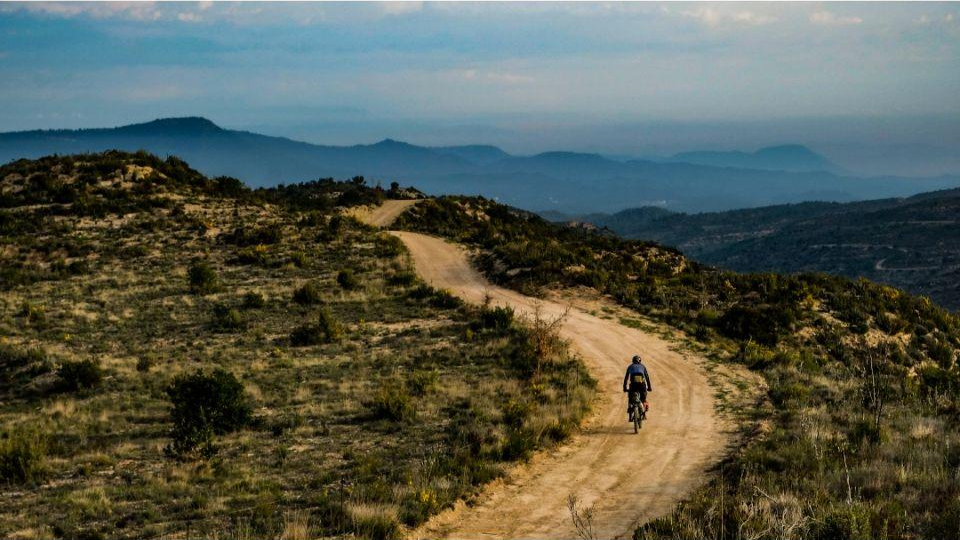
European Divide Trail across the Iberian Peninsula – north
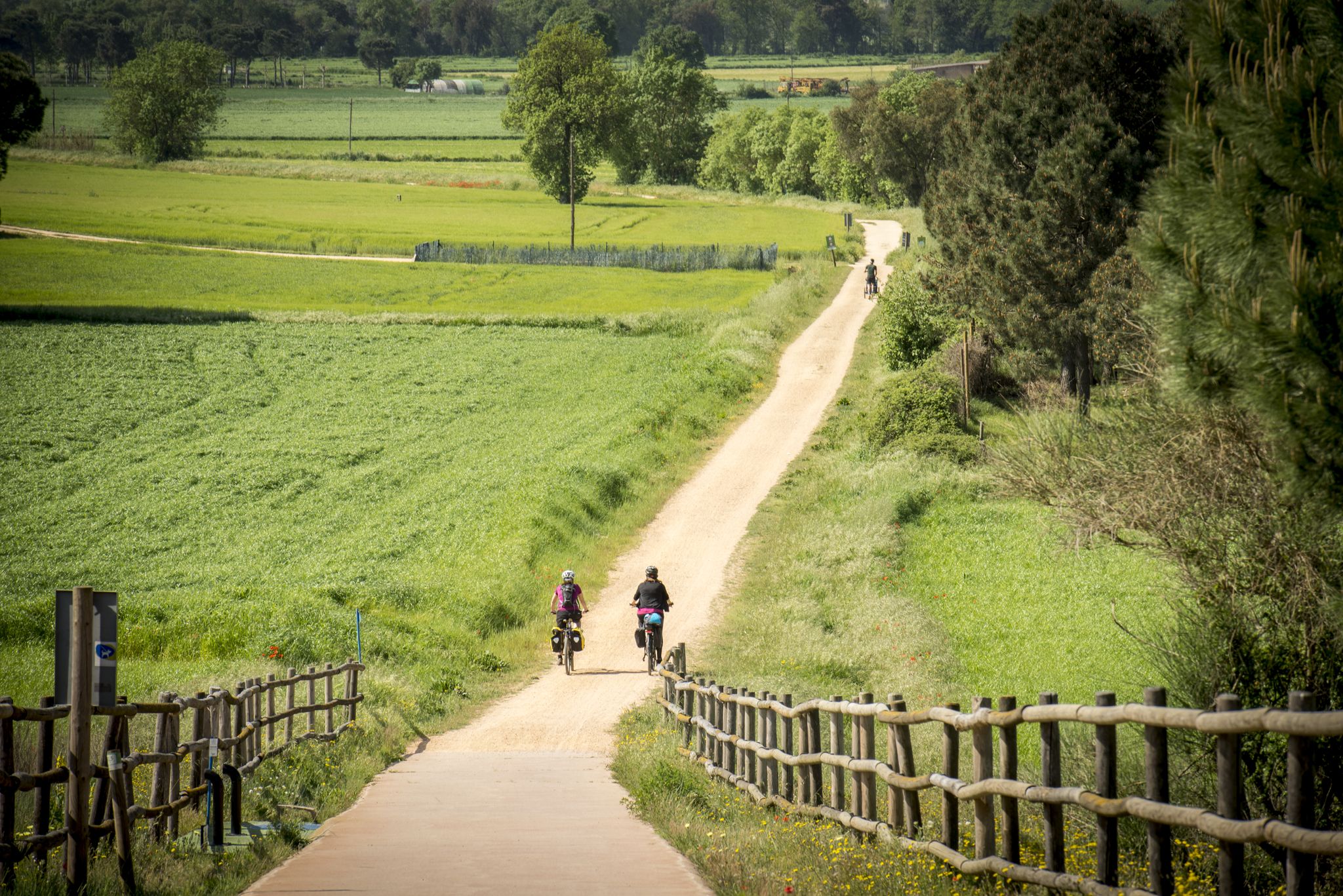
Ideas para recorrer Girona en bicicleta en un fin de semana
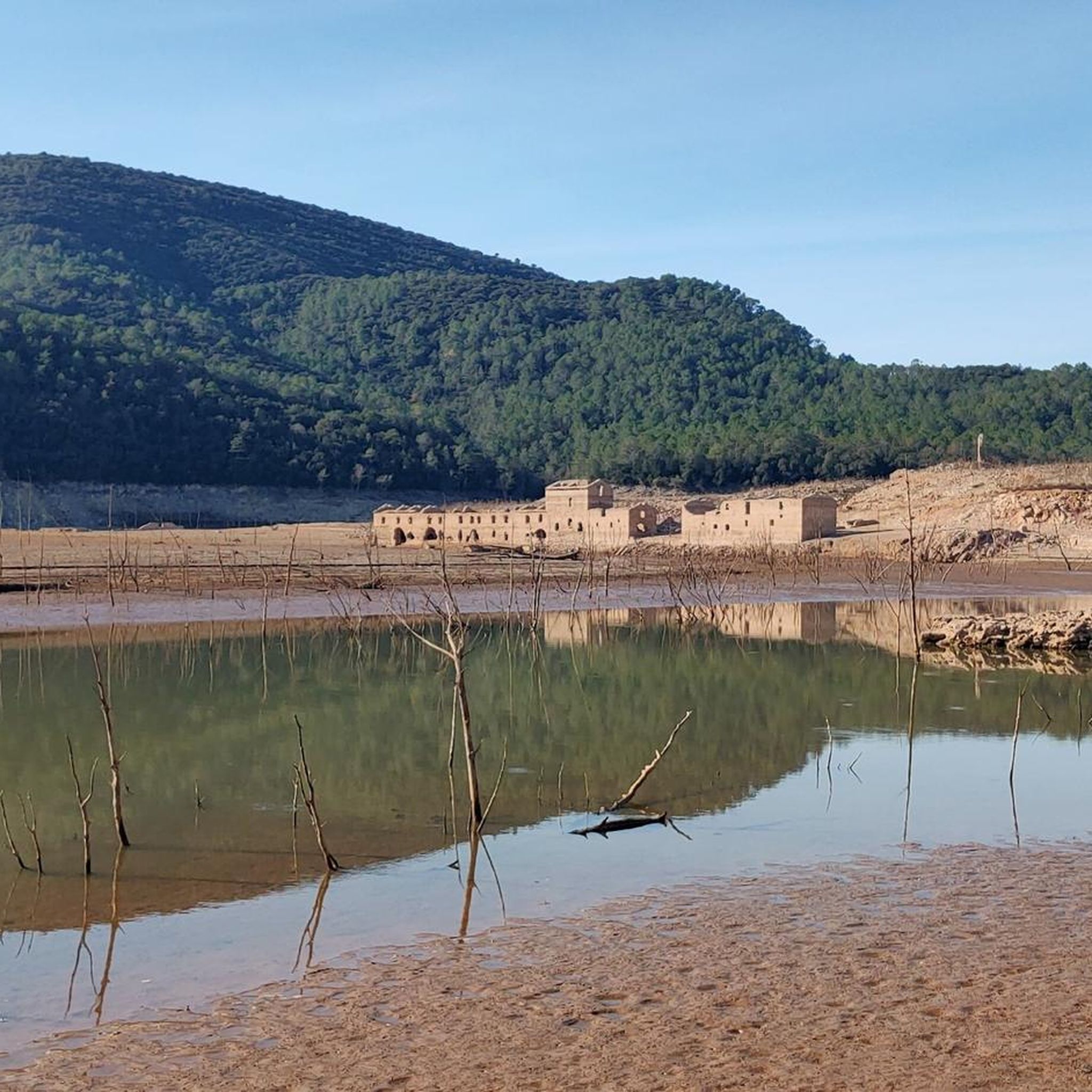
MTB Trails around Sant Llorenç De La Muga
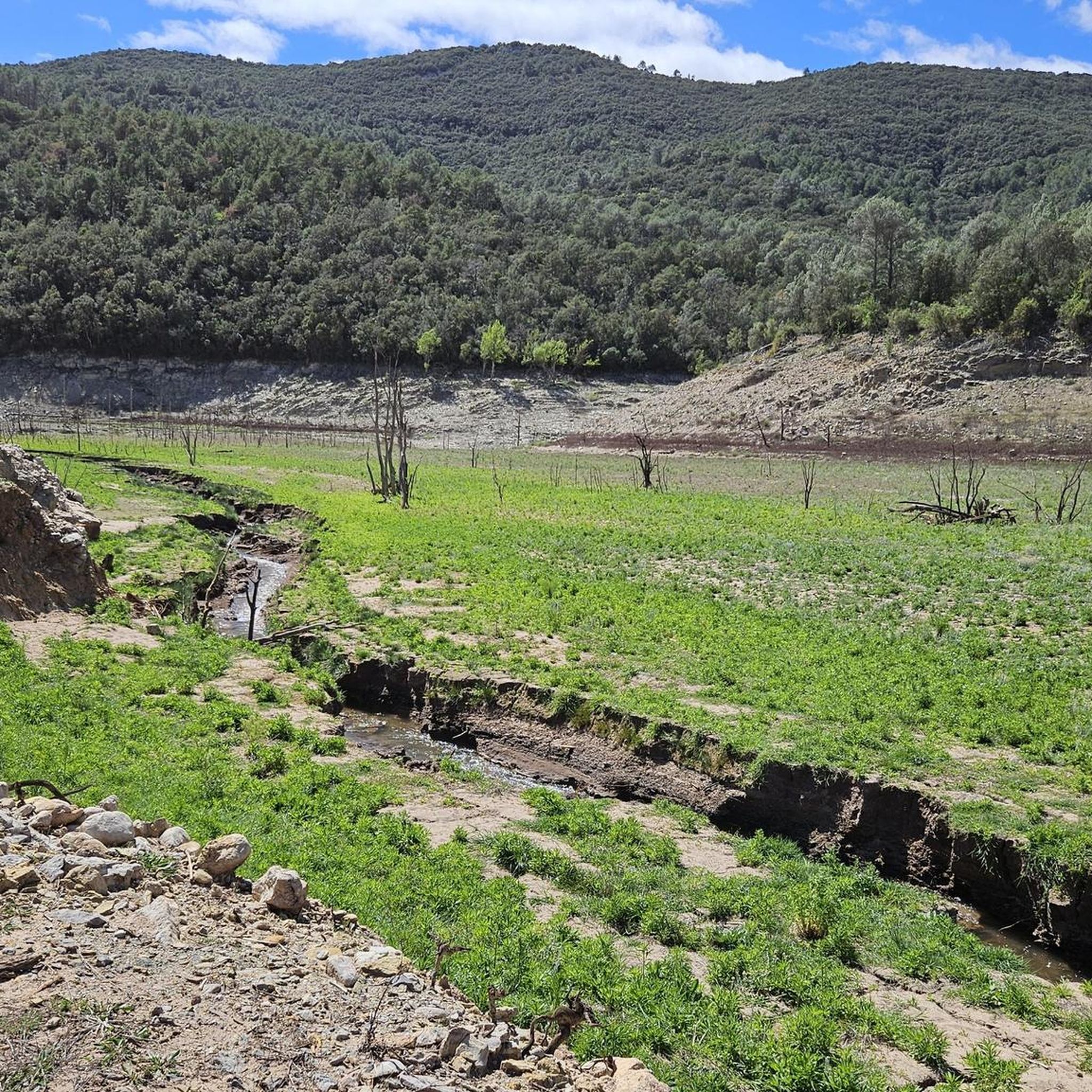
Running Trails around Sant Llorenç De La Muga
Road Cycling Routes around Sant Llorenç De La Muga
Cycling around Sant Llorenç De La Muga

Gravel biking around Sant Llorenç De La Muga


Tips from the Community

Formerly known as Santa Maria del Codó, the church has been documented since the 14th century. The current building, constructed after 1438, is likely a reconstruction of the original structure and retains the typical style of the late Romanesque period. It features a single-nave church with a pointed vault and a semicircular apse. The portal is a keystone doorway with a round arch and a gabled tower.
2
0

A nice section over a steel bridge/path where you feel like you are in the middle of nature and you can see the trout swimming below in the Muga.
0
0


Sant Llorenc de la muga is considered one of the most beautiful towns in Catalonia and is always worth a visit!
0
0

Fanatical medieval village Where you will lose track Of time ⏲️ This town and its surroundings are so beautiful that you will surely fall in love with it 😍
0
0
At the beginning of the stairs leading to this area of Muga River Baths... There is a stone in memory of the flooding of the river that took place on 26/09/1992... This stone is placed Right up to where the water level reached.
0
0

The Sant Llorenç de la Muga Waterwheel is a historical vestige that represents the traditional hydraulic engineering used for irrigation in the region. Although it no longer fulfills its original function, it remains an important element in the history and culture of the town. The construction of the Ferris wheel dates back centuries, and its age makes it a testament to the hydraulic engineering techniques used at the time. The Sant Llorenç de la Muga waterwheel uses a traditional mechanism in which a series of containers or buckets attached to a rotating wheel are immersed in the river to collect water and then raised for use in irrigation. It is an example of technology historical hydraulicThe Sant Llorenç de la Muga waterwheel was built to extract water from the Muga River and raise it to a higher level, where it was used to irrigate agricultural fields and orchards in the area. Hydraulic water wheels were common in the region to take advantage of the flow of water from the rivers.
2
0
https://www.youtube.com/shorts/x3xhty0PfKEPinturas Murales: Inside the church, you can find mural paintings dating from the 13th and 14th centuries. These paintings depict religious scenes and provide a unique insight into medieval iconography. Place of Pilgrimage: The church has been a place of pilgrimage for centuries, and its religious and cultural importance has endured over time. Visitors flock to the place to admire its historic architecture and art. Location in a Natural Environment: Sant Llorenç de la Muga is located in an impressive natural environment, surrounded by mountains and picturesque landscapes. The church integrates perfectly into this environment, which adds to its appeal. Festival: The town of Sant Llorenç de la Muga celebrates its festival on August 10 in honor of San Lorenzo, the patron saint of the church. During this festival, processions and cultural activities are held that attract visitors from the region.
0
0
Frequently Asked Questions
How many hiking trails are available in Sant Llorenç De La Muga?
There are over 20 hiking trails around Sant Llorenç De La Muga, offering a variety of experiences from easy riverside strolls to more challenging treks through the mountains and forests.
What is the best time of year to go hiking in Sant Llorenç De La Muga?
The trails in Sant Llorenç De La Muga are generally accessible year-round. Spring and autumn offer pleasant temperatures and vibrant landscapes. During warmer months, the Muga River's natural pools provide refreshing opportunities for swimming.
Are there easy hiking trails suitable for beginners or families?
Yes, there are 8 easy routes available. The region offers gentle riverside paths like the 'Passeig de Sant Antoni', which is shaded and suitable for families. Another easy option is the Lion's Head Fountain – Parish Church of Sant Llorenç loop from Sant Llorenç de la Muga, which is 3.0 miles (4.8 km) long and incorporates the village's medieval heritage.
Are there any challenging hikes for experienced trekkers?
For experienced hikers, the Boadella Reservoir Loop is a difficult 10.7 miles (17.2 km) trail that explores the reservoir and offers scenic valley views, typically taking over 5 hours to complete.
Can I find circular hiking routes in Sant Llorenç De La Muga?
Yes, many routes in the area are circular. For example, the Ermita de Sant Jordi – Water Wheel in Parc d'en Pep loop from Sant Llorenç de la Muga is a moderate 6.8 miles (10.9 km) circular trail leading through varied landscapes.
Are the hiking trails in Sant Llorenç De La Muga dog-friendly?
Generally, the natural environment of Sant Llorenç De La Muga is welcoming for dogs, especially on the numerous rural roads and forest tracks. However, it's always advisable to keep dogs on a leash, especially near livestock or in protected areas, and to check specific trail regulations if available.
What natural features or landmarks can I see while hiking?
Hikers can explore the clear waters and gorges of the Muga River, the surrounding Sant Llorenç mountains with their diverse forests, and the picturesque Muga Valley. Notable landmarks include the medieval walled village itself, the 13th-century Torre de Guaita (watchtower) offering panoramic views, and the Darnius-Boadella Reservoir.
Are there opportunities for wild swimming along the hiking trails?
Yes, the Muga River is known for its clear, wild waters and numerous natural pools and gorges that are perfect for swimming during warmer months. The 'Passeig de Sant Antoni' riverside path, for instance, leads to the hermitage and bridge of Sant Antoni, with opportunities to bathe in the river.
What historical sites can I explore on a hike?
The region is rich in history. Many trails incorporate the well-preserved medieval walled enclosure of Sant Llorenç de la Muga, with its stone buildings, watchtowers, and gates. You can also discover scattered architectural treasures like the Romanesque church of Sant Llorenç, the hermitage of Sant Antoni, the Ermita de Sant Jordi, and medieval bridges such as Pont Vell and Pont de Sant Antoni.
Are there any waterfalls to visit near Sant Llorenç De La Muga?
Yes, the area boasts several beautiful waterfalls. You can visit La Caula Waterfall, the Waterfall on the Muga River, or The pool and waterfall of St. Antoni. The Riera de Sant Aniol Waterfalls are also within reach.
What do other hikers enjoy the most about hiking in Sant Llorenç De La Muga?
The area is highly rated by the komoot community, with an average score of 4.6 stars from over 190 reviews. Hikers often praise the diverse natural environment, the clear waters of the Muga River, the charming medieval village, and the variety of trails catering to different ability levels.
Most popular routes around Sant Llorenç De La Muga
Most popular attractions around Sant Llorenç De La Muga

Get inspired with the komoot mobile app


Explore more
Browse the best Hikes in other regions.
