The best cycling routes around Darnius
4.4
(83)
1,126
riders
16
rides
Touring cycling routes around Darnius navigate a landscape characterized by the expansive Darnius-Boadella reservoir, fed by the Muga River. The terrain includes lush forests, such as oak groves, and low-altitude mountains like the Sant Llorenç and Albères ranges. This region offers a network of rural roads, trails, and forest tracks suitable for various cycling preferences.
Best touring cycling routes around Darnius
- The most popular touring cycling route is Old Bridge – Darnius-Boadella Reservoir loop from Darnius, a 19.3 miles (31.0 km) trail that takes 2 hours 39 minutes to complete. This route features views of the Darnius-Boadella Reservoir and passes the Old Bridge.
- Another top favourite among local touring cyclists is Darnius-Boadella Reservoir – Old Bridge of Pont de Molins loop from Darnius, a moderate 17.6 miles (28.3 km) path. It offers scenic views of the reservoir and includes the historical Old Bridge of Pont de Molins.
- Local touring cyclists also love the Darnius-Boadella Dam – Darnius-Boadella Reservoir loop from Darnius, a 26.6 miles (42.8 km) trail leading through the area around the Darnius-Boadella Dam and Reservoir, often completed in about 3 hours 42 minutes.
- Touring cycling around Darnius is defined by the Darnius-Boadella reservoir, lush oak groves, and low-altitude mountains. The network offers options for different ability levels, from moderate to difficult.
- The routes in Darnius are highly rated by the komoot community with an average score of 4.4 stars from more than 70 reviews. More than 1,000 touring cyclists have used komoot to explore Darnius's varied terrain.
Last updated: June 28, 2026
4.7
(10)
71
riders
31.0km
02:39
630m
630m
Hard bike ride. Very good fitness required. Mostly paved surfaces. Suitable for all skill levels.
4.0
(1)
29
riders
26.2km
02:35
580m
580m
Hard bike ride. Very good fitness required. You may need to push your bike for some segments of this route.

Sign up for free
5.0
(1)
23
riders
Moderate bike ride. Good fitness required. Mostly paved surfaces. Suitable for all skill levels.
5.0
(2)
35
riders
42.3km
03:39
780m
780m
Hard bike ride. Very good fitness required. You may need to push your bike for some segments of this route.
18
riders
43.5km
04:25
1,290m
1,290m
Hard bike ride. Very good fitness required. You may need to push your bike for some segments of this route.
Get access to more routes and recommendations from other explorers.
Sign up for free
Already have an account?
Our route recommendations are based on thousands of hikes, rides, and runs completed by other people on komoot.
Start today with a free account
Your next adventure awaits.
Login or Signup

Tips from the Community


This pass was important as a passage between regions, especially in activities such as transhumance or the transport of goods. The snow wells that give the place its name were also key elements in the economy of the mountainous areas. The term "Pou de la Neu" refers to the snow or ice wells that were traditionally used to store snow during the winter. These structures, dug into the ground or built with stones, served to preserve ice that was later transported to the lower areas for use in food, medicine or food preservation.
1
0

La Resclosa del Molí de Calvet, located in the charming town of Pont de Molins, is a place of great natural beauty and historical value. This dam, built on the Muga River, originally served to divert water to the old Calvet mill, which was an integral part of the agricultural and economic life of the region. Today, the resclosa is a point of tourist interest and an excellent example of Girona's hydraulic heritage, offering visitors a glimpse into the ingenuity and history of the ancient irrigation systems and mills. In addition to its historical interest, the Resclosa del Molí de Calvet is a perfect place for rest and recreation. Next to the rest area, there is a rest area equipped with tables, ideal for enjoying a picnic in a quiet and picturesque environment. This space offers visitors the opportunity to relax by the river, enjoy nature and recharge before continuing to explore the region. It is a popular destination for families as well as hikers and cyclists who travel the nearby routes, providing a welcoming respite amidst the natural landscape of Pont de Molins.
1
0

the dam of the reservoir
0
0
A few years ago, the route of the road was moved about 200 m to the east and a new bridge was built. Part of the three-arched structure from the 16th century is preserved from the old bridge. XVIII. The old town of Molins, also called Molins de Dalt, is located 1 km west of Pont de Molins. Near the church there is a small group of houses from the 17th and 18th centuries. The parish church of San Sebastián was completed in 1789, a date that appears on the door lintel. A few meters north of the canonical church of El Roble, is the sanctuary of the Virgen del Roble (17th century). We find the ruins of the monastery of Santa Maria del Roure 1 km north of Molins, at the top of a hill. It is worth highlighting the parish church of San Sebastián (18th century), and, near the Muga, in different places in the area, remains of old mills, the best preserved of those found to the left of the river, between Pont de Molins and Molins. Molins Castle is located in front of the Molins neighborhood. Several elements remain, such as the tower, walls and the remains of its Romanesque chapel. It was part of the defensive system of Llers (the term to which it belonged) and was one of the eleven castles that surrounded this town. It is known for the Buac tower. In this half-destroyed castle there are remains from the 11th-12th centuries.
1
0
The Old Bridge of Puente de Molins, over the Muga River, is a historical work that gave its name to the municipality and that linked the new town with the old town of Molins. It is protected as a cultural asset of local interest. It is located in the center of the town, on the Muga. A few years ago, the route of the road was moved about 200 m to the east and a new bridge was built. Part of the three-arched structure from the 16th century is preserved from the old bridge. XVIII. The old town of Molins, also called Molins de Dalt, is located 1 km west of Pont de Molins. Near the church there is a small group of houses from the 17th and 18th centuries. The parish church of San Sebastián was completed in 1789, a date that appears on the door lintel. A few meters north of the canonical church of El Roble, is the sanctuary of the Virgen del Roble (17th century). We find the ruins of the monastery of Santa Maria del Roure 1 km north of Molins, at the top of a hill. It is worth highlighting the parish church of San Sebastián (18th century), and, near the Muga, in different places in the area, remains of old mills, the best preserved of those found to the left of the river, between Pont de Molins and Molins. Molins Castle is located in front of the Molins neighborhood. Several elements remain, such as the tower, walls and the remains of its Romanesque chapel. It was part of the defensive system of Llers (the term to which it belonged) and was one of the eleven castles that surrounded this town. It is known for the Buac tower. In this half-destroyed castle there are remains from the 11th-12th centuries.
3
0
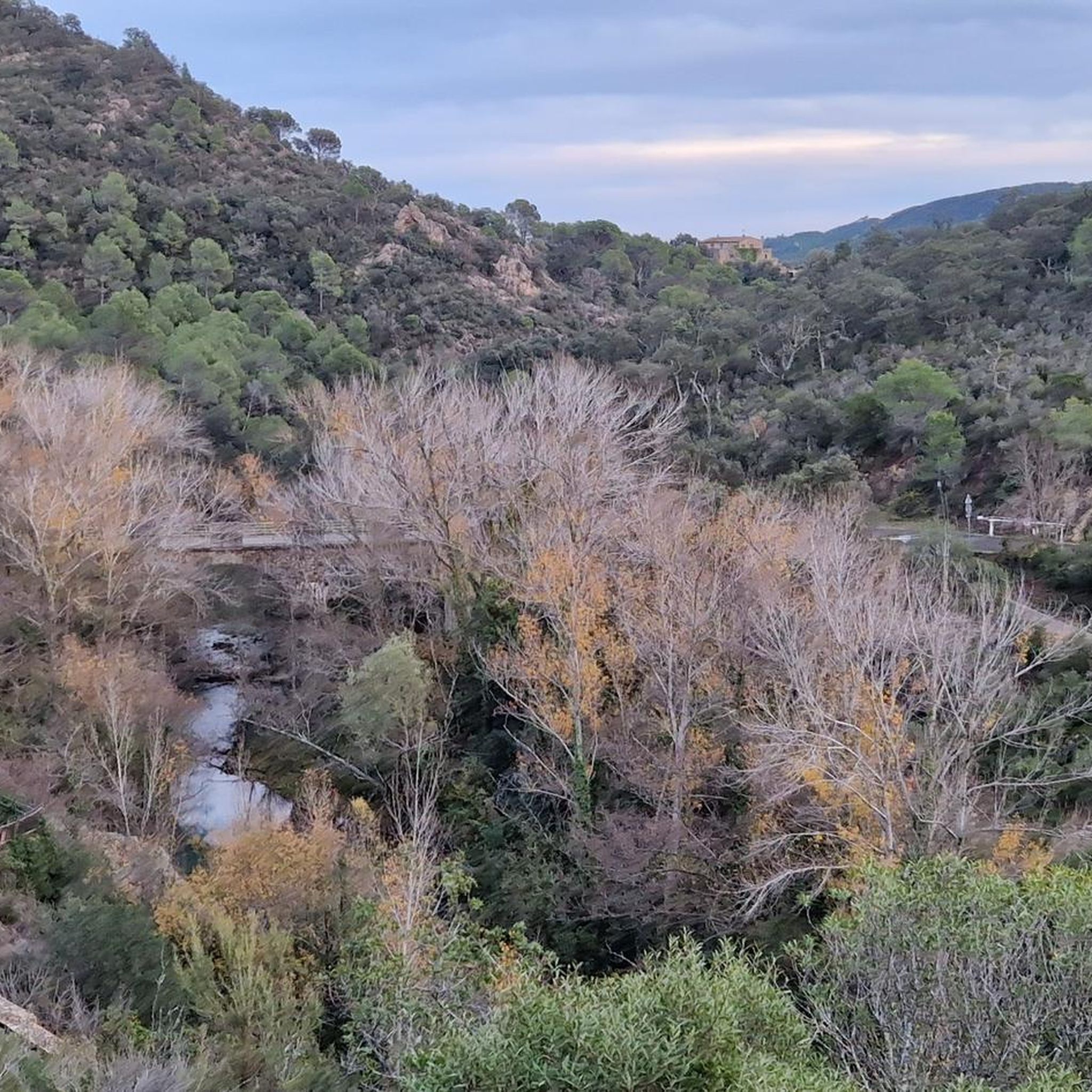
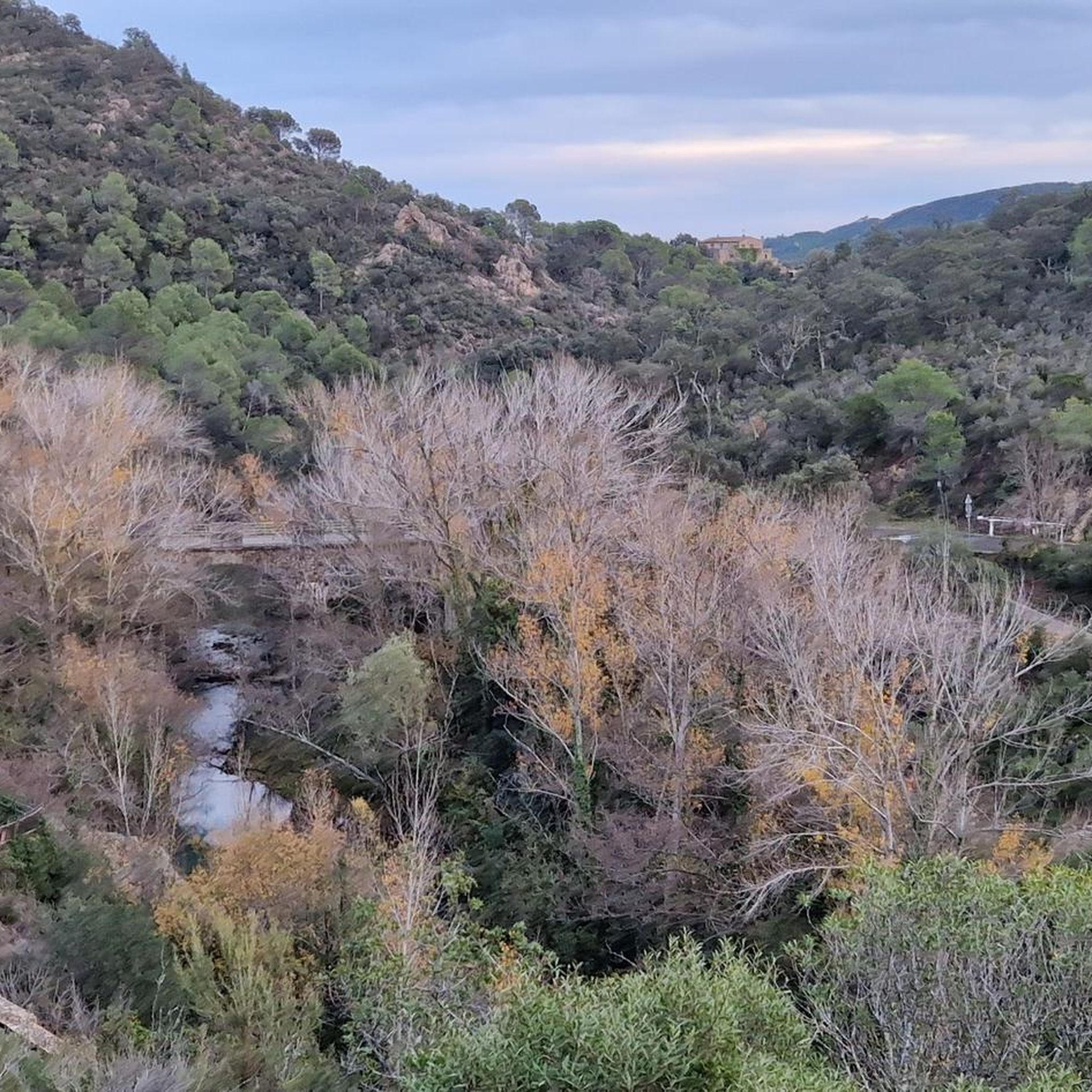
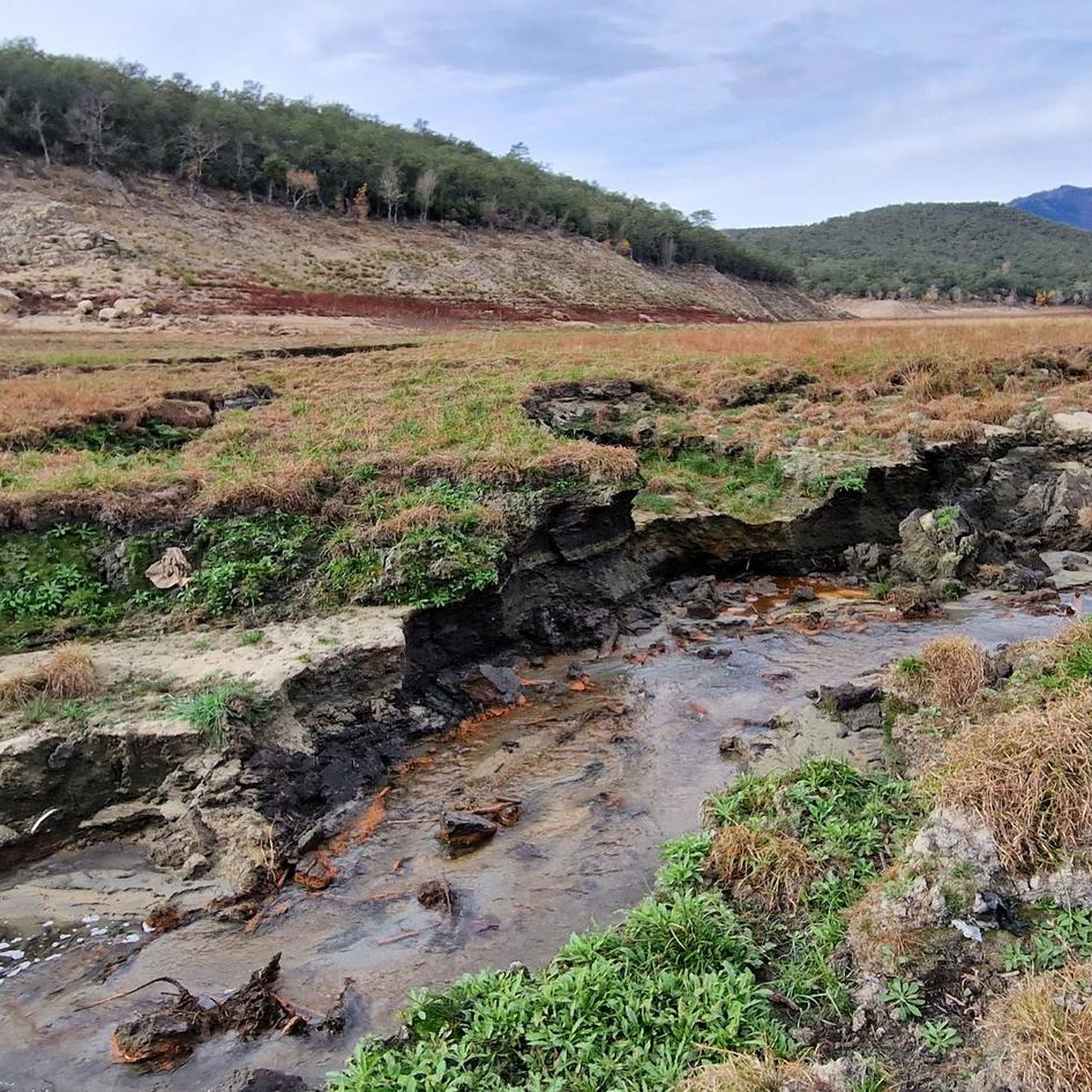
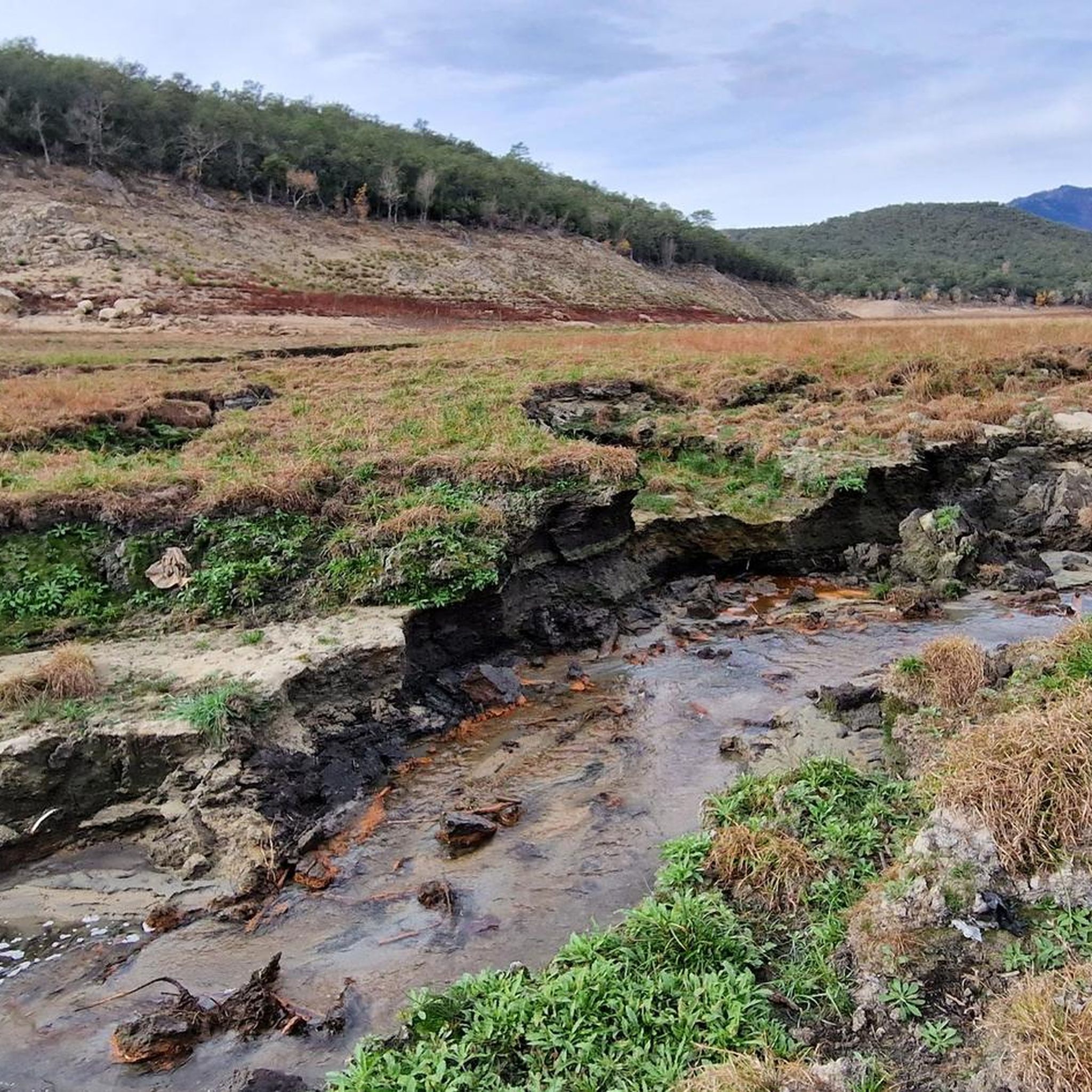
Sad scenario when filming with him, 3 years ago it was at 95% and on 12-12-23 at 15% The Pantà de Darnius-Boadella, also known as the Boadella Reservoir, is an important reservoir located on the Muga River, near the town of Darnius in Catalonia, Spain. The construction of this hydroelectric dam began in 1959 and was completed in 1969. The dam is mainly located in Darnius, but also extends within the limits of Sant Llorenç de la Muga, Terrades and Maçanet de Cabrenys. This reservoir is notable for its size and capacity. It has an area of 363.3 hectares and can contain up to 60.2 hm³ of water. The dam itself is a gravity dam with a height of 63 meters and a length of 250 meters. Its main purposes include hydroelectric power production, irrigation and drinking water supply. In addition to its operational functions, the reservoir offers recreational activities such as water skiing, canoeing and sailing. It is known as a freshwater beach alternative for those who prefer enclosed waters over open seas. The reservoir supplies water to the city of Figueres and several coastal towns in the region, in addition to irrigating approximately 4,200 hectares of land https://www.youtube.com/watch?v=Hy5ZGfyzK08
3
0
The Pantà de Darnius-Boadella, also known as the Boadella Reservoir, is an important reservoir located on the Muga River, near the town of Darnius in Catalonia, Spain. The construction of this hydroelectric dam began in 1959 and was completed in 1969. The dam is mainly located in Darnius, but also extends within the limits of Sant Llorenç de la Muga, Terrades and Maçanet de Cabrenys. This reservoir is notable for its size and capacity. It has an area of 363.3 hectares and can contain up to 60.2 hm³ of water. The dam itself is a gravity dam with a height of 63 meters and a length of 250 meters. Its main purposes include hydroelectric power production, irrigation and drinking water supply. In addition to its operational functions, the reservoir offers recreational activities such as water skiing, canoeing and sailing. It is known as a freshwater beach alternative for those who prefer enclosed waters over open seas. The reservoir supplies water to the city of Figueres and several coastal towns in the region, as well as irrigating approximately 4,200 hectares of land.
3
0
Frequently Asked Questions
What kind of terrain can I expect on touring cycling routes around Darnius?
Touring cycling routes around Darnius offer a diverse landscape. You'll find paths circling the expansive Darnius-Boadella reservoir, as well as trails through lush forests, including serene oak groves. The region also features low-altitude mountains like the Sant Llorenç and Albères ranges, providing a mix of rural roads, forest tracks, and some challenging unpaved segments. The terrain can vary from gentle loops to routes with significant elevation changes.
Are there touring cycling routes suitable for beginners or those looking for an easier ride in Darnius?
While many routes in Darnius are rated moderate to difficult, there are options that cater to varying fitness levels. For example, the Darnius-Boadella Reservoir – Old Bridge of Pont de Molins loop from Darnius is a moderate 17.6-mile (28.3 km) path that offers scenic views without extreme challenges. It's always recommended to check the route details on komoot for specific difficulty ratings and elevation profiles.
How many touring cycling routes are available in Darnius?
There are over 10 touring cycling routes available around Darnius on komoot. These routes have been explored by more than 1,000 touring cyclists and are highly rated by the community.
What natural features and landmarks can I see while touring cycling in Darnius?
The routes around Darnius are rich in natural beauty and historical landmarks. You can cycle past the impressive Darnius-Boadella reservoir and its dam, which offers stunning views. Historical sites like the Old Bridge and the Old Bridge of Pont de Molins are often incorporated into routes. You might also encounter the Pou de la Neu Pass or explore areas near the Puig del Faig.
Are there any historical sites to explore along the cycling routes near Darnius?
Yes, Darnius and its surroundings are dotted with historical points of interest. Besides the Old Bridge and the Old Bridge of Pont de Molins, you might encounter the Church of Sant Llorenç de la Muga, or the Royal Foundry of Sant Sebastià de la Muga, which becomes visible during periods of drought. The Menhir Quer Afumat I is another ancient landmark in the area.
Can I find viewpoints with scenic vistas on the touring cycling routes in Darnius?
Absolutely. Many touring cycling routes in Darnius offer breathtaking viewpoints. The Darnius-Boadella reservoir itself provides stunning panoramic views, especially from routes that circle it or pass by the Darnius Dam. Routes like Gorgues de l'Arnera – View of the Boadella Reservoir loop from Darnius are specifically designed to showcase these scenic vistas.
Are there circular touring cycling routes available around Darnius?
Yes, many of the touring cycling routes around Darnius are designed as circular loops, making them convenient for day trips. Popular examples include the Old Bridge – Darnius-Boadella Reservoir loop from Darnius and the Darnius-Boadella Dam – Darnius-Boadella Reservoir loop from Darnius, allowing you to start and end in the same location.
What is the best time of year to go touring cycling in Darnius?
The region around Darnius, including the Sant Llorenç mountains and the Albères mountain range, offers changing landscapes throughout the seasons. Generally, spring and autumn provide pleasant temperatures for cycling, with lush greenery in spring and vibrant colors in autumn. Summer can be warm, but routes around the reservoir might offer refreshing breezes. It's advisable to check local weather conditions before planning your trip.
What do other touring cyclists enjoy the most about touring cycling in Darnius?
The touring cycling routes in Darnius are highly rated by the komoot community, with an average score of 4.4 stars from over 70 reviews. Cyclists often praise the diverse terrain, the stunning views of the Darnius-Boadella reservoir, and the opportunity to explore both natural landscapes and historical sites. The network of rural roads and forest tracks that avoid busy traffic is also a significant draw.
Are there any challenging touring cycling routes for experienced riders in Darnius?
Yes, Darnius offers several challenging routes for experienced touring cyclists. For instance, the Pou de la Neu Pass – Puig del Faig loop from Darnius is a difficult 43.5-kilometer route with significant elevation gain, perfect for those seeking a demanding ride. The region's low-altitude mountains provide plenty of opportunities for more strenuous cycling adventures.
Can I find places to eat or stay near the touring cycling routes in Darnius?
Darnius and its surrounding towns offer various amenities for cyclists. While specific cafes or pubs directly on every route might vary, you'll find options in the villages and towns along or near the routes. It's a good idea to plan your stops in advance, especially for longer rides, to ensure you have access to refreshments and accommodation.
Are there any opportunities for wild swimming near the cycling routes in Darnius?
The central feature of the area is the Darnius-Boadella reservoir, which is a hub for various water sports, including swimming. While specific 'wild swimming' spots might require local knowledge, the reservoir itself provides opportunities for a refreshing dip, especially during warmer months, and many cycling routes circle or pass by its shores.
Most popular attractions around Darnius

Get inspired with the komoot mobile app


Explore more
Browse the best Cycling routes in other regions.
