The best road cycling routes around Monesterio
4.5
(6)
812
riders
18
rides
Road cycling around Monesterio, located in Extremadura, Spain, offers diverse landscapes for cyclists. The region is characterized by its position within the Sierra Morena mountain range and extensive dehesas, featuring holm and cork oaks. Routes often include a mix of paved roads and tracks, with varied elevation gains. This terrain provides a compelling backdrop for active exploration on two wheels.
Best road cycling routes around Monesterio
- The most popular road cycling route is Subida Monasterio de Tentudia — vuelta desde…
Last updated: July 13, 2026
22
riders
51.3km
03:05
1,100m
1,100m
Hard road ride. Very good fitness required. Some segments of this route may be unpaved and difficult to ride.
71
riders
93.1km
05:56
1,820m
1,820m
Hard road ride. Very good fitness required. Some segments of this route may be unpaved and difficult to ride.

Sign up for free
5.0
(1)
25
riders
33.7km
02:39
770m
770m
Moderate road ride. Good fitness required. Some segments of this route may be unpaved and difficult to ride.
5.0
(1)
24
riders
30.5km
01:55
670m
680m
Moderate road ride. Good fitness required. Mostly well-paved surfaces and easy to ride.
5.0
(1)
24
riders
47.5km
02:49
940m
940m
Hard road ride. Very good fitness required. Mostly well-paved surfaces and easy to ride.
Get access to more routes and recommendations from other explorers.
Sign up for free
Already have an account?
Our route recommendations are based on thousands of hikes, rides, and runs completed by other people on komoot.
Start today with a free account
Your next adventure awaits.
Login or Signup

Tips from the Community

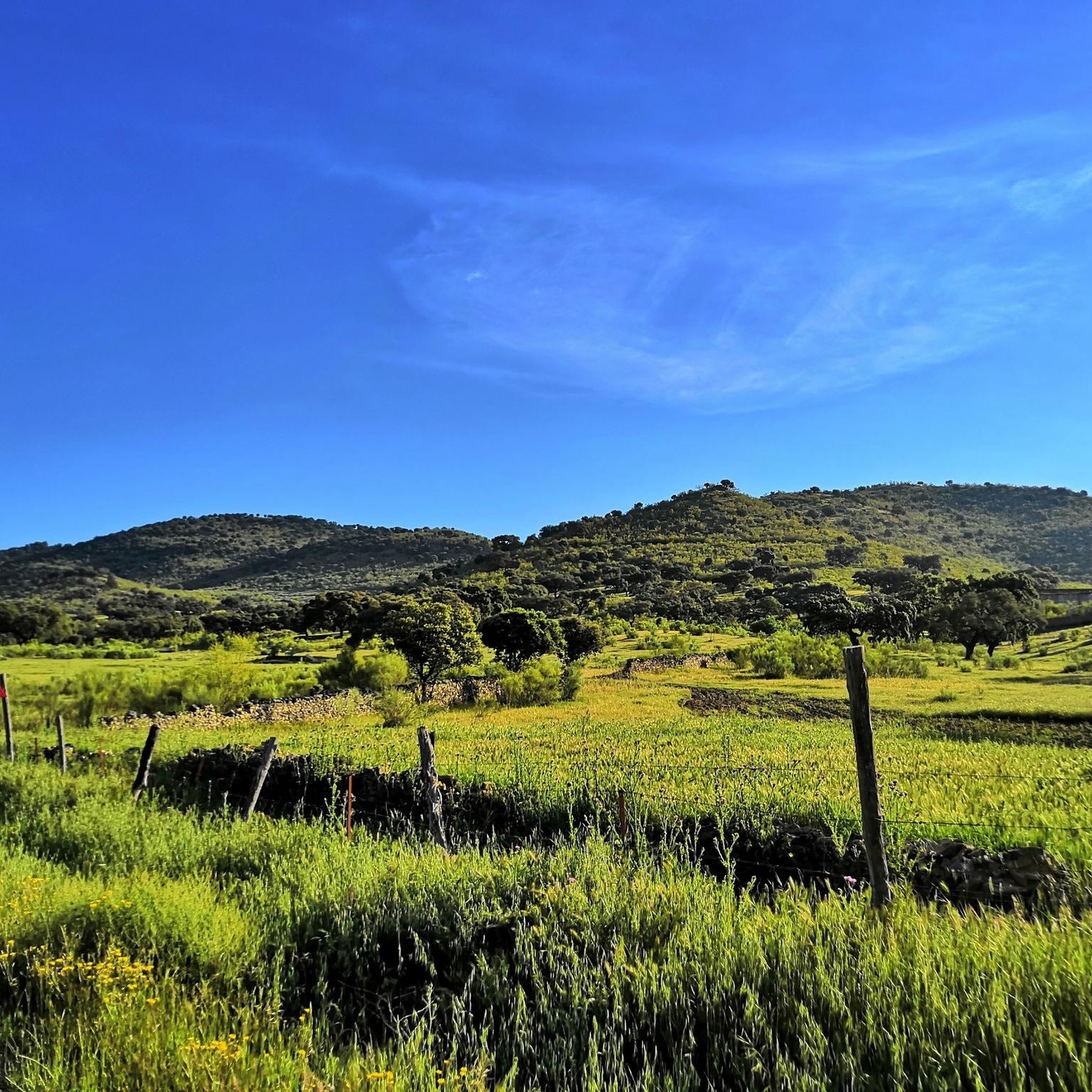
The Vía de la Plata, as it passes through Monesterio, especially in the La Dehesa area, offers one of the most beautiful and representative stretches of the Extremadura landscape: a Mediterranean pastureland, with holm oaks, cork oaks, and pastures where Iberian pigs, cows, and sheep graze.
4
0
The Parish Pilgrims' Hostel in Monesterio is a welcoming and affordable place for pilgrims travelling the Vía de la Plata.
6
0

We are in the beautiful natural environment that surrounds the Monastery of Tentudía, where the beautiful Mudejar cloister stands out especially. The views from the top of Alto de Tentudía are impressive, offering a panoramic view of the region and its landscapes of meadows and mountains typical of the south of Badajoz. According to legend, in the 13th century during a battle against the Arabs, the master of the Order of Santiago, Pelay Pérez Correa, cried out to the Virgin shouting: "Holy Mary, stop your day" when he saw that night was approaching and the victory was not assured. It is said that the sun stopped on the horizon allowing the Christian troops to win. As thanks, the master ordered the construction of a temple dedicated to Santa María de Tentudía. At the end of the visit we can go to the bar where we can eat or drink while enjoying the scenery.
1
0
The legend about the Tentudía Monastery has its origin in the 13th century, during the Reconquest, when the monarch Fernando III El Santo commissioned the master Pelay Pérez Correa, of the Order of Santiago, to take the mountains of the Tentudía region from the Saracens. .
11
0

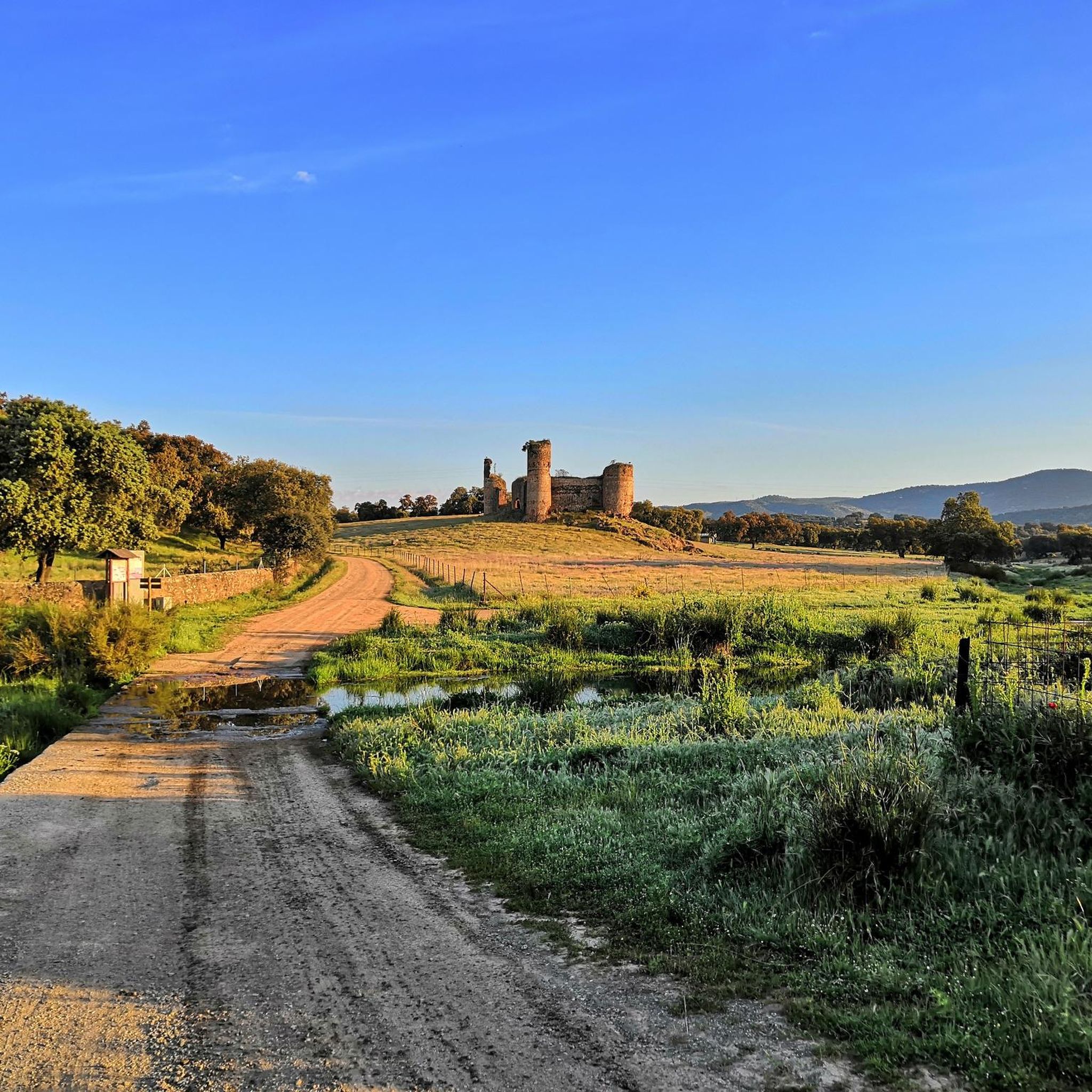
Municipality close to the town of Monesterio and which is characterized by having a castle on top of one of the hills close to the centre. This is seen when you enter the town.
0
0

This section of the Vía de la Plata runs through La Dehesa de Calera de León, a beautiful setting with lots of trees and a picturesque landscape of the interior of Extremadura.
1
1
Convent located in the town of Calera de León, a fortified religious building that has united the town for years.
0
0
Beautiful Monastery with privileged views of the area and the surrounding area. The interior is restored with explanations of what the site previously represented.
0
0
Frequently Asked Questions
What kind of terrain can I expect on road cycling routes around Monesterio?
Road cycling routes in Monesterio feature a varied terrain, often including a mix of paved roads, tracks, and cycleways. You'll encounter surfaces ranging from smooth asphalt to some gravel sections, particularly when traversing the dehesas. The region is situated within the Sierra Morena mountain range, so expect moderate to significant elevation gains, with some routes featuring up to 1500 feet (450 meters) of climbing.
Are there challenging road cycling routes for experienced riders in Monesterio?
Yes, Monesterio offers several challenging routes for experienced road cyclists. For instance, the Monastery of Tentudía – Cerro de Tentudia loop from Monesterio is a demanding ride covering 85.9 km with over 1700 meters of elevation gain. Another difficult option is the Subida Monasterio de Tentudia — vuelta desde Monesterio, which is 51.3 km long with nearly 1100 meters of ascent.
What natural features will I see while cycling in Monesterio?
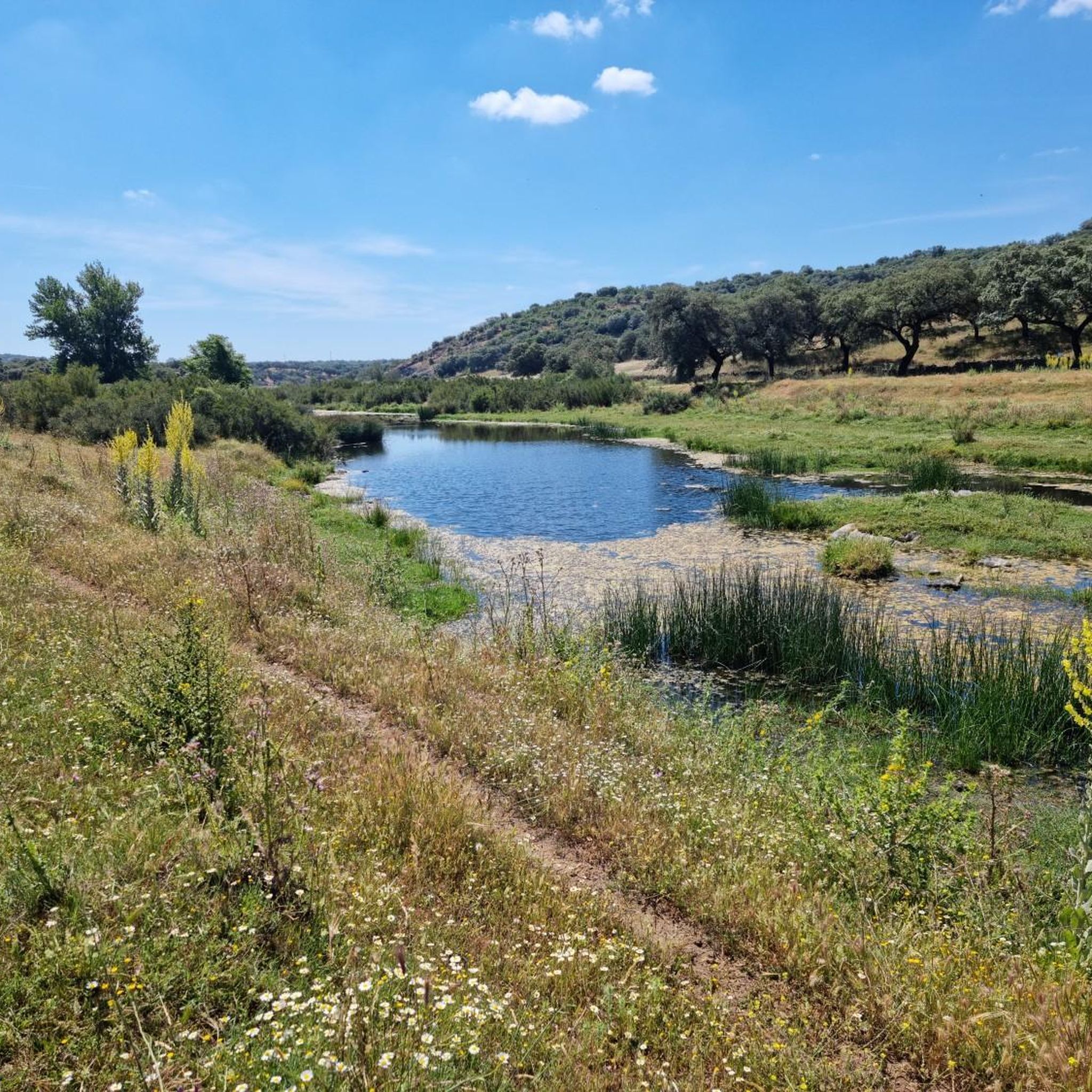
While cycling around Monesterio, you'll primarily experience the unique landscapes of the Sierra Morena and the dehesas. The Sierra Morena offers rugged, scenic mountain views, while the dehesas are characterized by extensive pasturelands dotted with ancient holm and cork oaks. You might also discover tranquil spots like a small lagoon in the dehesa, providing a peaceful natural oasis.
Are there any historical landmarks or attractions along the road cycling routes?
Yes, the region around Monesterio is rich in historical elements. Many routes, including sections of the Vía de la Plata, pass by ancient sites. You can encounter various castles, such as the Castle of the Towers or the View of El Real de la Jara Castle. The Dehesa along the Vía de la Plata itself is a scenic and historically significant area.
What is the best time of year for road cycling in Monesterio?
The best time for road cycling in Monesterio is generally during the spring (March to May) and autumn (September to November) months. During these periods, the weather is typically milder and more pleasant, avoiding the intense heat of summer and the cooler, potentially wetter conditions of winter. This allows for more comfortable exploration of the region's diverse landscapes.
Are there any easy or moderate road cycling routes suitable for beginners or families?
While many routes in Monesterio are rated as difficult, there are moderate options available. The Cerro de Tentudia – Monastery of Tentudía loop from Monesterio is a moderate 30.5 km route with over 670 meters of elevation gain, offering a good balance for those seeking a less strenuous but still engaging ride. The Santa Olalla Castle loop from Monesterio is another moderate option, covering 50.7 km with around 600 meters of ascent, traversing the dehesas.
How many road cycling routes are available around Monesterio?
There are over 15 road cycling routes available around Monesterio, catering to various fitness levels. These routes explore the diverse landscapes of the Sierra Morena and the dehesas, offering a range of distances and elevation profiles.
What do other road cyclists say about their experience in Monesterio?
The road cycling routes in Monesterio are highly rated by the komoot community, with an average score of 5.0 stars from 3 reviews. Cyclists often praise the challenging climbs, the stunning natural beauty of the Sierra Morena, and the tranquil, picturesque dehesas with their holm and cork oaks.
Are there any loop routes for road cycling in Monesterio?
Yes, Monesterio features several excellent loop routes for road cyclists. Popular options include the challenging Subida Monasterio de Tentudia — vuelta desde Monesterio, the longer Monastery of Tentudía – Cerro de Tentudia loop from Monesterio, and the moderate Santa Olalla Castle loop from Monesterio, which offers views of the rural landscape.
Is it possible to find parking for road cycling in Monesterio?
Monesterio, as a hub for outdoor activities, generally offers parking options suitable for cyclists. While specific designated cycling parking areas may vary, you can typically find parking within the town or at common starting points for routes, especially near local amenities. It's advisable to check local signage for any restrictions.
Can I combine road cycling with exploring the Vía de la Plata near Monesterio?
Absolutely. Monesterio is strategically positioned along the historic Vía de la Plata, an ancient Roman road that has been adapted for cycle tourism. You can easily integrate sections of this route into your road cycling plans, experiencing both the historical significance and the picturesque landscapes of Extremadura. The Dehesa along the Vía de la Plata is a particularly scenic section.
Most popular routes around Monesterio
Most popular attractions around Monesterio

Get inspired with the komoot mobile app


Explore more
Browse the best Road cycling routes in other regions.
