Attractions and Places To See around Formentera - Top 20
Attractions and places to see around Formentera include a diverse range of natural features, historical sites, and cultural points of interest. This small Balearic island is characterized by its pristine beaches, salt-water lagoons, and protected natural parks. The landscape features historic lighthouses, ancient watchtowers, and significant archaeological sites. Formentera offers opportunities to explore its natural beauty and cultural heritage.
Best attractions and places to see around Formentera
- The most popular attractions is Ses Portes Tower, a man-made monument that served as a 16th-century defense tower. It was built in 1750 and equipped with cannons to protect the island.
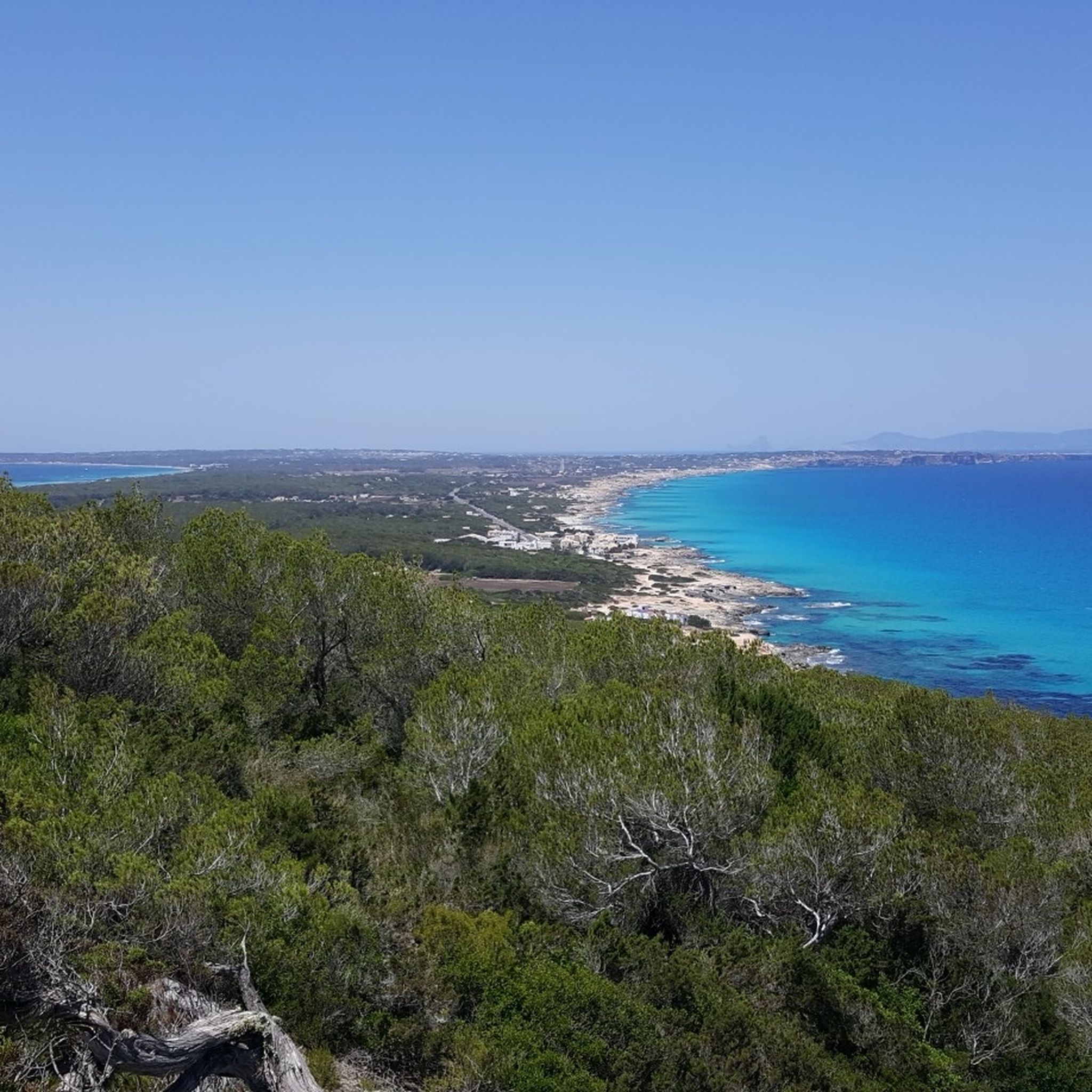
- Another must-see spot is La Mola Lighthouse, a man-made monument located on a cliff 120 meters above sea level. It offers views of the Mediterranean and houses a space for the dissemination of the island's maritime heritage.
- Visitors also love Ses Salines Beach, a beach located on the island of Ibiza. It is a large sandy area over 4 kilometers in length, protected as a Natural Area of Special Interest.
- Formentera is known for its lighthouses, beaches, and historical sites. The island offers a variety of attractions to see and explore, from natural monuments to ancient defensive structures.
- The attractions around Formentera are appreciated by the komoot community, with 182 upvotes and 57 photos shared across various highlights.
Last updated: August 29, 2026
Ses Portes Tower
Highlight • Monument
Translated by Google •
Tip by

La Mola Lighthouse
Highlight • Monument
It is an impressive place to enjoy splendid views of the Mediterranean.
Currently, the lighthouse houses a space for the dissemination of the maritime heritage of the island of Formentera.
Translated by Google •
Tip by

Sign up now to discover places like this
Get recommendations on the best single tracks, peaks, & plenty of other exciting outdoor places.
Sign up for free
Barbaria Lighthouse
Highlight • Monument
Translated by Google •
Tip by

Cove of the Dead
Highlight • Beach
Translated by Google •
Tip by

Church of Our Lady of Pilar (Església del Pilar de la Mola)
Highlight • Religious Site
Translated by Google •
Tip by

Sign up for free to discover even more attractions around Formentera.
Sign up for free
Already have an account?
Start today with a free account
Your next adventure awaits.
Login or Signup
Popular around Formentera



Tips from the Community

Caló des Mort is one of the most iconic and photogenic coves in Formentera. It is a small, pristine inlet located on the southern coast, known for its transparent waters that resemble a natural swimming pool. It is surrounded by low, reddish cliffs and traditional fishermen's huts (escars). Size: It is very small. Due to its beauty, it usually fills up quickly in summer; the ideal is to arrive before 9:00 AM. (in summer, of course) It is located at the end of the Migjorn area, and from there, down a rustic staircase carved into the rock. It is not suitable for people with reduced mobility. (there is even a rope to improve stability) If you come by car, you must park in the Es Ram urbanization area or near the Hotel Maryland and walk about 10-15 minutes along a coastal path. Keep in mind that there are no beach bars or sun lounger rentals on the sand itself. Bring water and food, and it is advisable to wear closed shoes or water shoes for the rocky path. On the other hand, its crystal-clear waters and rocky bottoms make it perfect for snorkeling.
0
0
The Iglesia de la Mare de Déu del Pilar, located in the upper area of La Mola in Formentera, is a simple 18th-century temple (started in 1771) built to serve the inhabitants of the area. It stands out for its rural Ibizan architecture, with a rectangular floor plan and an exterior atrium, being a Site of Cultural Interest. It is located in El Pilar de la Mola, Formentera and was built in the 18th century to serve La Mola. It is in the typical style of rural churches of the Pitiusas: a single nave, buttresses, and a front atrium, situated in the village of El Pilar de la Mola, near the famous lighthouse and the artisan market. The church is a point of historical tranquility, ideal to visit after exploring the Mercadillo de la Mola, which is held on Wednesday and Sunday afternoons.
0
0
El Faro de Barbaria (or Far de Cap de Barbaria) is one of the most representative icons of Formentera, located in the southwestern end of the island. It was inaugurated in 1971 (although planned since 1924) and measures about 17 meters in height. It stands on an impressive vertical cliff about 100 meters above sea level. Due to high visitor numbers, access by car or scooter is restricted during high season. You must leave your vehicle in a nearby parking lot and take a walk (about 15-20 minutes) along a narrow road that offers spectacular views. It is worth continuing the walk to Torre des Garroveret.
0
0
Opening hours: (visits) Tuesday to Sunday, from 9 am to 2 pm. Monday closed General admission, €4; reduced €2.5 If you plan to go by bike, keep in mind that it is on a plain at the highest point of an island, so there will be headwinds, from all sides. Even so, it is worth it, the feeling of arrival along a straight and flat road where you can see the lighthouse almost 2kms away and you see it approaching.... to reach impressive cliffs, it pays off all the effort.
0
0

It's a small, hidden cove of sand and rocks, surrounded by low cliffs. It's typically a quiet corner of the island where you can enjoy its crystal-clear waters.
0
0

Church on the island of Formentera. The white simple church of the same name, del pilar de la mola
1
0
La Mola Lighthouse rises 22 metres high on a 158-metre cliff above the Mediterranean Sea at the eastern end of Formentera. The lighthouse houses a museum space dedicated to maritime heritage, presenting exhibitions on the history of navigation and the role of lighthouses.
1
0

There are different ways to get there. Parking costs €7 per car.
0
0
Frequently Asked Questions
What natural features and viewpoints can I explore in Formentera?
Formentera offers stunning natural beauty. You can visit the iconic La Mola Lighthouse and Barbària Lighthouse for breathtaking views of the Mediterranean. The island is also home to the Ses Salines Natural Park, which includes diverse terrestrial and marine habitats, and salt-water lagoons like Estany Pudent. Don't miss the Cove of the Dead, a picturesque spot for snorkeling and enjoying the sea.
Which beaches are recommended for visitors in Formentera?
Formentera is renowned for its pristine beaches. Ses Salines Beach, though located on Ibiza, is a large sandy area protected as a Natural Area of Special Interest. On Formentera itself, Playa de Ses Illetes, part of the Ses Salines Natural Park, is famous for its narrow sandy peninsula. Other highly recommended beaches include Cala Saona, Caló des Mort, Es Arenals Beach, and Migjorn Beach, all offering crystal-clear turquoise waters.
What historical sites and cultural points of interest can I find in Formentera?
The island has a rich history. You can explore several 18th-century watchtowers built to guard against pirates, such as Ses Portes Tower, Torre des Pi des Català, and Torre de Sa Guardiola. The capital, Sant Francesc Xavier, features an austere parish church designed as a fortress. El Pilar de la Mola hosts a popular bohemian market, and Es Caló de Sant Agustí is known for its traditional wooden boathouses. The Ethnographic Museum in Sant Francesc offers insights into traditional island life.
Are there any ancient archaeological sites on Formentera?
Yes, Formentera has significant archaeological sites. The Megalithic Tomb of Ca na Costa is the most important prehistoric monument, dating from the Bronze Age. You can also find the Cap de Barbaria Megalithic Settlement and the Can Blai Roman Castellum, providing evidence of early human presence on the island.
What outdoor activities, like cycling or running, are available near these attractions?
Formentera is excellent for outdoor activities. You can find numerous routes for cycling and running. For example, there are road cycling routes like 'Climb to the Faro de la Mola' or 'Cap de Barbaria Lighthouse loop from Sant Ferran de ses Roques'. Running trails include 'Watchtowers and coves of Formentera' and 'Salt Lagoon – Estany Pudent loop'. You can find more details and specific routes in the Road Cycling Routes around Formentera, Running Trails around Formentera, and Cycling around Formentera guides.
Are there family-friendly attractions in Formentera?
Many attractions in Formentera are suitable for families. Beaches like Cala Saona and Es Arenals are ideal for a relaxing day with children. The La Mola Lighthouse and Barbària Lighthouse offer impressive views that can be enjoyed by all ages. Exploring the Ses Salines Natural Park and its lagoons can also be an engaging experience for families interested in nature.
When is the best time to visit Formentera's attractions?
The best time to visit Formentera is generally from May to October when the weather is warm and sunny, perfect for enjoying the beaches and outdoor activities. The popular bohemian market in El Pilar de la Mola also runs during this period. For those looking to avoid peak crowds, late spring (May-June) and early autumn (September-October) offer pleasant temperatures and a more tranquil experience.
What do visitors particularly enjoy about the attractions in Formentera?
Visitors frequently praise the stunning views from the lighthouses, especially the La Mola Lighthouse, which offers spectacular Mediterranean vistas. The pristine beaches and crystal-clear waters are also a major draw, with many enjoying snorkeling at spots like the Cove of the Dead. The island's tranquil atmosphere and opportunities for cycling and walking along its 'green routes' are also highly appreciated.
Are there any traditional markets or craft markets to visit?
Yes, Formentera is known for its vibrant craft markets. The most popular is the bohemian market in El Pilar de la Mola, which operates from May to October. You can also find craft markets in Sant Ferran, offering local products and handmade goods, perfect for finding unique souvenirs.
What are the notable lighthouses in Formentera?
Formentera features several historic lighthouses. The La Mola Lighthouse, perched on a 120-meter-high cliff, is famous for sunrises and houses a maritime heritage museum. The Cap de Barbaria Lighthouse, at the island's southernmost point, offers spectacular sunset views. The La Savina Lighthouse is another significant navigational point.
Can I explore Formentera's attractions by bike or on foot?
Absolutely! Formentera has an extensive network of 'green routes' specifically designed for exploring the island's natural beauty by bike or on foot. These routes allow you to discover hidden paths, old flour mills, cisterns, and fig trees, offering a sustainable way to experience the island. You can find detailed cycling and running routes in the dedicated Komoot guides.
Are there any hidden gems or less-known spots worth discovering?
Beyond the main attractions, Formentera holds several hidden gems. The traditional windmills, like the well-preserved Molí Vell in La Mola, offer a glimpse into the island's self-sufficient past. The Cova Foradada near Cap de Barbaria Lighthouse provides a cave leading to a natural balcony with sea views. Exploring the charming villages like Sant Ferran de ses Roques, with its bohemian past, can also reveal unique local experiences.
Most popular attractions around Formentera

Get inspired with the komoot mobile app


Explore more
Still not found the Highlight you’re looking for? See guides of the top attractions in other regions:
