The best walks and hikes around Aguilar De Segarra
4.3
(22)
292
hikers
28
hikes
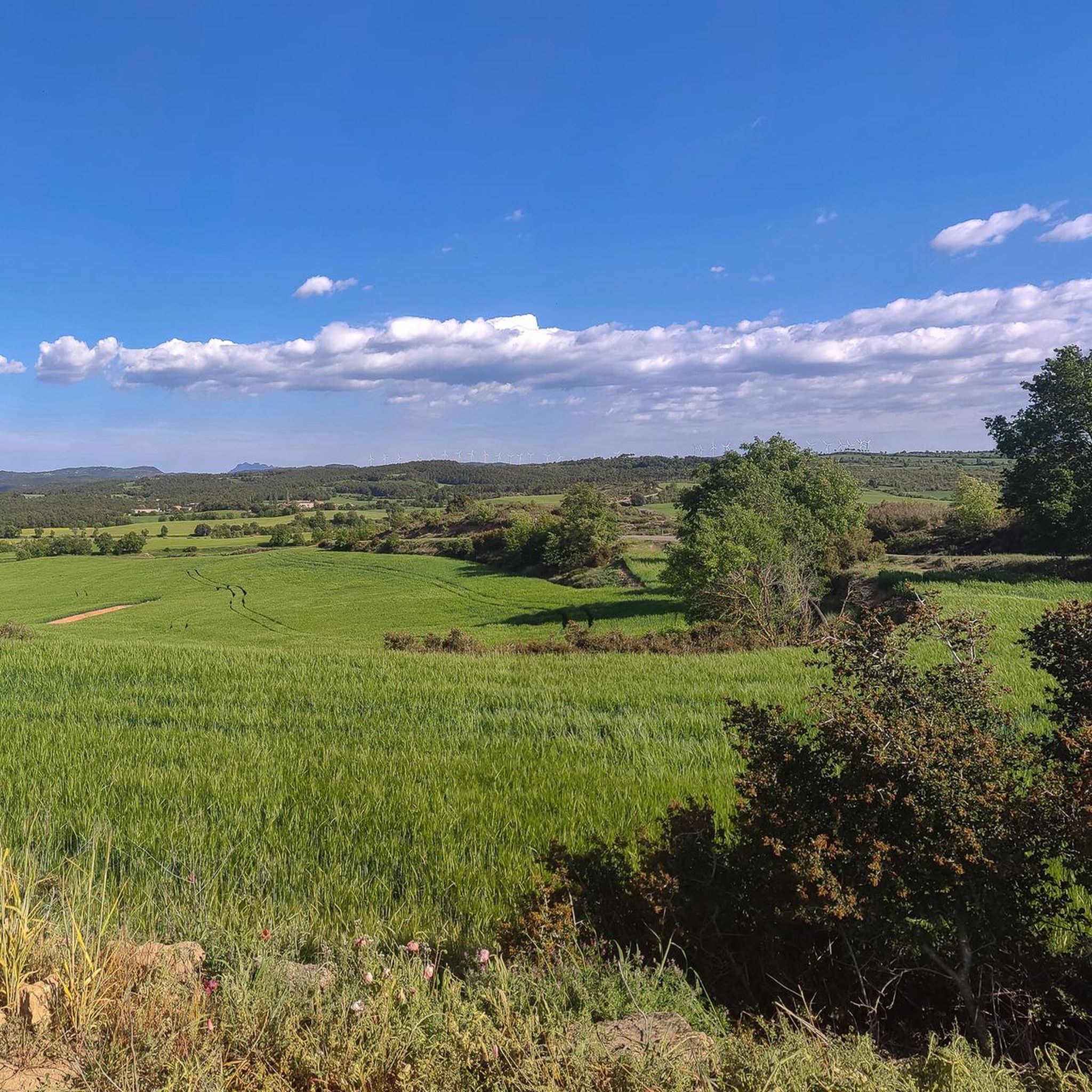
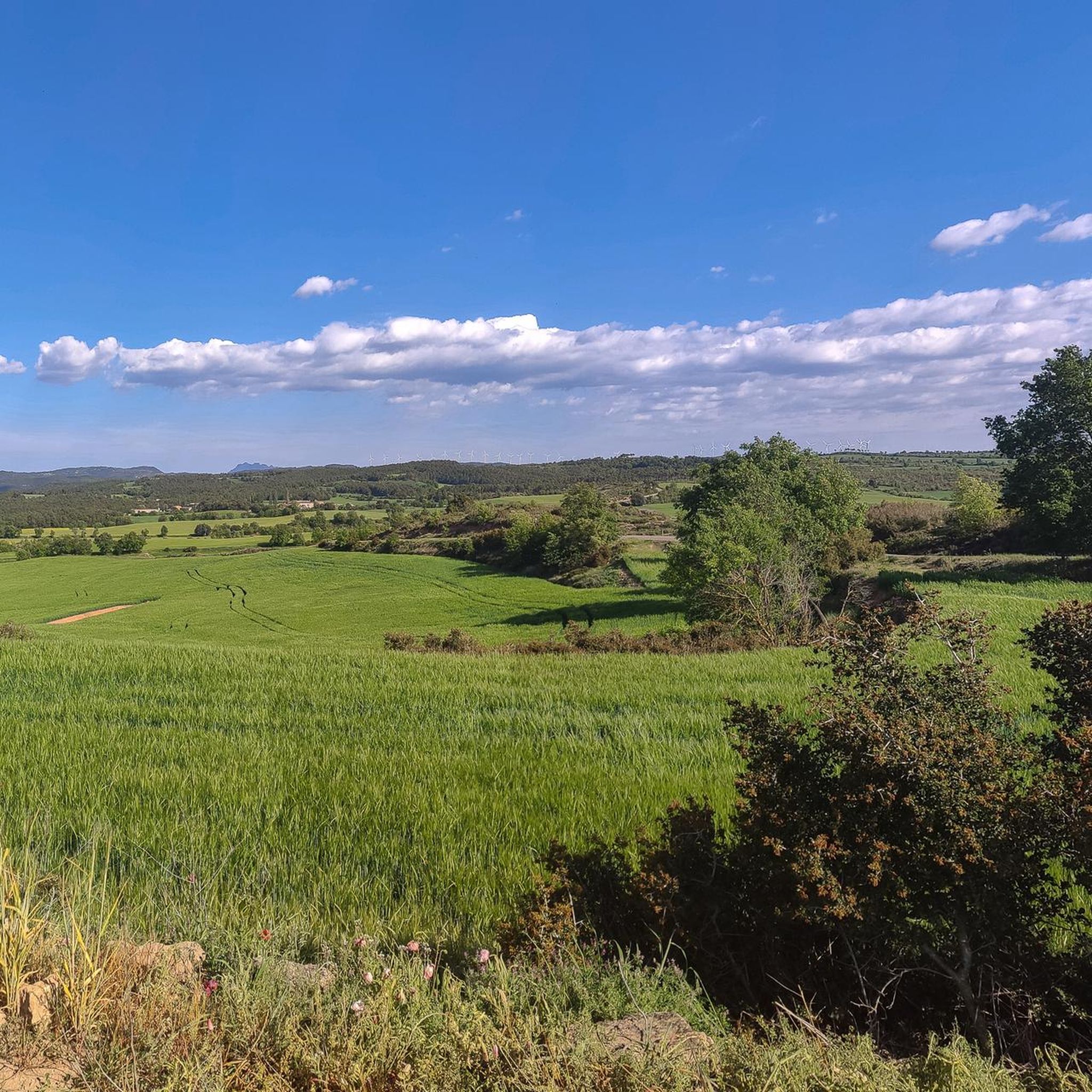
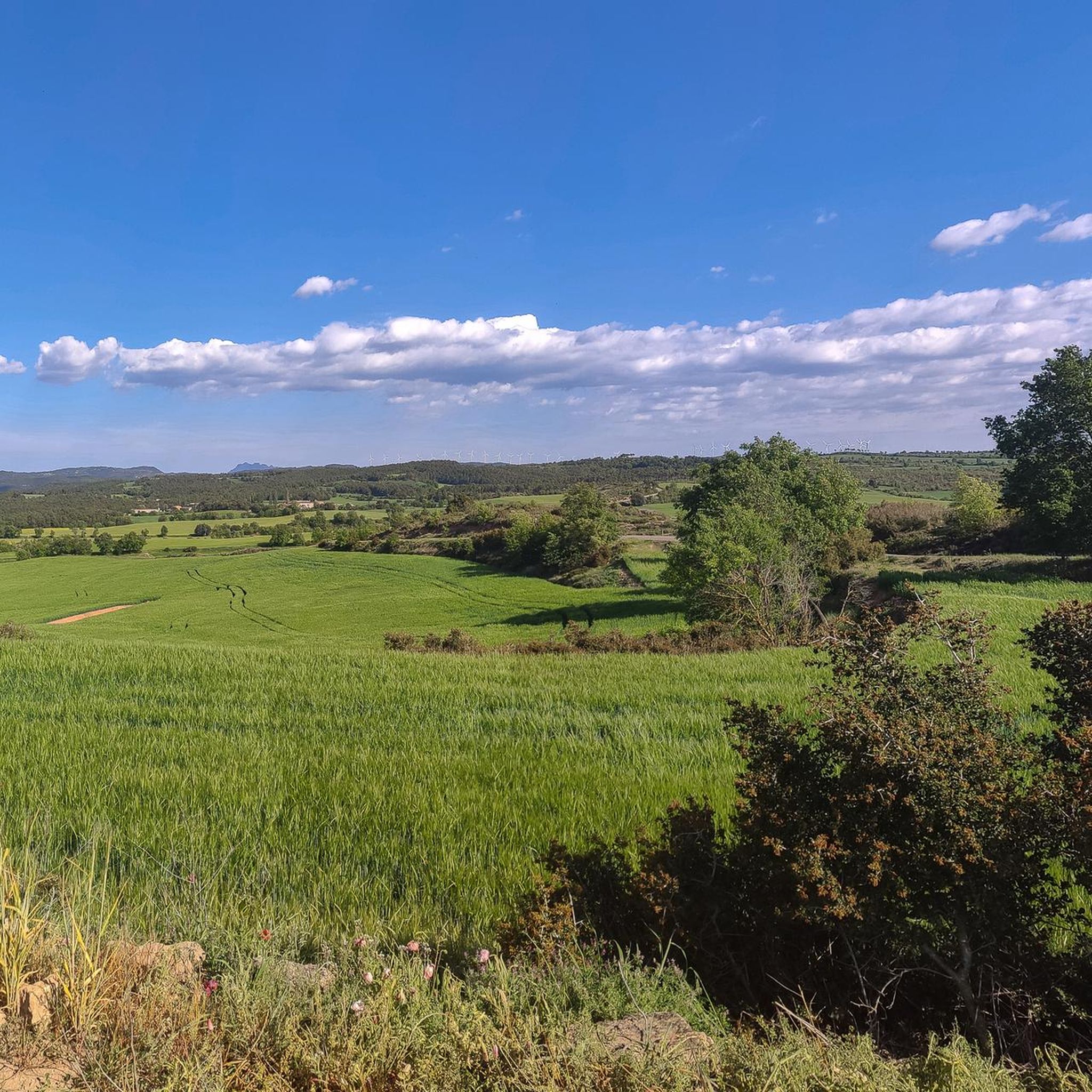
Hiking around Aguilar De Segarra offers diverse landscapes for outdoor enthusiasts. The region is characterized by mixed woodlands, including white pine trees and holm oaks, alongside agricultural lands and riverside vegetation. Hikers can encounter dramatic crags and reddish conglomerate monoliths, which create striking contrasts with the verdant forests on mountain slopes. The terrain provides a variety of paths, from gentle trails to more challenging ascents.
Best hiking trails around Aguilar De Segarra
- The most popular hiking route is Castellfollit del…
Last updated: May 4, 2026
5.0
(3)
26
hikers
Moderate hike. Good fitness required. Easily-accessible paths. Suitable for all skill levels.
4.0
(1)
18
hikers
10.6km
02:57
200m
200m
Moderate hike. Good fitness required. Easily-accessible paths. Suitable for all skill levels.

Sign up for free
4.7
(3)
10
hikers
15.4km
05:01
600m
590m
Hard hike. Very good fitness required. Mostly accessible paths. Sure-footedness required.
8
hikers
12.6km
03:40
320m
320m
Moderate hike. Good fitness required. Easily-accessible paths. Suitable for all skill levels.
4.8
(4)
7
hikers
10.8km
02:59
180m
180m
Moderate hike. Good fitness required. Easily-accessible paths. Suitable for all skill levels.
Get access to more routes and recommendations from other explorers.
Sign up for free
Already have an account?
Our route recommendations are based on thousands of hikes, rides, and runs completed by other people on komoot.
Start today with a free account
Your next adventure awaits.
Login or Signup

Tips from the Community

Historic center of Catalonia, more beautiful than the official one.
0
0


On January 22, 1939, Franco's troops occupied the summit of Cal Xamal, where General García Valiño installed the major plain, and deployed to the upper part of Pla de Fals. Some rudimentary coats that the soldiers made to spend the night can still be found. On the morning of the 23rd, the soldiers began to advance through the Plan, surrounding the group of houses in the Raval d'Oliveres. A republican machine gun, installed at the top of La Torra (see photo above), fired, while another fired from the corner of the boulder. Artillery responded and destroyed part of the construction. The machine gunners withdrew in the direction of Manresa. On the other side of Pla de Fals, on an elevated point in Les Costetes, another machine gun was placed there, which killed a non-commissioned officer of the nationals. In retaliation, the machine gun soldiers were shot. The next day, the owner of Grauet found the bodies of seven soldiers, and a patrol hung them all together. Because the grave was shallow, animals and rains soon uncovered some of the remains, and even today scattered bones of the soldiers are found. Since then, the place has been known as the "Plan of the Dead".
0
0
The Sagimona Tower, also known as "La Torra", is a square-plan farmhouse, covered on four sides and with ridges parallel to the facades. Although it is probably a work of the 17th century, much reformed in the 18th century, it was built next to an old medieval tower of the 11th century. This tower was probably a keep of the neighboring castle of Fals, built to control access through the corner of Pla de Fals and to protect the path from Fals to Rajadell. The tower is cylindrical, with an external diameter of 5.85m and a height of 14.25 metres. Surely, the people of Torreda should acquire rights over the land that surrounded it until it became a prosperous farm, which made the construction of the farmhouse possible. A set of 10 tubs are located on the west side of the building.
0
0
Hut cataloged with code: 6009 Construction type: Isolated aerial Orientation: Est Plant shape: Circular plant InfoType of door: Flat lintel InfoType of cover: False dome Condition: Perfect condition Restored: No Built on a small hill. Disused vineyard shed. Dateable 19th century. Cultivation of the dryland cereal zone. Interior with what could be a small fireplace.
0
0
Hut cataloged with the code: 5918 Construction type: Isolated aerial Orientation: Est Plant shape: Circular plant InfoType of door: Flat lintel InfoType of cover: False dome Condition: Perfect Restored state: No Disused vineyard shed. Dateable 19th century. Cultivation of the dryland cereal zone. Highlight the caramel.
0
0
Small fountain located in the vicinity of the Mas Massana, in the middle of a pine forest. As a built element, it is a small fountain built at the ground level on a small concrete pond that collects water from the fountain and drains it into a small channel.
0
0
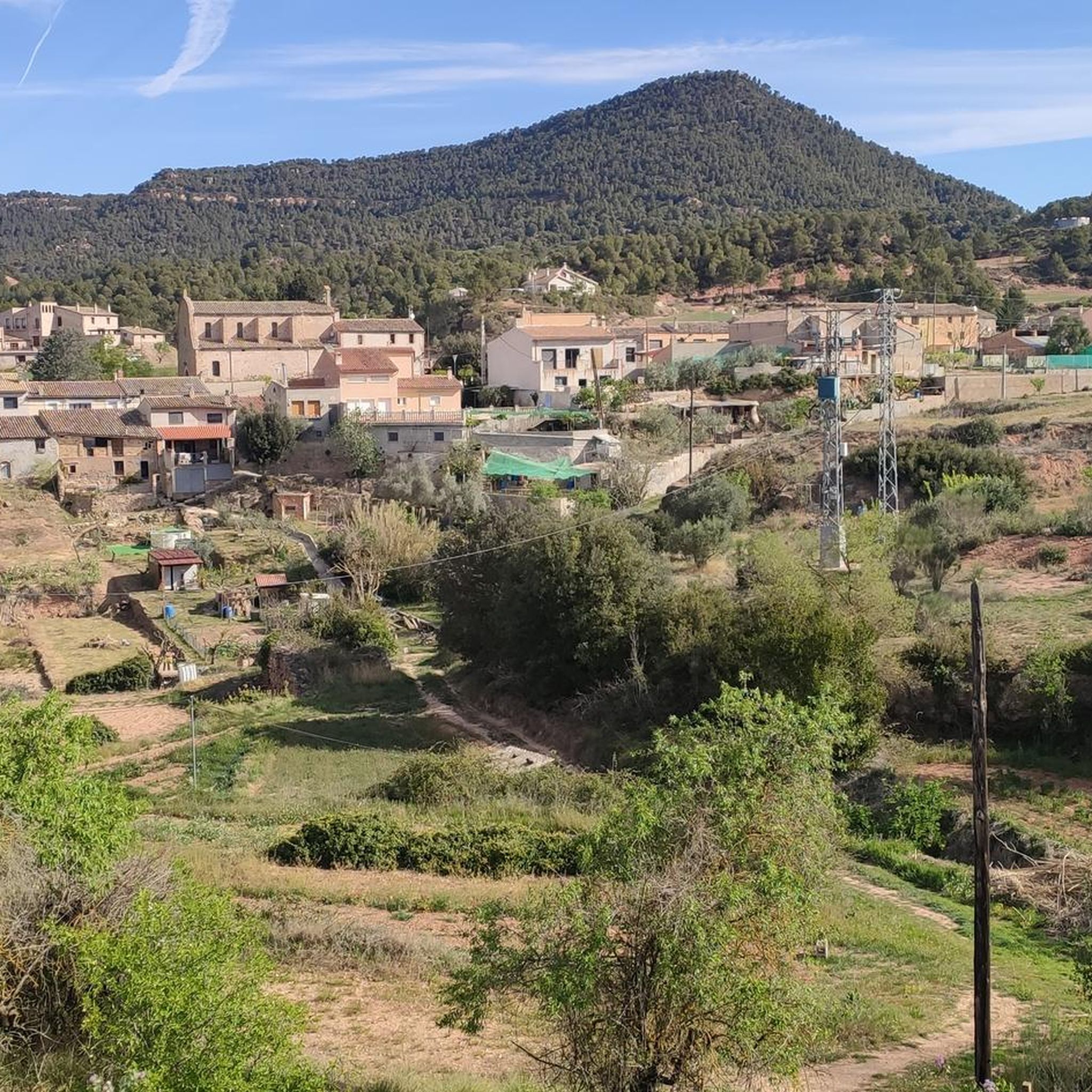
On top of a hill stands a massive building of considerable height, the castle of Rajadell. At the time of the Reconquest, the Spanish Marca needed to control the border that delimited the Christian territory from the Muslim. The Riera de Rajadell valley therefore became a key natural passage for the defense and control of this border and the Rajadell castle was built to meet the need for defense of the valley. Other castles such as Castellar, Boixadors and Torres de Fals also made it possible to defend the enemy's territory. From the 13th century, the history of the castle was linked to the lineage of the Rajadell family, lords of the area who participated in wars such as those of Provence, Navarre, Almeria, Sardinia and Mallorca. In the course of the Generalitat's war against Joan II (in 1471) the castle and the church suffered a lot of damage and were inactive for a long period. In the 16th century the Rajadells were left without a legitimate heir and in 1515 the Cruïlles, who would later come together through marriage ties with the Eimerics, bought the manor. In the 17th century, the Cruïlles-Eimeric heiress, Anna, married Domenico de Pignatelli. From then on, the Pignatelli would be the lords of the castle, despite residing in Naples. At the end of the 19th century, the Princess of Belmonte, owner of the castle, sold the property to Francesc Pons from Manres. Built on top of a hill, next to the stream and the old town, the castle forms a set of three bodies. The first written documentation we find dates from 1063, although we can say that it corresponds to the Gothic period (one of the walls and decorative elements, which could be from the 13th or 14th centuries) and the 17th century. It is difficult, however, to establish which parts correspond to each moment because it has been rebuilt several times. Together with the church, it was the origin of the town of Rajadell. The main building, the tallest, still contains rooms from the different inhabited stages: the dungeon, the armory, the alcoves, the stable, the kitchen, the bedrooms, the dining room, etc. In the northern part of the complex we find the house that was inhabited by the farmers and a defensive turret that faces west. At the end of the 19th century, the Pons repaired the building and furnished it. However, during the civil war the castle was requisitioned by the revolutionary committee and all the valuables there were lost.
0
0
Frequently Asked Questions
What types of landscapes can I expect to see while hiking in Aguilar de Segarra?
Aguilar de Segarra offers a diverse landscape characterized by mixed woodlands, including white pine trees and holm oaks, alongside agricultural lands and riverside vegetation. You'll also encounter dramatic crags and reddish conglomerate monoliths, creating striking contrasts with the verdant forests on mountain slopes.
Are there hiking routes suitable for beginners or families with children?
Yes, Aguilar de Segarra provides a range of paths suitable for various ability levels. While some routes are more challenging, there are 7 easy routes available, perfect for those new to hiking or for families looking for a more relaxed outing.
What are some notable historical or natural attractions to look out for on the trails?
The region is rich in historical and natural points of interest. You can explore historic castles like Castelltallat Castle (astronomical observatory) or Rajadell Castle. Natural highlights include the Collbaix Summit and the Cogulló of Can Torra, offering scenic views.
Are there any circular hiking routes in Aguilar de Segarra?
Yes, many routes in the area are circular, allowing you to start and end at the same point. An example is the Castellfollit del Boix loop from Castellfollit del Boix, which covers 12.6 km.
What is the best time of year to go hiking in Aguilar de Segarra?
The broader Catalan and Pre-Pyrenean areas, including Segarra, are generally pleasant for hiking during spring and autumn when temperatures are mild. Summer can be warm, and winter offers a different, often quieter, experience, though some higher elevation paths might require more preparation.
How long do the hiking trails typically take to complete?
Hiking durations vary significantly depending on the route's length and difficulty. For instance, the moderate Castellfollit del Boix – Cogulló of Can Torra loop from Castellfollit del Boix typically takes around 3 hours 31 minutes, while the more challenging Historic Center of Rajadell – Cogulló of Can Torra loop from Rajadell can take about 5 hours 1 minute.
What do other hikers say about the trails in Aguilar de Segarra?
The hiking routes in Aguilar de Segarra are highly rated by the komoot community, with an average score of 4.4 stars from over 20 reviews. Hikers often praise the varied terrain, from mixed woodlands to open agricultural lands, and the scenic views encountered along the paths.
Are there any dog-friendly trails in the area?
While specific dog-friendly designations are not always listed, many natural trails in the region are suitable for dogs, provided they are kept under control. It's always best to check local regulations and ensure your dog is comfortable with the terrain and distance of your chosen route.
Are there any challenging hikes for experienced trekkers?
Yes, for experienced hikers seeking a challenge, there are 4 difficult routes available. These trails often feature greater elevation gains and longer distances, such as the Historic Center of Rajadell – Cogulló of Can Torra loop from Rajadell, which has an elevation gain of nearly 600 meters.
What kind of wildlife might I encounter while hiking?
The diverse natural environment of Aguilar de Segarra supports a variety of wildlife. You might spot common species such as squirrels, foxes, and wild boars, as well as numerous bird species that inhabit the mixed woodlands and riverside vegetation.
Is public transport available to reach the trailheads in Aguilar de Segarra?
While specific public transport links directly to all trailheads might be limited, the region is accessible. For detailed information on bus routes or train connections from larger towns like Manresa to Aguilar de Segarra, it's advisable to consult local transport authority websites for the most current schedules and stops.
Where can I find parking for hiking trails in Aguilar de Segarra?
Many trailheads, especially those starting from villages or popular points of interest, typically offer designated parking areas. For specific routes, it's recommended to check the route details on komoot or local signage upon arrival for the most convenient parking options.
Most popular routes around Aguilar De Segarra
Most popular attractions around Aguilar De Segarra

Get inspired with the komoot mobile app


Explore more
Browse the best Hikes in other regions.
