Attractions and Places To See around La Molsosa - Top 20
Best attractions and places to see around La Molsosa include a variety of historical sites and natural viewpoints. The region features a landscape with several elevated points, offering panoramic views of the surrounding lands. Visitors can explore religious buildings, ancient castles, and archaeological sites that reflect the area's history and cultural significance. La Molsosa offers a range of outdoor activities for those interested in history and scenic spots.
Best attractions and places to see around La Molsosa
- The most popular…
Last updated: October 23, 2026
Monastery of Sant Ramon Nonat
Highlight • Religious Site
Translated by Google •
Tip by

Roman Villa of Sant Amanç de Viladés
Highlight • Historical Site
Translated by Google •
Tip by

Sign up now to discover places like this
Get recommendations on the best single tracks, peaks, & plenty of other exciting outdoor places.
Castelltallat Castle and astronomical observatory
Highlight • Castle
Showing Translation
Tip by

Santuari de Pinós
Highlight • Religious Site
Translated by Google •
Tip by

Castell de Boixadors
Highlight • Castle
The Castell de Boixadors is on top of a hill in a very privileged position. It is located at the western end of the Castelltallat mountain range. It was …
Translated by Google •
Tip by

Sign up for free to discover even more attractions around La Molsosa.
Already have an account?
Start today with a free account
Your next adventure awaits.

Tips from the Community

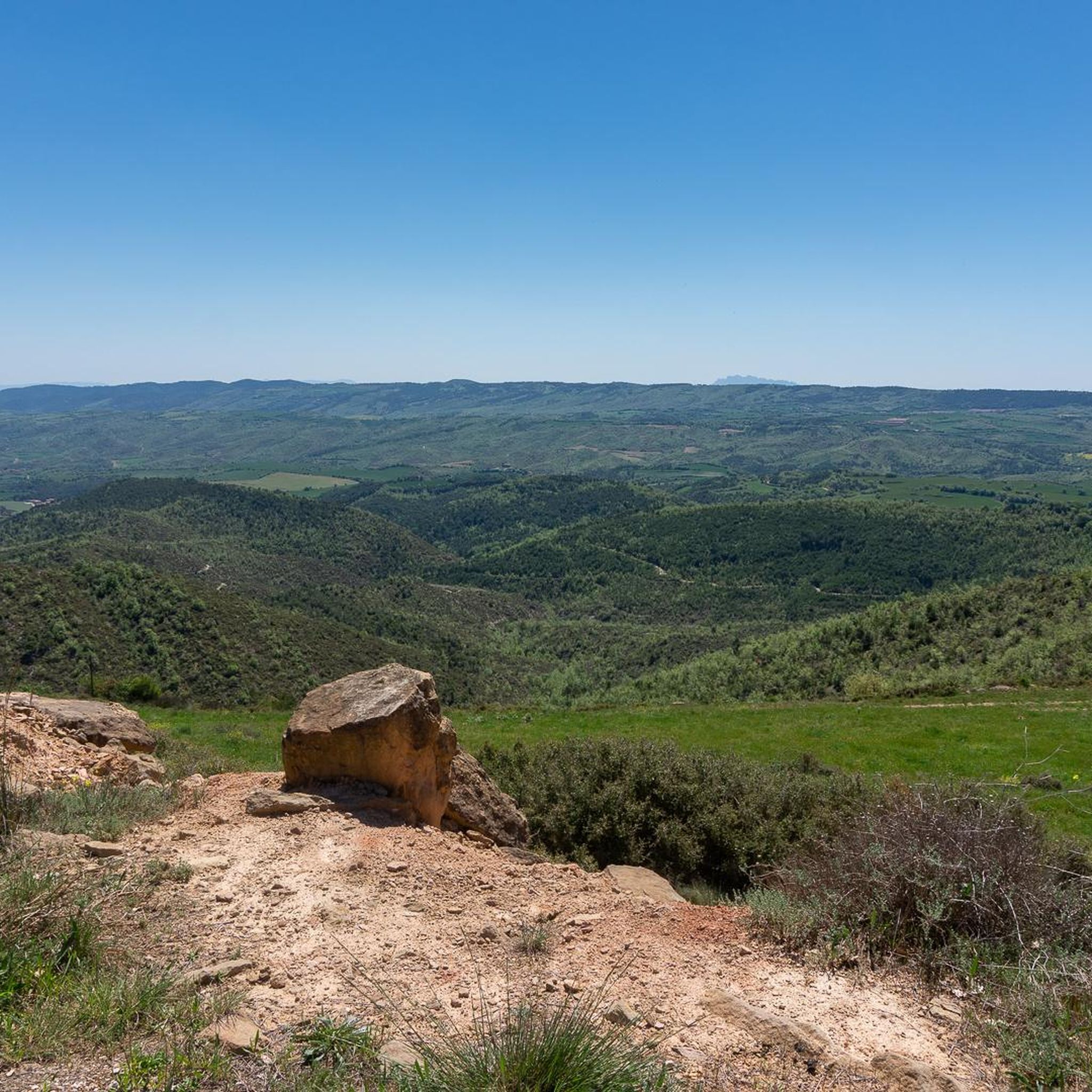
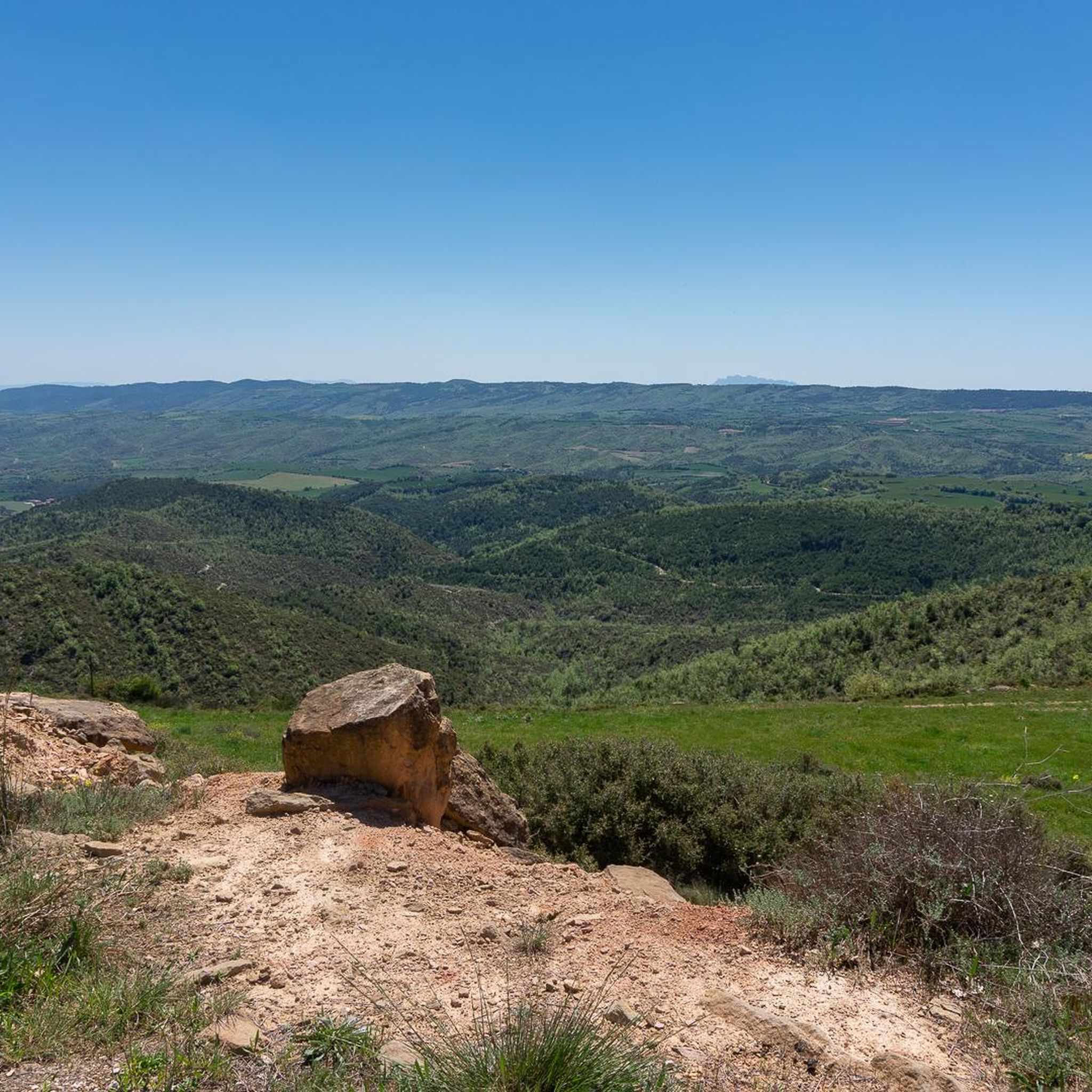
The ascent to the castle and observatory of Castelltallat is one of the cycling classics of this sparsely populated area. In this mountain range there are only a few farmhouses, which contributes to the low light pollution and makes the installation of an observatory ideal. On the ascent, the views of Montserrat are spectacular.
1
0

Santa Maria de Pinós or Sanctuary of Pinós or Our Lady of Pinós is a church of the municipality of Pinós al (Solsonès) included in the Inventory of the Architectural Heritage of Catalonia. Source: Wikipedia
0
0

A must-see cultural visit to the region, along with other Romanesque towns and monuments. In my opinion, the best thing about this monastery is its layout and the views from the outside.
0
0

I grew up there, long before the observatory and the archaeological works at the Castle. When we were little, it seemed to us that the idea that there was a castle behind the church was a chimera. When it was brought to light, it seemed like magic.
0
0

The archaeological site of Sant Amanç de Viladés is made up of a Roman villa, an early medieval settlement and some remains from the Iberian period. The entire site is located on the southern side of a mountain range, crossed by the C-25 road in the section that goes from Rajadell to Calaf and which divides the whole into two parts: north and south. The importance of the Roman town of Rajadell is understood by the presence of a Roman road that connected the lands of the Manresa sector with those of Calaf and Prats de Rei (ancient Roman municipality of Sigarra). The route of this road had to necessarily follow the Rajadell stream very closely as it passed through the Roman town. Passing through this place is the most suitable for moving between the Bages and Anoia regions, as indicated by the Peric oratory, located at the foot of the N-141g and parallel to the Eix Transversal C-25. The appearance that the site has now corresponds to the plan of the Low Empire. Currently the road crosses the Roman site and divides the remains of the Roman villa into two sectors. The northern sector corresponds to the residential area or pars urbana, with an elongated structure, where the noble rooms and the set of terms are located. The southern sector is on flatter terrain and was intended for agricultural work, especially wheat and vines (pars rustica). At the western end of the villa there were bathrooms, characterized by different air-conditioned spaces, with areas of hot, warm and cold water and with the oven to heat the whole. The main body of the residential area consists of three rooms, one of which preserved a polychrome mosaic. The original is in the Museu Comarcal de Manresa, and a reproduction of part of it can be seen at Rajadell Town Hall.
1
0
Source of fresh drinking water at the foot of the road and next to the Monastery of Sant Ramón, a frequent place of passage for the brevets of Calaf, Tàrrega and Fuliola.
0
0
The passage through Sant Ramon is a classic between Tàrrega and Calaf, with a gentle ascent. Right in front of the Monastery you will find a fountain, or if you prefer a bar with good sandwiches.
0
0

Very close to the Geographical Center of Catalonia.
0
0
Frequently Asked Questions
What historical sites can I explore around La Molsosa?
The region around La Molsosa is rich in history. You can visit the ancient Castelltallat Castle, which also hosts an astronomical observatory, or the medieval Castell de Boixadors, documented since 1015. For a deeper dive into ancient history, the Roman Villa of Sant Amanç de Viladés offers insights into Roman and early medieval settlements.
Are there any castles to visit near La Molsosa?
Yes, two notable castles are within reach. The Castelltallat Castle, situated at 911 meters above sea level, is a historical site that also houses an astronomical observatory. Another significant historical castle is the Castell de Boixadors, which played an important role during the reconquest and offers a privileged position on a hill.
What religious buildings are notable in the La Molsosa area?
The Monastery of Sant Ramon Nonat is a significant religious building housing a reliquary with preserved remains of the saint, and it's a frequent stop for cyclists. Another important site is the Sanctuary of Pinós, built by the Templars in 1312, offering magnificent panoramic views.
Where can I find the best panoramic views around La Molsosa?
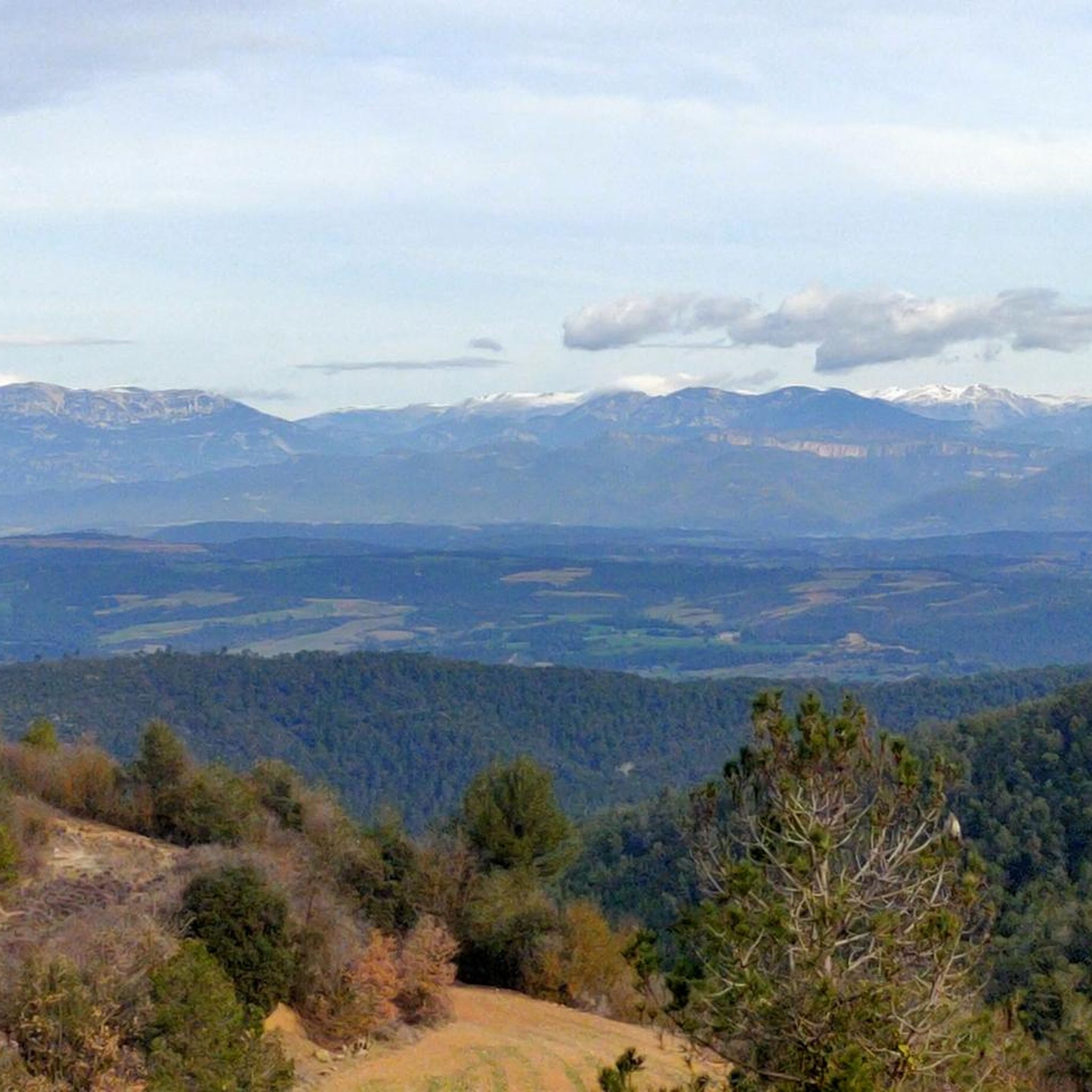
For breathtaking panoramic views, consider visiting the Castelltallat Castle, which provides a wide perspective of the surrounding landscape, including the Pla de Bages and Montserrat. The Sanctuary of Pinós, located at 904 meters altitude, also offers magnificent views, where you can often spot the Pyrenees in the distance. Additionally, the Castell de Boixadors, perched on a hill, provides a commanding vantage point.
Are there family-friendly attractions in La Molsosa?
Yes, both the Monastery of Sant Ramon Nonat and the Castelltallat Castle (astronomical observatory) are considered family-friendly. The monastery offers a pleasant stop with a fountain and a bar nearby, while the observatory at Castelltallat provides engaging activities designed for all types of audiences, making it an educational and fun visit for families.
What outdoor activities, like cycling, are available near La Molsosa's attractions?
The area around La Molsosa is popular for cycling. You can find various routes for road cycling, gravel biking, and general touring. For detailed options, explore the Road Cycling Routes around La Molsosa, Gravel biking around La Molsosa, and Cycling around La Molsosa guides, which feature routes passing by many of the region's attractions.
What is unique about the Castelltallat Castle?
The Castelltallat Castle is unique because, in addition to being a historical site, it hosts an astronomical observatory. Inaugurated in 2004, its isolated location at 911 meters above sea level makes it a privileged place for sky observation, offering activities for all audiences.
Are there any archaeological sites to visit?
Yes, the Roman Villa of Sant Amanç de Viladés is a significant archaeological complex. It comprises a Roman villa, an early medieval settlement, and even some remains from the Iberian period, offering a fascinating glimpse into the region's ancient past.
What facilities are available at the Monastery of Sant Ramon Nonat?
The Monastery of Sant Ramon Nonat is a convenient stop, especially for cyclists. Right in front of the monastery, you'll find a fountain with fresh drinking water and a bar that serves good sandwiches, making it an ideal place for a break.
What do visitors enjoy most about the attractions around La Molsosa?
Visitors particularly appreciate the blend of history and natural beauty. The panoramic views from sites like the Sanctuary of Pinós and Castelltallat Castle are highly praised. The historical significance of the castles and religious buildings, combined with the tranquility of the rural setting, makes for a rewarding experience.
Is the Monastery of Sant Ramon Nonat accessible?
Yes, the Monastery of Sant Ramon Nonat is noted for being wheelchair accessible, making it a welcoming destination for a wider range of visitors.
Most popular routes around La Molsosa
Most popular attractions around La Molsosa

Get inspired with the komoot mobile app


Explore more
Still not found the Highlight you’re looking for? See guides of the top attractions in other regions:
