The best walks and hikes around Salvaterra De Miño
4.2
(567)
2,615
hikers
11
hikes
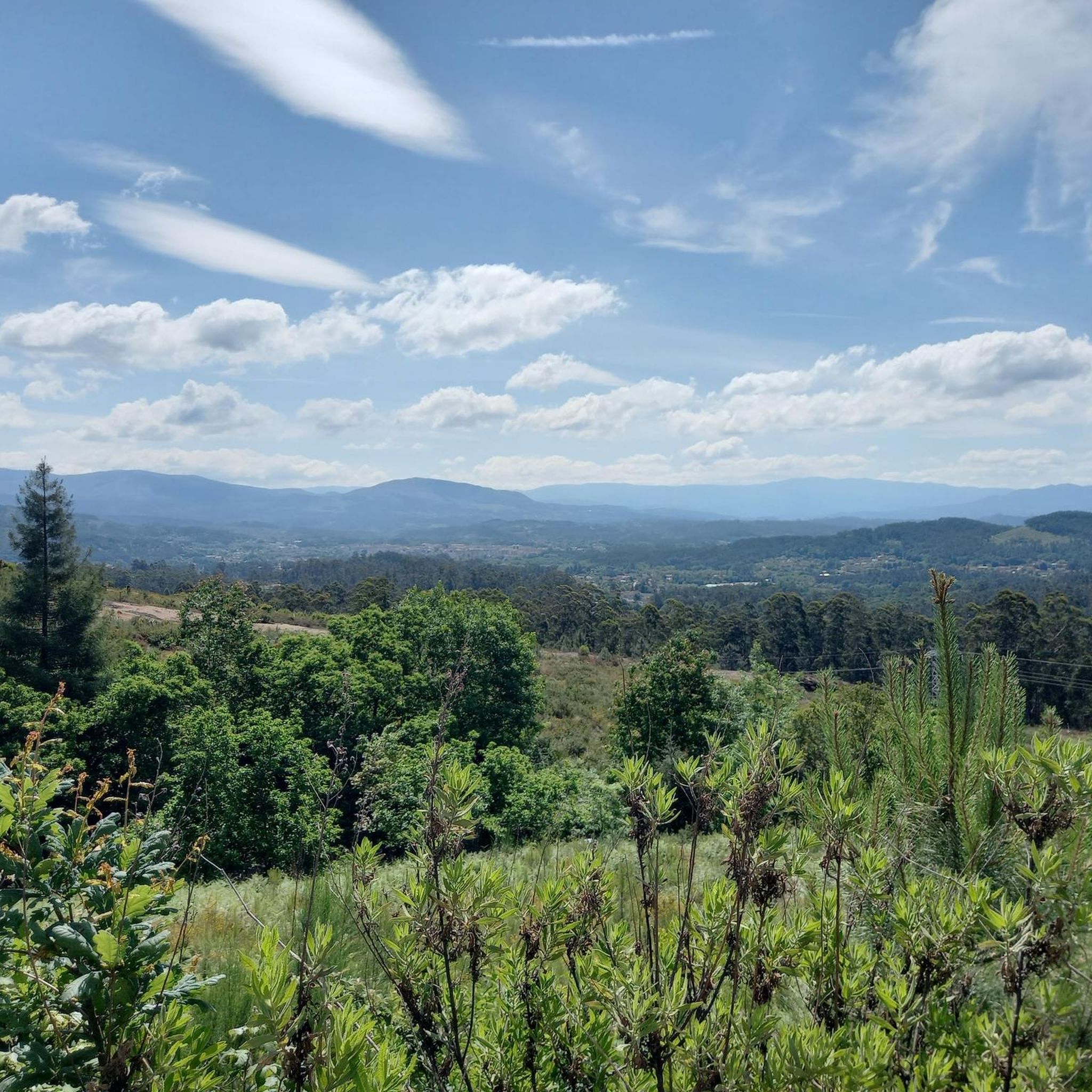
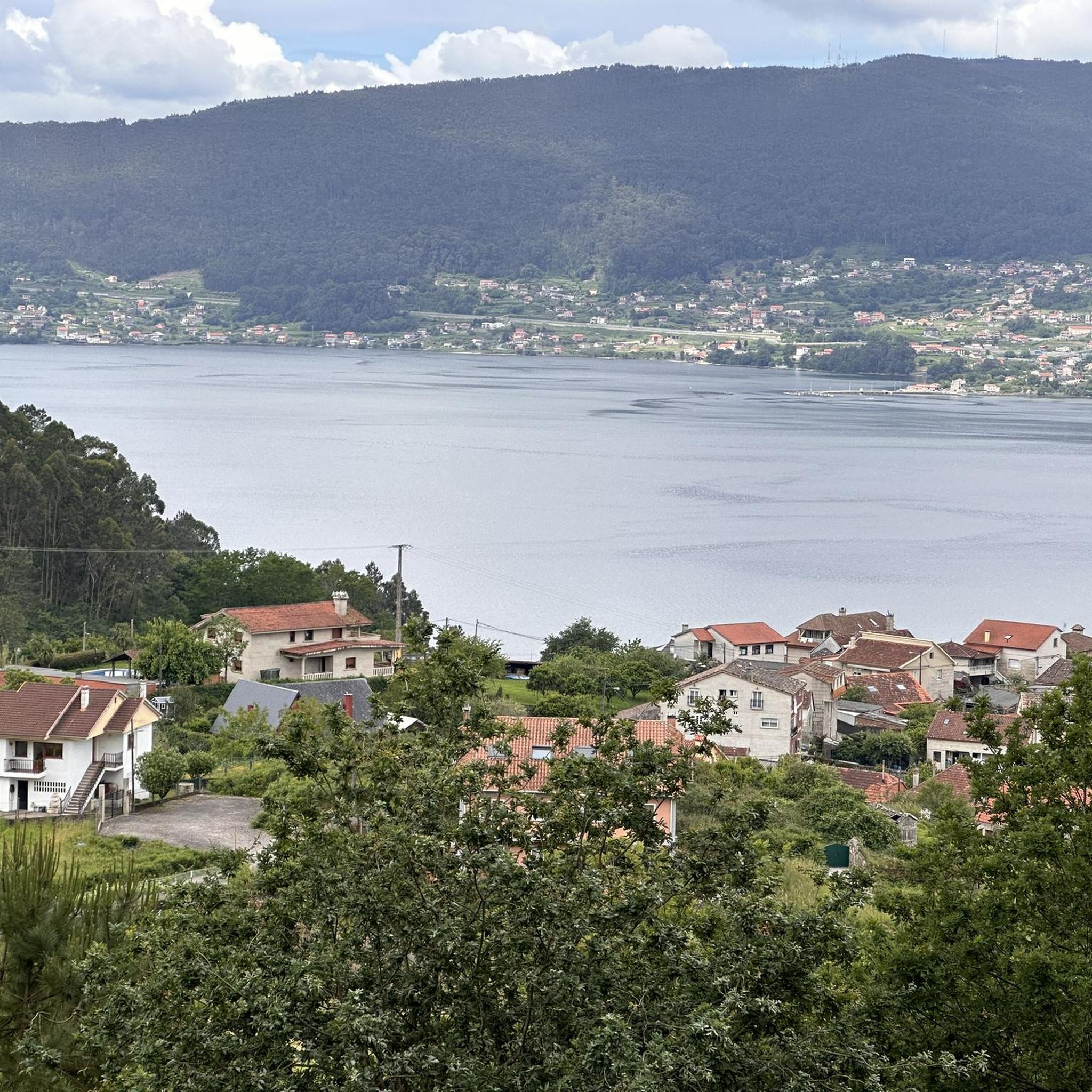
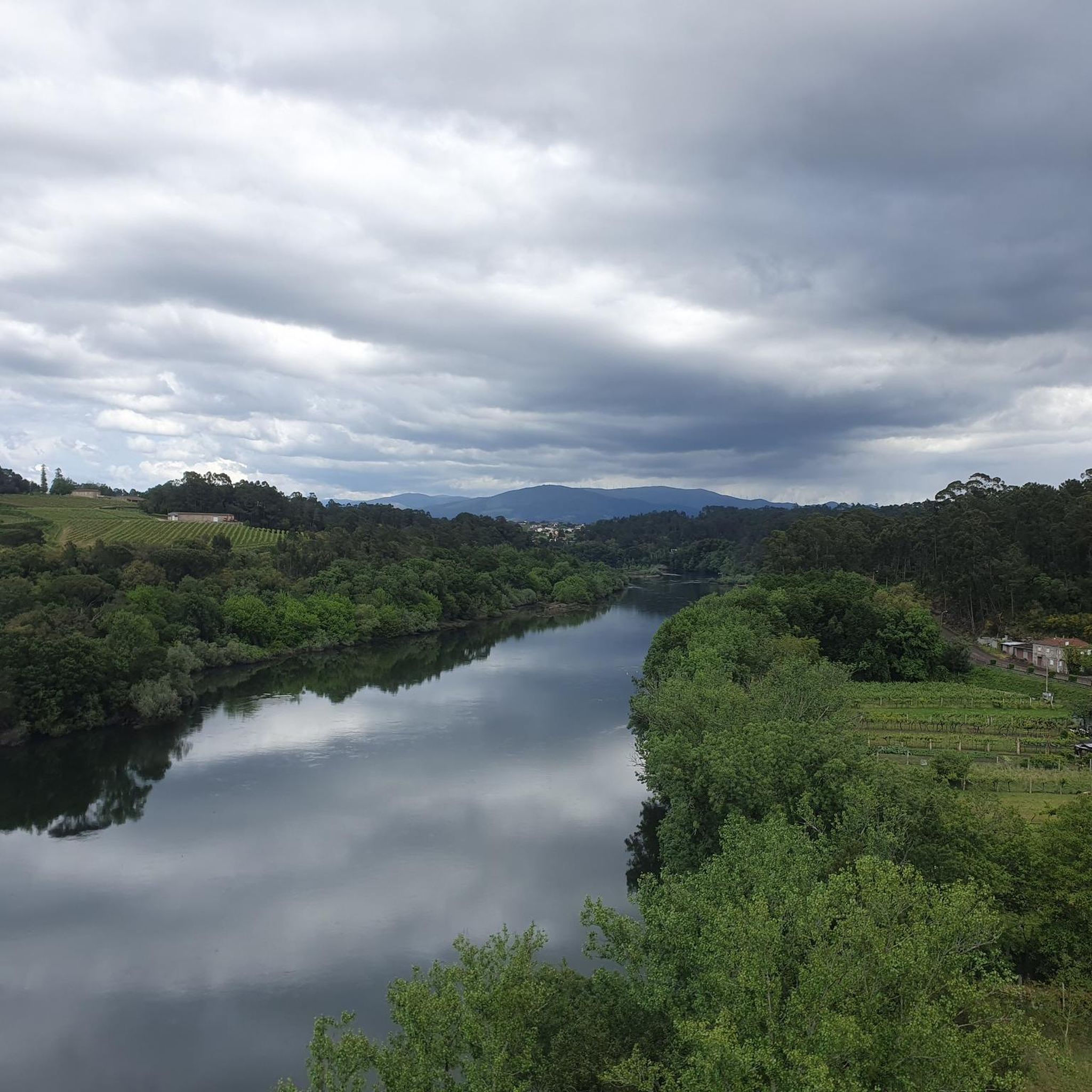
Hiking trails around Salvaterra De Miño are characterized by the Miño River and its tributaries, forming a natural border with Portugal. The region features extensive riverine paths, natural parks like Parque de A Canuda, and gentle hills. Historical fortresses and bridges are often integrated into the routes, providing cultural points of interest alongside natural landscapes. The terrain generally includes riverside trails, forested sections, and open areas with views of the river valley.
Best hiking trails around Salvaterra De Miño
- The most popular hiking route is Parque da Canuda Playground – Lovers' Viewpoint loop from Monção, a 3.7 miles (6.0 km) trail that takes 1 hour 35 minutes to complete. This easy route connects a large park with a scenic viewpoint overlooking the river.
- Another top favourite among local hikers is Caldas Recreational Area – Bridge Over the Ameal River loop from Salvaterra de Miño, a moderate 8.0 miles (12.9 km) path. This route features a recreational area and crosses the Ameal River, offering varied riverside scenery.
- Local hikers also love the Castelo de Salvaterra – Old Monção Ferry Ramp loop from Salvaterra de Miño, a 7.7 miles (12.4 km) trail leading through historical areas and along the Miño River, often completed in about 3 hours 16 minutes.
- Hiking around Salvaterra De Miño is defined by river trails along the Miño and its tributaries, natural parks, and historical fortresses. The network offers options for various ability levels, from easy riverside strolls to moderate loops incorporating historical sites.
- The routes in Salvaterra De Miño are highly rated by the komoot community with an average score of 4.2 stars from over 900 reviews. More than 4000 hikers have used komoot to explore Salvaterra De Miño's varied terrain.
Last updated: July 17, 2026
5.0
(3)
18
hikers
Easy hike. Great for any fitness level. Easily-accessible paths. Suitable for all skill levels.
4.5
(8)
16
hikers
Moderate hike. Good fitness required. Easily-accessible paths. Suitable for all skill levels.

Sign up for free
4.3
(4)
12
hikers
12.4km
03:16
110m
110m
Moderate hike. Good fitness required. Easily-accessible paths. Suitable for all skill levels.
1.0
(5)
11
hikers
Moderate hike. Good fitness required. Easily-accessible paths. Suitable for all skill levels.
3
hikers
7.45km
02:03
120m
120m
Moderate hike. Good fitness required. Easily-accessible paths. Suitable for all skill levels.
Get access to more routes and recommendations from other explorers.
Sign up for free
Already have an account?
Our route recommendations are based on thousands of hikes, rides, and runs completed by other people on komoot.
Start today with a free account
Your next adventure awaits.
Login or Signup

Tips from the Community

medieval bridge that crosses the river Tea in the vicinity of the canuda park
2
0


Huge park on the Miño, with a playground, pond, botanical garden, and much more
1
0

The original fortress was built almost a thousand years ago, back in the 10th or perhaps the 11th. The original wall that surrounds the castle dates from the 12th century and its main purpose was to defend the town from the constant attacks of the then Lusitanians (An Indo-European people living in the west of the Iberian Peninsula prior to its conquest by the Roman Republic and the subsequent incorporation of the territory into the Roman province of Lusitania.). In the 17th century, in the conflict of the Portuguese war of independence, it was completely renovated giving it its current appearance, although many defensive structures have disappeared over time. The plan of the fortress is rectangular and has no more and no less than 9,700 m2. Very few years ago, the only way to cross the river and go to the neighboring country was by using the ferry that joined the two banks aided by a large metallic cable that made sure that the barge was not dragged by the waters of the river. The docks and the old border customs are still preserved. A Good Reference: https://www.galiciamaxica.eu/galicia/pontevedra/comarca-do-condado/salvaterra-do-mino/fortaleza-de-salvaterra/
1
0
The Romans left their mark on the area as this was an important road that linked the region with Tui. A magnificent bridge whose first stones were placed on the riverbed by the great Roman architects. The bridge underwent great modifications, in the 15th and especially the 17h century due to the conflicts and wars with Portugal. The bridge was modified to monitor the passage to the lands of Tudenses (Tui). This is evident by the various fortifications on both sides of the bridge, which today are mostly demolished and covered by vegetation. But the most remarkable thing about this area was the location of a fortress that was part of a military network made up of fortified buildings along the Miño River. The rearmaments of its foundations are hidden under hundreds of square meters of nearby vineyards.
2
0
Frequently Asked Questions
How many hiking trails are available in Salvaterra de Miño?
There are over 10 hiking trails around Salvaterra de Miño, offering a variety of experiences. These include easy riverside strolls and moderate loops that incorporate historical sites and natural parks.
What kind of terrain can I expect on hikes in Salvaterra de Miño?
The terrain in Salvaterra de Miño is primarily characterized by extensive riverine paths along the Miño and its tributaries. You'll find sections through natural parks like Parque de A Canuda, forested areas, and open spaces with views of the river valley. The elevation changes are generally gentle, making for accessible walks.
Are there easy hiking options in Salvaterra de Miño?
Yes, Salvaterra de Miño offers several easy hiking options. For instance, the Parque da Canuda Playground – Lovers' Viewpoint loop from Monção is an easy 6.0 km (3.7 miles) trail that connects a large park with a scenic viewpoint overlooking the river.
Are there circular hiking routes available?
Yes, many of the routes in Salvaterra de Miño are circular, allowing you to start and end at the same point. Examples include the Caldas Recreational Area – Bridge Over the Ameal River loop from Salvaterra de Miño and the Castelo de Salvaterra – Old Monção Ferry Ramp loop from Salvaterra de Miño.
What historical sites can I see while hiking in Salvaterra de Miño?
Hiking trails in Salvaterra de Miño often intertwine with historical sites. You can explore the 17th-century Salvaterra de Miño Fortress, or discover the Roman Bridge of Orbenlle and the medieval Fillaboa Bridge along river routes. The imposing Fortress of Valença in Portugal is also visible across the river.
Are there any viewpoints with scenic views?
Yes, the region offers several scenic viewpoints. The Contraband Viewpoint provides spectacular vistas of the Miño River and the border with Portugal. Additionally, the Monte Castelo area, with the remains of an ancient medieval castle, offers picturesque access and splendid views of the surrounding landscape.
Are the hiking trails in Salvaterra de Miño suitable for families?
Many trails in Salvaterra de Miño are suitable for families, especially the easier, flatter routes along the riverbanks and within natural parks like Parque de A Canuda. These areas often feature picnic spots and recreational facilities.
Can I bring my dog on the trails?
Generally, dogs are welcome on many of the trails in Salvaterra de Miño, particularly on the riverine paths and in natural areas. However, it's always advisable to keep them on a leash and check for any specific local regulations or signage, especially in protected areas or during certain seasons.
Is there parking available near the trailheads?
Yes, many popular trailheads and recreational areas in Salvaterra de Miño, such as Parque de A Canuda and the starting points for river walks, offer designated parking facilities for hikers.
Are there places to relax or swim after a hike?
Absolutely! Salvaterra de Miño is home to the Teáns hot springs, the largest outdoor hot springs in Galicia, located along the Miño River. These public facilities offer hot and cool pools for relaxation. Additionally, the fluvial beach of Fornelos provides a recreational space for swimming in the river during warmer months.
What do other hikers enjoy about the trails in Salvaterra de Miño?
The trails in Salvaterra de Miño are highly rated by the komoot community, with an average score of 4.2 stars from over 900 reviews. Hikers often praise the beautiful riverine scenery, the integration of historical sites, and the well-maintained paths that cater to various ability levels.
What natural features can I explore along the hiking routes?
The region is rich in natural features, primarily centered around the Miño River and its tributaries (Tea, Mendo, and Caselas). You can explore the extensive Parque de A Canuda, known as the 'green lung' of Salvaterra, with its botanical garden and rich biodiversity. The riverbanks themselves offer diverse flora and fauna.
Most popular routes around Salvaterra De Miño
Most popular attractions around Salvaterra De Miño

Get inspired with the komoot mobile app


Explore more
Browse the best Hikes in other regions.
