The best walks and hikes around Espolla
4.5
(2324)
15,379
hikers
14
hikes
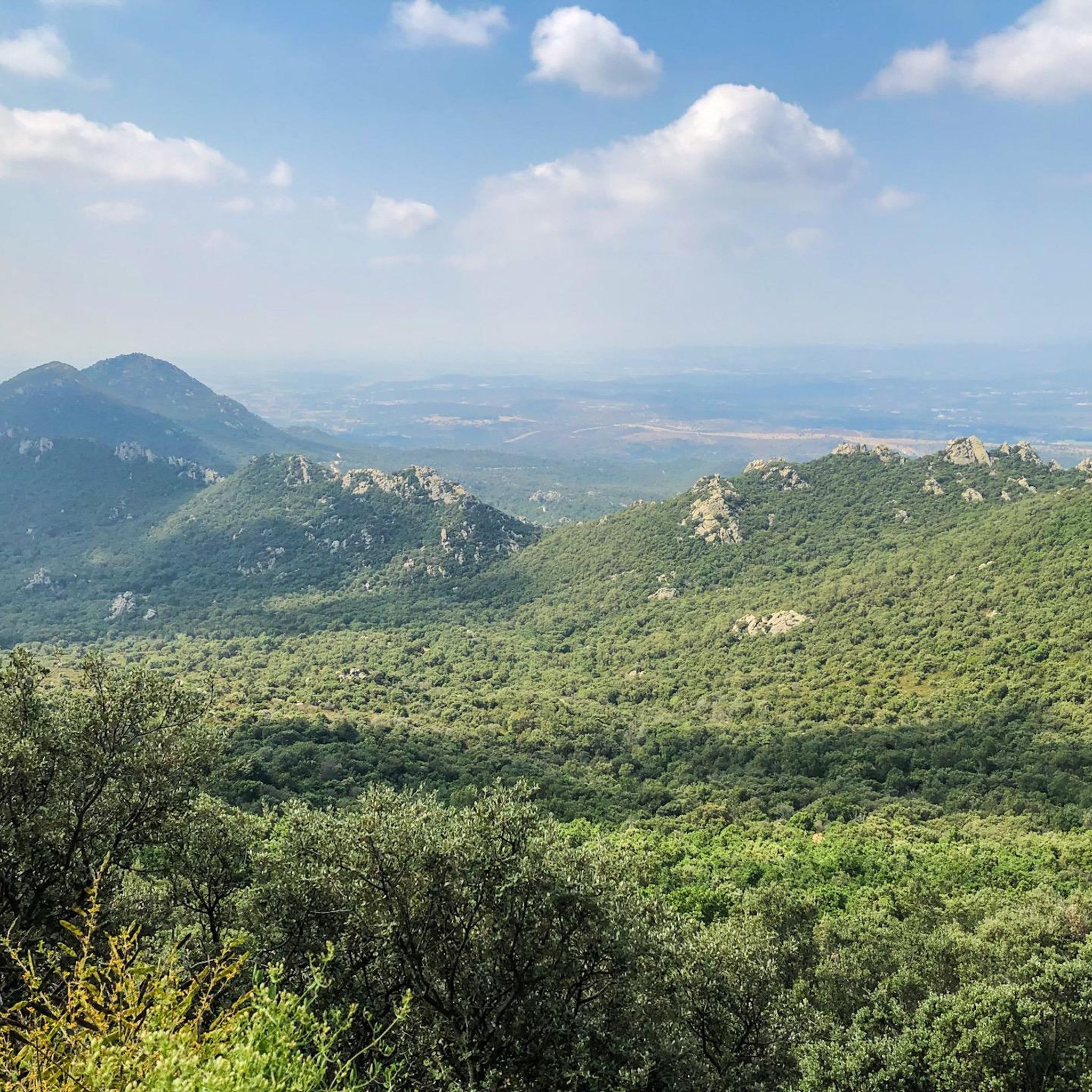
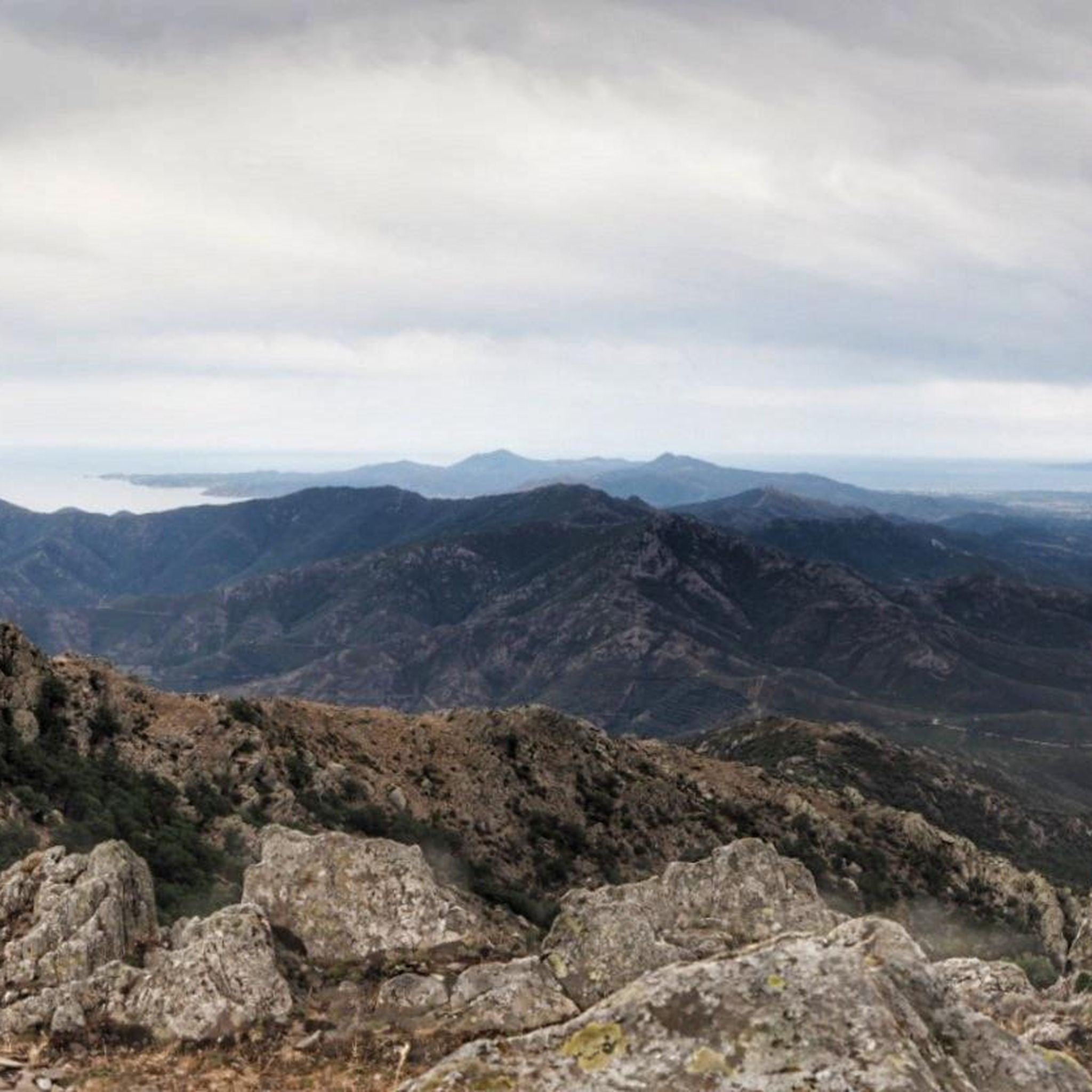
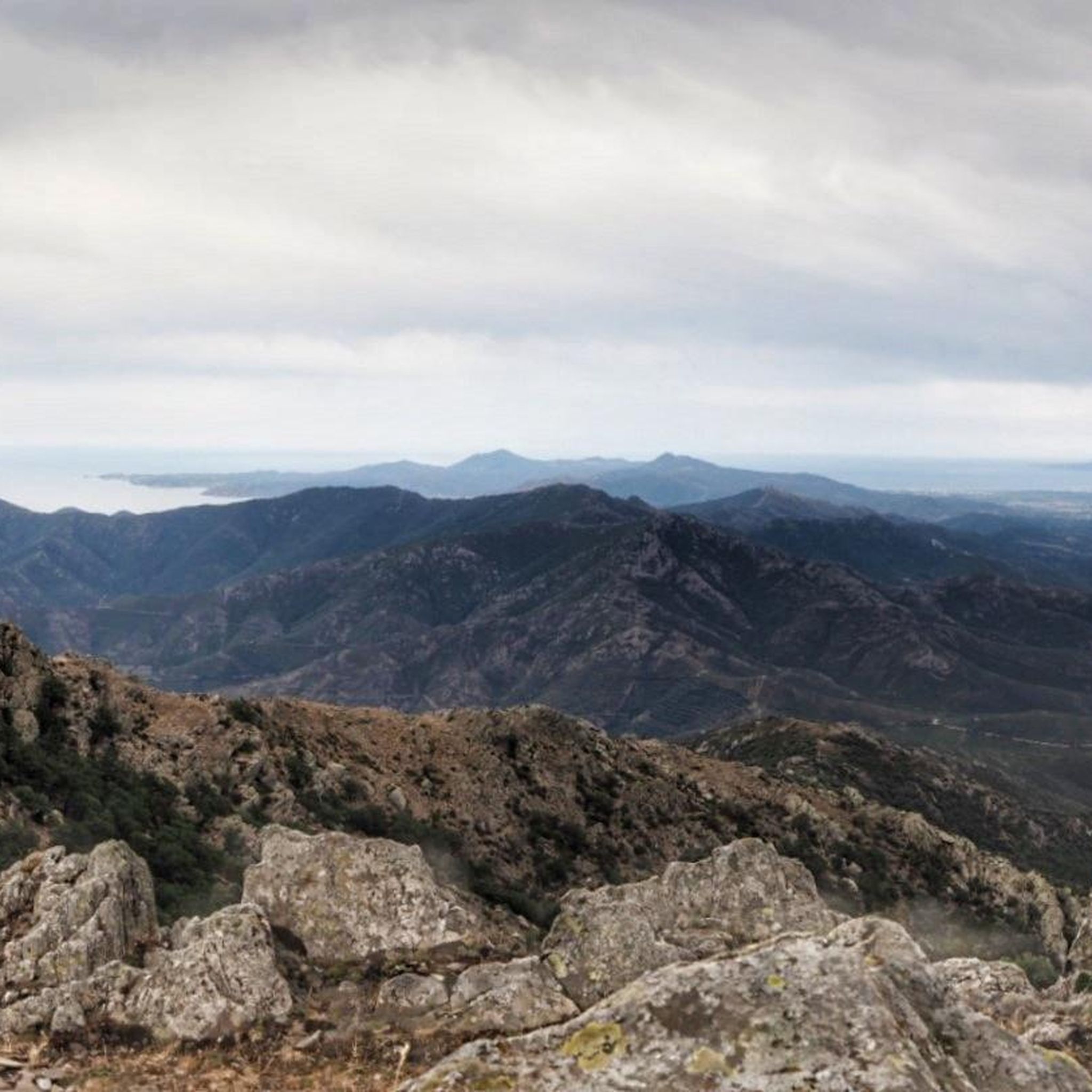
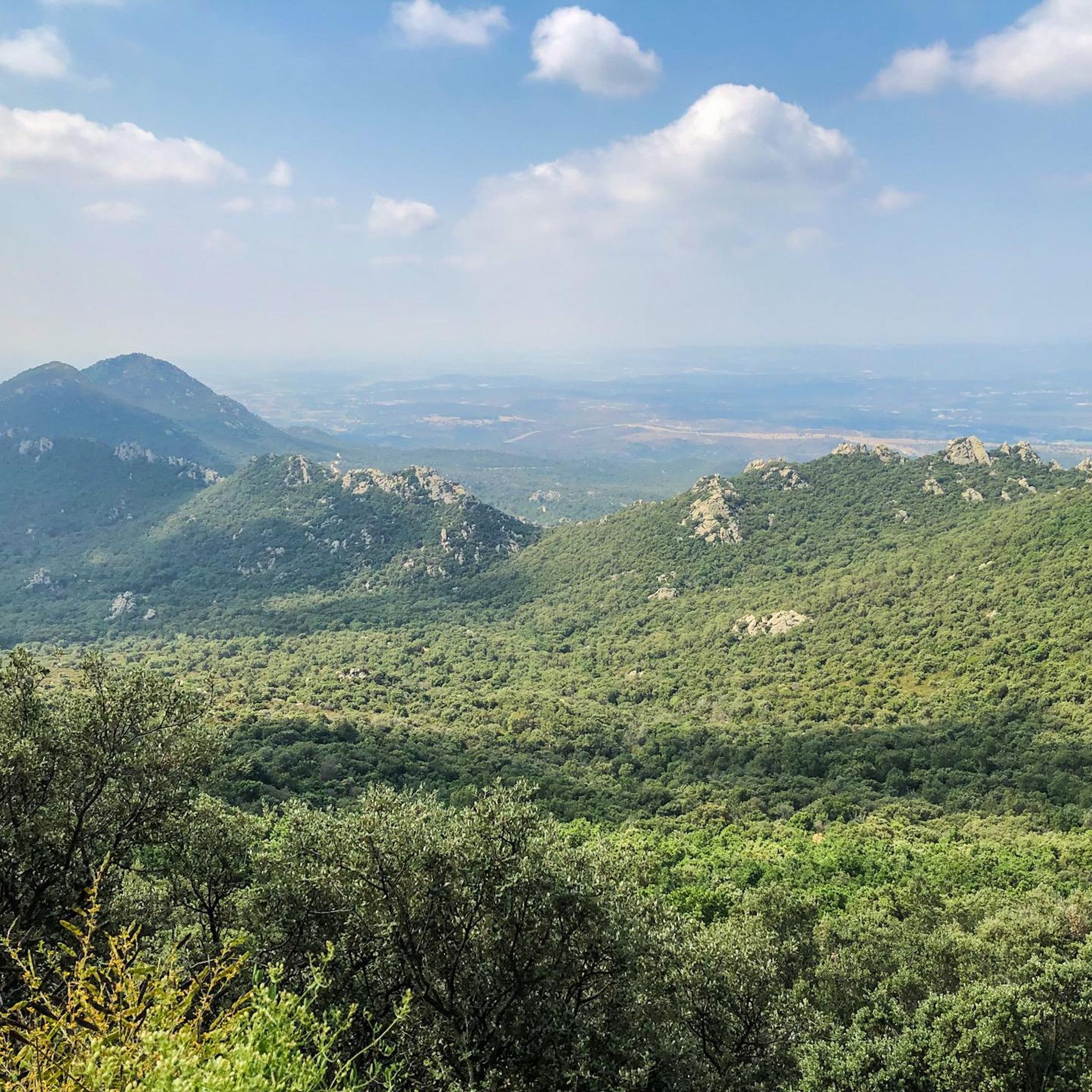
Hiking around Espolla offers access to a diverse landscape characterized by undulating terrain, vineyards, and Mediterranean vegetation. The region features a network of trails that traverse hills and valleys, providing varied elevation changes. Hikers can explore historical sites and natural springs embedded within the rural setting of Espolla, Spain.
Best hiking trails around Espolla
- The most popular hiking route is Dolmen of the Ravine – Sant Jaume Church loop from Espolla, a 7.9 miles (12.8 km) trail that takes…
Last updated: June 22, 2026
4.9
(9)
29
hikers
12.4km
03:29
250m
250m
Moderate hike. Good fitness required. Easily-accessible paths. Suitable for all skill levels.
5.0
(3)
19
hikers
11.1km
03:11
260m
260m
Moderate hike. Good fitness required. Easily-accessible paths. Suitable for all skill levels.

Sign up for free
5.0
(2)
11
hikers
6.91km
01:56
140m
140m
Easy hike. Great for any fitness level. Easily-accessible paths. Suitable for all skill levels.
4.3
(3)
14
hikers
9.02km
02:28
140m
140m
Moderate hike. Good fitness required. Easily-accessible paths. Suitable for all skill levels.
4.3
(3)
15
hikers
7.72km
02:06
110m
110m
Moderate hike. Good fitness required. Easily-accessible paths. Suitable for all skill levels.
Get access to more routes and recommendations from other explorers.
Sign up for free
Already have an account?
Our route recommendations are based on thousands of hikes, rides, and runs completed by other people on komoot.
Start today with a free account
Your next adventure awaits.
Login or Signup


Tips from the Community

Right next to the river there is a flat area with picnic tables
0
0
Tastes slightly of chlorine but cool
0
0

The current structure of the church is the result of a significant remodeling carried out in the 18th century. The church has a rectangular floor plan and consists of three naves. The central nave is higher than the side naves and has a series of buttresses on its exterior walls. The bell tower, attached to one side of the building, consists of two bodies: a square tower with a brick rafter on which is located the octagonal bell tower with four semicircular arch openings, topped by a brick dome. The tower is plastered, while the octagonal body of the bell tower exposes the original stonework. The main façade is quite simple from a decorative point of view, presenting a door with a lintel framed by well-cut ashlars, a niche with a semicircular arch and an oculus at the top. The bell tower is believed to be largely Romanesque, dating to the 12th-13th centuries. On the main façade there is an inscription dating from 1786, which indicates that the church, of Romanesque origin, was completely renovated in the 18th century. It is mentioned for the first time in the year 1226 (Sancti Jacobi de Spolla). Furthermore, it appears in a probably false document from 884, which affirms its belonging to the Monastery of Sant Quirze de Colera.
3
0

Source: https://ca.m.wikipedia.org/wiki/Dolmen_del_Barranc The Barranc dolmen is a dolmen located in the municipality of Espolla, in Alt Empordà and is part of the Espolla dolmens. It is located in the area of Barranc, very close to the dividing line with the town of Rabós and in a very old passageway, as indicated by the remains of a medieval route that may be much older, which currently remains quite disused, as well as this axis of communication within Albera.
0
0
The Menhir de la Murtra (also called Pedra gentil) is a Menhir located in the municipality of Sant Climent Sescebes, in Alt Empordà, and very close to the Castellà Menhir and the Vilartolí Menhir. The Murtra menhir is a large phallic granite rock with a triangular section, 3.45m high and 1.7m wide, with a thickness of 45cm, placed in its current location, dated between 3500 and 3000 BC, between the Middle Neolithic and Chalcolithic periods. Next to it also stands a small menhir (1.17m high), straightened in contemporary times probably in an inaccurate location, but which betrays the existence of a cromlech of which the Menhir de la Murtra would be the main piece Thus, it must be assumed that the menhir was surrounded by several smaller menhirs, arranged in a circle about 5-8 meters from the center. Source: https://ca.m.wikipedia.org/wiki/Menhir_de_la_Murtra_(Sant_Climent_Sescebes)
3
0

A walk through one of the most emblematic points of the Empordà, one of the most lush megalithic sites in the country. It's worth the climb.
0
0

Thank you, Werner 😊
1
0

Small beautiful village with the last dolmen.
14
0
Frequently Asked Questions
How many hiking trails are available around Espolla?
There are over 15 hiking routes around Espolla, offering a variety of experiences. These include 3 easy trails, 11 moderate trails, and 1 more challenging route, catering to different fitness levels.
Are there any easy or family-friendly hiking options in Espolla?
Yes, Espolla offers several easy and family-friendly routes. One notable option is the Stone Water Fountain (1987) – Campsite by the River loop from Espolla, which is 6.9 km long and takes about 2 hours to complete, leading through pleasant riverside areas.
What kind of terrain can I expect on hikes around Espolla?
Hiking around Espolla is characterized by undulating terrain, with trails traversing rolling hills and valleys. You'll encounter vineyards and typical Mediterranean vegetation, offering varied elevation changes and scenic views of the local countryside.
Are there any circular walks available in Espolla?
Many of the trails around Espolla are circular, allowing you to start and end at the same point. For example, the Sant Jaume Church loop from Espolla is a moderate 7.7 km circular route that takes around 2 hours to complete.
What historical sites or landmarks can I see while hiking in Espolla?
Espolla's trails often pass by historical sites. You can explore ancient megalithic structures like the Dolmen of the Ravine, or visit the historic Sant Jaume Church. The region is also known for its natural springs and old stone fountains.
What do other hikers say about the trails in Espolla?
The hiking trails in Espolla are highly regarded by the komoot community, with an average rating of 4.4 stars from over 2,200 reviews. Hikers frequently praise the diverse landscape, the well-maintained paths, and the blend of natural beauty with historical points of interest.
Are there any challenging hiking routes for experienced hikers?
Yes, for those seeking a more challenging experience, Espolla offers at least one difficult route. These trails typically feature greater elevation changes and longer distances, providing a good workout amidst the region's varied terrain.
What is the typical duration for hikes around Espolla?
Hikes around Espolla vary in duration depending on the route and your pace. Easy trails like the Stone Water Fountain (1987) – Campsite by the River loop from Espolla can be completed in under 2 hours, while moderate routes such as the Sant Jaume Church – Dolmen of the Ravine loop from Espolla might take around 3 hours.
Are there any castles or lakes to visit near Espolla's hiking trails?
Yes, the region around Espolla is rich in attractions. You can explore historical castles such as Valmy Castle or Querroig Castle. For natural beauty, there are several lakes and ponds, including the Delfià Ponds and scenic Views of the Presa d'Espolla.
What is the best time of year to go hiking in Espolla?
Espolla offers pleasant hiking conditions for much of the year. Spring and autumn are particularly ideal, with mild temperatures and vibrant landscapes. Summer can be warm, so early morning or late afternoon hikes are recommended, while winter offers cooler, crisp air for exploring.
Are there public transport options to reach hiking trailheads in Espolla?
While Espolla is a rural area, local bus services might connect to nearby towns. However, for direct access to many trailheads and greater flexibility, traveling by car is generally recommended. Parking is often available near the start of popular routes.
What should I wear for hiking in Espolla during the summer?
During summer, Espolla can be quite warm. It's advisable to wear lightweight, breathable clothing, a wide-brimmed hat, and sunglasses. Always carry plenty of water, and consider sun protection like sunscreen. Sturdy hiking shoes are recommended for the varied terrain.
Most popular routes around Espolla
Most popular attractions around Espolla

Get inspired with the komoot mobile app


Explore more
Browse the best Hikes in other regions.
