The best road cycling routes around Figueruela De Arriba
3.3
(3)
72
riders
18
rides
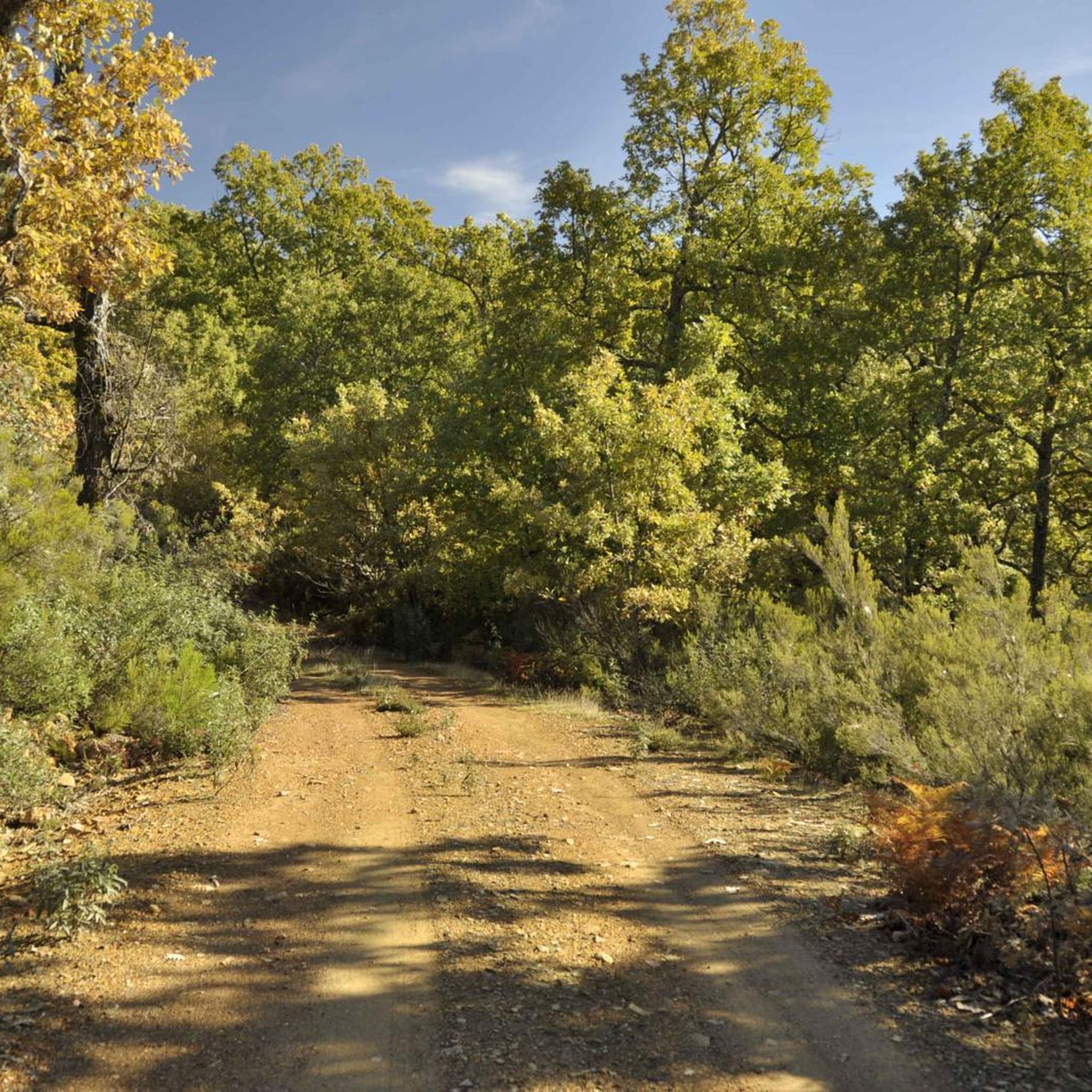
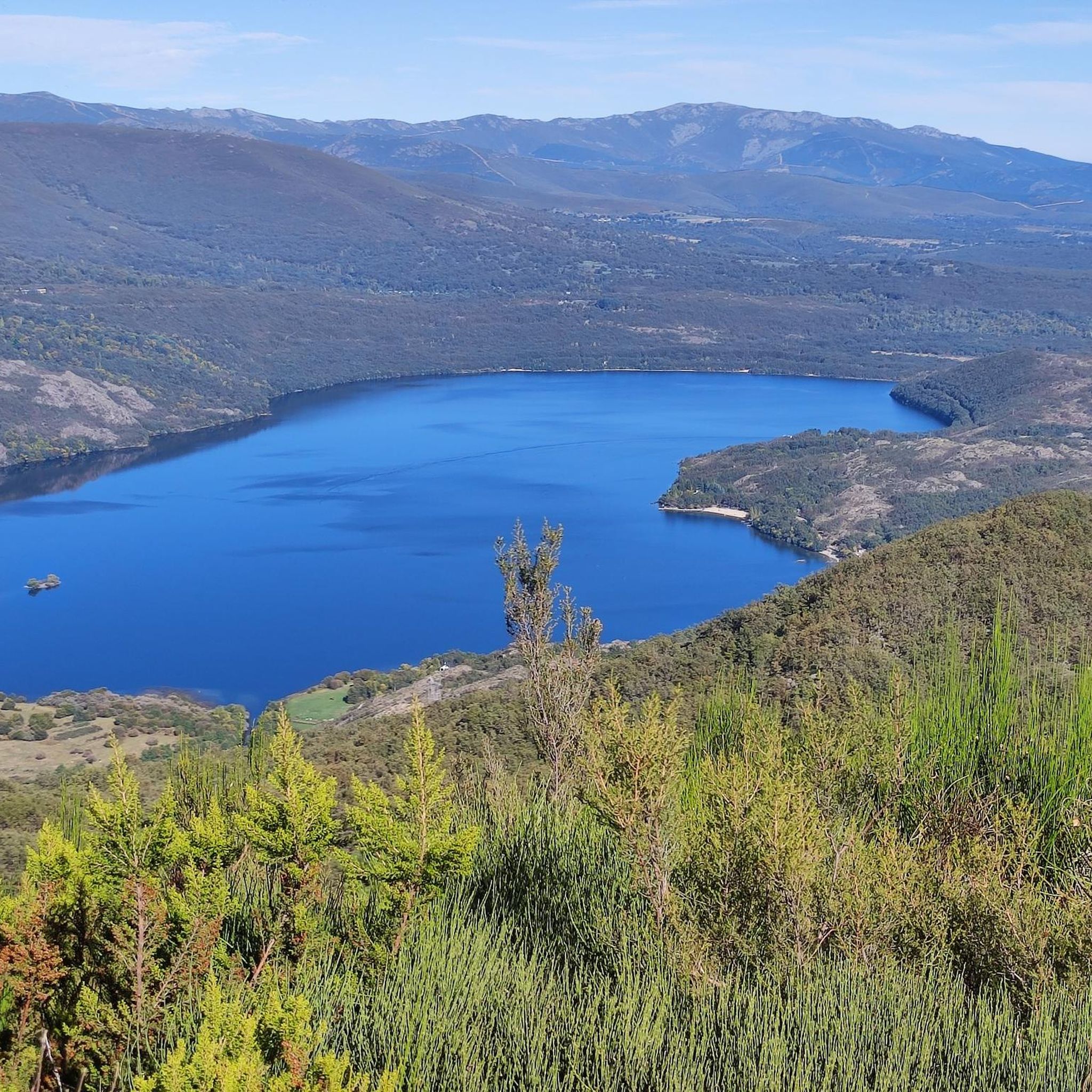
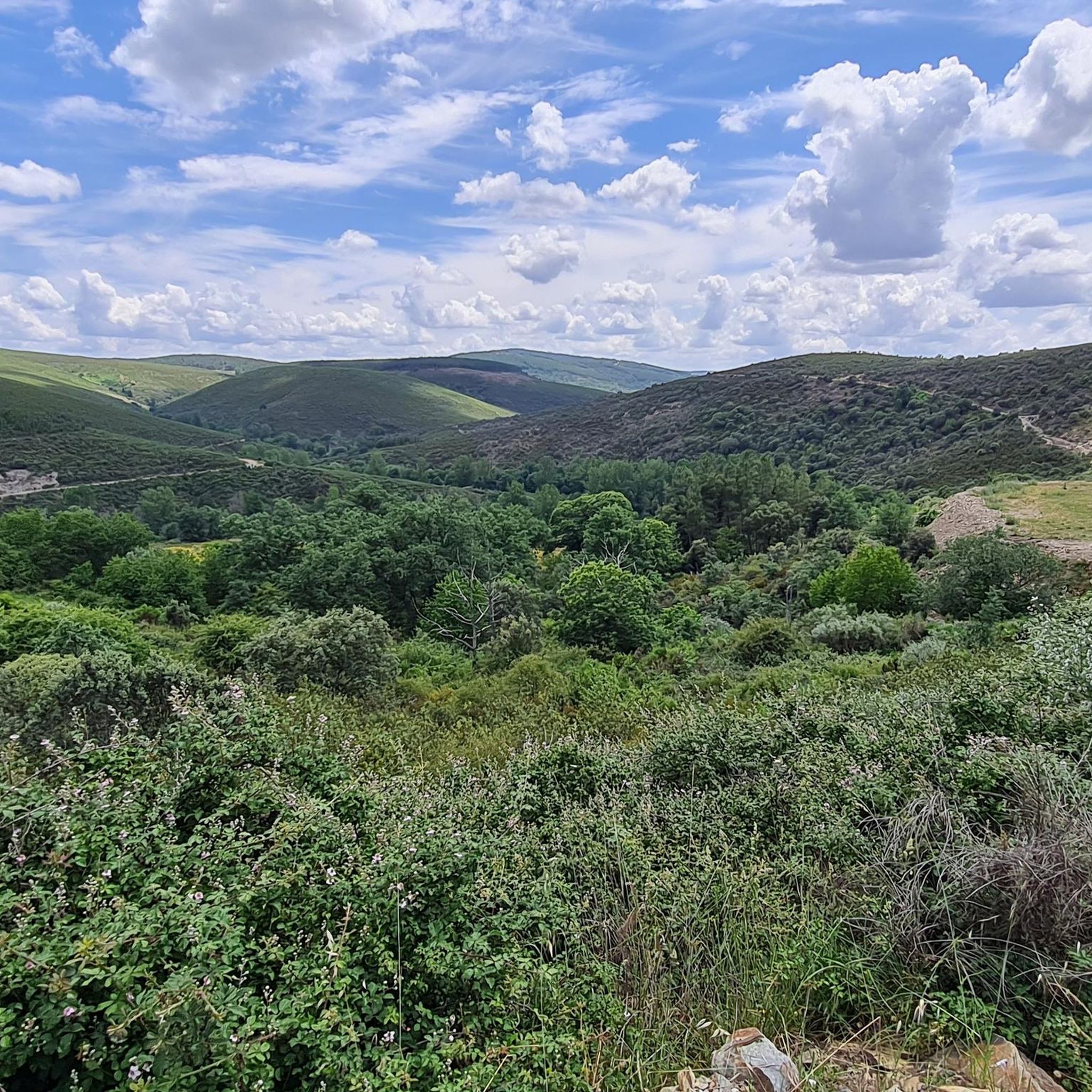
Road cycling routes around Figueruela De Arriba traverse a varied landscape at the foot of the Sierra de la Culebra, offering diverse terrains for cyclists. The region features dramatic mountain scenery, verdant valleys like the Valle del Arroyo de la Fragua, and areas shaped by the Cabrón and Manzanas rivers. These natural features provide a mix of challenging climbs and scenic stretches, with routes extending towards the Portuguese border and Montesinho Natural Park.
Best road cycling routes around Figueruela De…
Last updated: May 10, 2026
8
riders
79.5km
03:58
1,250m
1,250m
Hard road ride. Very good fitness required. You may need to push your bike for some segments of this route.
3
riders
62.5km
02:51
620m
620m
This 38.8-mile (62.5 km) moderate road cycling route in Sierra de la Culebra offers 2034 feet (620 m) of elevation gain.

Sign up for free
2
riders
72.1km
03:37
1,120m
1,120m
Challenge yourself on this difficult 44.8-mile road cycling route through Sierra de la Culebra, featuring significant climbs and diverse lan
2
riders
76.5km
03:54
1,150m
1,150m
This difficult 47.5 miles (76.5 km) road cycling route from Trabazos to Castillo de Outeiro offers a challenging ride with 3777 feet of elev
1
riders
37.3km
01:47
420m
420m
This moderate 23.1-mile road cycling loop from San Vitero takes you through rural Aliste, ascending via Vega de Nuez and returning via Galle
Get access to more routes and recommendations from other explorers.
Sign up for free
Already have an account?
Our route recommendations are based on thousands of hikes, rides, and runs completed by other people on komoot.
Start today with a free account
Your next adventure awaits.
Login or Signup

Tips from the Community

Rio de Onor is not just a beautiful village; it's a "living museum" of a way of life that has almost disappeared in Europe. It's worth visiting because it is possibly the village with the most fascinating social history in Portugal. Here are the 4 main reasons to go there: 1. It's a Community Village ("Communitarianism") This is Rio de Onor's great trademark. For centuries, the village lived under a system of total sharing among neighbors, something very rare: Sharing of Goods: The bread oven, the watermill, and even the village bull belonged to everyone. The "Rod of Justice": Decisions and fines for infractions in the village were marked on a wooden rod, managed by the "judge" elected by the people. You can see this history explained at the Casa do Touro (House of the Bull), a small, unmissable museum in the village. 2. One Village, Two Countries Rio de Onor is a village bisected by the international border. On this side is Rio de Onor (Portugal); on the other side is Rihonor de Castilla (Spain). For the inhabitants, the border never really existed: they share land, livestock, and even speak their own dialect (Rionorês), an ancient mixture of Portuguese and Castilian. It's very curious to cross from one country to the other on foot in the middle of the main street. 3. The Schist Landscape and Nature Located in the Montesinho Natural Park, the village is visually stunning. The houses are made of dark schist with wooden balconies, typical of Trás-os-Montes, and are very well preserved. The Onor River, which crosses the village, has clear waters and creates a very pleasant natural river beach in the summer, perfect for picnics. 4. The "Roman" Bridge The old stone bridge (which is actually from the 19th century, despite its popular name) is the village's postcard image. The reflection of the arches in the water with the schist houses in the background creates one of the most photogenic landscapes in Northern Portugal. Visiting Rio de Onor is like stepping back in time and understanding how communities survived in isolation in the mountains, supporting each other. It's a lesson in life and history in an incredible natural setting.
2
0

Rio de Onor is a sleepy little village right on the Portugal/Spain border. The drive through it is a challenging one and absolutely not recommended for larger campervans.
3
1

Rio de Onor is one of the most emblematic villages in Bragança and the Montesinho Natural Park, and was elected the 7th Wonder of Portugal in 2017 – a village in a protected area. Crossing the border with Spain, on one side is Rio de Onor, and on the other, Rihonor de Castilla, which is why it is said to be “one village, two countries”!
5
0

Outeiro is one of those border towns where you can see its legacy, where the ruins of an old castle that crowns the town appear at the bottom of the core. Beautiful village church!
0
0
Small town located at the foot of Campo de Aliste which is located at the foot of Peña Antona. Beautiful views of the town from the mountains in the area.
0
0

Striking border town, half in Spain called Riohonor and half in Portugal, Río de Onor. At the exit on the Portuguese side there is a campsite with a bar
3
0

Picturesque border town on the banks of the Oñar River. The views from the Ponte de Rio de Onor are magical.
3
0
Trabazos is a small town on the Camino de Santiago route and an important trade route between the mountain communities on the border between Portugal and Spain.
0
0
Frequently Asked Questions
What kind of terrain can I expect on road cycling routes around Figueruela de Arriba?
Road cycling routes around Figueruela de Arriba traverse a varied landscape, featuring dramatic mountain scenery from the Sierra de la Culebra and verdant valleys like the Valle del Arroyo de la Fragua. You'll encounter a mix of challenging climbs and scenic stretches, with routes extending towards the Portuguese border and Montesinho Natural Park, offering diverse topography.
Are there road cycling routes suitable for different fitness levels?
Yes, the region offers a range of road cycling experiences for various abilities. While there are no easy routes listed, you can find 12 moderate routes and 6 difficult routes. This means cyclists can find options tailored to their skill and endurance levels, from comprehensive explorations to more challenging rides with significant elevation changes.
What natural features or landmarks can I see while cycling in the area?
The routes offer stunning views of the Sierra de la Culebra, known for its abundant wildlife. You might also encounter the picturesque Valle del Arroyo de la Fragua and areas shaped by the Cabrón and Manzanas rivers. Notable highlights in the vicinity include the Peña Mira Summit, the Weir and Boardwalk of the Rio Onor, and the Fidionda Spring.
Are there any circular road cycling routes available?
Yes, many routes in the area are designed as loops. For example, the Sierra de la Culebra Loop from Mahide is a moderate 38.8-mile path that provides a comprehensive exploration of the region's natural beauty. Another option is the difficult Sierra de la Culebra and Peña Mira Loop, covering 44.8 miles.
When is the best time of year to go road cycling in Figueruela de Arriba?
Given the region's dramatic mountain scenery and verdant valleys, spring and autumn generally offer the most pleasant conditions for road cycling, with milder temperatures and beautiful landscapes. Summer can be warm, especially in the valleys, while winter might bring colder temperatures and potentially challenging conditions in higher elevations of the Sierra de la Culebra.
What is the longest road cycling route around Figueruela de Arriba?
One of the longer and more challenging routes is Embalse de Cernadilla y Sierra de la Culebra — circular por Puebla de Sanabria, which spans 49.4 miles (79.5 km) and typically takes around 3 hours 58 minutes to complete, offering extensive views of the Sierra de la Culebra.
Are there any road cycling routes that cross into Portugal or near the border?
Figueruela de Arriba's proximity to the Portuguese border and the Montesinho Natural Park suggests potential for cross-border cycling adventures. While specific routes crossing the border are not detailed, the region's historical Roman road connections indicate pathways through varied terrain that extend towards Portugal, offering diverse landscapes.
What do other road cyclists enjoy most about cycling in Figueruela de Arriba?
The area is highly rated by the komoot community, with an average score of 3.25 stars from over 3 reviews. Cyclists often praise the varied terrain, the dramatic mountain scenery, and the comprehensive exploration of natural beauty offered by routes like the Sierra de la Culebra loops.
Are there any less crowded road cycling routes in the area?
While specific crowd levels are not tracked, the region is known for its natural beauty and diverse topography, providing ample space. Exploring routes that venture deeper into the Sierra de la Culebra or the Valle del Arroyo de la Fragua, such as the From Trabazos to Castillo de Outeiro, might offer a more secluded experience away from main thoroughfares.
Can I find viewpoints along the road cycling routes?
Yes, the region is rich in scenic vistas. The Sierra de la Culebra offers extensive views, and the Valle del Arroyo de la Fragua is highlighted for its spectacular views. You can also find specific viewpoints such as the View of São Julião in the Montesinho Natural Park, which can be incorporated into your rides.
Are there any road cycling routes starting from Trabazos?
Yes, there are routes that start from or pass through Trabazos. For instance, the route Trabazos – tour around Figueruela de Arriba is a moderate 31.3-mile (50.4 km) loop, and From Trabazos to Castillo de Outeiro is a difficult 47.5-mile (76.5 km) route.
What is the total number of road cycling routes available in the Figueruela de Arriba area?
There are 18 road cycling routes available around Figueruela de Arriba, offering a variety of distances and difficulty levels to explore the region's diverse landscapes.
Most popular attractions around Figueruela De Arriba

Get inspired with the komoot mobile app


Explore more
Browse the best Road cycling routes in other regions.
