Attractions and Places To See around Burjassot - Top 20
Best attractions and places to see around Burjassot include a blend of historical architecture, agricultural heritage, and modern cultural sites. Located on the western edge of the L'Horta Nord region, Burjassot is part of the metropolitan area of Valencia. The area features unique underground grain stores, serene natural spaces, and fertile agricultural lands. Visitors can explore a variety of landmarks and cultural points of interest within the town and its surroundings.
Best attractions and places to see around Burjassot
- The most popular attractions is Queen's Square, a settlement that has been remodeled to enhance the city's historical heritage. It is one of the busiest squares in Valencia, surrounded by traditional bars and restaurants.
- Another must-see spot is City of Arts and Sciences, a man-made monument dedicated to scientific and cultural dissemination. This complex features six large buildings, including the Oceanogràfic, and is known for its bold, futuristic architecture.
- Visitors also love Plaza de la Virgen, a historical site located in the center of Valencia. This pedestrian square is one of the busiest places in the city, surrounded by historic buildings and monuments.
- Burjassot is known for its historical landmarks, natural features like Parque de L'Eixereta, and cultural sites. The area offers a variety of attractions to see and explore, from ancient grain silos to modern university campuses.
- The attractions around Burjassot are appreciated by the komoot community, with more than 750 upvotes and over 140 photos.
Last updated: July 6, 2026
City of Arts and Sciences
Highlight • Monument
It is a real pleasure at any time of the year, walking all its internal paths between the buildings and being able to appreciate every detail of the architecture is a privilege for those who walk here.
Undoubtedly, the architecture and the impressive constructions stand out in its beautiful natural environment. The work of two Spanish architects of international prestige, Santiago Calatrava and Félix Candela, have given life to this world-renowned icon of the city.
Translated by Google •
Tip by

Plaza de la Virgen
Highlight • Historical Site
Translated by Google •
Tip by

Sign up now to discover places like this
Get recommendations on the best single tracks, peaks, & plenty of other exciting outdoor places.
Sign up for free
Valencia Cathedral
Highlight • Religious Site
Translated by Google •
Tip by

Puente del Mar
Highlight • Bridge
Translated by Google •
Tip by
Mercado Central de Valencia
Highlight • Monument
It houses nearly 300 stalls selling fresh fruit and vegetables, meats, cheeses, fish and seafood, as well as spices and nuts.
Translated by Google •
Tip by
Sign up for free to discover even more attractions around Burjassot.
Sign up for free
Already have an account?
Start today with a free account
Your next adventure awaits.
Login or Signup

Tips from the Community

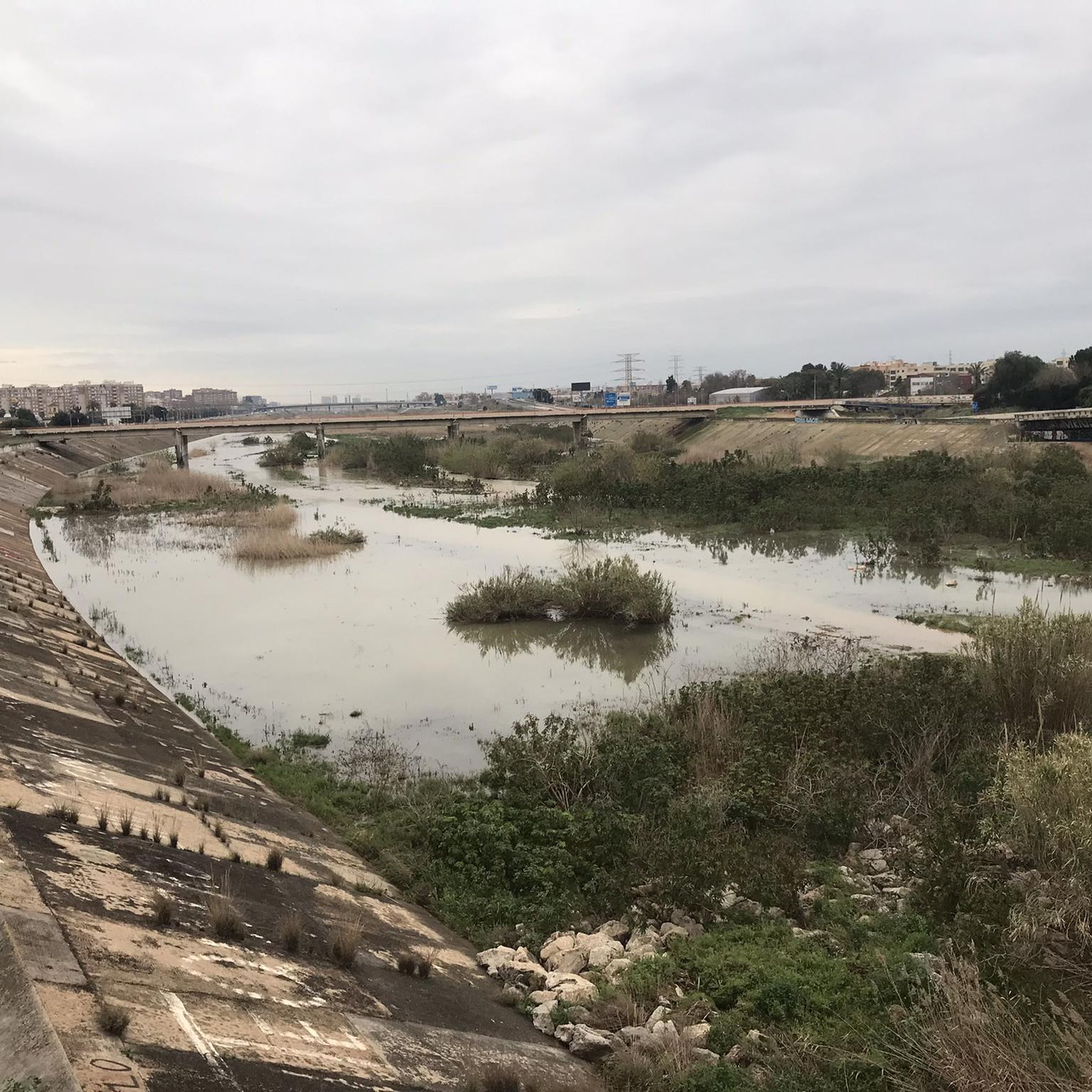
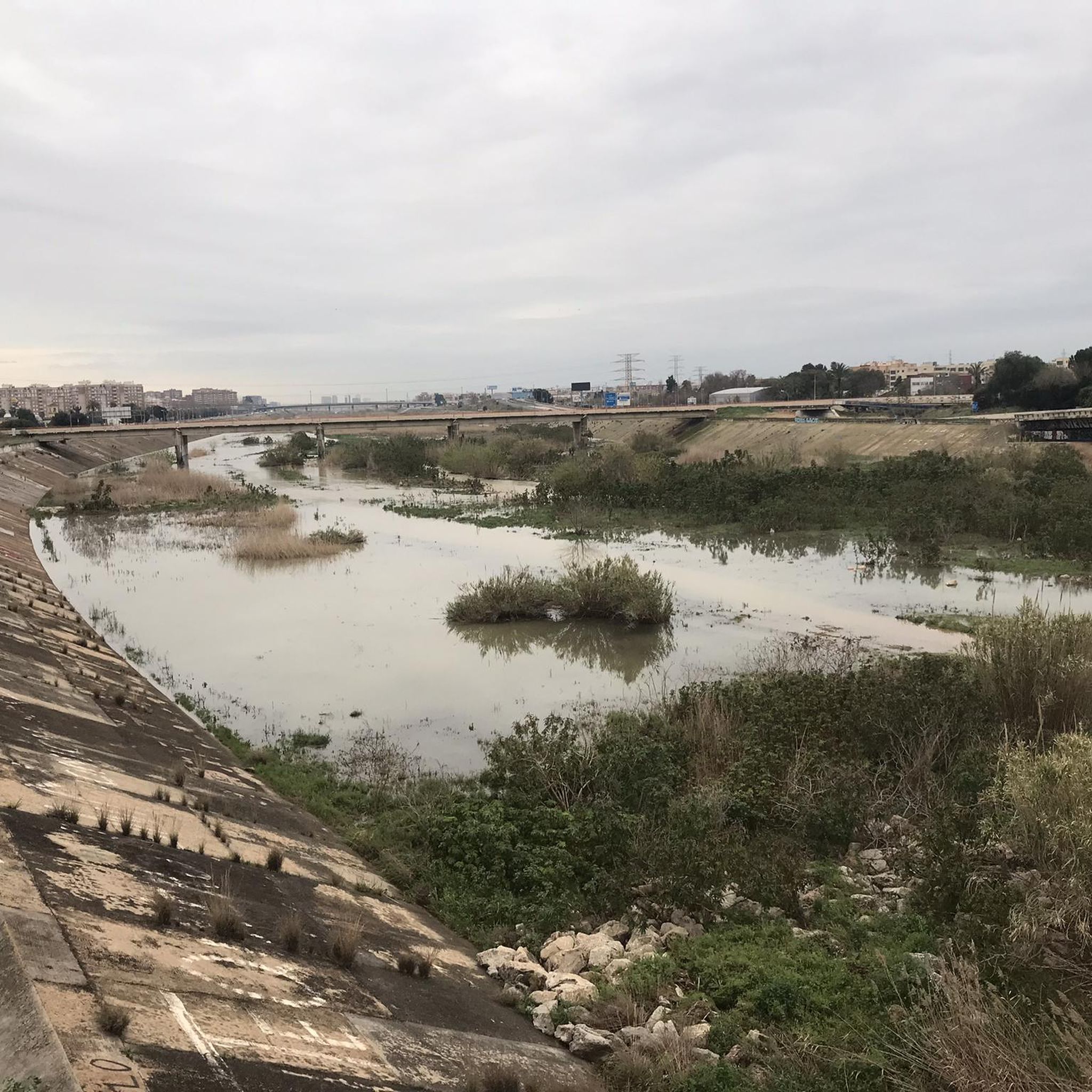
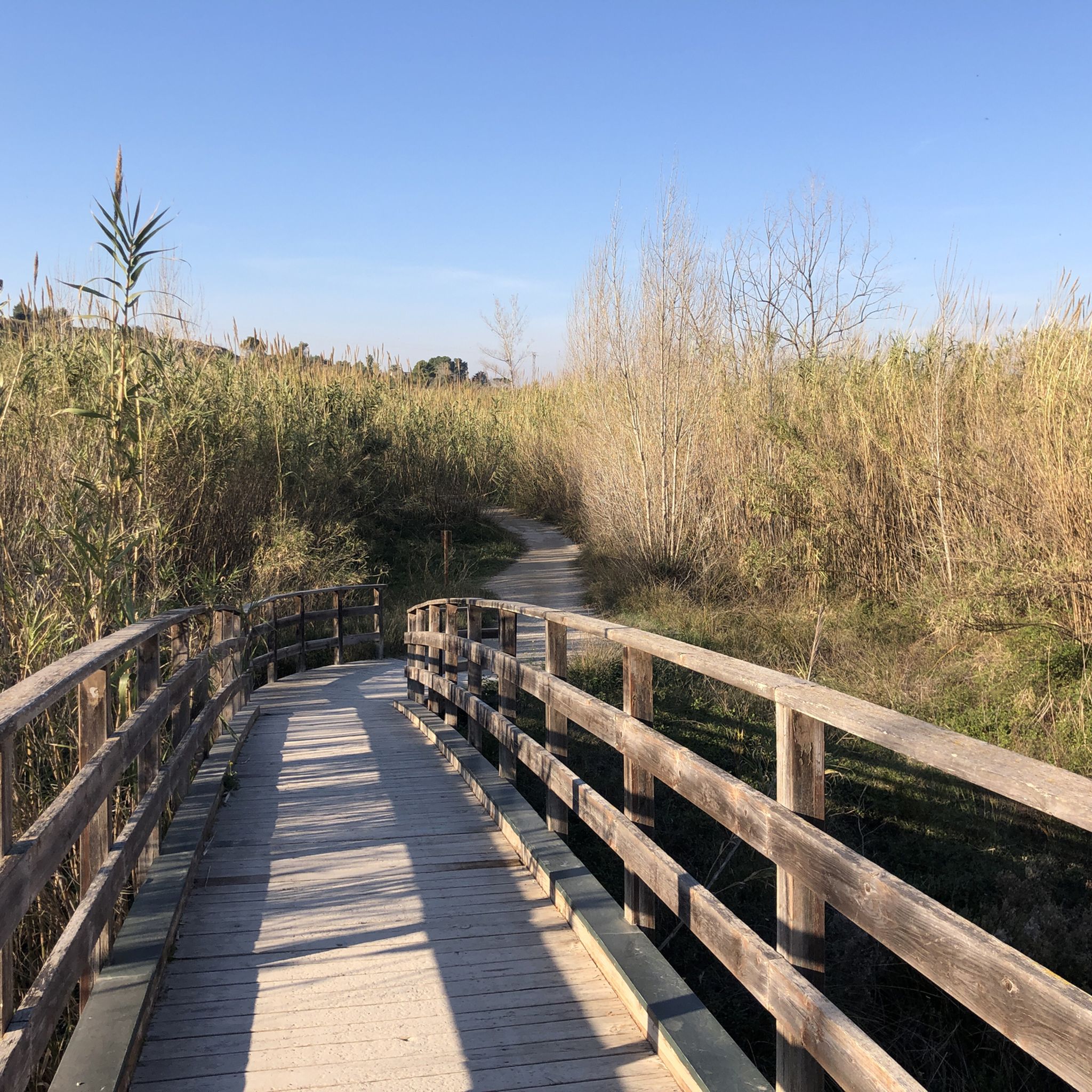
Several beautiful bridges can be admired in the green belt of Valencia
2
0

Most beautiful place to take a photo.
6
0

Busy square pretty much in the centre of town with many of the main attractions close by and lots of restaurants in the neighborhood.
6
0

Valencia Cathedral is one of the most beautiful places in Valencia. This stunning cathedral, which dates back to the 13th century, is essentially a museum of 15th-century paintings. Its facade is an architectural hodgepodge of different styles, including Romanesque, Baroque and Gothic elements. Inside the Valencia Cathedral you will find the Chapel with the Holy Chalice. Many researchers suspect that this is actually the true Holy Grail. The chalice itself has Arabic inscriptions and dates back to the 1st century. It was donated to the cathedral in the 15th century by the King of Aragon.
7
0
There's always a lot going on here - from tourists to vendors to 'dancing bears'. The whole thing is framed by buildings that are really worth seeing and a number of tourist traps (some of them are even good, but almost always helplessly overpriced).
9
0
The construction of the pillars was clearly designed for a larger river to flow through - nowadays there is only a small lake in the park below the bridge.
7
0
Not only is the building itself a mix (or mess) of different styles, which clearly show the many modifications done over the centuries - also the interior is a pretty wild mix. Despite being a quasi must-see in València, there are several other curches in the city without a queue to get in and much nicer atmosphere.
14
0
Beautiful market definitely worth a visit. Of course a large tourist attraction - entering from one of the side entrances makes it a bit more relaxed. The assortment is partly local, partly genric for the tourists - especially the fresh produce is worth a look, though there are hardly really exotic products on offer. When strolling through here make sure to have a look at the building itself, this is actually more interesting than the market itself. The atmosphere is nice if its not too crowded.
13
0
Frequently Asked Questions
What historical landmarks can I explore in Burjassot?
Burjassot is rich in history. You can visit Los Silos (Les Sitges), unique 16th-century underground grain stores declared a National Historic-Artistic Monument. Other notable sites include the Palace of Saint John of Ribera, the 18th-century Church of Saint Michael, and the 16th-century San Roque Hermitage. Don't miss a stroll through the Traditional Historic Quarter.
Are there any natural spaces or parks in Burjassot?
Yes, Burjassot offers serene natural spaces. Parque de L'Eixereta is a special natural area preserving native Mediterranean vegetation, perfect for a peaceful refuge. You can also explore the surroundings of Molino del Salt (Salt Mill), a historic hydraulic mill surrounded by market gardens, ideal for a walk. The town is also on the edge of the fertile Agricultural Lands of L'Horta Nord.
What cultural sites are available in Burjassot?
Burjassot has a vibrant cultural scene. The Culture Centre (Casa de Cultura) hosts various events like art exhibitions, concerts, and theatrical performances. The town is also home to the University of Valencia's Science Campus, contributing to its active social environment. You can also follow the "Ruta d'Estellés" which celebrates the birthplace of the renowned Valencian poet Vicent Andrés Estellés.
Are there family-friendly attractions around Burjassot?
Many attractions in and around Burjassot are suitable for families. The City of Arts and Sciences, with its Oceanogràfic and interactive museums, is a fantastic option. The Plaza de la Virgen and Queen's Square in Valencia offer lively pedestrian areas with historical sights and cafes. Within Burjassot, Parque de L'Eixereta includes a children's park.
What outdoor activities or trails are available near Burjassot's attractions?
You can find various outdoor activities near Burjassot. For hiking, consider routes like the 'Boatella Tapas – Ermita de Santa Lucía loop' which is an easy 7.3 km trail. For running, the 'Turia Gardens – Section VII – Turia Gardens loop' offers a moderate 14.3 km experience. Gravel biking options include the 'Mislata sign – Turia Garden loop'. You can find more details and routes on the Hiking around Burjassot, Running Trails around Burjassot, and Gravel biking around Burjassot guide pages.
What is the best time of year to visit Burjassot?
Burjassot, being part of the Valencia metropolitan area, generally enjoys a mild climate. Spring (April-May) and Autumn (September-October) are often considered ideal, offering pleasant temperatures for exploring historical sites and enjoying outdoor activities without the intense summer heat. The winter months are also mild, making it suitable for sightseeing.
How can I get to the main attractions in Burjassot using public transport?
Burjassot is well-connected as it's part of the metropolitan area of Valencia. Public transport options, including metro and bus services, are available to reach various points within the town and its surrounding attractions. It's advisable to check local transport schedules for specific routes to your desired destination.
Is parking available near attractions in Burjassot?
As a town within a metropolitan area, parking availability can vary. While some attractions might have designated parking, street parking or public car parks are generally available in the vicinity of popular sites like the Town Hall or the Municipal Market. For attractions further afield, such as the Molino del Salt, parking might be more accessible.
What do visitors enjoy most about the attractions around Burjassot?
Visitors frequently praise the bold, futuristic architecture of the City of Arts and Sciences, calling it an 'architectural masterpiece'. The historical charm of Plaza de la Virgen and Queen's Square, with their traditional bars and restaurants, are also highly appreciated for their lively atmosphere and historical significance. The unique historical heritage of the area, including the ancient grain silos, also leaves a lasting impression.
Are there any unique historical features in Burjassot related to its agricultural past?
Absolutely. Burjassot's agricultural heritage is evident in several unique features. The most prominent are Los Silos (Les Sitges), the 16th-century underground grain stores. Additionally, the Molino del Salt (Salt Mill), a hydraulic mill documented since the 15th century, and the surrounding Agricultural Lands of L'Horta Nord, with their irrigation canals, highlight the region's long-standing connection to farming.
Can I find any architectural highlights from different eras in Burjassot?
Yes, Burjassot showcases architecture from various periods. The 16th-century Los Silos and San Roque Hermitage represent older styles. The Church of Saint Michael dates back to the 18th century, and the Town Hall is an early 20th-century building from 1915. Even the Municipal Market has an original structure from the 19th century, offering a blend of historical architectural styles.
Are there any easy hiking trails suitable for beginners around Burjassot?
Yes, there are easy hiking options available. For instance, the 'Boatella Tapas – Ermita de Santa Lucía loop from Beniferri' is an easy 7.3 km route. Another easy option is the 'Valencia City Hall – Mercado Central de Valencia loop from Beniferri', which is about 7.6 km. These trails are generally suitable for those looking for a less strenuous outdoor experience. More details can be found on the Hiking around Burjassot guide page.
Most popular routes around Burjassot
Most popular attractions around Burjassot

Get inspired with the komoot mobile app


Explore more
Still not found the Highlight you’re looking for? See guides of the top attractions in other regions:
