Attractions and Places To See around Oímbra - Top 6
Attractions and places to see around Oímbra are found within a municipality in the Ourense province of Galicia, Spain. Situated in the Monterrei region and bordering Portugal, Oímbra features a landscape characterized by the Támega river valley and the nearby Serra do Larouco. The area is notable for its viticulture, traditional architecture, and a variety of historical and natural sites. This region offers diverse points of interest, from ancient wine presses to significant religious architecture and natural viewpoints.
Best attractions…
Last updated: July 13, 2026
Verín
Highlight • Settlement
Translated by Google •
Tip by

Pozo do Demo Waterfall
Highlight • Waterfall
Due to the large rocks that surround the well, it …
Translated by Google •
Tip by

Sign up now to discover places like this
Get recommendations on the best single tracks, peaks, & plenty of other exciting outdoor places.
Sign up for free
Serra do Larouco Summit
Highlight • Summit
Tip by

Balneario de Cabreiroá
Highlight • Structure
Translated by Google •
Tip by

Castle of Monterrei
Highlight • Castle
Translated by Google •
Tip by
Sign up for free to discover even more attractions around Oímbra.
Sign up for free
Already have an account?
Start today with a free account
Your next adventure awaits.
Login or Signup
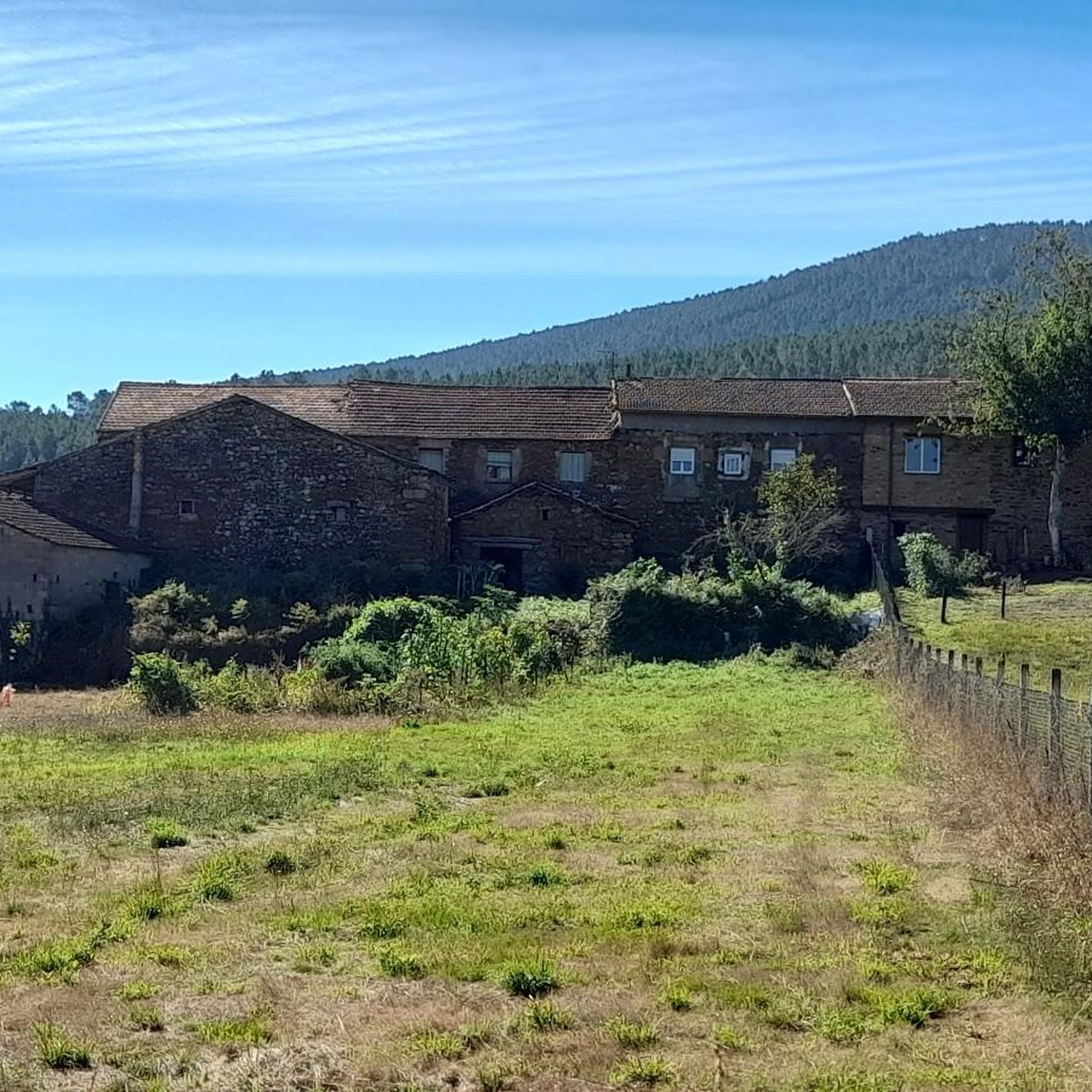
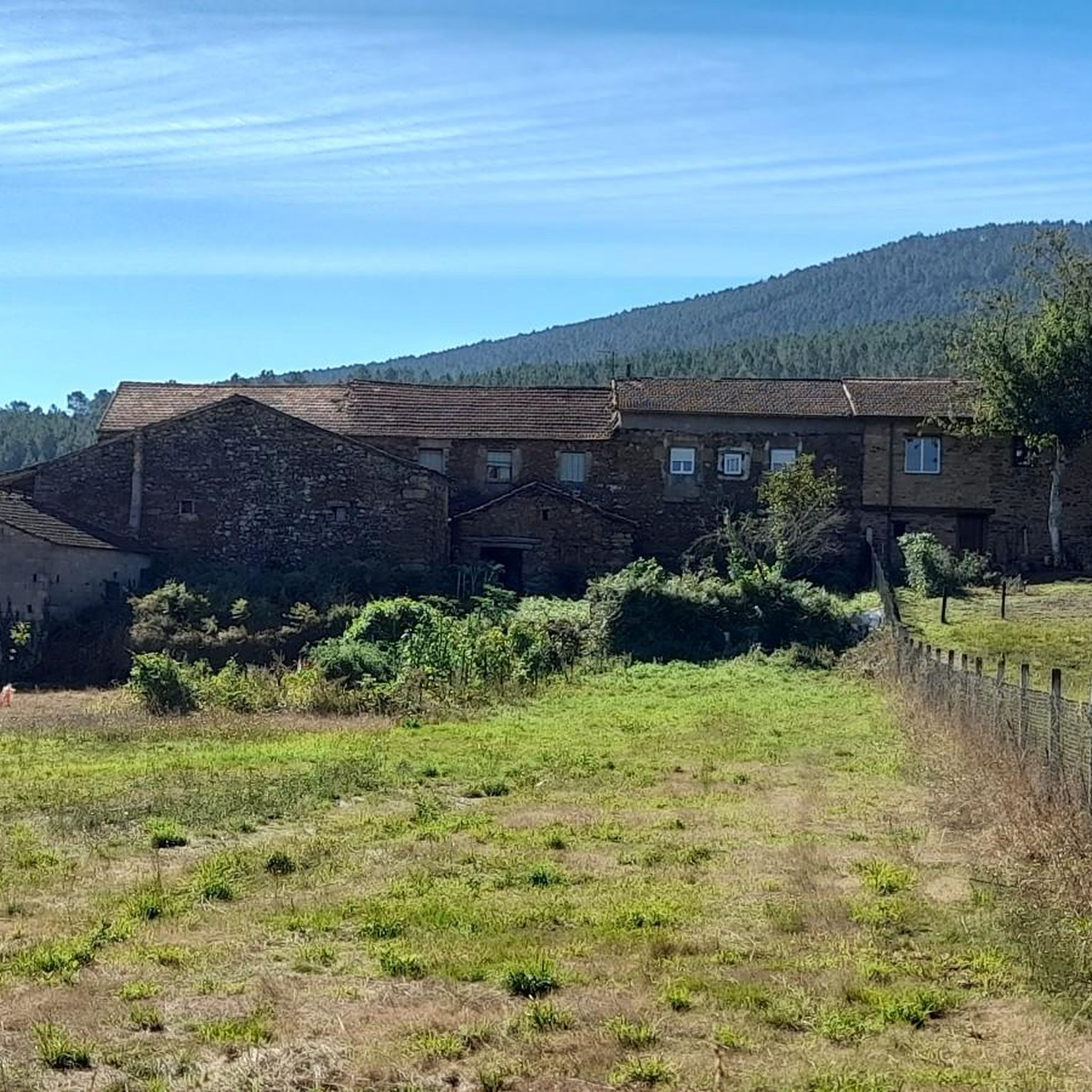
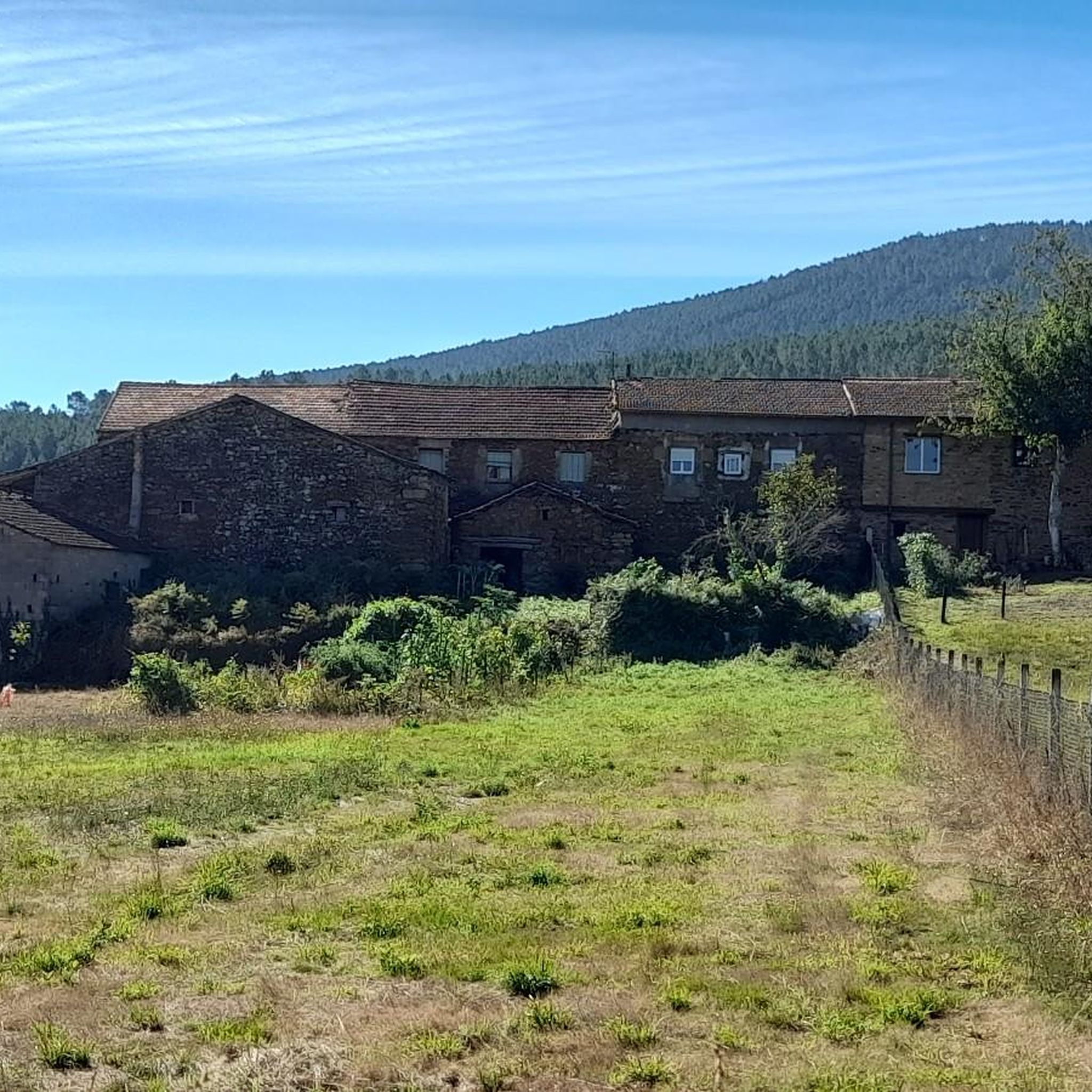

Tips from the Community

The Cabreiroá Spa is one of Galicia's most emblematic thermal resorts, renowned for the quality of its mineral-medicinal waters and a history that blends science, modernist architecture, and thermal tradition. As early as the 19th century, a pool existed there, used by locals to treat stomach and bladder problems, and to promote wound healing.
2
0

Regional strategic city on the old trade route to Portugal and a stopping point on the Camino de la Plata. Do not forget to see the Castillo de Monterrei overlooking the town.
1
0
A 12th-century defensive fortress of Castillo de Monterrey sits on a hill overlooking the town of Verín, near the border between Galicia and Portugal. The national monument is the best preserved fortress in Galicia. There are fantastic views from the castle over the surrounding Galician plateau.
1
0

Located in the village of Cabreiroá, is the Cabreiroá Spa, made up of a spring, the mineral water bottling facilities and the spa itself. Currently, it is closed, but it is possible to visit part of the enclosure. Admission for your visit is free, although you must check the opening hours, as these may vary.
2
1
Magnificent waterfall in the Rego das Quintas, a tributary of the Abedes River that rises on Mount Fraga de Lobos. Due to the large rocks that surround the well, it is impossible to see the full magnitude of this great waterfall. A sign, next to the sound of water, indicates the descent to the river. Although the path is quite accessible, you have to be careful not to slip on rainy days. To be able to see the waterfall, you have to look below, in an opening between the stones.
2
2

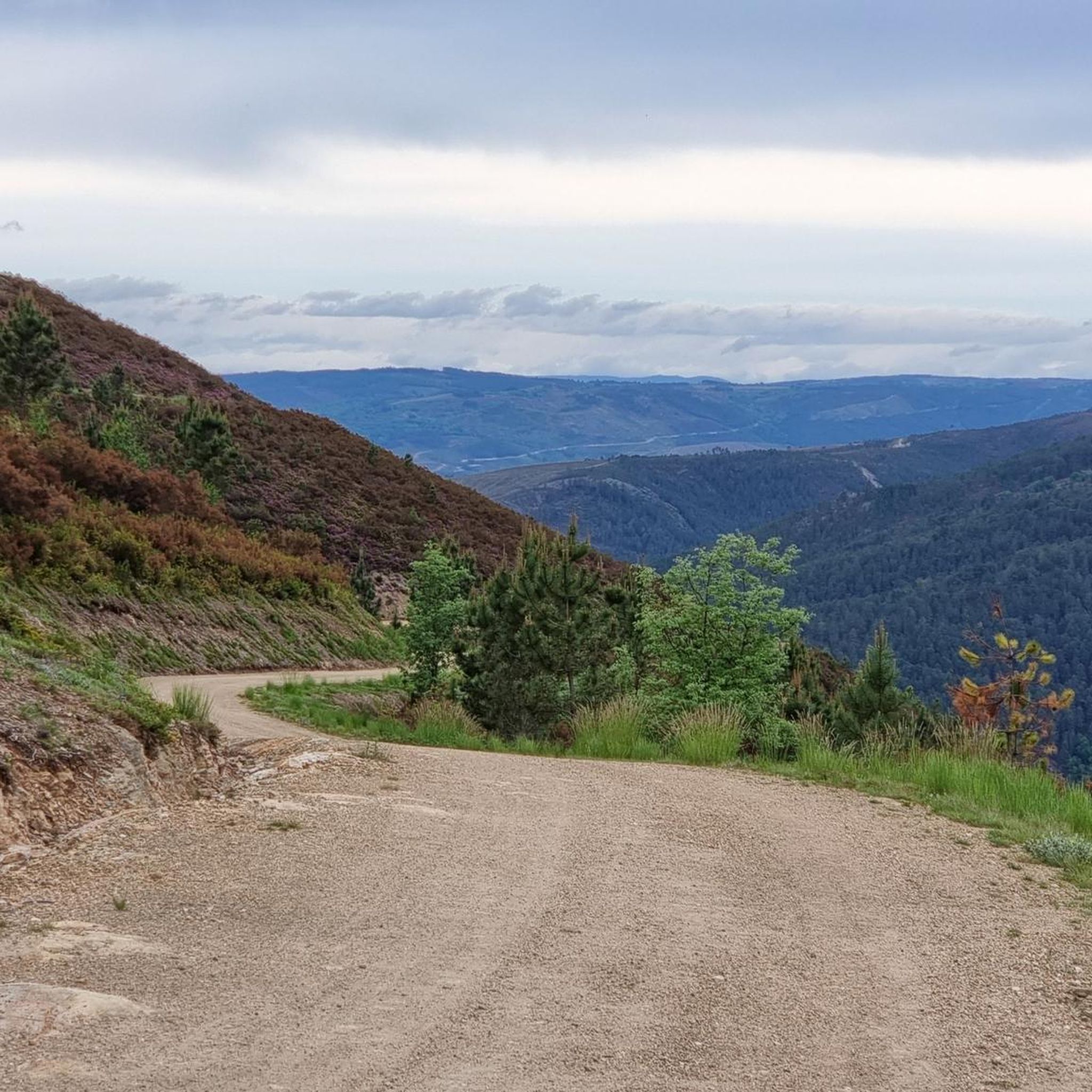
Second highest mountain in Portugal. Great tarmac. Great view for Montalegre and Spain valley. Spot for air sports. There’s a lot of trail for gravel and MTB.
1
0
Frequently Asked Questions
What natural features can I explore around Oímbra?
Oímbra offers several captivating natural features. You can visit the magnificent Pozo do Demo Waterfall, nestled in the Rego das Quintas. For expansive views and outdoor activities, head to the Serra do Larouco Summit, the second-highest mountain in Portugal, popular for air sports and biking. Additionally, the Támega River provides recreational areas like Área Recreativa do Río Támega, perfect for relaxing by the water.
Are there any historical or cultural sites to visit in Oímbra?
Absolutely. Oímbra is rich in history and culture. Explore the ancient rupestrian wine presses, such as the musealized Lagar Rupestre de Xan Preto, which showcases the region's viticultural heritage. You can also discover several historic churches, including the Baroque-style Iglesia de Santa María das Neves in As Chás, or the 17th-century Renaissance Iglesia de Bousés. Don't miss the traditional Galician stone crosses, known as Cruceros, like the 18th-century Cruceiro de Santa Cruz de San Cibravo.
What kind of outdoor activities can I do near Oímbra?
The region around Oímbra is ideal for various outdoor activities. The Serra do Larouco Summit is a popular spot for air sports, gravel, and mountain biking. For those who enjoy hiking, there are routes like the 'Balneario de Cabreiroá – Pozo do Demo Waterfall loop' or the 'Verín – Castle of Monterrei loop'. You can find more details on these and other trails in the Hiking around Oímbra guide. Cycling enthusiasts can explore routes along the Támega River, with options available in the Cycling around Oímbra guide.
Are there family-friendly attractions or activities in Oímbra?
Yes, Oímbra offers options for families. The Área Recreativa de Casas dos Montes, located next to the Regueiro da Madorra, features swings, benches, tables, a fountain, and barbecue facilities. For a fun photo opportunity, seek out the unique Sillas Gigantes (Giant Chairs) near the Santa María de Oímbra church or the Silla da Ramallosa in Videferre, which offer panoramic views.
Where can I find ancient fortifications or archaeological sites?
Oímbra's history includes several ancient fortifications and settlements. You can explore traditional Galician hillforts (castros) such as Castro de Bubal and Castro da Ceada de Espiño. The Ceada das Chás (Castelo de Lobarzán) is an important archaeological complex in the Támega river valley, revealing evidence of settlements from prehistory to the late Middle Ages, including a necropolis.
What is the best time of year for birdwatching in the Oímbra region?
The Monterrei valley, which includes Oímbra, is an excellent area for birdwatching. The best time to visit for this activity is typically from late April to late June. During this period, you can observe a wide variety of species, including many Mediterranean birds, in key locations such as San Cibrao and Rabal.
Can I visit a spa or thermal resort near Oímbra?
While the historic Balneario de Cabreiroá is currently closed, you can still visit parts of its enclosure for free. This site is renowned for its mineral-medicinal waters and modernist architecture, offering a glimpse into Galicia's thermal tradition. It's located in the village of Cabreiroá, a short distance from Oímbra.
What are some notable viewpoints in the area?
For breathtaking views, the Serra do Larouco Summit offers extensive panoramas of the surrounding landscape, including the Montalegre and Spanish valleys. Additionally, the Capilla de Santa Ana, a small sanctuary near the village, provides picturesque views of the region and the border with Portugal. The Sillas Gigantes also offer unique vantage points for memorable photos.
Are there any running trails available near Oímbra?
Yes, there are several running trails in the vicinity of Oímbra. Options range from moderate to difficult, including the 'Running loop from Outeiro Seco' and the 'Balneario de Cabreiroá loop from Verín'. For more challenging runs, consider the 'Pozo de Demo - circular from Verin' or the 'Verín – Castle of Monterrei loop'. You can explore these and other routes in the Running Trails around Oímbra guide.
What is there to see in the nearby town of Verín?
The nearby town of Verín is a strategically important settlement on the old trade route to Portugal and a stopping point on the Camino de la Plata. It is famously overlooked by the magnificent Castle of Monterrei, a well-preserved 12th-century defensive fortress offering sweeping views of the Galician plateau. Exploring Verín and its castle provides a deeper insight into the region's historical significance.
Can I learn about traditional Galician architecture in Oímbra?
Oímbra is an excellent place to experience traditional Galician architecture. The historic Barrio do Castelo, located below the old parish church, features a medieval road leading to the Santa María temple. You'll also find numerous traditional churches, such as the Iglesia Vieja de Santa María de Oímbra, constructed in 1634 with Romanesque and Baroque elements, and the Traditional Mill in Rabal on the banks of the Támega River.

Get inspired with the komoot mobile app


Explore more
Still not found the Highlight you’re looking for? See guides of the top attractions in other regions:
