The best walks and hikes around Vilalba
4.2
(51)
315
hikers
23
hikes
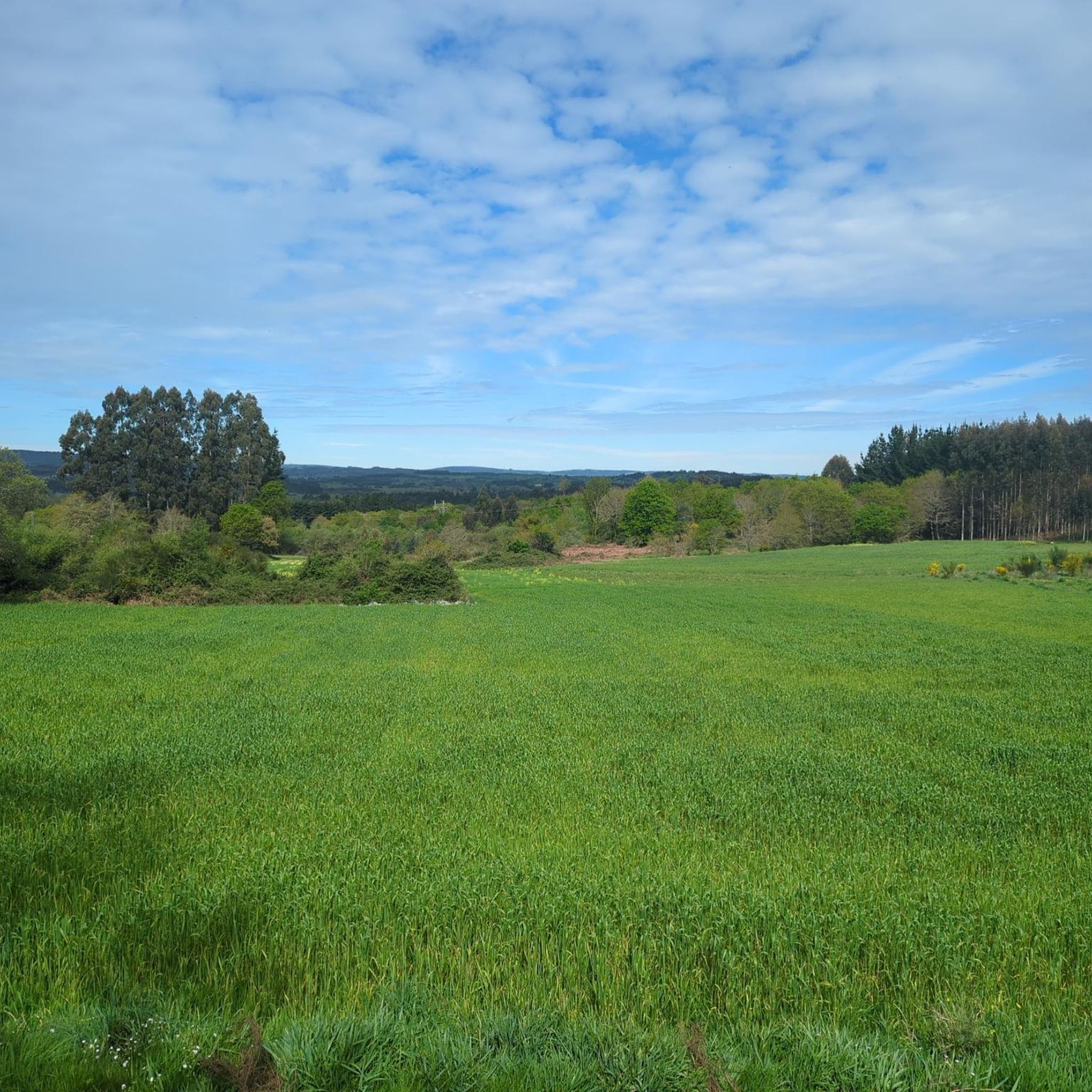
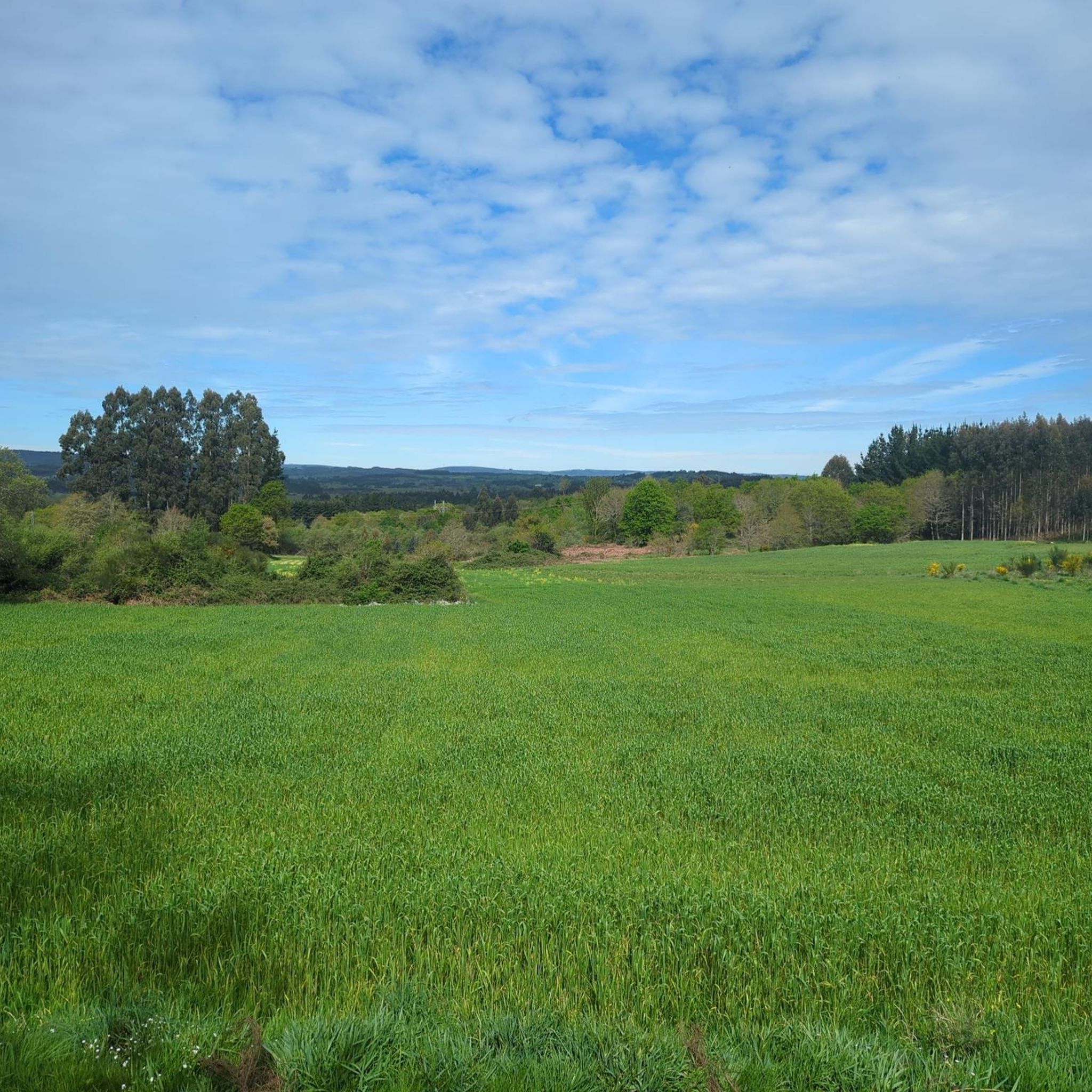
Hiking around Vilalba, located in the province of Lugo, Spain, offers diverse natural landscapes within the Terra Chá region. The area is characterized by plains, rolling hills, and numerous rivers, including the Madalena River, which features a riverside promenade. Vilalba is encompassed within the Terras do Miño Biosphere Reserve, providing a rich environment of rivers, streams, and ancient stone bridges. The region also includes significant wetlands like Cospeito Lagoon and forests of chestnut, oak, and birch trees.
Best hiking trails…
Last updated: August 17, 2026
3.3
(3)
3
hikers
Hike a moderate 8.0-mile (12.9 km) circular route from Vilalba, exploring the historic Churches of San Xiao de Mourence and Santiago de Boiz
4.3
(13)
89
hikers
20.2km
05:20
180m
180m
Hard hike. Very good fitness required. Easily-accessible paths. Suitable for all skill levels.

Sign up for free
4.0
(7)
25
hikers
24.4km
06:29
250m
250m
Hard hike. Very good fitness required. Easily-accessible paths. Suitable for all skill levels.
5.0
(5)
26
hikers
3.46km
00:53
10m
10m
Easy hike. Great for any fitness level. Easily-accessible paths. Suitable for all skill levels.
5.0
(1)
20
hikers
27.5km
07:24
340m
340m
Hard hike. Very good fitness required. Easily-accessible paths. Suitable for all skill levels.
Get access to more routes and recommendations from other explorers.
Sign up for free
Already have an account?
Our route recommendations are based on thousands of hikes, rides, and runs completed by other people on komoot.
Start today with a free account
Your next adventure awaits.
Login or Signup

Tips from the Community

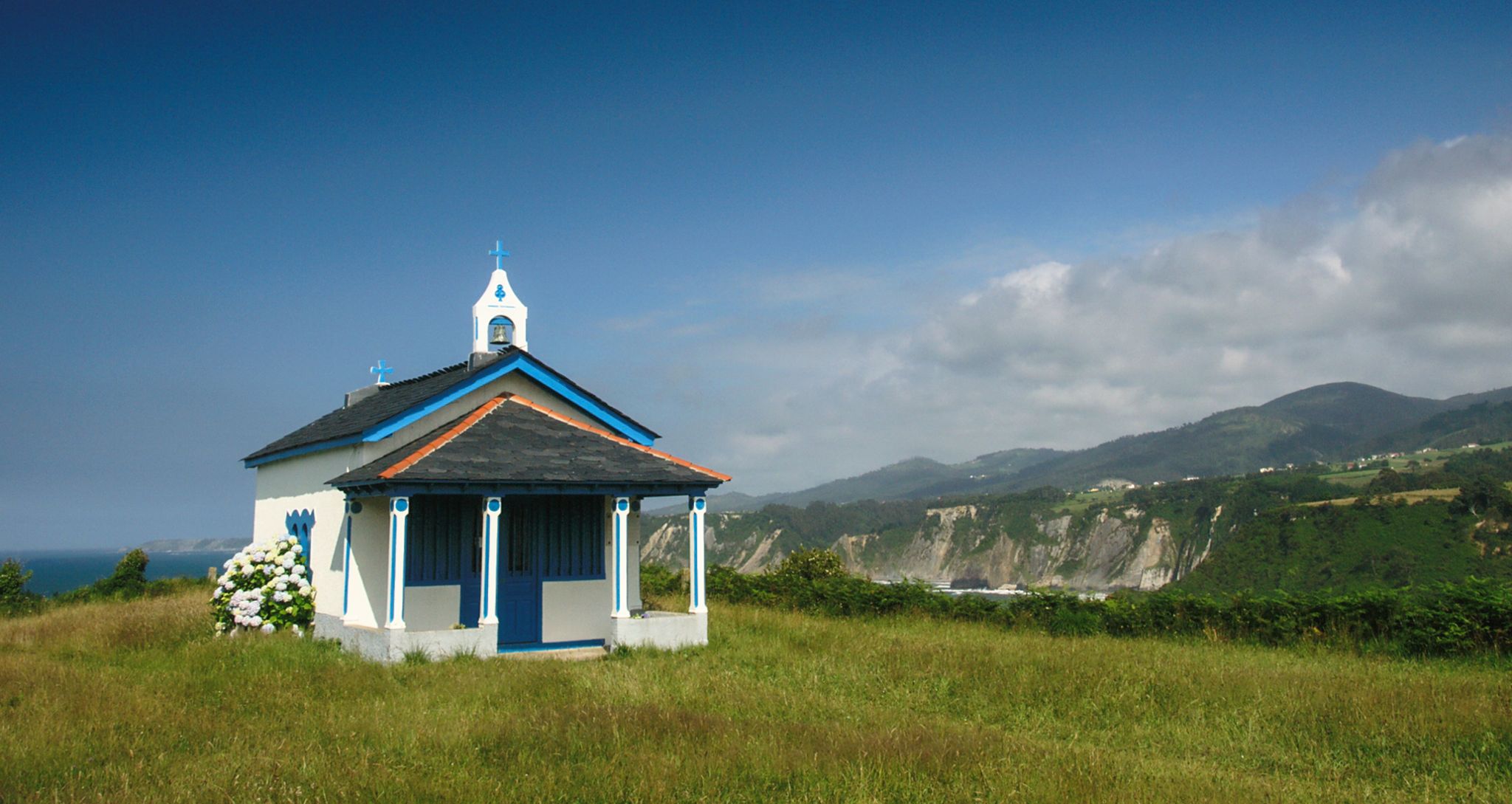
"Let us therefore remember this evening", Pope Leo XIV (on his pastoral visit to Spain in June 2026) said when blessing the Christ Tower of the 'Sagrada Familia' in Barcelona, which is crowned by a huge and accessible cross as the world's tallest church tower, "that the cross of Christ... is the cross of the last who will become first, of sinners who will become saints, of the dead who will be resurrected." This thought of the Holy Father naturally applies not only there, but to every small sacred monument that the hiker/pilgrim encounters on the way.
0
0

The Terras do Miño Biosphere Reserve covers a large part of the province of Lugo, including Vilalba, and is characterized by: Rivers and streams with ancient stone bridges, some built with slate, typical of the region. River trails and routes that cross traditional structures such as footbridges, mills, and medieval bridges. The Madalena River, which flows through Vilalba, has several points of natural and ethnographic interest.
3
0
The original castle dates back to the 11th century, although the current tower was rebuilt in the 15th century after the Irmandiño revolts, which destroyed much of the fortress. It was owned by the lords of Lemos and later passed into the hands of Fernán Pérez de Andrade, who left his heraldic mark on the tower with the figure of the wild boar, a symbol of his lineage. In the 19th century, during the First Carlist War, the tower was reused as a defensive bastion and later restored.
3
0
The Andrade Tower in Vilalba (Lugo) is an impressive medieval building that constitutes the only vestige of the old Vilalba Castle, and one of the most important historical symbols of the Terra Chá region.
3
0
Built in granite stone, with plastered walls. It has a rectangular floor plan and a gabled roof. The main façade features a lintelled doorway and a side window that serves as an alms receptacle, bearing the inscription: “ALMS. FOR THE. VIRGIN. A.D.”
3
0
The Capela do Carme in Begonte (Lugo), also known as Ermida do Carme, is a small religious building of great heritage and devotional value, located in the parish of Pígara (San Pedro), in the town of A Castiñeira, within the municipality of Guitiriz, very close to Begonte.
3
0
Next to the Hermitage of San Andrés in Begonte, there is a traditional fountain that forms part of the spiritual and natural environment of the place.
3
0
The chapel is dedicated to Saint Andrew, an apostle venerated in Galicia for his connection to the sea and spiritual protection. Although the exact date of its construction is unknown, it is a traditional Galician chapel, probably of medieval or Baroque origin, rebuilt or restored in later periods.
4
1
Frequently Asked Questions
How many hiking trails are available around Vilalba?
There are over 10 hiking trails around Vilalba, offering a variety of experiences. These routes range from easy strolls to more challenging long-distance paths, catering to different fitness levels and preferences.
What kind of landscapes can I expect to see while hiking in Vilalba?
Vilalba is nestled within the Terras do Miño Biosphere Reserve, so you can expect diverse natural landscapes. Hikes often feature plains, rolling hills, and abundant rivers like the Madalena. You'll encounter wetlands such as the Cospeito Lagoon, and forests of chestnut, oak, and birch trees. For more challenging routes, the rural paths of the Serra do Xistral and Mount Monseivane offer panoramic views.
Are there any easy hiking trails suitable for beginners or families in Vilalba?
Yes, Vilalba offers several easy trails perfect for beginners or families. A great option is the Cospeito Lagoon – Laguna de Cospeito loop from Área de Cospeito, an easy 2.2-mile (3.5 km) path that provides scenic views of one of Galicia's important wetlands. The riverside promenade along the Madalena River also offers tranquil and accessible walks.
Can I find challenging hikes in the Vilalba area?
Absolutely. For experienced hikers seeking a challenge, Vilalba has several difficult routes. One such trail is the Pathway Near Campo do Cristo – Old bridge loop from Martiñán de Abaixo, which spans 17.1 miles (27.5 km) and leads through varied terrain. Another demanding option is the Cemetery with a small chapel – Chapel of Carmen loop from Cemiterio de Insua.
Are there any circular hiking routes around Vilalba?
Yes, many of the trails around Vilalba are circular, allowing you to start and end at the same point. A popular example is the Churches of San Xiao de Mourence and Santiago de Boizán – circular from Vilalba, an 8.0-mile (12.9 km) route that explores the local countryside and historical churches. The Cospeito Lagoon – Laguna de Cospeito loop from Área de Cospeito is also a great circular option.
What interesting landmarks or attractions can I see along the hiking trails?
While hiking, you can encounter a blend of natural beauty and cultural heritage. You might come across traditional structures like ancient mills and medieval bridges, especially along river trails. Notable landmarks include the 15th-century Andrade Tower, the Old bridge, and various religious buildings such as the San Alberte Chapel and Baamonde Church. The region also features unique natural spots like the Carballido Spring.
Is Vilalba a good destination for dog-friendly hiking?
Vilalba's natural environment, with its numerous trails through forests and along rivers, is generally welcoming for dog owners. Many paths are unpaved and offer plenty of space for dogs to explore. Always ensure your dog is under control and check local regulations for specific areas, especially around nature reserves or populated spots.
What is the best time of year to go hiking in Vilalba?
The best time for hiking in Vilalba is typically during spring and autumn when the weather is mild and the natural scenery is at its most vibrant. Spring brings blooming flora, while autumn offers beautiful fall colors in the region's diverse forests. Summer can also be pleasant, especially for riverside walks, though it can be warmer. Winter hiking is possible, but some paths might be wet or muddy.
Are there any specific natural features or viewpoints worth seeking out?
Definitely. The Cospeito Lagoon is a significant wetland with a 17 km route offering scenic views and viewpoints. The Madalena River features a tranquil river beach and a 'literary walk' between the Muíño do Rañego mill and Ponte dos Freires bridge. For expansive vistas, consider routes that ascend to Mount Monseivane, providing spectacular views of Vilalba's agricultural lands and the Serra do Xistral.
What do other hikers enjoy most about hiking in Vilalba?
The hiking routes in Vilalba are highly rated by the komoot community, with an average score of 4.6 stars from over 28 reviews. Hikers often praise the region's diverse natural landscapes, the tranquility of the river trails, and the blend of natural beauty with ethnographic interest found in traditional mills and ancient bridges. The variety of trails suitable for different abilities is also frequently highlighted.
Is public transport available to reach trailheads around Vilalba?
While Vilalba itself is a crossing point on the Camino del Norte, which implies good accessibility, specific public transport options directly to all trailheads outside the town center may be limited. It's advisable to check local bus schedules or consider personal transport for reaching more remote starting points for hikes in the wider Terra Chá region.
Are there any specific river walks or trails that follow water features?
Yes, Vilalba is rich in river trails. The Madalena River flows through the town and offers a pleasant riverside promenade and recreational area, including the River Beach of La Magdalena. The Terras do Miño Biosphere Reserve, which encompasses Vilalba, is particularly known for its numerous river trails that pass by streams, ancient stone bridges, and traditional mills.
Most popular attractions around Vilalba

Get inspired with the komoot mobile app


Explore more
Browse the best Hikes in other regions.
