The 15 Most Amazing Peaks around Sant Martí De Llémena
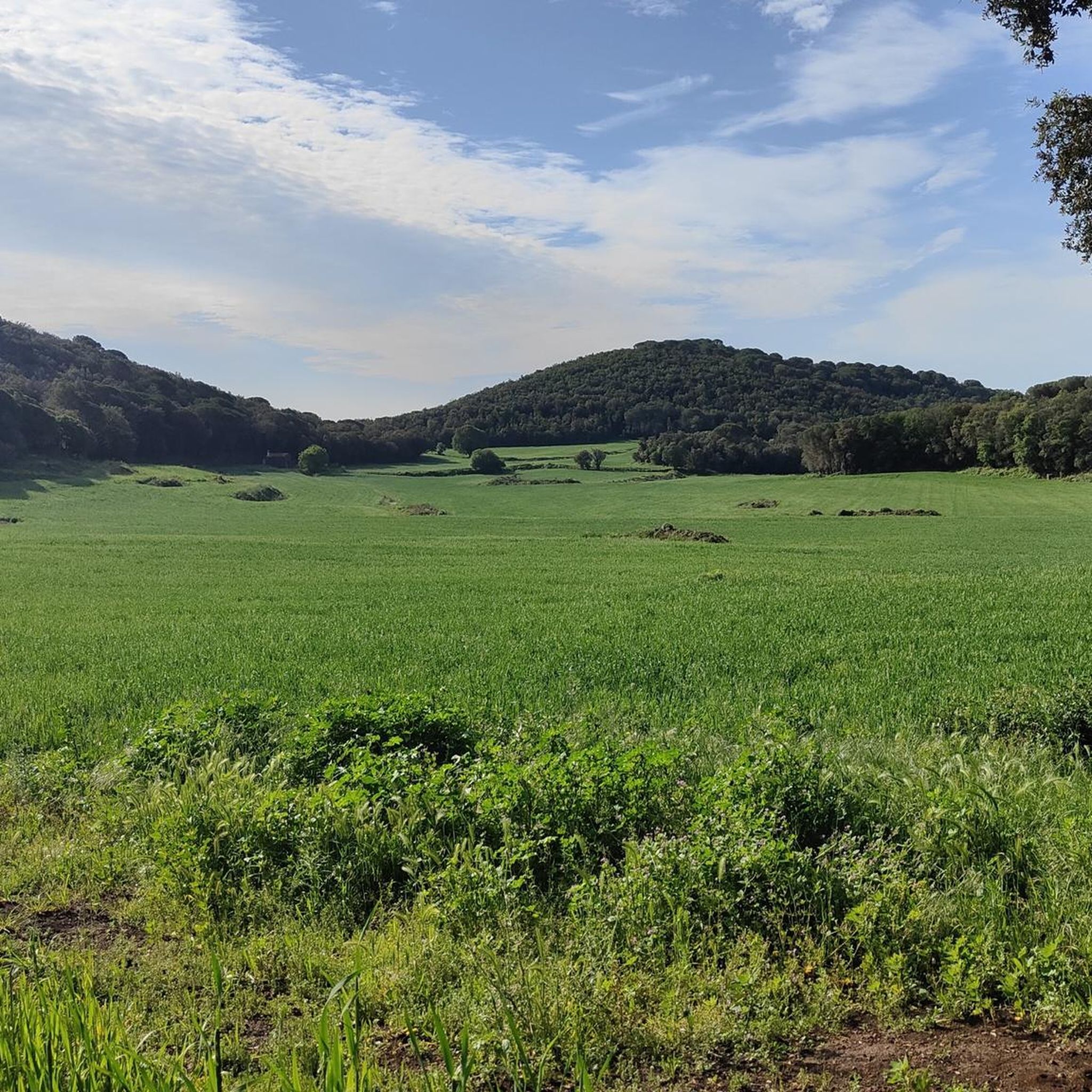
Mountain peaks around Sant Martí De Llémena are characterized by an uneven terrain of hills, mountain streams, and notable volcanic features within the Gironès comarca of Catalonia, Spain. The region offers elevated areas that provide geological insights and natural surroundings. Visitors can explore a landscape shaped by ancient volcanoes, offering diverse hiking opportunities. This area is known for its natural beauty and varied terrain.
Best mountain peaks around Sant Martí De Llémena
- The most popular mountain peaks is Sant Grau…
Last updated: July 13, 2026
Ermita de Santa Bárbara
Highlight • Religious Site
Translated by Google •
Tip by

Rocacorba Climb
Highlight (Segment) • Climb
Tip by

Sign up now to discover places like this
Get recommendations on the best single tracks, peaks, & plenty of other exciting outdoor places.
Sign up for free
Sant Grau Hermitage
Highlight • Religious Site
Translated by Google •
Tip by

Puigsallança Summit (1,026 m)
Highlight • Summit
Translated by Google •
Tip by

Puigdefrou
Highlight • Summit
Translated by Google •
Tip by

Sign up for free to discover even more peaks around Sant Martí De Llémena.
Sign up for free
Already have an account?
Start today with a free account
Your next adventure awaits.
Login or Signup
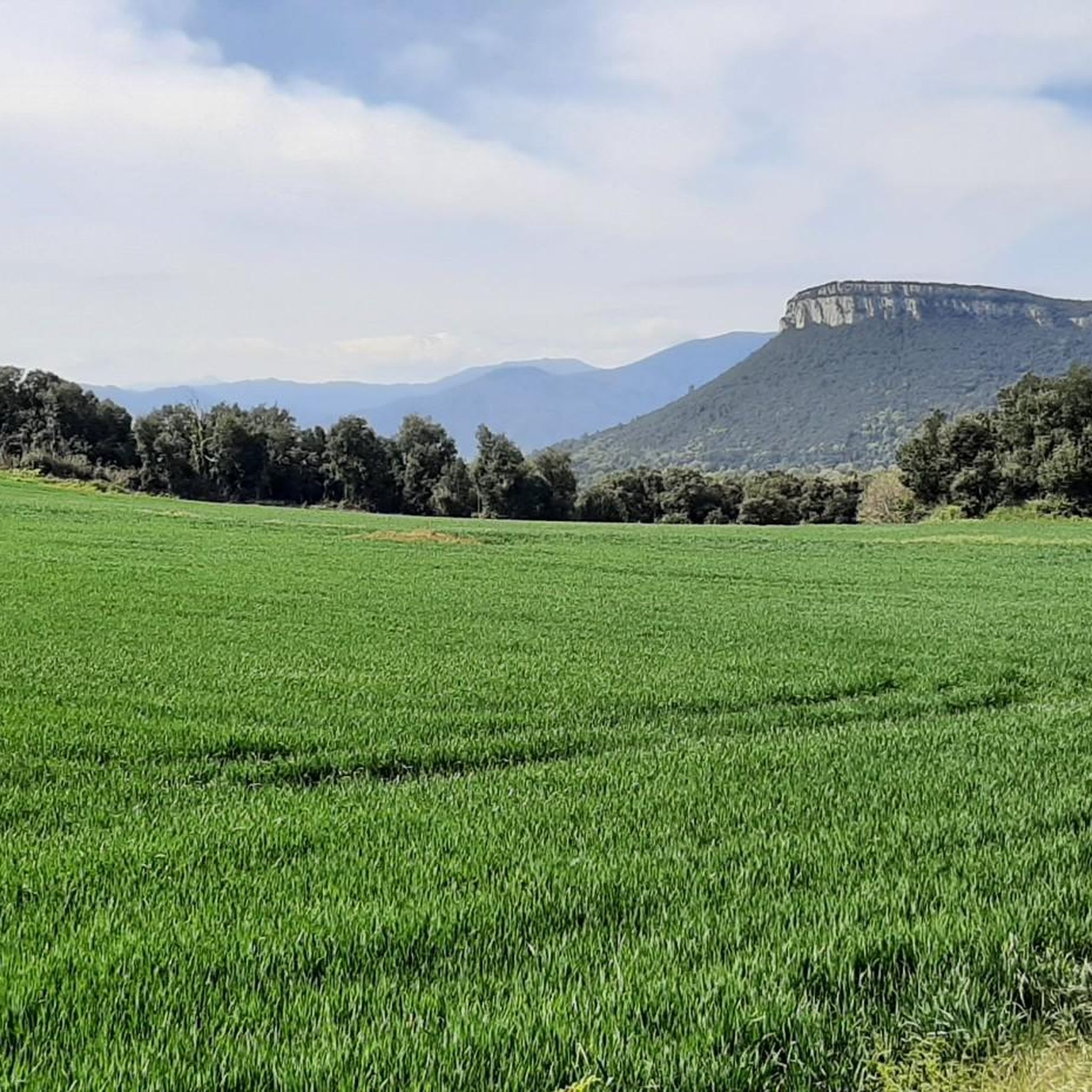
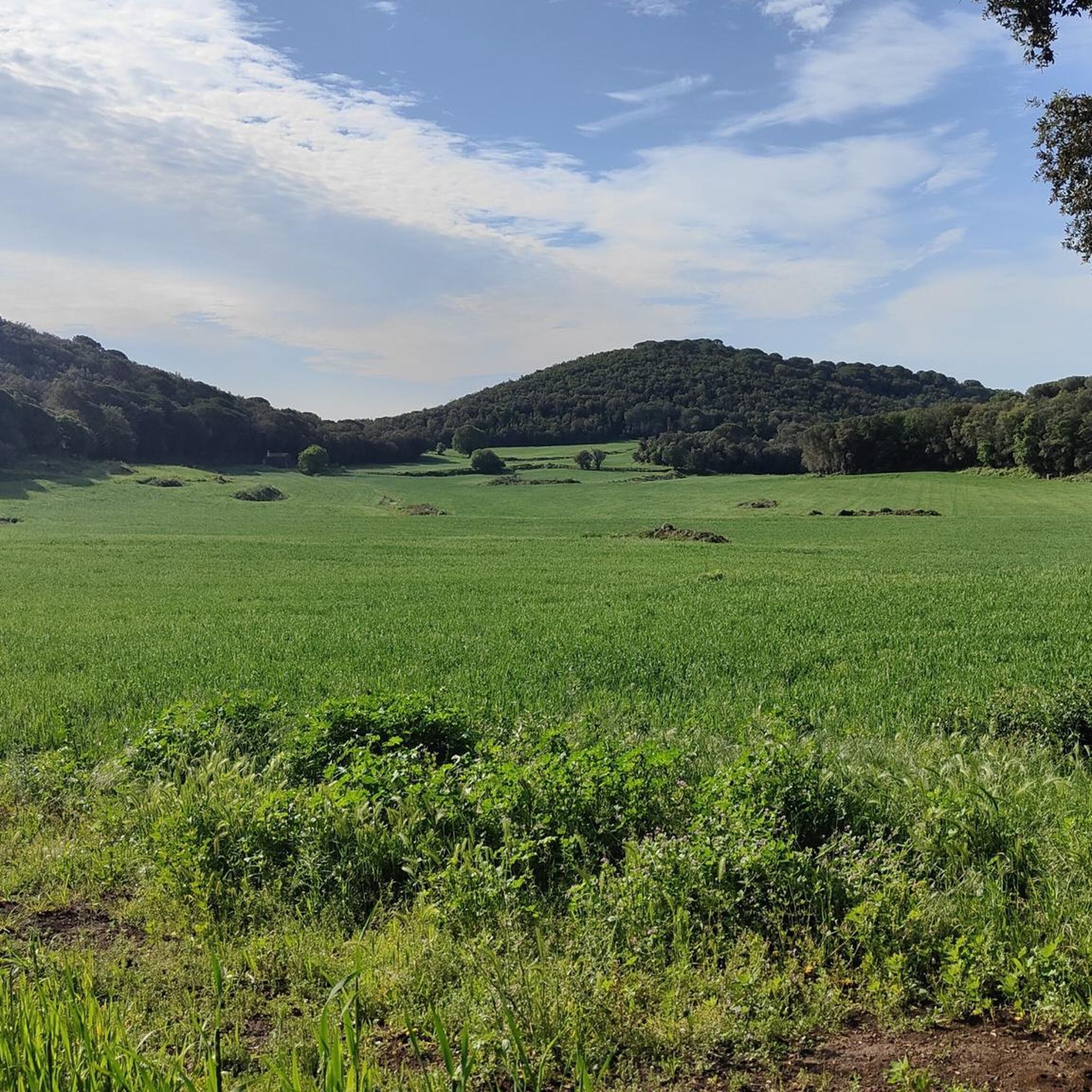
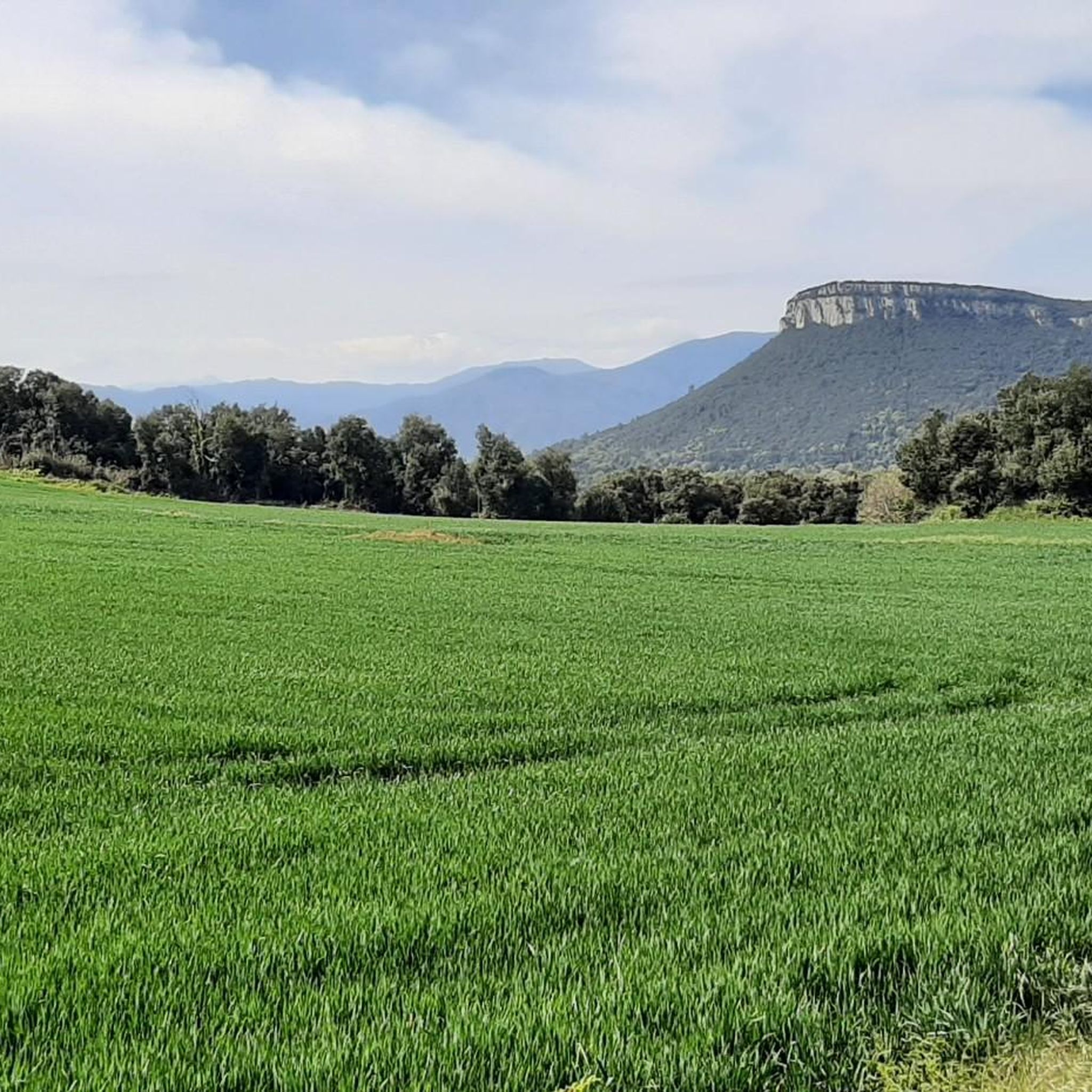
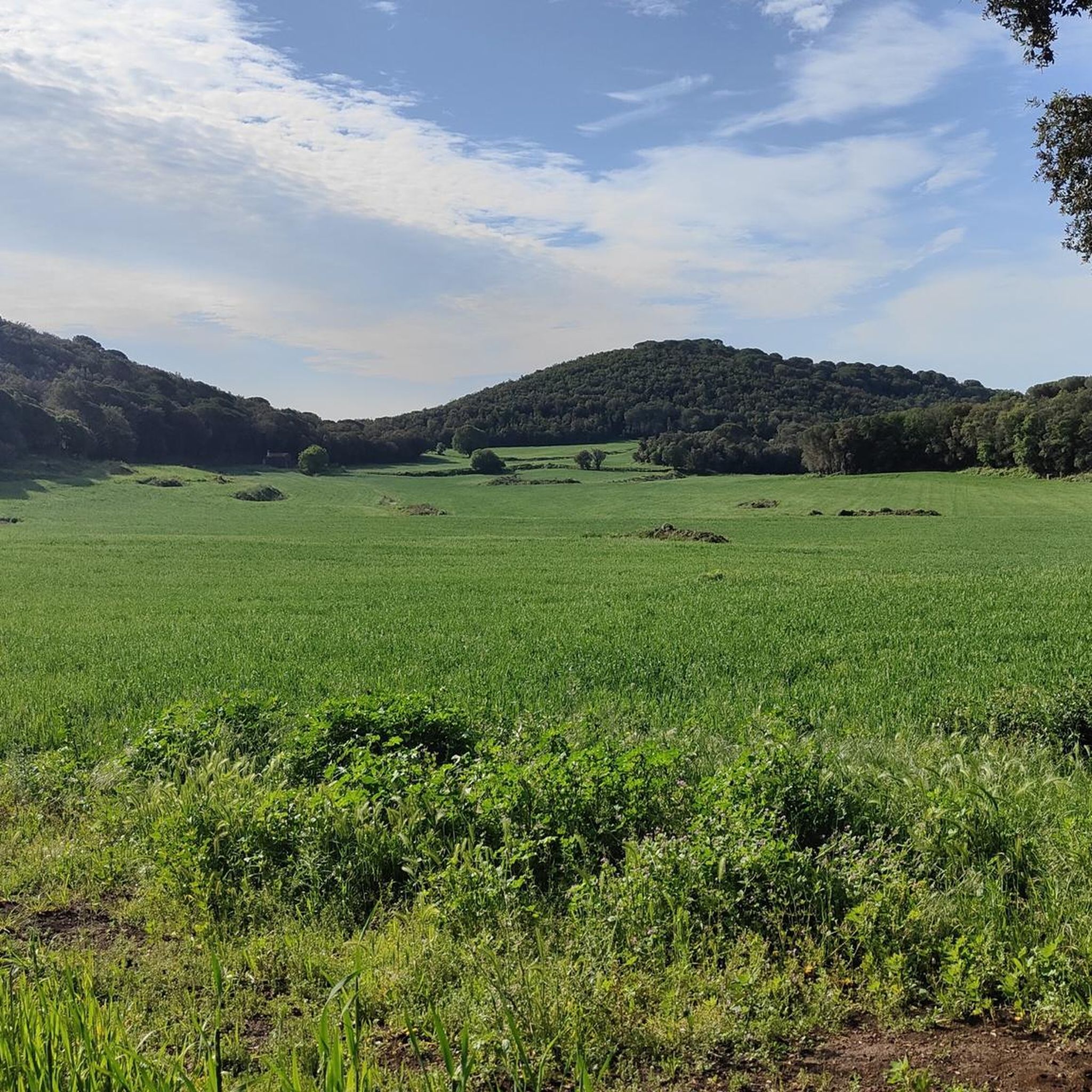

Tips from the Community

Perfect gravel climb to Rocacorba, allowing you to make a nice loop going back down the road. The road is asphalted until Biert then only the very steep parts are concreted to facilitate the climb.
2
0

Santa Bárbara is a hermitage known and recognized by all the inhabitants of the plain of Ter such as Cellera, Anglès or Sant Martí Sapresa. Together with PuuigdeFrou they form a ridge line that shows the first mountains of the Guilleries from this northern side of the mountain range with a beautiful Hermitage, currently preserved and full of life, which gives us beautiful views of the area.
0
0

Great views even though I was in a hurry today. There are many tables and benches to sit on, but I have not seen a fountain and in the attached farmhouse I would say that no one lives there.
3
0
The climb is demanding, but once at the top the views compensate for the effort.
2
2

The current hermitage of Santa Bárbara is structured in two parts.[1] On one side is what would be the two-story shelter covered with a gabled roof with slopes facing the façade. On the ground floor there are three openings, such as two small windows framed by stone posts and covered by a wrought iron lattice. But above all, the lintel portal with a semicircular arch with some medium-sized voussoirs stands out. On the first floor there are two openings of similar typology, that is, rectangular, with a monolithic lintel forming a flat arch, stone pillars and a worked parapet.[1] On the other hand, the hermitage itself is arranged, covered with a mixed roof, that is, half with gable slopes on the façade and the other half with a single slope on the façade. On the ground floor, the large voussoir portal with a semicircular arch stands out with some large and very well squared voussoirs.[1] As for the first floor, we find a rectangular opening with a monolithic lintel and stone pillars with a stained glass window that reproduces a tree. But in this sector the impressive belfry with a single lowered arch eye stands out especially. Its bell contains a long inscription. On one side it says: "Parish of Sant Martí Sapresa: Hermitage of Santa Bárbara 1952 Laus Deu." And to the other "Friends of Santa Bàrbara 2002: the friends of Santa Bàrbara to the Poble d'Anglès and to all those who venerate this indret".[1] The interior of the hermitage is a small chapel with a single nave, with two sections and a chancel and basically supported by two pointed arches with an arrow much more accentuated than the light. The section of the head, where we find the half-round apse, would correspond to the roof on one slope; The middle section would correspond to the bell tower and the foot section is where we find the gabled roof. In this sector we also find two important elements, such as a large quadrangular opening, with a monolithic lintel, stone pillars and a worked parapet, and a colored stained glass window that alludes to the crucifixion. The other would be a stone portal that communicates with the shelter.[1] In the section of the head there is a small altar table, as well as a small niche framed in stone that houses an image of Saint Barbara made in Osor following the resin procedure or technique.[1]
0
1
At the beginning or end of this section, depending on the direction, in Mas Puig (already touching the road from Canet to Adri) for some time there has been a stationary caravan and some tables to drink or eat a snack contemplating the top of Rocacorba. Typical stop for cyclists, hikers and urbanites with hiking boots.
3
0

With its 1026m height, Puisallança is the highest peak of the Sierra de Ventanas. It is located in the municipality of Sant Aniol de Finestres, in the Catalan region of Garrotxa. It is included in the list of the 100 summits of the FEEC.
1
0

The most representative summit of Cellera del Ter that rises to 839 meters from where you can see the Pica de Canigó and the Medes Islands.
4
0
Frequently Asked Questions
What are some prominent mountain peaks and elevated areas to visit in Sant Martí De Llémena?
The region features several notable elevated points. You can explore volcanic peaks like the Volcano of Morer Peak and the Volcano of La Banya de Boc, which offer unique geological insights. Other significant spots include the Cliffs of Sant Martí and Sant Roc, known for panoramic views, and Puigsallança Summit (1,026 m), the highest peak of the Sierra de Ventanas.
Are there historical or religious sites located on the mountain peaks?
Yes, Sant Martí De Llémena is home to several historical hermitages on its peaks. You can visit Sant Grau Hermitage, which offers impressive views after a demanding climb, or Sant Roc Hermitage, situated on cliffs with views of the Llémena valley. Another option is Ermita de Santa Bárbara, a well-preserved hermitage with great views and amenities like tables and benches.
What kind of terrain can I expect when hiking the mountain peaks in Sant Martí De Llémena?
The terrain around Sant Martí De Llémena is uneven, characterized by hills, mountain streams, and distinctive volcanic features. You'll find a mix of challenging climbs with significant unevenness, as well as partially paved sections. Some routes, like the Rocacorba Climb, feature both gravel and paved surfaces, catering to various preferences.
Are there family-friendly mountain peaks or elevated areas suitable for all ages?
Yes, Ermita de Santa Bárbara is considered family-friendly. It offers great views and has tables and benches, making it a comfortable spot for a break. The region generally has well-signposted trails, and while some climbs are demanding, there are options suitable for various fitness levels.
What natural features can I observe while exploring the peaks?
Beyond the peaks themselves, the region is rich in natural beauty. You'll encounter a volcanic landscape, numerous natural springs such as Els Esquirols, Els Gelats, and El Joncar, and picturesque natural surroundings. Many peaks also serve as excellent viewpoints, offering panoramic vistas of the Llémena valley and surrounding areas.
What outdoor activities can I do near the mountain peaks in Sant Martí De Llémena?
The area is a paradise for outdoor enthusiasts. You can enjoy various activities, including mountain biking on trails like the Rocacorba MTB Route 13, running through the Rocacorba mountains, or road cycling with routes such as the Banyoles Lake Westbank loop. For more details, explore the MTB Trails, Running Trails, and Road Cycling Routes guides for the region.
Are there specific hiking trails near these mountain peaks?
Yes, there are numerous well-signposted hiking trails. For instance, you can find routes that incorporate the Cliffs of Sant Roc, including a circular route through its cliffs and another loop involving the Sant Roc Hermitage. Many trails allow you to explore ancient volcanoes, small churches, and hermitages. Check the Running Trails around Sant Martí De Llémena guide for routes like the 'Volcán el Puig d'Adri and the pools of la Font de la Torre' or the 'Volcà de la Banya del Boc loop'.
What do visitors enjoy most about the mountain peaks in Sant Martí De Llémena?
Visitors frequently highlight the stunning views and the rewarding experience of reaching the summits, even after demanding climbs. The unique volcanic landscape, the presence of historical hermitages, and the well-maintained trails are also highly appreciated. Many enjoy the sense of accomplishment and the natural beauty that compensates for the effort.
What is the best time to visit the mountain peaks in Sant Martí De Llémena?
While specific seasonal recommendations are not detailed, the region's natural springs and lush environment suggest that spring and autumn would be ideal for hiking, offering pleasant temperatures and vibrant scenery. Summer might be suitable for early morning or late afternoon excursions to avoid the heat, while winter could offer unique, serene experiences on the trails, depending on weather conditions.
Are there any challenging mountain hikes in the area?
Yes, the region offers several challenging hikes. The climb to Sant Grau Hermitage is known for its demanding nature with significant unevenness. Similarly, the Rocacorba Climb is a popular, challenging route for both cyclists and hikers. These routes require good fitness and sure-footedness but reward with impressive views.
Can I find viewpoints with panoramic vistas from the peaks?
Absolutely. Many of the elevated points in Sant Martí De Llémena serve as excellent viewpoints. Sant Grau Hermitage, Sant Roc Hermitage, and Ermita de Santa Bárbara all offer impressive views of the region and the Llémena valley. Puigsallança Summit, as the highest peak in its range, also provides extensive panoramic vistas.
Most popular routes around Sant Martí De Llémena
Most popular attractions around Sant Martí De Llémena

Get inspired with the komoot mobile app


Explore more
See even more amazing summits around Sant Martí De Llémena with these guides:
