Attractions and Places To See around Valencia De Alcántara - Top 20
Best attractions and places to see around Valencia De Alcántara include a rich collection of historical landmarks, diverse natural landscapes, and significant cultural sites. Situated near the Spanish-Portuguese border, the region is known for its Neolithic Dolmens, one of Europe's most significant megalithic complexes. The area also features the Gothic-Jewish Quarter, recognized as a National Historic-Artistic Site, and parts of the Tagus International Natural Park. This blend of history and nature offers varied exploration opportunities.
Best attractions and places to see around Valencia De Alcántara
- The most popular attractions is Historic Village of Marvão, a settlement that offers a ruined castle, a beautiful garden, and views of the surrounding countryside. This fortified town is situated on a granite cliff, providing a strategic defensive position.
- Another must-see spot is Marvão Castle, a castle with panoramic views. Visitors can explore the medieval fortress and enjoy the vistas from its elevated position.
- Visitors also love 16th century bridge of Portagem, a bridge reusing materials from a primitive Roman bridge. It stands out for its excellent state of conservation and offers views towards Marvão castle.
- Valencia De Alcántara is known for its historical sites, natural features like the Neolithic Dolmens, and cultural points of interest. The area offers a variety of attractions to see and explore, from ancient ruins to protected natural parks.
- The attractions around Valencia De Alcántara are appreciated by the komoot community, with 79 upvotes and 128 photos shared by visitors.
Last updated: May 11, 2026
Historic Village of Marvão
Highlight • Settlement
Translated by Google •
Tip by

16th century bridge of Portagem
Highlight • Bridge
Translated by Google •
Tip by

Sign up now to discover places like this
Get recommendations on the best single tracks, peaks, & plenty of other exciting outdoor places.
Sign up for free
Marvão Castle
Highlight • Castle
Translated by Google •
Tip by

Porta do Rodão of Marvão
Highlight • Historical Site
The Porta de Rodão was built much later, in the 17th century, to bolster defenses during the War of Independence against Spain in the mid-17th century. A small parking area is located in front of it. Due to the narrow streets and almost complete lack of parking, driving through the gate into Marvão is strongly discouraged.
Another fortified gate, providing pedestrian access to Vila Marvão, is located to the east. This one is also worth a visit.
Translated by Google •
Tip by

Marvão-Beirã Railway Station
Highlight • Monument
Translated by Google •
Tip by

Sign up for free to discover even more attractions around Valencia De Alcántara.
Sign up for free
Already have an account?
Start today with a free account
Your next adventure awaits.
Login or Signup
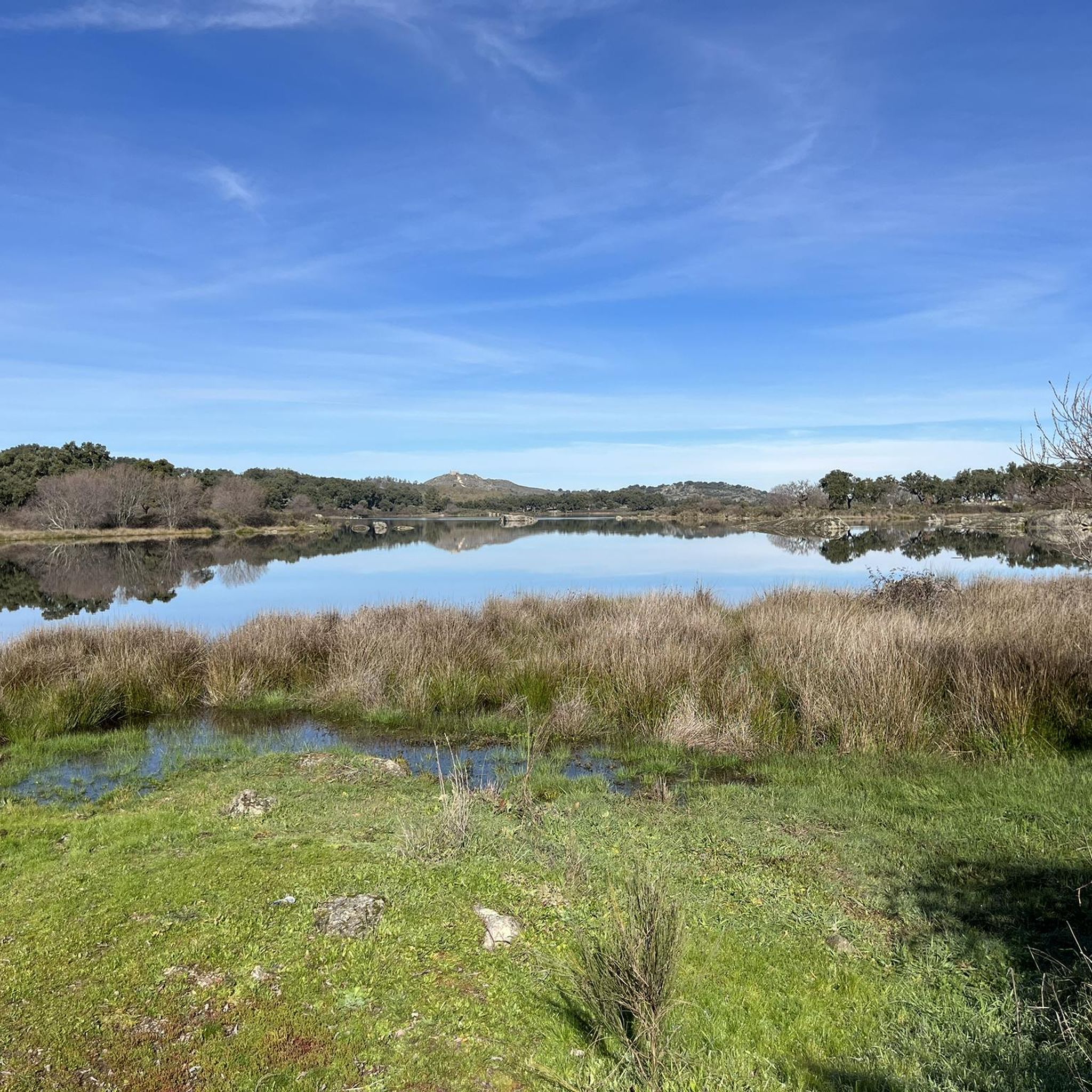
Tips from the Community

A place to visit every month. It's wonderful.
2
0

The current pillory dates from the years immediately following the granting of the New Charter by King Manuel in 1512 and reflects his Manueline, albeit very rustic, style. The monument stands in front of the 16th-century district jail building and next to the clock tower, also from the 16th century, in the square that bears his name. It stands on a base with four octagonal steps and consists of an octagonal shaft set directly into the upper step, formed by five drums with mortar joints.
1
0
The Porta de Marvão is a medieval gate in the fortified town of Marvão, serving as the village's main entrance. The town is situated in the Serra de São Mamede mountains and offers panoramic views of the surrounding Alentejo region. Marvão's narrow streets are lined with whitewashed houses featuring Gothic arches and Manueline doorways. The well-preserved 13th-century castle is a focal point, offering visitors a glimpse into the town's rich history and strategic importance. The Porta de Rodão was built much later, in the 17th century, to bolster defenses during the War of Independence against Spain in the mid-17th century. A small parking area is located in front of it. Due to the narrow streets and almost complete lack of parking, driving through the gate into Marvão is strongly discouraged. Another fortified gate, providing pedestrian access to Vila Marvão, is located to the east. This one is also worth a visit.
2
0
The fortified town of Marvão, 12 kilometers from Quinta do Pomarinho, is also known as the "Eagle's Nest." It boasts a spectacular location on a granite cliff, atop one of the peaks of the Serra de São de Mamede mountain range. Completely walled, Marvão is situated in the Alto Alentejo region, near the Spanish border, which was once controlled from the village. The town of Marvão owes its name to Ibn Maruane, an Arab military leader who sought refuge here in the 11th century. He hid on Mount Ammaia and built a castle there, in the most remote and inaccessible spot he could find. Years later, the castle was transformed into a medieval fortress. Its location made it a strategic defensive position, nestled among hills with slopes to the north, south, and west, accessible only on foot from the village. For many years, Marvão was a municipality heavily and significantly involved in numerous military conflicts in the region. Today, Marvão is a rather sleepy town, but one where you can enjoy wonderful walks. More information can be found here: https://www.feriasemportugal.com/marvao
3
0

Beirã is a small, quiet town surrounded by rolling countryside, with cork oak forests, olive groves and a rural, peaceful atmosphere typical of the Alto Alentejo. This village is often associated with its historic train station, once an important hub on the line between Lisbon and Madrid, which still retains some of its old-world charm. Beirã is an ideal base for exploring the surrounding nature and the area's rich historical sites, such as the nearby, well-preserved medieval village of Marvão, perched on a hill, or the Roman city of Ammaia.
1
0
Marvão is dominated by its imposing and well-preserved medieval castle. The fortified walls embrace the entire village, enclosing a maze of narrow cobbled streets, white houses with red roofs and small flower-filled squares. The views from the walls are breathtaking, taking in a vast panorama of hills, valleys and, on a clear day, all the way to the Serra da Estrela mountain range. Marvão is a true open-air museum, preserving the atmosphere and architecture of centuries past. It is on the UNESCO tentative list of potential World Heritage Sites, and is an ideal destination for those seeking history, tranquility and spectacular scenery.
1
0

Roman footpath. Much uneven. Wear good walking shoes.
0
1

Fantastic view over the towering Marvão castle. River pool, outdoor pool, magnificent leisure area and excellent restaurants in the area. A privileged starting point for walks, runs and bike rides. "A 16th century bridge reusing materials from a primitive Roman bridge, with a ramped deck, resting on round arches, covered by a medium to large facing and with well-squared stones in the voussoirs. It stands out for its excellent state of conservation, having not undergone any notable alterations in at least the last three centuries. The issue of the bridge's dating is controversial; certain authors such as Keil, Laranjo Coelho, Alarcão, Jorge de Almeida, Josefa Neves and Afonso do Paço consider it to be from the period of Roman occupation, from the early years of the Christian era, forming part of the Roman road that linked Lisbon to Mérida; other authors such as Jorge de Oliveira, based on information from the Treaty of the city of Portalegre de Sotto Maior, a priest in the municipality of Marvão and born in the parish of Alegrete in the mid-16th century, place its construction in the 16th or 17th century, assuming that stonework from the old Roman bridge was reused. which, together with the bridges of Madalena (see IPA.00020704) and Ribeira das Trutas (see IPA.00020703) served the inhabitants of the Roman city of Ammaia (see IPA.00001844) and travelers traveling to Mérida, thus having a prominent importance from a geopolitical point of view at the time." in http://www.monumentos.gov.pt/Site/APP_PagesUser/SIPA.aspx?id=20702
4
0
Frequently Asked Questions
What historical sites can I explore around Valencia de Alcántara?
The region is rich in history. You can visit the well-preserved Gothic-Jewish Quarter, a National Historic-Artistic Site known for its pointed archway entrances. Other significant sites include the 14th-century Church of Nuestra Señora de Rocamador, the Renaissance Church of Encarnación, and the Fortress Castle of Valencia de Alcántara, which houses the Identity Centre of the First Settlers. Additionally, remnants of a Roman aqueduct and the Old Stone Bridge over the Salor River offer glimpses into ancient times.
Where can I find prehistoric monuments in the area?
Valencia de Alcántara is renowned for its Neolithic Dolmens, considered one of Europe's most significant megalithic complexes. This collection includes 41 prehistoric burial structures, such as the well-preserved Dolmen Tapada de Anta and Dolmen del Mellizo-Anta de la Marquesa. You can also explore the Roman City of Ammaia, an important archaeological site with a museum.
Are there any natural parks or areas for birdwatching near Valencia de Alcántara?
Yes, the region is home to diverse natural landscapes. The Tagus International Natural Park and the broader Sierra de San Pedro Mountain Range are excellent for nature enthusiasts. These areas provide habitats for rich ornithological fauna, including the Spanish imperial eagle, black stork, and griffon vulture, making them ideal for birdwatching.
What are some popular outdoor activities around Valencia de Alcántara?
The area offers various outdoor activities. You can enjoy hiking, cycling, and birdwatching. For specific routes, consider exploring the hiking trails around Valencia de Alcántara, which include routes like the 'Galegos Hiking Trail' or the 'Route of the Dolmens of Aceña de la Borrega'. There are also MTB trails and running trails available.
What cultural experiences can I have in Valencia de Alcántara?
Beyond historical sites, you can delve into the region's culture at the Identity Centre of the First Settlers inside the castle, which offers interactive insights into prehistoric cultures. The area also features a Centro de Identidad Cultura Sefardí (Synagogue of Valencia de Alcántara), highlighting its Jewish legacy. If visiting in the first week of August, you might experience the annual Royal Wedding Cross-border Festival.
Are there any family-friendly attractions or activities?
Many historical sites, such as the Gothic-Jewish Quarter and the Fortress Castle, can be engaging for families. The Identity Centre of the First Settlers offers interactive exhibits. Additionally, the 16th century bridge of Portagem is noted as family-friendly, and gentle walks in the natural parks can be enjoyed by all ages.
What is the best time of year to visit Valencia de Alcántara for outdoor activities?
The region's climate is generally favorable for outdoor activities. Spring and autumn offer pleasant temperatures for hiking, cycling, and exploring historical sites. Summers can be warm, but early mornings or late afternoons are still suitable for activities, especially near natural features like the River Sever.
What are some unique natural features to see?
Beyond the natural parks, look for the Batolito Granítico de Valencia de Alcántara, which features large granitic boulders adorned with lichens and mosses. The landscape is also shaped by the Sierra Fría and the foothills of the Sierra de San Pedro, offering scenic views and varied terrain.
Can I visit the Historic Village of Marvão and its castle from Valencia de Alcántara?
Yes, the Historic Village of Marvão and Marvão Castle are popular attractions nearby. Marvão is a fortified town situated on a granite cliff, offering a ruined castle, beautiful gardens, and panoramic views of the surrounding countryside. It's a short distance across the border into Portugal.
What do visitors enjoy most about the attractions around Valencia de Alcántara?
Visitors frequently praise the stunning panoramic views from places like Marvão Castle and the picturesque charm of the Historic Village of Marvão. The excellent state of conservation of historical sites like the 16th century bridge of Portagem and the rich historical context of the Roman ruins also receive high appreciation.
Are there any specific hiking trails that explore the megalithic complex?
Yes, for those interested in the Neolithic Dolmens, there are dedicated routes. The 'Route of the Dolmens of Aceña de la Borrega' is a moderate hiking trail that allows you to explore some of these ancient structures. You can find more details on hiking around Valencia de Alcántara.
Most popular routes around Valencia De Alcántara
Most popular attractions around Valencia De Alcántara

Get inspired with the komoot mobile app


Explore more
Still not found the Highlight you’re looking for? See guides of the top attractions in other regions:
