Attractions and Places To See around Gurb - Top 20
Best attractions and places to see around Gurb, a municipality in the Plana de Vic, Province of Barcelona, Spain, offers a combination of historical landmarks, cultural sites, and natural landscapes. The area is characterized by its medieval village history, dating back to 886 AD, with Gurb Castle serving as a significant historical fortress. Visitors can explore a variety of sites that reflect the region's heritage and natural beauty.
Best attractions and places to see around Gurb
- The most popular attractions…
Last updated: August 30, 2026
Church of Sant Romà de Sau (Submerged Bell Tower)
Highlight • Religious Site
Translated by Google •
Tip by

Santuario de Puig-agut
Highlight • Religious Site
Translated by Google •
Tip by

Sign up now to discover places like this
Get recommendations on the best single tracks, peaks, & plenty of other exciting outdoor places.
Sign up for free
Roman Temple of Vic
Highlight • Historical Site
The building …
Translated by Google •
Tip by
Sant Martí Xic Chapel
Highlight • Religious Site
Tip by

Sant Feliuet de Savassona Hermitage
Highlight • Religious Site
The church was …
Translated by Google •
Tip by

Sign up for free to discover even more attractions around Gurb.
Sign up for free
Already have an account?
Start today with a free account
Your next adventure awaits.
Login or Signup
Tips from the Community

The Mother of God depicted and venerated here is the Virgin Mary of Lourdes. This well-known Marian pilgrimage site is located in the French Pyrenees and is visited annually by large numbers of people, including many sick people hoping for healing. The devotional image of the Mother of God has become widespread – not only in France – with believers building Lourdes chapels and grottos everywhere. The church feast day of "Our Lady of Lourdes" is February 11th, the anniversary of the Marian apparition (1858), when the Mother of God appeared to 14-year-old Bernadette Soubirous in a rock grotto very close to Lourdes. Bernadette later became a nun and died at the age of just 35. On December 8th (the Feast of the Immaculate Conception of Mary), 1933, she was canonized by Pope Pius XI. The commemoration of the Madonna of Lourdes is also World Day of the Sick.
0
0

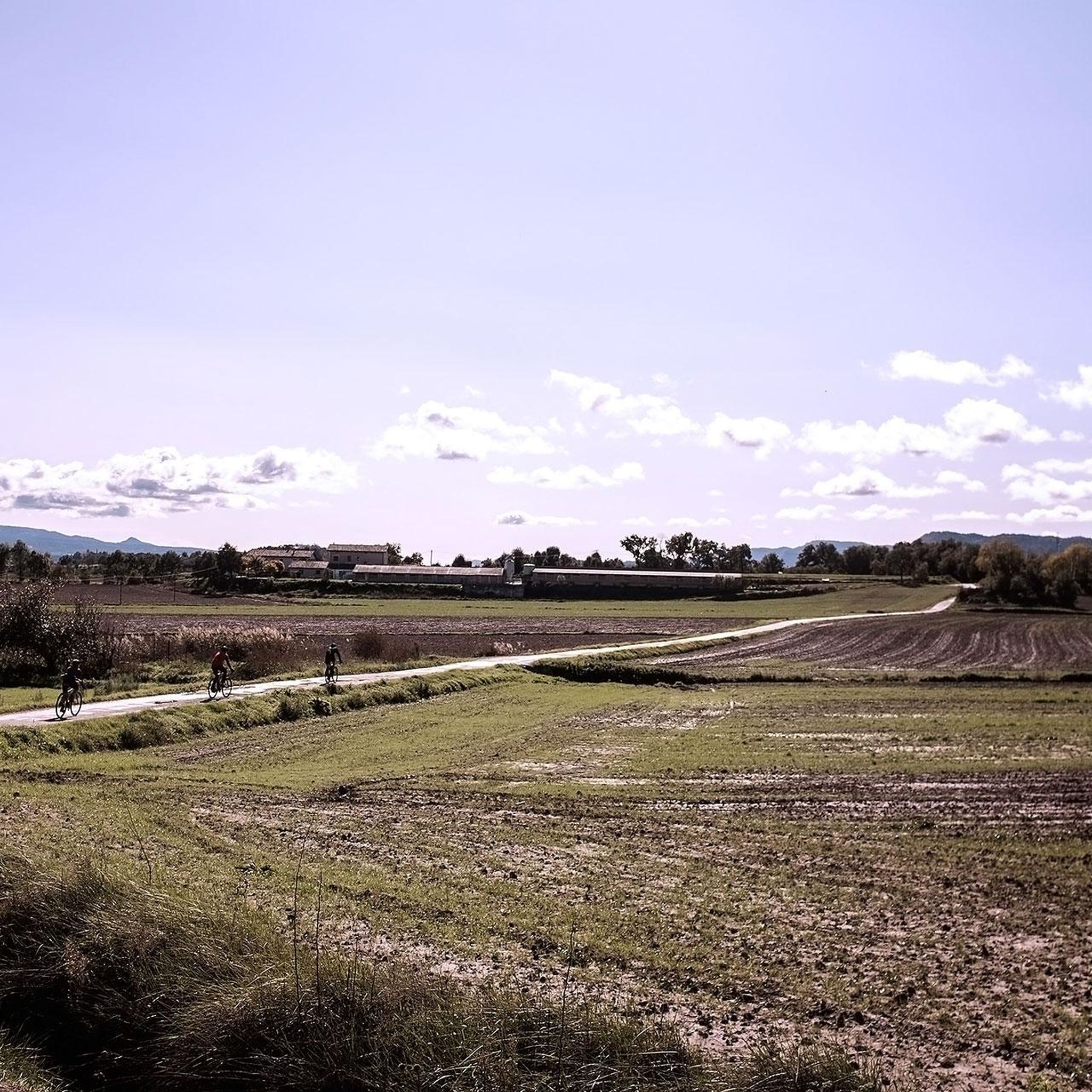
Here you can see some impressive sunsets, with specially placed benches, to enjoy some views, and incredible sunsets 🤩
0
0
On May 15, 2004, a commemorative plaque was placed under the title of the silenced bombs of Vic in memory of the bombings suffered by the city in 1938-1939.
1
0

Very curious temple due to its proportions. It has preserved its entire structure in its primitive elements. The only tagline made in the course of its history was the belfry on the wall opposite the apse. Rectangular plan with a single nave crowned to the east by a semicircular apse. It is covered with a barrel vault reinforced by a single main arch. The covers were non-existent; that of the nave has been resolved with Arab tiles while that of the apse is with stone slabs very well cut and jointed. Below this cover there is a course of very regular rectangular stones placed in the restoration as a cornice. The closing wall of the nave at the eastern corner rises above the roof level. The apparatus is made of limestone ashlars, squared and of very irregular sizes, arranged in irregular courses held with lime mortar. The entrance door opens at noon, resolved with a semicircular arch made of well-cut voussoirs. In this same corner there is a semicircular window and another equal to the west corner that, with the one in the back of the apse, completes the lighting of the church.
0
0

You have to take a lot of time for the old town of Vic.
0
0

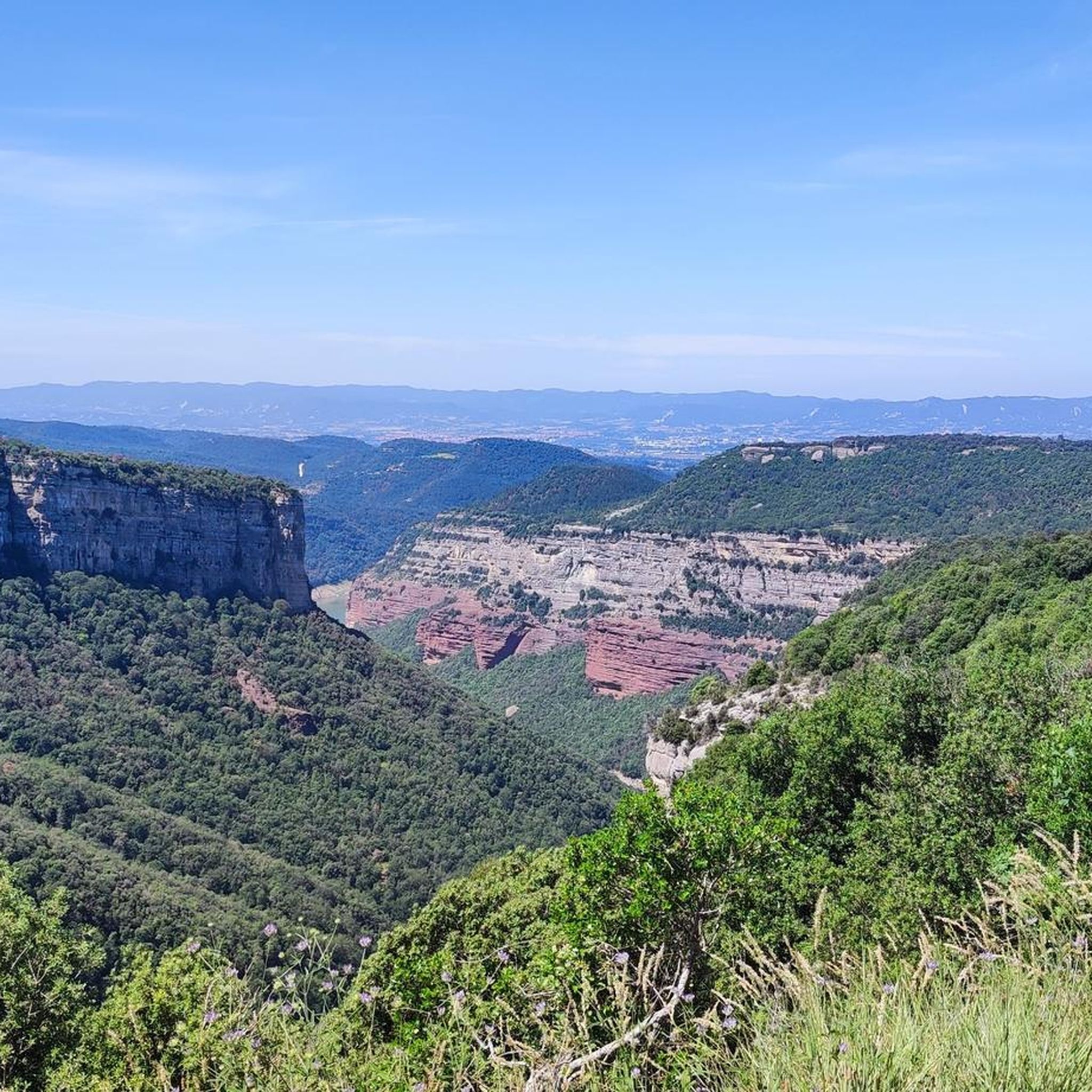
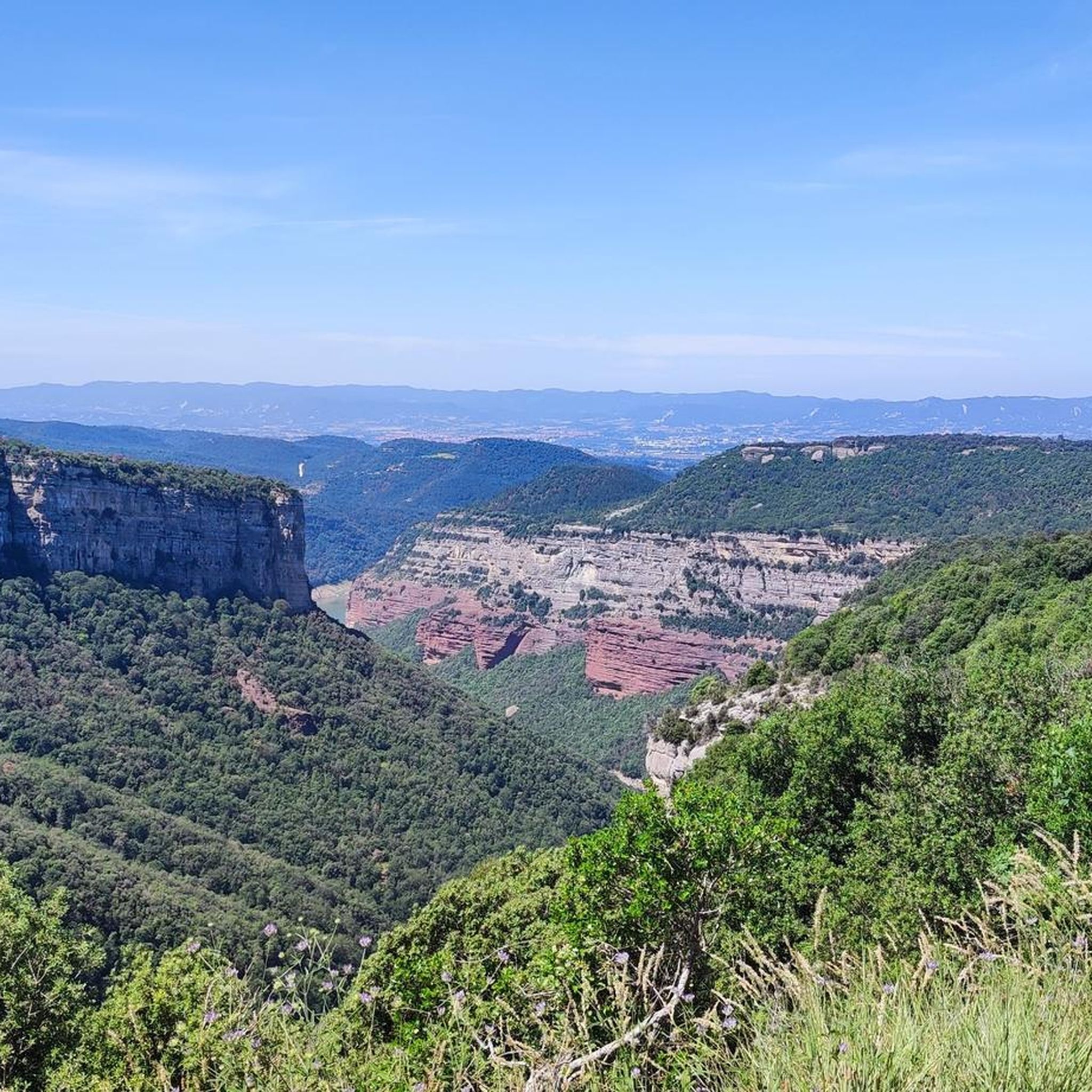
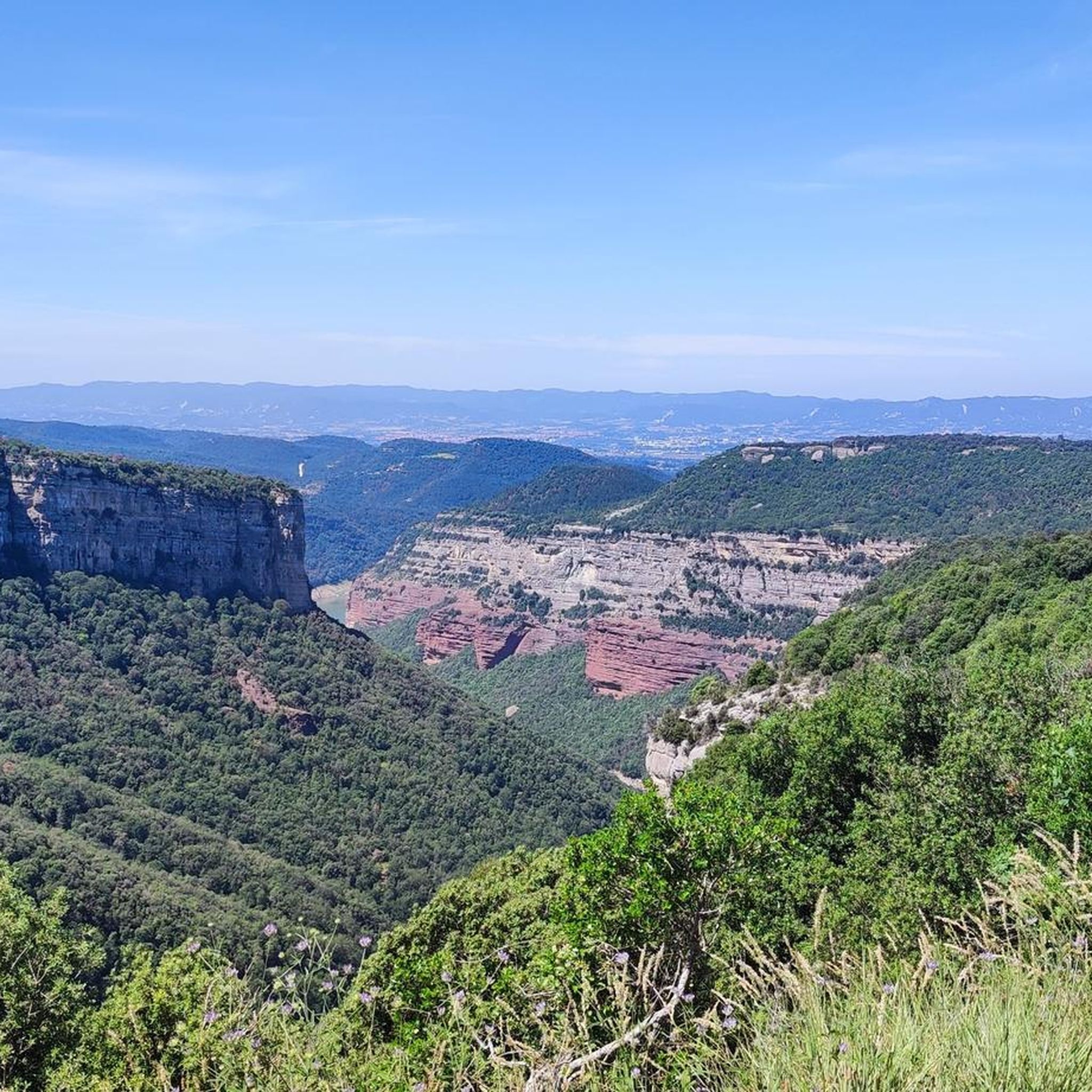
A great place even if the reason why this village reappears after 60 years is more than sad. Water shortage in Catalonia.
2
0

Despite the multiple uses that the place had, the condition of the temple is outstanding. The columned portico rises above the podium, where it is accessed by a front staircase. The columns are smooth, with the Corinthian capitals and entablature crowning the cella. The building is a historicist reconstruction from the 19th century, idealized in the model of the only two remains that remained of the original: a Corinthian capital and a column shaft, as well as the walls of the cella that survived as part of the old Montcada palace. .
24
1
The Roman temple of Vic is located in the upper area of the city of Vic, on Padre Xifré street, in the heart of the Osona region (Catalonia). The building was built at the beginning of the 2nd century, the golden age of the Roman Empire. The temples were a basic piece of every Roman city, even so, the whereabouts of this specific one were unknown until the late date of 1882. In the 11th century, the temple was literally covered by the structure of the Moncada Castle, later It became the residence of the Veguers and finally, the Vic prison. It was not until 1882, during the demolition procedures of the old castle, when the workers sighted with amazement a Corinthian capital.
30
1
Frequently Asked Questions
What historical sites can I explore in and around Gurb?
Gurb is rich in history, with its origins as a medieval village dating back to 886 AD. You can visit the architectural remains of Gurb Castle, which was a crucial fortress in central Catalonia. The Church of Sant Andreu de Gurb, perched on a hill, also offers historical significance and panoramic views. Nearby, in Vic, don't miss the Roman Temple of Vic, a remarkable 2nd-century structure rediscovered in 1882. Another significant site is the Church of Sant Vicenç de Malla, a Romanesque church where an Ibero-Roman sarcophagus was found during restoration.
Are there any natural viewpoints or scenic spots in the Gurb area?
Yes, the region offers several natural viewpoints. Climbing to the top of Puigsegur or the hill of Creu de Gurb provides excellent natural views over the Plana de Vic. The Santuario de Puig-agut is a beautiful hermitage that also serves as a viewpoint, offering expansive views over the plain of Vic and the Pyrenees. Additionally, the Sant Martí Xic Chapel provides an exceptional viewpoint over the plain of Vic.
What unique natural attractions are there near Gurb?
One of the most unique natural attractions is the Church of Sant Romà de Sau (Submerged Bell Tower). This bell tower, part of a hydraulic infrastructure on the Ter river, becomes visible when the water levels of the Sau Reservoir are low, revealing the remains of the old town of San Román de Sau. It's registered as the oldest standing church in water in the world. The nearby Espai Natural de les Guilleries-Savassona also offers a beautiful natural landscape to explore.
Are there family-friendly attractions or activities around Gurb?
Yes, several attractions are suitable for families. The Roman Temple of Vic is categorized as family-friendly, offering an engaging historical experience. The Church of Sant Vicenç de Malla is another family-friendly historical site. Beyond specific landmarks, the rural routes around Gurb, with their paths and trails connecting scattered farmhouses, are ideal for family walks or cycling, allowing everyone to enjoy the local heritage and nature.
What kind of outdoor activities can I do near Gurb's attractions?
The Gurb area is excellent for outdoor activities, especially cycling and mountain biking. You can find numerous routes, such as the 'Vic Green Ring Trail' for road cycling or the 'Vic – Gurb - Santa Eulàlia de Riuprimer – La Guixa – Vic Route' for mountain biking. For more options, explore the Road Cycling Routes around Gurb, MTB Trails around Gurb, and Cycling around Gurb guides.
Are there hiking or walking trails available near the attractions?
Absolutely. Gurb offers extraordinary landscapes with paths and trails connecting scattered farmhouses, which are ideal for walking or cycling. The paths towards Sant Julià Sassorba are a great way to experience both local heritage and nature on foot. Many of the cycling routes mentioned above can also be adapted for hiking, offering various difficulty levels.
What do visitors enjoy most about the attractions around Gurb?
Visitors frequently highlight the blend of history, culture, and natural beauty. The panoramic views from sites like the Church of Sant Andreu de Gurb and Santuario de Puig-agut are particularly appreciated. The unique sight of the Church of Sant Romà de Sau (Submerged Bell Tower) when water levels are low is also a major draw. The historical significance of the Roman Temple of Vic and the peaceful rural routes are also highly valued by the community.
What is the best time of year to visit Gurb and its attractions?
The Plana de Vic, where Gurb is located, experiences a continental Mediterranean climate. Spring (April to June) and autumn (September to October) generally offer pleasant temperatures for exploring historical sites and engaging in outdoor activities like hiking and cycling. Summers can be warm, while winters are cooler, but still suitable for visits, especially to indoor attractions.
Are there any other notable historical buildings or cultural sites in the broader Osona region near Gurb?
Beyond Gurb itself, the Osona region offers more. You can visit L'Atlàntida, another historic building in the Province of Barcelona. Sant Pere de Casserres is an attraction located within a reasonable distance in Osona. The Pont de Queralt in Vic is also a point of interest, showcasing local architecture and history.
Can I find places to eat or stay near Gurb's attractions?
Gurb, being a municipality in the Plana de Vic, benefits from its proximity to larger towns like Vic. While Gurb itself has a rural character, you'll find various restaurants, cafes, and accommodation options in Vic and other nearby towns. These places offer local gastronomy and a comfortable base for exploring the region's attractions.
Are there any specific tips for visiting the Church of Sant Romà de Sau (Submerged Bell Tower)?
When planning a visit to the Church of Sant Romà de Sau, it's important to note that the visibility of the submerged bell tower depends on the water level of the Sau Reservoir. During times of prolonged drought or low water levels, the entire town may become visible and accessible. It's advisable to check local conditions or news regarding the reservoir's water levels before your visit to ensure the best experience.
Most popular attractions around Gurb

Get inspired with the komoot mobile app


Explore more
Still not found the Highlight you’re looking for? See guides of the top attractions in other regions:
