Attractions and Places To See around Villaviciosa - Top 20
Attractions and places to see around Villaviciosa, located in eastern Asturias, Spain, offer a blend of historical sites and natural landscapes. The region is known for its significant Romanesque architecture, including numerous churches dating from the 11th to 13th centuries. Villaviciosa also features a well-preserved natural estuary, extensive apple orchards, and several beaches. This area serves as a hub for Asturian cider production and is a stop on the Northern Way to Santiago.
Best attractions and places to see around Villaviciosa
- The most popular attractions is Church of San Salvador de Priesca, a religious building consecrated in 921. This pre-Romanesque church is located in the village of Priesca within the municipality of Villaviciosa.
- Another must-see spot is Town Hall Square, a man-made monument and central gathering place. The square, known as "el Güevu," features the Town Hall building inaugurated in 1906 and hosts local festivities.
- Visitors also love the Villaviciosa Estuary, a Partial Nature Reserve that is 8 kilometers long. This estuary is a sanctuary for over 150 bird species and features unique flora, making it ecologically significant.
- Villaviciosa is known for its Romanesque churches, natural estuary, and cider-making tradition. The region offers a variety of attractions, from historical landmarks to scenic natural features and cultural experiences.
- The attractions around Villaviciosa are appreciated by the komoot community, with 41 highlights and 29 photos shared by visitors.
Last updated: July 20, 2026
Plaza de Marqués de San Esteban
Highlight • Settlement
Translated by Google •
Tip by

Plaza Mayor of Gijón
Highlight • Historical Site
Translated by Google •
Tip by

Sign up now to discover places like this
Get recommendations on the best single tracks, peaks, & plenty of other exciting outdoor places.
Sign up for free
Cider tower and San Lorenzo beach
Highlight • Beach
Translated by Google •
Tip by

Church of San Salvador de Priesca
Highlight • Religious Site
San Salvador de Priesca
history
The church was consecrated in 921. This date was carved into a foundation stone that was lost during the restoration work at the beginning of the 20th century. The inscription has been handed down and indicates the eighth day of the calendars of October 959 of the Spanish era as the date of consecration, which corresponds to September 24, 921 of our era. In 1913 the building was declared a Monumento Nacional (Bien de Interés Cultural). In 1936, during the Spanish Civil War, a fire caused great damage and destroyed part of the early medieval frescoes. A renovation was carried out in the 1990s, in which the wooden ceilings were renewed and the frescoes were preserved.
Translated by Google •
Tip by

Church of Saint Peter
Highlight • Religious Site
Showing Translation
Tip by
Sign up for free to discover even more attractions around Villaviciosa.
Sign up for free
Already have an account?
Start today with a free account
Your next adventure awaits.
Login or Signup
Popular around Villaviciosa
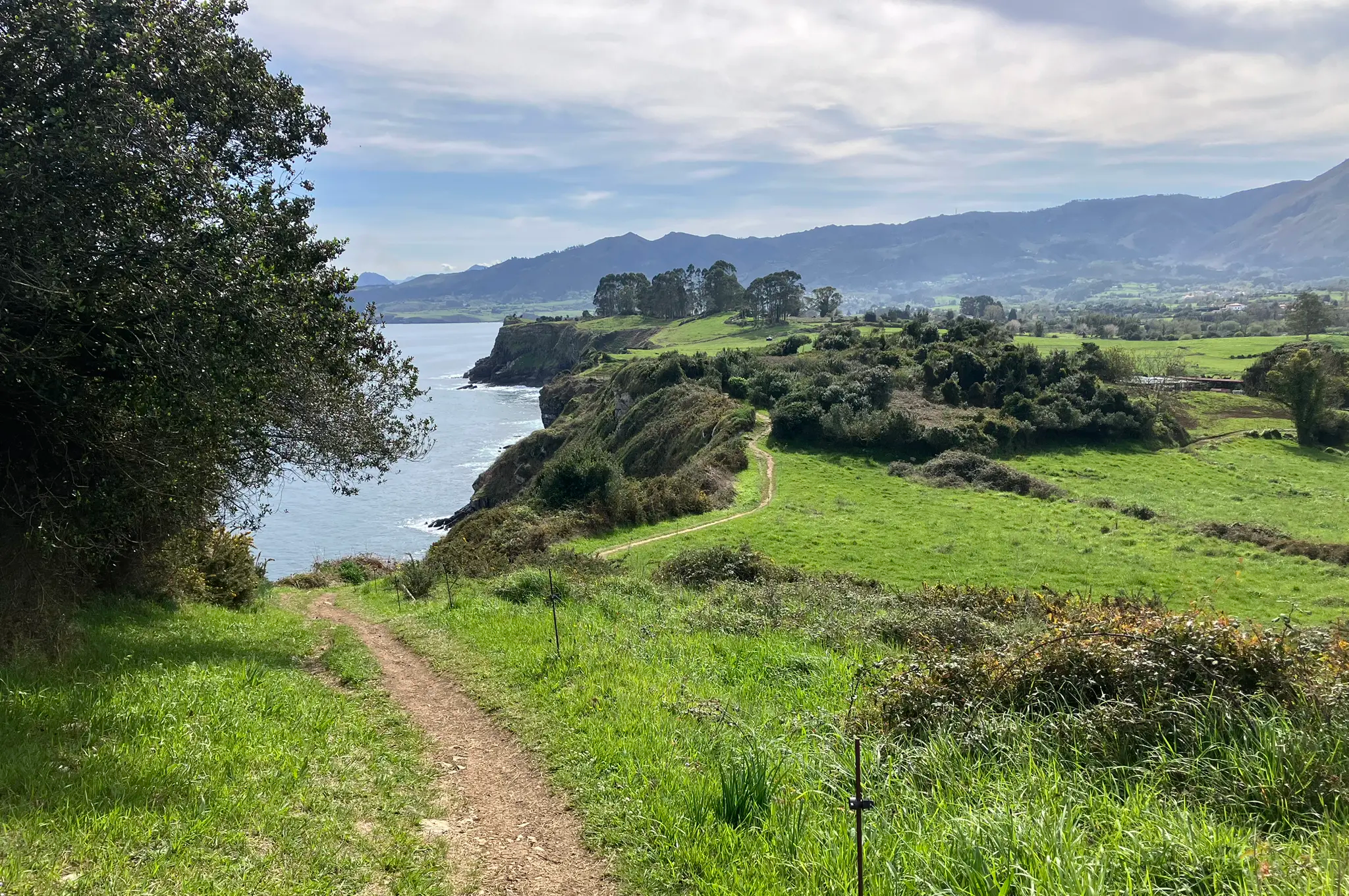
Green, Blue and Gold - Coastal Path through Asturias (GR 204)
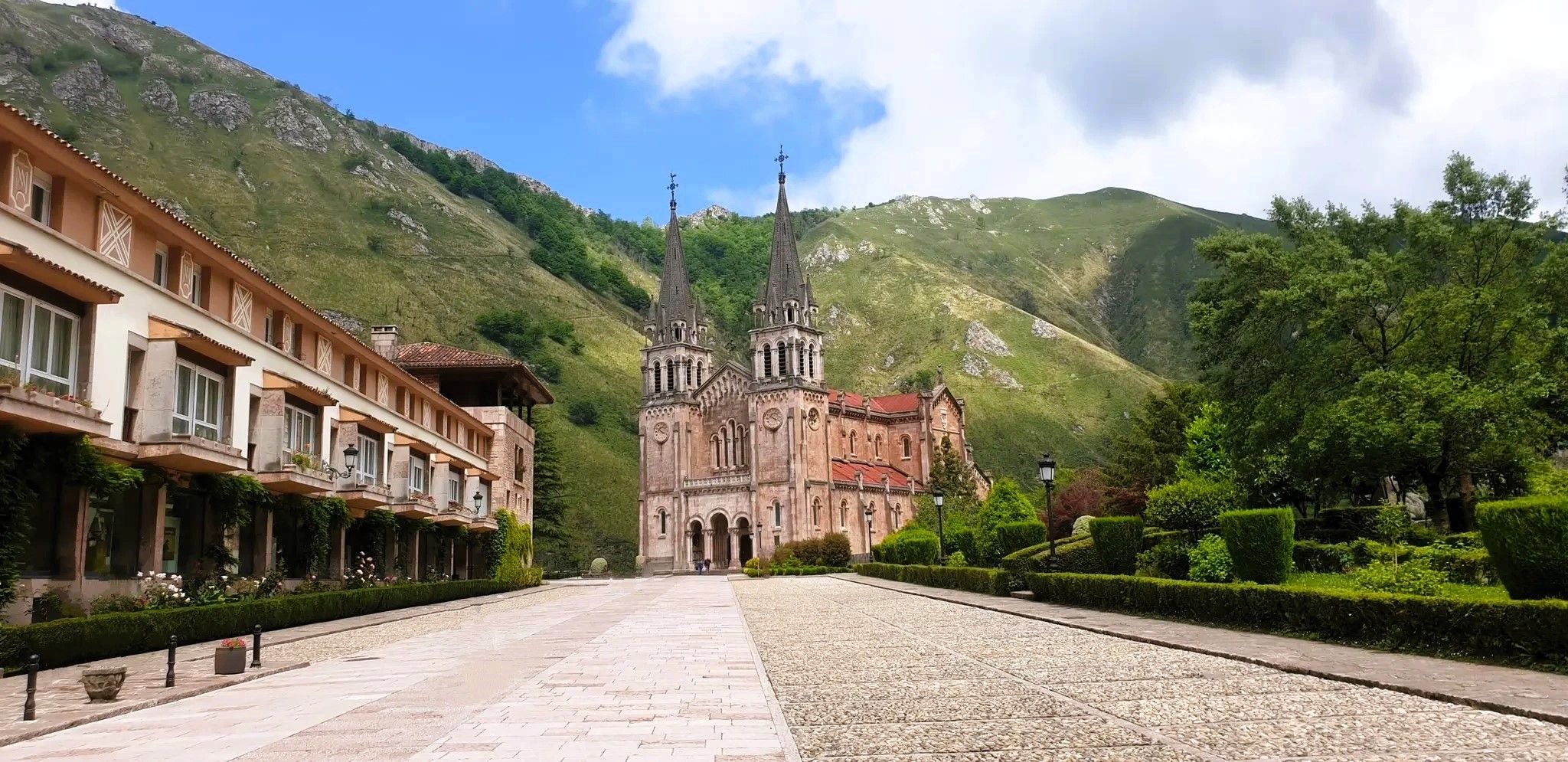
The other side of Asturias in Spain – Travesía Andariega (GR 108)
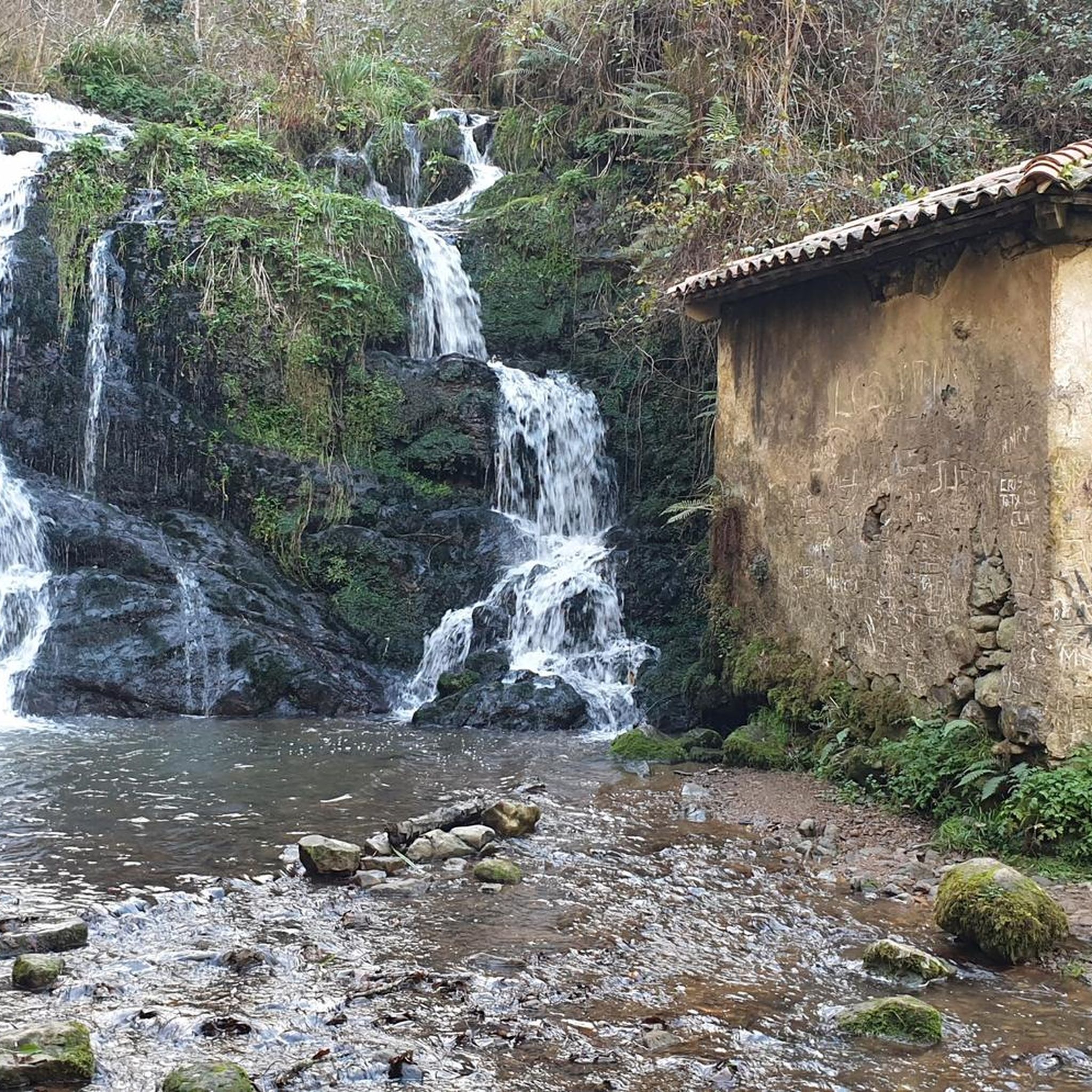
Hiking around Villaviciosa
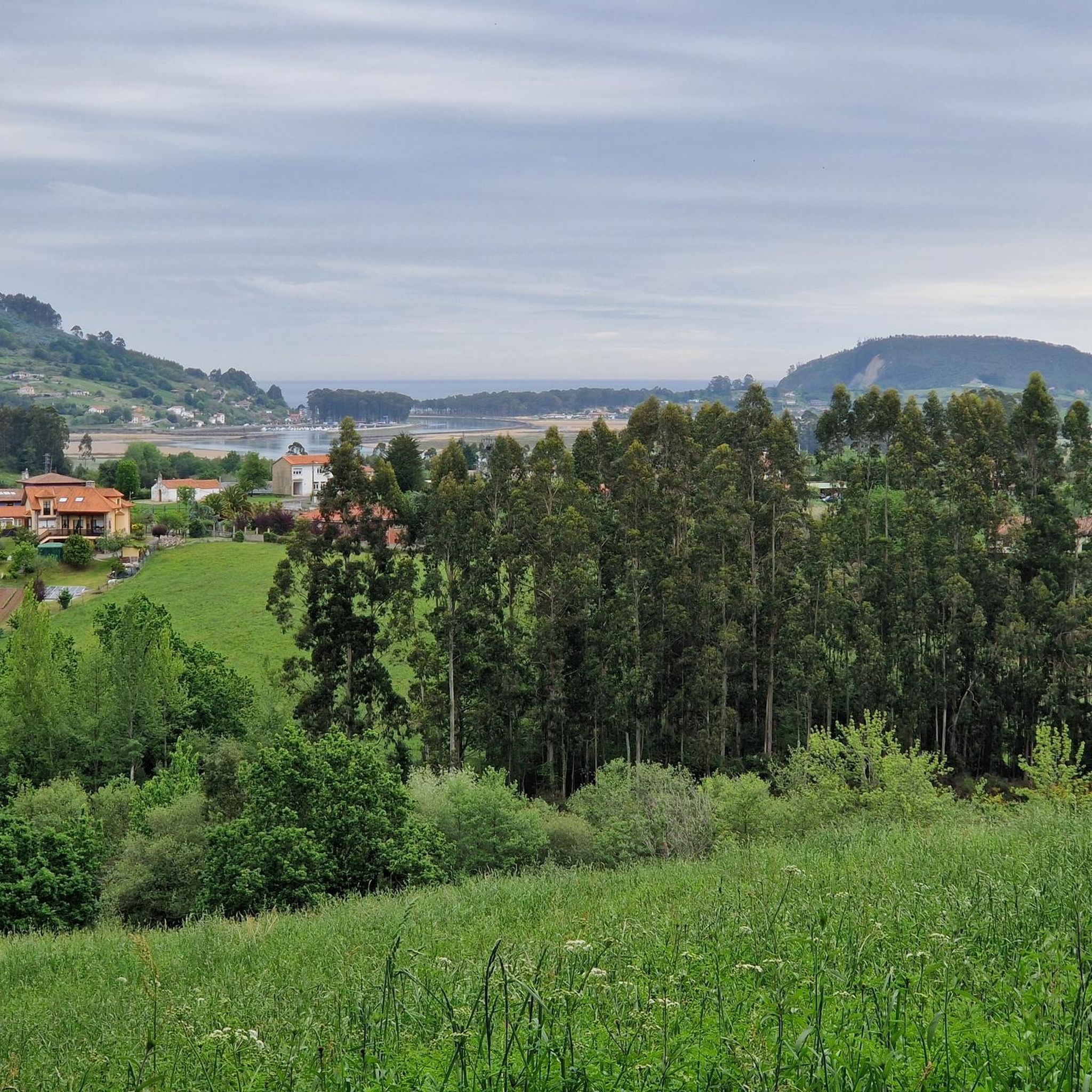
Road Cycling Routes around Villaviciosa
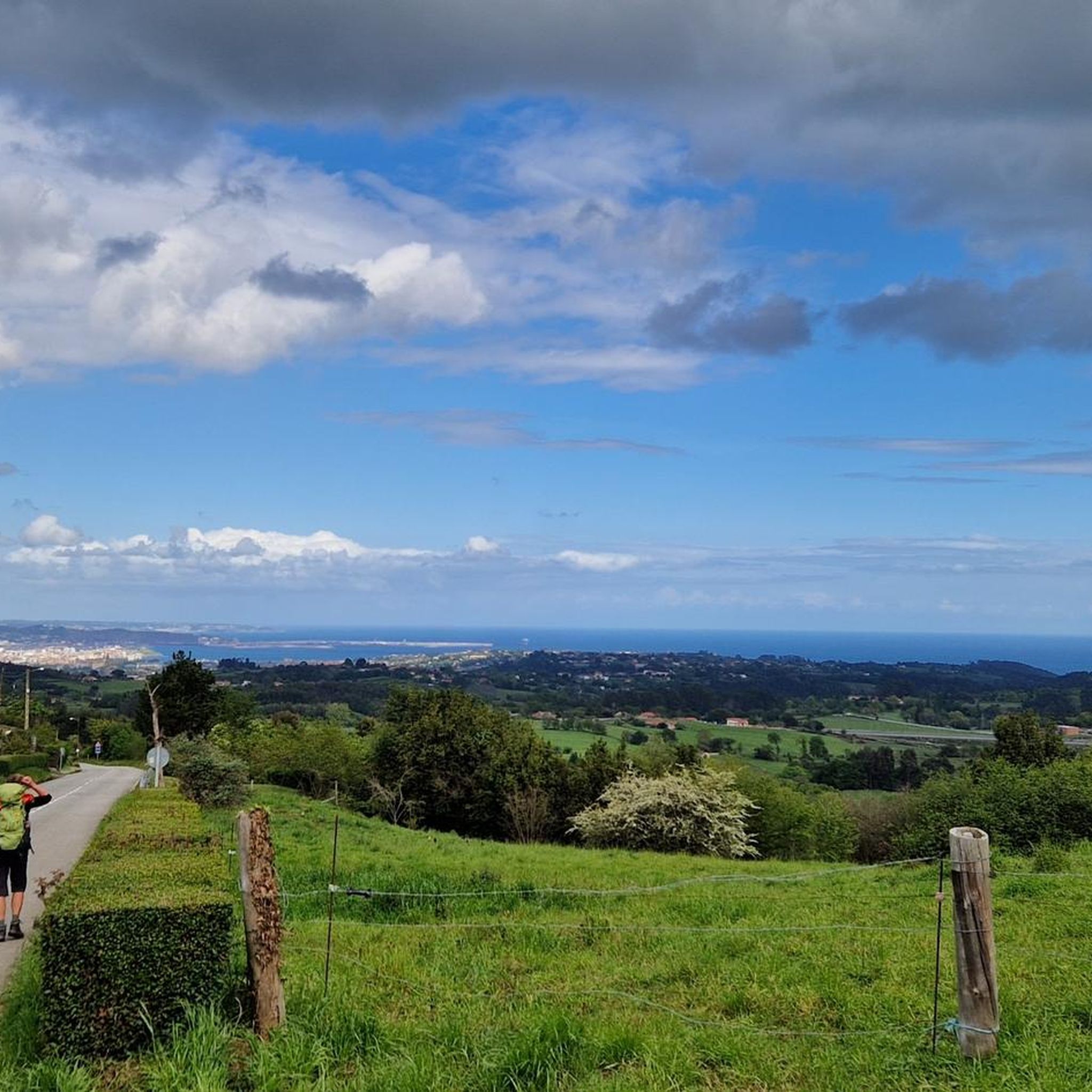
Running Trails around Villaviciosa
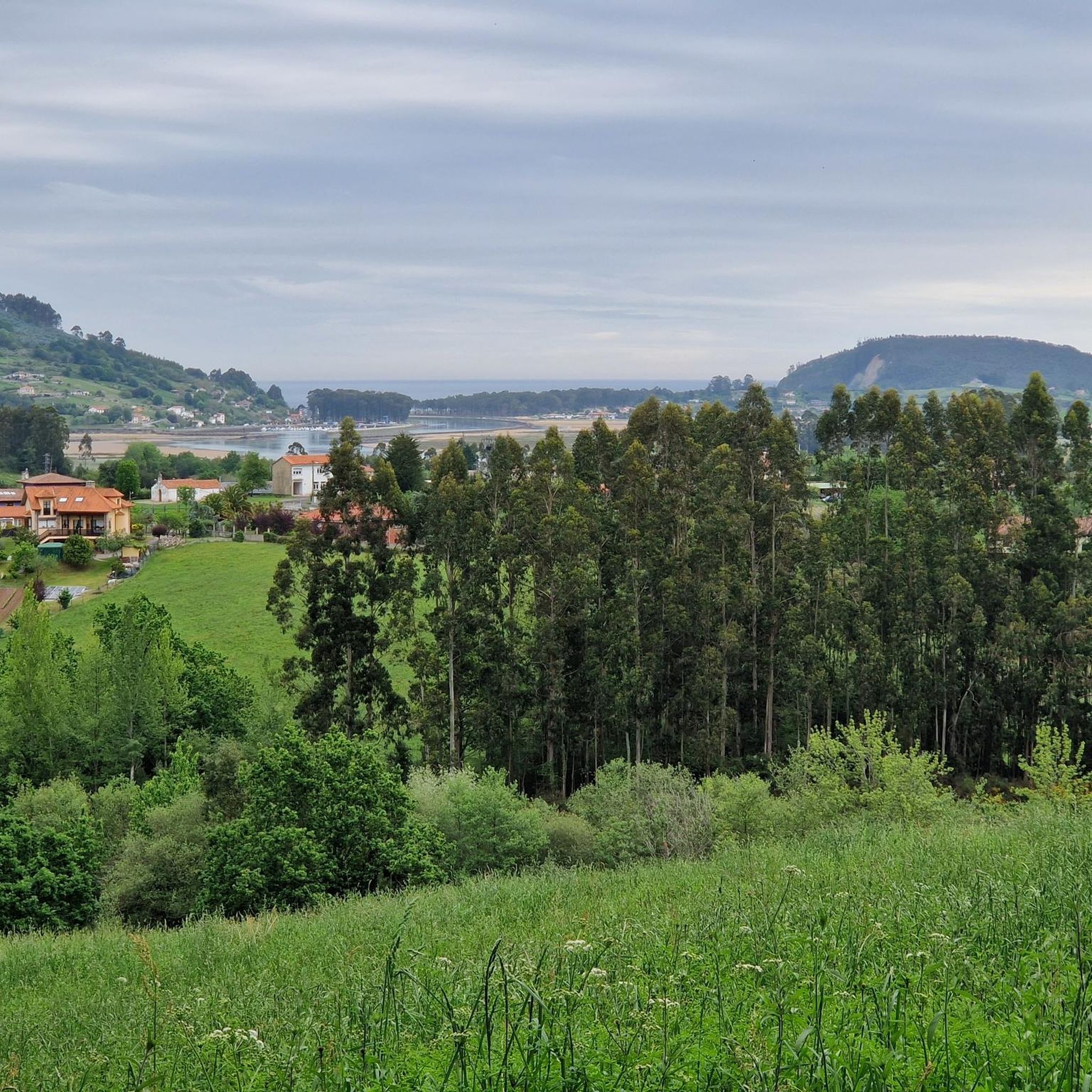
Cycling around Villaviciosa
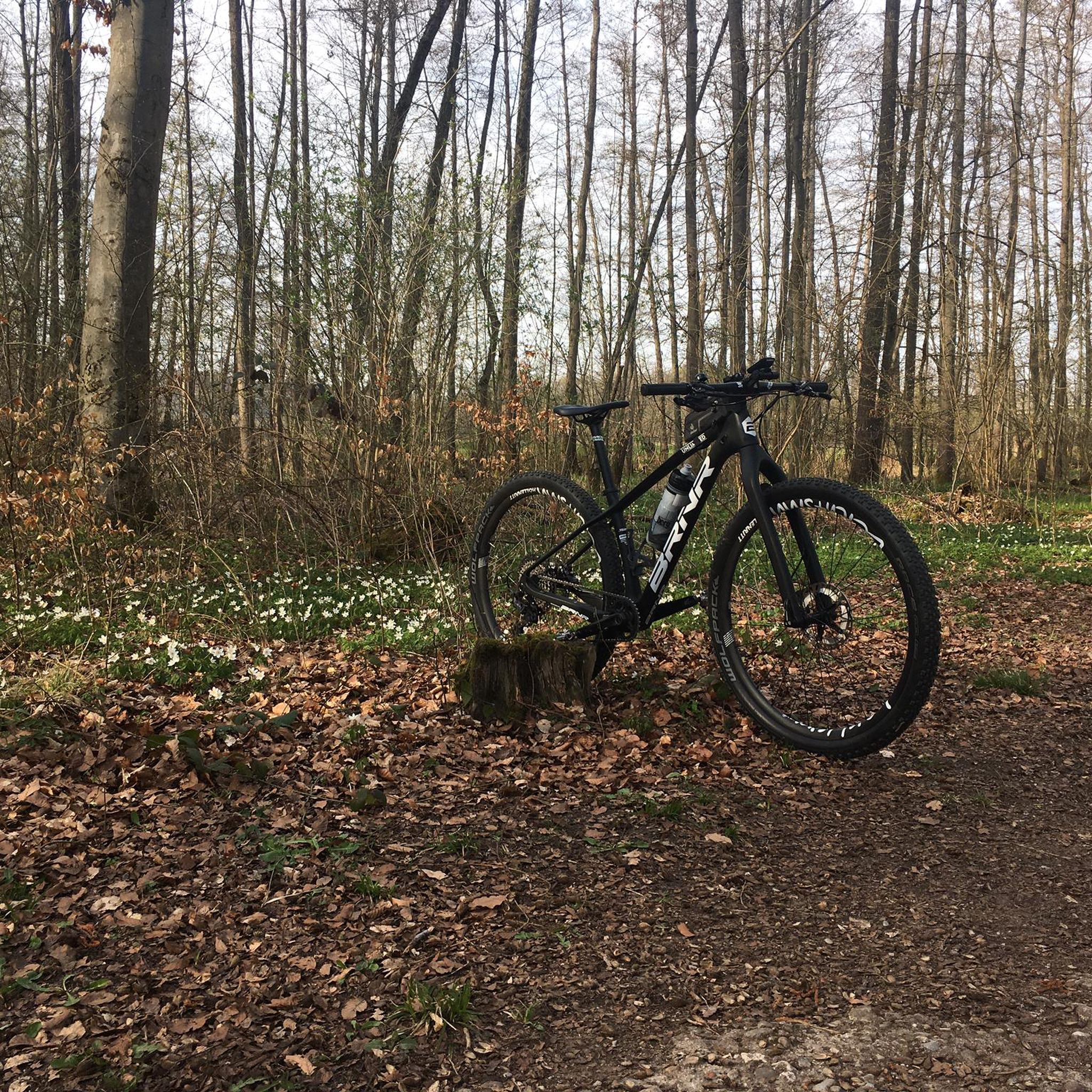
Gravel biking around Villaviciosa
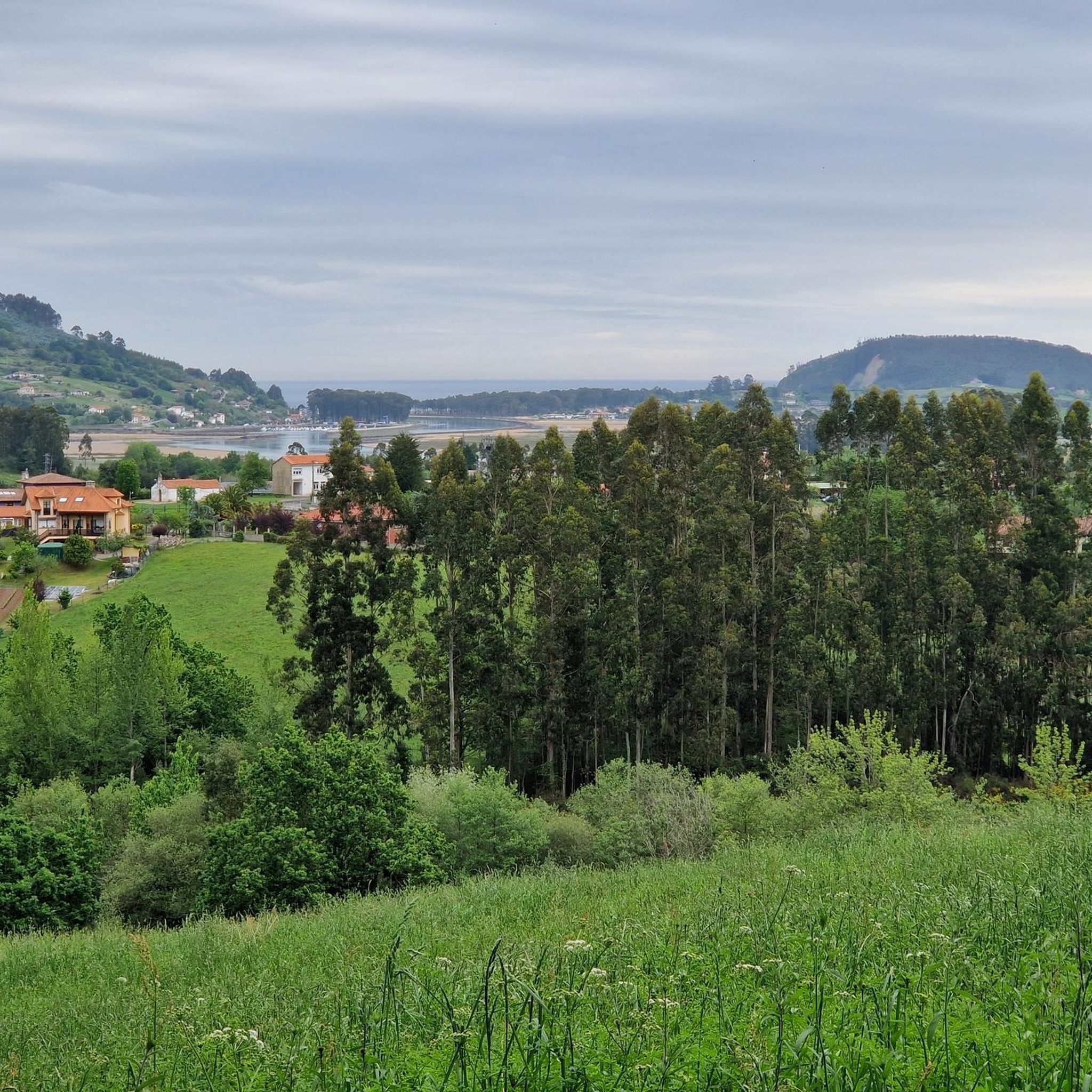
MTB Trails around Villaviciosa


Tips from the Community

Built between 1945 and 1955, this church is inspired by Asturian pre-Romanesque temples. It's beautiful to see at night from San Lorenzo beach, with the entire promenade illuminated and the lights reflecting on the sea.
0
0

Breathtaking and closed. In front of it a large square. Right by the sea.
1
1

A modern and unique "monument." Cider is a very indigenous product, and this is a way to honor it.
0
0
An iconic site in Gijón. A must-see for first-time visitors.
0
0

Carefully and slowly, you can cross the square on a bike.
0
0

The Plaza Mayor of Gijón is a historic square located in the centre of the Asturian city of Gijón, Spain. It is known for housing the Casa Consistorial, which is the main seat of the City Council. The square is located between San Lorenzo beach and Plazuela del Marqués, in the Cimadevilla neighbourhood. It was designed in 1858 by Andrés Coello and later modified in 1864 by Luis Céspedes and Lucas María Palacios.
3
0

The Plaza Mayor of Gijón is the centre of the Asturian city, of daily life and one of the most beautiful main squares in Spain. It is located in a magnificent location, overlooking the sea, next to the beach of San Lorenzo and surrounded by historic buildings.
1
1

Old church worth seeing.
0
1
Frequently Asked Questions
What historical and cultural sites can I explore in Villaviciosa?
Villaviciosa is rich in history and culture. You can wander through the historic Old Town, particularly Calle del Sol and Calle del Agua, which feature 17th and 18th-century manor houses. Don't miss the Town Hall Square, known locally as "El Güevu," a central hub for local life and festivities. The House of Hevia, a 15th-century manor, is also historically significant as King Charles V sought refuge there. Additionally, the Riera Theatre offers cultural events.
Are there any notable Romanesque churches to visit in the Villaviciosa area?
Yes, Villaviciosa boasts the largest concentration of Romanesque art in Asturias. Key churches include the 13th-century Church of Santa María de la Oliva in the town center, and the 9th-century Church of the Holy Saviour of Valdediós (San Salvador de Valdediós), a UNESCO World Heritage Site located outside town. Another significant example is the Church of San Salvador de Priesca, consecrated in 921, which is a pre-Romanesque gem.
What natural attractions are there around Villaviciosa?
The region offers diverse natural beauty. The most prominent is the Villaviciosa Estuary, an 8-kilometer-long Partial Nature Reserve vital for over 150 bird species. You can also explore the extensive apple orchards that characterize the landscape, providing peaceful rural walking paths. For scenic views, consider the Viewpoint of Mount Los Llanos.
Can I find family-friendly activities or attractions in Villaviciosa?
Many attractions in Villaviciosa are suitable for families. The Town Hall Square is a lively, open space. The Villaviciosa Estuary Visitor Center offers educational insights into local wildlife, which can be engaging for children. Additionally, the various beaches like Playa de Rodiles provide opportunities for family outings and relaxation.
What outdoor activities, like cycling or running, are available near Villaviciosa's attractions?
Villaviciosa and its surroundings offer excellent opportunities for outdoor activities. For cycling, you can find various routes, including challenging ones like the 'Monte Deva Recreation Area – Coria Path loop' or the 'Villaviciosa – Isabel la Católica Park loop'. Road cyclists can explore routes like 'Les Praeres and Alto de La Campa Loop'. Runners have options such as the 'Gijón East Coast Coastal Trail' or the 'Villaviciosa to the Medieval Bridge Amandi and Path El Garrapiellu — circular'. You can find more details on these and other routes in the cycling guide, road cycling guide, and running guide for the area.
Are there good hiking or walking trails around Villaviciosa?
Yes, the region offers numerous walking and hiking opportunities. The apple orchards provide peaceful rural paths, and the Villaviciosa Estuary has trails for exploring its unique ecosystem. For more structured routes, consider the 'Villaviciosa to the Medieval Bridge Amandi and Path El Garrapiellu — circular' for running, which can also be walked. The area's natural beauty makes it ideal for leisurely strolls or more challenging hikes.
Where can I experience the local cider culture in Villaviciosa?
Villaviciosa is a hub for Asturian cider production. You can visit the renowned El Gaitero Cidery, located just 1 km from town, which offers tours to learn about the history and production of cider. The Town Hall Square and the Old Town also feature numerous cider bars and eateries where you can enjoy natural cider, often poured in the traditional Asturian way.
What beaches are accessible from Villaviciosa?
Villaviciosa and its surroundings boast several beautiful beaches. Playa de Rodiles is a high-quality, undeveloped beach stretching for 1 km. Other popular options include Playa España, Playa de Tazones (a charming fishing village with a beach and harbor), and smaller beaches like Puntal, La Ñora, Merón, Misiegu, and Bonhome.
Is Villaviciosa part of the Camino de Santiago?
Yes, Villaviciosa is an essential stop on the Northern Way to Santiago (Camino de Santiago), a historic pilgrim route that follows the Cantabrian coastline. Pilgrims often pass through the town, making it a place with a rich history of hospitality and cultural exchange.
What is the Villaviciosa Estuary, and what can I do there?
The Villaviciosa Estuary is an 8-kilometer-long Partial Nature Reserve, recognized for its significant ecological value and status as one of northern Spain's best-preserved estuaries. It serves as a sanctuary for over 150 bird species, including many migratory birds, and features unique flora. You can visit the Villaviciosa Estuary Visitor Center to learn more about its ecosystem, and explore walking paths to observe wildlife.
Are there any viewpoints offering scenic panoramas of the region?
Yes, for scenic views of the surrounding landscape, you can visit the Viewpoint of Mount Los Llanos. This spot provides excellent opportunities to appreciate the natural beauty of Villaviciosa and its diverse terrain, from apple orchards to the coastline.
What is the best time of year to visit Villaviciosa for sightseeing and outdoor activities?
The best time to visit Villaviciosa for sightseeing and outdoor activities is generally during the spring (April to June) and early autumn (September to October). During these periods, the weather is typically mild and pleasant, ideal for exploring historical sites, enjoying the beaches, and engaging in hiking or cycling without the intense heat of summer or the cooler, wetter conditions of winter.
Are there any wheelchair-accessible attractions in Villaviciosa?
Yes, some areas in Villaviciosa are wheelchair-accessible. The Town Hall Square is noted as being wheelchair-friendly. While many historical sites may have limitations due to their age, modern public spaces and some parts of the town center are generally accessible.
What do visitors particularly enjoy about Villaviciosa?
Visitors particularly enjoy Villaviciosa's blend of rich history, natural beauty, and vibrant local culture. The town's Romanesque churches and charming Old Town are highly appreciated, as is the ecological significance of the Villaviciosa Estuary. Many also love the authentic Asturian cider experience and the welcoming atmosphere, especially for those walking the Camino de Santiago.
Most popular routes around Villaviciosa
Most popular attractions around Villaviciosa

Get inspired with the komoot mobile app


Explore more
Still not found the Highlight you’re looking for? See guides of the top attractions in other regions:
