The best running trails around Cabañas Del Castillo
65
runners
4
runs
Jogging around Cabañas Del Castillo offers diverse landscapes within the Sierra de las Villuercas, part of the UNESCO Global Geopark Villuercas-Ibores-Jara. The region features the Villuercas mountains with quartzitic peaks and rocky outcrops, alongside lush forests of chestnut, oak, and cork oak in areas like Valle de Viejas. Runners can experience a blend of Mediterranean and Atlantic forest ecosystems, providing varied terrain for running routes. The area is characterized by rolling hills, valleys, and historical paths, making it suitable for…
Last updated: July 10, 2026
16
runners
26.7km
03:51
1,060m
1,060m
Hard run. Very good fitness required. Sure-footedness, sturdy shoes and alpine experience required.
10
runners
10.9km
01:12
240m
240m
Moderate run. Good fitness required. Mostly paved surfaces. Suitable for all skill levels.

Sign up for free
13
runners
Hard run. Very good fitness required. Mostly paved surfaces. Suitable for all skill levels.
12
runners
16.2km
01:58
210m
210m
Hard run. Very good fitness required. Sure-footedness, sturdy shoes and alpine experience required.
5
runners
5.06km
00:37
130m
130m
Moderate run. Good fitness required. Mostly paved surfaces. Suitable for all skill levels.
Our route recommendations are based on thousands of hikes, rides, and runs completed by other people on komoot.
Start today with a free account
Your next adventure awaits.
Login or Signup
Tips from the Community

The Royal Monastery of Santa María de Guadalupe is an imposing 15th-century monastic complex located in Guadalupe, in the province of Cáceres, within the autonomous community of Extremadura, Spain. Declared a UNESCO World Heritage Site in 1993, the site combines four centuries of history and is a unique masterpiece of the Gothic-Mudéjar style.
0
0

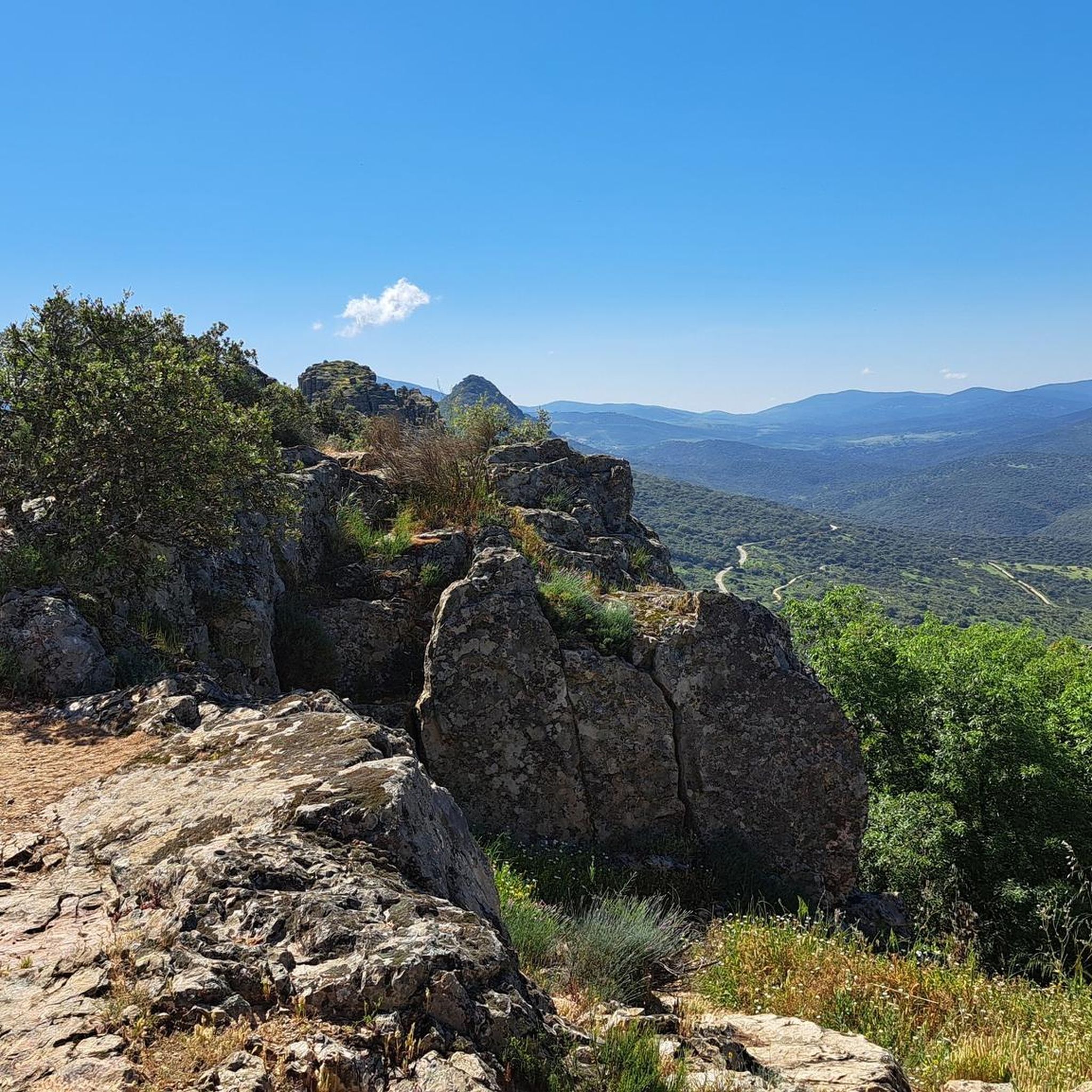
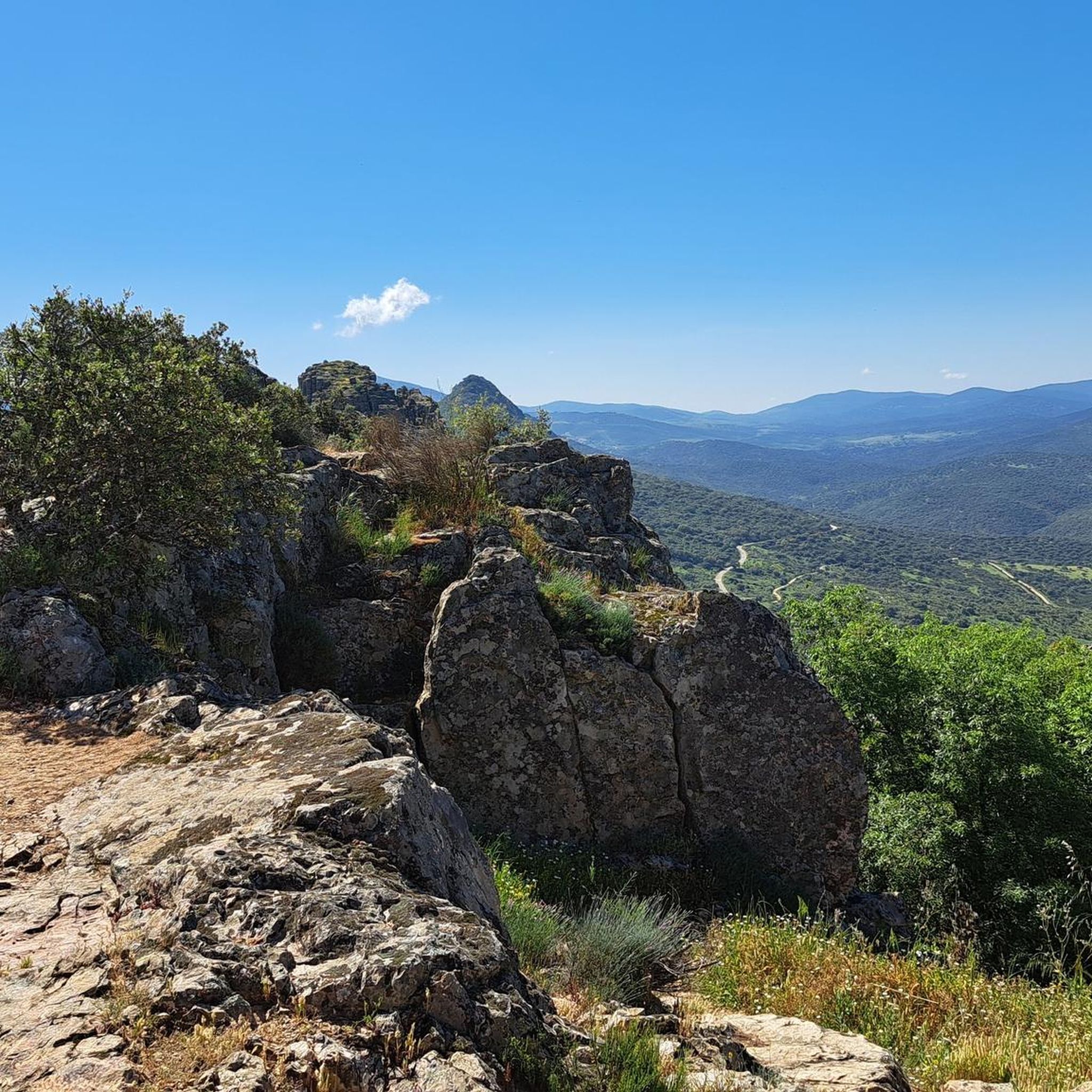
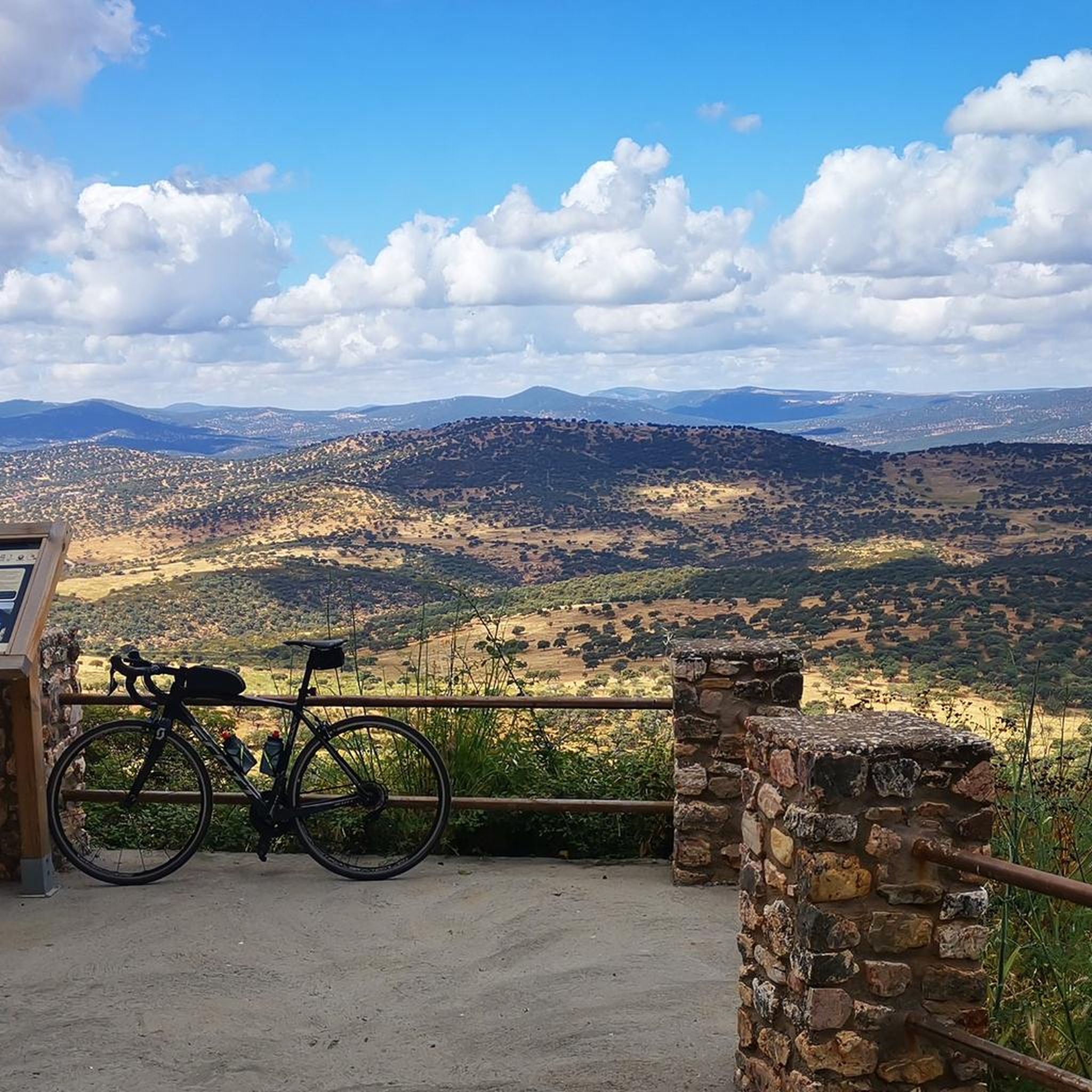
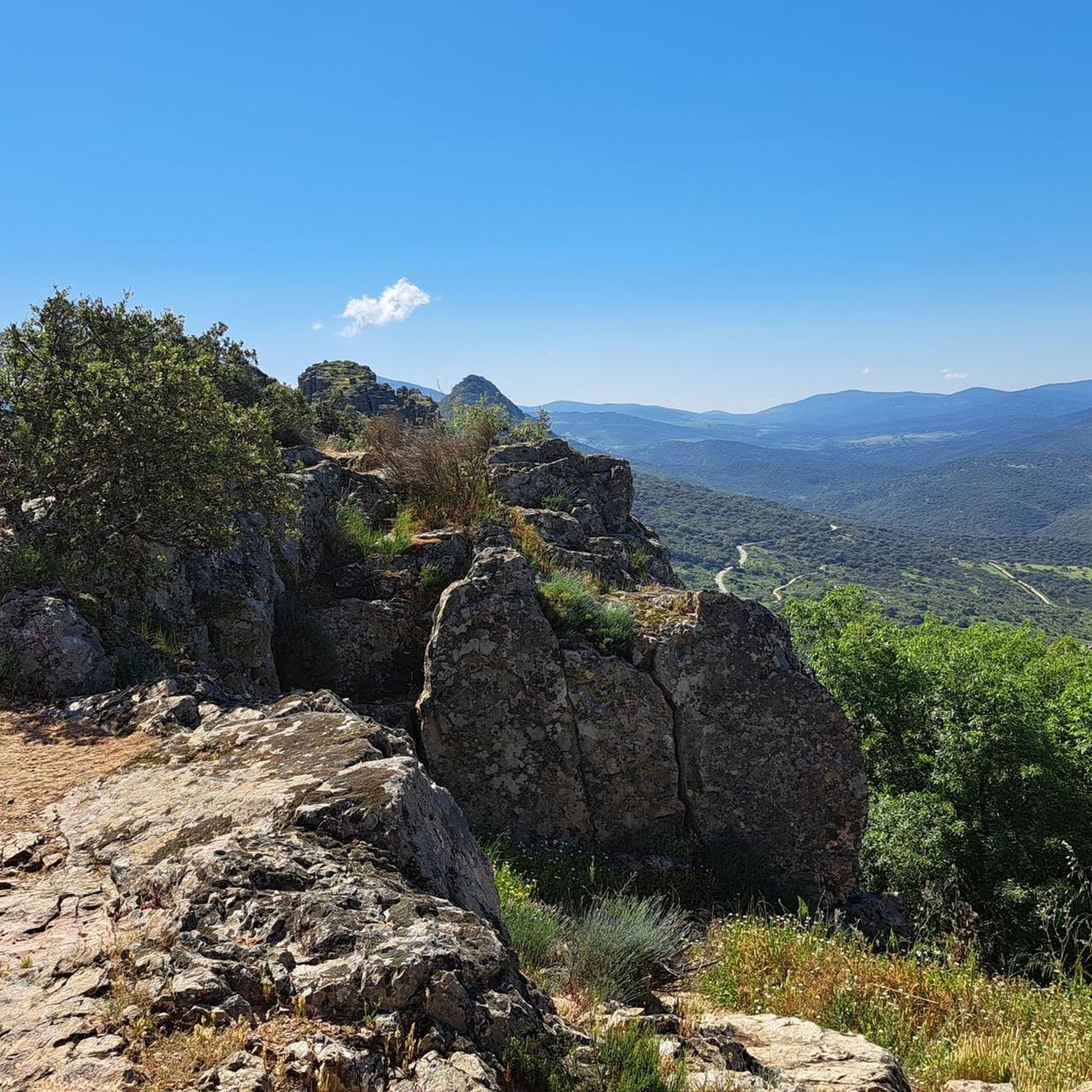
El Alto del Humilladero and Pico Villuercas, near Guadalupe (Cáceres), form one of the most spectacular mountain routes in Extremadura, within the Villuercas‑Ibores‑Jara UNESCO Geopark. It is the highest summit in Extremadura accessible by road.
2
0

In the multitude of Guadeloupe, there is little more information to be found than what is already here on the internet.
12
1
The floral decoration of the openings and the popular architecture of the adjacent houses give this gate one of the most unique images of the city. Continue further into Calle Sevilla to the fountain.
13
2
Gives the feeling of being on a film set or somewhere in Mexico. Perhaps not so strange, because the Virgin of Guadalupe is the patroness of Mexico. In the hills, the virgin is said to have been found seven centuries ago. Strictly forbidden to take photos inside the walls, monks walk with the group...
14
1
Arco del Tinte, the Verfpoort, was part of the network of gates that separated the upper and lower town at various points. This gave the population control over security and trade and gave the city the appearance of a medieval fortress.
12
2
The Royal Monastery of Santa María de Guadalupe is an imposing 14th-century monastic complex located in the municipality of Guadalupe, in the province of Cáceres, within the autonomous community of Extremadura, Spain. This extraordinary monument, declared a UNESCO World Heritage Site in 1993, represents an exceptional example of an architectural fusion between Gothic, Mudéjar, Renaissance, and Baroque styles. For four centuries, it was the most important monastery in the country, closely linked to the history of the Catholic Monarchs and the discovery of the Americas.
0
0
The New Church—also known as the Church of the Holy Trinity—is one of the most outstanding Baroque buildings in the monumental complex of Guadalupe (Extremadura). It represents one of the last major projects undertaken around the Monastery of Guadalupe. The New Church is notable for its monumental Baroque façade, characteristic of the Churrigueresque style. It features rich ornamentation, columns, and a large central relief.
19
0
Frequently Asked Questions
What kind of terrain can I expect on running routes around Cabañas Del Castillo?
The region, part of the UNESCO Global Geopark Villuercas-Ibores-Jara, offers a diverse landscape. You'll encounter the majestic Villuercas mountains with quartzitic peaks and rocky outcrops, alongside lush forests of chestnut, oak, and cork oak in areas like Valle de Viejas. Expect a blend of Mediterranean and Atlantic forest ecosystems, providing varied terrain from rolling hills to historical paths. Many routes feature significant elevation changes, making them quite challenging.
Are there any running routes that offer panoramic views?
Yes, several routes provide spectacular vistas. For instance, the Humilladero Pass – Pico Villuercas Summit loop from Ermita del Humilladero includes an ascent towards Pico Villuercas Summit, offering expansive views. The ruins of the 12th-century Castle of Cabañas del Castillo also provide 360-degree views of the surrounding landscape.
What are some natural features or landmarks I can see while jogging in the area?
The Cabañas Del Castillo area is rich in natural beauty and historical sites. You might encounter the dramatic Villuercas Mountains, the serene Valle de Viejas, or the picturesque Guadalupejo River. Notable landmarks include the Pico Villuercas Summit, the Cancho del Fresno Reservoir, and the historic Royal Monastery of Santa María de Guadalupe. You can also explore unique geological formations and ancient trees like the Grandfather Chestnut of the Mirabel Hermitage.
Are there any circular running routes available?
Yes, many of the running routes in the Cabañas Del Castillo area are designed as loops. For example, the Galería de captación de agua loop from Guadalupe and the Arch of Seville – Dye Arch loop from Guadalupe are popular circular options, allowing you to start and finish in the same location.
What is the difficulty level of running routes in Cabañas Del Castillo?
The routes around Cabañas Del Castillo vary in difficulty. While there are some moderate options, many routes are classified as difficult due to significant elevation gains and varied terrain. For example, the Galería de captación de agua loop from Guadalupe and the Humilladero Pass – Pico Villuercas Summit loop from Ermita del Humilladero are both challenging, offering a good workout for experienced runners.
What do other runners say about the trails in Cabañas Del Castillo?
Over 65 runners have explored the varied terrain of Cabañas Del Castillo using komoot. They often appreciate the region's diverse landscapes, from mountainous paths to forested valleys, and the opportunity to experience both physical challenge and immersive natural beauty. The well-established network of trails caters to different preferences, making it a rewarding destination for outdoor enthusiasts.
Are there any running routes near water features like reservoirs or rivers?
Absolutely. The region features several water bodies that enhance the running experience. The Cancho del Fresno Reservoir loop from Cañamero is a great option that takes you around the scenic Cancho del Fresno Reservoir. Additionally, the Ruta de los Molinos, though not explicitly listed as a running route in this guide, follows the beautiful Guadalupejo River, offering a tranquil setting with varied vegetation.
Can I combine my run with birdwatching in this area?
Yes, the Cabañas Del Castillo area is excellent for birdwatching. The cliffs and mountainous terrain, particularly around the castle and Sierra de Ortijuela, are breeding grounds for numerous raptors. You might spot griffon vultures, Egyptian vultures, and peregrine falcons soaring above while you're out on your run, adding an extra dimension to your outdoor activity.
What is the typical length of running routes in Cabañas Del Castillo?
The running routes in this area vary significantly in length. You can find shorter loops, such as the Arch of Seville – Dye Arch loop from Guadalupe, which is about 3.1 miles (5.1 km). For longer, more challenging runs, options like the Galería de captación de agua loop from Guadalupe extend to 16.6 miles (26.8 km).
Are there any historical sites accessible from the running trails?
Yes, the region is rich in history. The ruins of the 12th-century Castle of Cabañas del Castillo are a prominent historical landmark offering incredible views. You can also find sites like the Dolmen de las Brujas, an ancient historical site, and the Royal Monastery of Santa María de Guadalupe, a significant religious building, near some of the running routes.
What kind of forests will I run through in Cabañas Del Castillo?
You'll experience a rich variety of forest types while running here. The region features Mediterranean forests characterized by dehesas (wooded pastures) and Atlantic forests with lush oaks and chestnuts. Areas like Valle de Viejas are known for their beautiful forests of chestnut, oak, and cork oak, providing a stunning and diverse backdrop for your runs.
Most popular routes around Cabañas Del Castillo
Most popular attractions around Cabañas Del Castillo

Get inspired with the komoot mobile app


Explore more
Browse the best Running Trails & Routes in other regions.
