The best cycling routes around Quintela De Leirado
28
riders
9
rides
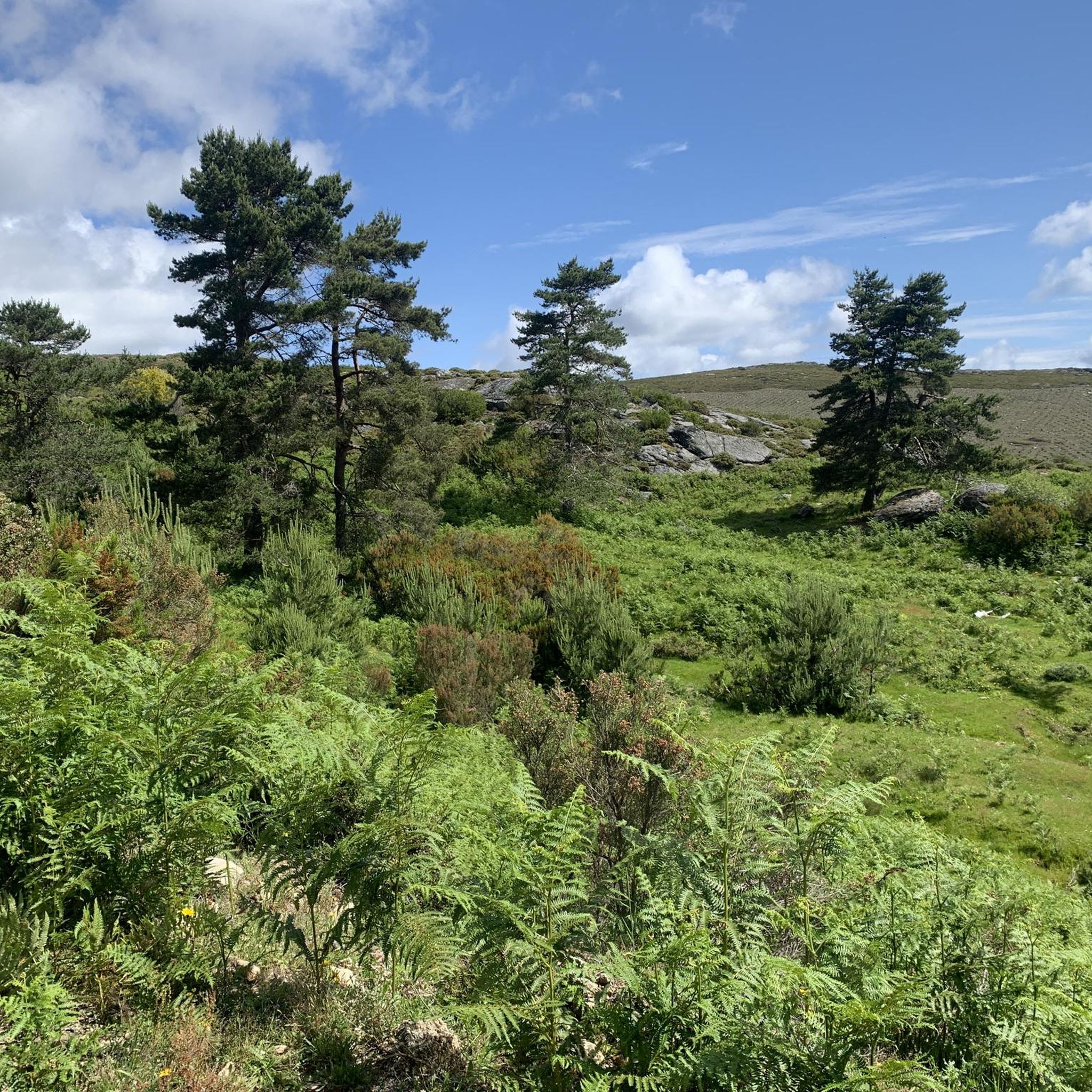
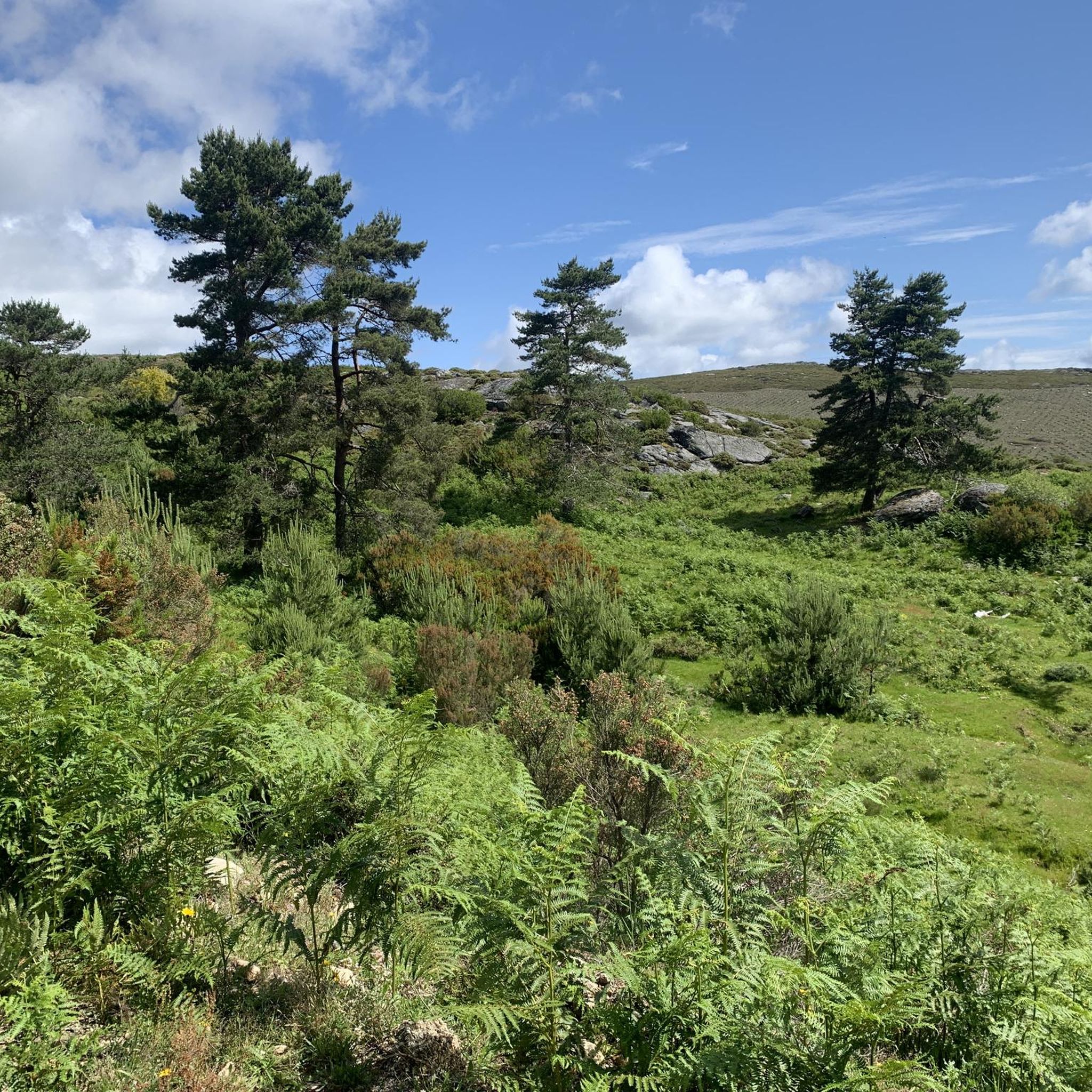
Touring cycling routes around Quintela De Leirado traverse a landscape characterized by mountainous terrain, verdant valleys, and the Deva River. The region sits at the foot of the Serra do Leboreiro, featuring significant elevations and diverse native vegetation including pine, oak, and birch trees. This area offers a rugged topography with varied natural features, making it suitable for challenging touring cycling.
Best touring cycling routes around Quintela De Leirado
- The most popular touring cycling route is Celanova and Allariz Biosphere…
Last updated: July 12, 2026
3
riders
48.3km
04:36
890m
890m
Hard bike ride. Very good fitness required. Mostly paved surfaces. Suitable for all skill levels.
2
riders
53.6km
03:38
810m
810m
Hard bike ride. Very good fitness required. Mostly paved surfaces. Suitable for all skill levels.

Sign up for free
10
riders
83.8km
05:49
1,390m
1,390m
Hard bike ride. Very good fitness required. Mostly paved surfaces. Suitable for all skill levels.
4
riders
30.6km
02:26
840m
840m
Hard bike ride. Very good fitness required. Mostly paved surfaces. Suitable for all skill levels.
3
riders
52.7km
03:52
1,120m
1,120m
Hard bike ride. Very good fitness required. Mostly paved surfaces. Suitable for all skill levels.
Get access to more routes and recommendations from other explorers.
Sign up for free
Already have an account?
Our route recommendations are based on thousands of hikes, rides, and runs completed by other people on komoot.
Start today with a free account
Your next adventure awaits.
Login or Signup

Tips from the Community

Located on the banks of the Miño River, in the Outariz area, west of Ourense, right on the city's "Thermal Promenade." Parking: The Outariz/Reza parking lot (on the opposite bank) is available, as the Muiño da Veiga parking lot is closed for renovations. Public transport: City bus line 5; the unique Thermal Train, which stops at the facility.
1
0
It spans the Miño River, linking the historic center of Ourense with the A Ponte neighborhood. It was built in the 1st century AD as a branch of the Via Nova (Via XVIII), connecting Bracara Augusta (Braga) with Asturica Augusta (Astorga). Only traces of the original Roman phase remain, such as rusticated stonework at the ends near the banks. It suffered damage during the Middle Ages; in 1228, under Bishop Lorenzo and with the support of Ferdinand III, it was rebuilt with pointed arches and renovated approaches. Until the 17th century, the bridge repeatedly collapsed. The final work was directed by Melchor de Velasco Agüero around 1660, establishing its current appearance.
1
0
The Roman bridge in Ourense, known as Ponte Vella or Puente Mayor, over the Miño River, was built in the 1st century AD as part of a branch of the Via Nova (Eighteenth Century). According to tradition, it dates back to the time of Trajan, although its construction characteristics place it close to the time of Augustus. Of that first bridge, only a few cushioned ashlars from the bases remain, as silent witnesses of the past.
1
0

Interesting bridge 🤙
0
2

They are one of the most popular thermal complexes in the city. These open-air thermal baths have several natural hot water pools, with temperatures around 38-41ºC, known for their therapeutic and relaxing properties thanks to their high mineral content. The complex is inspired by Japanese baths, and offers both free access in public areas and a private paid area. The Termas de Outariz are part of the thermal circuit of Ourense, famous for its tradition of spas and hot springs, making them an ideal destination for well-being and relaxation.
0
0
Frequently Asked Questions
What kind of terrain can I expect on touring cycling routes in Quintela De Leirado?
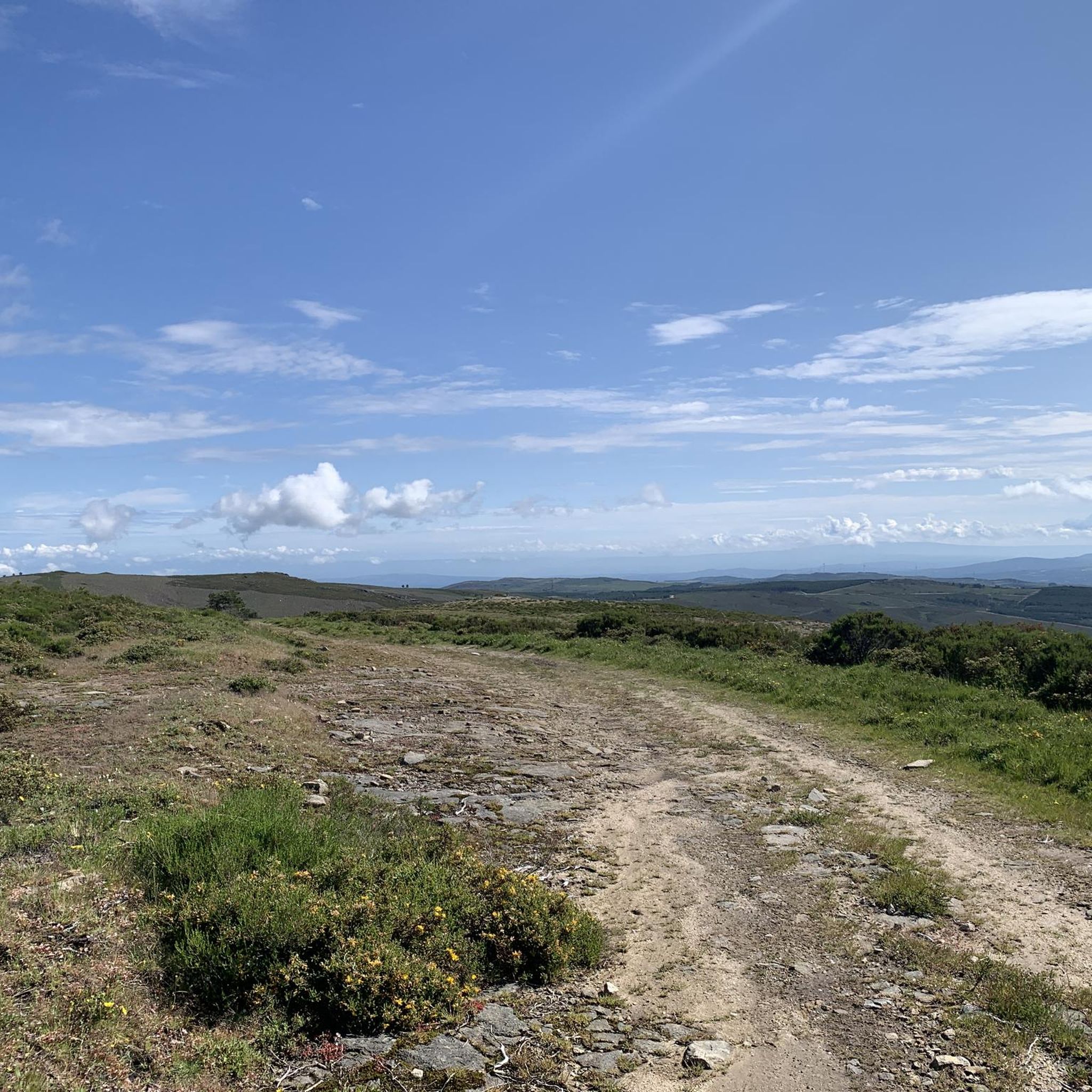
Quintela de Leirado is characterized by its mountainous terrain and verdant valleys, sitting at the foot of the Serra do Leboreiro. You can expect significant elevations, with routes often featuring challenging climbs and varied surfaces, including both asphalt and dirt roads with loose stone, especially towards higher points like Penagache. The Deva River valley offers a contrast with more picturesque, potentially gentler sections.
Are there any easy touring cycling routes suitable for beginners in Quintela De Leirado?
The touring cycling routes around Quintela de Leirado are primarily designed for experienced cyclists due to their challenging climbs and varied surfaces. All 9 routes listed in this guide are rated as 'difficult'. While the Ruta dos Muíños along the Deva River might offer a gentler profile, specific easy touring routes for beginners are not prominent in the area's offerings.
What are some notable natural features or viewpoints I can experience while cycling in the region?
The region offers stunning natural features and panoramic viewpoints. You can cycle towards peaks like Penagache (1,224 meters), which provides extensive views of the Miño, Arnoia, and Deva river valleys. The Serra do Leboreiro, part of the NATURA 2000 network, is rich in diverse native vegetation including pine, oak, and birch trees. The Deva River valley also features natural pools, offering refreshing stops.
What cultural or historical landmarks can I see along the touring cycling routes?
Quintela de Leirado is rich in cultural and historical sites. You might encounter the Torre do Reloxo (Clock Tower), offering a viewpoint over the valley, or visit historic churches such as the Church of San Pedro de Leirado with its Baroque art, or the Church of San Salvador in Redemuíños. The area also features megalithic remains like *mámoas* and dolmens, including 'A Mota Grande'. For more details on nearby attractions, consider exploring Castro Laboreiro Castle or the Old Bridge of Castro Laboreiro.
Are there any family-friendly touring cycling options in Quintela De Leirado?
Given the mountainous terrain and the 'difficult' rating of all listed touring cycling routes, Quintela de Leirado is generally more suited for experienced cyclists. While some sections of the Ruta dos Muíños along the Deva River might be less strenuous, dedicated family-friendly touring cycling routes are not a primary feature of this region. Cyclists with children should be prepared for significant climbs and varied surfaces.
What is the best time of year for touring cycling in Quintela De Leirado?
The region's mountainous terrain suggests that spring and autumn would likely offer the most pleasant conditions for touring cycling, with milder temperatures and potentially less extreme weather than summer or winter. These seasons provide a good balance for tackling the challenging climbs and enjoying the natural scenery without excessive heat or cold.
Can I find circular touring cycling routes in Quintela De Leirado?
Yes, several touring cycling routes in the area are designed as loops. For example, the Celanova and Allariz Biosphere Reserve Loop is a popular option, as is the Outariz Hot Springs – Millennium Bridge loop from Celanova. These circular routes allow you to start and finish in the same location, making logistics easier.
Are there any touring cycling routes that cross into Portugal?
Yes, the region's position on the border with Portugal, often called the 'raia seca', means some routes offer a cross-cultural experience. The Tour 4 de Melgaço — Parque Nacional da Peneda-Gerês is a notable example, crossing into the Parque Nacional da Peneda-Gerês and offering varied terrain and scenic views across the border.
What do other touring cyclists say about the routes in Quintela De Leirado?
The touring cycling routes in Quintela de Leirado are highly rated by the komoot community, with an average score of 5.0 stars from 1 review. Over 40 touring cyclists have used komoot to explore the area, often praising the challenging climbs, varied surfaces, and immersive natural and cultural experiences offered by the region's rugged topography and scenic trails.
Are there any specific routes that offer a good mix of natural beauty and cultural sights?
The Castro de Castromao – Main Square of Celanova loop from Quintela de Leirado is an excellent choice for combining natural beauty with cultural exploration. This route takes you through varied landscapes while also passing by significant historical sites like Castro de Castromao and the charming Main Square of Celanova, offering a rich touring experience.
How long do the touring cycling routes typically take to complete?
The duration of touring cycling routes in Quintela de Leirado varies depending on the distance and difficulty. For instance, the Celanova and Allariz Biosphere Reserve Loop, at 53.6 km, typically takes around 3 hours 34 minutes. Longer routes like the Outariz Hot Springs – Millennium Bridge loop from Celanova, spanning 83.8 km, can take approximately 5 hours 49 minutes.
Are there any routes that explore the Serra do Leboreiro mountain range?
Yes, the Serra do Leboreiro is a defining feature of the region, and many routes traverse its foothills and higher elevations. For example, the Bouça dos Homens – Casa do Bico do Pássaro loop from Lamas de Mouro offers a challenging ride within this mountainous landscape, providing an immersive experience of the range's rugged beauty and diverse vegetation.
Most popular attractions around Quintela De Leirado

Get inspired with the komoot mobile app


Explore more
Browse the best Cycling routes in other regions.
