Attractions and Places To See around Añora - Top 20
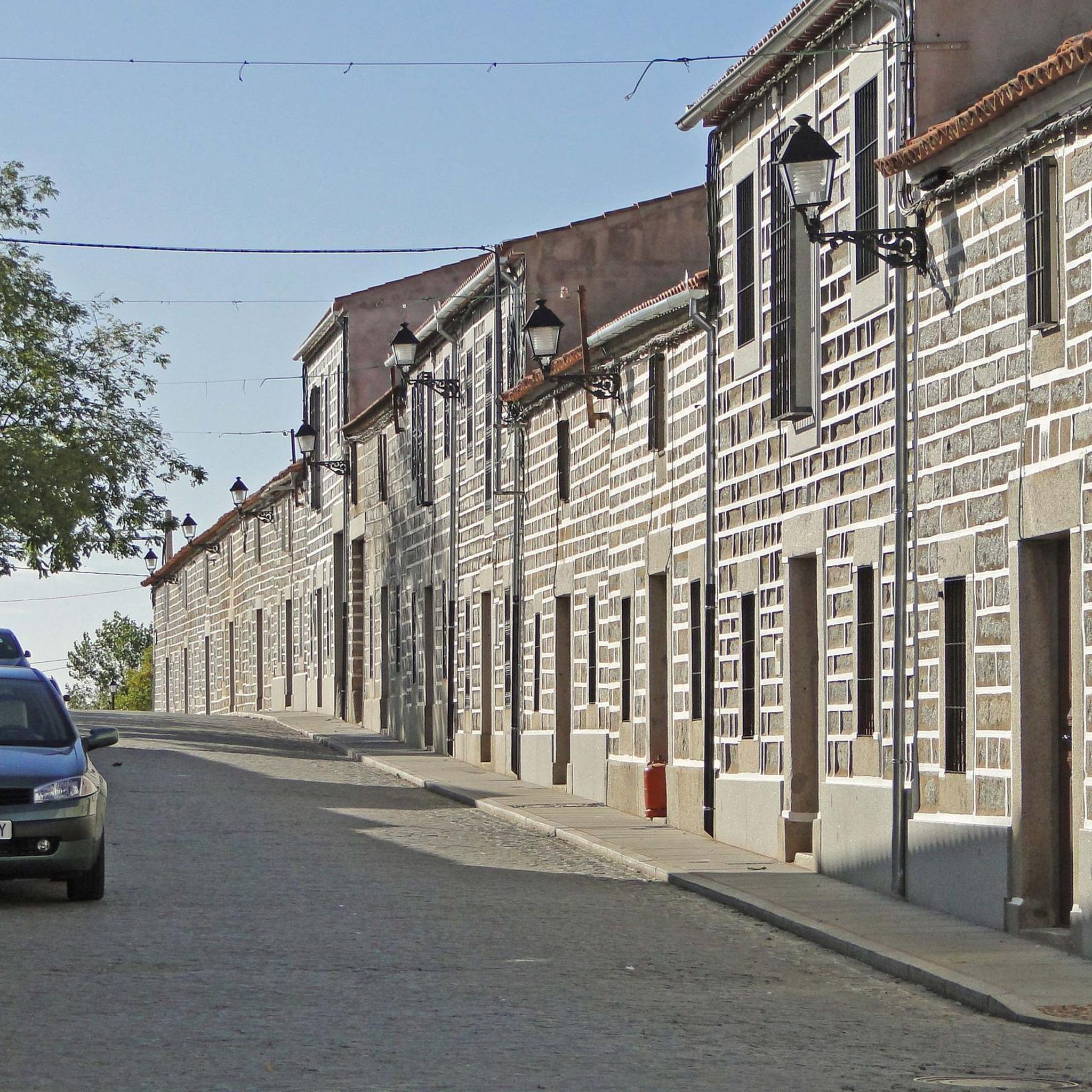
Best attractions and places to see around Añora, a municipality located in the Los Pedroches Valley in the province of Córdoba, Spain, offers a blend of historical landmarks, cultural sites, and natural beauty. The region is characterized by its dehesa landscapes and traditional architecture, featuring granite facades with white strips. Añora provides opportunities to explore religious buildings, historical town centers, and natural areas.
Best attractions and places to see around Añora
- The most popular attractions is Hermitage of the Virgen…
Last updated: August 26, 2026
Hermitage of the Virgen de Luna
Highlight • Religious Site
Translated by Google •
Tip by

Alcaracejos Town Center
Highlight • Settlement
Translated by Google •
Tip by

Sign up now to discover places like this
Get recommendations on the best single tracks, peaks, & plenty of other exciting outdoor places.
Sign up for free
Plaza Mayor De la Villa de Dos Torres
Highlight • Historical Site
Translated by Google •
Tip by

Ermita de Piedras Santas
Highlight • Religious Site
Translated by Google •
Tip by

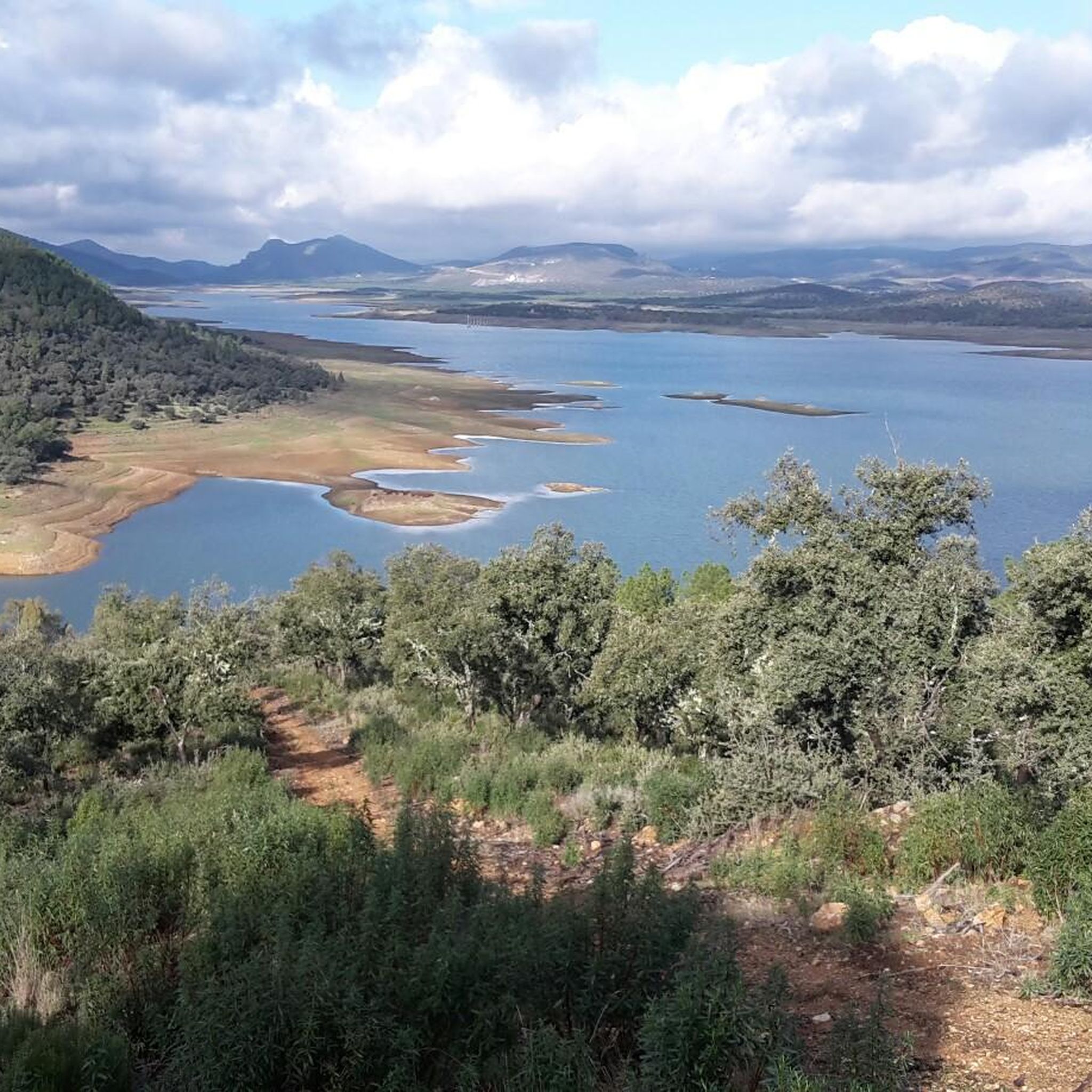
Dehesa de Los Pedroches
Highlight • Forest
Translated by Google •
Tip by

Sign up for free to discover even more attractions around Añora.
Sign up for free
Already have an account?
Start today with a free account
Your next adventure awaits.
Login or Signup

Other adventures around Añora

Tips from the Community

Dos Torres is one of the most charming villages in Los Pedroches. It stands out for: Its traditional architecture of lime, granite, and wrought iron, very well preserved in the historic center. A tranquil, authentic, and rural atmosphere, ideal for getting away from it all. A historical heritage that combines Roman remains, medieval legacy, churches of great artistic value, and unique natural spaces. Its location amidst spectacular meadows makes it perfect for nature lovers. Overall, it is a small village but surprisingly rich in history, tranquility, and architectural beauty.
1
0
Although the exact date of its construction is unknown, tradition indicates that it was built in the mid-15th century, possibly thanks to a woman from Los Pedroches who promoted the construction of the first hermitage. According to legend, the image of the Virgin was found by a shepherd from Pedroche in a holm oak near the sanctuary at the beginning of the 15th century.
2
0
The Sanctuary of Our Lady of Luna is one of the most emblematic sites in the Los Pedroches Valley, deeply linked to the religious and cultural traditions of Pozoblanco and Villanueva de Córdoba. The sanctuary is located in the Dehesa de la Jara, in the municipality of Navarredonda, a natural holm oak grove characteristic of Los Pedroches. It is situated 15 km from Pozoblanco and 10 km from Villanueva de Córdoba.
2
0
Built in the 16th century, it houses an image of the Virgen de Piedrasantas, patron saint of Pedroche. It is a temple with a single nave covered by a barrel vault with lunettes and transverse arches that rest on Tuscan pilasters and exterior buttresses.
2
0

Hermitage built in the 16th century, with seven benches for the representatives of the seven towns, who met in this place to discuss common affairs. Opposite there is a bar and the Interpretation Center of the Seven Villas of Los Pedroches.
2
0
This town was born on the basis of the union between the two populations: Torrefranca and Toremilano (hence the name of Dos Torres). In the Plaza de Villa there is a small candy store that is open every day. On the outskirts there is a small Hermitage of San Sebastián with a viewpoint next to it.
3
1

The largest continuous pasture in Europe can be crossed on the Al-Ballut route. The sunrises are especially beautiful when driving in an easterly direction, between Pozoblanco and Villanueva de Córdoba. If you have the chance to go out at night from Pozoblanco, then you will probably have a beautiful sunrise before your eyes.
0
0

In this hermitage there are seven wooden benches, one for each of the seven Pedroches villas, and here their representatives would meet to discuss common issues.
3
0
Frequently Asked Questions
What kind of historical and religious sites can I visit around Añora?
Añora and its surroundings are rich in historical and religious architecture. You can explore the 16th-century Hermitage of the Virgen de Luna, one of the largest hermitages in the region, set within a natural holm oak grove. Another significant site is the Ermita de Piedras Santas, known for its historical role as a meeting place for representatives from the Pedroches villas. The town itself features the 16th-century Parroquia de San Sebastián and the older Ermita de San Pedro, dating back to the late 14th or early 15th century.
Are there any family-friendly attractions in the Añora area?
Yes, several attractions around Añora are suitable for families. The Hermitage of the Virgen de Luna is considered family-friendly, offering a peaceful setting in the Dehesa de la Jara. Additionally, the Plaza Mayor de la Villa de Dos Torres, with its unique arcades and traditional architecture, provides an interesting historical experience for all ages. The Ermita de Piedras Santas also welcomes families.
What natural landscapes and viewpoints can I discover near Añora?
The region around Añora is characterized by its beautiful dehesa landscapes. You can visit the Dehesa de Los Pedroches, Europe's largest continuous pasture, which offers stunning sunrises and opportunities for exploration. For panoramic views, head to Parque San Martín, located about 6 km from Añora on the Cerro del Cuerno. This park provides extensive views of the Los Pedroches region and is surrounded by a well-preserved dehesa rich in flora and fauna.
What kind of outdoor activities can I do around Añora?
Añora's natural surroundings, particularly the dehesa landscapes, are ideal for various outdoor activities. You can find numerous routes for hiking, trekking, mountain biking, and running. For specific running trails, explore options like the 'Añora and Dos Torres – circular' or 'Casa de las Tiras of Añora loop from Pozoblanco' by checking the Running Trails around Añora guide. If you're interested in gravel biking, routes such as 'Alcaracejos Town Center – Pozoviejo Square loop from Alcaracejos' are available in the Gravel biking around Añora guide. Road cycling enthusiasts can find routes like 'Villaharta and ascent to Puerto de La Chimorra — circular from Pozoblanco' in the Road Cycling Routes around Añora guide.
Where can I experience traditional architecture near Añora?
Añora itself is known for its well-preserved traditional architecture, featuring distinctive granite facades marked by white strips. The urban core reflects the typical style of Los Pedroches municipalities. You can also visit the nearby Plaza Mayor de la Villa de Dos Torres, which showcases unique arcades and a blend of Castilian and Extremaduran architectural influences.
Are there any towns or settlements worth visiting near Añora?
Yes, besides Añora, you can explore the Alcaracejos Town Center, a settlement with a mining tradition. Although much of its architectural heritage was lost during the Civil War, it offers several establishments for visitors. The nearby town of Dos Torres, where the Plaza Mayor de la Villa de Dos Torres is located, is also notable for its charming traditional architecture and tranquil atmosphere.
What cultural traditions are important in Añora?
Añora maintains vibrant cultural traditions. These include the May Crosses festival, the traditional 'jota noriega' dance, and the 'cencerrada de San Antón.' Local gastronomy, particularly pork derivatives and traditional sweets, also forms an important part of its cultural heritage.
Can I find facilities like restrooms or places to eat near the attractions?
Yes, some attractions offer facilities. For instance, the Hermitage of the Virgen de Luna has a public toilet at the back and a fountain nearby. Near the Ermita de Piedras Santas, there is a bar where you can enjoy traditional dishes like migas, though it's advisable to order in advance. The Alcaracejos Town Center also has several establishments where visitors can stay or find refreshments.
What is the significance of the dehesa landscapes around Añora?
The dehesa landscapes are a defining feature of the Los Pedroches Valley, including Añora. These are unique wooded pasturelands, primarily composed of holm oaks, that support a rich ecosystem and traditional agricultural practices. The Dehesa de Los Pedroches is the largest continuous pasture in Europe, vital for local wildlife and known for its scenic beauty, especially at sunrise.
What do visitors enjoy most about the attractions around Añora?
Visitors particularly appreciate the blend of historical and natural beauty. The peaceful settings of the hermitages, the unique traditional architecture of the town centers, and the expansive dehesa landscapes are often highlighted. Many enjoy the opportunities for outdoor activities like hiking and cycling, as well as the chance to experience the authentic rural atmosphere and rich cultural heritage of the region.
Are there any specific routes to explore the Dehesa de Los Pedroches?
Yes, the Dehesa de Los Pedroches can be explored via routes such as the Al-Ballut. This allows you to immerse yourself in Europe's largest continuous pastureland and witness its natural beauty, particularly the stunning sunrises when driving in an easterly direction between Pozoblanco and Villanueva de Córdoba.
What is the historical background of Añora?
Añora's history dates back to the late 14th century, founded around a waterwheel, which its name refers to. It gained its title as a separate town in 1553. The area's long history is reflected in its numerous religious buildings, such as the Ermita de San Pedro, likely the oldest religious building, which also served as the first public meeting place for the early settlement's council.

Get inspired with the komoot mobile app


Explore more
Still not found the Highlight you’re looking for? See guides of the top attractions in other regions:
