The best cycling routes around Montánchez
4.8
(47)
364
riders
22
rides
Touring cycling around Montánchez offers diverse landscapes, characterized by rugged, granite-based hills that ascend from 300 meters to nearly 1,000 meters. The region features extensive cork oak forests, scattered holm oaks, and chestnut woods, alongside Mediterranean scrubland, olive groves, and fig trees. Rivers such as the Salor and Tamuja, along with reservoirs like the Tres Arroyos, add to the natural beauty, while the traditional dehesa system is a prominent ecological landscape.
Best touring cycling routes around Montánchez
- The most popular…
Last updated: June 26, 2026
5.0
(1)
18
riders
106km
07:01
1,110m
1,120m
Hard bike ride. Very good fitness required. Mostly paved surfaces. Suitable for all skill levels.
4.0
(2)
15
riders
22.3km
01:37
460m
460m
Hard bike ride. Very good fitness required. Mostly paved surfaces. Suitable for all skill levels.

Sign up for free
5.0
(1)
11
riders
33.7km
02:14
510m
510m
Hard bike ride. Very good fitness required. Mostly paved surfaces. Suitable for all skill levels.
10
riders
29.1km
01:57
450m
450m
Hard bike ride. Very good fitness required. Mostly paved surfaces. Suitable for all skill levels.
5.0
(1)
6
riders
37.9km
02:40
300m
300m
Moderate bike ride. Good fitness required. Mostly paved surfaces. Suitable for all skill levels.
Get access to more routes and recommendations from other explorers.
Sign up for free
Already have an account?
Our route recommendations are based on thousands of hikes, rides, and runs completed by other people on komoot.
Start today with a free account
Your next adventure awaits.
Login or Signup

Tips from the Community

For lovers of Roman culture and art, Mérida is the perfect city.
0
0

It is located atop a hill in the Sierra de Montánchez, also known as the "balcony of Extremadura," at an altitude of approximately 700–900 meters above sea level. Founded on the site of an earlier Roman fortress, its main structure dates back to the Caliphate period of the 9th century (Almohad era). It preserves three underground cisterns built between the 11th and 13th centuries. Captured around 1156–1230, it passed to the Order of Santiago after being granted by Alfonso XI. Walls, a keep, and defensive enclosures were added. 17th century: A hermitage and an interior pond were added. In 1620, it served as a prison for Don Rodrigo Calderón.
1
0

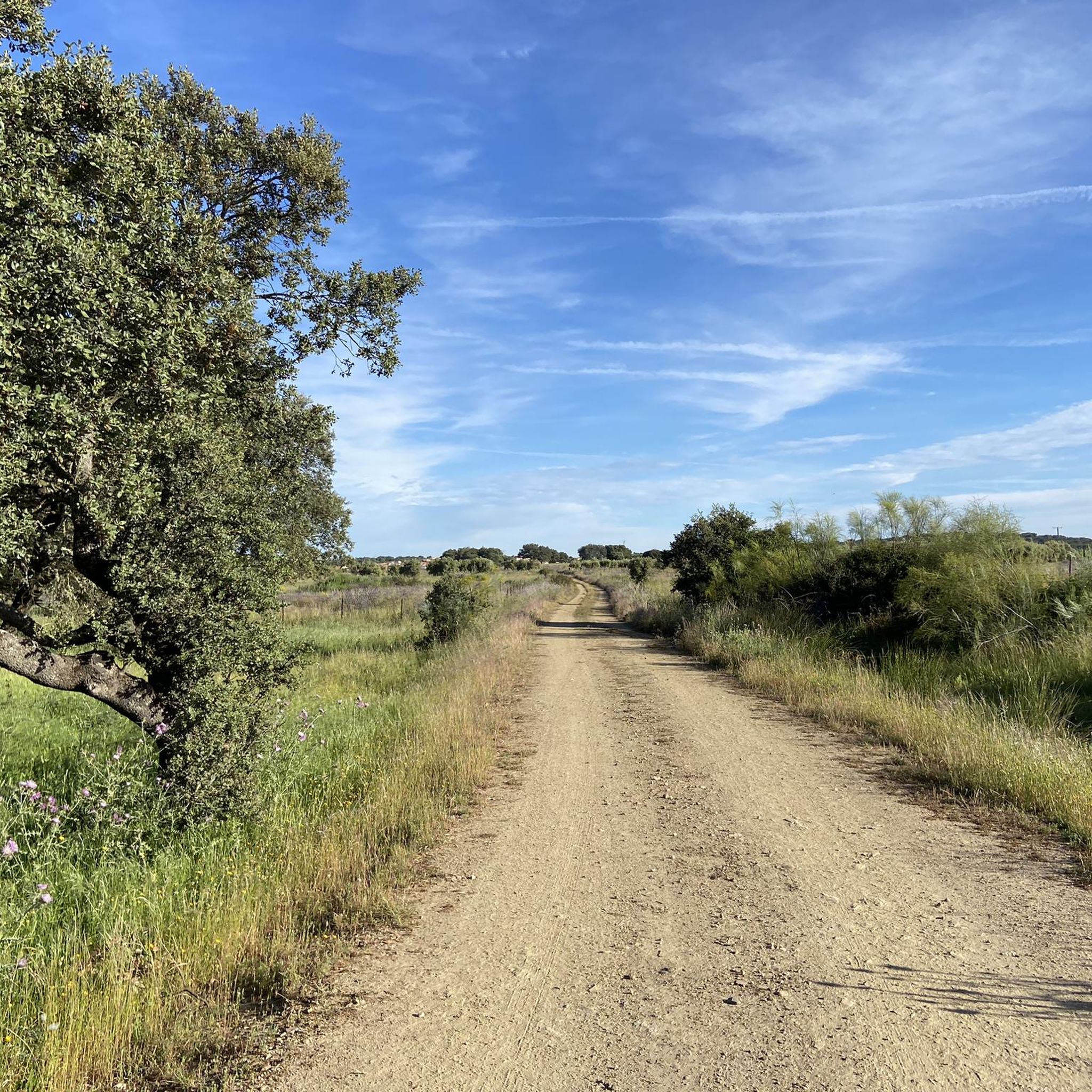
Nice gentle climb and one of the longest in Montanchez
0
1
About five kilometres to the northwest of the city is this Roman reservoir, in the same place where the famous Battle of Albuera took place. It was in this battle that Isabel la Católica decided the dispute over the throne of Castile between her and Juana “la Beltraneja”.
3
0

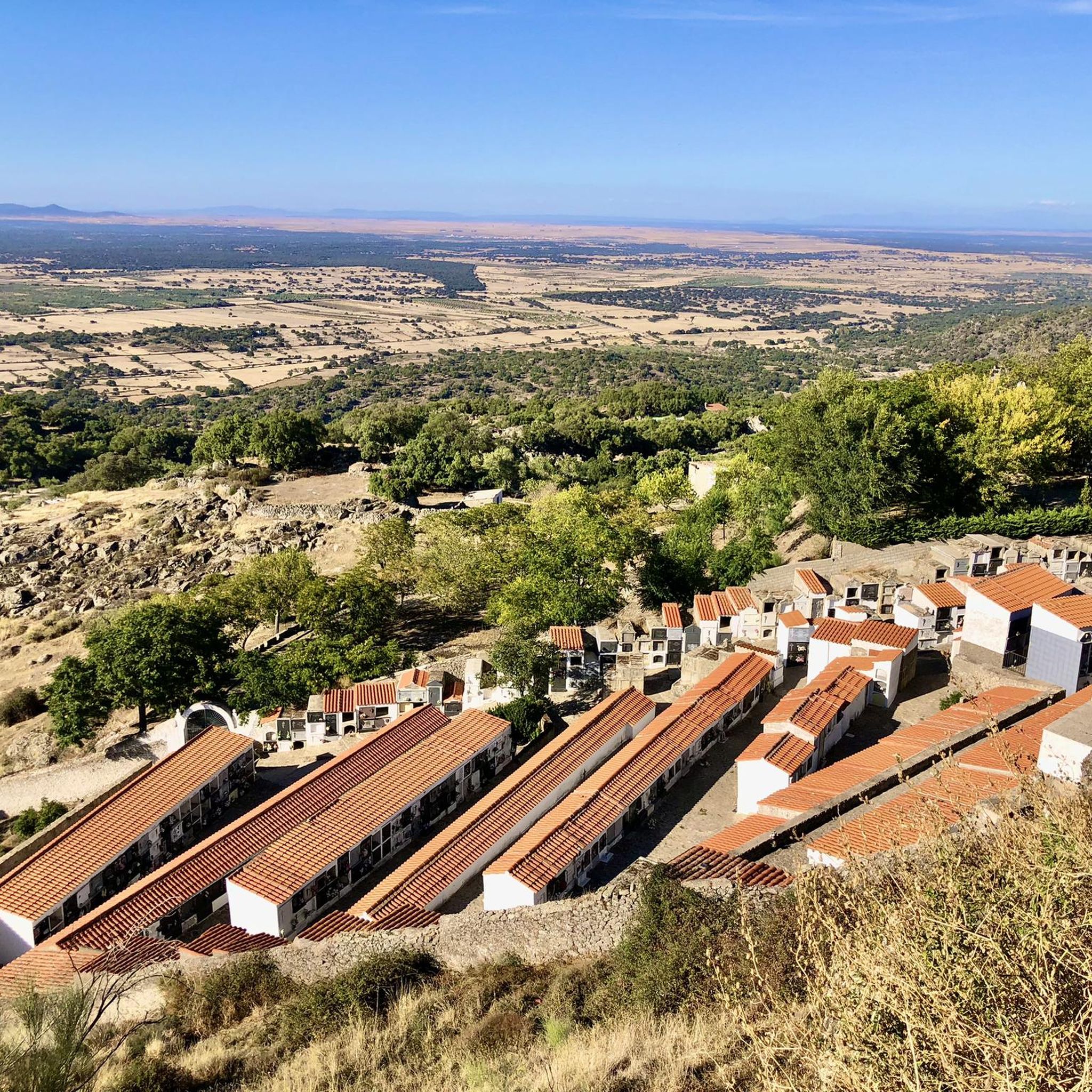
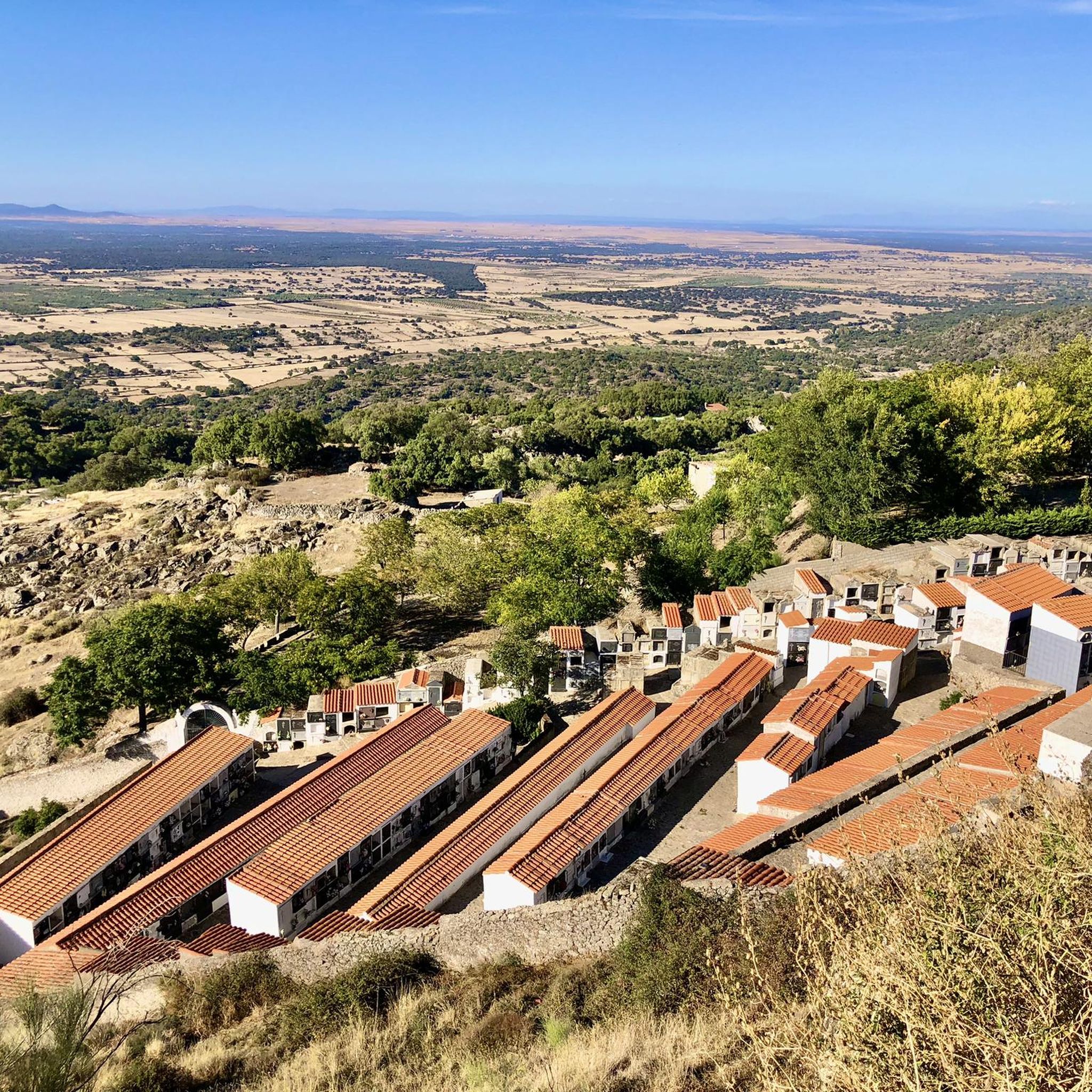
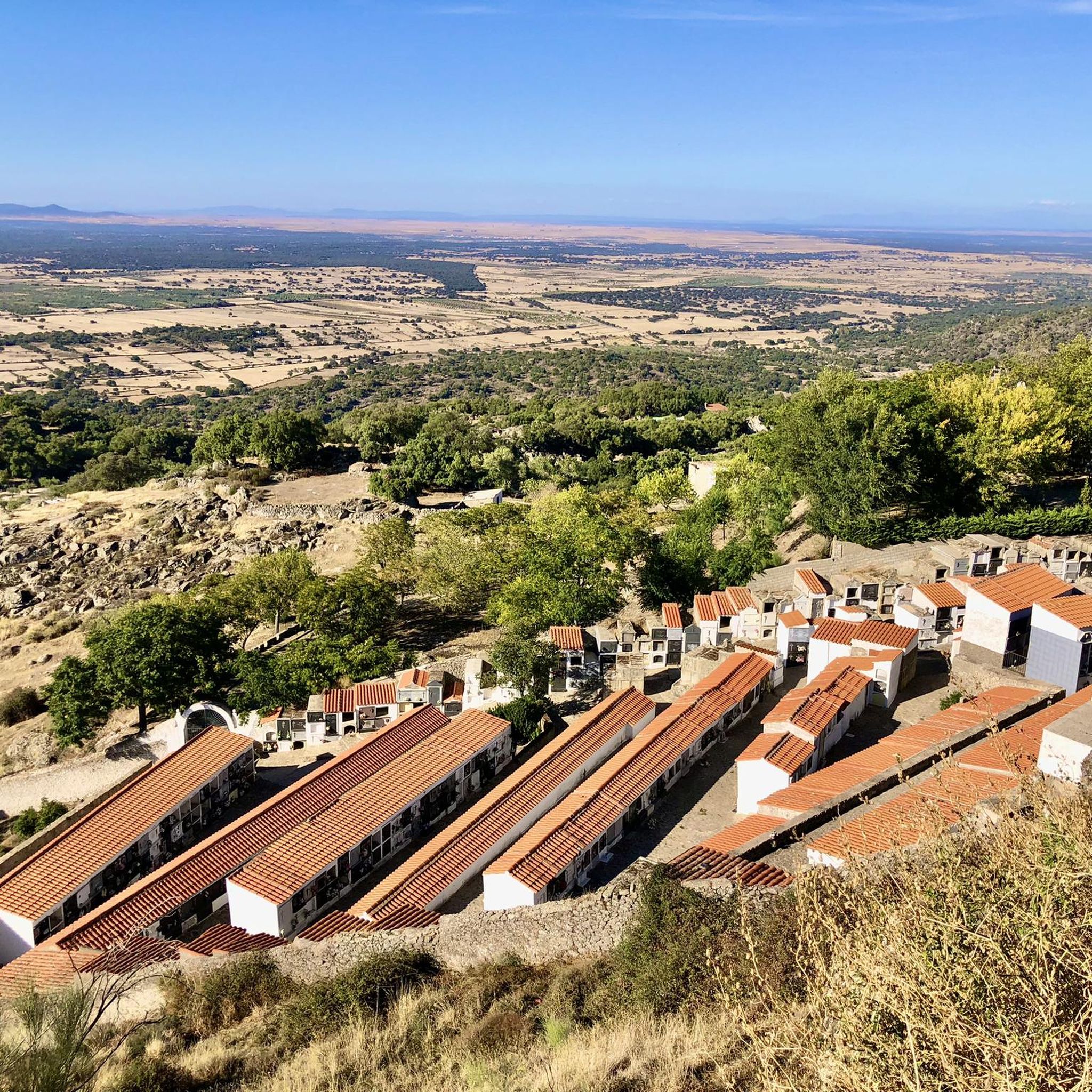
Spectacular located on a hill at the top of the town that has the same name as the castle, Montánchez. It is worth going through its walls, all of which are straight.
0
1

One of the jewels of Cáceres, the historic center of Montánchez is a must-see. Located on a fortified hill that dominates the slopes of the Tagus and the Guadiana dominated by the magnificent walled castle. Walking up towards the castle, you will be greeted by traditional narrow streets and medieval squares.
0
1
Arroyomolinos is a small town in the Montánchez region, founded around the year 1228 by order of King Alfonso IX on a prehistoric settlement. Stop for a coffee along the way and admire the splendid Church of Nuestra Señora de la Consolación.
1
1
One of the jewels of Cáseres, the historic center of Montánchez is a must-see. Located on a fortified hill that dominates the slopes of the Tagus and the Guadiana dominated by the magnificent walled castle. Walking up towards the castle, you will be greeted by traditional narrow streets and medieval squares.
1
1
Frequently Asked Questions
What kind of terrain and landscapes can I expect while touring cycling in Montánchez?
Montánchez offers a diverse landscape characterized by rugged, granite-based hills, ascending from 300 meters to nearly 1,000 meters. You'll cycle through extensive cork oak forests, scattered holm oaks, and chestnut woods, alongside Mediterranean scrubland, olive groves, and fig trees. The traditional dehesa system is also a prominent ecological feature, and you'll encounter rivers like the Salor and Tamuja, as well as reservoirs such as the Tres Arroyos.
How challenging are the touring cycling routes in Montánchez?
The touring cycling routes in Montánchez cater to various skill levels. Out of over 40 available routes, you'll find options ranging from easy to difficult. There are 2 easy routes, 21 moderate routes, and 21 difficult routes, ensuring there's a suitable challenge whether you're looking for a leisurely ride or a demanding adventure with steep gradients and technical sections.
Are there any family-friendly touring cycling routes in Montánchez?
Yes, Montánchez offers some easier routes suitable for families. While many routes feature challenging terrain, there are at least 2 routes classified as easy. For a moderate option that's still manageable, consider the Montánchez Castle – Plaza de España, Montánchez loop from Montánchez, which is 14.6 miles (23.5 km) long and offers views of the historic castle and town square.
What historical landmarks or natural features can I see along the touring cycling routes?
Montánchez is rich in historical and natural attractions. You can visit the iconic Montánchez Castle, which offers breathtaking views. Other points of interest include the Ruta de los Molinos (PR-CC 27), a historic trail, and the Stone Cross on the Camino. For a longer ride exploring significant historical sites, the Roman Dam of Proserpina – Roman Monuments of Mérida loop from Montánchez is an excellent choice.
Are there circular touring cycling routes available in Montánchez?
Yes, many touring cycling routes in Montánchez are designed as loops, allowing you to start and end in the same location. For example, the Jarripa Reservoir loop from Valdefuentes is a 24.0 miles (38.7 km) trail that takes you through varied terrain with reservoir views. Another option is the View of Montánchez Castle – Montánchez Castle loop from Montánchez, offering scenic vistas.
What is the range of distances for touring cycling routes in Montánchez?
The touring cycling routes around Montánchez vary significantly in length. You can find shorter loops, such as the Montánchez Castle – Plaza de España, Montánchez loop from Montánchez at 14.6 miles (23.5 km), perfect for a couple of hours. For more ambitious riders, there are much longer routes like the Roman Dam of Proserpina – Roman Monuments of Mérida loop from Montánchez, which spans 65.8 miles (106.0 km).
Is parking available for cyclists in Montánchez?
While specific parking areas for cyclists are not detailed, Montánchez is a town with various access points. Cyclists typically find parking in or near the main villages and starting points of routes. It's advisable to check local parking regulations upon arrival, especially in smaller villages or near popular attractions.
When is the best time of year for touring cycling in Montánchez?
Montánchez offers pleasant cycling conditions for much of the year. Spring (March to May) and autumn (September to November) are generally ideal, with milder temperatures and vibrant landscapes. Summers can be hot, especially in July and August, so early morning or late afternoon rides are recommended during these months. Winters are generally mild, making cycling possible, though some higher elevation areas might be cooler.
Can I expect to see wildlife while cycling in Montánchez?
Yes, the Sierra de Montánchez is a protected natural area, making it a hotspot for nature observation. The diverse ecosystems, including cork oak forests, holm oaks, and Mediterranean scrubland, support a variety of flora and fauna. Birdwatching is particularly popular, and you may spot various species of birds and other local wildlife during your rides.
Are there options for longer, multi-day cycling adventures or bikepacking in Montánchez?
Absolutely. For those seeking extended adventures, the ancient Vía de la Plata (Silver Route), a historical pilgrimage path, traverses the region. This route offers an excellent bikepacking opportunity, connecting various towns and historical sites across Extremadura and beyond, allowing for multi-day exploration of the area's rich heritage and diverse landscapes.
What do other touring cyclists enjoy most about cycling in Montánchez?
The touring cycling experience in Montánchez is highly rated by the komoot community, with an average score of 4.8 stars from over 40 reviews. Cyclists frequently praise the region's diverse terrain, from rugged hills to serene forests, and the opportunity to explore historical landmarks like Montánchez Castle. The variety of routes, catering to different difficulty levels, is also a significant draw for visitors.
Are touring cycling routes in Montánchez suitable for cycling with dogs?
While the natural environment of Montánchez is beautiful, specific routes are not designated as 'dog-friendly' for cycling. If you plan to cycle with your dog, ensure they are well-trained, can keep pace, and are comfortable with varied terrain, including potential technical sections. Always carry enough water for both of you and be mindful of local regulations regarding pets in natural areas.
Are there cafes or places to eat along the cycling routes in Montánchez?
Montánchez and the surrounding charming historic villages are known for their local gastronomy. While not every route will have direct access to cafes, you'll find opportunities to refuel and enjoy local specialties, particularly the famous cured Iberian ham and regional wines, in the towns and villages you pass through or start from. It's always a good idea to carry snacks and water, especially on longer or more remote routes.
Most popular routes around Montánchez
Most popular attractions around Montánchez

Get inspired with the komoot mobile app


Explore more
Browse the best Cycling routes in other regions.
