Attractions and Places To See around Mungia - Top 20
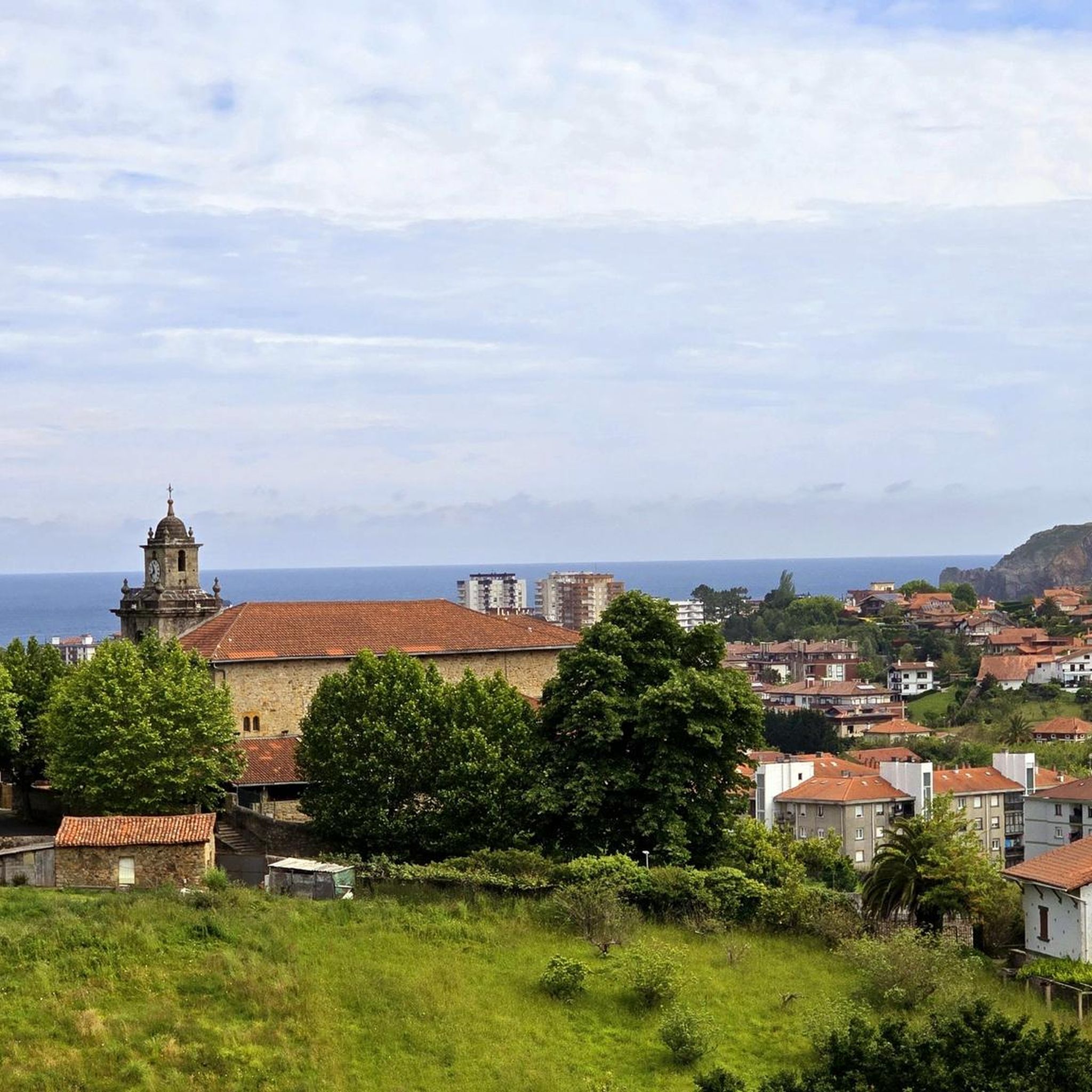
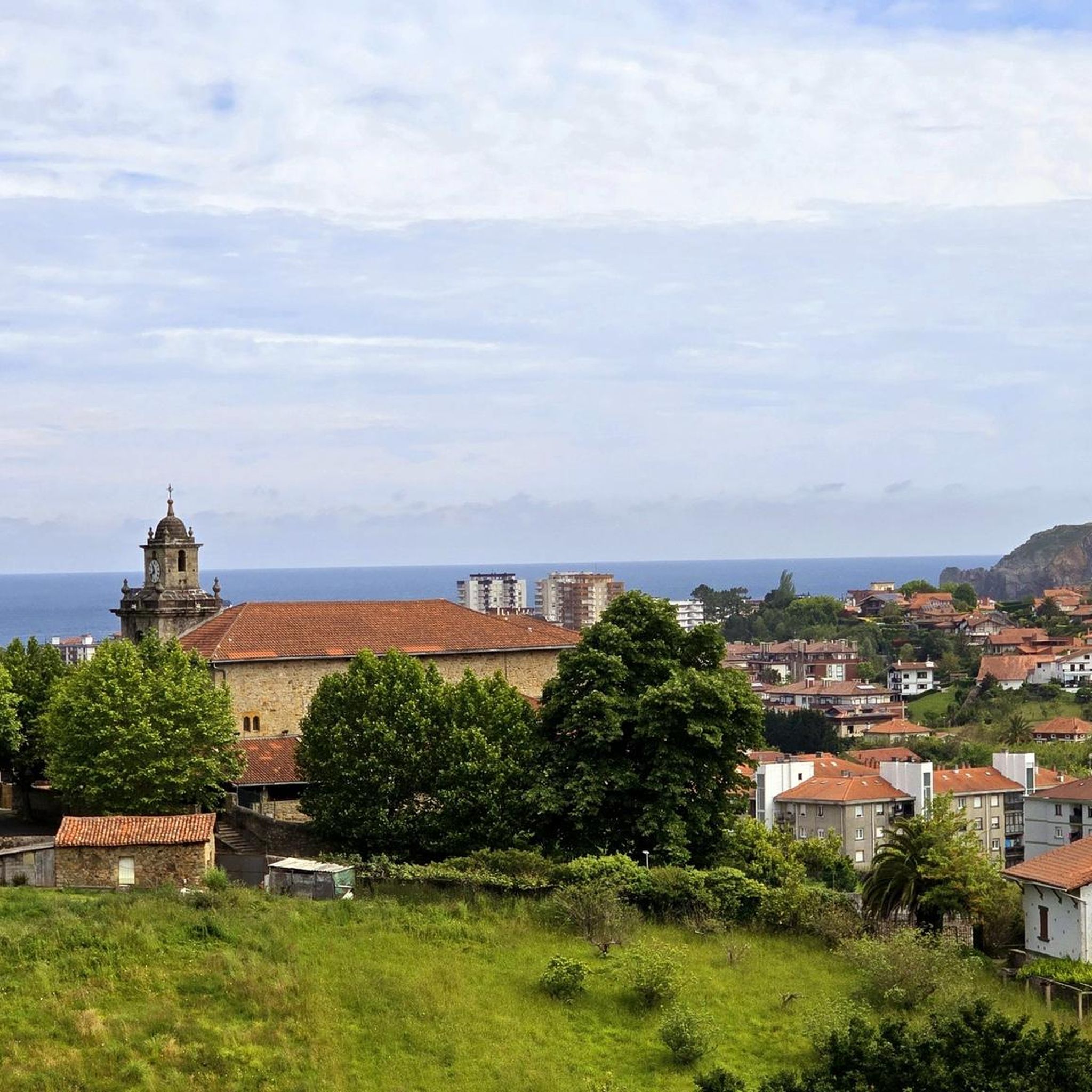
Best attractions and places to see around Mungia. This town in the Basque Country is situated in a sheltered valley near the coast, offering a mix of historical landmarks, cultural sites, and natural beauty. The landscape features rolling hills and mountains such as Sollube and Jata, alongside the Butroi River Valley. Its legacy dates back to the Middle Ages, providing a rich tapestry for visitors to explore.
Best attractions and places to see around Mungia
- The most popular attraction is Saint John of Gaztelugatxe, a historical site that gained popularity after appearing in a television series. The ascent to the hermitage consists of 241 steps, offering views of the Cantabrian coast.
- Another must-see spot is Guggenheim Museum, a man-made monument known for its modern and avant-garde architecture. The building itself is a significant draw, contributing to the city's contemporary image.
- Visitors also love Puppy — Floral Sculpture by Jeff Koons at the Guggenheim Museum Bilbao, a 12.40-meter-high dog made of flowers. This sculpture is considered one of the main icons of modern Bilbao, with its flowers changing seasonally.
- Mungia is known for its historical landmarks, natural features, and vibrant local markets. Visitors can explore traditional country houses, Romanesque bridges, and water mills, alongside various cultural sites.
- The attractions around Mungia are appreciated by the komoot community, with more than 650 upvotes and over 900 photos shared by visitors.
Last updated: July 6, 2026
Guggenheim Museum
Highlight • Monument
Translated by Google •
Tip by

Zubizuri Bridge
Highlight • Bridge
Translated by Google •
Tip by

Sign up now to discover places like this
Get recommendations on the best single tracks, peaks, & plenty of other exciting outdoor places.
Sign up for free
Puppy — Floral Sculpture by Jeff Koons at the Guggenheim Museum Bilbao
Highlight • Monument
Translated by Google •
Tip by

Saint John of Gaztelugatxe
Highlight (Segment) • Historical Site
Translated by Google •
Tip by

Plaza Nueva (Bilbao)
Highlight • Historical Site
Translated by Google •
Tip by

Sign up for free to discover even more attractions around Mungia.
Sign up for free
Already have an account?
Start today with a free account
Your next adventure awaits.
Login or Signup
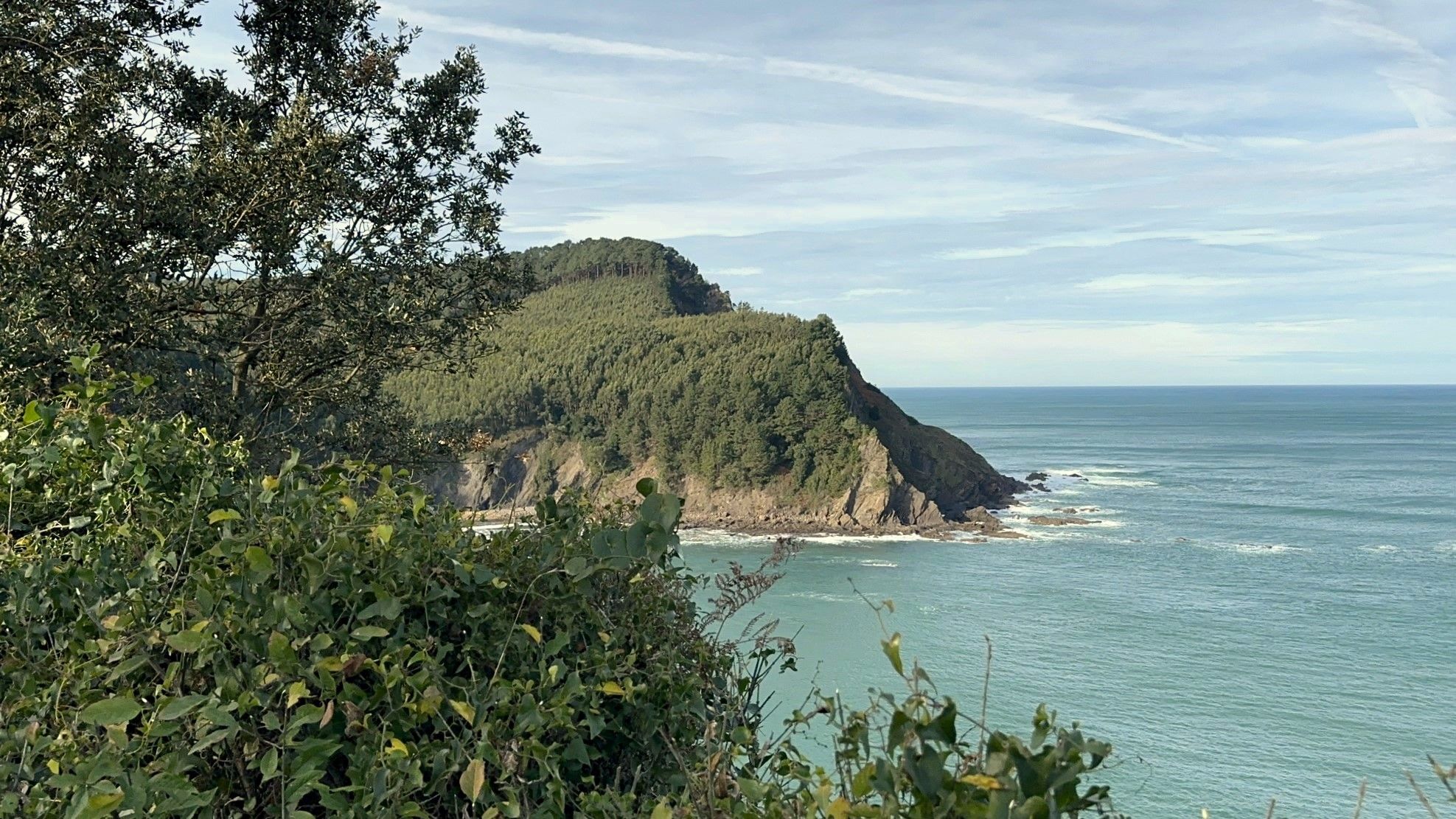
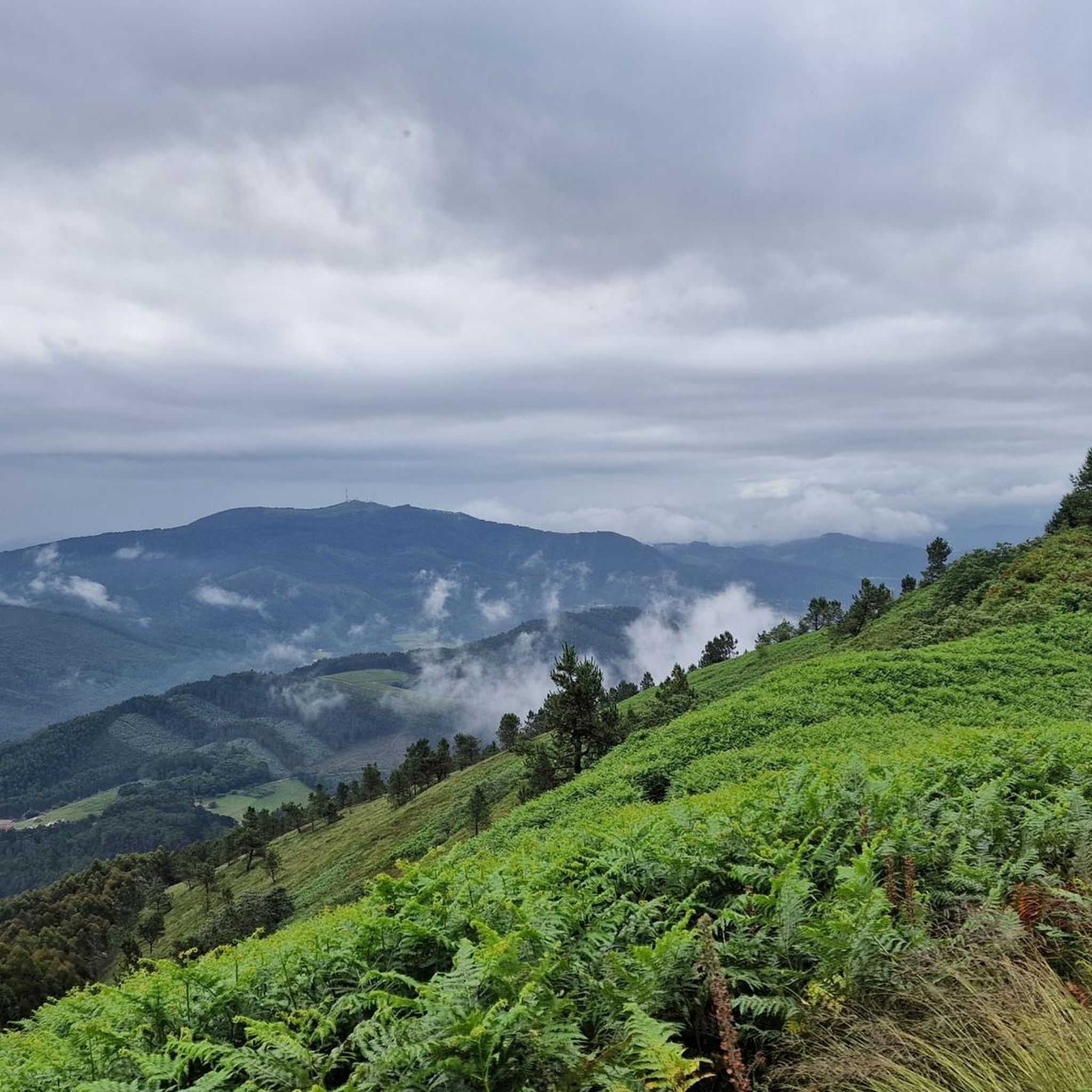
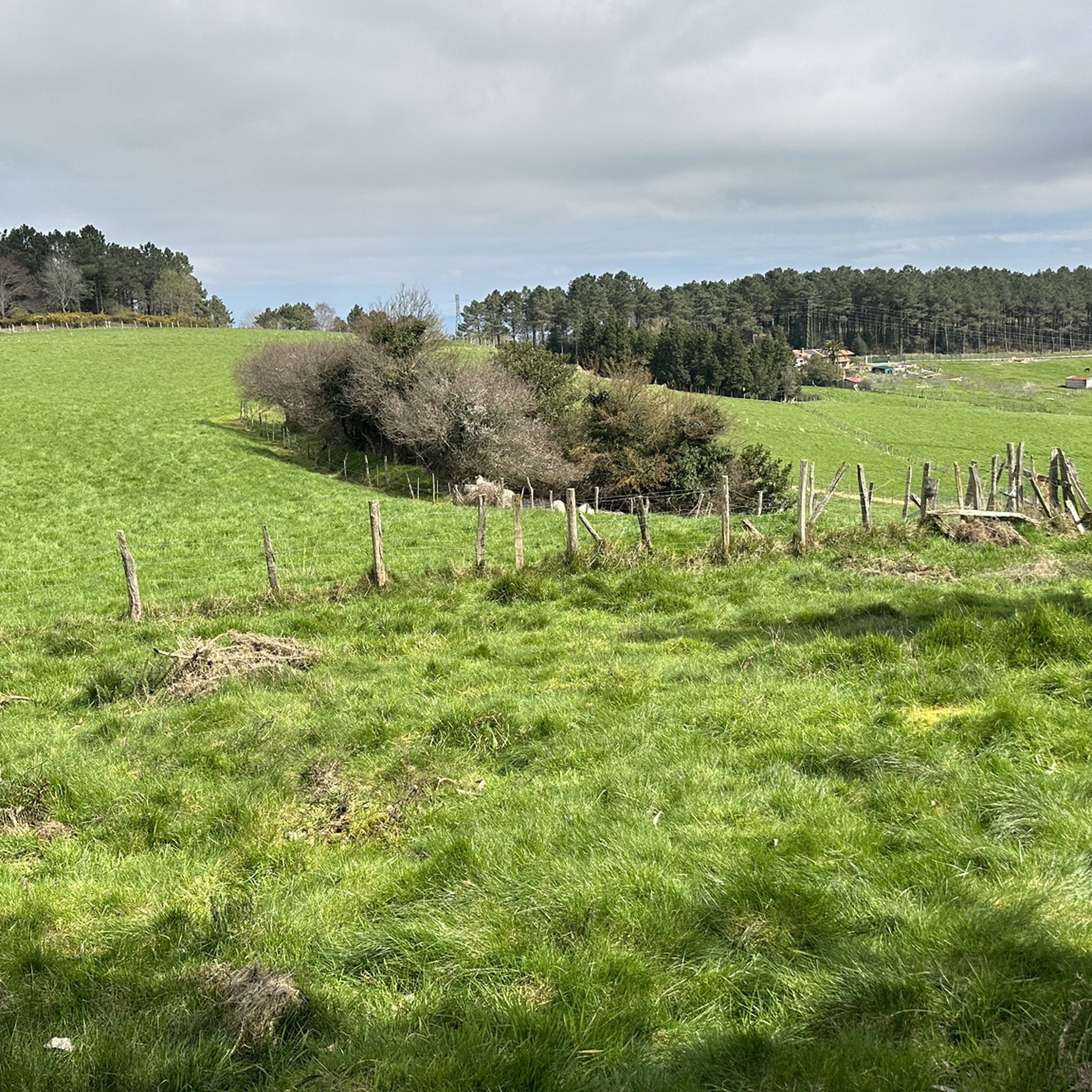
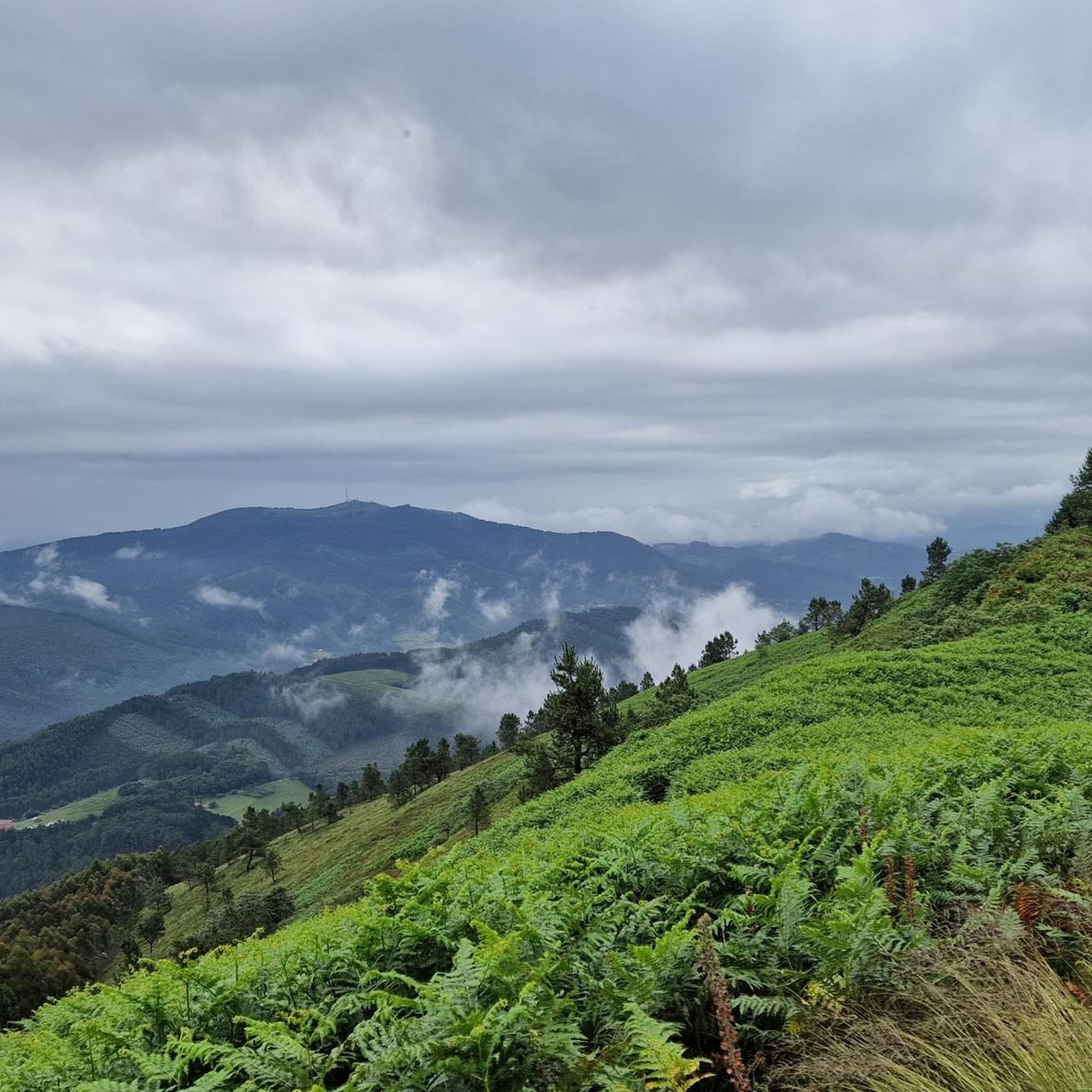

Other adventures around Mungia

Tips from the Community

Neoclassical square in the heart of Bilbao's Old Town (Casco Viejo). • The square was laid out in 1821 and completed in 1851. • It is surrounded by arcades and columns, beneath which are numerous pintxos bars and restaurants. • Plaza Nueva is a popular meeting place and considered the heart of the old town. • A flea market takes place in the square on Sundays.
0
0

Via the Zubizuri in Bilbao, also called Puente del Campo Volantin, you literally walk from the old to the new city. Together with the Guggenheim Museum, the bridge is the figurehead of the more modern, renovated Bilbao. The Zubizuri was built between 1994 and 1997. In Basque, its name means ‘White Bridge’. The Spanish architect Calatrava developed the modern metal construction with a glass floor, which later turned out to be not very practical. As a result, the city of Bilbao had to spend more than a quarter of a million to cover the bridge with carpet.
11
0
The Plaza Nueva is a beautiful neoclassical square that was built in 1821. This square is the lively heart of the Casco Viejo, the old district of Bilbao. Plaza Nueva is surrounded by buildings, where the lower floor consists of arches. Under these arches you will find numerous pintxos bars and restaurants. The square is therefore ideally suited to grab a terrace at the end of the afternoon and watch the Basque life while enjoying pintxos, the Basque form of tapas.
8
0

Plaza Nueva is now a landmark in the old town of Bilbao and has become one of the most important hubs of the city's social life. The colonnades of this neoclassical building complex alternate between bars, restaurants and cafés, which visitors should definitely visit to enjoy the lively atmosphere of the square. Every Sunday there is a street market for collectors with used books and records, minerals and fossils, coins and stamps, handicrafts and much more. And on December 21st, St. Thomas' Day, the square provides the backdrop for a remarkable agricultural market with countless typical products from all over the Basque Country. The square was inaugurated in 1851 after a long construction period of 65 years.
3
0

Impressive museum, the building itself, architecture, high interior structures and the way art is displayed in enormous spaces. This allows art to be fully expressed.
12
0

In addition to all the history that Plaza Nueva has, it should be added that it is a meeting and celebration place when Athletic Bilbao has an important match (as can be seen in the photos, taken 10 hours before the start of the Copa del Rey match). 2024, which he won).
3
0
I recommend visiting it at different times of the year and contemplating the color changes of its floral "skin".
4
0

A very typical building by the architect Santiago Calatrava. Curved and bent lines in delicate white architecture, a very similar form to be seen elsewhere and therefore nothing new, but still beautiful. Example of a similar building by the Spanish/Swiss star architect: https://calatrava.com/projects/bohl-bus-and-tram-stop-sankt-gallen.html Unfortunately, the bridge is in an extremely unsightly condition, and a visual renovation seems to be overdue.
7
0
Frequently Asked Questions
What historical landmarks can I explore in Mungia?
Mungia boasts a rich history with several notable landmarks. You can visit Torrebillela Castle, the oldest building in Mungia, which now serves as a cultural center. The Church of San Pedro, rebuilt in the 16th century, holds the tombs of the Lords of Butrón. Don't miss the Landetxo Goikoa, recognized as the oldest country house in Bizkaia, or the Romanesque Hermitage of San Miguel de Zumetzaga nestled in the foothills of Jata Mountain.
Are there any natural attractions or scenic viewpoints around Mungia?
Yes, Mungia is surrounded by natural beauty. The town is nestled in the Butroi River Valley, with rolling hills like Gondramendi, Tallu, and Berreaga, and more prominent mountains such as Sollube and Jata. For a tranquil escape, Torrebillela Park, adjacent to the castle, offers ample tree coverage and playgrounds. The Atxuri Greenway provides a pleasant path for walking or cycling.
What cultural sites and activities are available in Mungia?
Mungia's cultural heart is Matxin Enparantza Plaza, a vibrant hub for festivals and local markets. The City Hall showcases Baroque architecture and includes a municipal Fronton for traditional Basque pelota. The Andra Mari Church, an old church in the town center, now hosts an 'azoka' (fair) on Fridays. The town is also known for its lively festivals, particularly the main one dedicated to San Pedro at the end of June.
What outdoor activities, like hiking or cycling, can I do near Mungia?
The area around Mungia offers various outdoor activities. For running, you can explore routes like the 'Tallu Forest Trail – Jata Summit loop' or 'Gondramendi loop'. Cyclists can enjoy routes such as 'Meñaka y Gatika – circular desde Mungia' or the challenging 'Jata Radar Station loop'. You can find more details and routes in the Running Trails around Mungia and Cycling around Mungia guides.
Are there any family-friendly attractions or activities in Mungia?
Families can enjoy the playgrounds and green spaces at Torrebillela Park. The vibrant local markets in Matxin Enparantza Plaza and the Friday fair at Andra Mari Church offer a lively experience. While some of the major attractions like Guggenheim Museum and Zubizuri Bridge are located a bit further afield in Bilbao, they are generally considered family-friendly and accessible.
What are some unique historical features in the Mungia countryside?
Beyond the town center, the Mungia countryside is dotted with unique historical features. You can discover several Romanesque bridges and historic water mills, such as Olabarri, Erdizubi, Errotatxu, and Ugaldeko errota, which were historically used for flour production. The rural areas also feature many traditional country houses, known as 'baserriak', some dating back to the 16th and 18th centuries.
What is the best time of year to visit Mungia for sightseeing and outdoor activities?
Mungia offers attractions year-round. For outdoor activities like hiking and cycling, spring and autumn generally provide pleasant weather. The town's main festival dedicated to San Pedro is celebrated at the end of June, offering music, children's games, and fireworks, making it a lively time to visit for cultural experiences. The local markets and fairs are also ongoing throughout the year.
Where can I experience local culture and markets in Mungia?
To experience local culture and markets, head to Matxin Enparantza Plaza, which is the cultural heart of Mungia and frequently hosts festivals and local markets. The Andra Mari Church also hosts an 'azoka' (fair) on Fridays. Additionally, a significant livestock trade fair, showcasing the municipality's identity, takes place on the first and third Sunday of every month.
Are there any significant religious sites in Mungia?
Yes, Mungia has important religious sites. The Church of San Pedro is a significant historical and religious site, rebuilt in the 16th century in a Gothic style. The beautiful Romanesque Hermitage of San Miguel de Zumetzaga is another notable religious structure found in the foothills of Jata Mountain. The Andra Mari Church, while now a multipurpose space, is an old church in the town center with historical significance.
What do visitors particularly enjoy about the attractions around Mungia?
Visitors appreciate the blend of historical depth and natural beauty. Many are captivated by the unique architecture of sites like the Guggenheim Museum and the striking Puppy — Floral Sculpture by Jeff Koons in nearby Bilbao. The challenging yet rewarding ascent to Saint John of Gaztelugatxe, with its stunning coastal views, is also a highlight for many, despite the effort involved.
Are there options for gravel biking near Mungia?
Yes, gravel biking enthusiasts can find several routes around Mungia. Options include longer, more challenging routes like the 'A & C Tunnel Entrance – El Sobaco Tunnel loop' or the 'Hirumugarrieta Megalithic Site – Forest Trail Near Bilbao loop'. You can explore more gravel biking routes in the dedicated Gravel biking around Mungia guide.
Most popular attractions around Mungia

Get inspired with the komoot mobile app


Explore more
Still not found the Highlight you’re looking for? See guides of the top attractions in other regions:
