Top 18 Gorges around Valdecabras
Best canyons around Valdecabras are found within the Serranía de Cuenca Natural Park, a region known for its geological formations. The area features impressive eroded rock structures and narrow passages, characteristic of karst landscapes. Sites like the Enchanted City and Los Callejones de Las Majadas showcase how water, wind, and ice have sculpted limestone and dolomitic rocks over millions of years. These natural features create labyrinthine routes and unique rock formations.
Best canyons around Valdecabras
- The most popular canyons is…
Last updated: June 29, 2026
Ventano del Diablo
Highlight • Viewpoint
Translated by Google •
Tip by

Puntal de la Tola Viewpoint
Highlight • Viewpoint
Translated by Google •
Tip by

Sign up now to discover places like this
Get recommendations on the best single tracks, peaks, & plenty of other exciting outdoor places.
Sign up for free
Júcar Gorge
Highlight • Gorge
Translated by Google •
Tip by
La Raya
Highlight (Segment) • Trail
Translated by Google •
Tip by
Recreo Peral Viewpoint
Highlight • Viewpoint
Translated by Google •
Tip by
Sign up for free to discover even more gorges around Valdecabras.
Sign up for free
Already have an account?
Start today with a free account
Your next adventure awaits.
Login or Signup

Tips from the Community

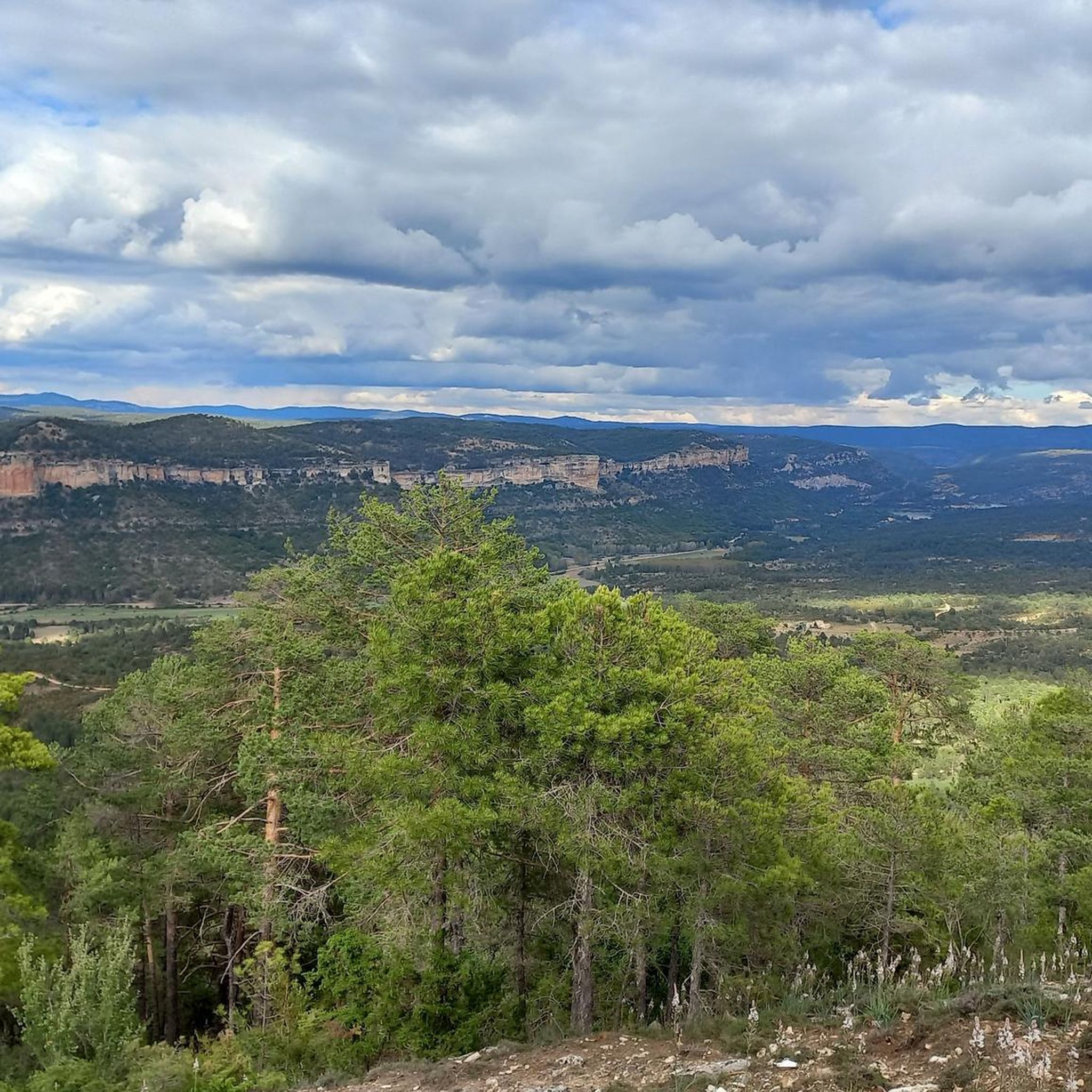
Super beautiful spot and very quiet early June, the vultures complete the picture, enjoy this viewpoint with a 100-meter walking path.
1
0

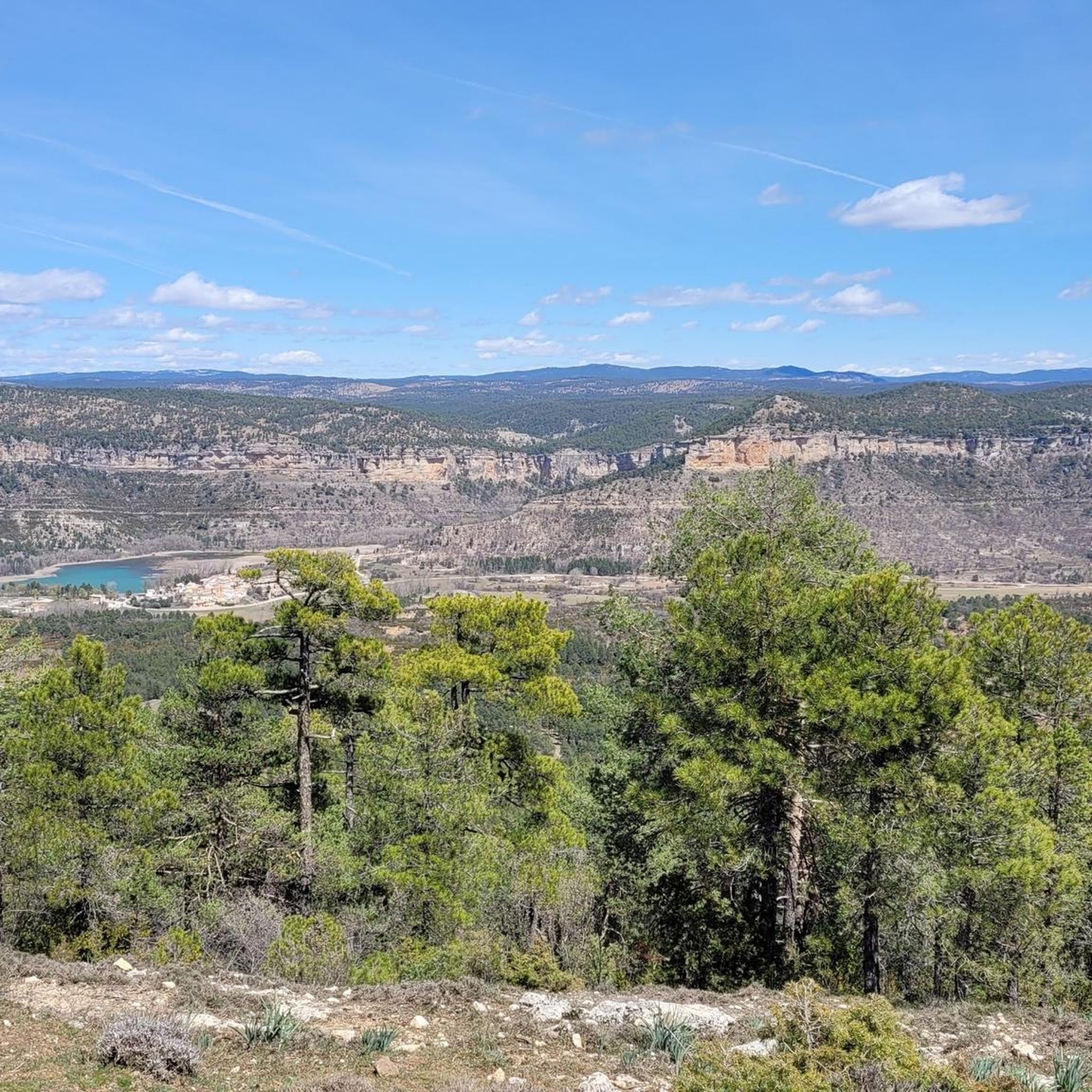
Spectacular viewpoint overlooking the Júcar River.
1
0
One of the most impressive viewpoints in the area.
0
0
Good place to appreciate the northwest area of Cuenca.
1
1

One of the many viewpoints of the Cuenca Gorges.
0
1

The Hoz del Júcar in Cuenca is a spectacular place to explore by bike! 🚴♂️ The route through the Hoz del Júcar takes you through a stunning landscape, with the Júcar River accompanying you for much of the journey. The green waters of the river and the rock formations create a unique natural environment.🚵🌄
10
0
Mirador del Ventano del Diablo is a stunning natural balcony located just outside the town of Villalba de la Sierra, in the province of Cuenca. This viewpoint, carved into the rock, offers spectacular views of the canyon of the Júcar River, whose crystal-clear waters flow towards the city of Cuenca. The name “Ventano del Diablo” comes from an ancient legend that says that the devil attracted visitors to this place, where they stumbled and fell due to the beauty of the landscape. From the viewpoint, you can observe the elegant flights of the griffon vultures and enjoy the lush vegetation surrounding the river. It is a popular destination for nature and photography lovers, and is only 25 kilometers from Cuenca, making it an ideal stop if you are exploring the region.😎🚶♀️🚵🚴
13
0
Mirador del Ventano del Diablo is a stunning natural balcony located just outside the town of Villalba de la Sierra, in the province of Cuenca. This viewpoint, carved into the rock, offers spectacular views of the canyon of the Júcar River, whose crystal-clear waters flow towards the city of Cuenca. The name “Ventano del Diablo” comes from an ancient legend that says that the devil attracted visitors to this place, where they stumbled and fell due to the beauty of the landscape. From the viewpoint, you can observe the elegant flights of the griffon vultures and enjoy the lush vegetation surrounding the river. It is a popular destination for nature and photography lovers, and is only 25 kilometers from Cuenca, making it an ideal stop if you are exploring the region.😎🚶♀️
33
0
Frequently Asked Questions
What are the most notable canyon-like formations in the Valdecabras region?
The Valdecabras region, particularly within the Serranía de Cuenca Natural Park, is renowned for its impressive eroded rock structures and narrow passages. Two of the most notable examples are the Enchanted City (Ciudad Encantada) and Los Callejones de Las Majadas. These sites showcase stunning karst landscapes, sculpted by water, wind, and ice over millions of years into whimsical shapes and labyrinthine routes.
Are there family-friendly options for exploring the canyons around Valdecabras?
Yes, both the Enchanted City and Los Callejones de Las Majadas are considered family-friendly. The Enchanted City offers a marked, circular route of approximately 3 kilometers with well-conditioned paths, making it accessible for all ages. Children particularly enjoy discovering shapes in the rocks at both locations. The Ventano del Diablo viewpoint is also a great family-friendly spot.
What kind of natural features and viewpoints can I expect to see?
You can expect to see dramatic karst formations, deep river gorges, and panoramic viewpoints. Highlights include the unique rock sculptures at the Enchanted City and Los Callejones, the impressive Júcar River canyon visible from Ventano del Diablo and Puntal de la Tola Viewpoint. The Júcar Gorge itself offers green waters and striking rock formations.
What are some popular hiking trails or routes in the Valdecabras canyons?
A popular trail is La Raya, which offers impressive views of the Júcar canyons, the lagoon, and the town of Uña. The Enchanted City also features a well-marked circular route. For more extensive hiking, you can explore routes that incorporate viewpoints like Recreo Peral Viewpoint, which is part of the Ruta de la Hoz del Júcar.
What is the difficulty level of hiking trails in the Valdecabras canyons?
Many trails in the Valdecabras canyons, such as those at the Enchanted City and Los Callejones, are generally easy and suitable for all types of hikers. However, some viewpoints and longer routes, like Puntal de la Tola Viewpoint, Júcar Gorge, La Raya, and Recreo Peral Viewpoint, are categorized as intermediate, suggesting they may involve moderate ascents or longer distances.
What outdoor activities are available near the Valdecabras canyons besides hiking?
Beyond hiking, the area around Valdecabras is excellent for cycling. You can find numerous MTB trails, road cycling routes, and touring bicycle routes. Many of these routes incorporate the scenic Júcar River and its gorges, offering a unique way to experience the natural beauty of the region.
Is there wildlife to observe in the Valdecabras canyons?
Yes, the canyons are home to diverse wildlife. From viewpoints like Ventano del Diablo and Puntal de la Tola Viewpoint, you can often observe the elegant flights of griffon vultures and, with luck, even eagles soaring above the Júcar River canyon.
What is the best time of year to visit the canyons around Valdecabras?
While the region can be visited year-round, spring and autumn generally offer the most pleasant weather for exploring, with milder temperatures and vibrant natural colors. Summer can be hot, making early mornings or late afternoons ideal for activities. Winter visits are possible, but some paths might be slippery, and temperatures will be cooler.
How long does it typically take to explore the main canyon areas?
Exploring the marked circular route at the Enchanted City typically takes around 1.5 hours. Los Callejones de Las Majadas can also be explored within a similar timeframe, depending on how much you wish to wander through its labyrinthine passages. Longer hikes along the Júcar River or to various viewpoints will naturally take more time.
Are there any historical or cultural aspects related to the Valdecabras canyons?
Yes, Los Callejones de Las Majadas, for instance, was historically used by shepherds as natural enclosures for livestock, with the rock formations providing shelter. The unique landscapes of both the Enchanted City and Los Callejones have also served as backdrops for various films and productions, adding a cultural layer to their natural wonder.
Where can I find parking when visiting the canyons?
For the Enchanted City, there is usually designated parking available at the entrance, though an entrance fee may apply. Los Callejones de Las Majadas typically has free parking options nearby. For other viewpoints and trailheads, parking availability can vary, so it's advisable to check specific location details before your visit.
What makes the Enchanted City a unique place to visit?
The Enchanted City is a globally recognized geological phenomenon, declared a Natural Site of National Interest. Its uniqueness lies in the towering rock formations that resemble human figures, objects, and animals, such as 'The Face of Man' and 'Los Barcos.' The distinct hardness of the rocks has created these surreal sculptures, making it a magical setting for imagination and photography.
What are Los Callejones de Las Majadas known for?
Los Callejones de Las Majadas is famous for its 'alleys' or narrow passages and gorges, forming an intricate stone labyrinth. It features grooves, cavities, natural bridges, arches, and monoliths, all sculpted by millions of years of erosion. Unlike the Enchanted City, there is no entrance fee, offering a more free-form exploration experience.
Most popular routes around Valdecabras
Most popular attractions around Valdecabras

Get inspired with the komoot mobile app


Explore more
Already discovered everything in this region? See additional gorges around Valdecabras for your next adventure:
