Attractions and Places To See around La Cumbre - Top 20
Attractions and places to see around La Cumbre include a variety of historical sites and man-made monuments. The area features significant architectural heritage, with structures dating back centuries. Visitors can explore urban complexes and historical landmarks that reflect different periods and architectural styles.
Best attractions and places to see around La Cumbre
- The most popular attractions is San Andrés Gate, a man-made monument that is one of the emblematic monuments of Trujillo. This arch is part of the seven original entrances in the city wall and combines Gothic and Renaissance elements.
- Another must-see spot is Trujillo Main Square, a historical site. It is an important urban complex formed from different periods and architectural-urban mentalities.
- Visitors also love Chaves Sotomayor Palace, a historical site with a two-story mansion. The façade presents a porticoed gallery with five arches, built in the first decade of the 16th century.
- La Cumbre is known for its historical sites and man-made monuments. The region offers a diverse range of attractions to see and explore, from ancient gates to historic palaces.
- The attractions around La Cumbre are appreciated by the komoot community, with 66 photos and 17 upvotes shared by visitors.
Last updated: May 9, 2026
Trujillo Main Square
Highlight (Segment) • Historical Site
It is an important urban complex formed from different periods and architectural-urban mentalities, whose testimonies make it one of the most important towns in Extremadura, as far as architectural heritage is concerned.
Translated by Google •
Tip by

Church of Santa María la Mayor (Trujillo)
Highlight • Religious Site
Translated by Google •
Tip by
Sign up now to discover places like this
Get recommendations on the best single tracks, peaks, & plenty of other exciting outdoor places.
Sign up for free
La Alberca
Highlight • Monument
The most important use it had, without excluding other uses such as watering, in basins close to its access, for horses and cattle, was to use its water through underground conduction, which runs through the current Hospital, Huerta de los Descalzos and Zonche ( Turkey) to water in other times the avenue of the Plaza de la Encarnación, later called the Mercadillo, and supply the fields of San Lázaro and the Prados or Campos de S. Juan.
Translated by Google •
Tip by
Chaves Sotomayor Palace
Highlight • Historical Site
Translated by Google •
Tip by
San Andrés Gate
Highlight • Monument
Translated by Google •
Tip by
Sign up for free to discover even more attractions around La Cumbre.
Sign up for free
Already have an account?
Start today with a free account
Your next adventure awaits.
Login or Signup
Tips from the Community

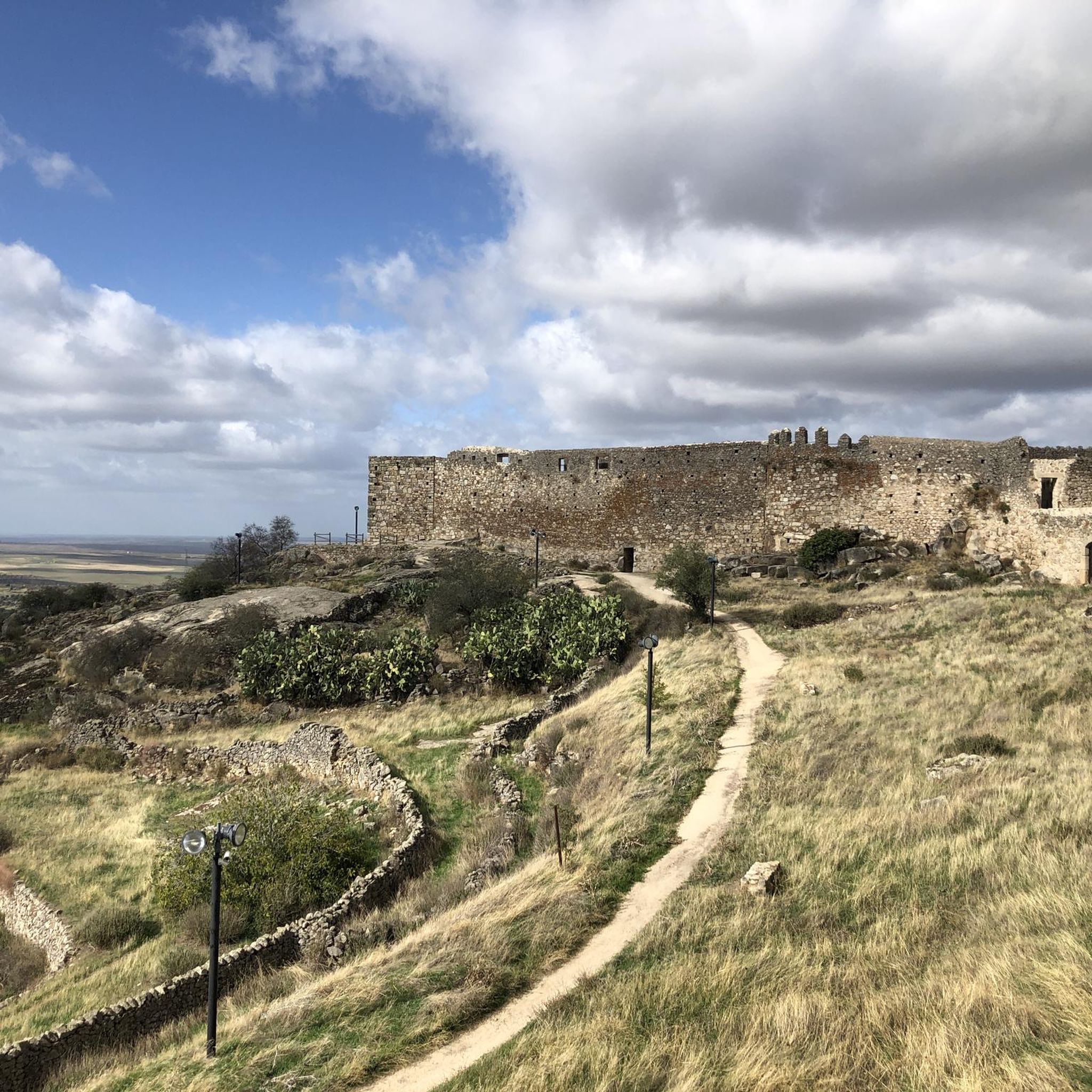
The Arch of San Andrés, also known as the Puerta de San Andrés, is one of the emblematic monuments of Trujillo. This arch or gate is part of the seven entrances in the city wall and combines Gothic and Renaissance elements.
9
0

The San Andrés Gate, reached after climbing the steep Cuesta de San Andrés, is one of the five remaining gates out of the original seven that were in the wall that protected the city of Trujillo.
3
0
Actually, it is not Pizarro's house, but a 15th century mansion where a replica of the conqueror's house was made.
2
0
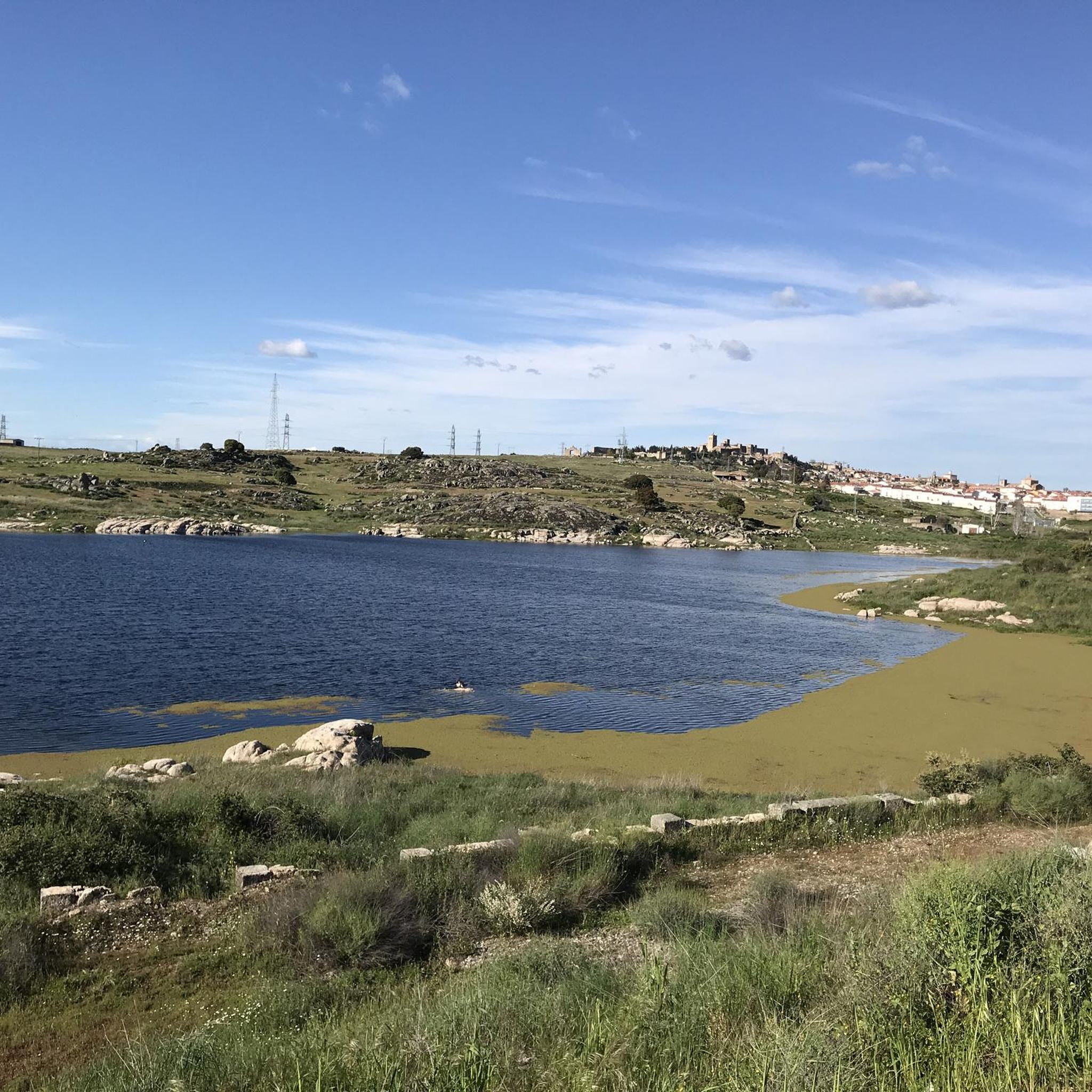
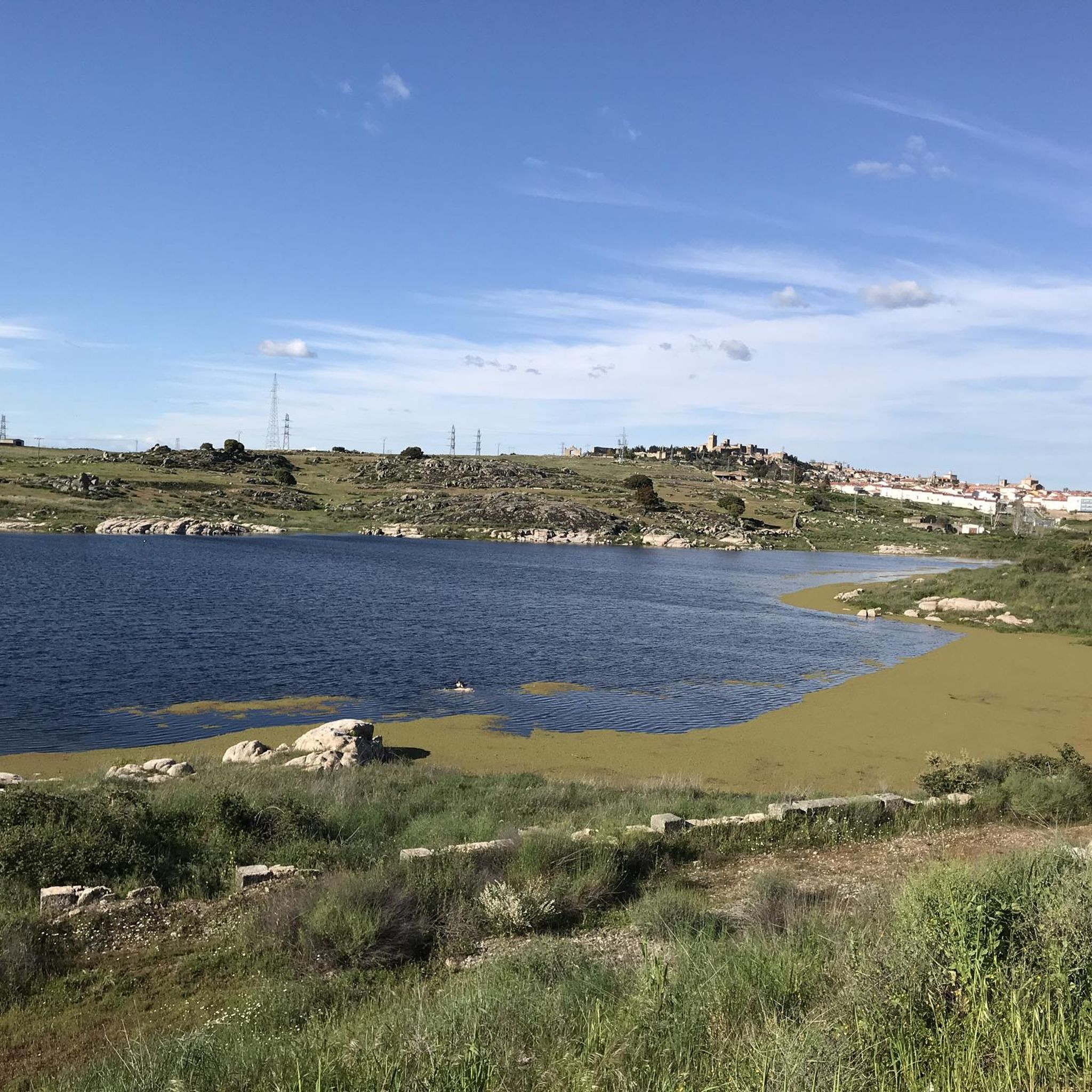
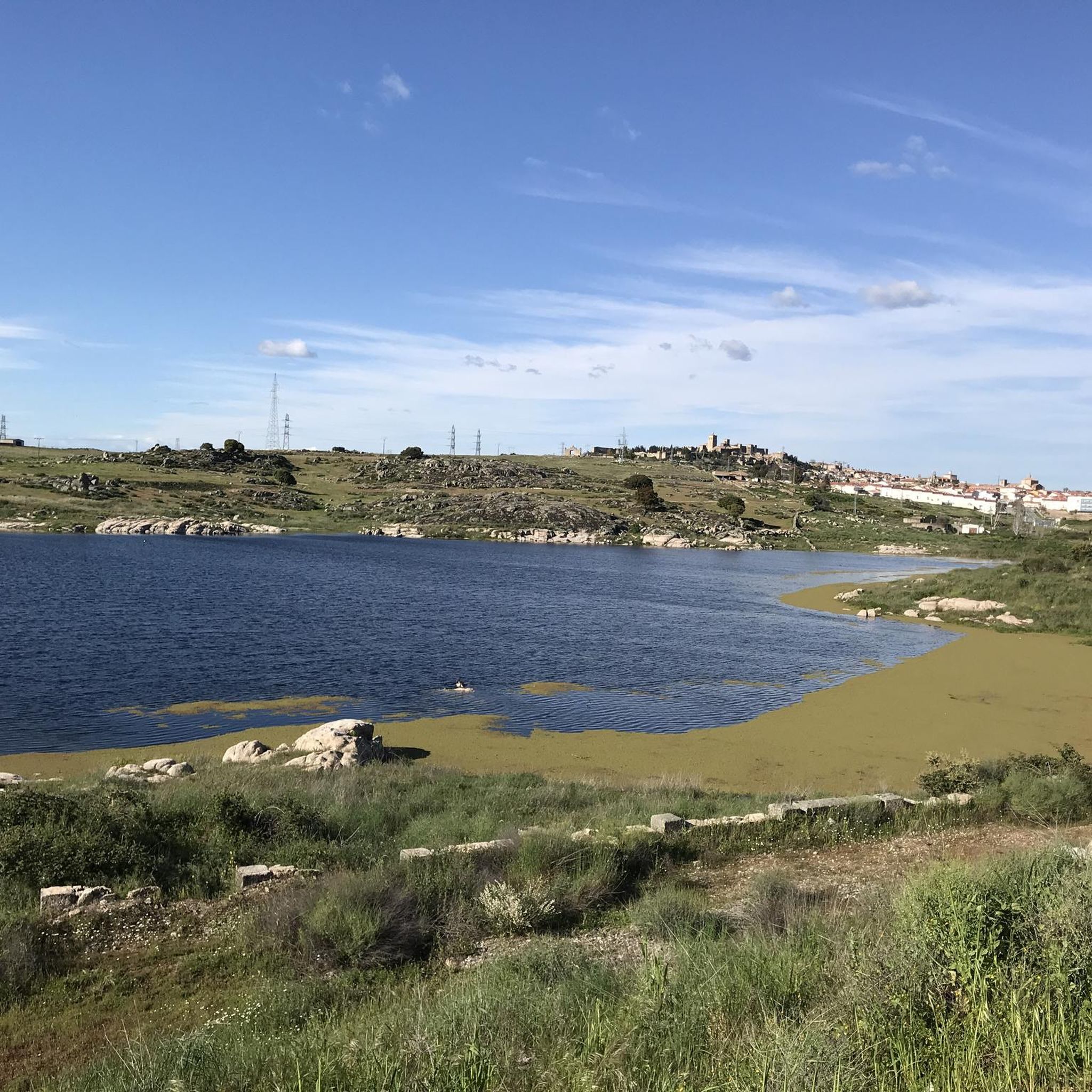
Old water tank used by the city. On the site you can see a granite tomb that the Arabs used as a watering place for horses.
2
0
Palacio with a spectacular facade
2
0
Trujillo: a city worth seeing with many medieval buildings, an impressive castle and the birthplace of Francisco Pizarro and other conquistadors
2
0
It is located in the Plaza Mayor of Trujillo.
18
0
From the Arabic lexicon "Al birka" comes Alberca in the Spanish language means water tank. The most important use it had, without excluding other uses such as watering, in basins close to its access, for horses and cattle, was to use its water through underground conduction, which runs through the current Hospital, Huerta de los Descalzos and Zonche ( Turkey) to water in other times the avenue of the Plaza de la Encarnación, later called the Mercadillo, and supply the fields of San Lázaro and the Prados or Campos de S. Juan.
22
0
Frequently Asked Questions
What historical sites can I explore around La Cumbre?
The area around La Cumbre is rich in historical sites. You can visit the Trujillo Main Square, an important urban complex reflecting various architectural periods. Another significant site is the Church of Santa María la Mayor (Trujillo), built in the 13th century with Romanesque and Gothic elements. Don't miss the Chaves Sotomayor Palace, a two-story mansion with a distinctive porticoed gallery from the 16th century.
Are there any family-friendly attractions in the area?
Yes, several attractions are suitable for families. The Trujillo Main Square is a great place for families to explore, offering a vibrant historical setting. Additionally, La Alberca, an old water tank, is also categorized as family-friendly and provides an interesting historical insight.
What are some notable architectural landmarks to see?
La Cumbre and its surroundings boast impressive architectural landmarks. The San Andrés Gate, an emblematic monument of Trujillo, combines Gothic and Renaissance elements as part of the city wall. The Chaves Sotomayor Palace is another highlight, known for its beautiful 16th-century façade with five arches. You can also see the Church of Santa María la Mayor (Trujillo), which showcases Romanesque and Gothic architecture.
What kind of outdoor activities can I do near these attractions?
The region offers a variety of outdoor activities. You can find numerous routes for road cycling, mountain biking, and hiking. For road cycling, consider routes like the 'Trujillo and Monfragüe National Park Loop'. Mountain bikers can explore trails such as 'Trujillo, La Cumbre, and La Aldea del Obispo Loop'. Hikers have options like the 'Trujillo – city tour circular by the historic quarter'. You can find more details on these and other routes in the respective guides for Road Cycling, MTB Trails, and Hiking around La Cumbre.
Are there any easy hiking trails suitable for a leisurely walk?
Yes, there are easy hiking options available. For a relaxed experience, you can try the 'Trujillo – city tour circular by the historic quarter' which is an easy 6.5 km route. Another easy option is the 'Plaza Mayor of Trujillo – San Andrés Gate loop from Trujillo', covering about 5.4 km. These trails allow you to explore the historic areas at a comfortable pace.
What do visitors enjoy most about the attractions around La Cumbre?
Visitors appreciate the rich historical and architectural heritage of the area. Many enjoy the authentic Spanish town atmosphere, particularly around the Trujillo Main Square. The well-preserved facades and mountain houses, reflecting an English architectural style due to early British immigrants, also add to the unique charm. The komoot community has shared 66 photos and given 17 upvotes, highlighting the visual appeal and historical significance of these sites.
Where can I find information about the history of Trujillo?
The city of Trujillo, where many of these attractions are located, is an important urban complex with a rich history. You can learn about its past by visiting sites like the Trujillo Main Square, which showcases different periods and architectural mentalities. The Church of Santa María la Mayor (Trujillo), built after the city's conquest, also offers insights into its historical development.
Are there any unique natural features or viewpoints in La Cumbre?
While the specific highlights in the guide focus on historical sites, the broader region of La Cumbre, Argentina, is known for its stunning natural landscapes. For instance, Cuchi Corral is a renowned beauty spot with a 300-meter cliff overlooking the Rio Pintos valley, famous for paragliding. Dique San Jerónimo offers a peaceful walk by a dam and a small waterfall. Mount Uritorco, north of La Cumbre, is popular for trekking and offers panoramic views.
What is the significance of La Alberca?
La Alberca is an old water tank, with its name derived from the Arabic lexicon 'Al birka' meaning 'water tank'. It was historically used for watering, including for horses and cattle, and for supplying water to various parts of the city through underground conduits. On the site, you can see a granite tomb that the Arabs repurposed as a watering place for horses.
Can I find any religious buildings or sites of worship?
Yes, the Church of Santa María la Mayor (Trujillo) is a prominent religious building in the area. It was possibly built on the site of an Arab mosque in the 13th century and features Romanesque and Gothic elements, with a notable main Gothic altarpiece inside. In the broader La Cumbre region, the Capilla de San Roque is another historical chapel.
What is the best way to experience the local culture and traditions?
To experience local culture, visit the Trujillo Main Square, which is a hub of activity and reflects the town's evolution. In the wider La Cumbre area, you can explore the Camino de los Artesanos for traditional crafts or visit Estancia El Rosario, famous for its alfajores and sweets since 1924, offering a taste of local culinary traditions.
Are there any unique experiences related to the region's past?
Yes, the region has unique historical connections. La Cumbre, Argentina, has a history of British settlement, reflected in its architecture and traditions, such as the La Cumbre Golf Club founded in 1924. The Old Railway Station, now the Tourist Office, also tells a story of the town's development. For literary history, visit El Paraíso, the house-museum of famous Argentine writer Manuel Mujica Lainez in nearby Cruz Chica.

Get inspired with the komoot mobile app


Explore more
Still not found the Highlight you’re looking for? See guides of the top attractions in other regions:
