Attractions and Places To See around Trujillo - Top 20
Best attractions and places to see around Trujillo, Spain, offer a rich historical and architectural experience. This town, located about 50 km east of Cáceres, sits on a granite batholith and presents an important urban complex. Visitors can explore a diverse range of historical sites, religious buildings, and ancient monuments. The region is known for its well-preserved heritage and significant cultural landmarks.
Best attractions and places to see around Trujillo
- The most popular attractions is San Andrés Gate, a…
Last updated: July 7, 2026
Plaza Mayor of Trujillo
Highlight • Historical Site
Translated by Google •
Tip by

La Alberca
Highlight • Monument
The most important use it had, without excluding other uses such as watering, in basins …
Translated by Google •
Tip by
Sign up now to discover places like this
Get recommendations on the best single tracks, peaks, & plenty of other exciting outdoor places.
Sign up for free
Chaves Sotomayor Palace
Highlight • Historical Site
Translated by Google •
Tip by
San Andrés Gate
Highlight • Monument
Translated by Google •
Tip by
Orellana Pizarro Palace
Highlight • Historical Site
Translated by Google •
Tip by
Sign up for free to discover even more attractions around Trujillo.
Sign up for free
Already have an account?
Start today with a free account
Your next adventure awaits.
Login or Signup
Tips from the Community

The Plaza Mayor in Trujillo is an iconic and historic place in Extremadura. This Renaissance square, dating back to the 16th century, is known for its impressive architecture and vibrant social and cultural life. In the centre of the square is the equestrian statue of Francisco Pizarro, the famous conquistador born in Trujillo. The square is surrounded by historic buildings, such as the Palace of the Marquises of the Conquest and the Church of San Martín de Tours. In addition, it is a place where numerous cultural events and festivals are held throughout the year.
13
0
The Arch of San Andrés, also known as the Puerta de San Andrés, is one of the emblematic monuments of Trujillo. This arch or gate is part of the seven entrances in the city wall and combines Gothic and Renaissance elements.
9
0
The Orellana Pizarro Palace, located in Trujillo, is a monument that combines Renaissance and Baroque elements. Its history dates back to the 16th century, when Juan Pizarro de Orellana, cousin of Francisco Pizarro and first Corregidor of Cuzco, decided to renovate an old military building in Trujillo, property of the Vargas family. He transformed this defensive construction into a stately Renaissance palace.
10
1
The equestrian statue of Francisco Pizarro is located in Trujillo, a city in the Extremadura region, Spain. This imposing statue pays tribute to one of the illustrious residents of Trujillo: the conquistador Francisco Pizarro. The statue was created by American sculptor Charles Cary Rumsey (1879-1922). It is located in the Plaza Mayor of Trujillo, on a granite pedestal. Although not its original location, this statue is an important symbol in the city where Pizarro was born.
12
0

Interesting statue for history buffs. The Pizarro family, all well-known sailors, originated in Trujillo. This unique statue was erected in the Plaza Mayor in memory of Francisco Pizarro.
4
0
Beautiful Renaissance palace renovated by Juan Pizarro, the explorer of Peru. On its facade you can see two rectangular towers from the 14th and 15th centuries and a large balcony with the individual coats of arms of the Pizarro and Orellana families.
3
0
The San Andrés Gate, reached after climbing the steep Cuesta de San Andrés, is one of the five remaining gates out of the original seven that were in the wall that protected the city of Trujillo.
3
0
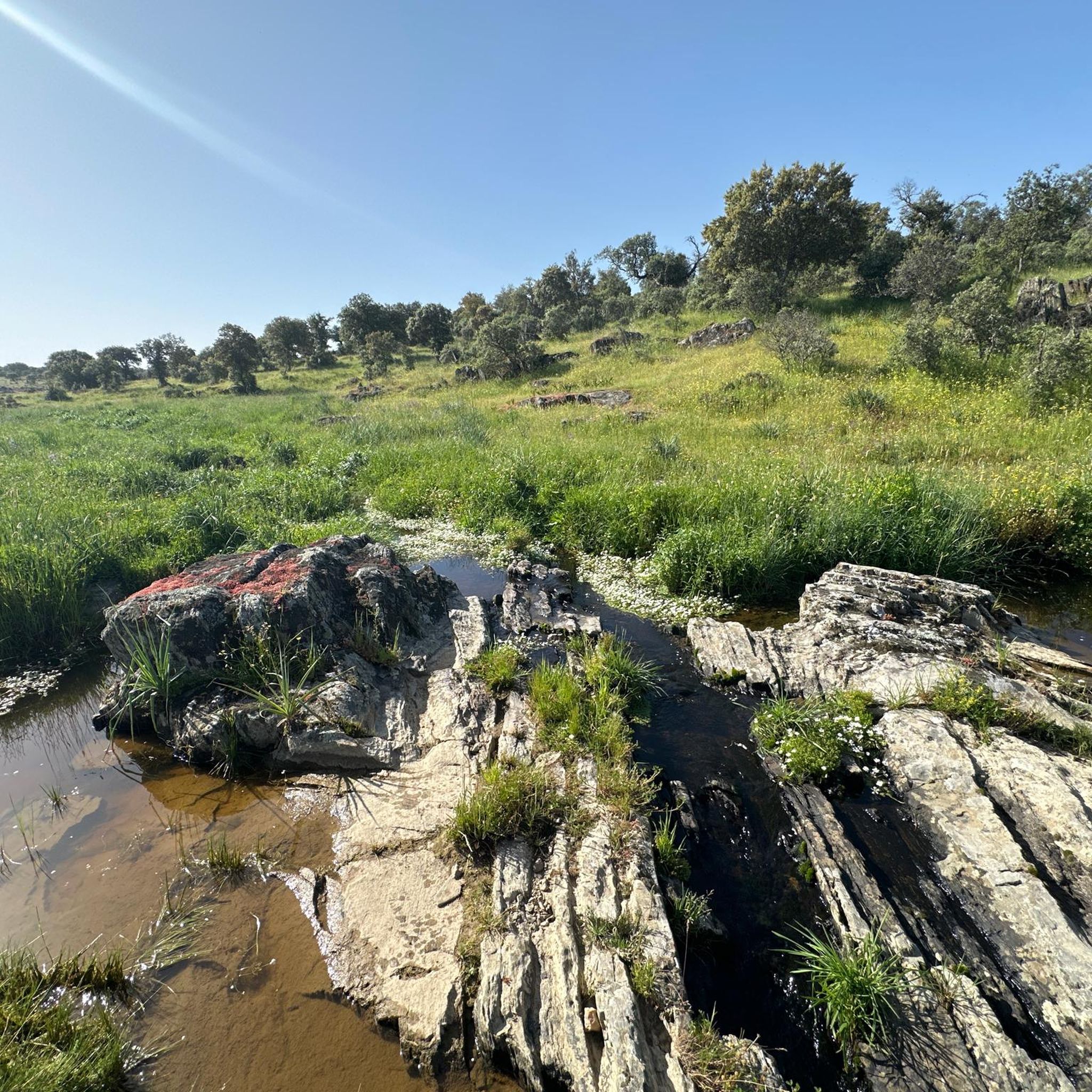
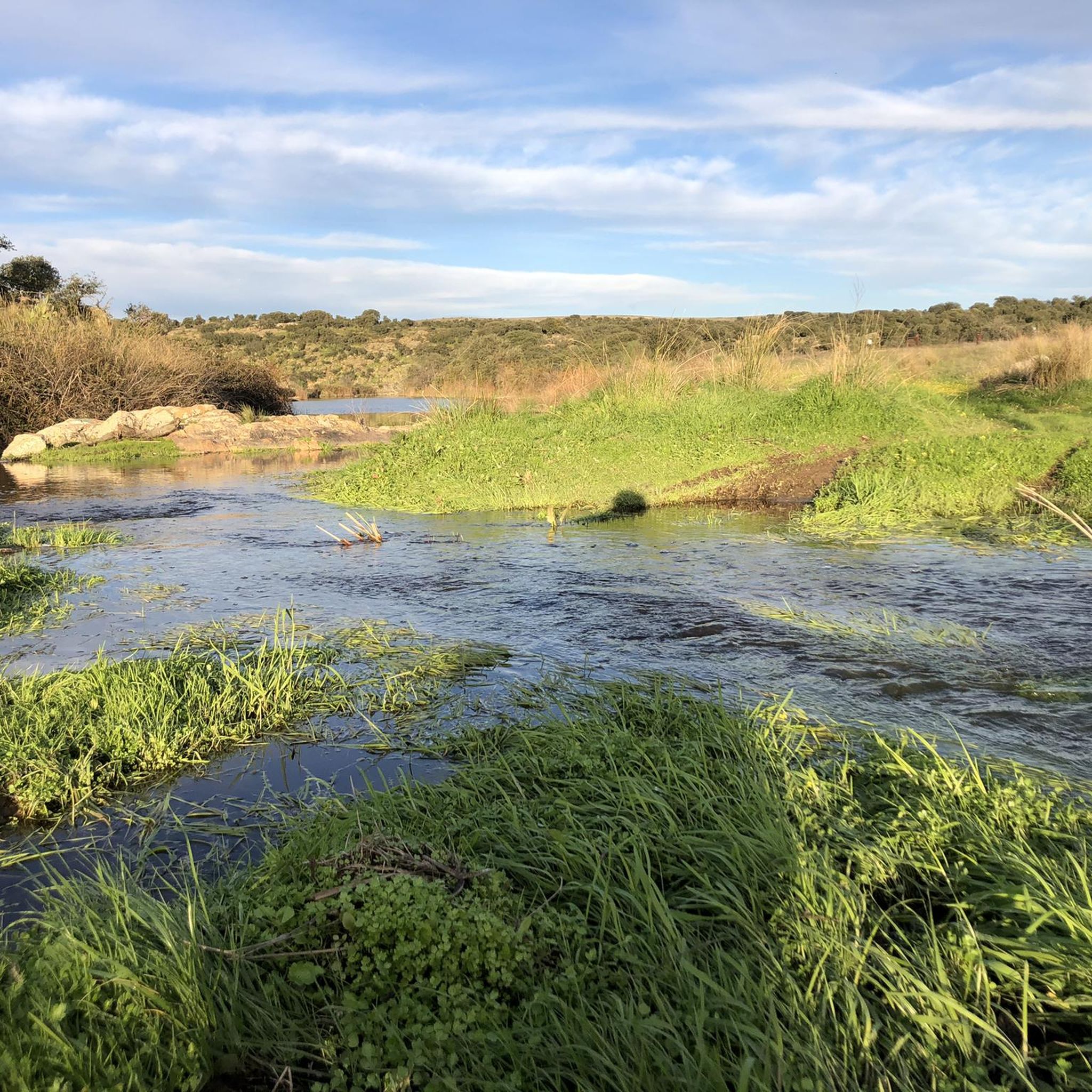
Old water tank used by the city. On the site you can see a granite tomb that the Arabs used as a watering place for horses.
2
0
Frequently Asked Questions
What kind of historical sites can I explore in Trujillo?
Trujillo is rich in history, offering a variety of historical sites. You can visit the Trujillo Main Square, an important urban complex reflecting different architectural periods. Other notable sites include the Chaves Sotomayor Palace, a two-story mansion with a beautiful porticoed gallery, and the La Alberca, an old water tank with historical significance.
Are there any religious buildings worth visiting in Trujillo?
Yes, the Church of Santa María la Mayor (Trujillo) is a significant religious building. It was built in the 13th century, possibly on the site of an Arab mosque, and features Romanesque and Gothic elements, including a prominent Gothic altarpiece and a rose window.
What are some family-friendly attractions in Trujillo?
Families can enjoy exploring the historical heart of Trujillo. The Trujillo Main Square and La Alberca are both categorized as family-friendly, offering interesting historical contexts in an open setting.
What kind of outdoor activities can I do around Trujillo?
The area around Trujillo is excellent for cycling. You can find various routes for mountain biking, touring, and road cycling. For example, explore the 'Vuelta por Trujillo y sus berrocales' for MTB, or 'Huertas de Ánimas from Trujillo' for touring. Road cyclists might enjoy the 'Montánchez from Trujillo' route. You can find more details on these activities in the dedicated guides for MTB Trails around Trujillo, Cycling around Trujillo, and Road Cycling Routes around Trujillo.
Where can I see examples of Trujillo's city wall and gates?
The San Andrés Gate is an emblematic monument of Trujillo and part of the city wall. It combines Gothic and Renaissance elements and is one of the five remaining gates out of the original seven that protected the city.
What do visitors particularly enjoy about Trujillo's attractions?
Visitors appreciate Trujillo for its rich architectural heritage and historical significance. The Trujillo Main Square is noted as an 'important urban complex formed from different periods and architectural-urban mentalities.' The town is also described as an 'authentic Spanish town' with a 'beautiful' view from the castle ruins.
Are there any specific architectural styles prominent in Trujillo?
Trujillo showcases a blend of architectural styles reflecting its long history. You'll find Romanesque and Gothic elements, particularly in the Church of Santa María la Mayor, alongside Renaissance influences seen in structures like the San Andrés Gate. The Chaves Sotomayor Palace also features elements reminiscent of medieval times.
Can I find any unique historical structures beyond the main square?
Beyond the main square, you can discover unique structures like La Alberca, an ancient water tank with Arabic origins, which was crucial for the city's water supply and even served as a watering place for horses. It also features a granite tomb used by the Arabs.
What are some popular cycling routes around Trujillo?
For cycling enthusiasts, there are many options. A popular moderate MTB route is 'Vuelta por Trujillo y sus berrocales' (approx. 38.7 km). For touring, consider 'Huertas de Ánimas from Trujillo – circular via La Aldea del Obispo' (approx. 40.3 km). Road cyclists might challenge themselves with the 'Montánchez from Trujillo – circular by the Castles' route (approx. 89 km). More routes are available in the respective komoot guides.
What is the historical significance of the Trujillo Main Square?
The Trujillo Main Square is a historical site that represents an important urban complex shaped by different periods and architectural mentalities. It is considered one of the most significant towns in Extremadura in terms of architectural heritage.
Are there any specific tips for visiting the Church of Santa María la Mayor?
When visiting the Church of Santa María la Mayor, take note of its Romanesque and Gothic elements, especially the main Gothic altarpiece and the Plateresque choir. The church underwent a major restoration in the 16th century, adding to its unique blend of styles.

Get inspired with the komoot mobile app


Explore more
Still not found the Highlight you’re looking for? See guides of the top attractions in other regions:
