Attractions and Places To See around Sant Fruitós De Bages - Top 20
Best attractions and places to see around Sant Fruitós De Bages, located in the Bages comarca of Catalonia, Spain, offer a blend of historical sites, cultural experiences, and natural landscapes. The municipality is characterized by its medieval heritage, proximity to the River Llobregat, and the ancient Sèquia de Manresa canal. Visitors can explore a variety of features, from Romanesque architecture to panoramic viewpoints, within and around the area.
Best attractions and places to see around Sant Fruitós De Bages
- The…
Last updated: July 20, 2026
Old road from Monistrol to Granera
Highlight (Segment) • Cycleway
Translated by Google •
Tip by

Puig de la Balma
Highlight • Historical Site
Translated by Google •
Tip by

Sign up now to discover places like this
Get recommendations on the best single tracks, peaks, & plenty of other exciting outdoor places.
Sign up for free
Basilica of Santa Maria de la Seu de Manresa
Highlight • Religious Site
Translated by Google •
Tip by

Pont Vell de Manresa
Highlight • Bridge
Translated by Google •
Tip by

Collbaix Summit
Highlight • Summit
Translated by Google •
Tip by

Sign up for free to discover even more attractions around Sant Fruitós De Bages.
Sign up for free
Already have an account?
Start today with a free account
Your next adventure awaits.
Login or Signup

Tips from the Community

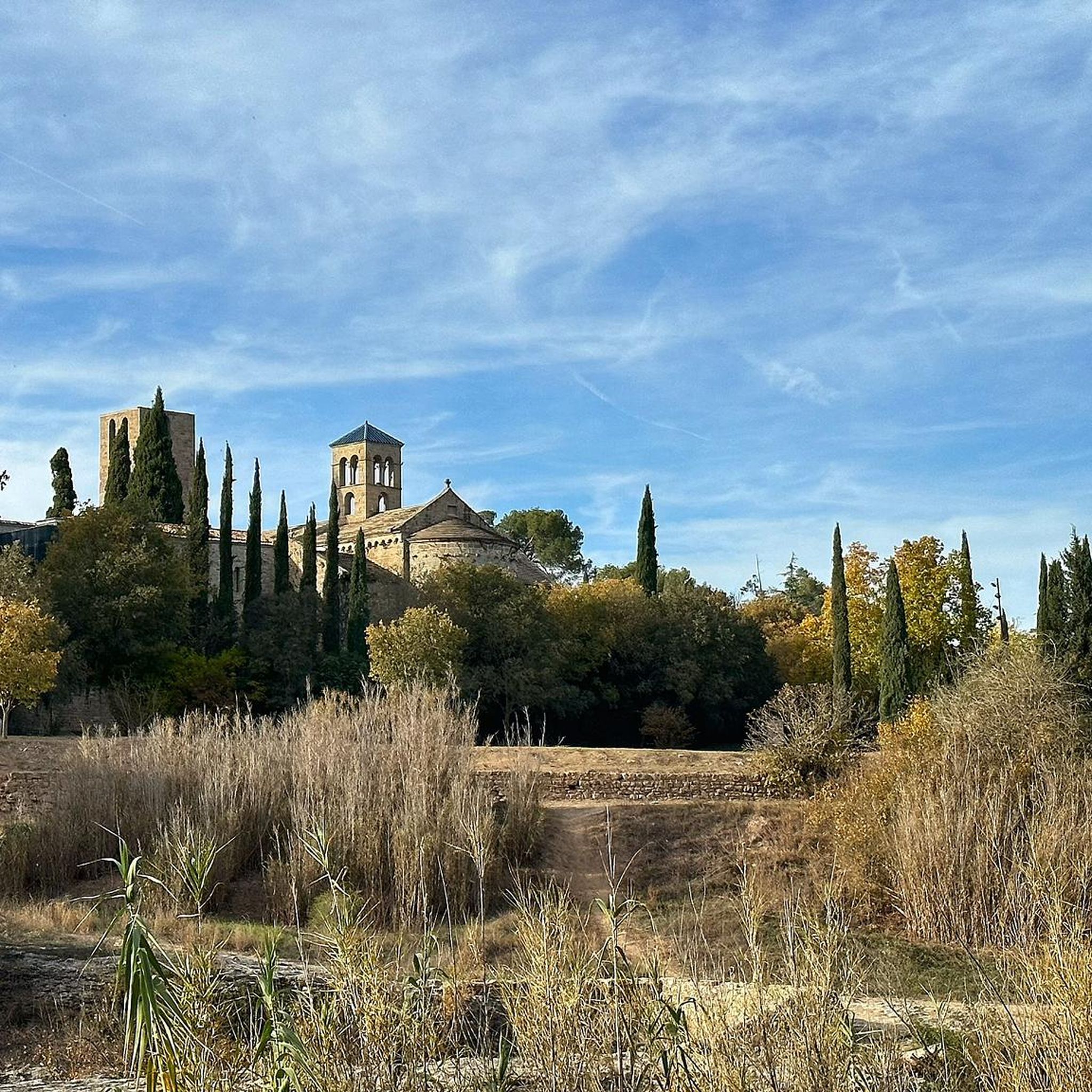
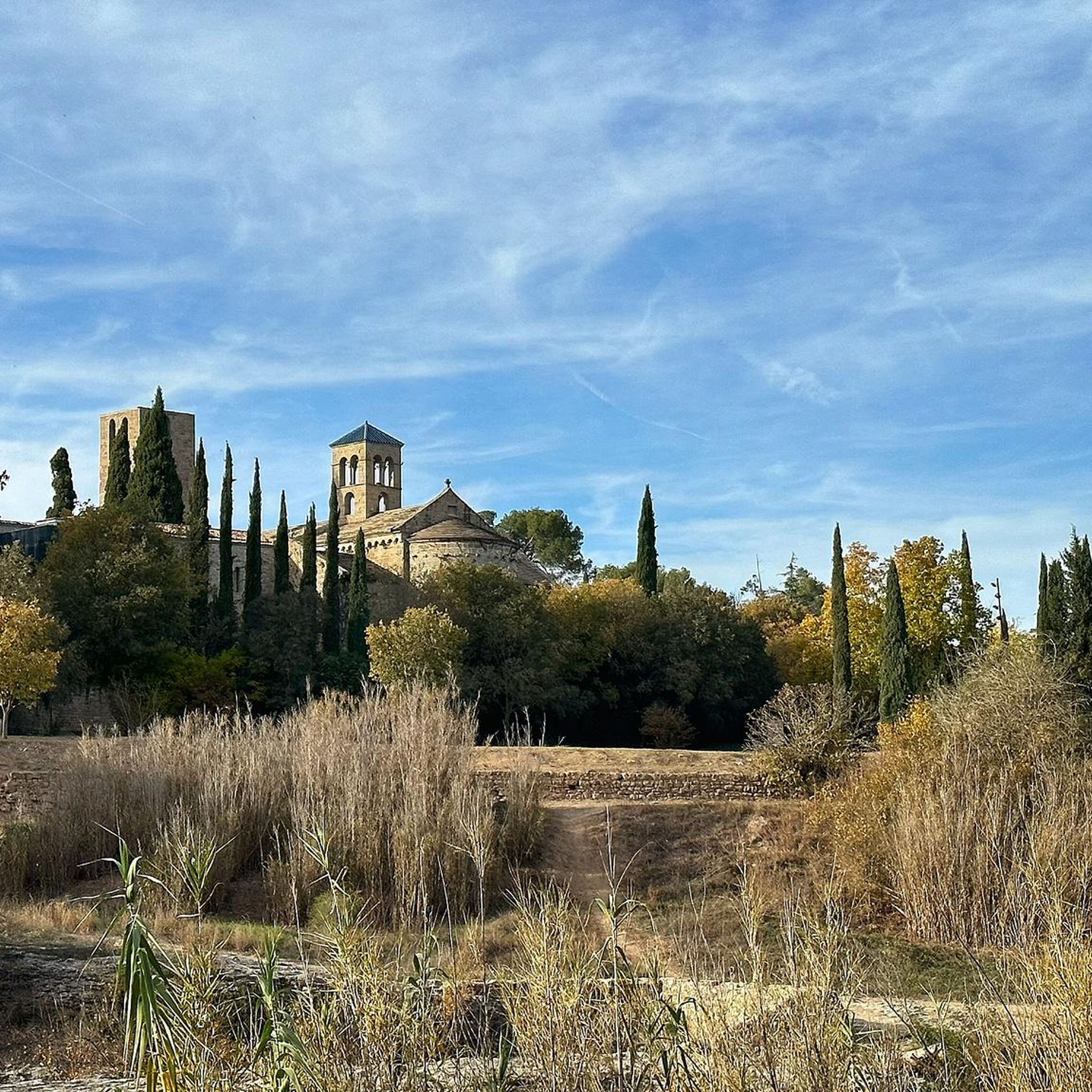
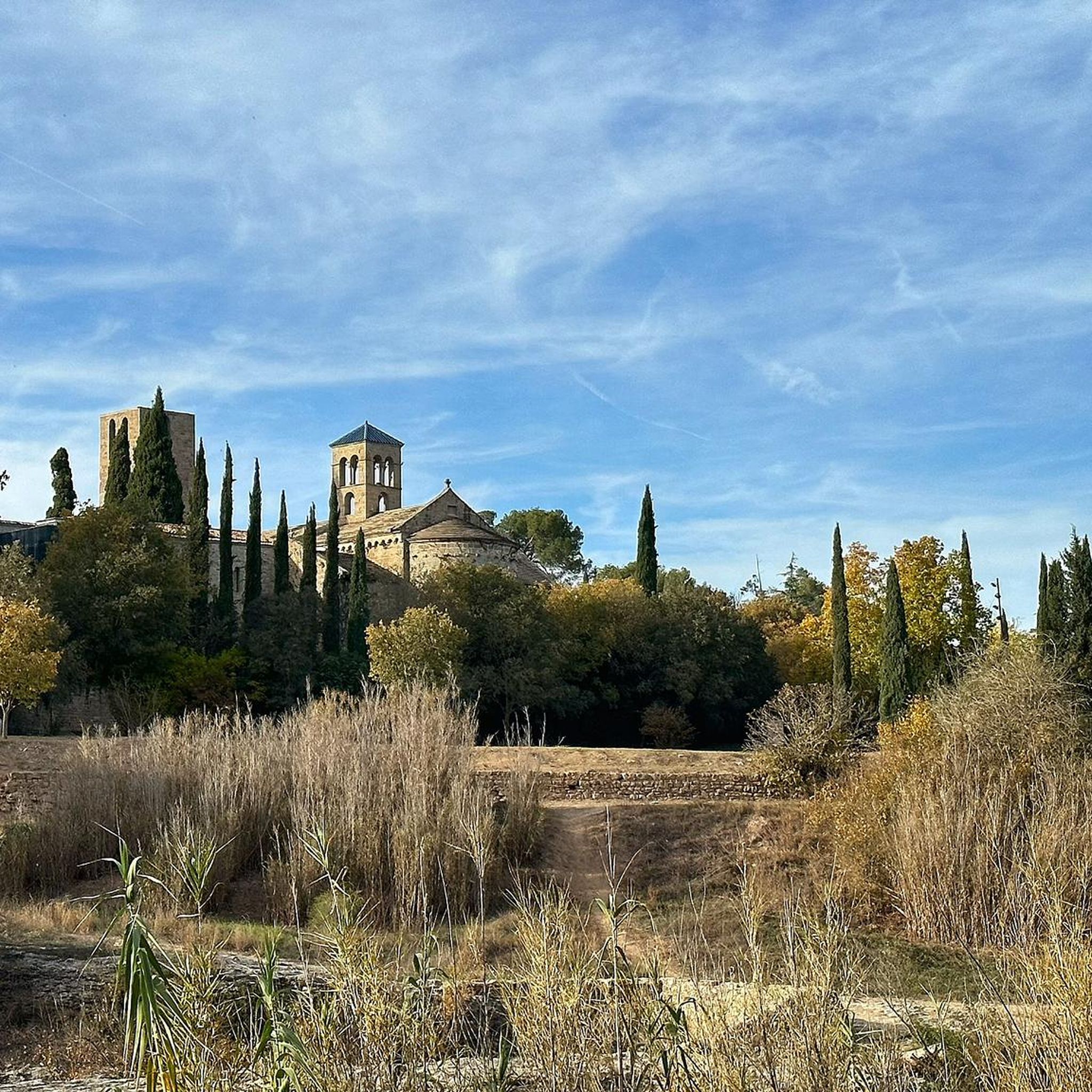
The church sits majestically on the rock, towering over the city of Manresa. With a little imagination, one could imagine the church, dedicated to the Virgin Mary as a patron saint—and given the papal honorary title of basilica—as a heavenly crown, majestically proclaiming the praises of God on earth.
1
0

The Old Bridge of Manresa (Pont Vell) is one of the city's most emblematic monuments and forms part of its most distinctive skyline, along with the Basilica of La Seu and the Cave of Saint Ignatius. Of Roman origin, the current structure is a faithful reconstruction of a 12th-century medieval bridge. It was destroyed in 1939 during the Civil War and rebuilt between 1960 and 1962 by architect J. Pons Sorolla.
15
0
The Cathedral of Manresa, officially known as the Basilica of Santa Maria de la Seu, is one of the most emblematic monuments of Catalan Gothic architecture and a historical and spiritual symbol of the city of Manresa, in the heart of Catalonia. Its origins date back to the 9th century, when the first place of worship was built on Puigcardener hill, the site of the city's founding. In the 12th century, a Romanesque church was erected, of which elements such as the tympanum of the doorway, a window, and the cloister are still preserved. Over the centuries, Baroque elements (such as the bell tower and the crypt in the 18th century) and Neo-Gothic elements (such as the façade and the baptistery in the 20th century) were added. The basilica has survived wars and losses of heritage, but continues to bear witness to the history of Manresa.
18
2

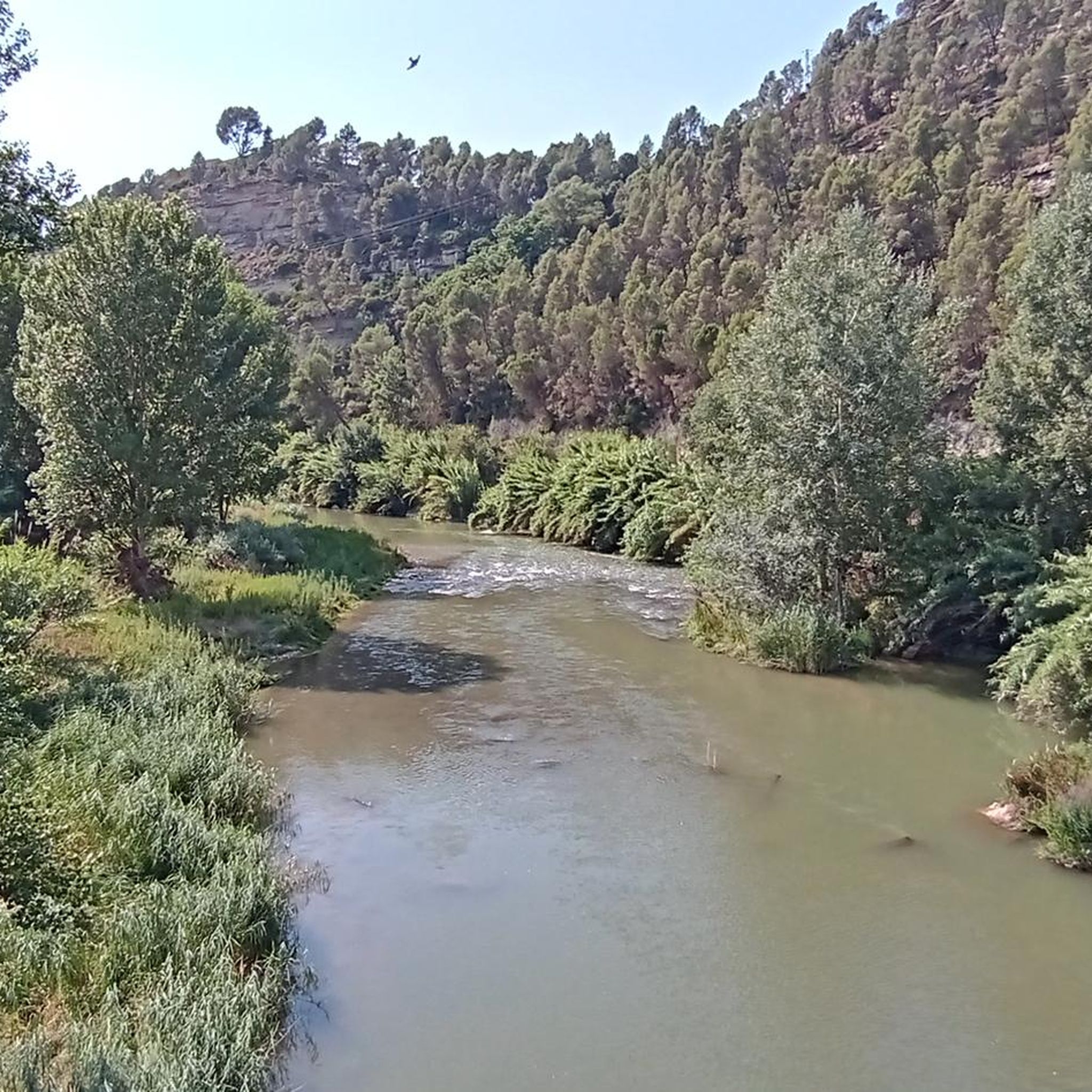
Pont Vell de Manresa, crosses the Cardener river and connects the old Abrera road and Rodalies station with the Santuari de Sant Ignasi and the Old quarter.
1
0

Collbaix is a 543 meter peak, located in Sant Joan de Vilatorrada. It is the highest in the district of Manresa, to the west of Pla de Bages, which has an excellent observation point. It is listed as a large park by the Planning Plan of Manresa. The mountain is located between the streams of Rajadell and Fonollosa. The south side belongs to Manresa, the east to Sant Joan de Vilatorrada, where the town's expansion area is located. Rajadell has the area of Punta Sabata and Fonollosa with most of the summit, the west and the obac slope. Collbaix originated from the erosion of the surrounding land. A resistant layer of conglomerates protects the flat top from erosion, forming a plateau. The summit is made up of large blocks of stone separated from each other. At the top we can find a geodesic vertex (reference 280109001) A metal table with an engraved map of the region. This peak is included in the list of the 100 peaks of the FEEC.
1
0

It is a beautiful climb on a paved track in perfect condition. There are hard sections alternating with breaks. At the exit of Monistrol de Calders, you will find the hardest ramps. Then comes a break with a descent towards the stream. After crossing it, the climb begins again, which is now more constant, with some sections still very hard. The arrival at Granera is beautiful and the views from there are spectacular.
0
0
It is a beautiful climb on a very narrow road but in perfect condition since it is newly paved. There are some hard ramps, especially at the beginning of the climb, and also some rest. A very winding stretch that allows you to reach the beautiful town of Granera.
0
0
Old forest track, now asphalted rural road, that joins Monistrol de Calders with Granera, pass from Moianés to Bages. It is in very good condition, well signposted and with a route that allows you to go at a good pace, with good views and also some shade protection. Suitable for connecting MTB, gravel and road routes.
0
0
Frequently Asked Questions
What historical and cultural sites can I explore in Sant Fruitós de Bages?
Sant Fruitós de Bages is rich in history. You can visit the impressive Món Sant Benet, which integrates a medieval monastery, art, nature, and gastronomy. The Old Town (Nucli Antic) with its 12th-century Romanesque Church of Sant Fruitós is also a must-see. Other notable historical sites include Mas de Sant Iscle, known for wine tasting, and various medieval churches and hermitages like Sant Sebastià de les Brucardes and Sant Jaume d'Olzinelles. Nearby, you can also explore the Puig de la Balma, a historical complex built into a rock face, and the magnificent Basilica of Santa Maria de la Seu de Manresa.
Are there any natural attractions or viewpoints in the area?
Absolutely. For natural beauty and panoramic views, head to Collbaix Summit, a 543-meter peak offering excellent observation points of the Pla de Bages region. You can also explore the tranquil banks of the River Llobregat or discover the unique Els Caçadors Shelter and Spring. The Torre del Remei, an old defense tower, also provides impressive regional views.
What outdoor activities are available near Sant Fruitós de Bages?
The region offers diverse outdoor activities. You can enjoy hiking along the flat La Ruta de la Sèquia, which follows an ancient medieval canal. For more extensive hiking, explore routes like the 'Camí de Sant Benet – Casa de les Tines loop' or the 'Weir Viewpoint loop'. Cyclists can take on the Old road from Monistrol to Granera, a freshly paved cycle way with beautiful views. For more options, check out the dedicated guides for hiking, cycling, and road cycling around Sant Fruitós de Bages.
Are there family-friendly attractions or activities in Sant Fruitós de Bages?
Yes, families can enjoy several attractions. The flat La Ruta de la Sèquia is suitable for leisurely walks or bike rides with children. The Parc de l'Agulla, an artificial lake and park nearby, is also a great spot for family outings. For a historical experience, the Puig de la Balma complex offers a small museum showcasing agricultural tools that can be interesting for all ages.
What is the best time to visit Sant Fruitós de Bages?
Sant Fruitós de Bages can be enjoyed year-round, but spring and autumn offer pleasant temperatures for outdoor activities like hiking and cycling. Summer is ideal for experiencing cultural events such as the Festival Internacional de Música Memorial Eduard Casajoana in July, or the lively Festa de l'Arròs during Carnival Sunday.
Can I find any unique local experiences or events?
Definitely! Don't miss the Festa de l'Arròs (Rice Festival), a significant event declared of tourist interest, where 2,500 portions of rice are distributed. For wine enthusiasts, Mas de Sant Iscle offers guided tours and wine tasting. The Museu "La memòria de la vinya i el vi" provides insights into the region's viticulture history.
Are there any Romanesque or Gothic architectural sites?
Sant Fruitós de Bages is particularly known for its Romanesque heritage. The Món Sant Benet features a stunning 12th-century Romanesque church and cloister. The parish Church of Sant Fruitós, originally Romanesque, underwent significant Gothic renovations. You'll also find several other Romanesque churches and hermitages throughout the municipality, such as Sant Sebastià de les Brucardes and Sant Jaume d'Olzinelles. The Basilica of Santa Maria de la Seu de Manresa is a prime example of Catalan Gothic architecture nearby.
What are some lesser-known or 'hidden gems' to discover?
Beyond the main attractions, consider visiting the Fàbrica de farines La Victòria, a modernist flour factory listed as a cultural asset. The Torre de Sant Martí, a 19th-century watchtower, also offers a glimpse into the region's past. Exploring the various medieval churches and hermitages scattered across the municipality can also reveal charming, less-trafficked historical spots.
What is the significance of the Sèquia de Manresa?
The Sèquia de Manresa is an ancient medieval canal that played a crucial role in transporting water to the region. Today, its path, known as La Ruta de la Sèquia, offers a flat, approximately 26-kilometer trail perfect for walking or cycling, providing a peaceful way to experience the local nature and history.
Is it possible to visit Montserrat from Sant Fruitós de Bages?
While not directly within Sant Fruitós de Bages, its proximity to the Parc Natural de la Muntanya de Montserrat makes day trips to admire the iconic Montserrat massif and enjoy its hiking routes easily accessible. It's a popular destination for those looking to combine local exploration with a visit to this famous Catalan landmark.
What kind of views can I expect from the viewpoints?
From viewpoints like Collbaix Summit and Torre del Remei, you can expect expansive panoramic views of the Pla de Bages region. These often include rolling hills, agricultural landscapes, and distant mountain ranges, providing excellent photo opportunities and a sense of the area's natural beauty.
Are there any bridges or unique architectural structures to see?
Yes, the Pont Vell de Manresa, an emblematic medieval bridge of Roman origin, is a significant architectural structure nearby. It forms part of Manresa's distinctive skyline. Within Sant Fruitós de Bages, the modernist building of Casa de la Vila (town hall) and the Fàbrica de farines La Victòria also showcase interesting architectural styles.
Most popular routes around Sant Fruitós De Bages
Most popular attractions around Sant Fruitós De Bages

Get inspired with the komoot mobile app


Explore more
Still not found the Highlight you’re looking for? See guides of the top attractions in other regions:
