The best road cycling routes around Cazalegas
4.8
(7)
2,117
riders
66
rides
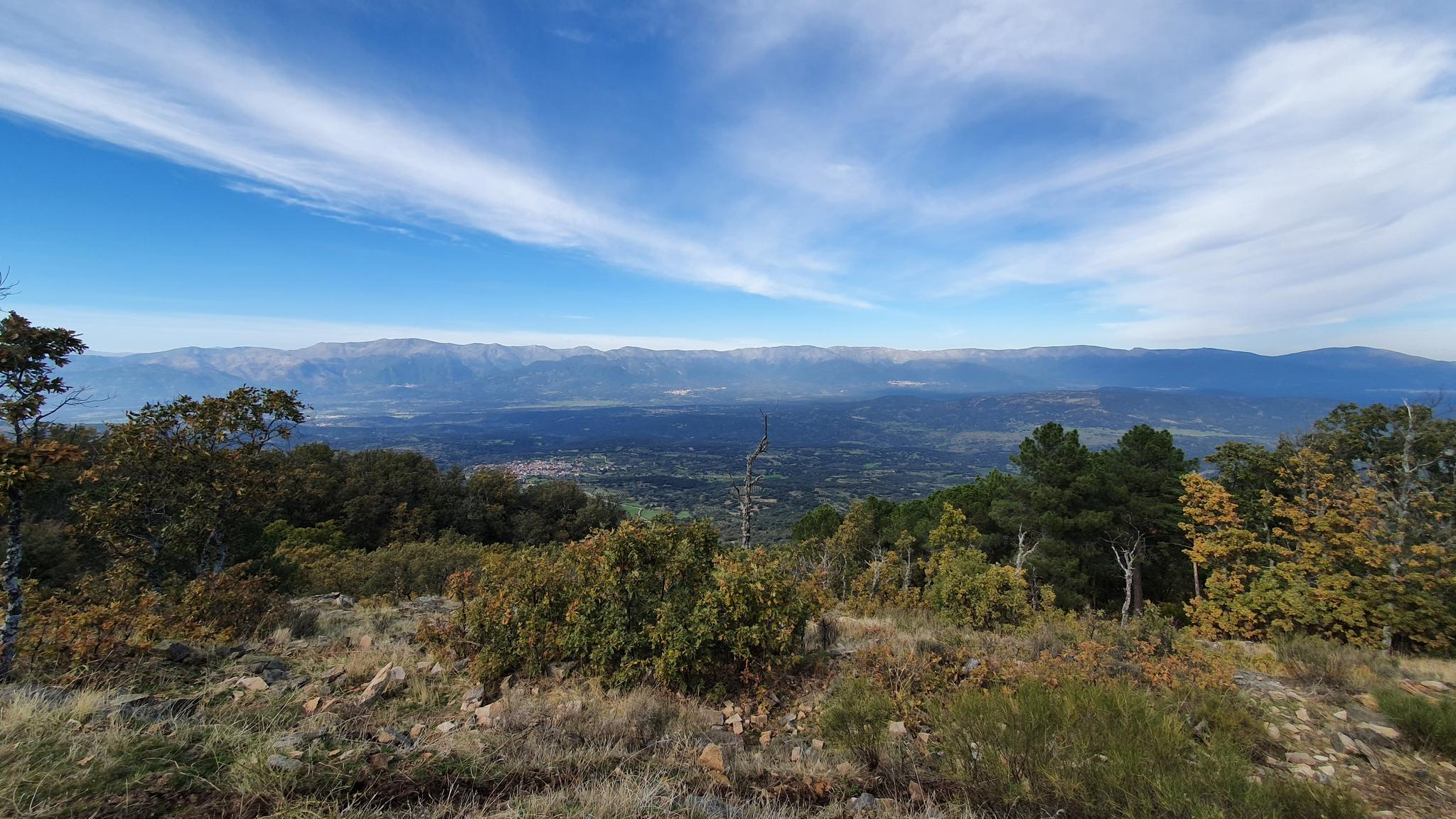
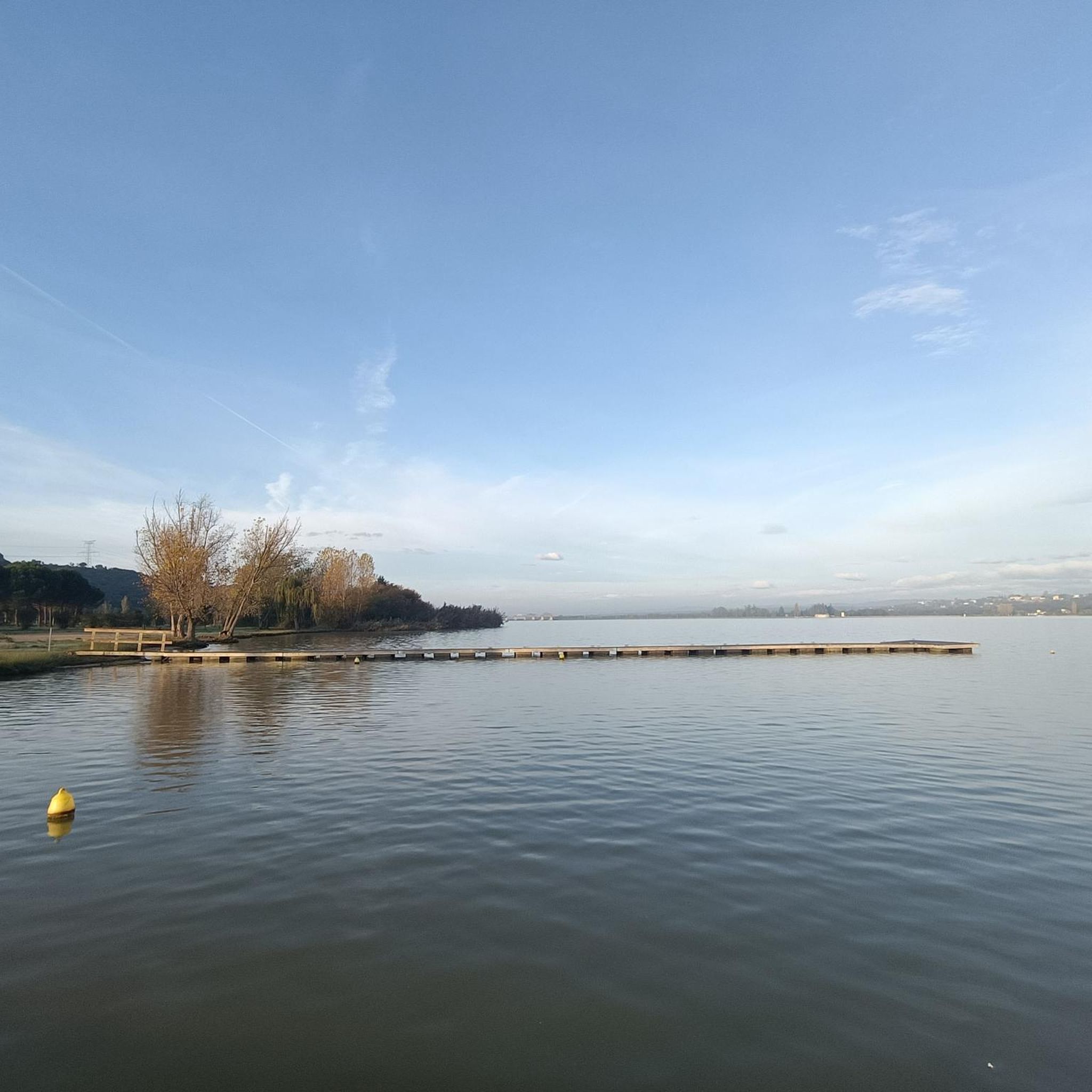
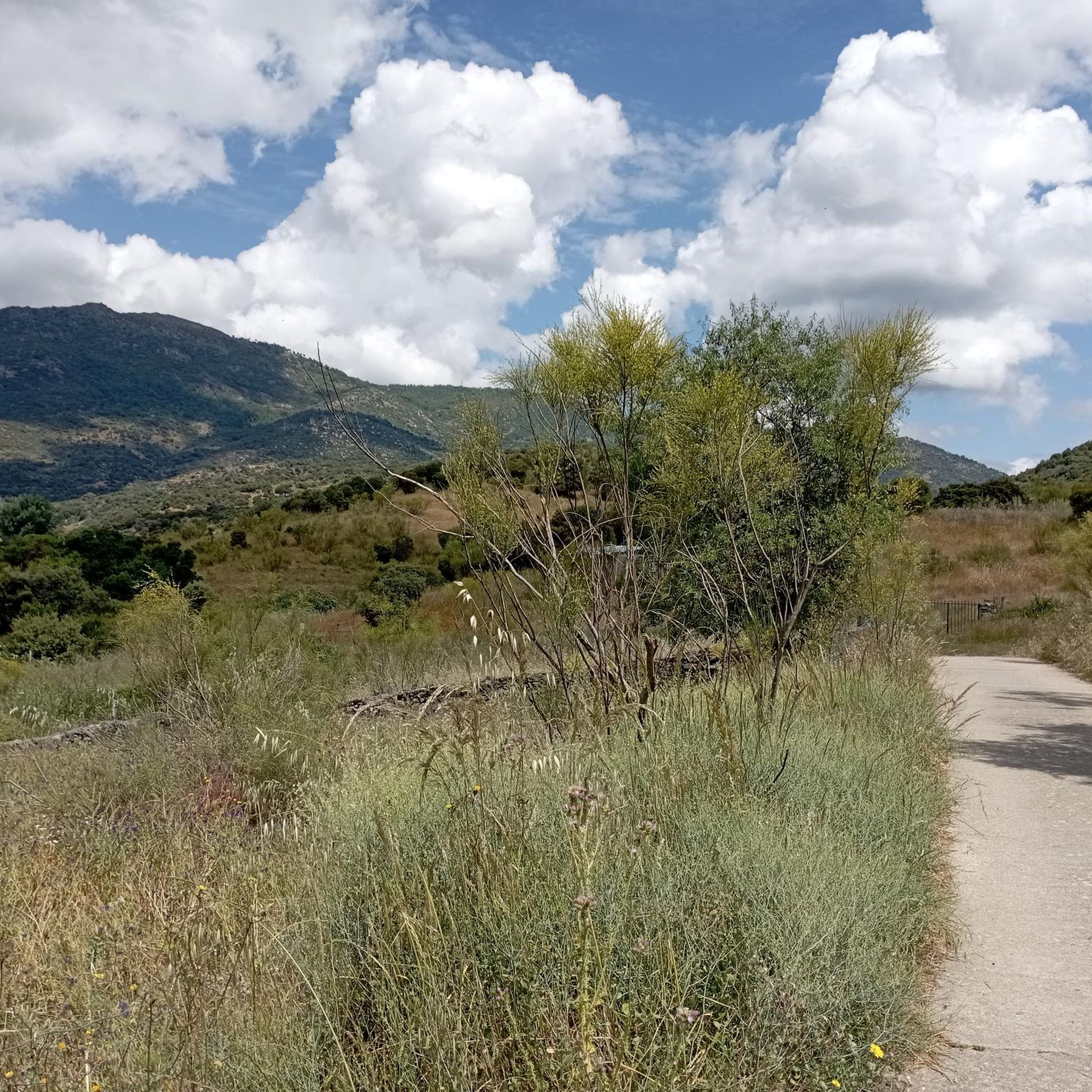
Road cycling routes around Cazalegas traverse diverse landscapes, from the flat cultivated fields of olives and vineyards along the Ribera del Alberche to the serrano areas dotted with holm oaks and cork oaks. The region is characterized by the prominent Cazalegas Reservoir, offering scenic views, and distant glimpses of the Sierra de San Vicente and Gredos mountain range. Road cyclists can expect varied terrain, including both paved surfaces and quiet rural paths.
Best road cycling routes around Cazalegas
- The most…
Last updated: May 15, 2026
72
riders
Easy road ride. Great for any fitness level. Mostly well-paved surfaces and easy to ride.
40
riders
Moderate road ride. Good fitness required. Mostly well-paved surfaces and easy to ride.

Sign up for free
28
riders
74.9km
03:06
480m
480m
Moderate road ride. Good fitness required. Mostly well-paved surfaces and easy to ride.
5.0
(1)
147
riders
68.9km
03:29
1,130m
1,130m
Hard road ride. Very good fitness required. Mostly well-paved surfaces and easy to ride.
5.0
(1)
99
riders
84.7km
03:59
1,090m
1,090m
Hard road ride. Very good fitness required. Mostly well-paved surfaces and easy to ride.
Get access to more routes and recommendations from other explorers.
Sign up for free
Already have an account?
Our route recommendations are based on thousands of hikes, rides, and runs completed by other people on komoot.
Start today with a free account
Your next adventure awaits.
Login or Signup


Other adventures around Cazalegas

Tips from the Community

The place name Pelahustán seems to derive from the activity related to looms and the sale of linen that the population had in the past. In documents from the 18th century, it appears as Pelafustan. According to the dictionary of the Royal Spanish Academy, the concept of pelafustán is equated with that of pelagatos, which in turn means “insignificant or mediocre person, without social or economic position.” The town also had several water mills worked by Salamancan teleworkers. Pelahustán is located at an altitude of 673 meters above sea level and borders the terms of Higuera de las Dueñas in the province of Ávila, Nombela, Nuño Gómez, Garciotum and El Real de San Vicente in the province of Toledo, and Ceniientos in the Community of Madrid 😊
2
0
The new Talavera de la Reina cable-stayed bridge is an engineering prodigy, it is a world record in the type of cable-stayed bridges with a single mast in high-resistance prestressed concrete, with the highest inclined pylon in Europe. Its 152 stays and 192 meters make it the second highest cable-stayed bridge in Spain and the second in Europe. It is a display of national and international architecture.
12
0
It extends along the eastern bank of the Tagus River and is the second most populated municipality in the province and the fourth in Castilla-La Mancha. Among its monuments are the Basilica of Our Lady of the Prado, which houses what is today the patron saint of the city. It was called Queen of the Hermitages by Philip II, it is also called the Sistine Chapel of ceramics, because this colorful art shows here all its splendor from the 16th century to the present day. The style of its construction is a combination of Renaissance and Baroque, although it has undergone various restorations over the centuries. It was elevated to the dignity of Basilica in 1989 by Pope John Paul II. In the Church of Santa María La Mayor (La Colegial) you can admire its pure Gothic cloister, which was built around the year 1469. Its floor plan is rectangular, made up of three longitudinal naves and without a transept. In the years 1704 and 1705 the two upper sections of the Tower were added.
10
0

Beautiful city located on a river terrace of the Tagus River. Known as the City of Ceramics, due to the quality, variety and richness of ceramic production, whose history dates back to the 15th century, and we can see its examples in the Prado Gardens.
2
0

Malpica Castle is the most emblematic construction of the Toledo town of Malpica de Tajo. It is an impressive fortification of Arab origin built in the 14th century. Made of brick and surrounded by several moats and the waters of the Tagus, it stands out for the solidity and strength of its structure.
1
0

Castillo de Bayuela is a town in the Sierra de San Vicente region that has monuments that prove its historical importance, such as the Gothic-Renaissance church of San Andrés, the jurisdictional roll or some vetone boars. In addition, it has a series of ideal services for the traveler.
2
0

Port with beautiful views over El Real de San Vicente.
1
0

With three inhabitants according to the 2021 census, it is the municipality with the smallest number of inhabitants in Spain.
1
0
Frequently Asked Questions
How many road cycling routes are available around Cazalegas?
Cazalegas offers a wide selection of road cycling routes, with over 60 options available. These routes cater to various preferences, from easy rides to more challenging climbs through diverse landscapes.
What types of landscapes can I expect to see while road cycling in Cazalegas?
Road cycling routes in Cazalegas traverse diverse landscapes. You'll encounter flat cultivated fields of olives, vineyards, and orchards along the Ribera del Alberche, as well as 'precious serrano landscapes' dotted with native holm oaks, oaks, and cork oaks. The prominent Cazalegas Reservoir also provides scenic views, with distant glimpses of the Sierra de San Vicente and the Gredos mountain range.
Are there road cycling routes suitable for beginners or families in Cazalegas?
Yes, Cazalegas has routes suitable for all skill levels. There are 14 easy routes, many featuring mostly paved surfaces and flat cultivated fields, making them ideal for beginners or family outings. An example is the Calera y Chozas - Velada – circular from Talavera de la Reina by the Puente de Castilla-La Mancha, which is an easy 29.3-mile (47.2 km) trail.
What are some challenging road cycling routes for experienced riders?
For experienced riders seeking a challenge, Cazalegas offers 26 difficult routes. One notable option is the El Piélago Pass – Talavera de la Reina loop from Talavera de la Reina, a 42.8-mile (69.0 km) trail that includes the demanding El Piélago Pass. Another challenging route is the Talavera de la Reina – Main Square of Pelahustán loop from Talavera de la Reina, which covers 84.7 km with significant elevation gain.
Are there circular road cycling routes around Cazalegas?
Many road cycling routes in the Cazalegas area are designed as circular loops, allowing you to start and end at the same point. Examples include the Calera y Chozas - Velada – circular from Talavera de la Reina and the Castillo de Malpica – circular from Talavera de la Reina.
What are the best seasons for road cycling in Cazalegas?
While not explicitly stated, the diverse outdoor activities and natural features suggest that spring and autumn would be ideal for road cycling in Cazalegas, offering pleasant temperatures and vibrant scenery. Summers can be hot, especially in central Spain, so early mornings or late afternoons might be preferable during those months.
What do other road cyclists enjoy most about the routes in Cazalegas?
The road cycling routes in Cazalegas are highly rated by the komoot community, with an average score of 4.8 stars from over 7 reviews. Cyclists often praise the varied terrain, from tranquil rural paths to challenging climbs, and the scenic views of the Cazalegas Reservoir and distant mountain ranges.
Are there any interesting landmarks or viewpoints along the road cycling routes?
Yes, the region offers several points of interest. You can enjoy spectacular panoramic views of the Cazalegas Reservoir from the viewpoint (Mirador) in Plaza del Caño. Cultural landmarks include the Mudejar-style Church of San Francisco and an old convent. The Castilla-La Mancha Bridge is also a notable sight.
Can I find routes that offer views of the Sierra de San Vicente or Gredos mountains?
Absolutely. The region's geography allows for stunning distant views of both the Sierra de San Vicente and the Gredos mountain range, especially on clear days. Routes around the Cazalegas Reservoir often provide these magnificent backdrops, such as the Sierra de San Vicente – circular from Talavera de la Reina to Illán de Vacas.
Are there any routes that pass through rural landscapes and quiet paths?
Many routes in Cazalegas offer a tranquil cycling experience through rural landscapes and quiet paths. For example, the Castillo de Malpica – circular from Talavera de la Reina leads through such serene environments, providing scenic views away from busy roads.
What is the longest road cycling route available in Cazalegas?
One of the longer and more challenging routes is the Talavera de la Reina – Main Square of Pelahustán loop from Talavera de la Reina, which spans approximately 52.6 miles (84.7 km) and typically takes around 4 hours to complete.
Most popular attractions around Cazalegas

Get inspired with the komoot mobile app


Explore more
Browse the best Road cycling routes in other regions.
