Attractions and Places To See around Carcaboso - Top 20
Best attractions and places to see around Carcaboso include historical landmarks and cultural sites situated on the right bank of the Jerte River in Cáceres province. This charming village is a quiet stop along the historic Vía de la Plata, a significant Roman road. The area offers insights into past civilizations through its Roman remains and traditional architecture, alongside proximity to natural landscapes.
Best attractions and places to see around Carcaboso
- The most popular attractions is Galisteo City Walls,…
Last updated: July 7, 2026
Plaza Mayor de Plasencia
Highlight • Settlement
Translated by Google •
Tip by

Plasencia Cathedral
Highlight • Religious Site
Translated by Google •
Tip by

Sign up now to discover places like this
Get recommendations on the best single tracks, peaks, & plenty of other exciting outdoor places.
Sign up for free
San Lázaro Bridge
Highlight • Bridge
From this point you can enjoy the panoramic view of the …
Translated by Google •
Tip by

Galisteo City Walls
Highlight • Historical Site
Translated by Google •
Tip by

Río Jerte Riverside Walk – Parque de la Isla, Plasencia
Highlight (Segment) • Trail
Translated by Google •
Tip by
Sign up for free to discover even more attractions around Carcaboso.
Sign up for free
Already have an account?
Start today with a free account
Your next adventure awaits.
Login or Signup

Tips from the Community

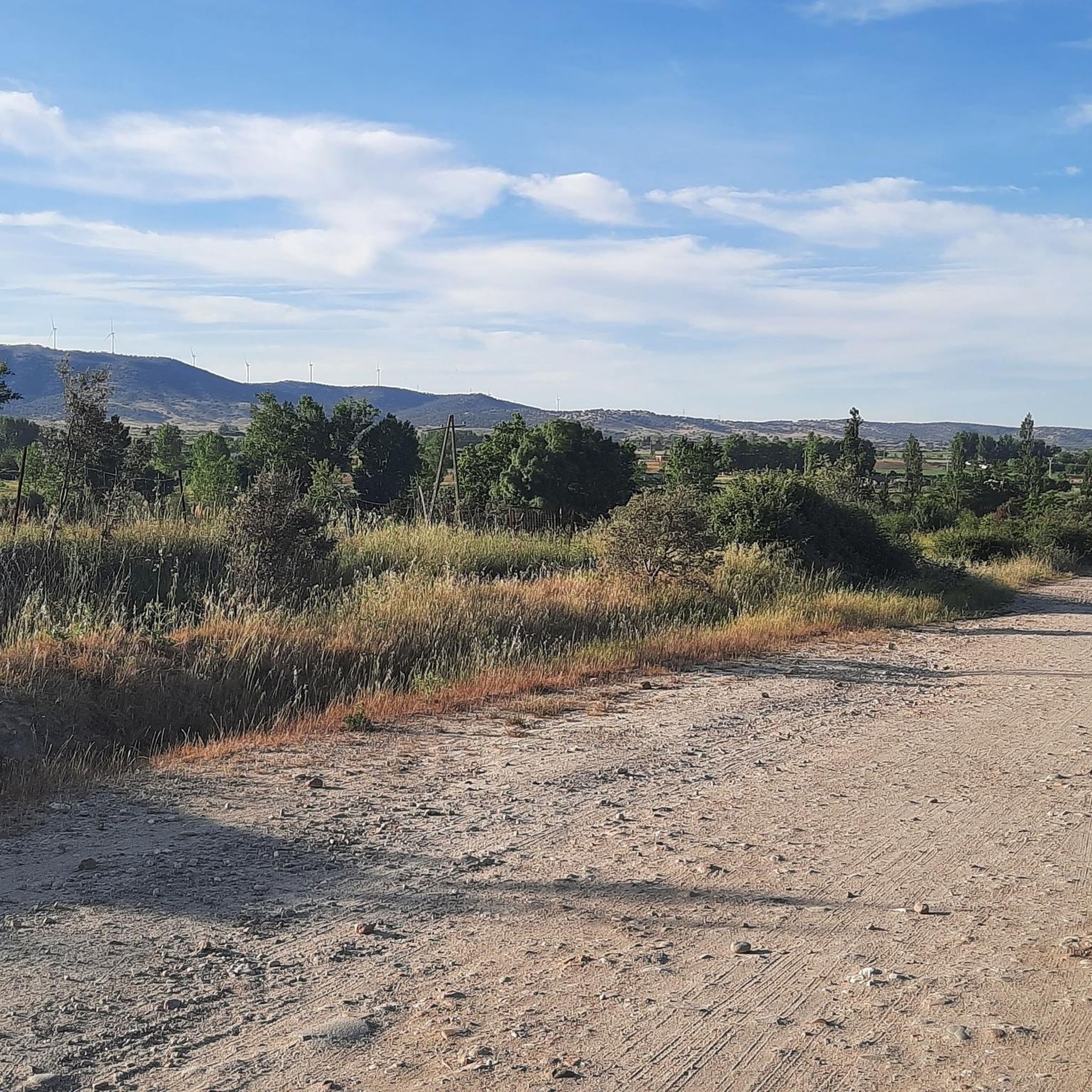
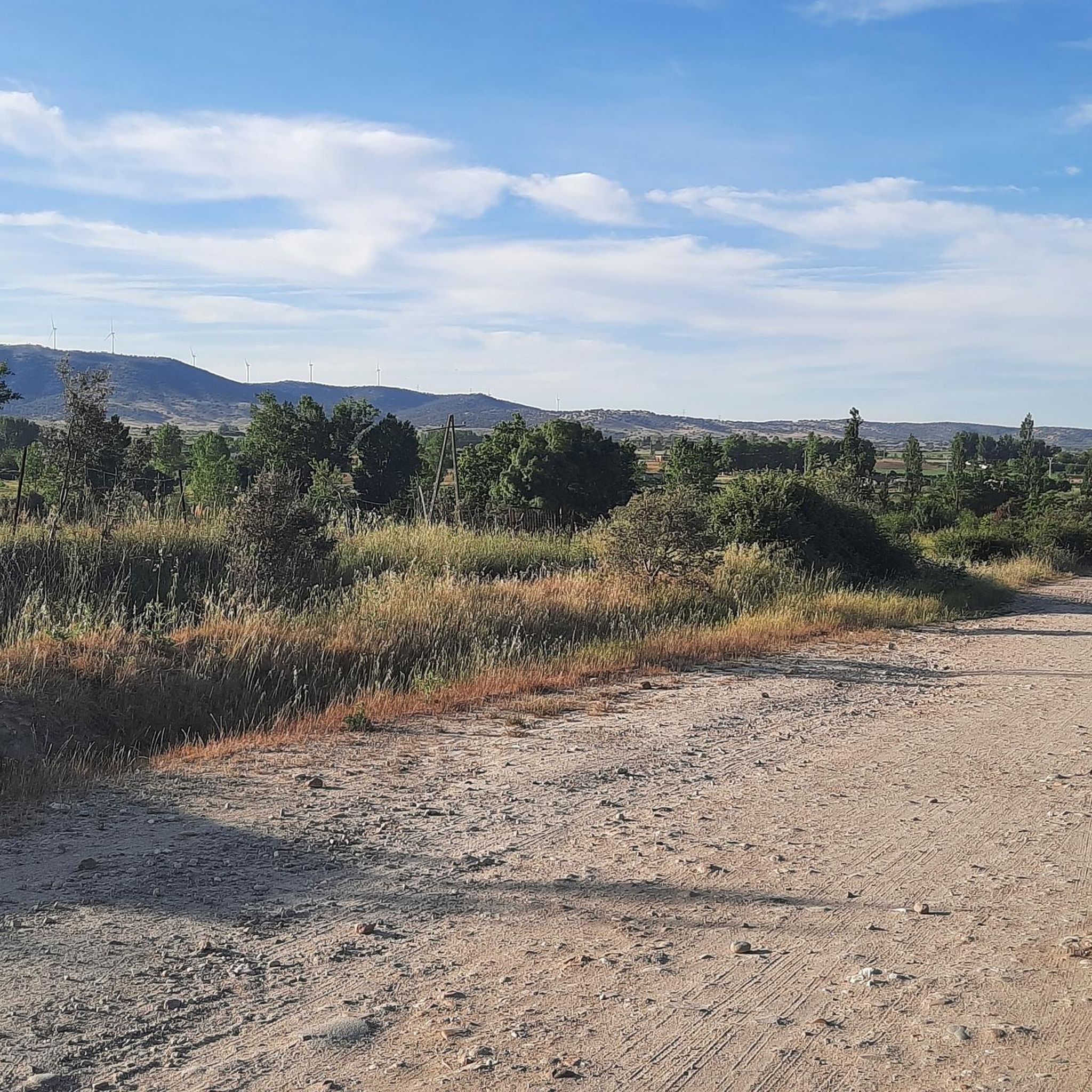
The Parque de la Isla in Plasencia is one of the main green lungs of the city and a perfect place to enjoy nature. Located in the urban section of the Jerte River, the park is a river island that stretches for almost 4 kilometers.
1
0

The San Lázaro Bridge is one of the historic bridges that cross the Jerte River in the Spanish city of Plasencia, in the province of Cáceres. It dates back to medieval times, although the current bridge was reconstructed in 1538. It connects the neighborhoods of San Lázaro and Río Jerte, and the San Lázaro Chapel is located next to its western end.
1
0
The Plaza Mayor of Plasencia is the nerve center of the city, in the beginning it even functioned as a Bullring, like many other town squares in Spain. In this sense, the 'Miracle of the Bull of Plasencia' appears in the Cantigas of Alfonso He interceded so that nothing would happen to him. The Plaza Mayor, is a square with arcades around the edge and is located in the heart of the old town of Plasencia, dominating the square, the Town Hall in the main tower of the building, known to all as Piacenza, the grandfather of Mayorga, which acts as the clock tower that rings the bells every half hour. This building dates back to the 16th century and has been restored several times over the years, it is a transitional style from Gothic to Renaissance. On one side of the Town Hall is the old prison building built in the 17th century with a masonry façade and a coat of arms of King Philip IV. in https://plasenciaturismo.es/plaza-mayor
2
0
The Old Cathedral follows a Romanesque plan, despite having been built in the 13th century. Almost all European artistic styles arrived in Extremadura with a considerable delay, since it was the border between the Christian and Muslim kingdoms. Thus, although the Romanesque style arrived in the north of the Peninsula in the 10th and 11th centuries, it was not applied in this area until the 13th century. The main door of the Old Cathedral, the Chapel of San Pablo and the Virgen del Perdón show the transition between Romanesque and Gothic. The New Cathedral has many Gothic and Renaissance elements, such as the choir, the vaults and the Plateresque fronts. The Cathedral Museum exhibits the 16th century Gothic panel of "Wedding at Cana". Masters of the Spanish Baroque such as Gregorio Fernández and the Churriguera brothers also left the important mark of their art on the cathedral's altarpiece. in https://plasenciaturismo.es/que-ver/imprescindibles
2
0

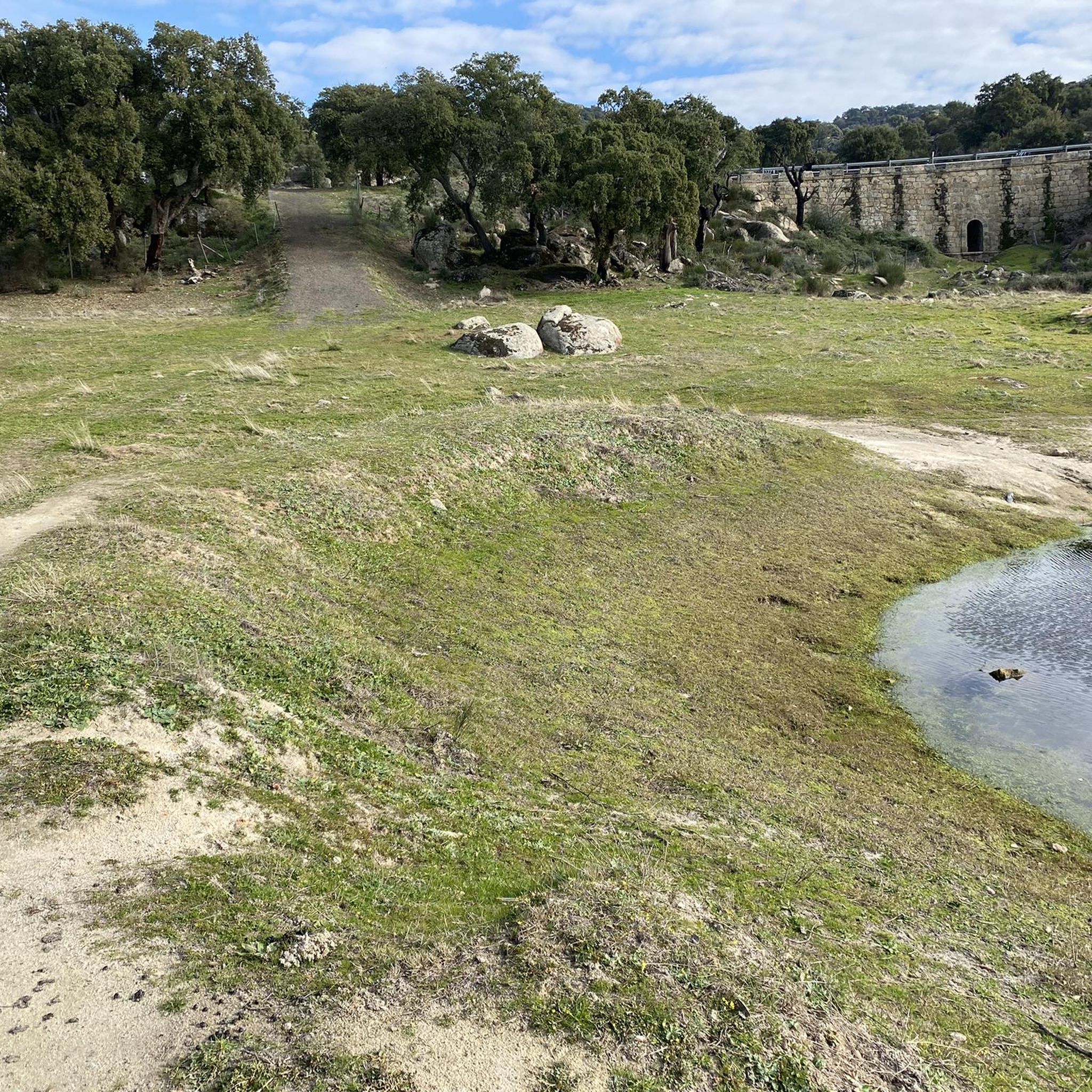
One of the oldest bridges in Plasencia that in the past gave entrance to the city on its northwest side, jumping over the Río Jerte.
0
0

Two great churches for the price of one. Originally proposed to be two churches, the work overlapped during the 15th and 16th centuries, and when the work was completed the Old and New churches were joined.
2
0
Quiet road next to the Jerte river and the island park on the south side of the town of Plasencia. Shady park and great driveway to get out of town without traffic.
1
0
A medieval bridge from the 16th century crosses the Jerte river. The bridge connects the old town of Plasencia and the Hermitage of San Lázaro on the western bank of the river. Enjoy the sound of rushing water and enchanting views of the river landscape.
1
0
Frequently Asked Questions
What historical sites can I visit directly in Carcaboso?
In Carcaboso, you can explore the Church of Santiago Apostle, a charming parish church with ancient architectural elements. Don't miss the Park of the Miliarios, which features Roman milestones from the time of Emperors Trajan and Hadrian, along with stones from the disappeared Guinea Bridge. There's also a Roman Road and Jacobean Route Interpretation Center providing insights into the historic Vía de la Plata.
What is the Vía de la Plata and how can I experience it near Carcaboso?
The Vía de la Plata is a historic Roman road and a significant pilgrimage path that passes through Carcaboso. You can experience its historical importance by visiting the Park of the Miliarios, which houses Roman milestones. For a more active experience, there are hiking routes that follow sections of the Vía de la Plata, such as the Via de la Plata - ride around the walled city of Galisteo, an easy 4.4 km hike.
Are there other significant historical landmarks near Carcaboso?
Yes, several notable historical landmarks are a short drive from Carcaboso. These include the impressive Galisteo City Walls, which completely encircle the old town of Galisteo. You can also visit the Castle of Galisteo, rebuilt into a palace in the 15th century, and the unique Plasencia Cathedral, which features two cathedrals from different centuries.
What natural features and outdoor activities can I enjoy around Carcaboso?
Carcaboso is situated on the right bank of the Jerte River, offering proximity to natural beauty. You can enjoy the surrounding green areas and the river itself. In nearby Plasencia, the Río Jerte Riverside Walk – Parque de la Isla provides a pleasant, shady path along the river. For more extensive outdoor activities, explore the hiking trails around Carcaboso, road cycling routes, or MTB trails.
Are there family-friendly attractions or activities in the Carcaboso area?
Many attractions around Carcaboso are suitable for families. The Park of the Miliarios offers an engaging historical experience for all ages. In nearby Plasencia, both the Plasencia Cathedral and Plaza Mayor de Plasencia are family-friendly historical sites. Additionally, the Río Jerte Riverside Walk – Parque de la Isla provides a lovely natural setting for family strolls.
What is the best time of year to visit Carcaboso and its attractions?
The best time to visit Carcaboso and its attractions is generally during spring (April-May) and autumn (September-October). During these seasons, the weather is mild and pleasant, ideal for exploring historical sites, walking along the Vía de la Plata, and enjoying outdoor activities without the intense heat of summer.
Are there any easy walks suitable for all abilities near Carcaboso?
Yes, there are several easy walking routes. The Río Jerte Riverside Walk – Parque de la Isla in Plasencia is a gentle path perfect for a leisurely stroll. For a historical walk, consider the Via de la Plata - ride around the walled city of Galisteo, which is an easy 4.4 km route.
What are some nearby towns worth visiting from Carcaboso?
From Carcaboso, you can easily visit several charming towns. Aldehuela de Jerte, located between Carcaboso and Galisteo, offers cultural and natural heritage. Galisteo is known for its impressive City Walls and castle. The city of Plasencia is a must-see, featuring the Plaza Mayor, Plasencia Cathedral, and the historic San Lázaro Bridge.
What kind of architecture can I expect to see in Carcaboso?
Carcaboso is noted for its beautiful popular architecture, offering magnificent corners to discover traditional local design. The Church of Santiago Apostle showcases ancient architectural elements that have been reformed over time. Additionally, the colonization settlement of Valderrosas within the municipality reflects a more recent aspect of the region's development.
Are there any viewpoints to enjoy scenic views in the Carcaboso region?
Yes, there are several spots offering scenic views. From the Galisteo City Walls, you can walk along the ramparts for panoramic views of the surrounding area. The San Lázaro Bridge in Plasencia also provides excellent panoramic views of the Jerte River and its lush banks.
What cultural points of interest are unique to Carcaboso?
Beyond its historical landmarks, Carcaboso offers unique cultural insights. The village itself is known for its beautiful popular architecture. You can also find the Urban Cinema and Tradition Exhibition (FOTOGRAMAS), an urban display featuring film frames with the flag of San Jovita, providing a distinctive cultural experience.
Most popular routes around Carcaboso

Get inspired with the komoot mobile app


Explore more
Still not found the Highlight you’re looking for? See guides of the top attractions in other regions:
