The best road cycling routes around Sierra De Fuentes
4.8
(23)
1,631
riders
37
rides
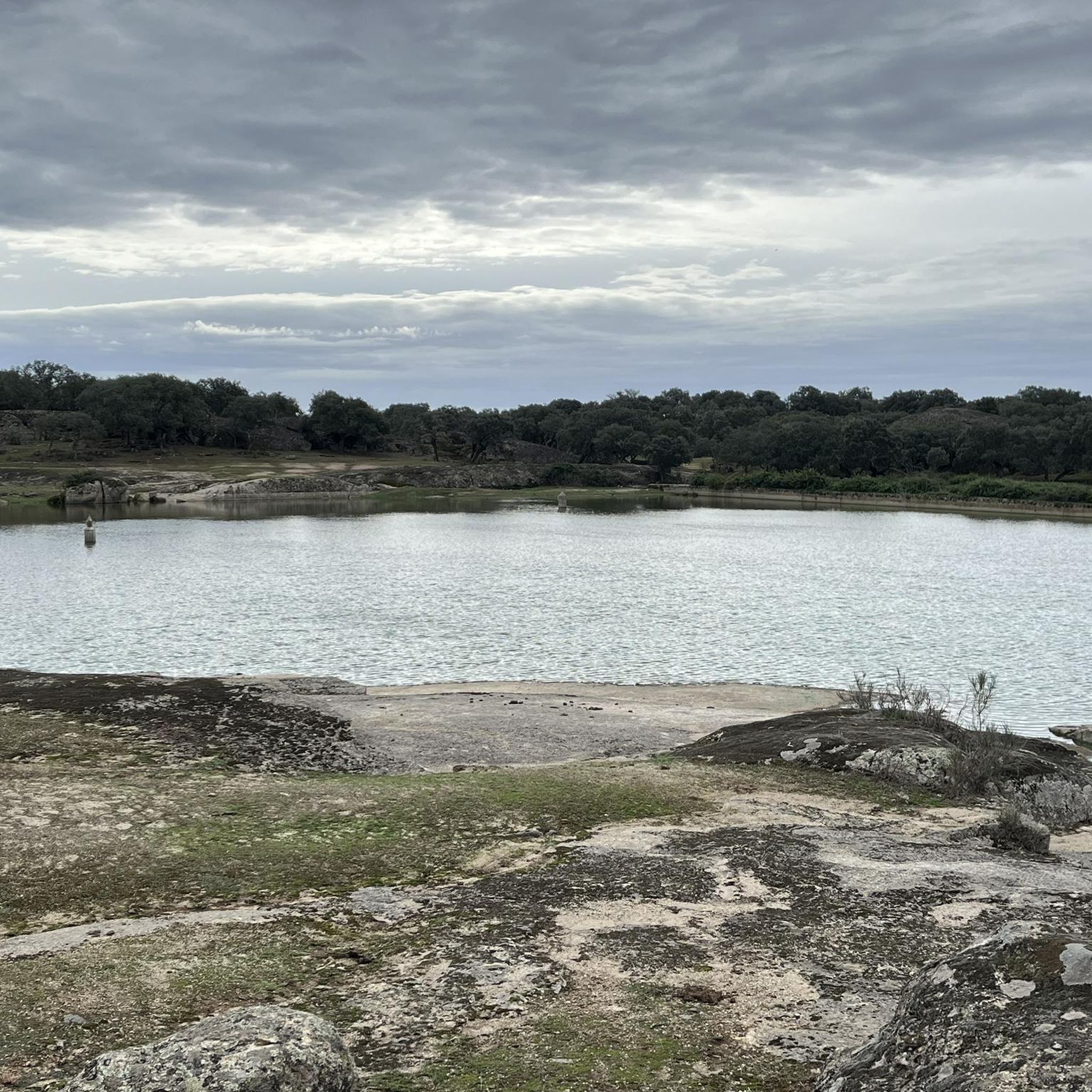
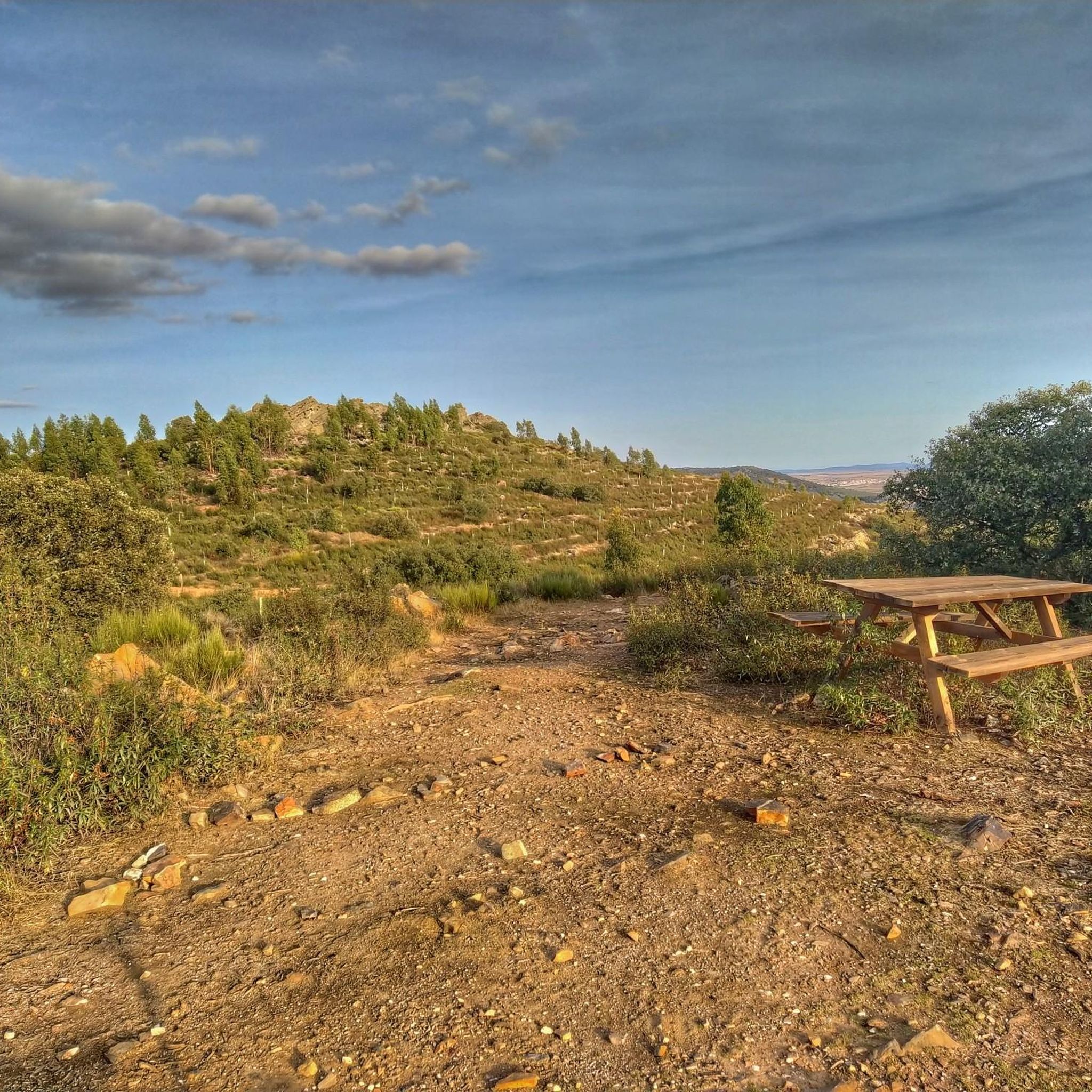
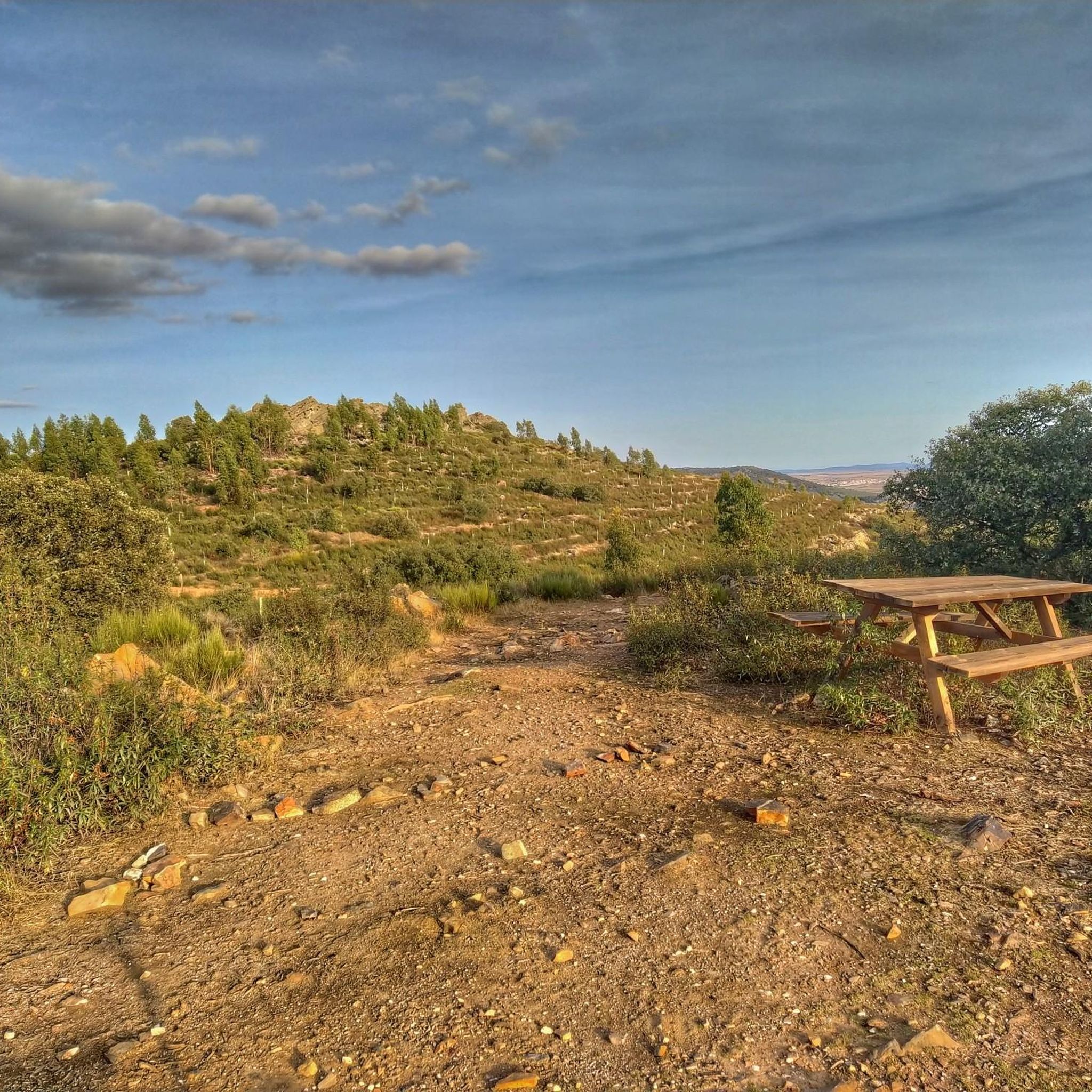
Road cycling routes around Sierra De Fuentes traverse the "Llanos de Cáceres y Sierra de Fuentes," a protected area characterized by extensive pseudo-steppes, gentle rolling hills, and open plains. The region offers varied terrain, from flat to gently undulating surfaces ideal for road cycling, to elevated viewpoints provided by the Sierra del Risco. Cyclists can encounter areas with holm oaks, cork oaks, and reservoirs like Guadiloba, providing diverse natural features along the routes.
Best road cycling routes around Sierra De…
Last updated: May 17, 2026
5.0
(2)
160
riders
48.5km
02:08
280m
280m
This moderate 30.1-mile road cycling route near Cáceres explores charming countryside, passing Laguna de Casar and rural towns.
5.0
(7)
137
riders
50.1km
02:20
320m
320m
Moderate road ride. Good fitness required. Mostly well-paved surfaces and easy to ride.

Sign up for free
19
riders
131km
06:30
1,320m
1,320m
This difficult 81.5-mile road cycling route around Embalse de José María Oriol offers expansive views and historical landmarks.
8
riders
122km
05:36
950m
950m
This difficult 75.8-mile road cycling route from Cáceres to Trujillo, passing the Valdesalor Reservoir, offers diverse landscapes and histor
5.0
(2)
132
riders
61.8km
02:38
390m
380m
Moderate road ride. Good fitness required. Mostly well-paved surfaces and easy to ride.
Get access to more routes and recommendations from other explorers.
Sign up for free
Already have an account?
Our route recommendations are based on thousands of hikes, rides, and runs completed by other people on komoot.
Start today with a free account
Your next adventure awaits.
Login or Signup

Tips from the Community

The Church of the Assumption is considered one of the finest examples of late Gothic architecture. For this reason, both the church and its main altarpiece were declared cultural heritage sites in 1981.
7
0
Trujillo Castle (Cáceres, Extremadura) is one of Spain's most emblematic fortresses, boasting a fascinating history and architecture that blends Arab and Christian influences. Arab Origins (9th-12th centuries): It was built on Cabeza del Zorro hill during the Muslim period. The oldest remains are two Arab cisterns. Reconquest: In 1186, Alfonso VIII captured the city, although it fell under Almohad rule before being definitively incorporated into the Crown in 1232. Middle Ages: It played a key role in the border defense between Castile and Portugal and was the scene of conflicts such as the War of the Castilian Succession. Modern Era: It lost its military importance and became a stately residence.
7
0
Well integrated into the city, it is located between Hernán Cortés Avenue and Rodríguez de Ledesma Avenue. It is a pleasant space with a large central pond and an Open-Air Sculpture Museum, which we can admire as we stroll through. At the main entrance, there is a botanical garden, and at the end, a fountain known as La Madrila, restored by the Escuela Taller (Workshop School) and once used as a drinking trough and wash house.
7
0
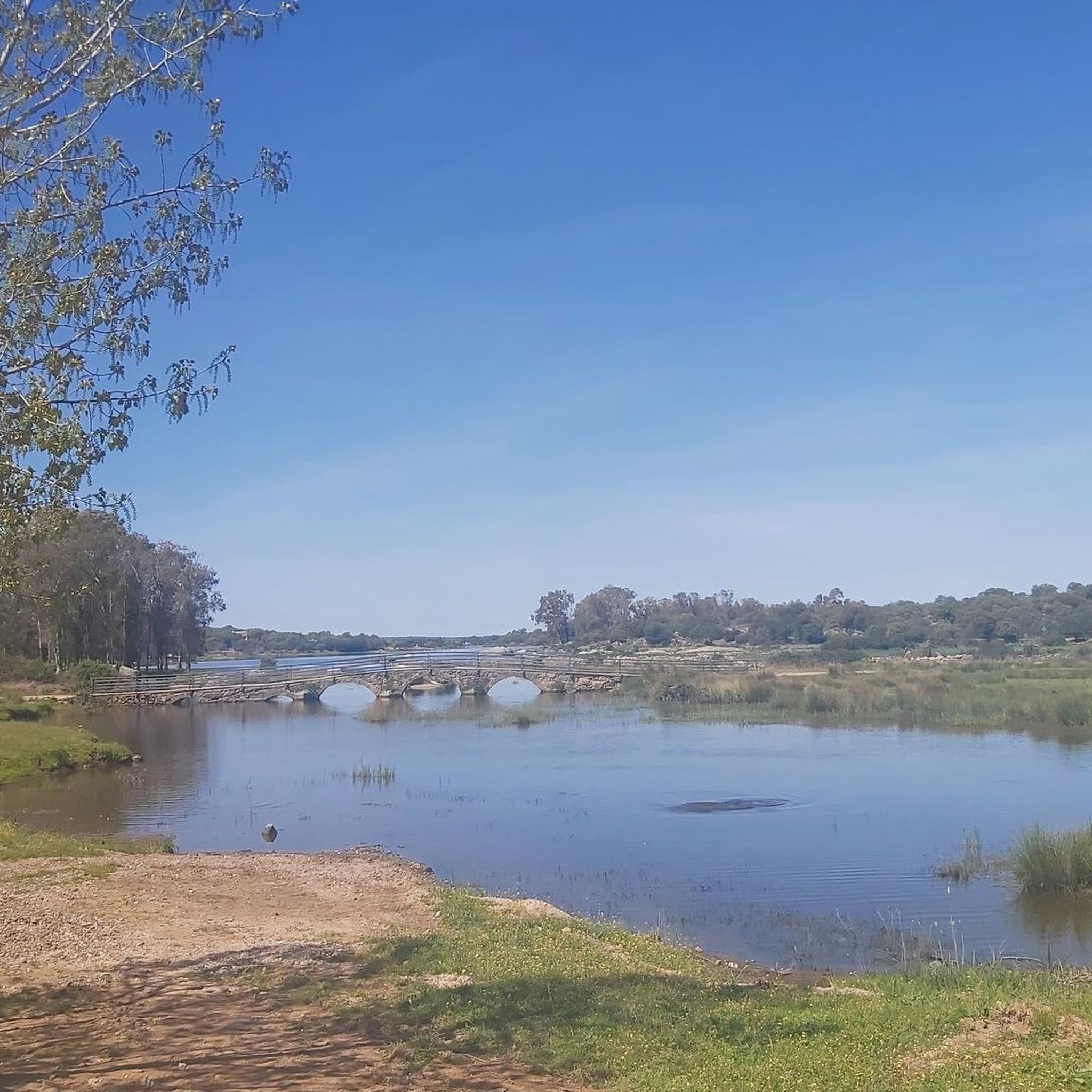
The San Francisco Bridge in Cáceres is a historic structure that has undergone several transformations over the years. Originally built in the 16th century, this medieval bridge is located in the eastern part of the city, on the old road to Trujillo. The bridge was built to level the terrain of a promenade next to the San Francisco convent and was adorned with two rows of black poplars planted in 1752.
17
0
The Plaza Mayor in Trujillo is an iconic and historic place in Extremadura. This Renaissance square, dating back to the 16th century, is known for its impressive architecture and vibrant social and cultural life. In the centre of the square is the equestrian statue of Francisco Pizarro, the famous conquistador born in Trujillo. The square is surrounded by historic buildings, such as the Palace of the Marquises of the Conquest and the Church of San Martín de Tours. In addition, it is a place where numerous cultural events and festivals are held throughout the year.
13
0
This square is legally protected as an Asset of Cultural Interest (BIC) and is within the catalog of protected assets of the Cáceres city council. Its neo-Mudejar architecture and rich history make it an emblematic place for lovers of bullfighting and culture.
8
0
In 2011, the redevelopment and remodeling works of the Plaza Mayor were completed, led by architects Antonino Antequera, Francisco Pol Méndez and Asunción Rodríguez Montejano. The project included the creation of several spaces, such as the Summer Plaza, a shady place with trees and fountains; the Winter Square, flanked by a fountain wall and a continuous stone bench; the new Music Forum, in the Balbos Forum, next to the Town Hall, for chamber concerts; and a large central free space for events, whose pavement formally recalls the vernacular Cáceres brick vault, and which has water fountains to combat the summer heat. If you visit Cáceres, you cannot miss exploring this emblematic Plaza Mayor and admiring its rich history and architecture.
6
0
The equestrian statue of Francisco Pizarro is located in Trujillo, a city in the Extremadura region, Spain. This imposing statue pays tribute to one of the illustrious residents of Trujillo: the conquistador Francisco Pizarro. The statue was created by American sculptor Charles Cary Rumsey (1879-1922). It is located in the Plaza Mayor of Trujillo, on a granite pedestal. Although not its original location, this statue is an important symbol in the city where Pizarro was born.
12
0
Frequently Asked Questions
How many road cycling routes are available around Sierra De Fuentes?
There are over 35 road cycling routes available around Sierra De Fuentes, catering to various skill levels. You'll find a good mix of easy, moderate, and challenging options to explore the region's diverse landscapes.
What kind of terrain can I expect when road cycling in Sierra De Fuentes?
The terrain around Sierra De Fuentes is characterized by the 'Llanos de Cáceres y Sierra de Fuentes,' featuring extensive pseudo-steppes, gentle rolling hills, and open plains. While generally flat to gently undulating, some routes may include ascents into the 'Sierra del Risco' offering elevated viewpoints. You'll also encounter areas with holm oaks, cork oaks, and reservoirs like Guadiloba.
Are there road cycling routes suitable for beginners or families in Sierra De Fuentes?
Yes, Sierra De Fuentes offers several routes suitable for beginners and families. There are 9 easy routes that allow for a more relaxed pace, perfect for enjoying the expansive plains and gentle landscapes without significant climbs.
What are the elevation profiles like on road cycling routes in Sierra De Fuentes?
The elevation profiles vary. Many routes feature gentle rolling hills, making them accessible. For example, the Cáceres-Badajoz Corridor Nature Trail: Cáceres Loop has an elevation gain of around 280 meters over 48.5 km. More challenging routes, like the Cáceres and Alcántara Reservoir Loop, can involve over 1300 meters of climbing over 131 km, providing a good workout for experienced cyclists.
Are there scenic viewpoints along the road cycling routes?
Absolutely. The 'Sierra del Risco,' on the edge of Sierra de Fuentes, provides elevated viewpoints with privileged panoramic vistas of the Llanos de Cáceres. These spots are ideal for taking in the expansive pseudo-steppes and the natural beauty of the region.
What natural features can I see while cycling in this region?
Cyclists can enjoy a rich natural environment. The area is a Special Protection Area for Birds (ZEPA), so you might spot species like great bustards, little bustards, Montagu's harriers, bee-eaters, and white storks. Routes also pass through areas with holm oaks, cork oaks, and reservoirs such as the Guadiloba Reservoir, offering diverse scenery.
Are there any historical or cultural landmarks near the road cycling routes?
Yes, the region is rich in history. You can explore sites like the 16th-century Gothic-style Church of Nuestra Señora de la Asunción, the 18th-century Baroque Ermita del Cristo del Risco, and the 15th-century Ermita de San Miguel within Sierra de Fuentes. Nearby Cáceres also offers numerous attractions such as the Co-Cathedral of Santa María and the Cáceres Main Square.
What do other road cyclists enjoy the most about road cycling in Sierra De Fuentes?
The road cycling routes in Sierra De Fuentes are highly rated by the komoot community, with an average score of 4.8 stars from over 24 reviews. Cyclists often praise the quiet roads, varied terrain from plains to gentle hills, and the opportunity to experience the unique natural landscapes and birdlife of the region.
Are there any loop road cycling routes in Sierra De Fuentes?
Yes, many of the road cycling routes in Sierra De Fuentes are loops, offering convenient starting and ending points. Examples include the Pantano de Valdesalor — circular desde Cáceres and the Cáceres - Trujillo Loop via Valdesalor Reservoir, allowing you to explore the area without retracing your path.
What is the best time of year for road cycling in Sierra De Fuentes?
While not explicitly stated, the climate of Extremadura generally makes spring (March to May) and autumn (September to November) ideal for road cycling. During these seasons, temperatures are milder, and the natural landscape is vibrant, offering comfortable conditions for longer rides.
Are there any environmental or wildlife centers in the area that cyclists can visit?
Yes, Sierra de Fuentes is home to a wildlife recovery center and an Iberian lynx breeding center, showcasing the region's commitment to environmental protection. There's also an Aula Apícola El Viejo Valle, an apiary dedicated to bees and their environment, which can be an interesting stop for those cycling through the area.
Most popular routes around Sierra De Fuentes
Most popular attractions around Sierra De Fuentes

Get inspired with the komoot mobile app


Explore more
Browse the best Road cycling routes in other regions.
