The best MTB trails around Oliva
4.6
(150)
666
riders
48
rides
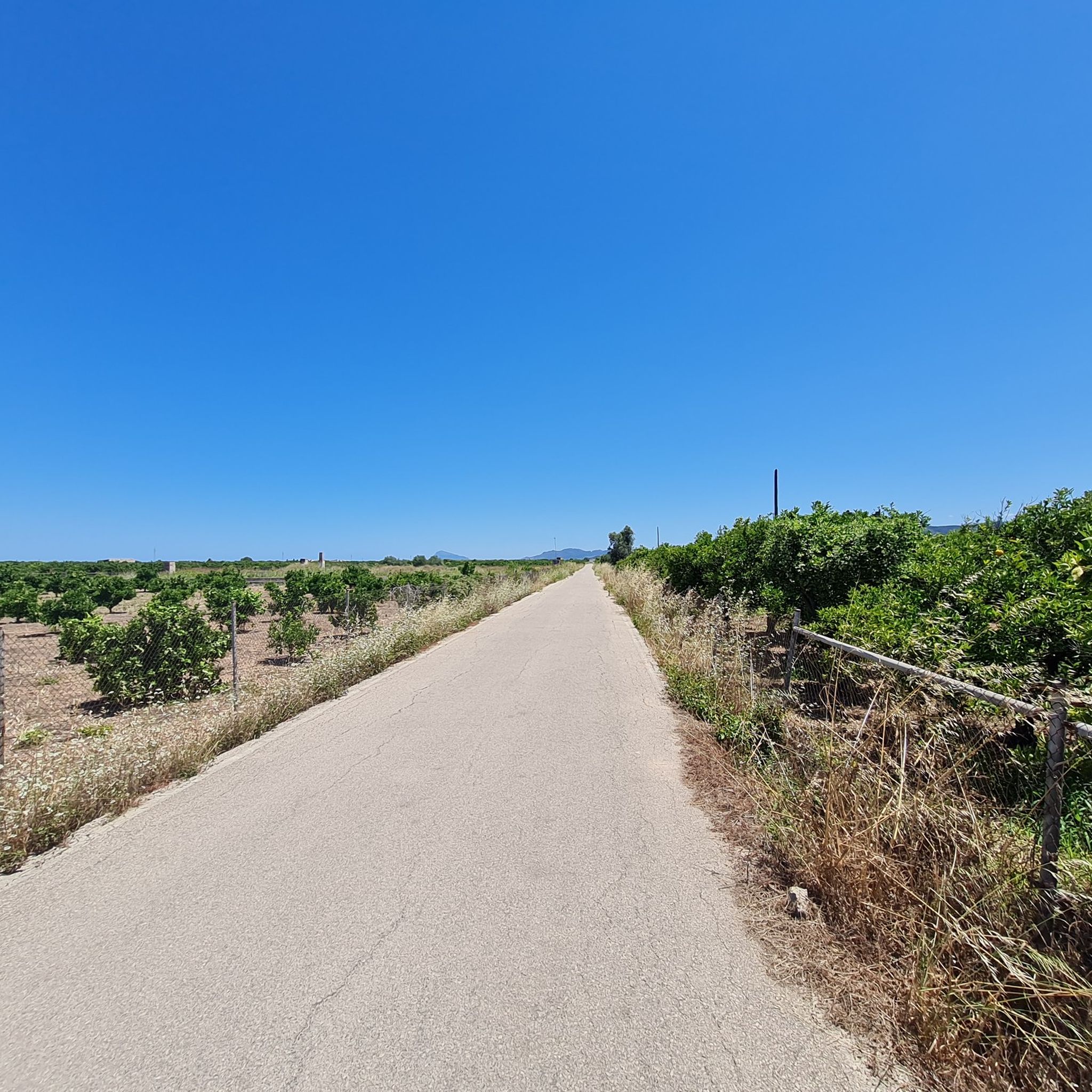
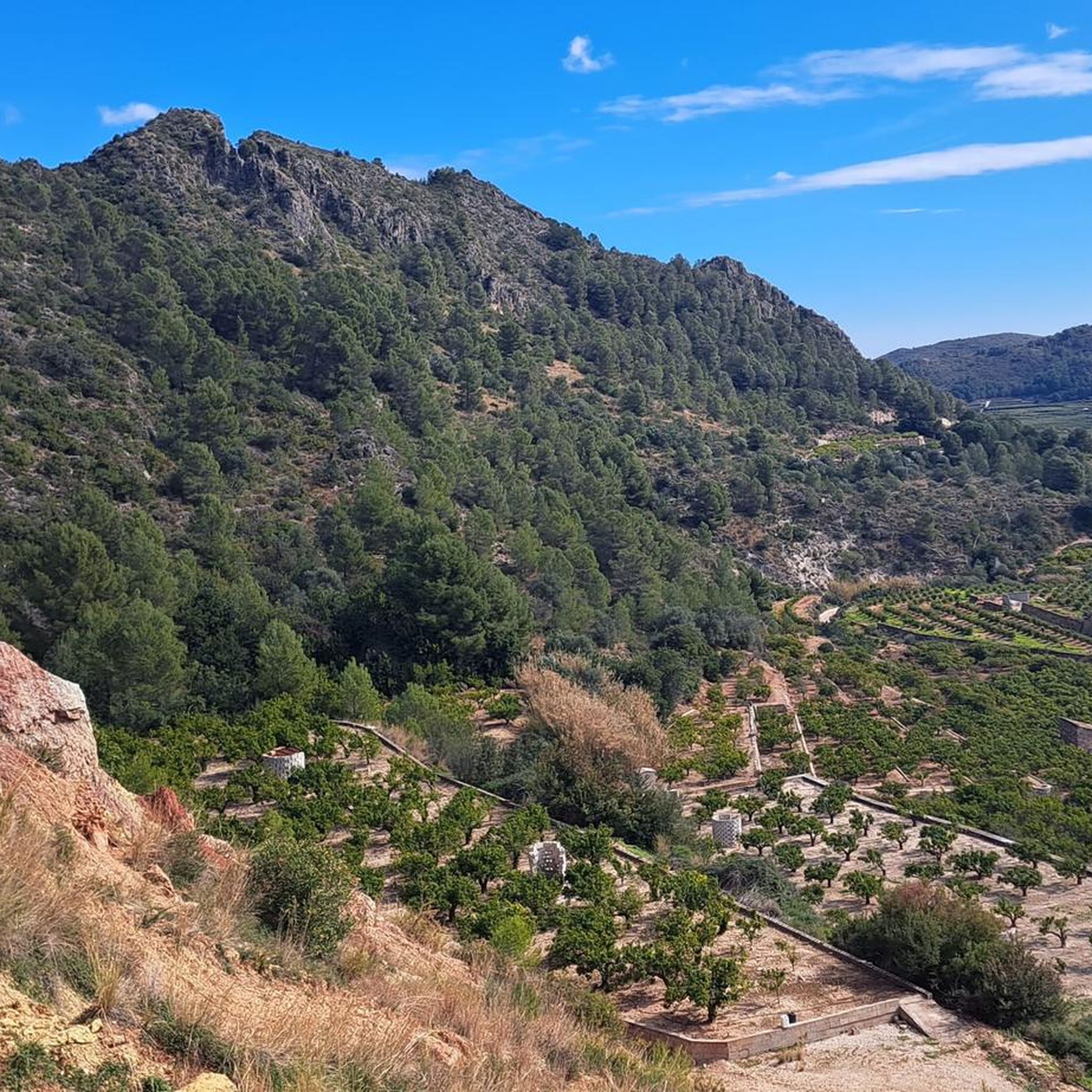
Mountain biking around Oliva offers diverse landscapes, from protected wetlands to coastal and mountain terrains. The region features the Marjal de Pego-Oliva Natural Park, a vast wetland bordered by the Mostalla, Migdia, and Segària mountain ranges. This combination provides varied terrain, including river paths, coastal sections, and mountain ascents. The area's topography ensures a range of mountain bike trails for all abilities.
Best mountain bike trails around Oliva
- The most popular mountain bike trail is Mouth of the Molinell River…
Last updated: August 18, 2026
4.3
(27)
101
riders
Moderate mountain bike ride. Good fitness required. Suitable for all skill levels.
4.9
(13)
51
riders
Moderate mountain bike ride. Good fitness required. Suitable for all skill levels.

Sign up for free
4.8
(4)
34
riders
49.3km
03:14
740m
740m
Moderate mountain bike ride. Good fitness required. Suitable for all skill levels.
4.0
(11)
28
riders
47.1km
02:43
340m
340m
Moderate mountain bike ride. Good fitness required. Suitable for all skill levels.
31
riders
108km
06:43
1,150m
1,150m
Hard mountain bike ride. Very good fitness required. Advanced riding skills necessary. Some portions of the route may require you to push your bike.
Get access to more routes and recommendations from other explorers.
Sign up for free
Already have an account?
Our route recommendations are based on thousands of hikes, rides, and runs completed by other people on komoot.
Start today with a free account
Your next adventure awaits.
Login or Signup

Tips from the Community

Chiringuito for lunch with toast and coffee.
0
0

Monument marking the passage of the Greenwich meridian (actual UTC+0) Interesting to remember that Spain should be in UTC+0 and not +1 (and +2 in summer) Let's see if we get closer to reality by the time the decision to set a schedule has to be made.
0
0
The Castillo de Forna is a feudal palace-fortress, built in the first half of the 15th century, which is part of the Valencian civil Gothic style. It is a quadrangular building with four towers at each corner and a central courtyard on two levels, which provides access to all the castle's dependencies. On the lower floor of Tower 2, one of the best collections of graffiti from the period can be seen, depicting scenes of chivalry and the sea. It is a monument of very high heritage value, protected by the Decree-Law of April 22, 1949, on the protection and inventory of all castles and military architecture, and therefore included as a Bien de Interés Cultural (Asset of Cultural Interest) in the Spanish Historical Heritage Law 16/85 in the second section of the additional provisions and the Law 4/1998, of June 11, of the Generalitat Valenciana on Valencian Heritage.
0
0

Preciós paratge natural molt prop de Gandia, amb ullals d'aigua, sala d'interpretació dels aiguamolls, bancs, taules i molta vegetació.
1
0
Preciós paratge natural molt prop de Gandia, amb ullals d'aigua, sala d'interpretació dels aiguamolls, bancs, taules i molta vegetació.
3
0

The Plaça de l’Ajuntament de Oliva is the heart of the historic center of Oliva and one of the city's most representative spaces. Surrounded by buildings of architectural interest and presided over by the statue of the admiral and mathematician Gabriel Ciscar, this square is a meeting point for locals and visitors, as well as the setting for markets, celebrations, and numerous cultural events. Its tranquil atmosphere and historical value make it an ideal place to stroll and discover the essence of Oliva.
15
0

Bright restaurant with grilled dishes, cocktails, happy hour and tables with sea views.
2
0

From the bridge you have a beautiful view of the estuary, where the river meanders through reeds and dunes before flowing into the sea.
1
0
Frequently Asked Questions
How many mountain bike trails are there in Oliva?
Oliva offers a wide selection of mountain bike trails, with nearly 60 routes available on komoot. These range from easy paths through wetlands to challenging mountain ascents, catering to various skill levels.
Are there easy mountain bike trails in Oliva suitable for beginners?
Yes, Oliva has 14 easy mountain bike trails, perfect for beginners or those looking for a relaxed ride. The flat terrain within the Marjal de Pego-Oliva Natural Park is particularly well-suited for less strenuous cycling, offering beautiful natural scenery.
What kind of terrain can I expect on mountain bike trails in Oliva?
The terrain around Oliva is incredibly diverse. You'll find trails winding through the protected wetlands of the Marjal de Pego-Oliva Natural Park, coastal sections, and more demanding routes ascending the surrounding Mostalla, Migdia, and Segària mountain ranges. This variety ensures a dynamic riding experience.
Are there any family-friendly mountain bike trails in Oliva?
While specific family-friendly routes aren't explicitly listed, the easier trails, particularly those within the Marjal de Pego-Oliva Natural Park, are generally suitable for families. These flatter sections provide a safer and more enjoyable experience for riders of all ages.
What are some challenging mountain bike routes for experienced riders in Oliva?
For experienced riders seeking a challenge, Oliva offers 15 difficult mountain bike trails. A notable option is the Mouth of the Molinell River – Vall d'Ebo Pass loop from Desembocadura del Riu Racons, a 73.5 km route with significant elevation gain that takes nearly 5 hours to complete.
What can I see along the mountain bike trails in Oliva?
Many trails offer scenic views and pass by interesting landmarks. You might encounter natural features like the Salty Spring or the Natural area of the "Font Salà". The Marjal de Pego-Oliva Natural Park itself is a highlight, known for its unique ecosystem and birdlife.
Are there any mountain bike routes that include historical sites?
Yes, some routes incorporate historical elements. For example, the Forna Church – Castell de Forna loop from Oliva is a moderate 47.1 km path that explores historical sites and offers scenic views of the surrounding countryside.
What is the best time of year for mountain biking in Oliva?
Oliva is an excellent destination for outdoor activities year-round. However, for mountain biking, spring and autumn generally offer the most pleasant temperatures, avoiding the peak heat of summer. Winter can also be a good option, as the region is used by professional cycling teams for training due to its mild climate.
Are there any loop trails for mountain biking in Oliva?
Yes, many of Oliva's mountain bike trails are designed as loops. A popular moderate loop is the Font Salada – Vedat River loop from Desembocadura del Riu Racons, which covers 54.2 km and takes you through river valleys and past natural springs.
What do other mountain bikers enjoy most about mountain biking in Oliva?
The mountain biking experience in Oliva is highly rated by the komoot community, with an average score of 4.7 stars from over 140 reviews. Riders often praise the diverse landscapes, from protected wetlands to challenging mountain passes, and the variety of routes suitable for all abilities.
Are there mountain bike trails near the coast in Oliva?
Yes, Oliva's unique geography means you can find trails that combine coastal sections with other terrains. The region offers a compelling mix of coastal and mountain landscapes, allowing for rides that provide views of the sea and access to beaches like Playa de Oliva.
Can I find mountain bike routes that offer panoramic viewpoints in Oliva?
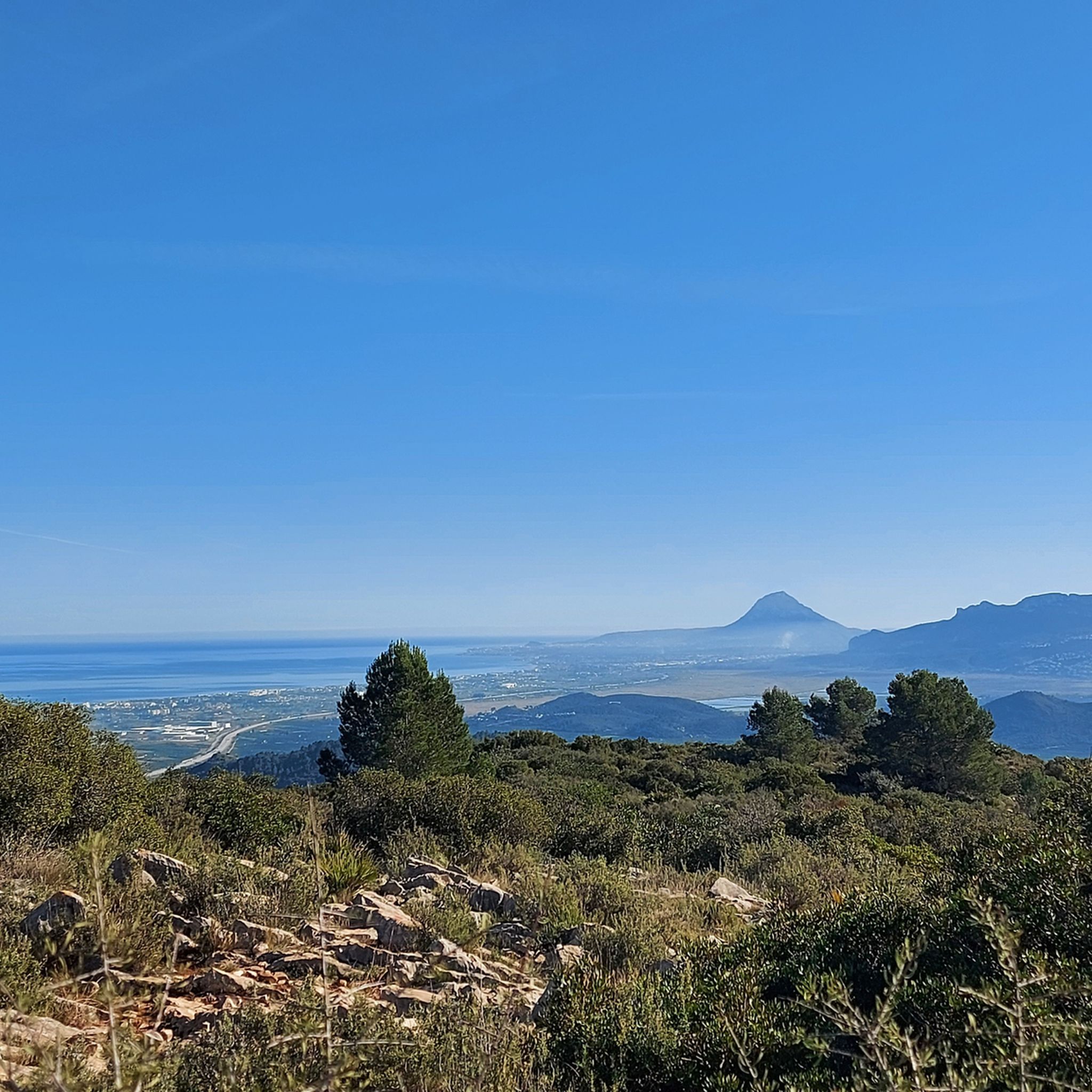
Absolutely. The mountain ranges surrounding Oliva, such as Mostalla, Migdia, and Segària, offer routes that ascend to higher points. These provide magnificent panoramic views of the La Safor and La Marina districts, and even the distant Montgó Natural Park.
Most popular attractions around Oliva

Get inspired with the komoot mobile app


Explore more
Browse the best MTB trails in other regions.
