Attractions and Places To See around Mundaca - Top 20
Best attractions and places to see around Mundaca include a variety of sites within this fishing village in Spain's Basque Country. Situated at the northern end of the Urdaibai Biosphere Reserve, Mundaca is known for its natural features, rich history, and surfing culture. The village is located at the mouth of the Oka River estuary, offering coastal views and access to the Bay of Biscay. It provides a blend of cultural heritage and natural landscapes for exploration.
Best attractions and…
Last updated: May 9, 2026
Saint John of Gaztelugatxe
Highlight (Segment) • Historical Site
Translated by Google •
Tip by

Guernica Mural in Gernika
Highlight • Monument
Translated by Google •
Tip by
Sign up now to discover places like this
Get recommendations on the best single tracks, peaks, & plenty of other exciting outdoor places.
Sign up for free
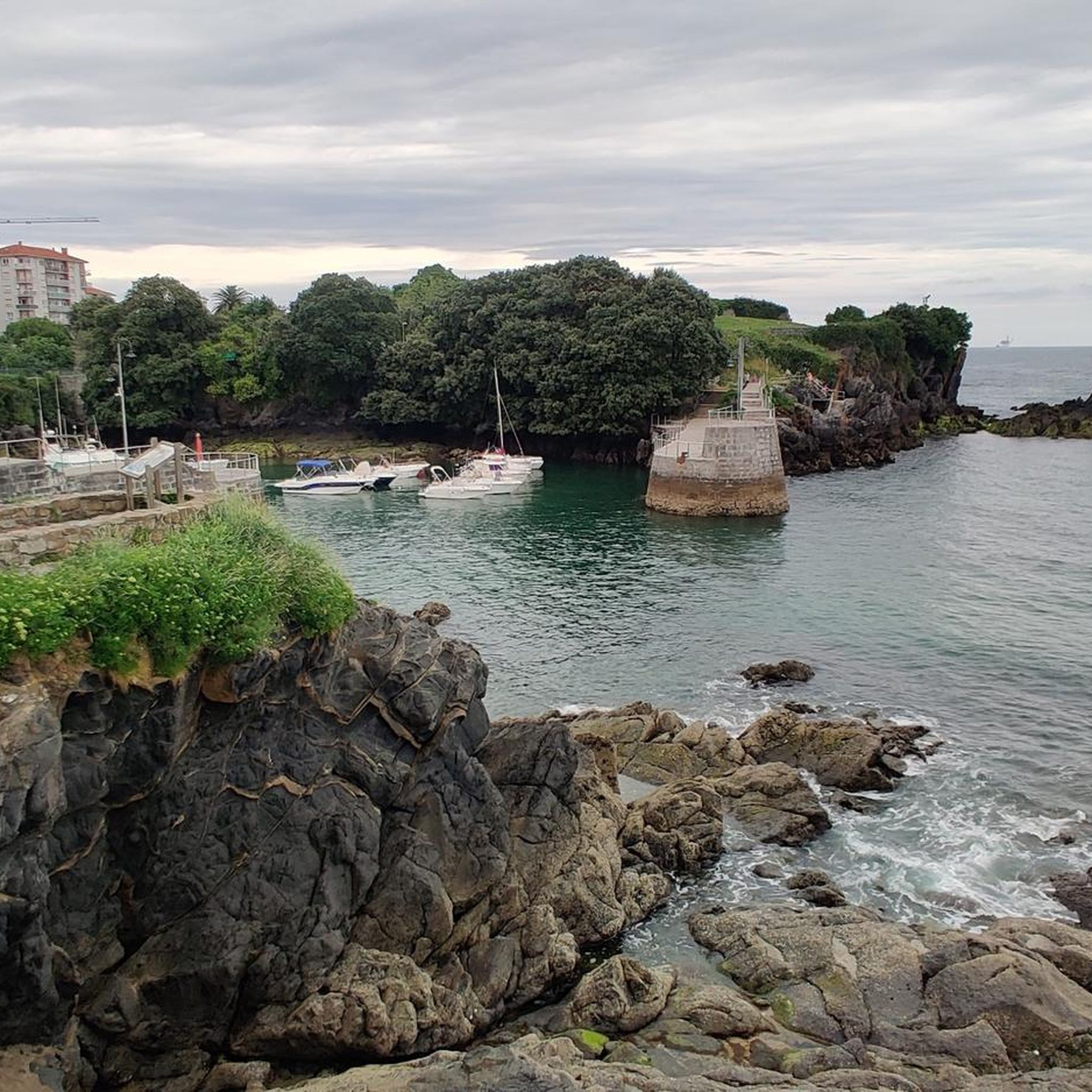
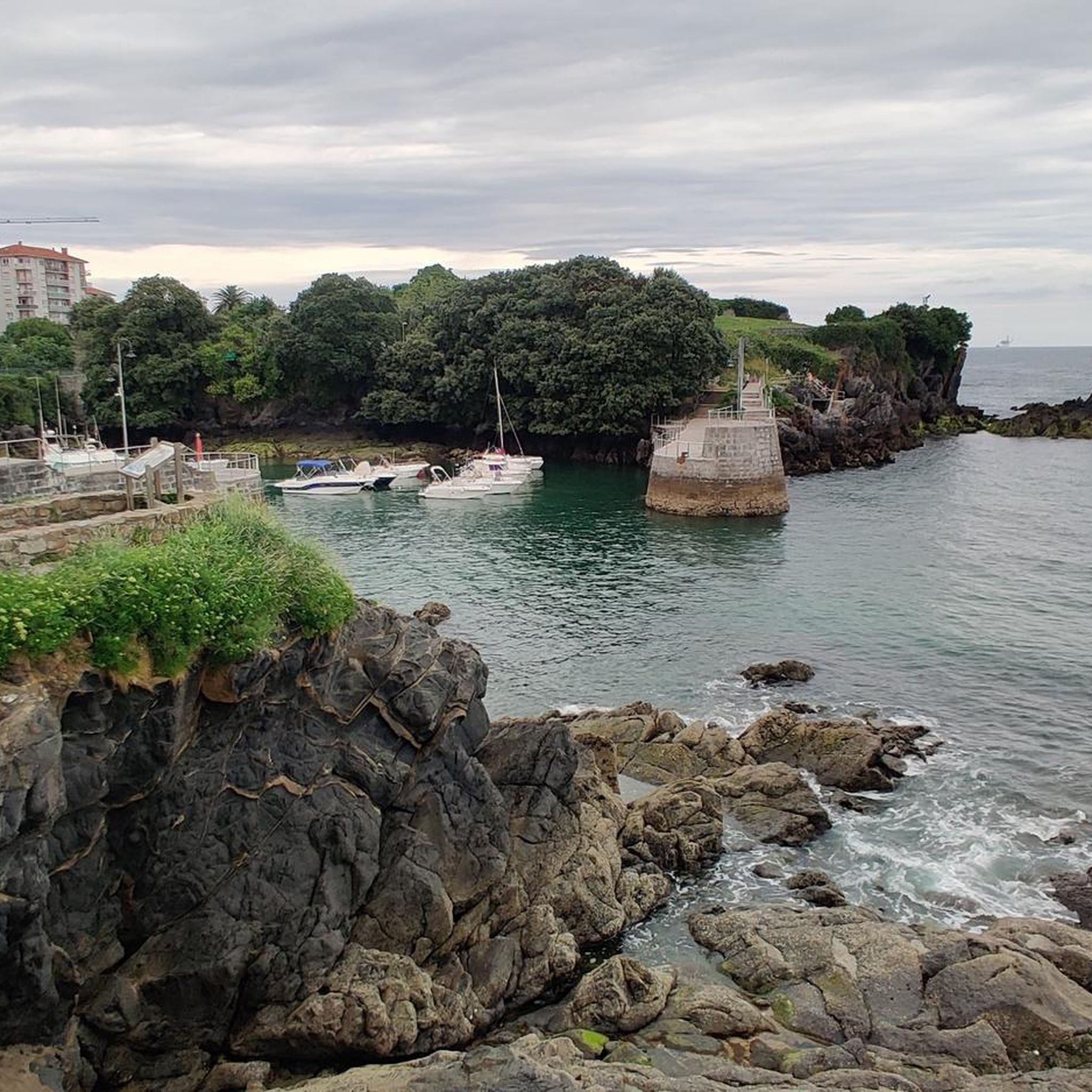
Santa Catalina Hermitage and Mundaka Harbor
Highlight • Religious Site
Translated by Google •
Tip by
Old Tree of Gernika (Gernikako Arbola)
Highlight • Natural Monument
Translated by Google •
Tip by

Oma Forest
Highlight • Forest
Translated by Google •
Tip by

Sign up for free to discover even more attractions around Mundaca.
Sign up for free
Already have an account?
Start today with a free account
Your next adventure awaits.
Login or Signup

Tips from the Community

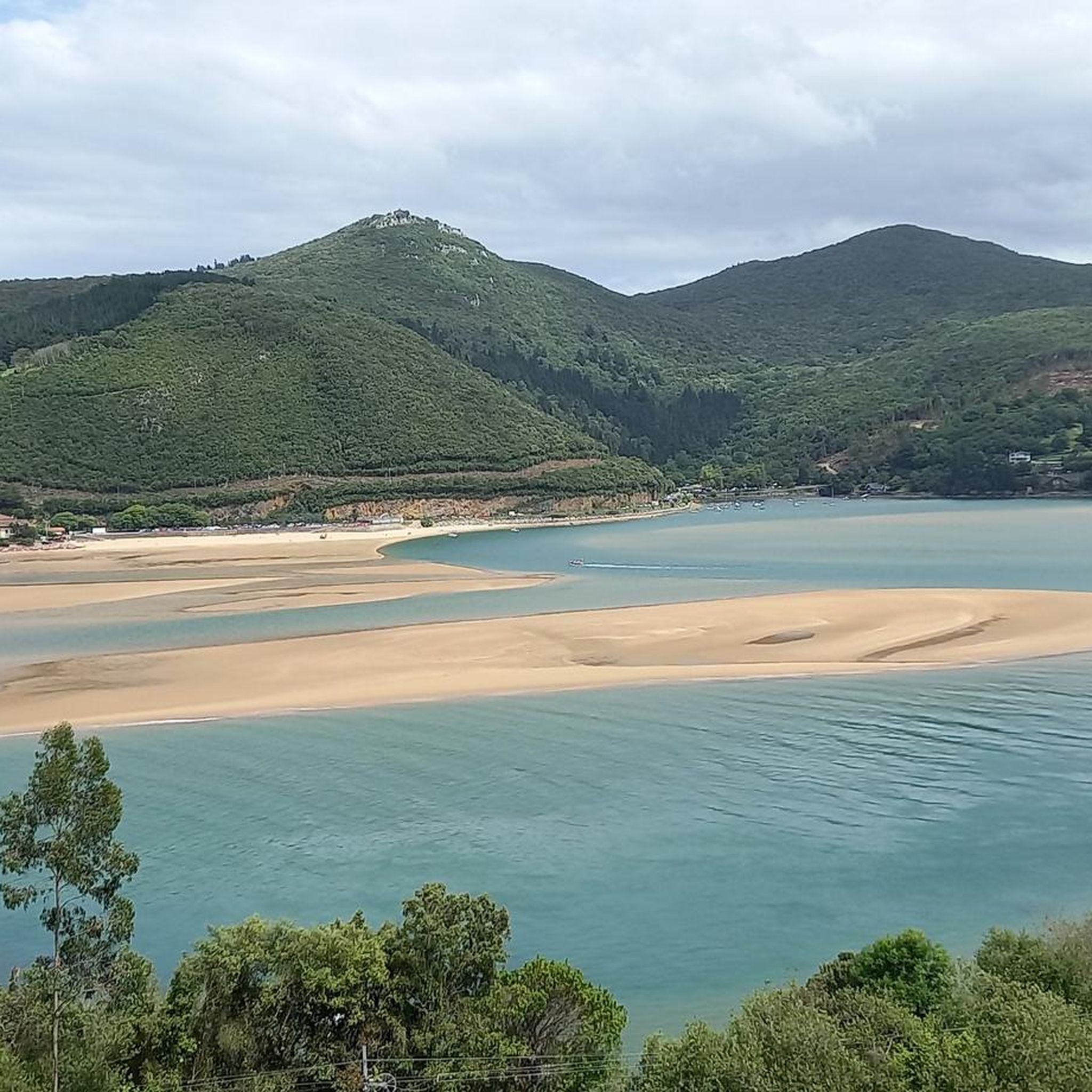
Picturesque old town with a relaxed surfer vibe
0
0

The Oma Forest - Omako basoa in Basque - is also known as the painted forest, the enchanted forest or even the Ibarrola Forest. Its most common name - Oma Forest - refers to the district in which it is located, which belongs to the municipality of Kortezubi. This original work of art was created between 1982 and 1985, when the Basque painter and sculptor Agustín Ibarrola used the trunks of trees as a kind of canvas for a total of 47 images. On them he painted animals, geometric figures and people, or just parts of them, such as eyes and lips. In addition, many of the compositions do not consist of a single tree, but must be viewed in the context of several tree trunks. To do this, you must pay attention to the signs on the ground that tell the viewer where to stand in order to enjoy the whole image.
1
0

When the Condor attacked, the residents of Guernica tried to protect the tree with their bodies because it is sacred to the Basques. Even today, elected politicians have to swear their loyalty to the Basque Country at an oak tree that stands a few meters away.
0
0

The legend that attributes the name of Mundaca to the Latin expression munda aqua (clean water). This legend appears in the Chronicle of Vizcaya written by Lope García de Salazar in the 15th century. According to this story, a ship from Scotland arrived on the coast of Mundaca carrying a princess who had been banished from her land. The Scots called the place Munda aqua in their Latin language (sic) since they found a very clean source of water that contrasted with the murky waters of the Urdaibai estuary.
2
0
In 1982, artist Agustín Ibarrola began painting the pine trees in the forest near his homestead with the intention of using the landscape as a canvas to give continuity to his artistic expression. It is at this moment when he decides to break the law of perspective and transgress the three-dimensionality of a white line until it becomes two-dimensional. From then on, he explored the possibilities offered by the arrangement of the forest trees, playing with the different planes of depth and creating artistic sets composed of human figures, curves or straight lines, and circles of intense colors. The ideas and concepts that it develops become more complex and advances in various directions as the painted forest expands. With the help of two students from the Faculty of Fine Arts of the UPV/EHU, he carried out a large part of the work that was open to the public until 2018, at which time the biological cycle of the forest came to an end. Given the importance that the work had acquired, the Provincial Council of Bizkaia began the process of making the Forest last, for which it had from the first moment the support of the artist who had made clear his desire for the forest to survive. In this way and in order to preserve El Bosque de Oma, the Ibarrola work has been moved to a new location, also recovering original artistic ensembles lost due to felling, attacks and natural tree falls. Today we can enjoy El Bosque de Oma more complete and more faithful to the artist's original idea.
1
0
The Forest of Oma is one of the best-known works of the Basque artist Agustín Ibarrola and is an expression of the artistic movement known as Art and Nature, which emerged in the late sixties of the 20th century and whose purpose is to convey artistic work to the natural environment, using the landscape as a framework, support and raw material for the artist. The work, located in the town of Kortezubi (Bizkaia), is made up of several sets of geometric motifs and figures painted on the trunk of radiata pine trees. The use of natural living supports, the play of two-three-dimensionality and the experience of placing the visitor at the center of the work of art through his discovery, as well as the diversity of responses it proposes, make this work a reference of the Art and Nature movement and of Basque Art in particular.
1
0

Once in your life, you have to visit this place and enjoy the incredible views. Not without reason, the series Game of Thrones chose this wonderful place as the setting for its filming.
3
1

Wall reproduction of Picasso's painting "Guernica" exhibited at the Reina Sofía Museum in Paris.
0
0
Frequently Asked Questions
What natural features can I explore around Mundaca?
Mundaca is situated at the northern end of the UNESCO Urdaibai Biosphere Reserve, offering stunning natural landscapes. You can enjoy the estuary where the Oka River meets the Bay of Biscay, which forms a large area surrounded by beaches. The famous Mundaka Wave, recognized internationally, breaks over a sandbar at the mouth of this estuary. For panoramic views of the sea and coast, visit the Mirador de la Atalaya or Portuondo Viewpoint.
Are there any historical or cultural sites to visit in Mundaca itself?
Yes, Mundaca boasts several historical and cultural sites. The charming Port of Mundaka is considered the heart of the village, surrounded by colorful Basque-style houses. You can also visit the Hermitage of Santa Catalina, a 19th-century neo-Gothic hermitage on a peninsula with breathtaking views. The Parish Church of Santa María, with roots dating back to the 11th century, is another significant architectural heritage site. The historic quarter features colorful buildings, small squares, and narrow streets, including the Casino, Town Hall, and Ibaialde and Kurutziaga palaces.
What outdoor activities like hiking or cycling can I do near Mundaca?
The area around Mundaca offers various outdoor activities. For hiking, you can explore trails like 'Katillotxu: A Look into the Megalithic Past Trail' or 'Santa Catalina Peninsula – Charming harbor viewpoint loop from Sukarrieta'. Cycling enthusiasts can try routes such as 'Mundaka – circular via Bermeo, Busturia and the Island of Chacharramendi' or 'Guernica Mural in Gernika – Mundaka Harbor loop from Bermeo'. Mountain biking options include 'Bermeo Harbor – View from Arribieta loop from Mundaka'. You can find more details on these and other routes in the hiking, cycling, and MTB guides for Mundaca.
Is Mundaca a good destination for families?
Yes, Mundaca offers several family-friendly attractions. The Oma Forest, also known as the painted forest, is a unique art installation on tree trunks that can be a fascinating experience for all ages. The Urdaibai marsh viewpoints provide easy access to stunning natural scenery. Additionally, the nearby Laida Beach offers a more relaxed beach experience suitable for families, with medium-quality waves.
Where can I see the famous Mundaka surf wave?
The renowned Mundaka Wave breaks at the mouth of the Oka River (part of the Urdaibai Estuary), over a sandbar. You can often view it from the Mirador de la Atalaya, which provides excellent panoramic views of the sea and the coastal surroundings. This powerful left-hand wave is best observed during strong northwest swells and gentle southern winds, particularly from late September to late November. More information can be found on Wikipedia.
Can I visit San Juan de Gaztelugatxe from Mundaca?
Yes, San Juan de Gaztelugatxe is a popular and iconic site often visited from Mundaca. It features a hermitage on an islet, accessible via 241 steps. The climb is arduous but offers spectacular views of the Cantabrian coast. Due to its popularity, especially after appearing in 'Game of Thrones', it's advisable to get free entry tickets in advance online to avoid long queues.
What is the Oma Forest and how can I visit it?
The Oma Forest, also known as the painted forest, is an artistic installation by Agustín Ibarrola where geometric motifs and figures are painted on pine tree trunks. It's located in Kortezubi, a short distance from Mundaca. Visitors can walk through the forest and discover the art by positioning themselves at marked spots to see the full compositions. The work has been moved to a new location to preserve the artist's original idea.
What is the significance of Gernika and how far is it from Mundaca?
Gernika (Guernica) is a town of significant historical importance, located approximately 12 kilometers from Mundaca. It is known for the tragic 1937 bombing during the Spanish Civil War and has become a symbol of peace. Visitors can see the iconic Tree of Gernika, the Casa de Juntas (Assembly Hall), the Museum of Peace, and a mural reproduction of Picasso's famous painting Guernica, which commemorates the horrors of war.
What do visitors particularly enjoy about the attractions in Mundaca?
Visitors frequently praise the picturesque old town of Mundaca with its relaxed surfer vibe and colorful houses. The Hermitage of Santa Catalina is loved for its beautiful views of the sea and cliffs. The San Juan de Gaztelugatxe experience, despite the challenging climb, is often described as unforgettable due to the wild Cantabrian coast views and the beauty of the isolated hermitage. The Urdaibai marsh views are appreciated for their dynamic nature, changing with the tides.
Are there any charming villages or towns to visit near Mundaca?
Yes, besides Mundaca itself, the nearby fishing village of Bermeo is worth a visit. It's known for its traditional fishing port and rich maritime history. You can also take a ferry during summer months to Laida Beach, located across the estuary, for a different coastal experience.
What is the best time of year to visit Mundaca?
Mundaca offers attractions year-round, but the best time depends on your interests. For surfing the famous Mundaka Wave, late September to late November is prime. Summer months are ideal for enjoying the beaches and ferry access to Laida Beach. The natural beauty of the Urdaibai Biosphere Reserve can be appreciated throughout the year, with its dynamic landscapes changing with the seasons and tides.
Are there any wheelchair-accessible attractions in Mundaca?
While some areas of Mundaca's historic quarter with narrow streets might be challenging, the Guernica Mural in Gernika is noted as wheelchair-accessible. For natural views, some viewpoints over the Urdaibai marsh might offer accessible viewing points, but it's always recommended to check specific access details for individual locations.
Most popular routes around Mundaca
Most popular attractions around Mundaca

Get inspired with the komoot mobile app


Explore more
Still not found the Highlight you’re looking for? See guides of the top attractions in other regions:
