Attractions and Places To See around Melide - Top 20
Best attractions and places to see around Melide include a variety of notable landmarks, cultural sites, and natural features. This historically rich town in Galicia is a significant stop on the Camino de Santiago, where the Camino Francés and Camino Primitivo converge. Visitors can explore medieval bridges, historic churches, and ethnographic museums. The surrounding area also offers scenic natural spots along rivers and forests.
Best attractions and places to see around Melide
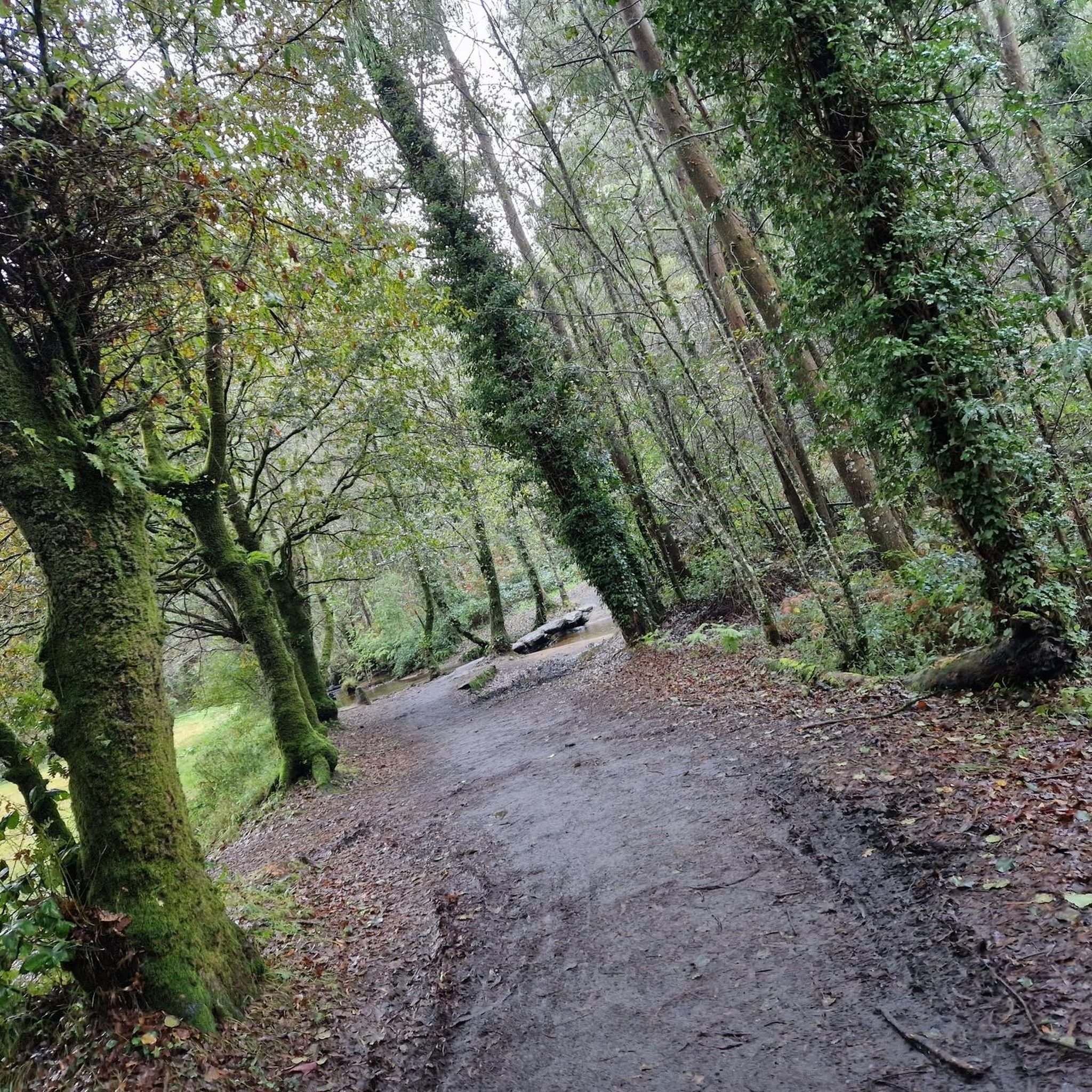
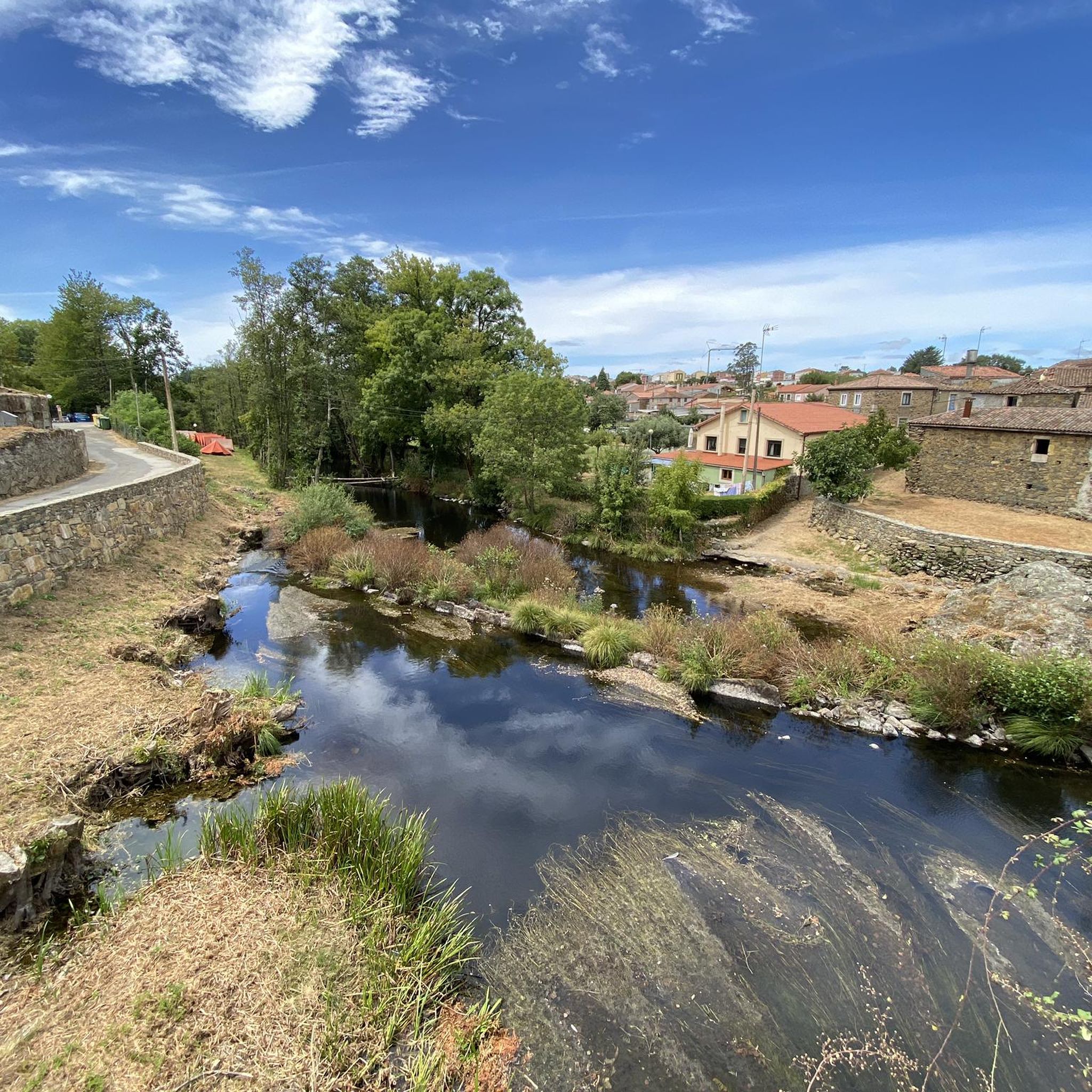
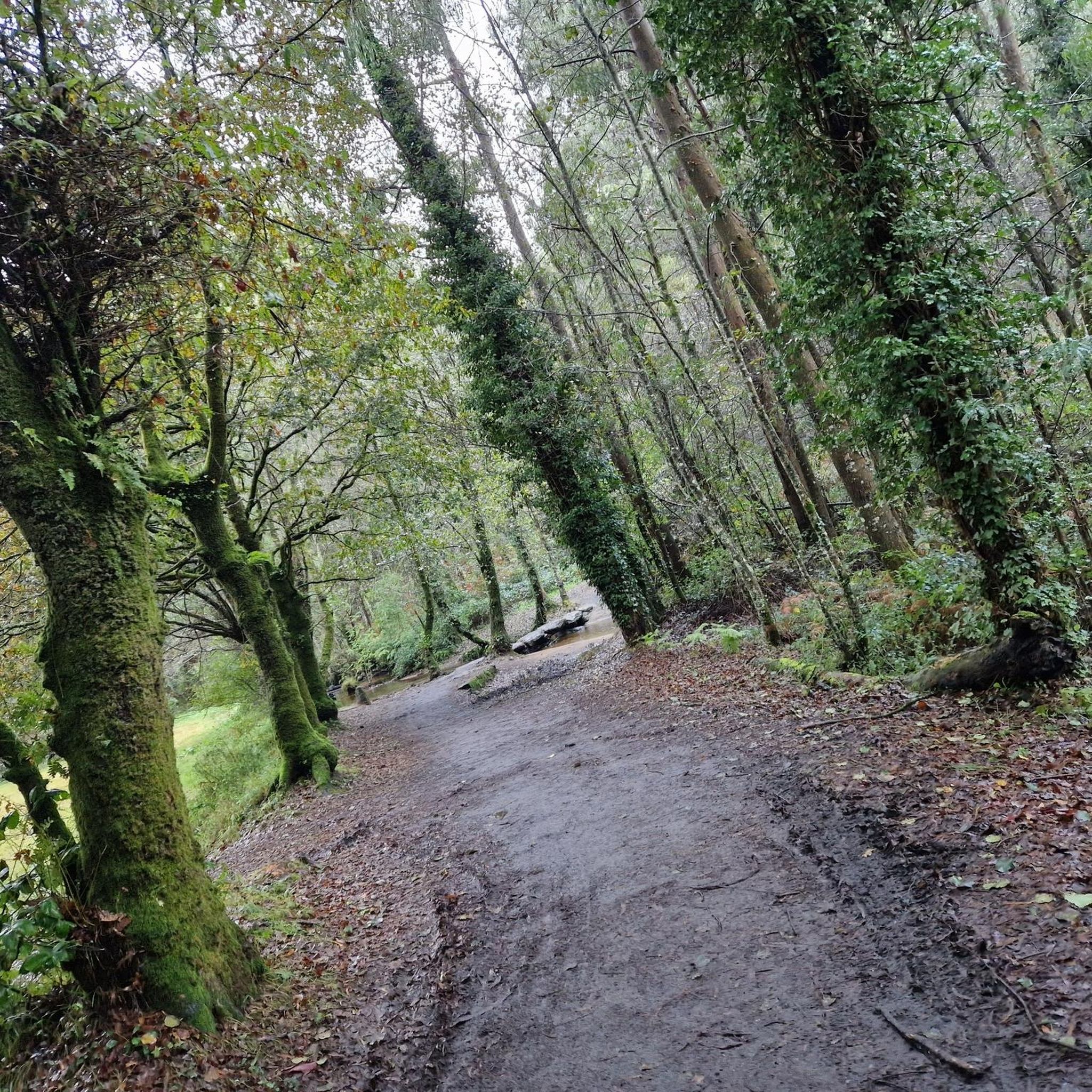
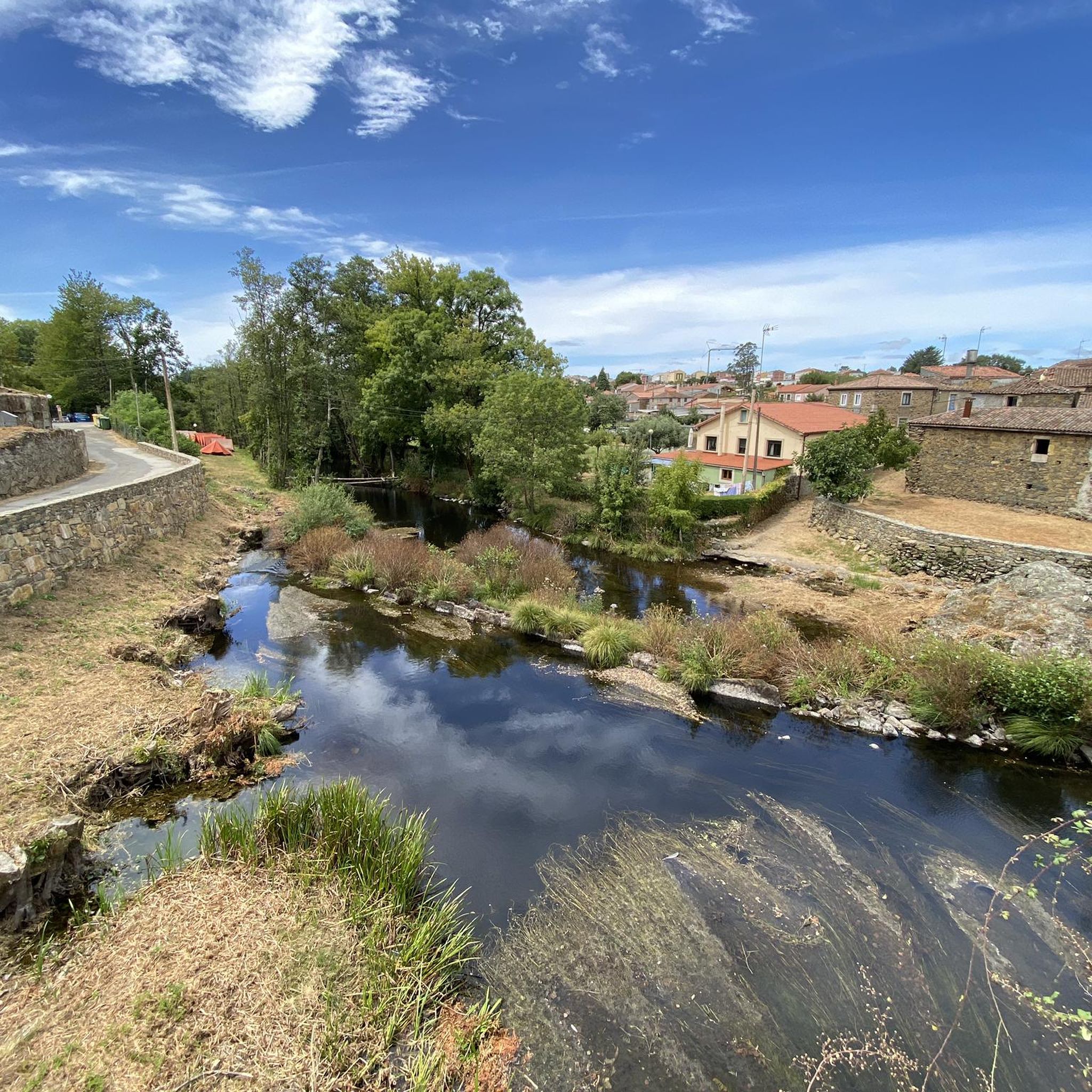
- The most popular attractions is Stone bridge over the Catasol River, a bridge that passes over the Catasol River amidst a lush forest of ash and alder trees. It offers a scenic path through an atmosphere of pure air.
- Another must-see spot is Roman Bridge of Furelos, a medieval bridge over the River Furelos. It is considered one of the most beautiful examples of civil architecture on the French route through Galicia.
- Visitors also love Ribadiso Medieval Bridge, a historical bridge located next to the recreational area of the Iso river. This setting provides an opportunity for pilgrims to cool off and relax.
- Melide is known for its historical bridges, religious buildings, and cultural sites. The area offers a variety of attractions to see and explore, from ancient churches to ethnographic museums.
- The attractions around Melide are appreciated by the komoot community, with more than 500 upvotes and over 150 photos shared.
Last updated: June 22, 2026
Ribadiso Medieval Bridge
Highlight • Bridge
Translated by Google •
Tip by

Roman Bridge of Furelos
Highlight • Bridge
Translated by Google •
Tip by

Sign up now to discover places like this
Get recommendations on the best single tracks, peaks, & plenty of other exciting outdoor places.
Sign up for free
Stone bridge over the Catasol River
Highlight • Bridge
Translated by Google •
Tip by
Church of Saint Mary of Leboreiro
Highlight • Religious Site
Translated by Google •
Tip by

Church of Santa María in Melide
Highlight • Religious Site
The triumphal arch is half-pointed and bent. The left capital is decorated with vegetal elements. The right is figurative: with open jaws, which within the Romanesque iconography seems to symbolize the fight of man against evil. The triumphal arch was closed by an iron gate from the 13th century, which is the only Romanesque gate that is preserved in Melide.
Translated by Google •
Tip by
Sign up for free to discover even more attractions around Melide.
Sign up for free
Already have an account?
Start today with a free account
Your next adventure awaits.
Login or Signup


Tips from the Community

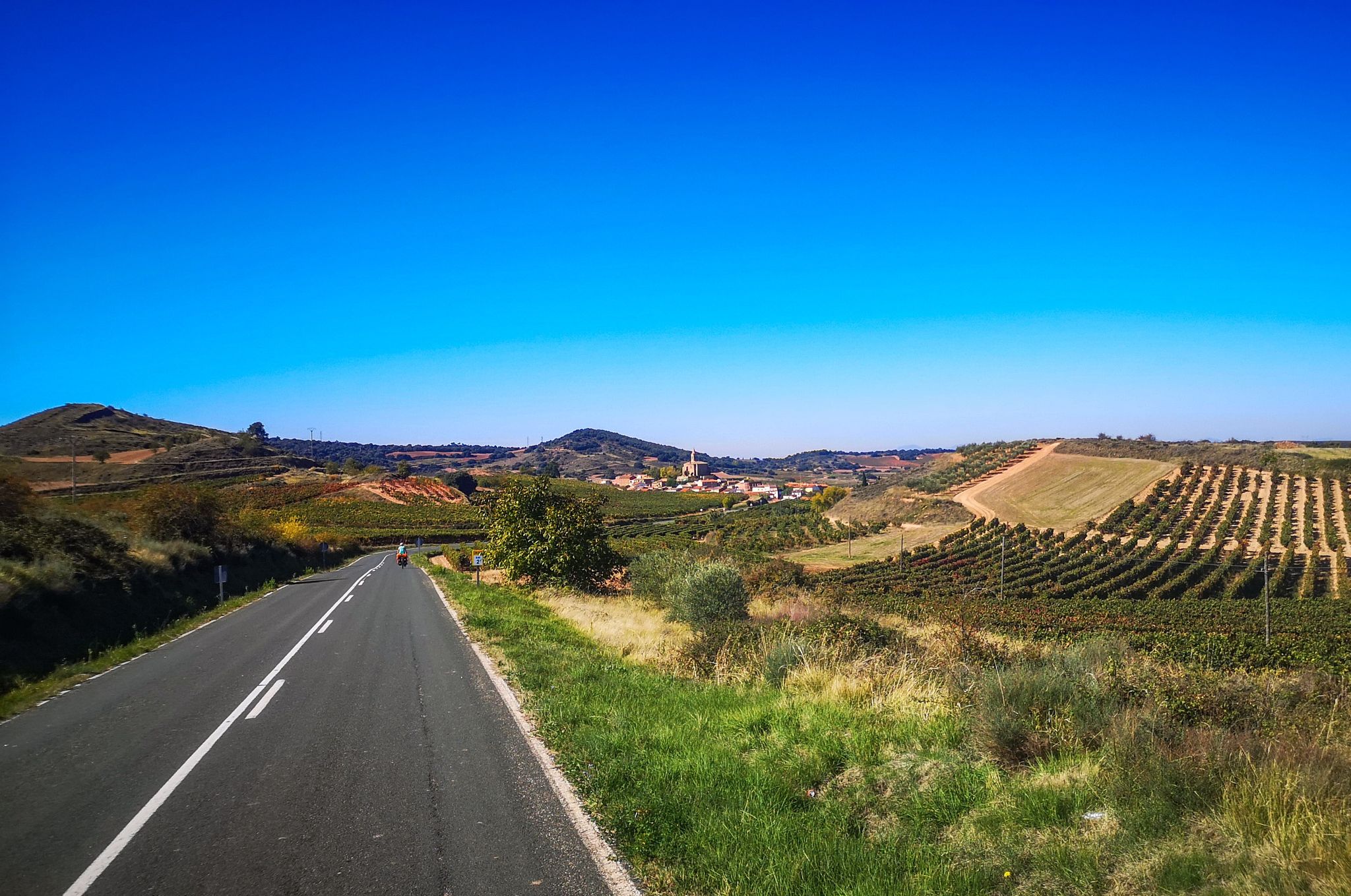
O Leboreiro, capital of the parish of Santa María do Castelo in north-western Spain, is located along the French Way of the pilgrimage to Santiago de Compostela.
4
0


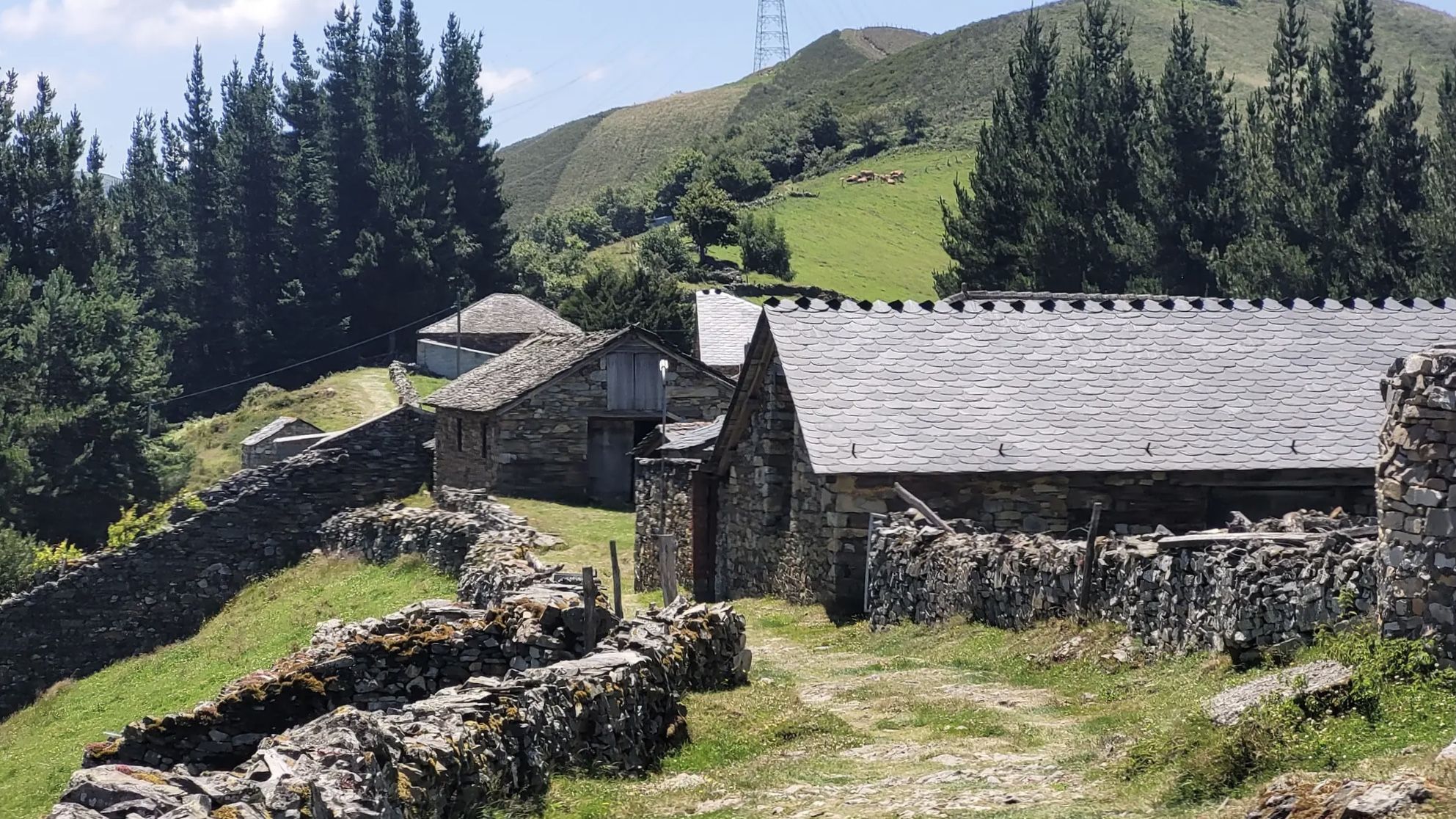
If you have the opportunity to explore this trail, you will enjoy the natural beauty and ecological richness of the area. Good hike! 🌿🚶♀️
4
0

Very beautiful bridge with wide stones. Ideal to pause for a moment
3
1

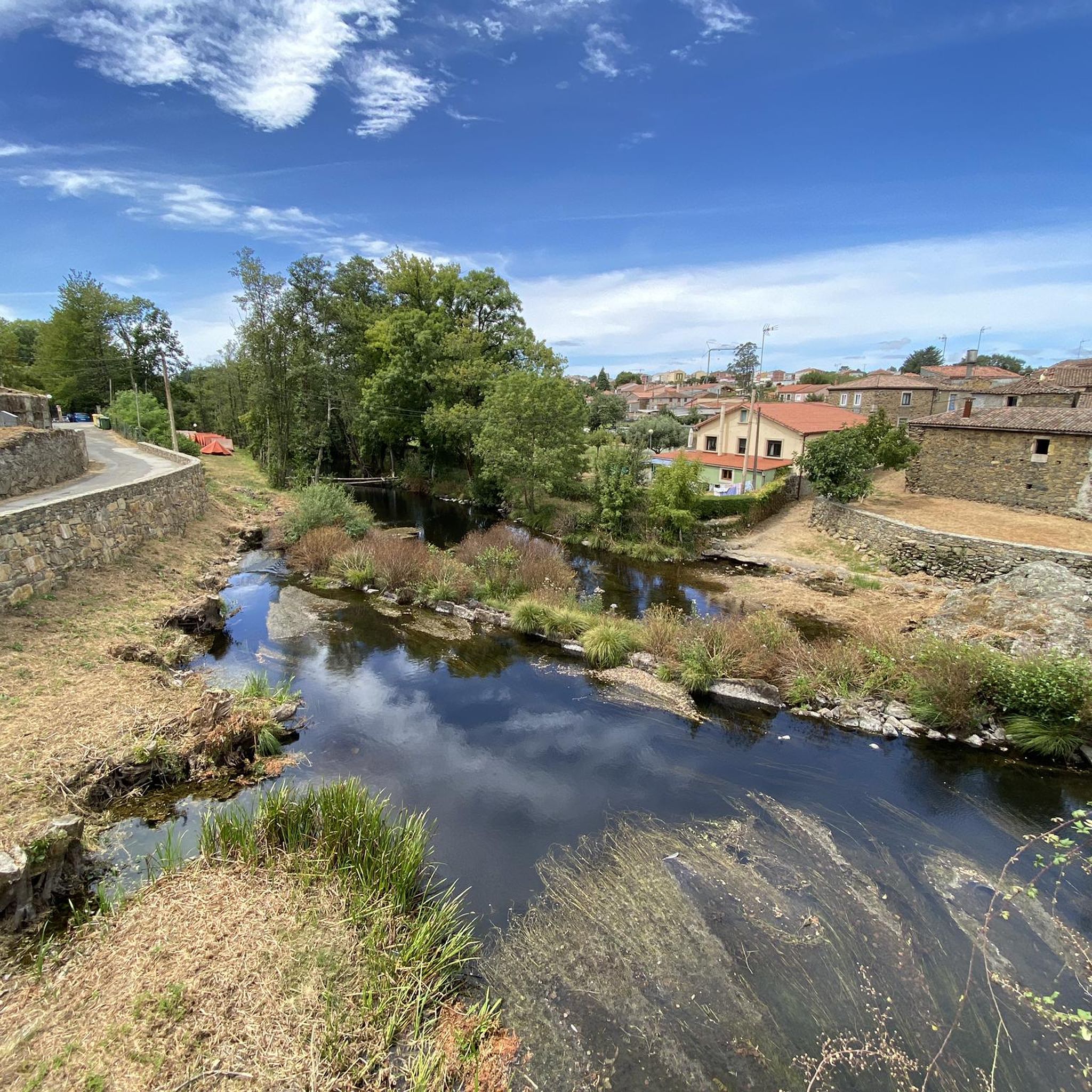
Beautiful area, if you walk various routes clockwise, you will encounter many pilgrims. Impressive to see
4
1

Small ancient church on approach to Melide
3
0

Frequently Asked Questions
What historical and cultural sites can I explore in Melide?
Melide, a significant stop on the Camino de Santiago, offers a rich array of historical and cultural sites. You can visit the 12th-century Church of Santa María in Melide, a National Monument known for its Romanesque style and Renaissance paintings. Other notable sites include the Capilla de San Roque, which incorporates a medieval façade, and the Museo da Terra de Melide, an ethnographic museum housed in a former pilgrims' hospital. Don't miss the Praza do Convento, home to several monuments, and the Convento Sancti Spiritu.
Where can I see medieval architecture in Melide?
Melide is renowned for its medieval architecture, particularly its bridges. The Roman Bridge of Furelos is considered an architectural jewel of the Camino de Santiago. Another beautiful example is the Ribadiso Medieval Bridge, located next to a recreational area. You can also find the oldest Gothic cross in Galicia near the Capilla de San Roque, and the Cruceiro de Melide, a 14th-century wayside cross with intricate carvings.
Are there natural areas or viewpoints to enjoy around Melide?
Yes, the surroundings of Melide offer several natural spots. You can visit the Stone bridge over the Catasol River, set amidst a lush forest of ash and alder trees, providing a scenic path. The Recreational Area of Furelos, near the medieval bridge, offers a river beach and picnic spots. For panoramic views over Melide, especially at night, head to Mirador O Castelo.
What kind of outdoor activities are available near Melide's attractions?
The area around Melide is excellent for various outdoor activities, especially cycling and mountain biking. You can find numerous routes for different skill levels. For mountain biking, explore trails like the 'Seco River Bridge – Miño River loop' or the 'Arzúa – Ribadiso Medieval Bridge loop'. Cycling enthusiasts can enjoy routes such as 'Melide - Arzua Return' or 'Ribadiso Medieval Bridge – Catasol Pass loop'. Road cyclists have options like 'Arzua - return via Embalse de Portodemouros'. You can find more details on these routes in the MTB Trails around Melide, Cycling around Melide, and Road Cycling Routes around Melide guides.
Are there family-friendly attractions in Melide?
Many attractions in Melide are suitable for families. The medieval bridges, such as the Roman Bridge of Furelos and the Ribadiso Medieval Bridge, offer pleasant walks and opportunities to cool off by the river. The Recreational Area of Furelos provides a river beach and picnic spots for relaxation. Exploring the Historic Centre with its cobbled streets can also be an enjoyable experience for all ages.
What local delicacies should I try in Melide?
Melide is famous for its gastronomy, particularly "Pulpo á Feira" (boiled octopus seasoned with olive oil and paprika), which is considered a local delicacy despite the town being inland. You should also try "melindres," traditional sweet pastries unique to the region. The town's culinary offerings are a significant part of the local experience.
What is the significance of Melide to the Camino de Santiago?
Melide holds immense significance for the Camino de Santiago as it is the point where the Camino Francés and Camino Primitivo converge. This makes it a crucial stop for pilgrims on their journey. The town's history is deeply intertwined with the Camino, evident in its medieval bridges, pilgrim hospitals (now museums), and the overall atmosphere. Many of its historical sites, like the Church of Santa María, have served pilgrims for centuries.
Is there a museum in Melide to learn about the local heritage?
Yes, the Museo da Terra de Melide (Museum of Melide Land) is an excellent place to learn about the region's heritage. It is housed in a former pilgrims' hospital, originally founded in 1375. The museum provides insights into the local history, the French Way of the Camino de Santiago, and displays ancient artifacts and photographs.
What do visitors enjoy most about the attractions around Melide?
Visitors particularly enjoy the historical significance and natural beauty of Melide's attractions. The medieval bridges, such as the Roman Bridge of Furelos and the Ribadiso Medieval Bridge, are highly appreciated for their charm and the opportunity they offer to cool off. The serene atmosphere of the Stone bridge over the Catasol River, surrounded by lush forest, is also a favorite for its pure air and scenic paths.
What festivals or events take place in Melide?
Melide hosts several cultural events throughout the year. The Corpus Christi Festival in June is notable for its streets adorned with flower carpets. In May, the Festa do Melindre celebrates the town's traditional pastry-making. The largest event is San Roque Melide, a week-long festival starting August 15th, which includes a lively Medieval Pilgrim Market.
Are there any wheelchair-accessible attractions in Melide?
While specific accessibility details for all attractions are not readily available, the Historic Centre of Melide with its cobbled streets might present challenges. However, some areas like the Praza do Convento, being a square, might offer easier navigation. For specific accessibility needs, it is recommended to contact the local tourism office directly for the most up-to-date information.
Can I find easy hiking trails near Melide?
Yes, while many routes around Melide are part of the Camino de Santiago and vary in difficulty, there are options for easier walks. The paths leading to and around the medieval bridges, such as the Roman Bridge of Furelos and the Ribadiso Medieval Bridge, are generally well-trodden and offer pleasant, less strenuous walks. The Recreational Area of Furelos also provides flat areas suitable for a leisurely stroll. For more detailed hiking options, you can explore the various routes available in the Komoot guides for the region.
Most popular attractions around Melide

Get inspired with the komoot mobile app


Explore more
Still not found the Highlight you’re looking for? See guides of the top attractions in other regions:
