Top 5 Castles around Montemolín
Best castles around Montemolín are found in a region characterized by its historical significance during the Reconquista. The area features medieval mountain castles, often built with robust stone walls adapted to the natural terrain of the Sierra Morena foothills. These structures offer insights into military architecture and strategic efforts of medieval Spain, providing panoramic views of the surrounding landscape. The region's castles, like the prominent Montemolín Castle, showcase a blend of Almohad and Christian influences.
Best castles around Montemolín
- The…
Last updated: June 29, 2026
Castle of the Towers
Highlight • Castle
Translated by Google •
Tip by

Castillo del Real de la Jara
Highlight • Castle
Translated by Google •
Tip by
Sign up now to discover places like this
Get recommendations on the best single tracks, peaks, & plenty of other exciting outdoor places.
Sign up for free
View of El Real de la Jara Castle
Highlight • Viewpoint
Translated by Google •
Tip by
Castillo de las Torres and Dehesa on the Vía de la Plata
Highlight (Segment) • Castle
Translated by Google •
Tip by

Montemolín
Highlight • Castle
Translated by Google •
Tip by

Start today with a free account
Your next adventure awaits.
Login or Signup

Tips from the Community

Section of the Camino de Santiago towards Monesterio.
0
1

The castle has a trapezoidal shape and has two gates and eight towers, three of which are semicircular. The main gate is located in the keep, to the south of the enclosure, while the secondary gate is on the opposite side. Both gates have been rebuilt with granite ashlar.
6
0
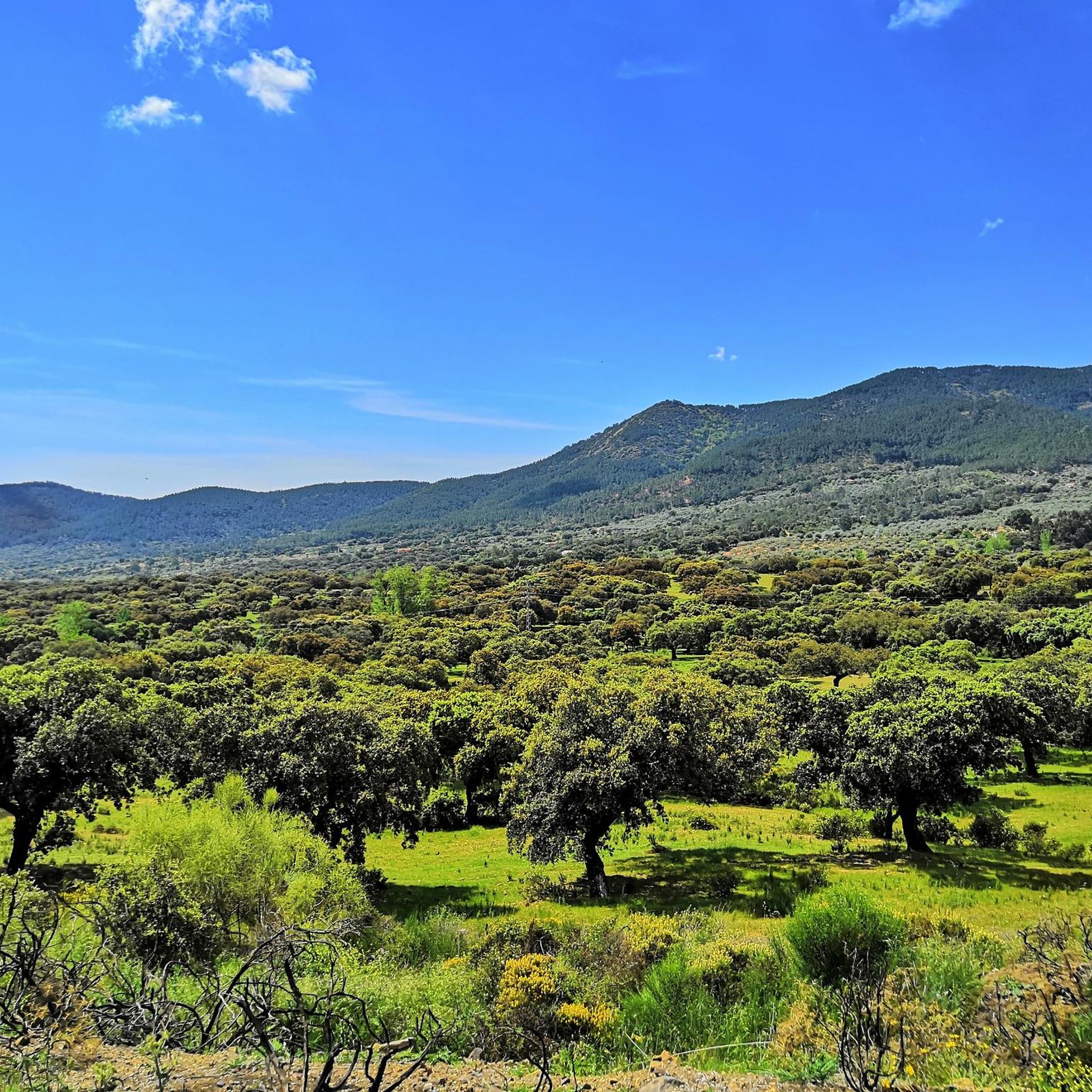
The view of El Real de la Jara Castle is one of the great scenic attractions of this charming town in the Sierra Norte of Seville.
4
1
The Real de la Jara Castle is located in the town of El Real de la Jara, in the province of Seville. This medieval castle occupies a strategic position atop a hill north of the town, making it an important defensive center during the Middle Ages.
6
0
El Real de la Jara Castle is a medieval fortress located in the municipality of El Real de la Jara, in the Sierra Norte de Sevilla. This castle has a rich history and offers a fascinating experience. You can join a guided tour to learn about the history of the castle, its architecture and its importance in the region.
5
0
The Castillo de las Torres is a fortress located in the municipality of Monesterio, in the province of Badajoz, Extremadura. It is believed that due to its typology it could date from the 15th or 16th century. This castle is located on a small rocky hill, near the Torres stream and the road that connects Monesterio with El Real de la Jara (old Camino de la Plata). Although it is in the municipality of Monesterio, it is only 1 kilometer from the town of El Real de la Jara in the province of Seville
6
0

This fortress is located on the outskirts of El Real de la Jara, very close to the Castillo de las Torres and almost on the natural border with Extremadura. It was built at the end of the 14th century, but a large part of the walls and towers still remain. You can visit the monumental interior from Tuesday to Sunday from 10:00 a.m. to 6:00 p.m.
3
1
This castle is located right on the border between Andalusia and Extremadura. Although its origin and purpose are not well defined, different studies confirm that it was built between the 15th and 16th centuries. From its three rounded towers it was possible to watch over the nearby Vía de la Plata.
3
0
Frequently Asked Questions
What historical significance do the castles around Montemolín hold?
The castles in the Montemolín region, particularly Montemolín Castle, played a crucial role during the Reconquista. They served as strategic outposts, monitoring and controlling pathways into the Iberian Peninsula, and witnessed numerous battles. These medieval mountain castles showcase a blend of Almohad and Christian architectural influences, reflecting the military strategies of their era.
What are some notable architectural features of Montemolín Castle?
Montemolín Castle features robust stone walls, primarily built from local granite, and an irregular rectangular layout adapted to the natural hill terrain. It includes thick defensive walls, a central keep, and several towers like the Miramontes Tower and the Homage Tower. Remnants of a barbican and narrow, winding pathways reflect its defensive design.
Are there other significant castles to visit near Montemolín?
Yes, beyond Montemolín Castle, you can explore other historical fortresses. The Castle of the Towers in Monesterio is believed to date from the 15th or 16th century and features three rounded towers. Another notable site is the Castillo de las Torres and Dehesa on the Vía de la Plata, a 13th-century castle that secured travel and pasture paths along the historic Vía de la Plata.
What kind of views can I expect from the castles in this region?
Due to their strategic hilltop locations, many castles, including Montemolín Castle, offer stunning panoramic views of the surrounding landscape. For example, the View of El Real de la Jara Castle provides a great scenic perspective of a historical fortress and the natural border with Extremadura.
What outdoor activities can I do near the castles around Montemolín?
The Montemolín area offers various outdoor activities. You can find numerous hiking and cycling routes. For instance, there are moderate to difficult hiking trails like the Sierra Morena Trail, and MTB trails such as the Cerro de Tentudia loop. Road cyclists can also find routes like the Subida Monasterio de Tentudia.
Are the castles around Montemolín accessible for everyone?
While the castles offer rich historical experiences, visitors should be aware of the terrain. Montemolín Castle, for example, is in a ruinous state, and the terrain inside can be uneven, making it less recommended for individuals with mobility issues. It's always advisable to check specific accessibility details for each site before visiting.
What is the best time of year to visit the castles in Montemolín?
The Montemolín region experiences hot summers and mild winters. The best time to visit the castles is typically during the spring (April to June) or autumn (September to October) when the weather is milder and more comfortable for exploring outdoor historical sites and enjoying the panoramic views.
Are there any family-friendly activities or considerations when visiting the castles?
While the castles themselves are historical ruins, the surrounding areas often provide opportunities for family-friendly walks and exploration. The historical context can be engaging for older children. However, due to uneven terrain at sites like Montemolín Castle, direct access within the ruins might be challenging for very young children or strollers.
Can I bring my dog to the castle areas?
Many outdoor areas and trails around the castles are generally dog-friendly, especially for walks in the natural surroundings. However, specific rules regarding dogs within the castle ruins or enclosed historical sites can vary. It's best to check local regulations or signage at each specific castle site.
How can I access Montemolín Castle?
Montemolín Castle is not always openly accessible. Keys can sometimes be obtained from the town hall or local bars in Montemolín for a visit. It's recommended to inquire locally upon arrival for the most current access information.
What amenities are available near the castles, such as cafes or accommodation?
The town of Montemolín and nearby municipalities like Monesterio and El Real de la Jara offer various amenities. You can find local cafes, restaurants, and accommodation options in these towns to support your visit to the castles. It's advisable to check availability and opening hours in advance, especially in smaller villages.
What makes the castles around Montemolín unique compared to other regions?
The castles in the Montemolín area are unique for their strong connection to the Reconquista era in the Sierra Morena foothills. They often feature a distinctive medieval mountain architectural style, built from local granite and adapted to rugged terrain. Their blend of Almohad and Christian influences and their role as strategic defensive structures provide a rich historical narrative specific to this border region of Extremadura and Andalusia.
Most popular routes around Montemolín
Most popular attractions around Montemolín

Get inspired with the komoot mobile app


Explore more
Looking for the best castles somewhere else? Discover other guides around Montemolín:
