Attractions and Places To See around Haro - Top 20
Attractions and places to see around Haro are largely centered on its role as the wine capital of La Rioja. The region features historical landmarks, cultural sites, and natural beauty, largely influenced by its renowned wine industry. Haro's historic city center, declared a historic and artistic site, offers a medieval core with traditional buildings. Natural features like the Gardens of La Vega and the Tirón River provide green spaces and scenic views.
Best attractions and places to see around Haro
- The most popular attractions is Haro, a settlement that serves as the wine capital of La Rioja Alta. Its numerous monuments testify to the historical importance of this region.
- Another must-see spot is Puente de Cihuri, a bridge of Roman origin rebuilt in the Middle Ages. This structure features two semicircular arches and one pointed arch, and is a monument of cultural interest.
- Visitors also love Berganzo Village, a settlement located in the Sierra de Cantabria. The Inglares River divides the town into two neighborhoods, linked by two simple bridges.
- Haro is known for its historical sites, natural features, and cultural attractions. Visitors can explore ancient bridges, charming villages, and areas significant to the region's wine heritage.
- The attractions around Haro are appreciated by the komoot community, with 19 highlights and 22 photos available to explore. These spots have collectively received 72 upvotes from visitors.
Last updated: August 30, 2026
Haro
Highlight • Settlement
Haro is the birthplace of many of the most famous wineries of the Rioja designation of origin. Its numerous monuments testify to the historical importance of this region.
Translated by Google •
Tip by

Haro
Highlight • Settlement
Translated by Google •
Tip by
Sign up now to discover places like this
Get recommendations on the best single tracks, peaks, & plenty of other exciting outdoor places.
Sign up for free
Puente de Cihuri
Highlight • Bridge
The bridge was built during the century and redone in the Middle Ages to maintain its great beauty. Over time, different restorations have been carried out to maintain its functionality.
Next to the bridge stands the Priory house, a Baroque building from the mid-17th century.
Translated by Google •
Tip by

San Vicente de la Sonsierra Fortress Castle
Highlight • Castle
Translated by Google •
Tip by

Berganzo Village
Highlight • Settlement
Translated by Google •
Tip by

Sign up for free to discover even more attractions around Haro.
Sign up for free
Already have an account?
Start today with a free account
Your next adventure awaits.
Login or Signup


Tips from the Community


Haro is the wine capital of Rioja. It is the headquarters of the regulatory council of the Rioja wine designation of origin. It has a vibrant atmosphere all year round and in its many bars and wineries you can drink good Rioja wine.
1
0

Berganzo is a town in Álava well known in the hiking environment for the Water Route or “Berganzoko ur bidea”, a route of about ten kilometers through the waterfalls and river wonders of the Inglares River. In the town there are route signs everywhere, it even has a private parking lot. The Toloño path begins on the outskirts of the town, towards the town of Peñacerrada, in a small parking lot with some waste containers. At the beginning of the route there are signs for the Water Route and the long-distance trail GR-1 Historic Trail. One kilometer from the exit a fork appears, the Water Route continues on the left and the Toloño path on the right, common with the GR-1 itinerary.
0
0

The Castillo fortaleza de San Vicente de la Sonsierra is an impressive medieval castle that rises above the River Ebro. It was built in the 12th century by the Kingdom of Navarre to defend its border with Castile. It was part of a defense line connecting Laguardia and Labastida, and was the largest fortress in Navarre on the Ebro. The castle has a semi-circular shape that adapts to the rock on which it stands. It consists of three walled areas: the albacar, where the houses of the old town stood, the cortijo, where the parish church, the chapel of San Juan and the cemetery are, and the castle itself, with the keep and the bell tower. The castle lost its military importance after the annexation of Navarre by Castile in 1512, and was later used as a quarry and rubbish dump. In the 20th century, people began to realize its historical and artistic value, and several restoration projects were carried out. The castle is now a monument of cultural interest and a tourist attraction
1
0
Puente de Cihuri is a bridge over the Tirón River in the municipality of Cihuri, in the autonomous community of La Rioja, Spain. The bridge is of Roman origin and was rebuilt in the Middle Ages. It has been a monument of cultural interest since 1982. The name of the place means “the villa of the bridge” in Basque. The bridge is located next to the Priorate, a 17th century building that belonged to the Monastery of San Millán de la Cogolla. Cihuri is a small village with about 200 inhabitants. It has a church dedicated to San Juan Bautista and an archaeological site with a spring and wash houses used for wool processing.
2
0

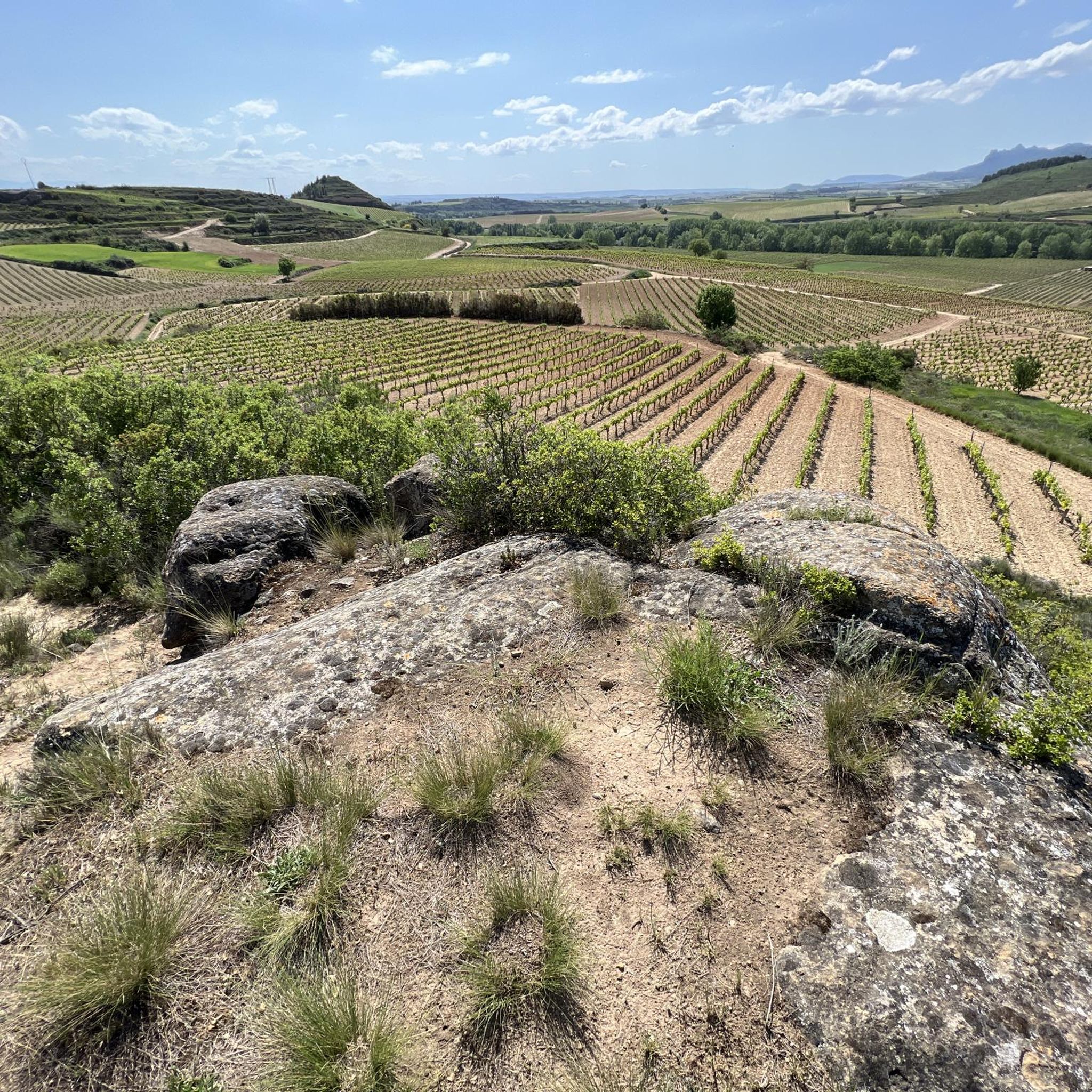
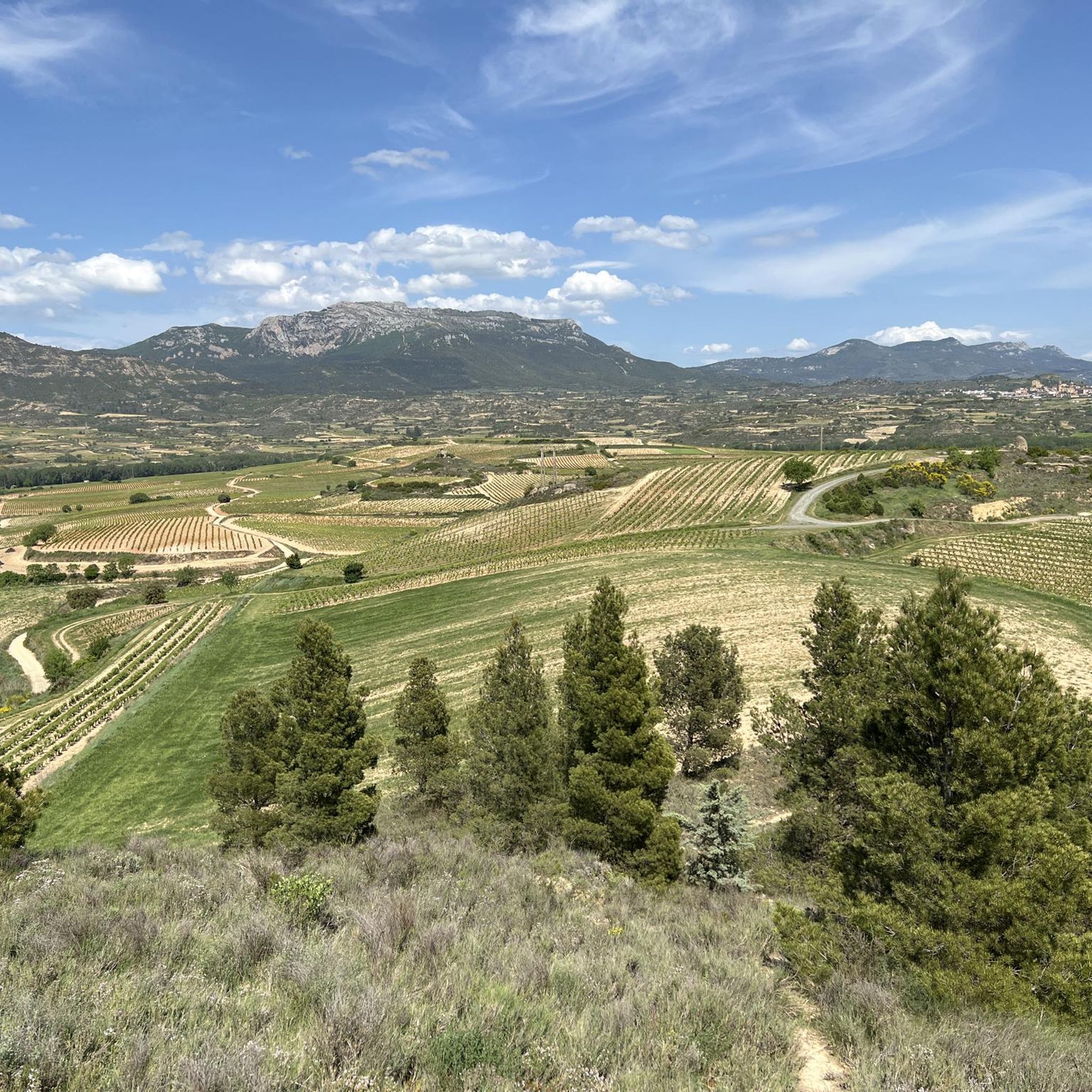
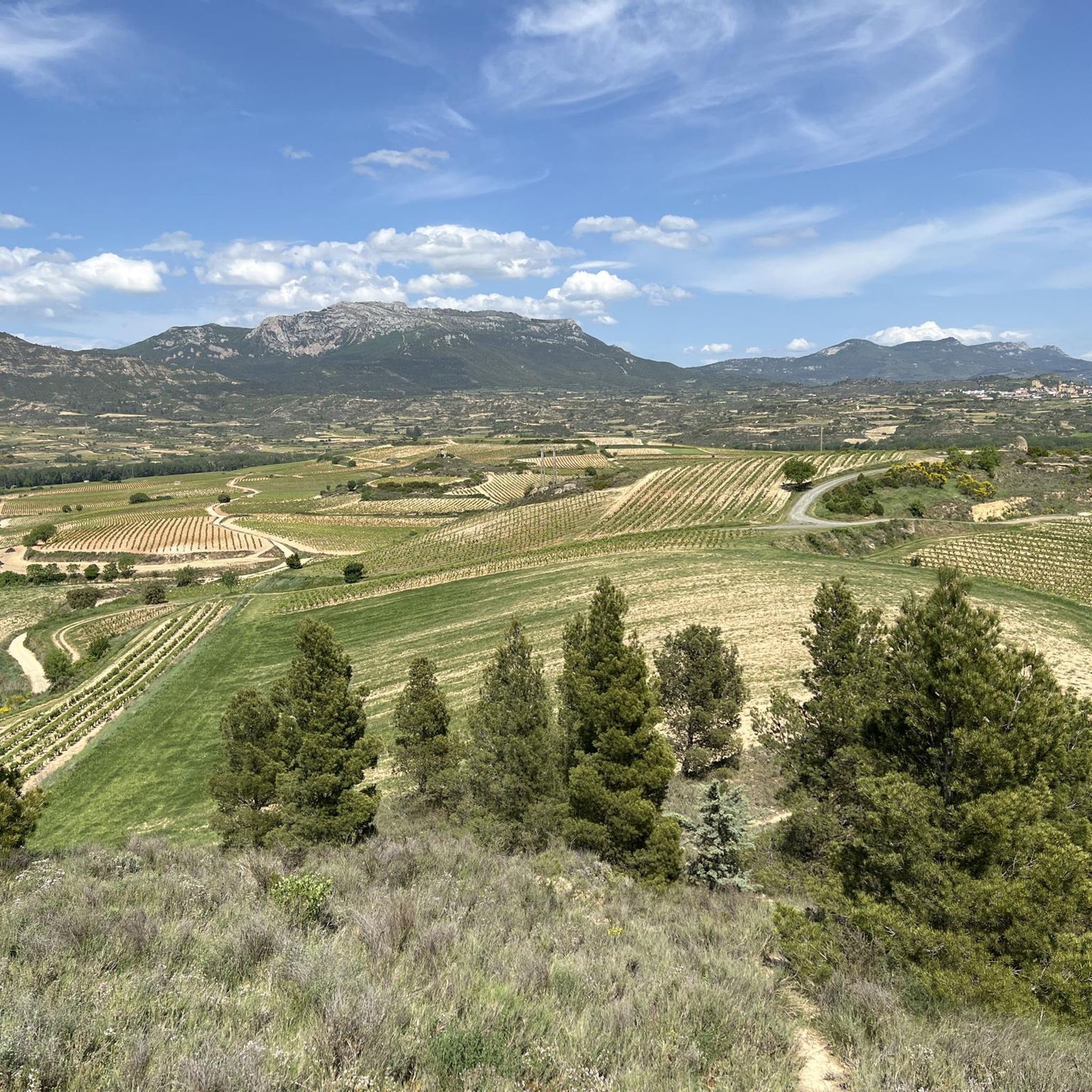
The panoramic view of the Rioja is wonderful. Below you can also see a medieval bridge over the Ebro.
3
0
Almost all Rioja wineries are actually represented in Haro. So you can also taste a lot.
3
0
Haro is the wine-growing center of the Rioja Alta The only attractive thing is the quiet old town, located on a hill above the central Plaza de la Paz. In June there is the wine battle “Batalla del Vino”. The church Iglesia Santo Tomas is worth seeing. Built between the 15th and 17th centuries, it shows various architectural styles from Gothic to Baroque. The Plateresque portal is particularly impressive.
4
1
Frequently Asked Questions
What historical sites can I explore in Haro?
Haro, declared a historic and artistic site, offers a rich history. You can visit the elegant 18th-century Town Hall in Plaza de la Paz, the impressive Parish Church of Santo Tomás with its Plateresque façade, and the Baroque Basilica of Nuestra Señora de la Vega. Don't miss the 16th-century Bendaña Palace, which now houses the tourist office. Further afield, the magnificent Sajazarra Castle, a 15th-century fortress and palace, is also a must-see.
Where can I experience Haro's famous wine culture?
Haro is renowned as the wine capital of La Rioja. The best place to experience this is in the Barrio de la Estación (Station District), which boasts the world's largest concentration of century-old wineries like Muga, Roda, and La Rioja Alta, offering tours and tastings. You can also visit the Haro Oenological Station, which includes a Wine Museum, or explore the Museo del Vino to learn about the region's winemaking traditions.
Are there any natural attractions or viewpoints near Haro?
Yes, Haro offers several natural spots and scenic viewpoints. You can enjoy a stroll through the pleasant Gardens of La Vega or Iturrimurri Park, which offers magnificent views of the river. For panoramic vistas, head to the Pardo Viewpoint on Calle Siervas de Jesús, overlooking the railway tracks and the Ebro River. The Riscos de Bilibio, about 6km from Haro, also provide spectacular views and are home to the Hermitage of San Felices.
What family-friendly activities are available around Haro?
Families can enjoy several attractions. The Gardens of La Vega and Iturrimurri Park offer green spaces with playgrounds for children. Exploring the historic city center of Haro with its medieval core and charming alleys is also a pleasant activity. Additionally, the El Viano Natural Bathing Area provides a picnic spot and a path along the Tirón River, perfect for a relaxing family outing.
Where can I find unique cultural experiences in Haro?
Beyond wine, Haro offers unique cultural experiences. The historic quarter of La Herradura is known for its vibrant atmosphere, perfect for enjoying local pinchos and Rioja wines. Haro also functions as an 'open-air museum' with bronze statues and murals depicting winemaking and local life throughout the town. If you visit on June 29th, you can witness the unique 'Wine Battle' (Batalla del Vino), a festival of national tourist interest.
Are there cycling routes available near Haro's attractions?
Absolutely! Haro is a great base for cycling. You can find various routes, including the 'The vineyards and villages of the Ebro River Bank – circular from Haro' which is a moderate 27 km ride. For more options, explore the Cycling around Haro guide, which features routes of varying difficulties, including those passing through charming villages and scenic landscapes.
What kind of hiking or running trails are there around Haro?
Haro offers several trails for hiking and running. You can find moderate running trails like the 'Carabriñas loop from Barrio de La Estación' (7.7 km) or longer, more challenging options such as the 'La Rioja Viewpoint – Haro loop from Haro' (35.6 km). For a comprehensive list of routes, check out the Running Trails around Haro guide.
What is the significance of <a href="https://www.komoot.com/highlight/3692683" target="_blank" rel="noopener">Puente de Cihuri</a>?
Puente de Cihuri is a beautiful Roman bridge crossing the Tirón River, rebuilt in the Middle Ages. It's an Asset of Cultural Interest, featuring two semicircular arches and one pointed arch. It's a popular spot for locals, especially in summer, and is located next to the Priory house, a Baroque building from the mid-17th century.
What can I expect when visiting <a href="https://www.komoot.com/highlight/5474818" target="_blank" rel="noopener">Berganzo Village</a>?
Berganzo Village is nestled in the Sierra de Cantabria and is divided into two neighborhoods by the Inglares River, connected by simple bridges. It's known as the beginning of a water route and is part of a beautiful route of castles. The village offers a glimpse into traditional life amidst scenic natural surroundings.
What is the best time of year to visit Haro for sightseeing and outdoor activities?
The best time to visit Haro for sightseeing and outdoor activities is generally during the spring (April to June) and autumn (September to October). During these months, the weather is pleasant for exploring the vineyards, historic sites, and enjoying cycling or running trails. Summer can be warm, especially in July and August, but it's also when the famous Wine Battle takes place.
Are there any hidden gems or less-known spots worth visiting near Haro?
Beyond the main attractions, consider exploring the charming medieval core of Haro's historic city center, which is full of traditional buildings and alleys. The Torreón Museum, next to the Arch of San Bernardo, offers contemporary art exhibitions and panoramic views from its tower. The El Viano Natural Bathing Area is also a peaceful spot along the Tirón River, perfect for a quiet escape.
Most popular attractions around Haro

Get inspired with the komoot mobile app


Explore more
Still not found the Highlight you’re looking for? See guides of the top attractions in other regions:
