Attractions and Places To See around San Bartolomé - Top 20
Best attractions and places to see around San Bartolomé include a blend of cultural heritage, unique natural landscapes, and historical points of interest in the heart of Lanzarote. This municipality is characterized by its agricultural roots and the significant influence of artist César Manrique. The region features distinctive volcanic terrain, vast plains of marine sand, and a serene coastline. It offers insights into traditional Canarian life and geological formations.
Best attractions and places to see around San Bartolomé
- The most…
Last updated: July 6, 2026
Caldera Blanca
Highlight • Volcano
Translated by Google •
Tip by

La Caldereta Crater
Highlight • Volcano
Translated by Google •
Tip by
Sign up now to discover places like this
Get recommendations on the best single tracks, peaks, & plenty of other exciting outdoor places.
Sign up for free
Islet and Caldera Blanca Trail
Highlight (Segment) • Volcano
Translated by Google •
Tip by
Timanfaya National Park
Highlight • Volcano
Translated by Google •
Tip by

Timanfaya National Park Entrance
Highlight • Volcano
Translated by Google •
Tip by

Sign up for free to discover even more attractions around San Bartolomé.
Sign up for free
Already have an account?
Start today with a free account
Your next adventure awaits.
Login or Signup

Tips from the Community


Such a crater is impressive and it is worth walking along the top
0
0
Such a crater is impressive and it is worth walking along the top
0
0


The volcanic crater of the smaller subsidiary volcano of the Caldera Blanca is also worth seeing
1
0

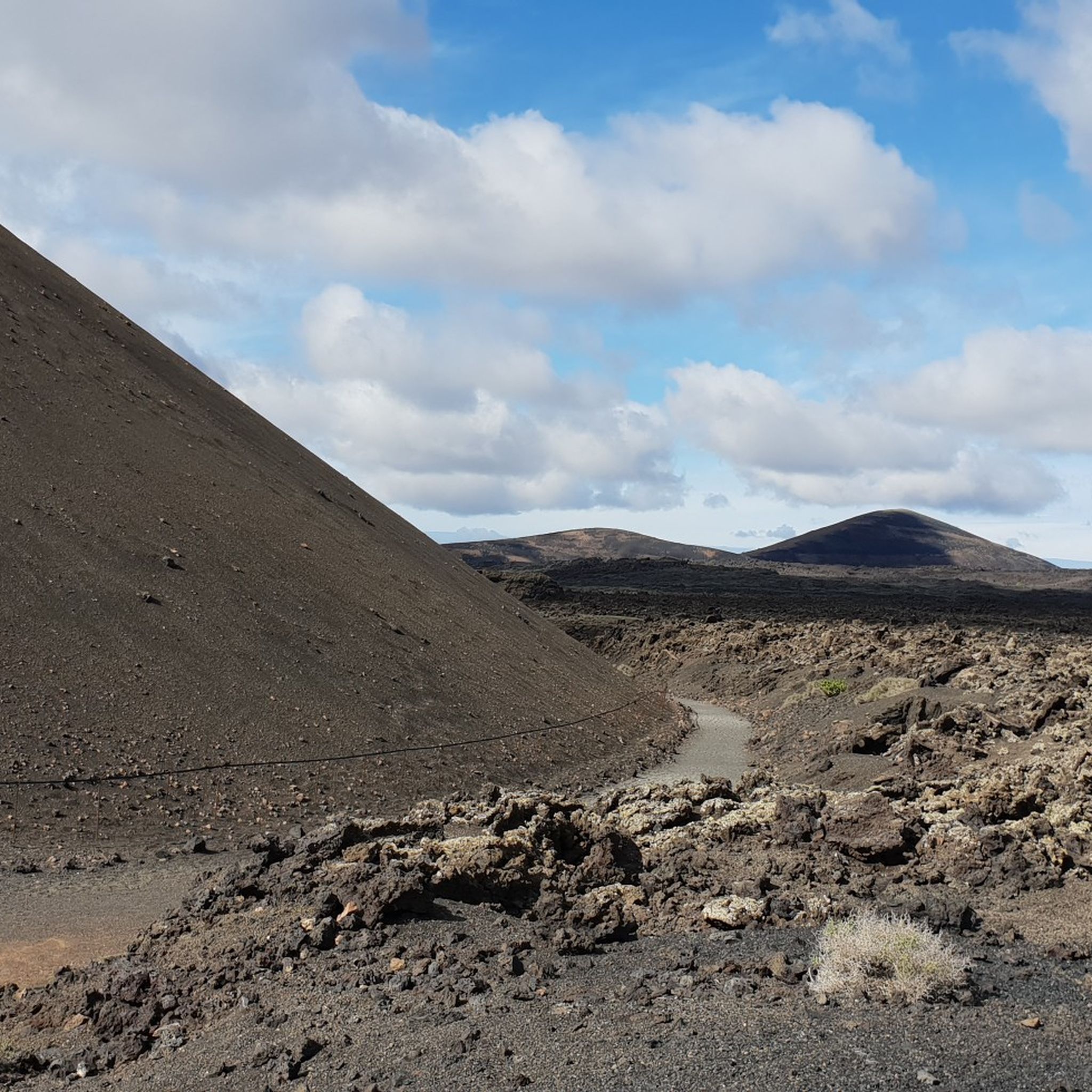
A special place, with impressive views and a curious history of geological formation in which two volcanic episodes are mixed. You can skirt the entire caldera, although the last section is a little more exposed and you can avoid it by going down to the path again. By the way, the caldera is more than a kilometer in diameter!
6
1
It is easy to understand the traditional name of this path when you see yourself surrounded by a sea of black lava and your destination is two literal islets. An almost lunar experience in which life is present in the form of centuries-old lichens that sprout on the stones despite the harsh conditions. The path is simple, but it is necessary to wear appropriate footwear and be protected from the sun and carry water, and it is advisable to go early in any case.
6
0
This is the first volcanic cone you encounter on the route. Its highest part is 325 meters above sea level and its caldera measures 300 meters in diameter. Its shape is somewhat oval and has an opening, which facilitates access to the bottom of the crater. For this reason, agriculture and livestock farming was practiced inside until the mid-20th century, since the craters accumulate more water and result in more fertile land than the outside.
8
1
Frequently Asked Questions
What unique natural landscapes can I explore in San Bartolomé?
San Bartolomé is renowned for its volcanic landscapes and unique agricultural areas. You can explore the impressive Caldera Blanca, a volcano with a caldera over a kilometer in diameter offering stunning views. Another notable volcanic site is La Caldereta Crater, historically used for agriculture due to its fertile interior. Don't miss the unique vineyards of the La Geria Wine Region, where grapevines are cultivated in ash-filled pits, creating a distinctive lunar terrain.
What cultural and historical sites are there to visit in San Bartolomé?
San Bartolomé offers a rich cultural heritage. You can visit the Monumento al Campesino and Casa Museo del Campesino, a tribute to Lanzarote's agricultural workers by César Manrique, featuring a museum, artisan workshops, and traditional cuisine. The Tanit Ethnographic Museum showcases local customs and artifacts, while the El Grifo Wine Museum, the Canary Islands' oldest winery, offers insights into historical wine production and tastings. The elegant 18th-century Church of San Bartolomé is also a central landmark.
Are there any family-friendly attractions in San Bartolomé?
Yes, San Bartolomé has options for families. The Caldera of the Crows is a family-friendly volcano where you can comfortably access the interior of the caldera. Playa Honda offers one of the island's largest and most tranquil beaches with calm waters, ideal for families. For a bit of thrill, there's also a large karting track located between San Bartolomé and Playa Honda.
What kind of outdoor activities and routes are available near San Bartolomé?
The area around San Bartolomé is excellent for outdoor enthusiasts. You can find various routes for different sports. For hiking, explore trails like the Las Grietas Slot Canyon – Montaña Blanca loop. Mountain biking is popular, with routes such as the Lava Field Trail Lanzarote – Los Volcanes Natural Park loop. There are also several running trails, including coastal paths near Playa Honda.
Where can I experience the unique volcanic terrain up close?
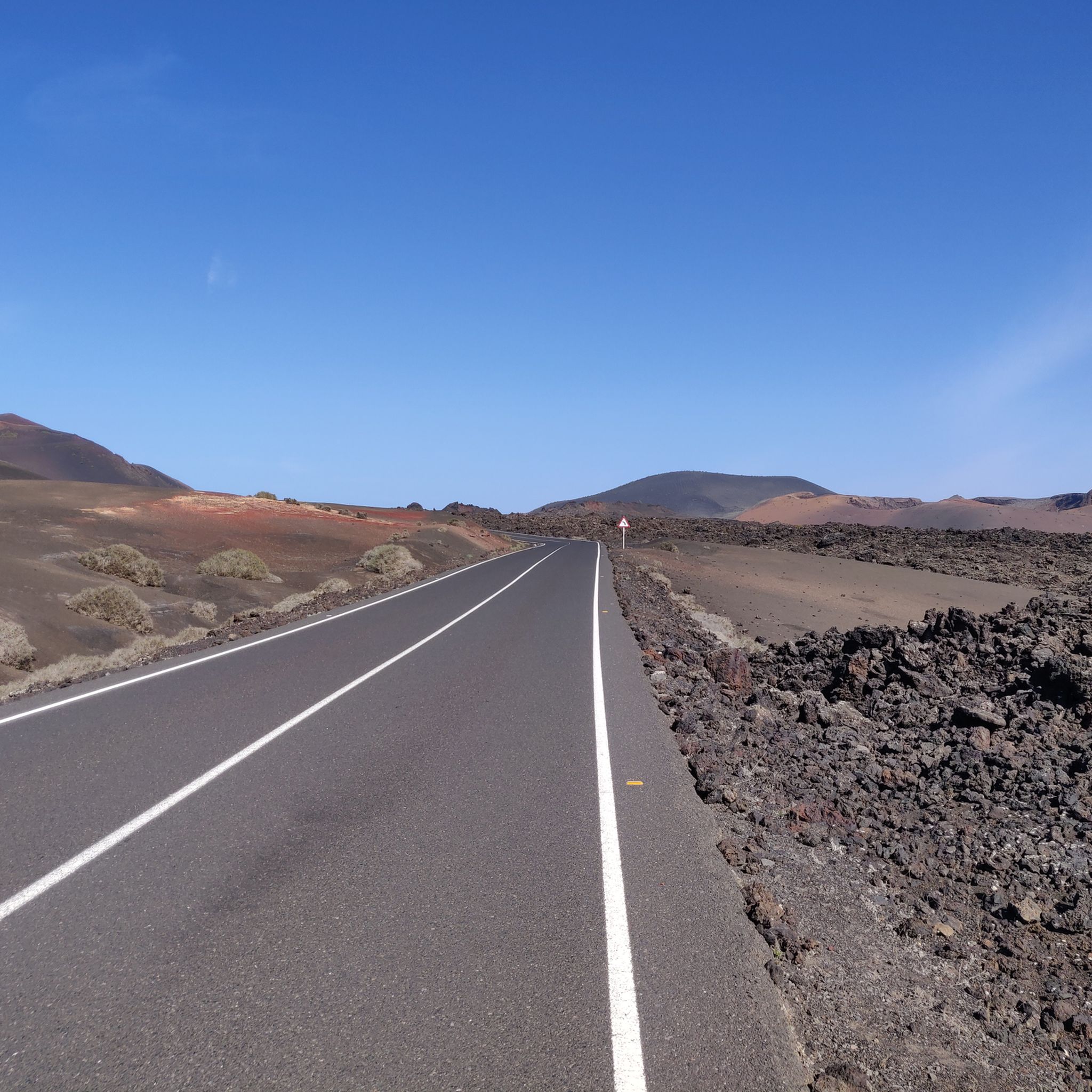
To experience the volcanic terrain up close, consider hiking the Islet and Caldera Blanca Trail. This path takes you through a sea of black lava towards two literal islets, offering an almost lunar experience. The Timanfaya National Park, though partly outside San Bartolomé, is also easily accessible and features an impressive volcanic landscape with open volcanic outlets and scenic routes.
What is the best way to learn about Lanzarote's agricultural history?
To learn about Lanzarote's agricultural history, visit the Monumento al Campesino and Casa Museo del Campesino. This complex provides deep insights into the island's ethnographic heritage, showcasing ancient tools and the traditional Canarian farmstead. Additionally, the La Geria Wine Region offers a living example of unique agricultural practices, with its distinctive ash-filled vineyards.
Are there any quiet beaches in San Bartolomé?
Yes, Playa Honda is San Bartolomé's serene coastal gem. It boasts one of the island's largest and most tranquil beaches, characterized by golden sands and calm waters. Its charming seafront promenade is lined with restaurants and shops, offering a more authentic local atmosphere compared to more bustling tourist spots.
What do visitors enjoy most about the volcanic attractions?
Visitors frequently praise the impressive views and unique geological history of the volcanic sites. For instance, the view into the crater of Caldera Blanca is described as sensational. The color contrasts, from red to black and beige to brown, at places like La Caldereta Crater, are also highly appreciated. Many find the experience of being surrounded by lava fields, as on the Islet and Caldera Blanca Trail, to be an almost lunar and captivating experience.
Can I find traditional Canarian food and crafts in San Bartolomé?
Absolutely. The Casa Museo del Campesino not only offers insights into traditional life but also features a restaurant serving traditional Canarian cuisine and hosts artisan workshops. The Casa Ajei (La Casa de La Cultura Ajei), a refurbished 18th-century manor, functions as an arts center and supports local folk artists and groups, often exhibiting traditional tools.
What is the significance of the Zonzamas Agricultural Landscape?
The Zonzamas Agricultural Landscape holds significant archaeological importance. It contains remnants of one of Lanzarote's most prominent pre-Hispanic settlements, including the Cueva de Zonzamas, which is believed to have been an ancient aboriginal chief's residence. It offers a glimpse into the island's earliest human history.
Are there opportunities for cycling in San Bartolomé?
Yes, the region provides access to well-designed cycling routes amidst scenic surroundings. You can find various MTB trails, including routes that take you through the Lava Field Trail or towards the vineyards of La Geria. The roads around Timanfaya National Park are also popular for cycling, offering impressive landscapes.
What are the Plains of El Jable known for?
To the north of San Bartolomé, the Plains of El Jable are vast expanses of marine sand, formed from decomposed shells carried by trade winds. This fertile land is particularly known for its cultivation of sweet potatoes, showcasing another unique aspect of Lanzarote's agriculture.
Most popular routes around San Bartolomé
Most popular attractions around San Bartolomé

Get inspired with the komoot mobile app


Explore more
Still not found the Highlight you’re looking for? See guides of the top attractions in other regions:
