Attractions and Places To See around Cotobade - Top 20
Best attractions and places to see around Cotobade, now part of the Cerdedo-Cotobade municipality, offer a blend of natural beauty, historical landmarks, and cultural sites in Pontevedra, Galicia. The region is characterized by its serene river landscapes, including the Lérez and Almofrei rivers, and mountainous areas like Mount Seixo. Visitors can explore ancient rock art, significant religious architecture, and traditional Galician heritage.
Best attractions and places to see around Cotobade
- The most popular attractions is Río Tomeza Riverside Trail,…
Last updated: June 22, 2026
Río Tomeza Riverside Trail
Highlight (Segment) • Trail
Translated by Google •
Tip by

Church of the Pilgrim Virgin (Iglesia de la Virgen Peregrina)
Highlight • Religious Site
Translated by Google •
Tip by
Sign up now to discover places like this
Get recommendations on the best single tracks, peaks, & plenty of other exciting outdoor places.
Sign up for free
Camino de Santiago Milestone – Km 60
Highlight • Monument
Yellow arrows: These arrows will guide you throughout the entire route. They indicate the direction to follow, especially at crossroads. …
Translated by Google •
Tip by

Ponte do Burgo
Highlight • Bridge
Translated by Google •
Tip by
Vineyard and Forest Path
Highlight (Segment) • Trail
Translated by Google •
Tip by
Sign up for free to discover even more attractions around Cotobade.
Sign up for free
Already have an account?
Start today with a free account
Your next adventure awaits.
Login or Signup

Tips from the Community

really beautiful pilgrimage route 🤙
1
1

Very pleasant and beautiful cathedral. Pilgrim mass at 7:30 p.m.
2
0
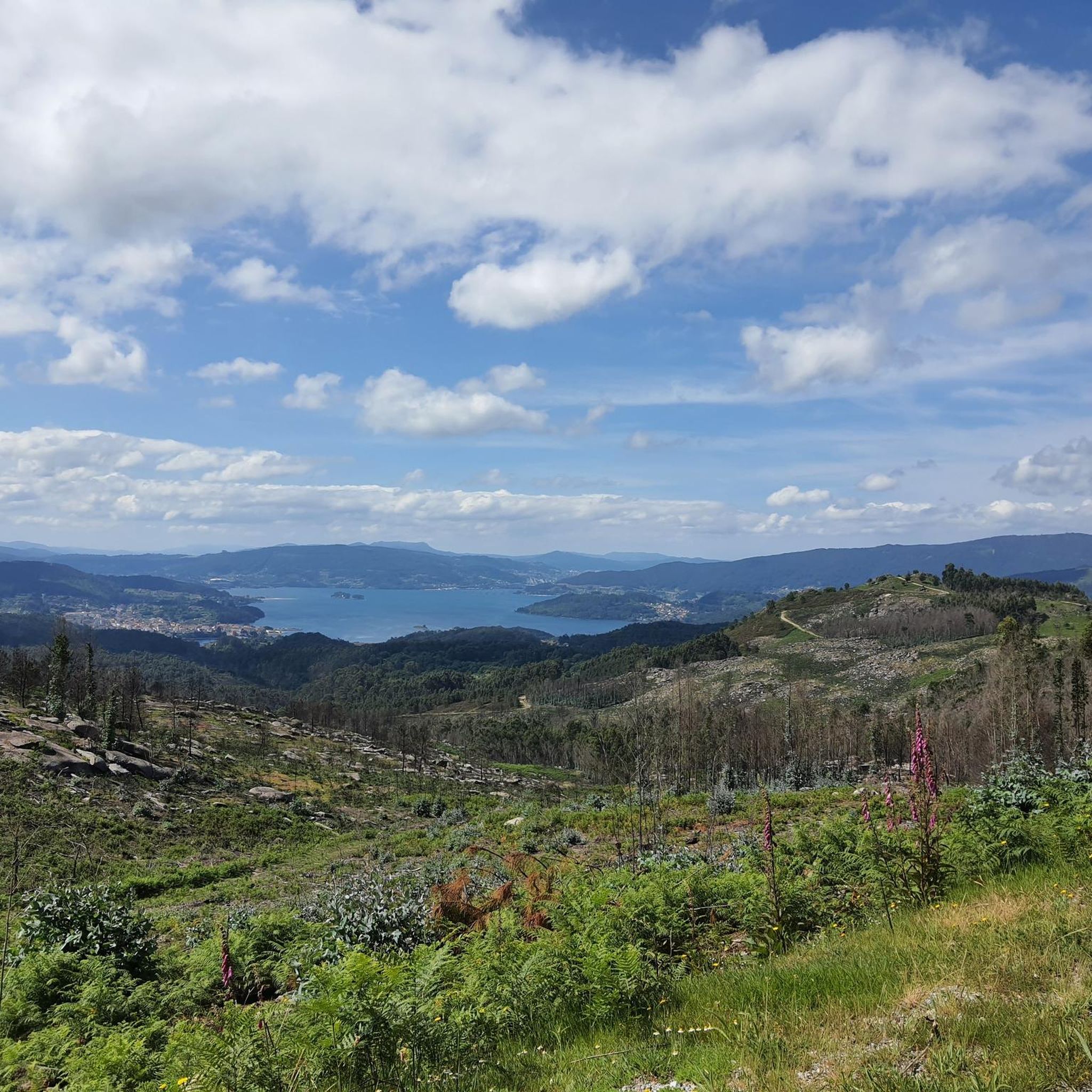
The goal is the path.
1
1
The nice thing is that you don't need navigation.
0
1
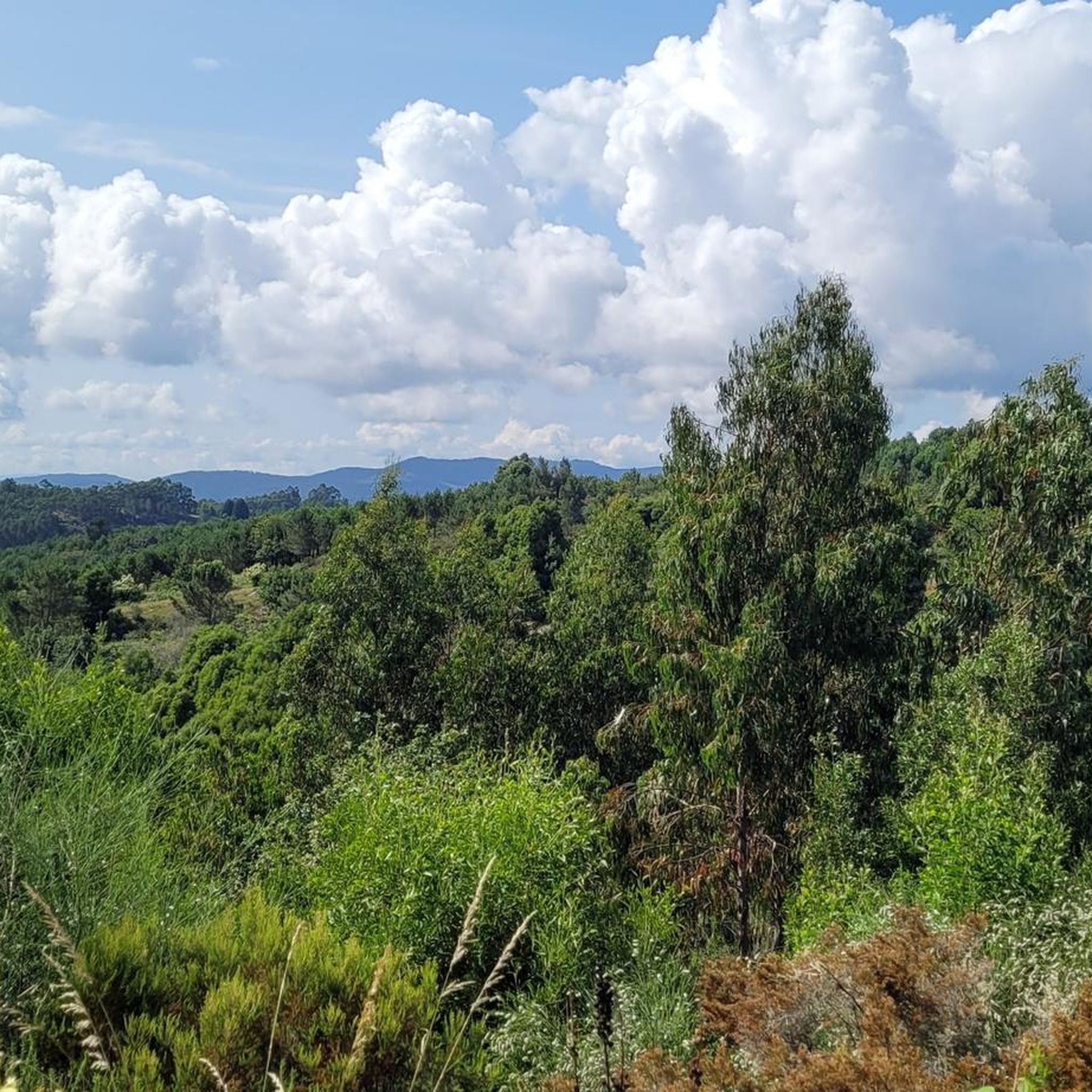
Enjoy the fresh air in the shade of the vines.
2
0

Signage on the Camino de Santiago is essential for pilgrims. Yellow arrows: These arrows will guide you throughout the entire route. They indicate the direction to follow, especially at crossroads. The yellow color is due to the contribution of the parish priest Elías Valiña, a key figure in the resurgence of the Camino de Santiago in the 20th century. Cairns or milestones: These concrete blocks include an arrow, a yellow shell on a blue background and the distance in kilometers to Santiago de Compostela. You will find them every 500 meters in Galicia. Scallop shells: In addition to being drawn on the markers, scallop shells are distributed throughout the Camino. They are universal symbols and have been carried by pilgrims for centuries. The open part of the shell indicates the direction towards Santiago. Good way! 🚶♂️🌟
7
0
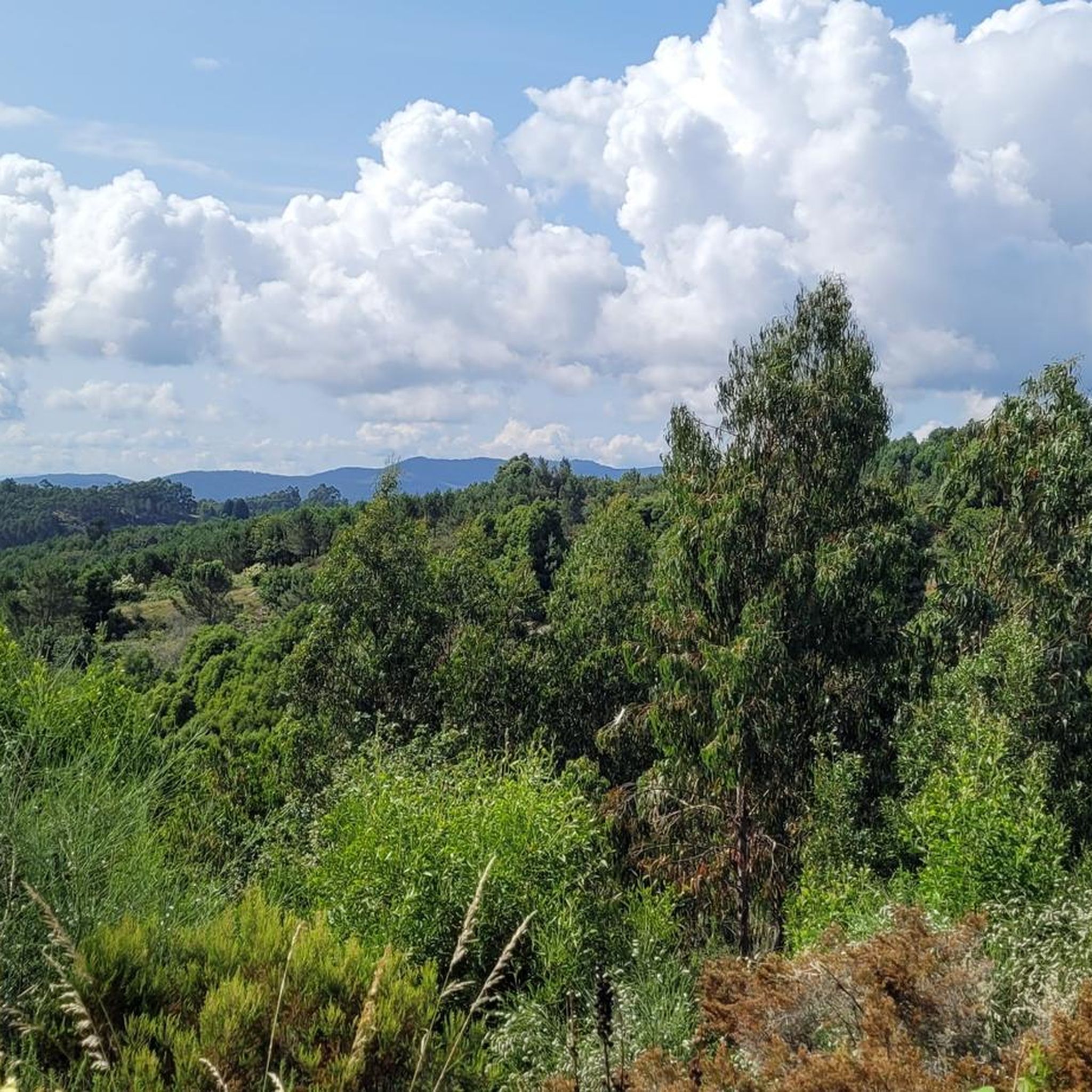
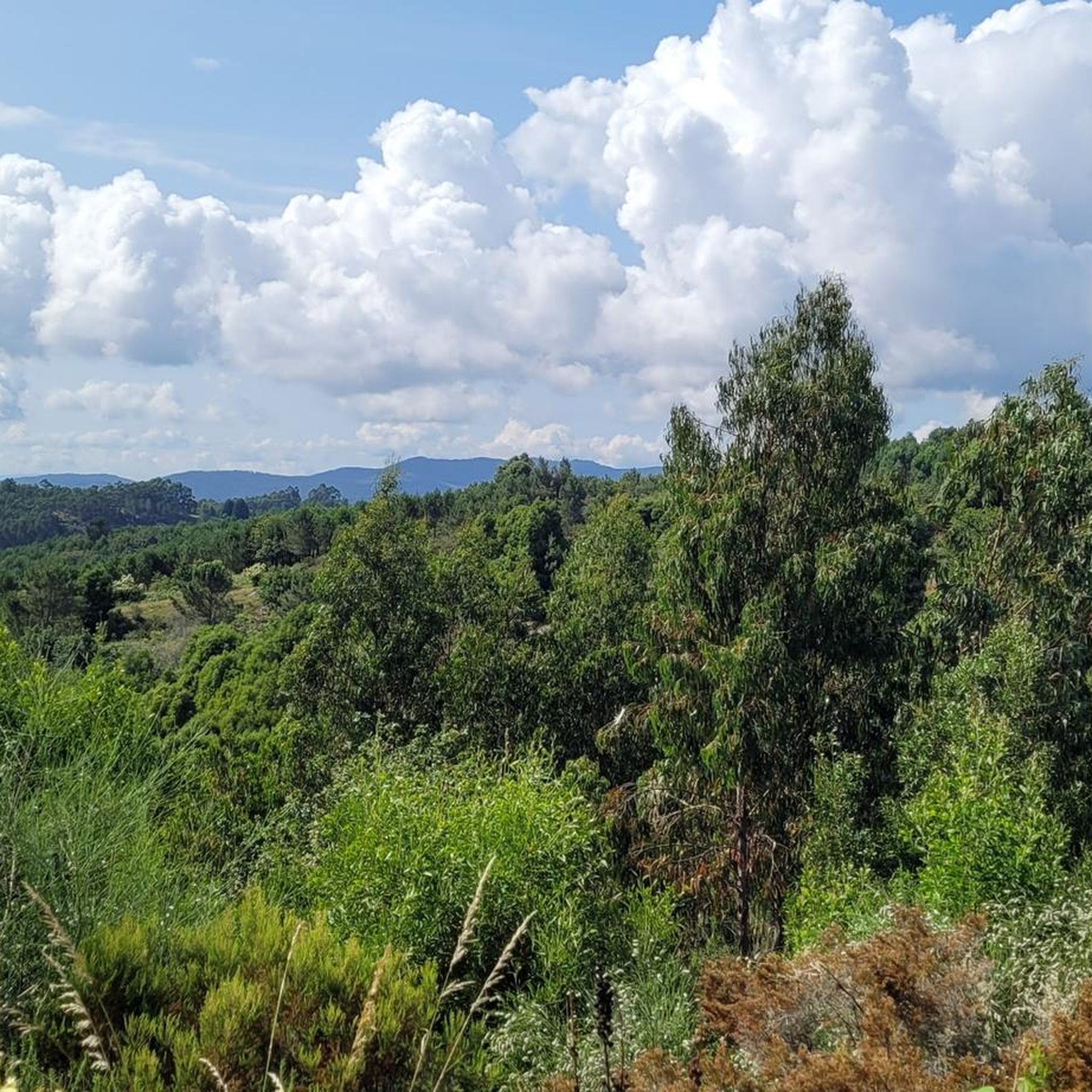
Through the forest, along the railway line.
2
0

The church in honor of Our Lady as a pilgrim was built between 1778 and 1794 and is therefore part of the transition from Baroque to Classicism. Its floor plan is in the shape of a shell within a Greek cross. In the church there is a sculpture of Our Lady as a pilgrim or 'Virgen de A Peregrina' (19th century), who is the patron saint of the province of Pontevedra and at the same time of the Portuguese Way of St. James.
7
1
Frequently Asked Questions
What natural attractions can I explore in the Cotobade area?
The Cotobade region is rich in natural beauty. You can discover the serene river landscapes of the Lérez and Almofrei rivers, which are part of the Natura 2000 Network. Explore the picturesque Río Tomeza Riverside Trail, known for its forest and the sound of water. Don't miss the Fervenzas de Cavadosa waterfalls on the slopes of Monte Seixo, or the mountainous areas like Mount Seixo and Serra do Cando, ideal for enjoying Atlantic mountain vegetation.
Are there any scenic viewpoints in Cotobade?
Yes, for stunning panoramic views, visit the Mirador de San Xusto in San Xurxo de Sacos, which overlooks the Lérez valley. Another excellent spot is Coto do Castro, a mountain offering broad views of Cotobade and the neighboring municipality of A Lama.
Where can I find river beaches or wild swimming spots in Cotobade?
Cotobade offers several charming river beaches. You can enjoy the fluvial beach on the O Castro river, which includes a swimming area. Another popular spot is Playa Fluvial de A Chan in Carballedo, located where the Almofrei River flows. The Cabanelas River also features a recreational area and river beach, perfect for a refreshing dip.
What historical sites and landmarks can I visit in Cotobade?
The region boasts a rich history. Explore the well-preserved Monasterio de San Pedro de Tenorio, a Benedictine monastery with significant historical ties. Discover ancient rock art and petroglyphs in Fentáns and Viascón. The Ponte do Burgo, a medieval bridge, is a symbol of the city of Pontevedra and part of the Camino de Santiago route. You can also wander through Pontevedra Old Town, a declared Historic-Artistic Site.
Where can I see ancient rock art or petroglyphs in Cotobade?
Cotobade is renowned for its prehistoric rock art. You can find significant petroglyph sites in Fentáns and Viascón, including notable examples like Pedra do Lombo da Costa, Laxe do Cuco, and Portela da Laxe. The nearby Campo Lameiro Rock Art Archeological Park is also a key site for understanding the region's prehistoric heritage.
What hiking opportunities are available around Cotobade?
The municipality is well-suited for hiking. A certified trail, PRG-68, in Viascón, is approximately 19 km long. The "Sendero Frei Martín Sarmiento" near Cerdedo offers a journey through cultural and natural richness along the Castro River. For more options, you can explore various routes listed in the Hiking around Cotobade guide, including trails along the Río Almofrei.
Are there dog-friendly trails in the Cotobade region?
Many of the natural trails and riverside paths in Cotobade are suitable for walks with dogs, especially in areas like the Lérez and Almofrei river valleys and the mountainous regions. Always ensure your dog is on a leash and respect local regulations and wildlife. The Hiking around Cotobade guide can provide more specific trail information.
What is the significance of the Camino de Santiago in this area?
The Camino de Santiago plays a significant role in the Cotobade area, particularly the Portuguese Way. You'll encounter landmarks like the Camino de Santiago Milestone – Km 60, which guides pilgrims towards Santiago de Compostela. The Church of the Pilgrim Virgin (Iglesia de la Virgen Peregrina) in Pontevedra is dedicated to the patron saint of pilgrims and is a key stop on the route. The medieval Ponte do Burgo also lies on this historic pilgrimage path.
What do visitors enjoy most about the attractions around Cotobade?
Visitors particularly appreciate the blend of natural beauty and historical significance. The Río Tomeza Riverside Trail is loved for its forest, the smell of wet earth, eucalyptus, and the soothing sound of water. The historical sites, like the ancient rock art and the well-preserved Church of the Pilgrim Virgin, offer a deep dive into the region's past. The overall appeal lies in the authentic rural Galician experience, combining unique archaeological findings with diverse natural landscapes.
Are there cycling routes available near Cotobade's attractions?
Yes, the area around Cotobade offers various cycling opportunities. You can find routes that explore the natural landscapes and connect to different attractions. For detailed information on trails and their difficulty, refer to the Cycling around Cotobade guide, which includes options ranging from moderate to difficult.
What traditional Galician architecture can I see in Cotobade?
You can observe traditional Galician rural architecture, including granaries known as "hórreos" and communal threshing floors called "eiras." Notable examples include Eira Grande in Pedre and Eira da Pena in Cerdedo, which offer a glimpse into local heritage. The old village of Aldea Vella de Vichocuntín also provides insight into historical settlements.
What is the best time to visit Cotobade for outdoor activities?
The best time to visit Cotobade for outdoor activities like hiking and exploring natural features is generally during spring (April to June) and autumn (September to October). During these seasons, the weather is typically mild and pleasant, making it ideal for enjoying the trails, river landscapes, and viewpoints. Summers can be warm, while winters might bring rain, which can affect river paths.
Are there any cultural centers or modern attractions in Cotobade?
Yes, the municipality has modern cultural centers that host various activities. These include the Centro Cultural de Cerdedo and the Centro Cultural e Turístico Antonio Fraguas in Carballedo. Additionally, the Astronomical Observatory of Cotobade is listed as a point of interest, offering a different kind of cultural experience.
Most popular routes around Cotobade
Most popular attractions around Cotobade

Get inspired with the komoot mobile app


Explore more
Still not found the Highlight you’re looking for? See guides of the top attractions in other regions:
