The best road cycling routes around Pazos De Borbén
4.5
(53)
2,155
riders
75
rides
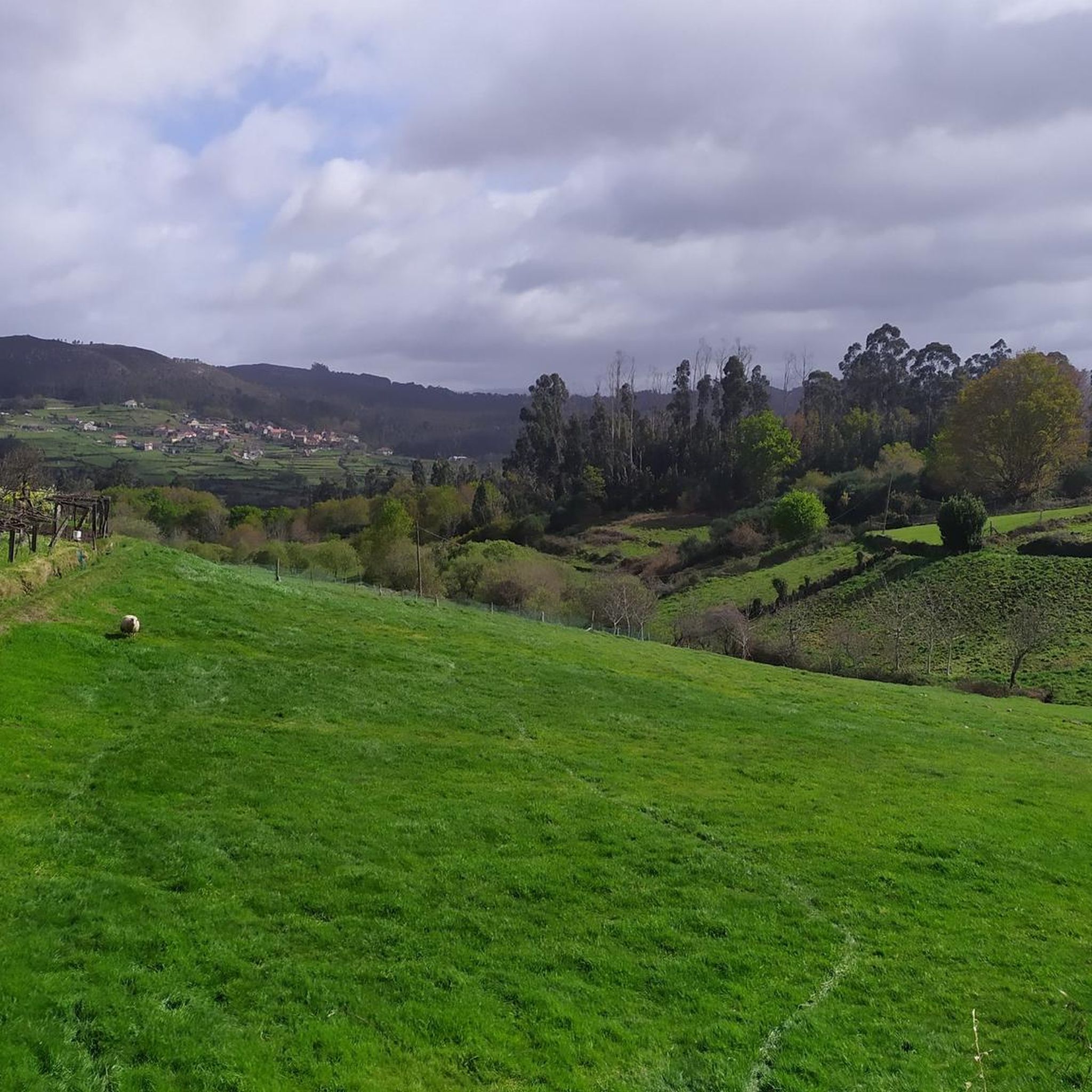
Road cycling routes around Pazos De Borbén traverse a region characterized by its diverse topography, including mountains, valleys, and lush river networks. The terrain offers varied challenges, from sustained climbs through "endless mountains" to routes alongside the Borbén, Barragán, Pozo Negro, and Tea rivers. This blend of natural features provides a dynamic environment for road cyclists seeking both demanding ascents and scenic rides through verdant landscapes.
Best road cycling routes around Pazos De Borbén
- The most popular road cycling route…
Last updated: May 3, 2026
5.0
(1)
57
riders
70.3km
03:09
500m
500m
Moderate road ride. Good fitness required. Some segments of this route may be unpaved and difficult to ride.
55
riders
72.9km
03:46
1,260m
1,260m
Hard road ride. Very good fitness required. Some segments of this route may be unpaved and difficult to ride.

Sign up for free
47
riders
76.5km
03:55
1,150m
1,150m
Hard road ride. Very good fitness required. Mostly well-paved surfaces and easy to ride.
27
riders
103km
05:49
2,070m
2,070m
Hard road ride. Very good fitness required. Some segments of this route may be unpaved and difficult to ride.
5.0
(1)
50
riders
76.7km
03:47
870m
870m
Moderate road ride. Good fitness required. Mostly well-paved surfaces and easy to ride.
Get access to more routes and recommendations from other explorers.
Sign up for free
Already have an account?
Our route recommendations are based on thousands of hikes, rides, and runs completed by other people on komoot.
Start today with a free account
Your next adventure awaits.
Login or Signup
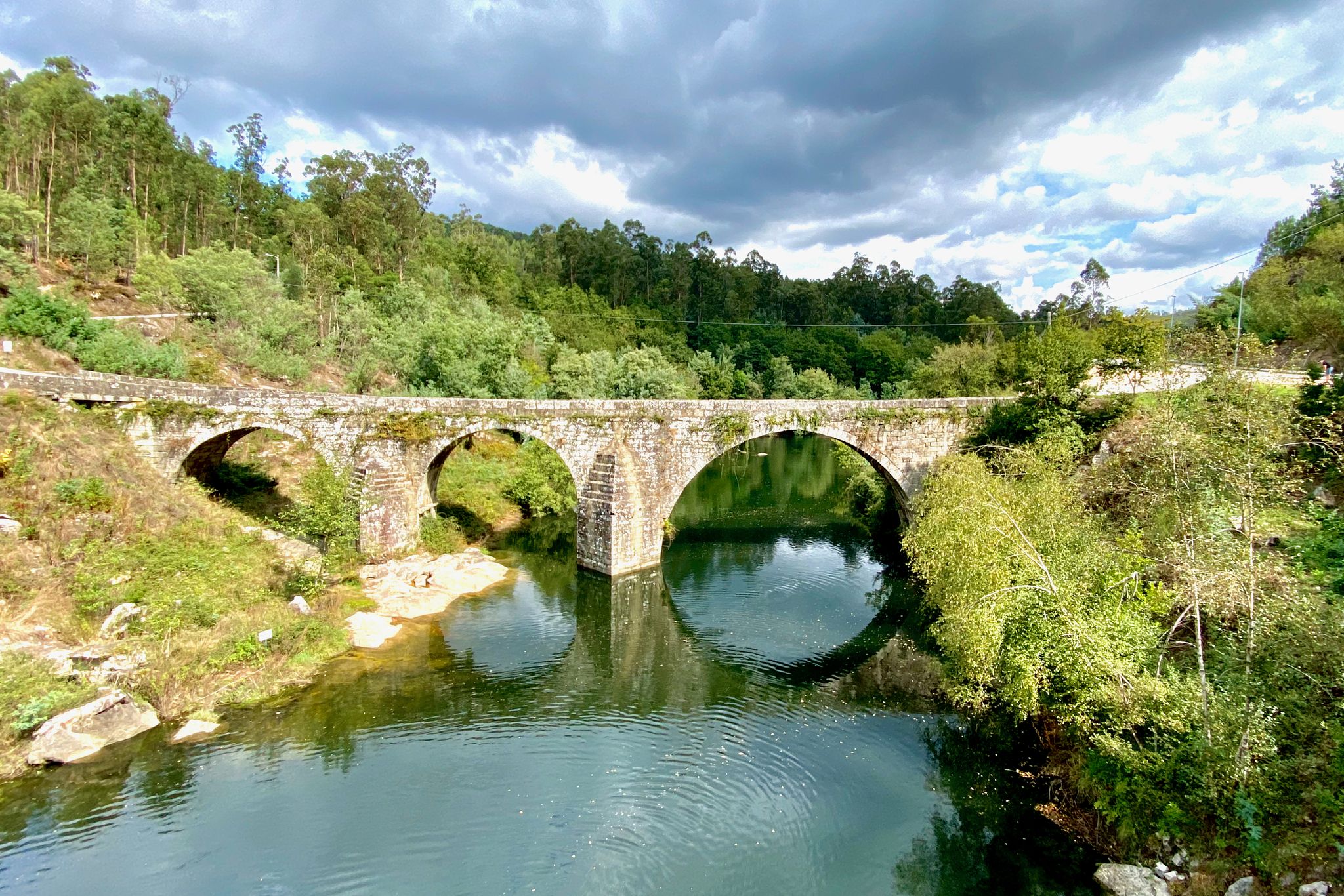
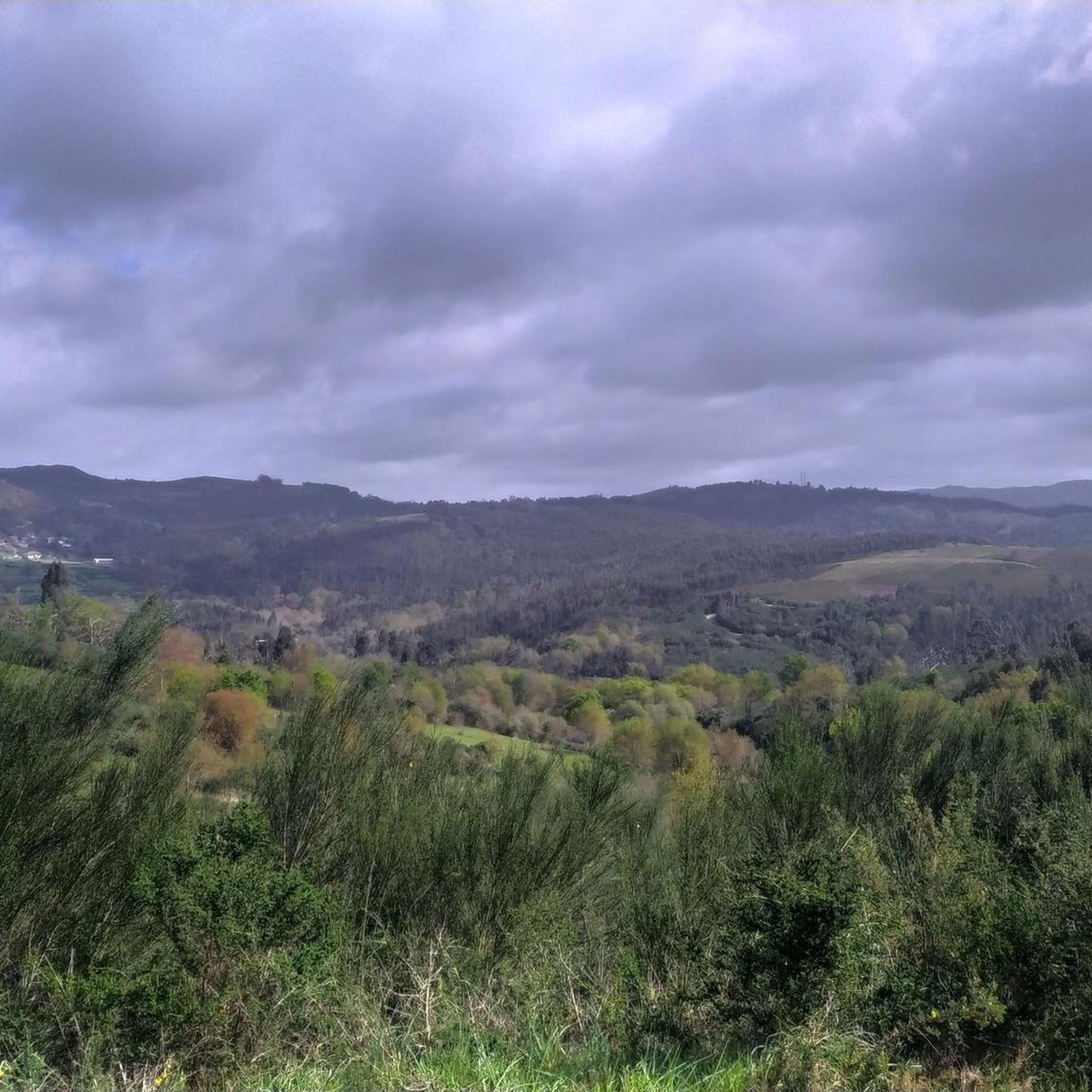
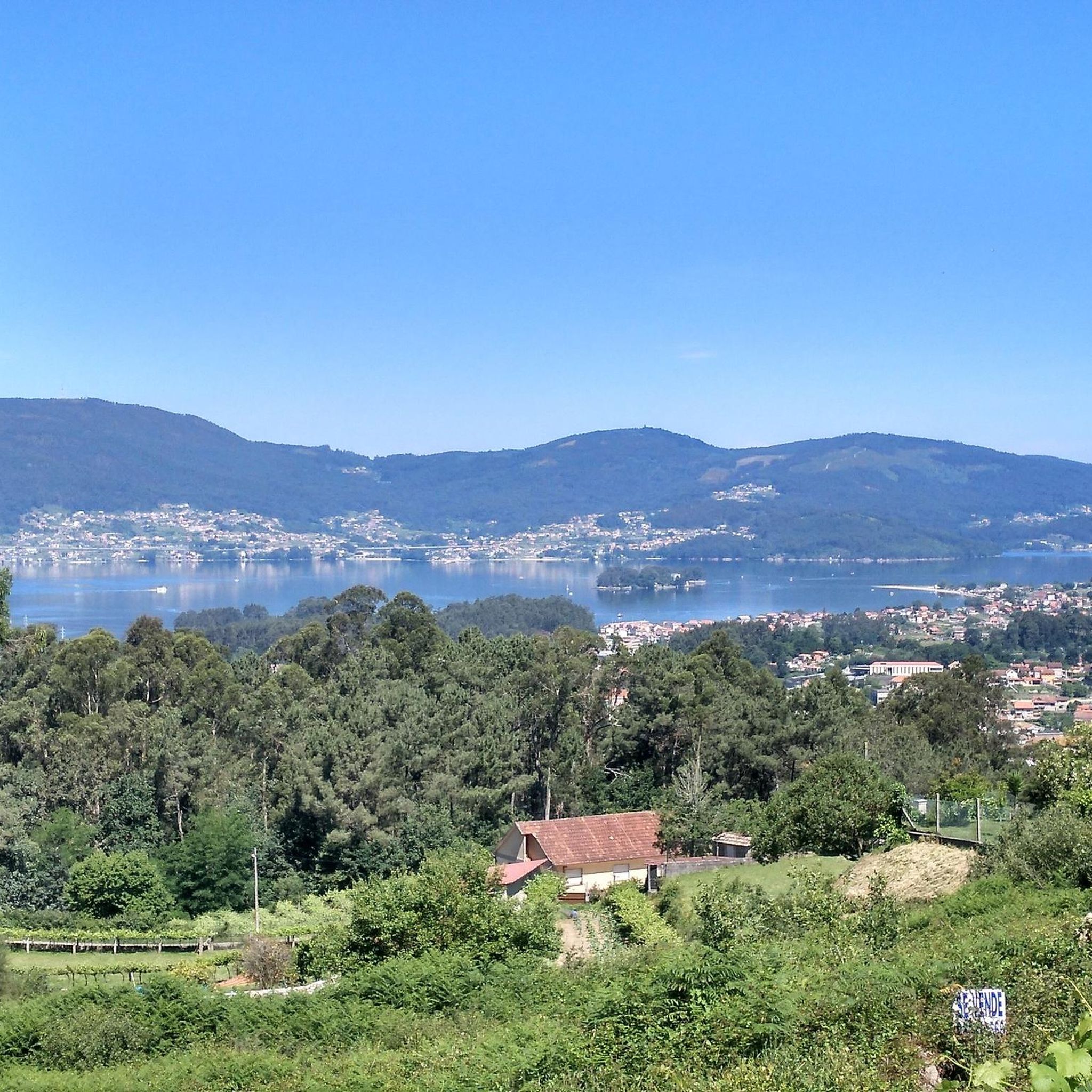
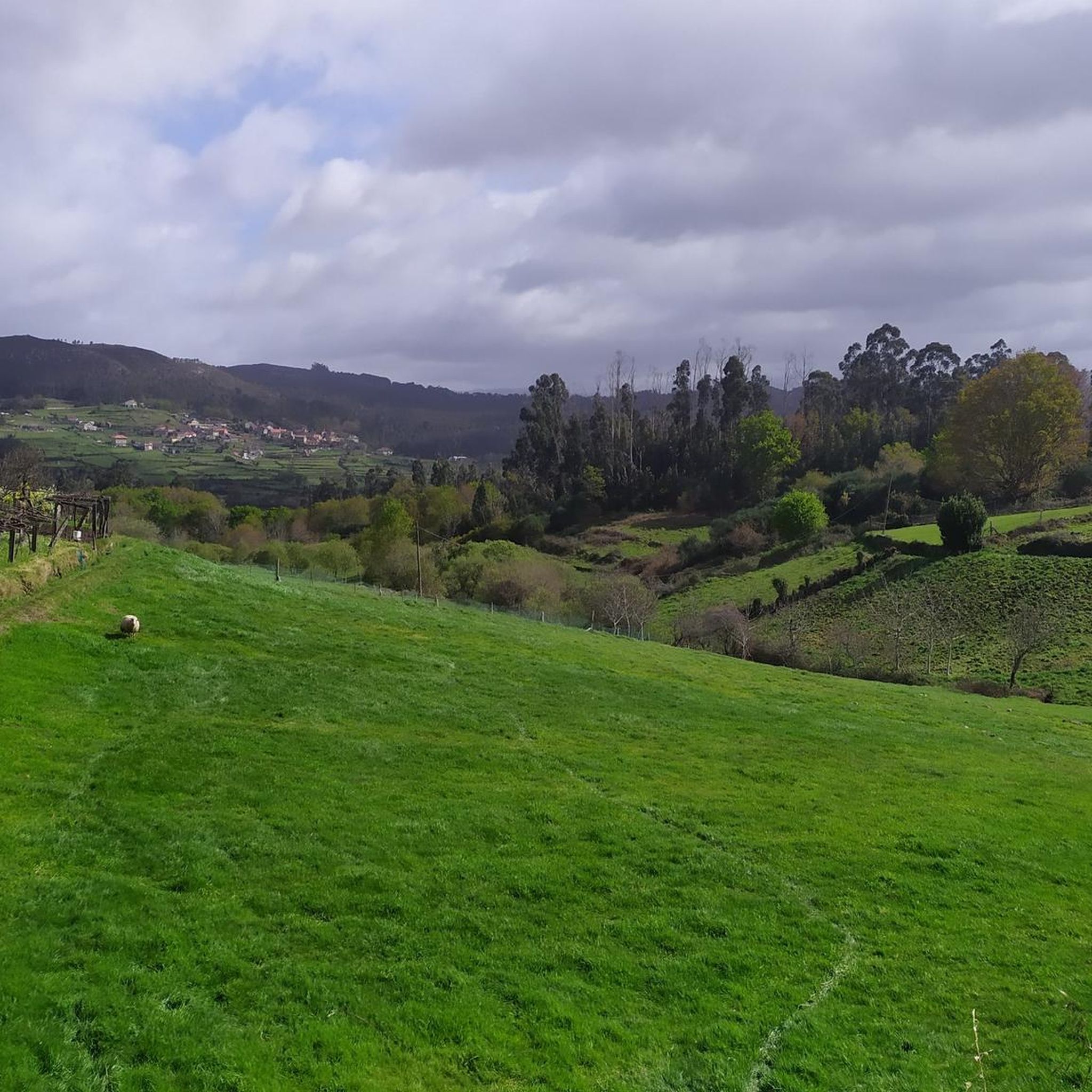

Other adventures around Pazos De Borbén

Tips from the Community

Not only is the view beautiful, a quiet visit to the Fortress should be a must-do.
0
0

Built on an old Roman foundation, the bridge crosses the Verdugo river. It is 144 metres long and consists of 10 pointed and semi-circular arches. The famous Battle of Pontesampaio took place on 7 and 8 June 1809, which was decisive in the Spanish War of Independence against the French and ended the 5-month French occupation.
5
0

Pilgrims walking the Portuguese Way to Santiago de Compostela pass this bridge, making it a place of great historical significance. If you ever visit Tui, don't miss the opportunity to cross this beautiful bridge and immerse yourself in its history and charm. 🌉🚶♂️
2
0
The Romanesque Cathedral of Santa María with Gothic influences is a fortress-like cathedral that was begun in 1120 but not consecrated until 1225. Its cloister (13th century) is worth mentioning, the only complete medieval cloister that has been preserved in a cathedral in Galicia, and the Santiago Chapel inside the church. The interior can be visited for €3, and you can get your pilgrim stamp at the ticket office.
4
1

It is in the works, it cannot be done
1
0
The Ponte de A Veiga in Tui, Galicia, is an ancient medieval bridge also known as the "Roman Bridge." Its original construction is attributed to the Romans, and it stands over the Louro River, near where it flows into the Miño. The Ponte de A Veiga was built of granite and consists of four arches. It was part of the ancient Roman Via XIX, which connected Bracara (present-day Braga, Portugal) with Santiago de Compostela. Pilgrims walking the Portuguese Way to Santiago de Compostela pass over this bridge, making it a place of great historical significance. If you ever visit Tui, don't miss the opportunity to cross this beautiful bridge and immerse yourself in its history and charm. 🌉🚶♂️
8
0

If the distance to travel is short, then travel light to avoid setbacks. Don't forget to drink enough water. Remember that just because you don't get thirsty, you shouldn't hydrate yourself. On the contrary, you should always do it. Your body will thank you. Shoes like these are a good option ( hiking boots 🥾 for routes with long walks on asphalt they are not the best) wear comfortable shoes that are not tight and waterproof, dry feet are the best measure but if the weather is dry it will also be a great help.
2
0

The Bridge of Ponte Sampaio, located in Pontevedra, is a historic bridge with significant cultural and historical importance. Also known as "Puente de Ponte Sampaio" in Spanish, this bridge played a crucial role in the Battle of Ponte Sampaio, a key engagement during the Peninsular War in 1809. The Battle of Ponte Sampaio took place on June 7 and 8, 1809, between the French and the Spanish-Portuguese forces. The bridge was a strategic point, and the Spanish-Portuguese forces, under General Nicolas Mahy, successfully defended it against the French troops led by Marshal Michel Ney. The Bridge of Ponte Sampaio stands as a symbol of the local resistance against the French invasion, and it is a site of historical and cultural significance in the region.
5
0
Frequently Asked Questions
How many road cycling routes are available in Pazos De Borbén?
Pazos De Borbén offers a wide selection of road cycling routes, with over 70 different tours available. These include 2 easy routes, 44 moderate routes, and 32 difficult routes, catering to various skill levels.
What kind of terrain can I expect on road cycling routes in Pazos De Borbén?
The region is characterized by diverse topography, featuring mountains, valleys, and lush river networks. You can expect varied challenges, from sustained climbs through its 'endless mountains' to scenic rides alongside rivers like the Borbén, Barragán, Pozo Negro, and Tea. This blend provides a dynamic environment for road cyclists.
Are there routes with significant climbs or elevation gain?
Yes, Pazos De Borbén is known for its 'endless mountains,' offering routes with significant elevation gain. For example, the Ulló Salt Flats – Ponte Sampaio Bridge loop from Louredo - Os Valos is a difficult 45.8-mile (73.7 km) path with over 1270 meters of elevation gain, providing a challenging experience for experienced cyclists.
Can I find routes with panoramic views or scenic viewpoints?
Absolutely. The region is home to several natural viewpoints. You can enjoy stunning panoramic views of the San Simón inlet and the Cíes Islands from places like Alto de Galleiro. Other notable viewpoints include Viewpoint of Monte A Peneda and View of the Vigo estuary, which are often incorporated into cycling routes.
What natural features or landmarks can I see along the routes?
Beyond the stunning landscapes, you can encounter ethnographic heritage such as ancient mills, channels, and stone constructions along the rivers. The Fraga del río Barragán features ancient trees and traditional mills, while the Levada de Casqueiros path runs alongside an old artificial water channel with mills and a dam. You might also spot archaeological sites like petroglyphs and 'castros'.
What do other cyclists say about the road cycling experience in Pazos De Borbén?
The road cycling routes in Pazos De Borbén are highly rated by the komoot community, with an average score of 4.3 stars from over 50 reviews. Cyclists often praise the varied terrain, the tranquility of the natural environment, and the rewarding panoramic views after challenging ascents.
Are there family-friendly road cycling routes in Pazos De Borbén?
While many routes feature significant climbs, there are a few easier options available. It's best to check the difficulty grade for specific routes on komoot to find those suitable for families, focusing on routes with lower elevation gain and shorter distances.
What are the best times of year for road cycling in Pazos De Borbén?
The region generally offers pleasant conditions for cycling during spring and autumn, when temperatures are milder. Summer can be warm, but the lush, green landscapes and river valleys provide cooler sections. Winter might bring more unpredictable weather, but clear days can still be enjoyable.
Are there circular road cycling routes available?
Yes, many of the road cycling routes in Pazos De Borbén are designed as loops, allowing you to start and finish at the same point. Examples include the Ponte da Veiga – O Porriño Town Center loop from Louredo - Os Valos and the Zamáns Reservoir – Monte Aloia Natural Park loop from Louredo - Os Valos.
Where can I find parking for road cycling routes in Pazos De Borbén?
Many routes start from villages or towns like Louredo - Os Valos, where you can typically find public parking. It's advisable to check the specific route details on komoot for information on designated parking areas near the starting points.
What kind of road surface can I expect on the cycling routes?
Road cycling routes in Pazos De Borbén primarily utilize paved roads. While most main roads are well-maintained, some smaller, more rural roads might have varying surface quality. Cyclists should be prepared for a mix of smooth asphalt and potentially older, less even surfaces, especially in more remote areas.
Are there places to eat or stay that are cyclist-friendly in Pazos De Borbén?
Pazos De Borbén and its surrounding villages feature traditional Galician architecture and small constructions, indicating local amenities. You can find charming cafes, pubs, and restaurants in the area, particularly in the main towns, which are generally welcoming to cyclists. Accommodation options range from rural guesthouses to small hotels.
Are dogs allowed on road cycling routes in Pazos De Borbén?
While many natural areas in Galicia are dog-friendly, road cycling routes typically follow public roads where dogs are generally permitted if kept on a leash and under control. However, specific regulations might apply in certain natural parks or protected areas, so it's always best to check local signage or guidelines for any restrictions.
Most popular routes around Pazos De Borbén
Most popular attractions around Pazos De Borbén

Get inspired with the komoot mobile app


Explore more
Browse the best Road cycling routes in other regions.
