Attractions and Places To See around Callosa De Segura - Top 20
Best attractions and places to see around Callosa De Segura include a blend of natural beauty and historical sites in the Valencian Community of Spain. The town is dominated by the Sierra de Callosa mountain range, offering panoramic views and outdoor activities. Its historical center features narrow, cobbled streets and significant religious buildings. Visitors can explore a variety of landscapes, from mountain trails to wetlands and reservoirs.
Best attractions and places to see around Callosa De Segura
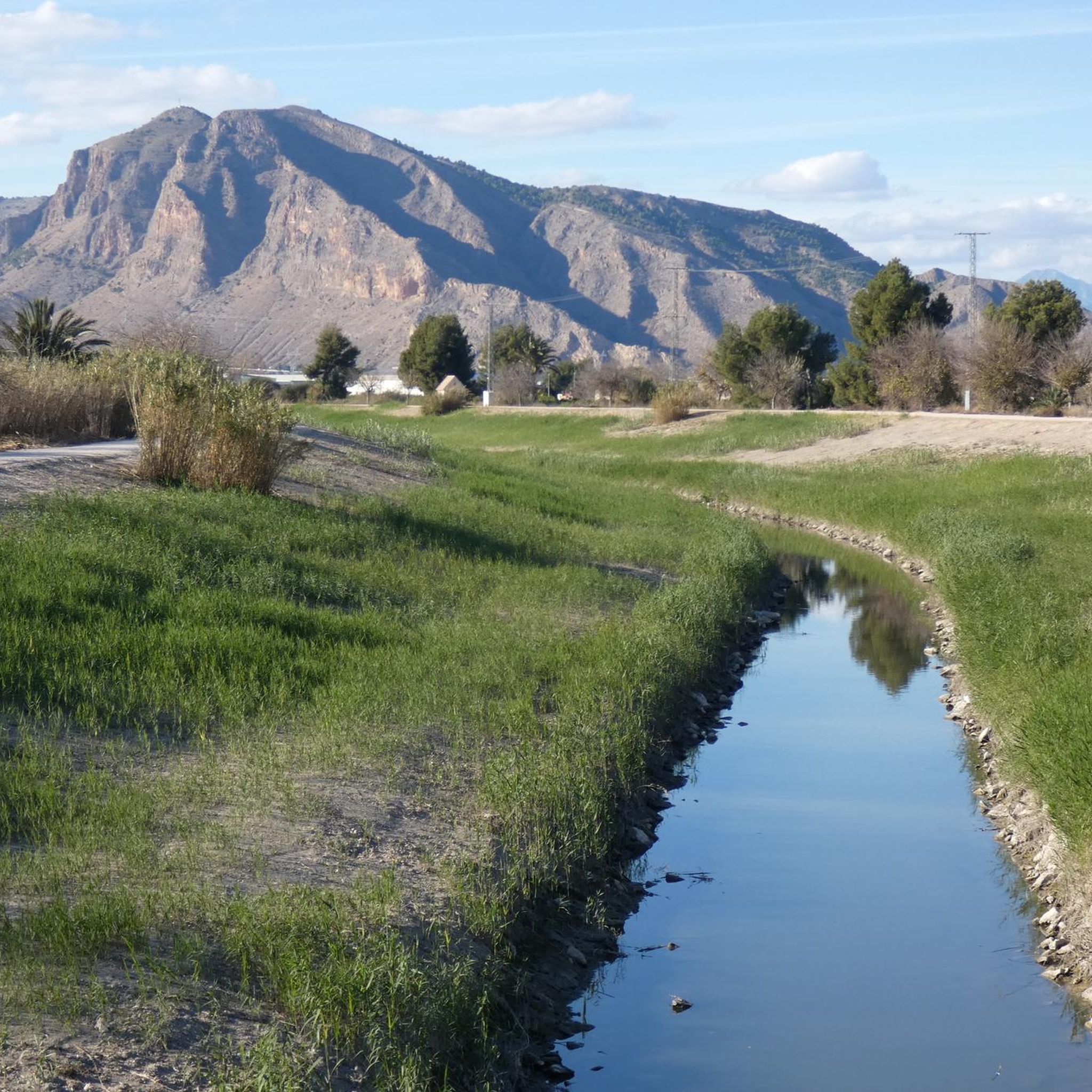
- The most popular attractions is La Pedrera Reservoir, a lake that regulates water supply for irrigation. This area offers picturesque views and opportunities for cycling and walking.
- Another must-see spot is Rodeo Caves, a historical site consisting of caves dug into a slope between the 18th and 20th centuries. These caves were originally housing for miners and now host craft businesses and an exhibition on their history.
- Visitors also love Palm-lined road in Parc Natural del Fondo, a cycle way in a natural park. This quiet, asphalted road is lined with palm groves and offers opportunities for wildlife spotting.
- Callosa De Segura is known for its natural monuments, historical sites, and viewpoints. The region offers a variety of attractions to see and explore, from reservoirs and caves to mountain ranges and wetlands.
- The attractions around Callosa De Segura are appreciated by the komoot community, with more than 190 upvotes and 20 photos shared by visitors.
Last updated: July 20, 2026
La Pedrera Reservoir
Highlight • Lake
Translated by Google •
Tip by

La Anguilla Observatory
Highlight • Viewpoint
Translated by Google •
Tip by

Sign up now to discover places like this
Get recommendations on the best single tracks, peaks, & plenty of other exciting outdoor places.
Sign up for free
Rodeo Caves
Highlight • Cave
The El Rodeo caves are now home to craft businesses and there is even a collection on the history of these caves.
Translated by Google •
Tip by

Orihuela
Highlight • Settlement
Orihuela is also monumental. One of its great examples is the urban wall of the city and, also, its numerous civil buildings built by the nobles who lived there in the 16th and 17th centuries.
Translated by Google •
Tip by

Palm-lined road in Parc Natural del Fondo
Highlight • Cycleway
Tip by

Sign up for free to discover even more attractions around Callosa De Segura.
Sign up for free
Already have an account?
Start today with a free account
Your next adventure awaits.
Login or Signup
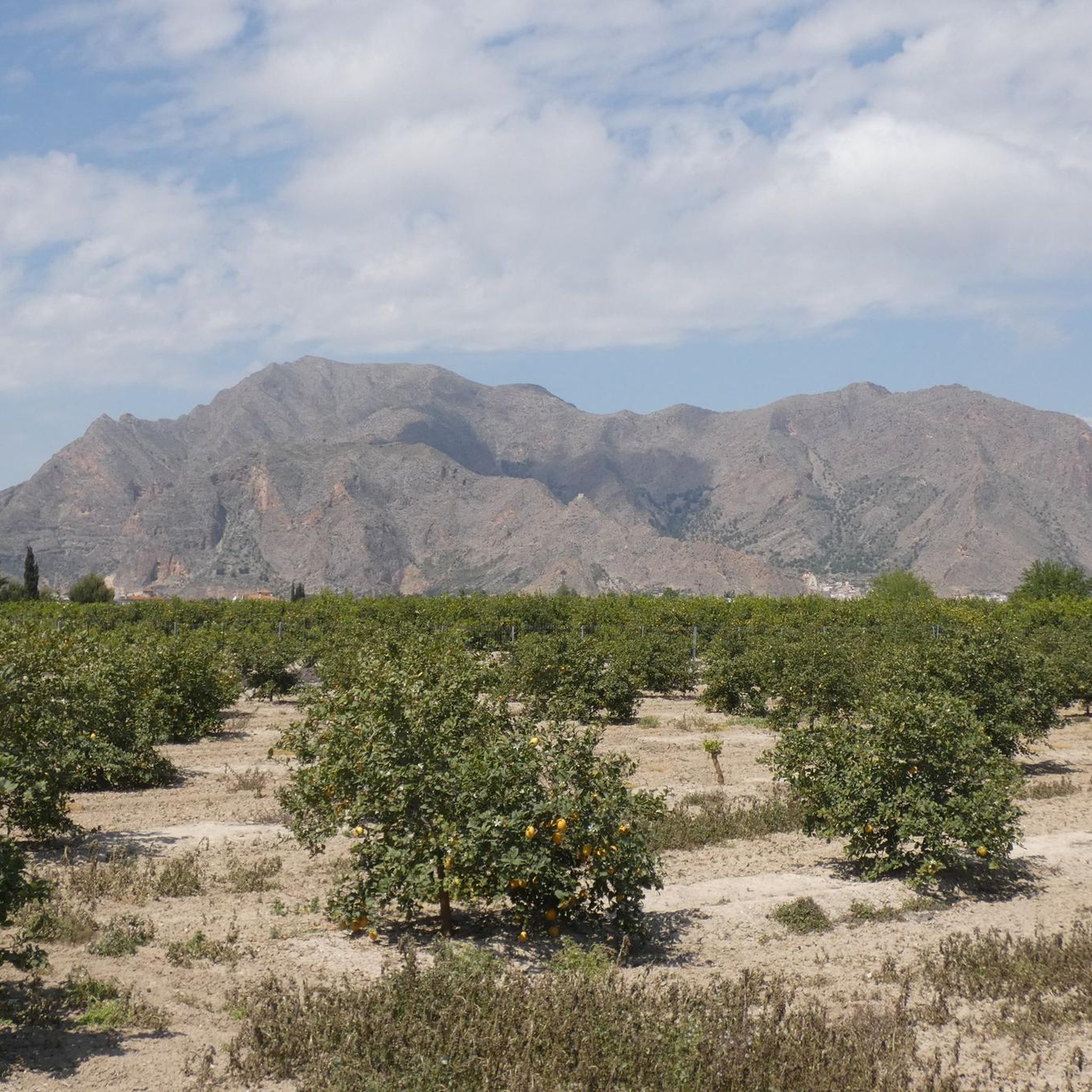
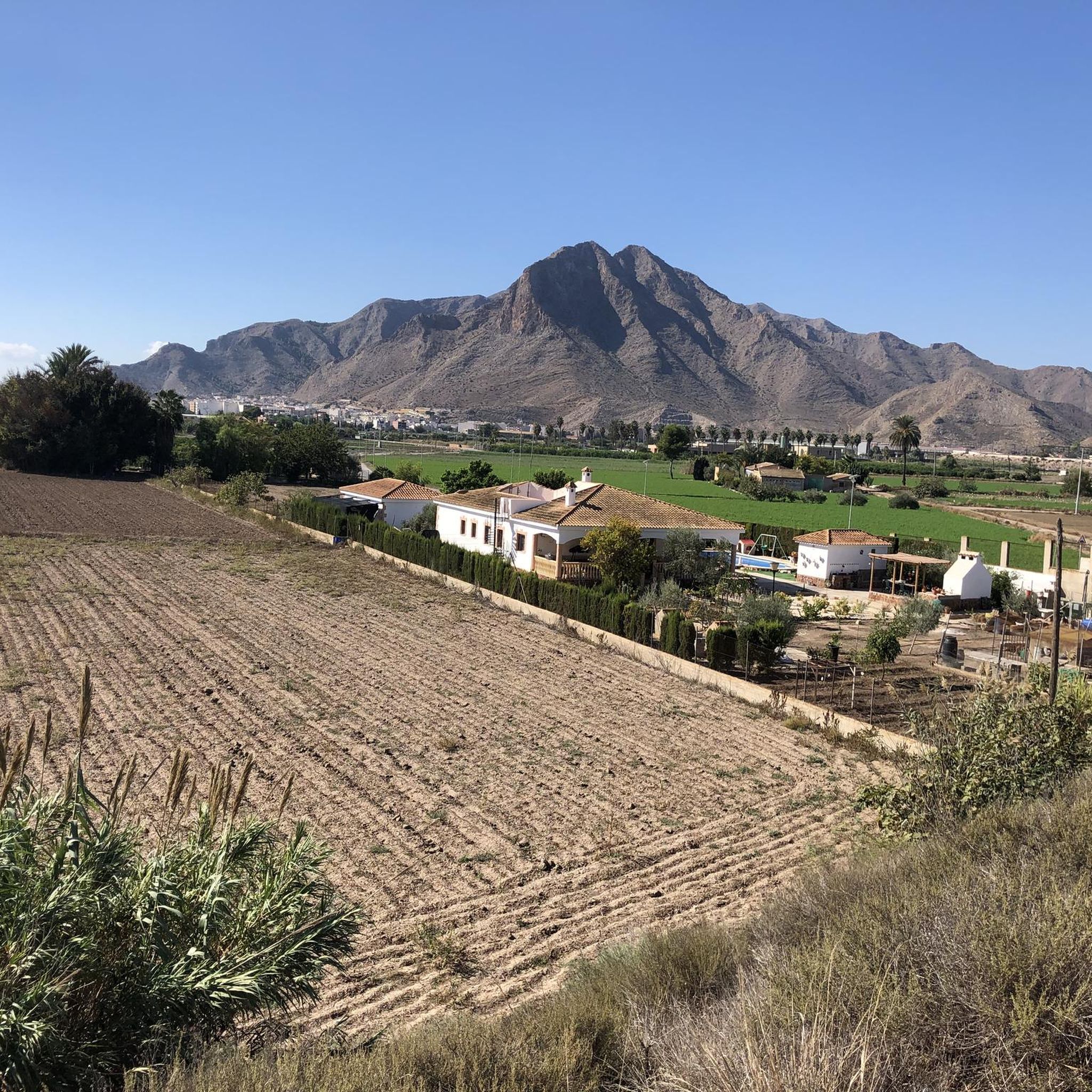
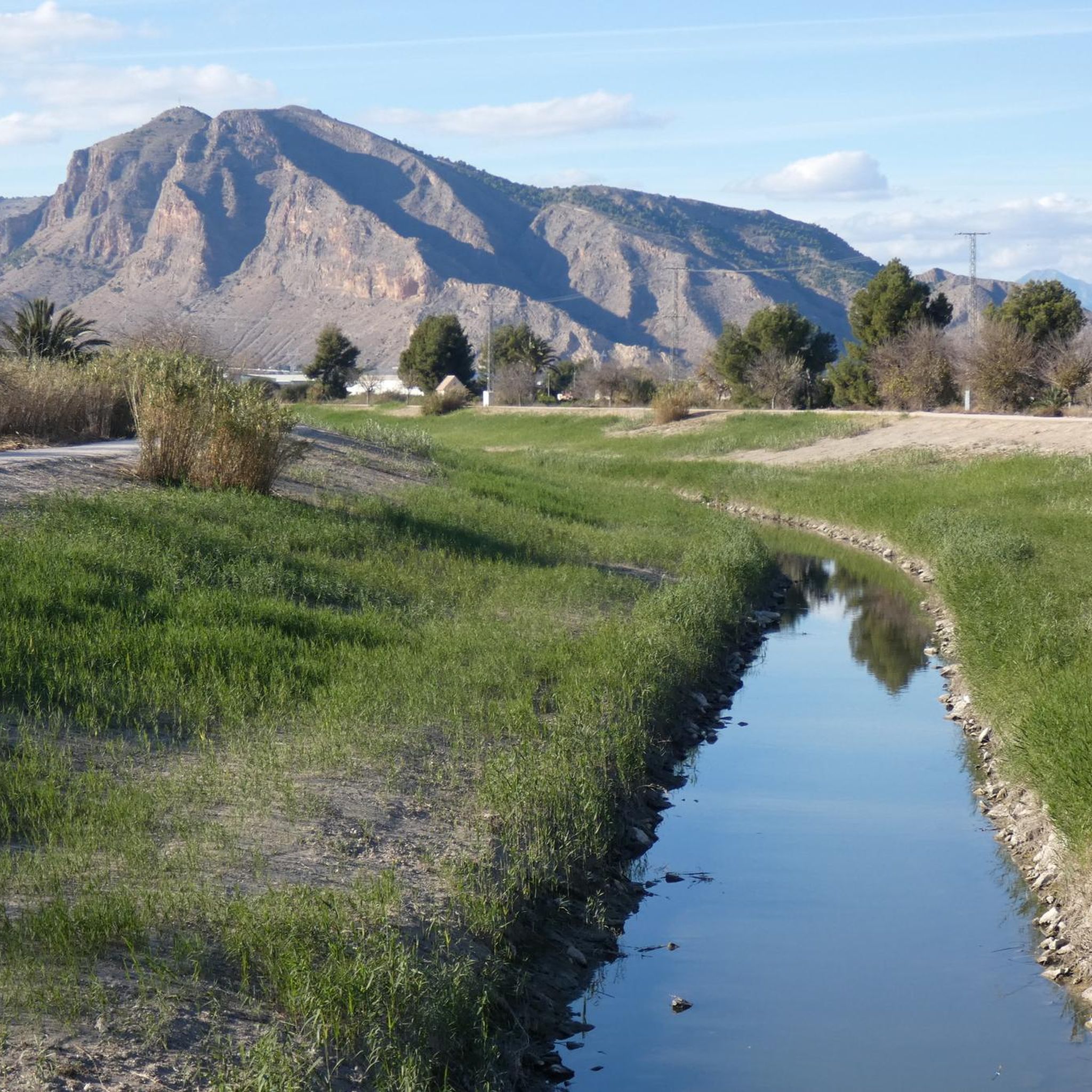
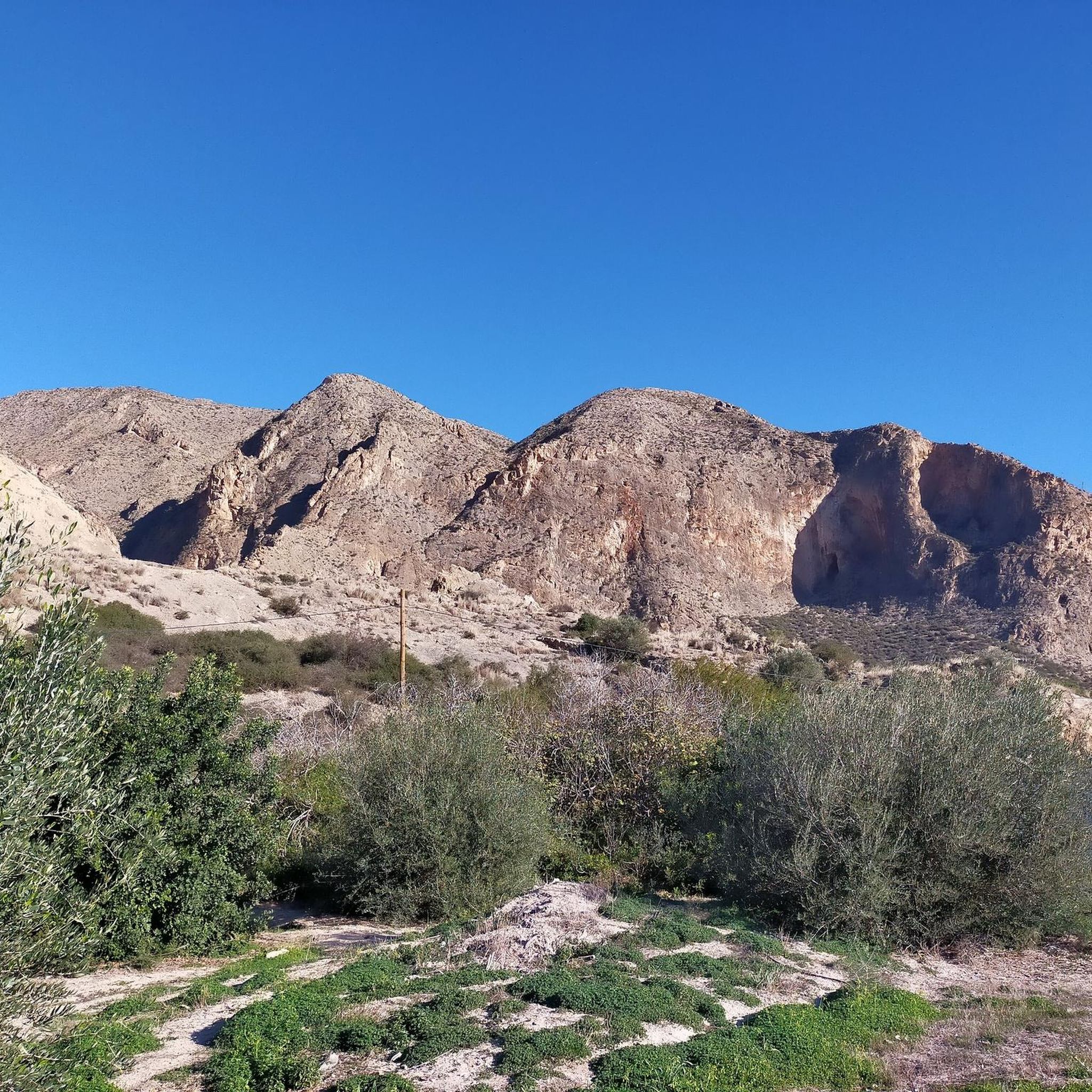

Tips from the Community

Done by bike and by car. Fantastic region for cycling, little traffic outside the season. Highly recommended.
0
0

El Hondo Natural Park is located in the province of Alicante. This natural park is part of the ancient Elche Lagoon. A diverse variety of birds live there.
2
0
A manageable route from Alicante to the La Pedrera reservoir. You don't need to be in great shape, just able to handle the effort of covering the kilometers.
0
0

The La Anguila Observatory is a birdwatching point located in the wetlands near Elche, within the El Hondo Natural Park. It offers a privileged vantage point for observing local and migratory species in their natural environment. It is a peaceful spot, ideal for nature and ornithology lovers.
0
0

Former episcopal city - typical Spanish city - lively Orihuela is located on the left bank of the Río Segura (60 km south of Alicante) and surrounded by a green valley with palm trees and citrus groves. It is a former episcopal city at the foot of a mountain with ruins of a fortress and buildings of the seminary. From the seminary you have a beautiful view. The historic center bears witness to a rich past, with Gothic and Baroque heritage, religious buildings and museums. In this typical Spanish city it is lively and cozy in both the old and the new city, with numerous restaurants, bars and terraces. The brightly colored houses on the river Segura in the center, may remind you of Gerona. In addition to the palm gardens of Elche, the palm forest (Palmeral) of Orihuela is also worth a visit. The forest, the second largest in Europe, is located on the edge of the historic centre History The city was called 'Aurariola' under Roman rule and 'Orguëla' under the Moors. In the 9th century, Orihuela was the capital of the Duchy of Teodomiro. After that, it was under the rule of the Umayyad Caliphate. In 1242, after the liberation from the Moors, the city was incorporated into the Kingdom of Valencia. It flourished during the period when it was a bishopric in 1564. After the war of succession, the city was destroyed by the troops of Philip V because Orihuela had sided with Austria. In 1910, the writer/poet Miguel Hernández was born in the city and his house can now be visited as a museum Nature - Active The city is surrounded by palm trees and orange and lemon groves. On the edge of the historic centre is the Palm Grove (Palmeral) and offers the perfect location for nature watching, picnicking or a pleasant walk. The Natural Park, "Pinar de Bonanza", is just outside the town (4.5 km north-west). This nature reserve has an interesting variety of fauna and flora, and is a popular place for cycling, walking and picnicking. The River Segura runs through the heart of Orihuela and is ideal for a relaxing walk. To the south, near the village of Torremendo, is the beautiful Pedrera reservoir, with its bright blue colours. There are beautiful views of the lake from various viewpoints. You can cycle and walk around the lake. You can go canoeing on the lake
0
0

Quiet area with little car traffic!
0
0

Frequently Asked Questions
What natural attractions can I explore around Callosa De Segura?
The region offers diverse natural beauty. You can visit the impressive Sierra de Callosa mountain range, which provides excellent hiking opportunities and panoramic views. The La Pedrera Reservoir is another picturesque spot, ideal for cycling and walking. For birdwatching enthusiasts, the El Hondo Natural Park, home to the La Anguila Observatory, is a must-see wetland.
Are there good hiking opportunities in the Callosa De Segura area?
Yes, the Sierra de Callosa mountain range offers various hiking trails, including routes within the Municipal Natural Park "La Pilarica-Sierra de Callosa." You can find challenging routes like the "Sierra de Callosa de Segura (Circular PR-CV 54)" or more moderate options. For detailed routes, explore the hiking guide for Callosa De Segura.
What historical sites are worth visiting in Callosa De Segura?
Callosa De Segura boasts a rich history. Key sites include the Gothic-Renaissance style Church of St. Martin, the Hermitage of San Roque high above the town, and the ruins of Callosa Castle, which offers spectacular views. Don't miss the Rodeo Caves, a unique historical site where former miners' dwellings are now home to craft businesses.
Are there any museums in Callosa De Segura?
Yes, Callosa De Segura has several museums. You can learn about the town's agricultural past at the Hemp Museum, explore local history at the Archaeological Museum (Antonio Ballester Ruiz), and delve into local traditions at the Easter Week Museum.
What are some family-friendly activities or attractions in Callosa De Segura?
Families can enjoy several attractions. The Rodeo Caves offer an interesting historical experience. For nature lovers, the La Anguila Observatory in El Hondo Natural Park is great for birdwatching. Additionally, the Palm-lined road in Parc Natural del Fondo provides a quiet, asphalted path perfect for a family stroll or bike ride.
Where can I go birdwatching near Callosa De Segura?
The best spot for birdwatching is the El Hondo Natural Park, particularly at the La Anguila Observatory. This wetland area is a privileged vantage point for observing both local and migratory bird species in their natural habitat.
What cycling routes are available around Callosa De Segura?
Cyclists can enjoy the scenic routes around the La Pedrera Reservoir, which offers picturesque views and a well-maintained road. Another option is the Palm-lined road in Parc Natural del Fondo, a quiet, asphalted path ideal for a relaxed ride. For more adventurous gravel biking, you can find routes in the gravel biking guide.
What do visitors enjoy most about the attractions in Callosa De Segura?
Visitors particularly appreciate the blend of natural beauty and historical significance. The serene environment of the La Pedrera Reservoir and the unique historical insights offered by the Rodeo Caves are frequently highlighted. Many also enjoy the quiet, palm-lined paths in the natural parks for cycling and wildlife spotting.
What is the best time of year to visit Callosa De Segura for outdoor activities?
The region generally enjoys a mild climate. Spring (March to May) and autumn (September to November) are often considered ideal for outdoor activities like hiking and cycling, as temperatures are pleasant and the landscape is vibrant. Summers can be very hot, making early mornings or late afternoons preferable for activities.
Are there any unique cultural events or traditions in Callosa De Segura?
Yes, Callosa De Segura is known for its vibrant festivals. The Fiestas de San Roque in August celebrate the town's patron saint, and the performance of "Porta Celi: The Gate of Heaven" in November is a notable cultural event that showcases local traditions.
Can I find running trails near Callosa De Segura?
Yes, there are several running trails available. You can find various loops around Callosa De Segura, ranging from moderate to difficult, with distances up to 19 km. For a comprehensive list and details, refer to the running trails guide.
What is the significance of the Old Town in Callosa De Segura?
The Old Town of Callosa De Segura is a significant historical area, characterized by its narrow, cobbled streets that retain their medieval layout. Exploring streets like Calle Mayor offers a glimpse into the town's past and its traditional architecture.
Most popular routes around Callosa De Segura
Most popular attractions around Callosa De Segura

Get inspired with the komoot mobile app


Explore more
Still not found the Highlight you’re looking for? See guides of the top attractions in other regions:
