Attractions and Places To See around Passanant I Belltall - Top 20
Attractions and places to see around Passanant I Belltall are found in a municipality in the Conca de Barberà region of Tarragona, Spain. This area offers a blend of historical sites, cultural experiences, and natural beauty. The landscape is characterized by a rural setting, dryland agriculture, and authentic scenery, with pine and holm oak forests covering a significant portion of the municipality. Passanant I Belltall is composed of six population units, including Passanant and Belltall, and is known for its historical landmarks and diverse natural environment.
Best attractions and places to see around Passanant I Belltall
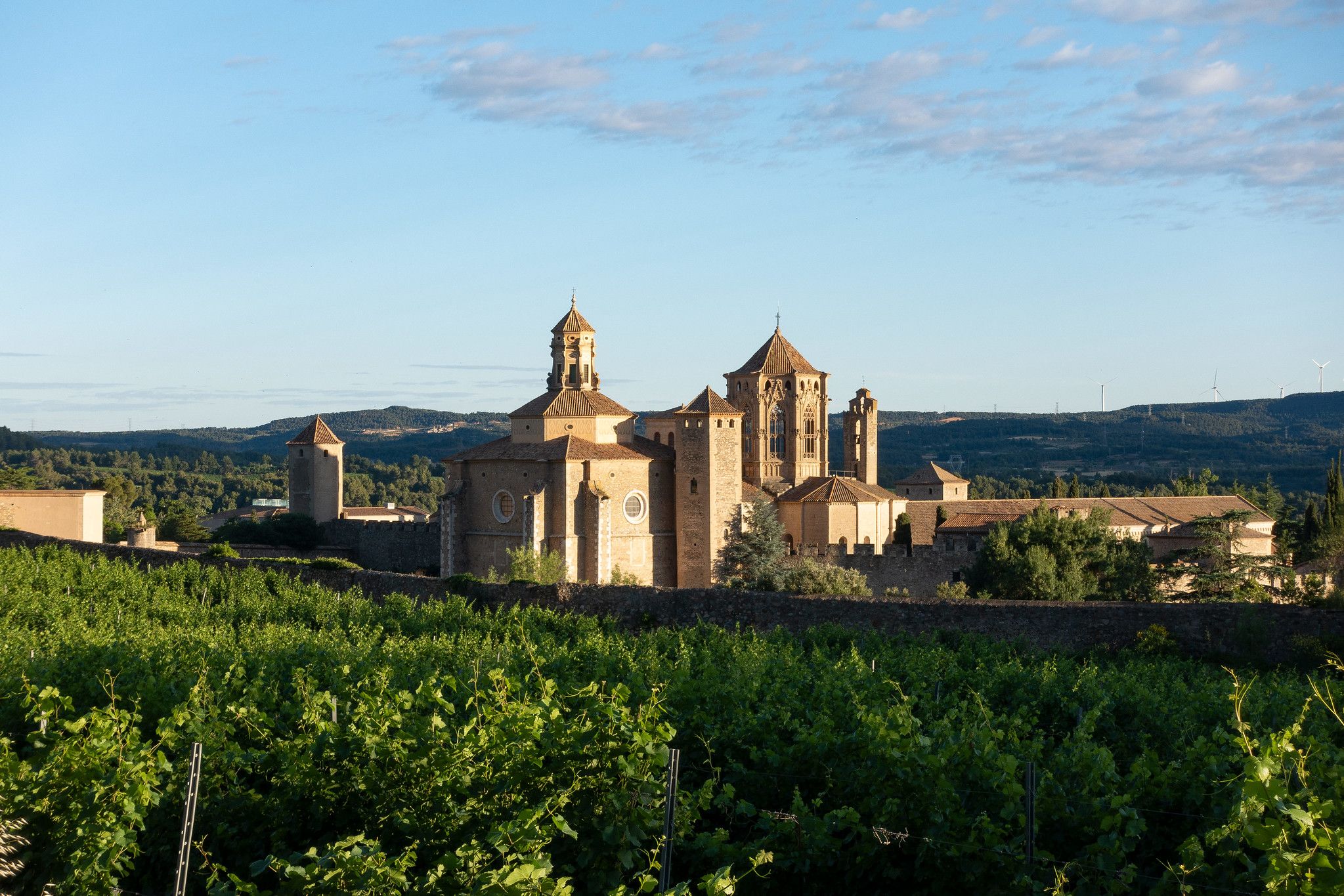
- The most popular attractions is Monastery of Santa María de Vallbona, a religious building that is a female Cistercian abbey founded in the 11th century and built in a mixture of Romanesque and Gothic styles. It has maintained its monastic activity uninterruptedly for more than 800 years and forms part of the Cistercian Route.
- Another must-see spot is Santuario del Tallat, a religious building located on a 788-meter-high hill. This Gothic-style sanctuary dates from the 13th century and offers views over the l'Urgell, Sagarra and Conca de Barberà regions.
- Visitors also love Views of Albió, a viewpoint located at the westernmost end of Llorac, in the Conca de Barberà. It is situated on a small hill and bordered by the Corb river.
- Passanant I Belltall is known for its historical sites, religious buildings, and scenic viewpoints. The area offers a variety of attractions, including medieval castle remains, churches, and cultural centers.
- The attractions around Passanant I Belltall are appreciated by the komoot community, with more than 50 upvotes and over 40 photos shared by visitors.
Last updated: May 9, 2026
Monastery of Santa María de Vallbona
Highlight • Religious Site
Translated by Google •
Tip by

Santuario del Tallat
Highlight • Religious Site
Translated by Google •
Tip by

Sign up now to discover places like this
Get recommendations on the best single tracks, peaks, & plenty of other exciting outdoor places.
Sign up for free
Views of Albió
Highlight • Viewpoint
Translated by Google •
Tip by

Guimerà
Highlight • Settlement
Translated by Google •
Tip by

Church of Sant Martí de Maldà
Highlight • Religious Site
Translated by Google •
Tip by
Sign up for free to discover even more attractions around Passanant I Belltall.
Sign up for free
Already have an account?
Start today with a free account
Your next adventure awaits.
Login or Signup
Popular around Passanant I Belltall
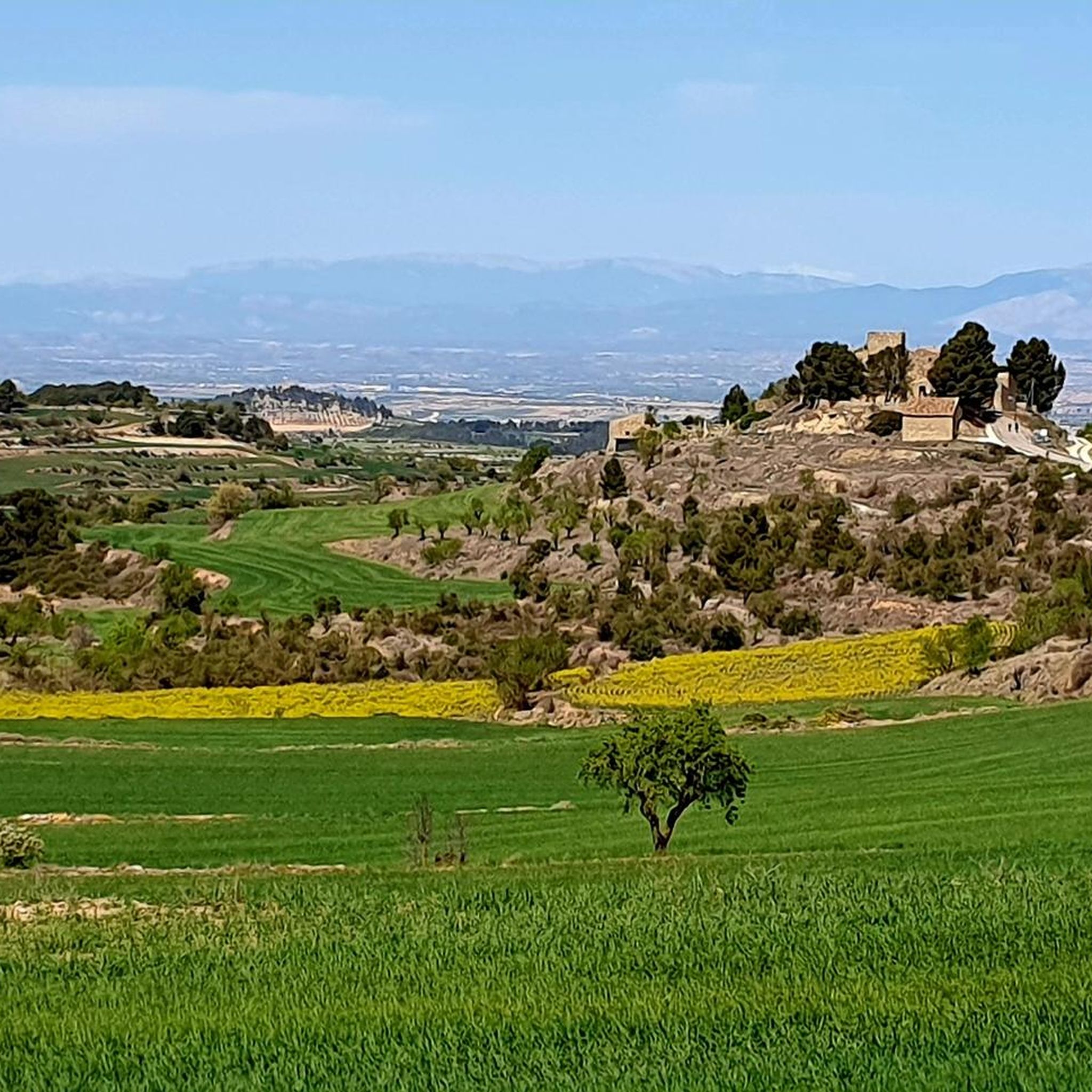
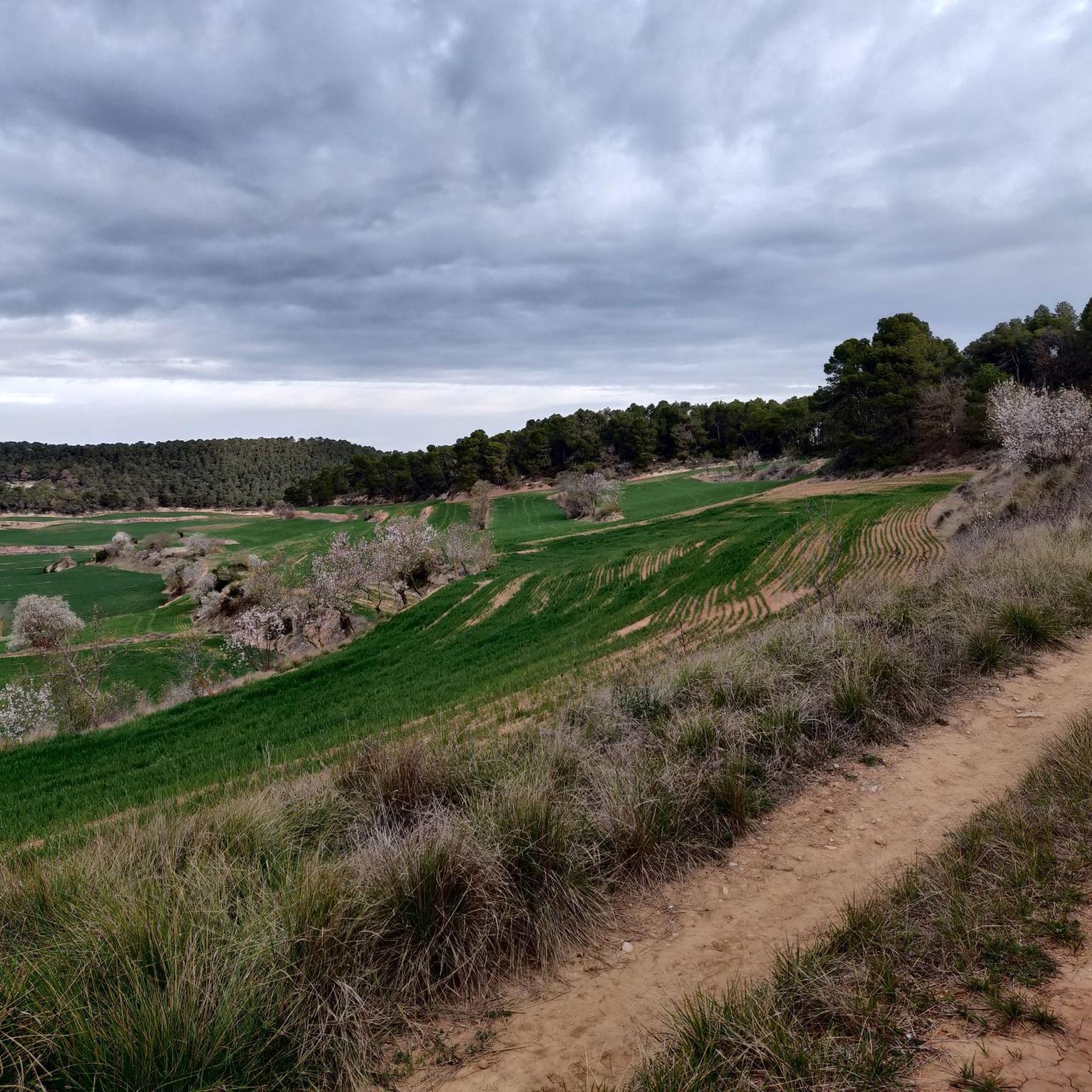
Other adventures around Passanant I Belltall

Tips from the Community

In addition to the views of the hilltop village of Albio, the views from Albio itself are also very beautiful.
0
0


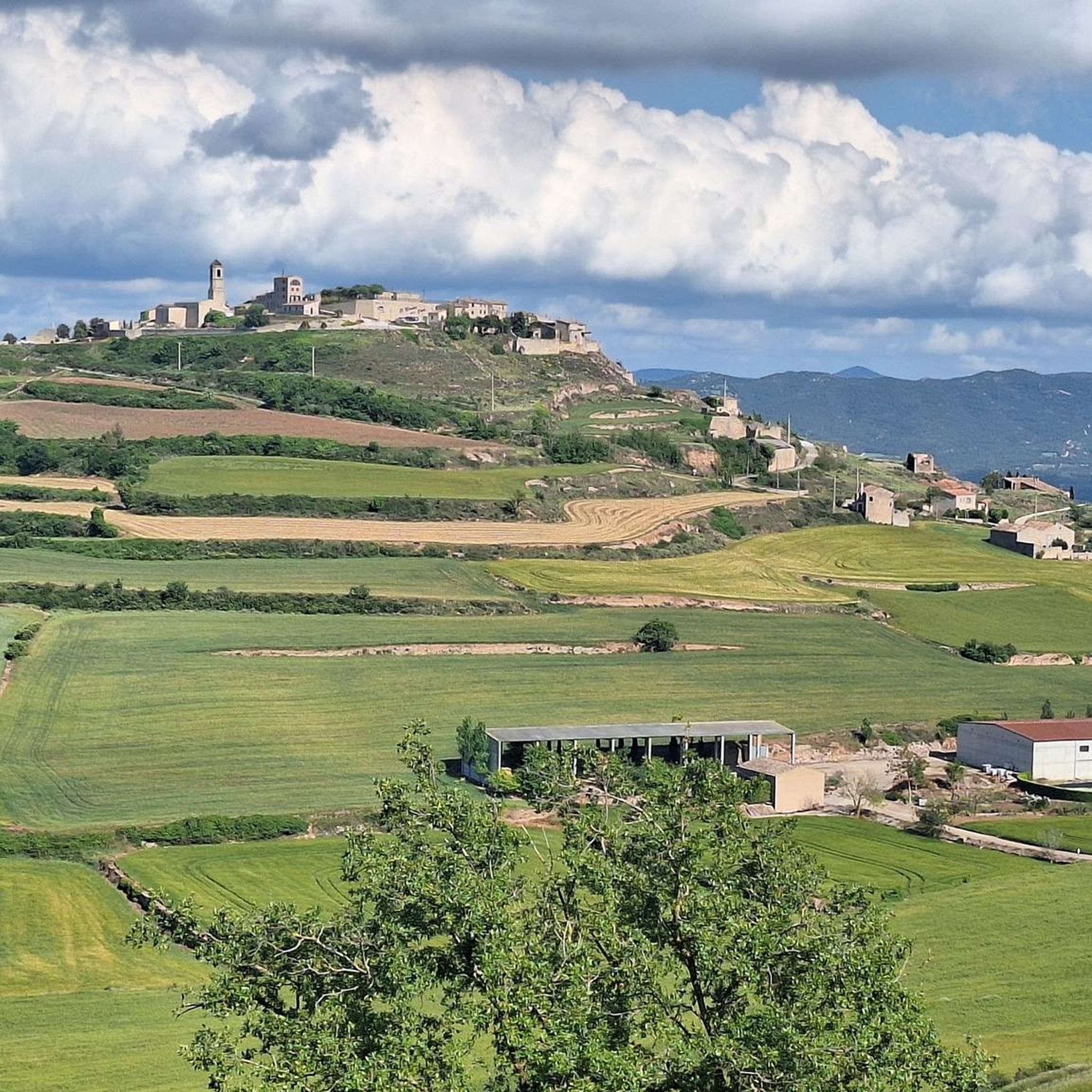
town with medieval charm to reach or from which to depart on the multiple routes, around "la Vall del Corb". Climatic refuge between L'Urgell and La Segarra and from there you can connect with Conca de Barberá
0
0

Beautiful medieval monastery from the Cistercian era, still inhabited by nuns.
0
0

The monastery of Santa María de Vallbona is a female Cistercian abbey founded in the 11th century and built in a mixture of Romanesque and Gothic styles. Together with the Poblet and Santes Creus monasteries, it forms the Cistercian Route.
0
0

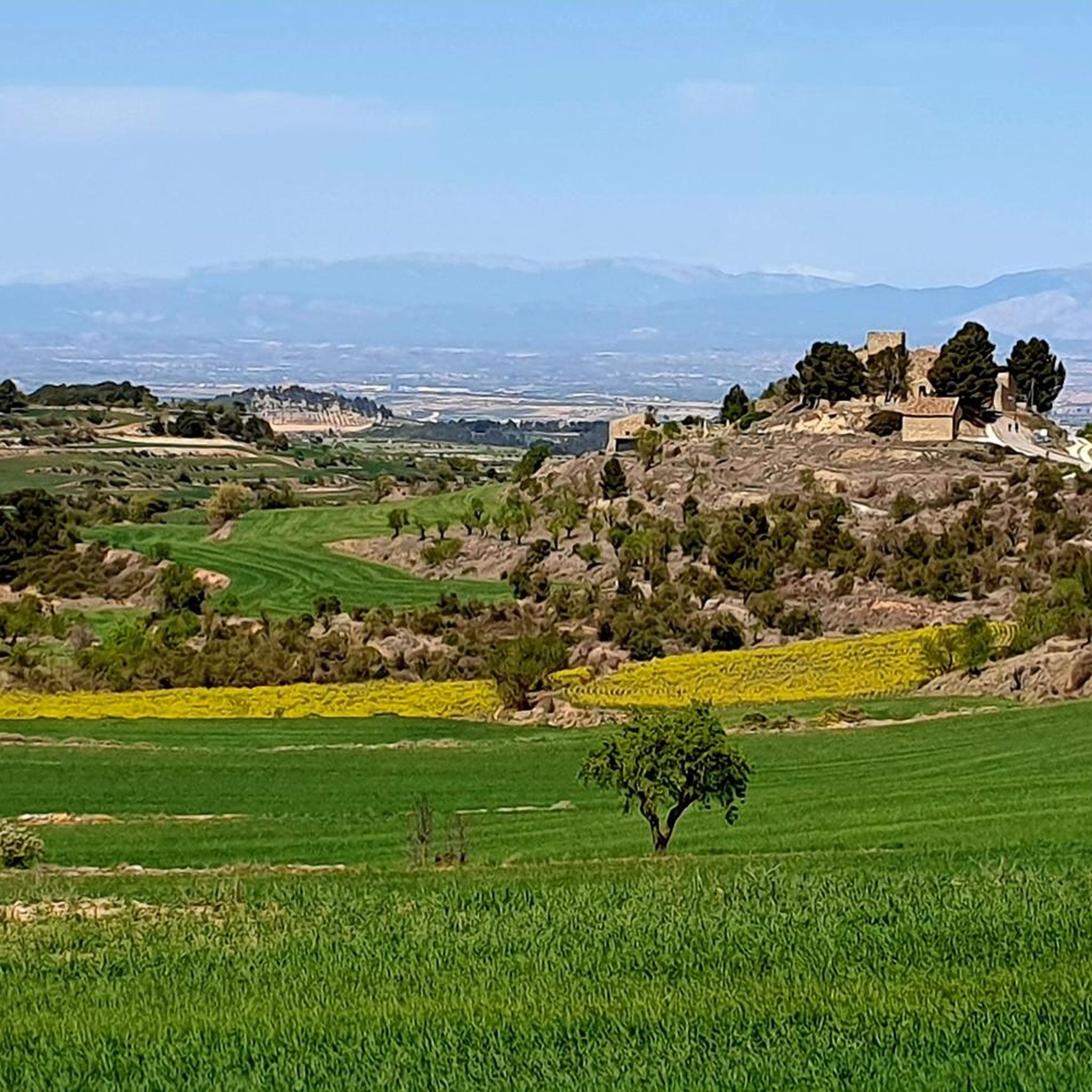
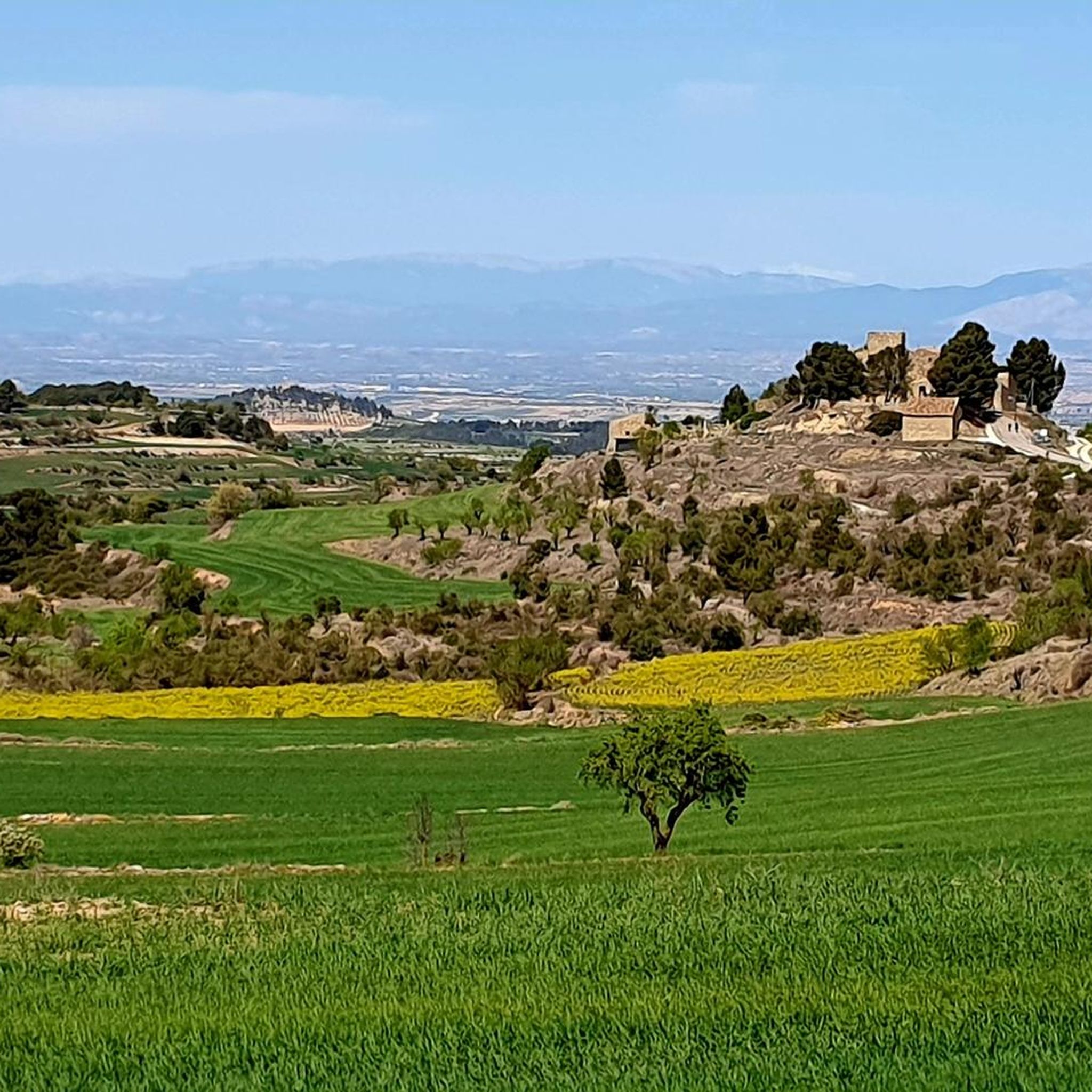
Albiò, crossing point in La Segarra. Visit between March and May, beyond that the atmosphere will be very dry.
0
0

The Tallat sanctuary appears in records as early as the 11th century, where a defense tower was located that took advantage of the magnificent views over the l'Urgell, Sagarra and Conca de Barberà regions. In the middle of the 14th century, a church was established as a result of the popular initiative of the residents of Rocallaura, and in 1475 it is said that a wooden carving of a Virgin Mary appeared to a shepherd. Legend has it that despite repeated attempts to move the carving, it returned to the place where the sanctuary is now, so they decided to leave it here. Then began a period of splendor for the sanctuary, with numerous reforms during the 15th and 16th centuries, some promoted by Fernando el Católico himself, who is said to have spent the night with Queen Isabella la Católica in 1493. By order of the king, it became in the priory of nearby Poblet, and a group of monks from the Cistercian order settled there. With the confiscation of Mendizabal in the first half of the 19th century, the monks abandoned the priory, and after the subsequent looting and destruction of the enclosure, the sanctuary remained abandoned until 1970 when a private association acquired the remains and took charge of their restoration and custody.
1
0
The monastery of Santa María de Vallbona is the most important female Cistercian monastery in Catalonia. It has maintained its monastic activity uninterruptedly for more than 800 years. Its beginnings, at the beginning of the 12th century, were as a mixed group of hermits who followed the Rule of Sant Benet, later converted into monastics, under the pastoral staff of its founder, Ramón de Vallbona. In 1175 the monks moved to Montsant, leaving the female monastic community in Vallbona, which joined the Cistercian order. The monastery is made up of the temple, presided over by the Mare de Déu del cor, in the usual sober and slightly ornamented style of the order, and by the trapezoidal-shaped cloister, and the other dependencies (chapter house, the archive and the old pharmacy).
1
0
Frequently Asked Questions
What historical sites can I explore in Passanant i Belltall?
Passanant i Belltall is rich in history. You can visit the remains of several medieval castles, such as those in Passanant, Glorieta, and La Pobla de Ferran. The municipality also features historical churches like the Baroque-style Sant Jaume Church in Passanant and the 19th-century Sant Pere Church in Belltall. Don't miss the restored Communal Bread Oven in Passanant, which now serves as a small museum.
Are there any significant religious buildings to visit in the area?
Yes, the region boasts several notable religious sites. The most popular is the Monastery of Santa María de Vallbona, a Cistercian abbey with Romanesque and Gothic architecture, which is part of the Cistercian Route. Another must-see is the Santuario del Tallat, a Gothic sanctuary from the 13th century offering expansive views. Within the municipality, you'll find the Sant Jaume Church in Passanant, known for its Baroque decoration, and the Sant Pere Church in Belltall.
What kind of natural landscapes can I expect to see around Passanant i Belltall?
The area is characterized by an authentic rural setting with extensive dryland agriculture and green fields stretching to the horizon. Pine and holm oak forests cover a significant portion of the municipality. It's drained by several tributaries of the Corb River, offering picturesque natural beauty ideal for outdoor exploration.
What outdoor activities are popular in Passanant i Belltall?
The region is excellent for outdoor enthusiasts. You can enjoy hiking and cycling on numerous routes, including local trails like 'Barraques de pedra seca de Belltall' and 'Les fonts emboscades de Passanant.' The GR 175, part of the Cistercian Route, also passes through. For those seeking more specific activities, there are various road cycling, gravel biking, and running trails available.
Are there any family-friendly attractions or activities?
While specific family-focused attractions aren't highlighted, the natural environment offers plenty for families to enjoy together. Many of the hiking and cycling routes are suitable for various ages, and exploring the historical villages and castle remains can be an engaging experience. The Monastery of Santa María de Vallbona is also considered family-friendly.
Where can I find scenic viewpoints in the area?
For breathtaking vistas, head to the Santuario del Tallat, located on a 788-meter-high hill, which offers panoramic views over the l'Urgell, Sagarra, and Conca de Barberà regions. Another excellent spot is Views of Albió, situated on a small hill at the westernmost end of Llorac, bordered by the Corb river.
What cultural experiences does Passanant i Belltall offer?
Passanant i Belltall preserves ancient traditions, often linked to agricultural activities. You can visit the Interpretation Center of Belltall Garlic, which highlights the importance of traditional garlic cultivation. The municipality also hosts various festivals throughout the year, such as the Festa de l'All de Belltall (Garlic Festival) in August, and the Festa Major of Passanant, offering a glimpse into local customs and celebrations.
Are there any unique or 'hidden gem' attractions?
Beyond the main highlights, consider exploring the charming old town of Passanant with its ancient medieval core and exposed stone facades. The restored communal ovens in Passanant and Glorieta offer a unique insight into historical community life. The small Romanesque Sant Blai Church in El Fonoll also provides a quiet, historical stop.
What is the best time to visit Passanant i Belltall for outdoor activities?
The region is generally pleasant for outdoor activities. For hiking and exploring the landscapes, spring (March to May) and autumn are ideal, offering mild temperatures and vibrant scenery. The tip for Albiò suggests visiting between March and May, as the atmosphere can become very dry later in the year. Summers can be warm, while winters offer a different, quieter experience.
Can I find trails suitable for beginner hikers or those looking for easy walks?
Yes, the municipality offers a variety of routes, some of which are suitable for beginners. While specific 'easy' designations aren't always given, many local trails, such as 'Les fonts emboscades de Passanant,' are designed for exploring the local flora and fauna without extreme difficulty. It's always recommended to check the specific route details on komoot for difficulty grades before heading out.
What do visitors enjoy most about Passanant i Belltall?
Visitors appreciate the blend of historical sites, cultural experiences, and natural beauty. The serene rural setting, the well-preserved medieval elements in villages like Guimerà, and the panoramic views from spots like the Santuario del Tallat are frequently praised. The opportunity for quiet exploration and connecting with authentic Catalan heritage is a significant draw.
Most popular routes around Passanant I Belltall
Most popular attractions around Passanant I Belltall

Get inspired with the komoot mobile app


Explore more
Still not found the Highlight you’re looking for? See guides of the top attractions in other regions:
